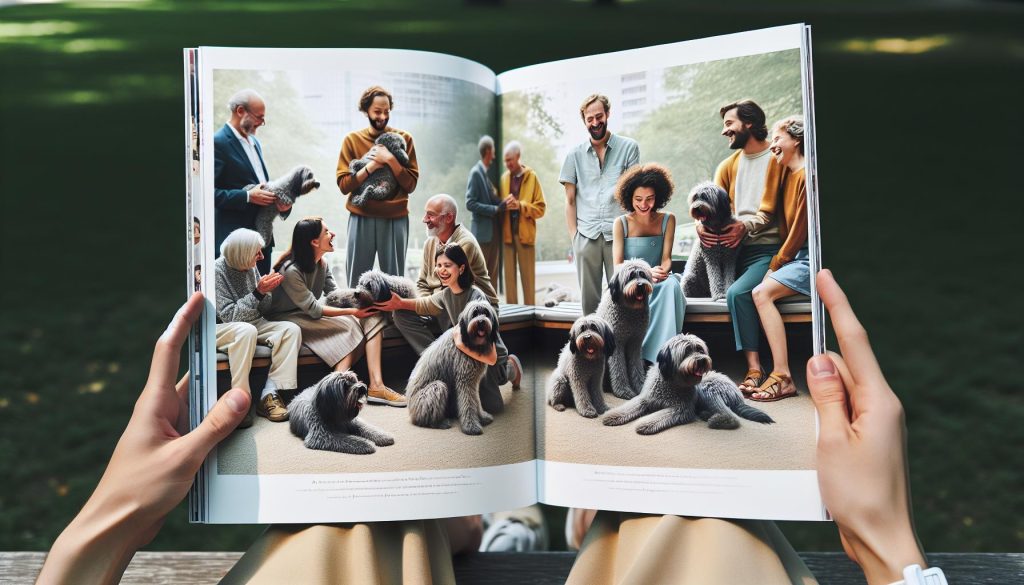
Did you know that Barbets are not just charming companions but also highly intelligent and versatile dogs, originally bred for waterfowl hunting? “Barbet Dog Mon Ami: Building a Lifelong Bond with Your Barbet” dives into the heart of nurturing a deep connection with this wonderful breed. Whether you’re a first-time owner or a seasoned handler, understanding the unique needs and traits of your Barbet is essential for fostering a rewarding relationship. From their playful spirit to their affectionate nature, Barbets thrive on companionship and mental stimulation. This guide will provide you with practical tips and insights on training, care, and activities that cater to your Barbet’s strengths. Let’s explore how you can lay the foundation for a lifelong friendship that respects your dog’s individuality while ensuring they lead a happy, fulfilling life. Prepare to discover the joys and responsibilities of owning a Barbet-it’s more than just a pet; it’s a lasting bond.
Understanding the Barbet Dog Breed Characteristics
The Barbet, a rare and charming breed originally from France, is well-known for its friendly disposition and unique, distinctive coat. These medium-sized dogs possess a luxurious, thick, and curly fur that helps them thrive in water and cold environments. Not just striking in appearance, Barbets are highly intelligent and incredibly versatile; they’re adept at various activities, including hunting, agility, and obedience. Their enthusiastic nature makes them excellent companions for families, singles, and seniors alike, showcasing a remarkable ability to adapt to different lifestyles.
It’s important to understand that Barbets are social creatures who thrive on human interaction. They are generally warm-hearted and playful, often displaying a gentle demeanor, which makes them suitable for households with children and other pets. Due to their high intelligence, they can be quick learners, absorbing new commands and tricks with ease. However, this intelligence also means they require mental stimulation; failure to provide adequate challenges can lead to boredom, which may manifest in undesirable behaviors.
When considering adding a Barbet to your family, it’s essential to factor in their grooming needs. Their curly coat, while stunning, requires regular attention to prevent matting and to keep their skin healthy. Regular brushing and occasional trims contribute to their well-being and comfort. Understanding these characteristics can help nurture a strong bond, ensuring your Barbet remains a happy and well-adjusted member of your family. By appreciating their unique traits and grooming requirements, you’ll be better prepared to integrate this delightful breed into your life, setting the stage for a fulfilling, lifelong companionship.
Building Trust: The Key to Your Barbet’s Heart
Once you welcome a Barbet into your home, you’re not just gaining a pet; you’re also embarking on a beautiful journey of friendship and loyalty. Building a trusting relationship with your Barbet is crucial for a joyful life together. These dogs are incredibly sensitive and intuitive, often picking up on our emotions and reactions. A Barbet’s trust can be won through gentle interaction, consistent routines, and most importantly, a wealth of positive reinforcement.
Establishing a strong bond begins with patience. Spend quality time with your Barbet, engaging in playful activities that tap into their natural instincts, such as fetching or swimming. As this breed thrives on human companionship, including them in your daily life will deepen your connection. Make use of simple commands paired with treats or praises when they respond correctly. This practice not only reinforces their training but also strengthens the bond you share. Remember, small gestures like petting, playing, or simply sitting next to them during a quiet moment can dramatically increase their sense of security and trust.
Being transparent in your actions also plays a pivotal role in developing trust. Barbets can be wary of sudden movements or loud noises, so create a calm environment where they feel safe. Consistency is key-establish a routine for feeding, walks, and playtime. Predictable schedules help your Barbet feel more secure and cement the idea that you are a reliable companion. Additionally, incorporating quiet training sessions can significantly enhance your communication skills with your Barbet, showcasing your commitment to understanding their needs.
As you nurture this bond, be mindful of your Barbet’s unique personality. Observing their reactions to different situations will guide you in adapting your approach, helping you foster an even deeper connection. Trust isn’t built overnight; it requires effort, understanding, and a willingness to grow together. By investing time and love into your relationship, you’ll find that your Barbet not only becomes a devoted companion but also a cherished member of your family.
Essential Training Tips for First-Time Barbet Owners

Welcoming a Barbet into your home is an exciting adventure, but it also comes with the responsibility of ensuring they are well-trained and happy. Equipped with a natural curiosity and high intelligence, Barbets thrive on training and stimulation. These dogs, known for their playful and sociable nature, benefit significantly from consistent training practices that can help shape their behavior and deepen your bond. Here are some essential training tips that first-time Barbet owners can implement to set the foundation for a lifelong companionship.
One effective training approach is to harness their playful spirit. Positive reinforcement is key when training a Barbet. Use treats, praise, and playtime as rewards for good behavior. Start with simple commands like “sit,” “stay,” and “come.” For example, when your Barbet sits on command, celebrate the achievement with a treat and enthusiastic praise. This not only reinforces the behavior but also builds your dog’s confidence and encourages them to learn more commands. Keeping training sessions short-about 5 to 10 minutes-will help maintain their attention, and you can gradually increase the complexity as they master the basics.
Socialization is equally important for a Barbet, especially since they are social dogs that enjoy interacting with both people and other animals. Early exposure to different environments, sounds, and situations can be beneficial. Take your Barbet to parks, introduce them to various pet-friendly locations, and involve them in playdates with other dogs. This not only helps to prevent behavioral issues down the line but also ensures they grow into well-rounded adults. Attending a puppy training class can be an excellent way for them to learn in a structured environment while also meeting other dogs and people.
Incorporate mental challenges into their training routine to keep your Barbet engaged. Tasks like puzzle toys or scent games can provide not only physical exercise but also mental stimulation. For instance, you can hide treats around the house and encourage your Barbet to find them using their keen sense of smell. Such activities tap into their natural instincts and can help mitigate any boredom-related behaviors. Always remember that training is a two-way street-be patient and adaptable to your Barbet’s needs, celebrating small victories as you both learn together.
In summary, fostering a lifelong bond with your Barbet hinges on patience, consistent training, and positive engagement. By utilizing positive reinforcement methods, focusing on socialization, and providing mental challenges, you’ll create a joyful and fulfilling environment for your dog. This approach will not only establish basic obedience but also cultivate a lasting partnership filled with trust and joy. With each step taken in training, you’re building a magnificent relationship with your furry friend, one paw at a time.
Creating a Stimulating Home Environment for Your Barbet

Creating a lively and engaging home environment for your Barbet is essential in fostering their natural curiosity and intelligence. This medium-sized dog, known for its friendly demeanor and distinctive curly coat, thrives in spaces that stimulate both their physical and mental needs. A well-rounded environment not only keeps them entertained but also channels their energy positively, reducing the likelihood of destructive behaviors.
To start, make sure your home is equipped with a variety of toys that cater to your Barbet’s playful nature. Puzzle toys, which require problem-solving to access treats, can provide beneficial mental challenges. Incorporating interactive games where your Barbet has to use their nose to track down hidden treats can tap into their hunting instincts, promoting engagement and satisfying their natural desires. Regularly rotating toys can also keep them excited; introducing new textures and sounds will spark their interest and serve as a delightful surprise.
Alongside toys, consider creating designated play and relaxation zones within your home. Barbets thrive on social interaction but also benefit from having a cozy retreat where they can unwind. A comfortable bed in a quiet nook, combined with a few snuggle-worthy blankets, will give your Barbet a safe space to recharge after play sessions. It’s also a great idea to have a designated area for training, as creating a consistent environment helps your dog focus and learn more effectively.
You might also check your yard or local parks for safe spaces to exercise. Barbets are known for their swimming ability, so if you have a pool or live near a water body, this could be a fantastic outlet for both exercise and fun. Supervised swimming not only strengthens their muscles but also provides an opportunity for bonding. Furthermore, surrounding your Barbet’s environment with features that encourage exploration-like agility equipment or climbing structures-can significantly enhance their overall enjoyment and mental stimulation.
Ultimately, cultivating a stimulating home environment does not just cater to your Barbet’s needs; it lays the foundation for a lifelong bond filled with joy and discovery. By providing engaging activities, a comforting space, and opportunities for play, you’ll cultivate a happy, well-adjusted companion who enriches your life as much as you enrich theirs.
The Importance of Regular Exercise for Barbets

Regular exercise is crucial for maintaining the health and happiness of your Barbet. These energetic dogs, originally bred as waterfowl hunters in France, not only require physical activity but thrive on it. A well-exercised Barbet is not just physically fit; they’re also mentally stimulated, helping to prevent the boredom that can lead to undesirable behaviors like chewing furniture or excessive barking.
To meet your Barbet’s exercise needs, aim for a combination of vigorous activities and gentle walks. A daily regimen of at least 60 to 90 minutes is ideal, though the specific activities can be tailored to your dog’s preferences. Some Barbets may love fetching balls, while others might prefer more explorative walks through nature. Consider including swimming sessions, as they articulate a natural affinity for water; this activity is not only fun but also a fantastic way to exercise without putting undue stress on their joints.
Creating an Exercise Routine
A structured approach to exercise can help ensure your Barbet remains active and engaged. Here’s a simple weekly schedule to follow:
| Day | Activity | Duration |
|---|---|---|
| Monday | Long walk or hike | 1 hour |
| Tuesday | Fetch at the park | 1 hour |
| Wednesday | Swimming session | 30 minutes |
| Thursday | Agility training | 45 minutes |
| Friday | Grooming and brief walk | 30 minutes |
| Saturday | Play date with other dogs | 1 hour |
| Sunday | Exploratory local trails | 1 hour |
In addition to physical fitness, incorporating playtime into your Barbet’s routine provides essential mental stimulation. This can include playing hide-and-seek with treats, engaging in tug-of-war, or participating in obedience training. These activities not only reinforce training but also build a strong bond between you and your furry friend.
Ultimately, regular exercise fosters a happier, healthier Barbet. By making physical activity an enjoyable part of their daily life, you ensure that your dog stays fit and energetic while deepening your connection together. Remember, a well-exercised Barbet is a well-behaved Barbet!
Health Considerations: Caring for Your Barbet’s Well-Being

Caring for your Barbet’s health goes beyond routine check-ups-it’s about creating a life filled with wellness and happiness for your furry friend. Known for their affectionate and lively nature, these dogs thrive with owners who prioritize their well-being. From regular veterinary visits to a balanced diet and mental stimulation, keeping your Barbet healthy is a multifaceted commitment. A mindful approach ensures that you can enjoy countless adventures together, fostering a bond that enriches both your lives.
Establishing a veterinary routine is essential. Make sure your Barbet gets an annual health check to monitor common breed-specific concerns such as hip dysplasia, eye disorders, and skin conditions. Regular vaccinations and preventive medications for parasites also help mitigate health risks. Don’t hesitate to discuss any unusual behaviors or changes in appetite with your vet-early detection is key to effective treatment.
In addition to the medical care, providing a balanced diet tailored to your Barbet’s needs is critical. Look for high-quality dog food containing real meat, fruits, and vegetables. Since these dogs can be prone to obesity, controlling portion sizes and maintaining a feeding schedule can help manage their weight. You might consider visiting your vet for nutritional guidance tailored specifically to your Barbet’s age, weight, and activity level to develop the best feeding plan.
Mental stimulation is equally vital for your Barbet’s overall well-being. Engaging them in puzzle toys, obedience training, or interactive games not only keeps their mind sharp but also strengthens your bond. A mentally stimulated dog is less prone to behavioral issues, leading to a more harmonious household. Incorporating short training sessions into your daily routine, blending learning with playtime, yields great results while ensuring your Barbet feels loved and valued.
Regular Care Checklist
To help ensure your Barbet enjoys a healthy life, consider this routine care checklist:
| Care Task | Frequency |
|---|---|
| Veterinary check-up | Annually |
| Vaccinations and preventatives | As recommended by your vet |
| Daily exercise | At least 60-90 minutes |
| Grooming (brushing and baths) | Weekly |
| Nutritional feeding | Twice daily |
| Mental stimulation games | Daily |
By integrating these practices into your routine, you’re not just caring for your Barbet’s physical health but also enriching their emotional and mental well-being. A happy, healthy Barbet is a wonderful companion, ready to share endless joy and loyalty. Remember, investing time in understanding and nurturing your Barbet leads to a rewarding companionship that lasts a lifetime.
Nutrition Guide: Feeding Your Barbet for Optimal Health
Feeding your Barbet right from the start establishes a strong foundation for health and happiness. These dogs have specific nutritional needs, given their moderate energy levels and predisposition to certain health issues. As a breed originally developed for hunting and retrieving, Barbets require a balanced diet that supports their activity levels, promotes a healthy coat, and maintains overall well-being.
When selecting dog food for your Barbet, prioritize high-quality options with real meat as the primary ingredient, since protein is crucial for muscle development and energy. Look for formulas that also include a variety of fruits and vegetables, which provide essential vitamins and antioxidants. Given their tendency toward obesity, it’s vital to monitor your dog’s weight closely and adjust portion sizes accordingly. A nutritional consultation with your veterinarian can help tailor a diet plan that matches your Barbet’s age, weight, and energy levels.
To further enhance your dog’s dining experience and nutritional intake, consider incorporating the following best practices:
- Feeding Schedule: Establish a regular feeding schedule with two meals a day to prevent overeating. This routine helps regulate metabolism and may assist in potty training.
- Portion Control: Use measuring cups to ensure you’re providing the correct portions. Most kibble packaging includes feeding guidelines based on your dog’s weight.
- Hydration: Always provide access to fresh water. If you notice your Barbet isn’t drinking enough, consider adding water or low-sodium broth to their food to encourage hydration.
- Treats in Moderation: While treats are an excellent way to bond with your dog, keep them to less than 10% of their daily caloric intake. Opt for healthy treats like carrots or sweet potatoes.
Additionally, it’s beneficial to recognize signs that your Barbet may need a dietary adjustment. Watch for changes in energy levels, coat quality, or digestive health. These can signal a need for a nutritional shift that benefits their overall vitality. Remember, investing in a balanced, nutritious diet will not only keep your Barbet healthy but also enhance the bond you share through the many joyful moments you spend together.
Grooming Essentials: Keeping Your Barbet Looking Great
The Barbet, celebrated for its luscious, curly coat, is not just a beautiful companion; they also need regular grooming to maintain their striking appearance and overall health. These affectionate dogs have a unique fur texture that, while delightful to pet, can easily become tangled and matted if not cared for properly. Establishing a grooming routine early on can nurture a strong bond with your Barbet while ensuring they look their best.
To keep your Barbet’s coat in top condition, brushing is essential. Aim to brush your dog at least once a week, or more frequently if they have been exposed to water or mud, as these can increase the likelihood of matting. Use a slicker brush or a pin brush designed for curly coats, which can penetrate the curls without pulling the hair too harshly. When brushing, be sure to start from the skin and work your way out to avoid any discomfort. This not only helps detangle their coat but also allows you to check for any skin issues or parasites.
Bathing and Drying
Bathing is another important aspect of grooming that should be done every four to six weeks, or more often if your Barbet gets particularly dirty. Use a gentle, high-quality dog shampoo that suits their coat type; if in doubt, consult your vet for recommendations. After washing, it’s essential to dry your Barbet properly. A fluffy towel is your best friend, but you can also use a blow dryer on a low setting to help fluff up their curls. Just be cautious and keep the dryer a safe distance from their skin to avoid overheating.
Trimming and Professional Grooming
Although regular brushing and bathing can keep your Barbet looking sharp, they may also benefit from professional grooming every few months. A professional groomer can expertly trim the coat to maintain its shape while preventing excessive matting. Discuss your desired coat length and let the groomer know about any specific needs or styles you prefer for your pup. It’s a great way to ensure your dog looks and feels fantastic while giving you a break from the more challenging aspects of grooming.
By being proactive with your Barbet’s grooming needs, you’ll foster a lifelong bond built on trust and care. Regular grooming sessions can be a fun opportunity for you to connect, while also ensuring your furry friend remains healthy and comfortable. Remember, when your Barbet feels good about their appearance, they radiate happiness that reflects in the joyful bond you share!
Bonding Activities: Fun Ways to Connect with Your Barbet
Engaging with your Barbet goes beyond basic training and daily care; it’s about creating meaningful experiences that strengthen your bond. Barbets, with their intelligent and playful nature, thrive on activities that stimulate both their bodies and minds. Whether you’re a first-time owner or have experience with the breed, finding fun and creative ways to connect with your furry companion is essential for nurturing a lasting relationship.
One entertaining way to bond with your Barbet is through interactive play. Think beyond traditional fetch and incorporate toys that require problem-solving skills, like puzzle feeders or toys that dispense treats. These activities not only keep your Barbet physically engaged but also mentally stimulated, which is crucial for a breed that excels in tasks and enjoys a challenge. Incorporating regular game sessions into your routine will help your Barbet associate you with fun, making them more likely to seek your company during quieter moments.
Explore the Great Outdoors Together
Barbets are naturally drawn to water and enjoy a good swim, making trips to a nearby lake or beach a fantastic bonding opportunity. Spending time outdoors isn’t just about exercising; it’s about shared experiences that foster trust and companionship. Encourage your Barbet to paddle alongside you while you paddleboard or kayak, or simply let them splash around and enjoy the water. These adventures create lasting memories and help your Barbet feel more secure and happy in your presence.
Incorporate Training Sessions into Fun Activities
Training is another essential component of bonding. Create positive learning environments by turning training exercises into games. Use treats or their favorite toys as rewards and teach them fun tricks like rolling over or playing dead. Regular training not only reinforces good behavior but also deepens your connection through positive interactions. Make it a point to keep sessions short and enjoyable, as long and tedious practices can lead to resistance rather than enthusiasm.
Ultimately, the key is to integrate these activities into your daily life with your Barbet. Show them affection and praise during your endeavors, and don’t forget to take plenty of breaks for cuddling! Building a connection is all about consistency and love, ensuring that your Barbet knows they hold a cherished place in your heart. As you embark on these bonding adventures together, you’ll discover more about each other and create a relationship filled with joy, trust, and understanding.
Understanding Barbet Behavior: Socialization and Play
Understanding your Barbet’s behavior is essential for creating a harmonious and happy home together. This breed is known for its friendly and intelligent nature, making socialization and playtime crucial components of their development. From puppyhood through adulthood, Barbets thrive on interaction-not just with humans but also with other dogs and animals. They are naturally curious and enjoy exploring their environment, which means that early and consistent socialization helps them grow into well-adjusted companions.
The Importance of Socialization
With their friendly disposition, Barbets typically get along well with other pets and people; however, proper socialization is vital to ensure they are confident and comfortable in various situations. Introducing your Barbet to different environments, sounds, and experiences can prevent behavioral issues later on. Aim to expose your dog to a variety of settings, such as parks, pet-friendly events, and the homes of friends with children or other animals. Always approach new experiences positively and reward your Barbet with treats or praise for calm behavior; this reinforces their confidence and builds a bond of trust between the two of you.
Engaging in Play
Playtime isn’t just fun; it’s a fundamental way for Barbets to learn and socialize. Incorporate a mix of mentally stimulating games and physical exercise into your routine. Activities like fetch, agility training, and interactive puzzles can significantly enhance their cognitive skills while maintaining their physical health. As Barbets are water enthusiasts, don’t forget to take advantage of this trait by engaging them in swimming or retrieving games in water. Watching your Barbet joyfully splash around can touch your heart while fostering a strong connection through shared activities.
Creating a play schedule can help keep these activities consistent and engaging. Consider alternating games or introducing new toys to keep things fresh. The goal is to create an environment where your Barbet feels safe and loved, encouraging them to express their natural behaviors, socialize confidently, and build a deep bond with you. Remember, every moment spent playing and socializing is an opportunity to understand your Barbet better and deepen your connection, setting the foundation for a lifelong friendship.
Tips for Traveling with Your Barbet: A Smooth Journey
Traveling with your Barbet can be an enriching experience that strengthens the bond between you and your furry companion. Whether you’re embarking on a road trip to the beach or a visit to a family member’s home, preparation and awareness can ensure a smooth journey for both of you. Barbets are known for their lovable nature and adaptability, making them wonderful travel partners. Here are some practical tips to help make your travel experience enjoyable and effective.
First and foremost, ensure your Barbet is comfortable and safe during the journey. Invest in a quality dog seat belt or a well-ventilated travel crate to secure them in the vehicle. Not only does this keep your dog safe while driving, but it also gives them a dedicated space to relax. Bring along their favorite blanket or toy to provide familiarity amidst new surroundings. Regular breaks are essential; every 2-3 hours, stop to let your Barbet stretch, relieve themselves, and hydrate. This also gives both of you a chance to enjoy a little outdoor time, which is especially important given their love of swimming and play.
H3: Preparing for Different Travel Scenarios
When planning your trip, think about where you’ll be staying and the activities both you and your Barbet can partake in. If you’re heading to pet-friendly accommodations, familiarize yourself with any specific rules regarding pets. Some hotels may have restrictions or additional fees, so checking in advance can save you from last-minute surprises. Also, always have a plan for activities that suit your dog’s energetic nature-consider bringing along portable fetch toys or even identifying nearby dog parks where your Barbet can socialize and play freely.
H3: Health and Safety Considerations
Before hitting the road, ensure your Barbet’s health is prioritized. Schedule a visit to the vet to confirm they are up-to-date on vaccinations and flea/tick preventatives. It’s helpful to travel with a copy of their health records in case of emergencies. Additionally, pack a travel kit that includes their food, water, bowls, and any necessary medications. Also, be mindful of the temperature inside the car. Barbets can be sensitive to heat, so ensuring proper ventilation and never leaving them unattended in a parked car is vital.
Lastly, nurture a loving and calm environment throughout your travels. Dogs can pick up on anxiety from their owners, so maintaining a positive attitude can help your Barbet feel secure. Bring treats to reward good behavior during the journey and enjoy those moments of exploring new places together. Traveling with your Barbet is not just about the destination; it’s about creating lasting memories that enrich your relationship and strengthen the bond you share.
Building a Lifelong Routine: Daily Care for Your Barbet
Establishing a daily care routine for your Barbet is essential for not only their well-being but also for strengthening the bond you share. These lovable, energetic dogs thrive on consistency and engagement, making it crucial to incorporate various activities into their everyday lives. From regular feeding schedules to playtime and grooming, each element of your Barbet’s daily routine serves to enhance their happiness and health.
One of the cornerstones of daily care is a balanced diet tailored to your Barbet’s specific needs. Adult Barbets typically require high-quality kibble or a balanced raw diet, depending on your preference and their individual health requirements. It’s wise to consult with your veterinarian to determine portions and meal frequency, as factors like age, activity level, and weight can influence their dietary needs. Remember to structure feeding times, as this not only aids digestion but also gives your Barbet a sense of security through predictability.
Incorporating playtime into your routine is another vital aspect for both your Barbet’s physical and mental stimulation. These dogs are natural swimmers and love fetch or hide-and-seek games. Setting aside at least 30 to 60 minutes each day for vigorous play will keep your Barbet fit and prevent boredom. You might also consider diversifying activities throughout the week – one day can be dedicated to agility training or puzzle toys, while another day can include a trip to a local dog park for socialization with other dogs.
Regular grooming is also an integral part of caring for a Barbet, given their unique, curly coats. Establish a grooming schedule that includes brushing their coat at least once a week to prevent matting, along with periodic baths to keep their coat fresh and clean. You might find it beneficial to introduce grooming as part of your routine from an early age, which helps your dog associate grooming with positive experiences. As a final touch, regular dental hygiene, such as brushing teeth or using dental chews, is important to maintain their overall health.
Consistency in your daily interactions fosters trust and a deep emotional connection with your Barbet. Simple acts like taking them for a walk, engaging in training sessions, or just lounging together provide comfort and companionship. Over time, these structured daily rituals will create a loving and supportive environment that not only enhances your Barbet’s quality of life but also establishes a lasting, fulfilling bond between you.
FAQ
Q: How do I effectively socialize my Barbet?
A: To socialize your Barbet, expose them gradually to different environments, people, and other animals. Start early and use positive reinforcement to encourage good behavior. Engaging in puppy classes or dog parks can be beneficial. Refer to the “Understanding Barbet Behavior” section for more insights on socialization strategies.
Q: What are common behavioral issues in Barbets and how can I address them?
A: Common behavioral issues in Barbets include separation anxiety and excessive barking. Address these by providing ample exercise, mental stimulation, and establishing a routine. Consistent training using positive reinforcement can help modify undesirable behaviors. Check the “Essential Training Tips for First-Time Barbet Owners” for effective techniques.
Q: How much exercise does a Barbet need daily?
A: A Barbet requires at least 60 minutes of exercise daily. Activities like brisk walks, fetch, and swimming are excellent. Engaging in playtime and obedience training can also fulfill their physical and mental needs. Explore the “Importance of Regular Exercise for Barbets” section for more specifics.
Q: When is the best time to start training my Barbet?
A: Start training your Barbet as soon as you bring them home, ideally around 8 weeks old. Early training is crucial for instilling good habits and socializing them effectively. Visit the “Essential Training Tips for First-Time Barbet Owners” section for a detailed plan.
Q: What should I include in my Barbet’s daily routine?
A: A suitable daily routine for your Barbet should consist of consistent feeding times, exercise, training sessions, and playtime. Don’t forget to incorporate grooming and bonding activities to build your relationship. For a thorough guide, check the “Building a Lifelong Routine” section.
Q: What are the best ways to groom a Barbet at home?
A: To groom your Barbet at home, brush their coat regularly to prevent matting and bathe them as needed. Focus on their ears and paws during grooming sessions, and consider professional grooming every few months. For detailed grooming techniques, refer to the “Grooming Essentials” section.
Q: How can I help my Barbet adjust to new situations or people?
A: Help your Barbet adjust by gradually introducing them to new experiences and maintaining a calm demeanor. Use treats and praise to reinforce positive interactions. Engage with the “Building Trust” section for more strategies on creating a secure environment for your dog.
Q: Why is nutrition important for the overall health of my Barbet?
A: Nutrition is critical for your Barbet’s overall health as it affects their energy levels, coat quality, and longevity. A balanced diet tailored to their age, size, and activity level will support their well-being. For feeding guidance, refer to the “Nutrition Guide” section for detailed recommendations.
The Way Forward
As you embark on your journey of building a lifelong bond with your Barbet, remember that consistency and love are key. This unique breed, known for its affectionate nature and boundless energy, thrives when engaged in shared activities, whether it’s swimming or training. Don’t hesitate to revisit our guides on Barbet grooming and training techniques to ensure you’re fully equipped to care for your canine companion.
To further enrich your understanding, check out our articles on Barbet nutrition and activity needs, which offer invaluable insights into keeping your pup healthy and happy. Ready to take the next step? Sign up for our newsletter to receive expert tips directly to your inbox and join our community of fellow Barbet enthusiasts. Let’s make every moment count with your furry friend and foster that unbreakable bond!