
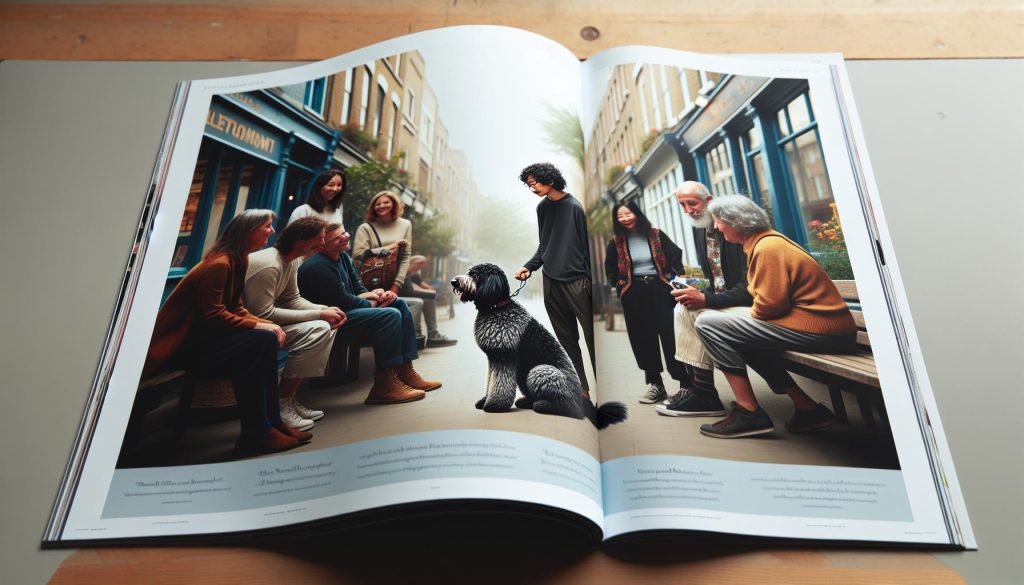
Did you know that Barbets are often described as the ultimate family dogs, famed for their friendly and sociable nature? As you dive into the world of Barbet dog characteristics, you’ll discover why these affectionate canines captivate the hearts of dog lovers everywhere. Their playful temperament, intelligence, and eagerness to please make them fantastic companions, whether you’re a first-time dog owner or a seasoned handler. Understanding the personality traits that define Barbets is essential for potential owners to ensure a harmonious match between pet and family. From their loving interactions with children to their impressive trainability, Barbets offer unique qualities that can enrich your home life. Join us as we explore the delightful traits of this charming breed and uncover what makes them such a special addition to any household. Your journey to becoming a devoted Barbet owner starts here!
Barbet Dog Overview: A Unique Breed Introduction
When you think of a dog breed that beautifully balances charm, intelligence, and versatility, the Barbet stands out. Known for their distinctive curly coat and friendly demeanor, these medium to large-sized dogs, originally from France, have a rich history as skilled waterfowl retrievers. Their name actually derives from the French word “barbe,” meaning beard, which aptly describes their unique facial hair that not only enhances their appearance but also indicates their keen ability in aquatic environments. They are often called French Water Dogs for a reason-their innate swimming ability and love for water set them apart in the canine world.
Barbets are exceptionally sociable and get along well with families, children, and other pets. They thrive in environments where they can be active participants in family life, given their strong desire for companionship and interaction. These dogs are both playful and affectionate, with a temperament that makes them excellent not just as working dogs but also as beloved family pets. However, owning a Barbet is not just about enjoying the positives; prospective owners should be aware of their grooming needs due to their curly, water-resistant coats that require regular maintenance to prevent matting and skin issues.
With their intelligence and eagerness to please, Barbets excel in training, making them suitable for various roles beyond companionship, including therapy and service work. Understanding their unique blend of characteristics can help new owners prepare for the responsibilities of dog ownership while appreciating the joy a Barbet can bring into their lives. This breed truly encapsulates the saying, “man’s best friend,” particularly for those prepared to engage actively with a curious and loving dog.
Understanding Barbet Temperament

The Barbet dog is a delightful blend of intelligence, friendliness, and adaptability, making them one of the most endearing companions for families and individuals alike. With a temperament that’s as buoyant as their love for water, Barbets are known for their sociable nature and affectionate demeanor. They thrive on interaction and companionship, often forming deep bonds with their human families. This breed is not just about playful antics and charming looks; their rich history as waterfowl retrievers shines through their innate desire to be included in outdoor activities and family gatherings.
Barbets exhibit a friendly disposition that makes them excellent with children and other pets, displaying genuine warmth and curiosity towards their surroundings. They are typically non-aggressive and are quick to show affection, often enjoying cuddle time with family members. This friendly nature can sometimes translate into exuberance; therefore, it’s essential for owners to engage them in activities that provide both physical exercise and mental stimulation. Regular playtime, whether it’s swimming, fetching, or simply exploring the outdoors, helps channel their energy positively.
However, this warm temperament doesn’t mean Barbets are free of challenges. Their intelligence can sometimes lead to stubbornness if they feel their needs for activity and attention are not met. Owners should prioritize consistent training and socialization from a young age, introducing their pups to various environments, people, and other animals. This proactive approach not only enhances the dog’s confidence but also aids in curbing any tendencies toward shyness or mischief that may arise from boredom. Providing clear boundaries and plenty of positive reinforcement will maximize their potential as well-behaved members of the family.
In summary, the Barbet is a breed that exemplifies affection, intelligence, and playfulness. They are best suited for families or individuals willing to invest time in their socialization and training while enjoying the abundant joy and companionship Barbets have to offer. With proper attention and care, these water-loving dogs can bring boundless happiness, loyalty, and love into any home.
Socialization Needs of a Barbet Dog

Socializing a Barbet effectively is crucial for ensuring they grow into well-rounded, confident adults. Known for their sociable nature, Barbets thrive on interaction and experiences with various people, animals, and environments. Their early socialization is vital; it fosters their natural friendliness and curiosity, making them more adaptable and less prone to anxiety or fear-based behaviors as they mature.
To start the socialization process, it’s essential to expose your Barbet puppy to a wide variety of situations and stimuli. This can include:
- Different environments: Take your pup on car rides to parks, cafes, and pet-friendly stores where they can experience new sights, sounds, and smells.
- People interaction: Introduce them to a range of individuals, from children to the elderly, so they get used to different energy levels and behaviors.
- Animal exposure: Arrange meetings with other dogs and pets, ensuring these interactions are positive to help your Barbet develop healthy relationships.
It’s also beneficial to enroll your Barbet in puppy classes. These classes provide structured play and social experiences, allowing your dog to learn how to interact appropriately with other dogs and people. Remember that positive reinforcement during these interactions is key. Encourage good behavior with treats and praise, creating a positive association with new experiences.
Incorporating playdates with other friendly dogs can enhance their social skills, as Barbets are typically very playful and eager to engage. The more diverse their experiences, the better equipped they will be to handle new situations later in life.
Additionally, keep in mind that socialization should be an ongoing process; it doesn’t stop once your dog reaches adulthood. Regular outings to new places and continued exposure will maintain your Barbet’s confidence and sociability. By prioritizing socialization, you’ll not only help your Barbet become a charming member of the family but also ensure they can navigate the world with ease and joy.
Intelligence and Trainability of Barbet Dogs
Barbets are not just endearing companions; they are also celebrated for their remarkable intelligence and eagerness to learn, making training a rewarding endeavor. This breed possesses a level of mental acuity that allows them to pick up commands and behaviors quickly. As a puppy owner, you might be delighted to discover that Barbets thrive on mental stimulation and interactive sessions, making training not just essential but enjoyable for both the dog and the owner.
To maximize your Barbet’s potential as a well-trained companion, engaging them in various activities can work wonders. Utilize positive reinforcement techniques, such as treats and praise, to encourage good behavior during training sessions. Begin with basic commands like “sit,” “stay,” and “come,” gradually introducing more complex behaviors as they master the fundamentals. For instance, holding a treat above their head while gently moving it back can effectively teach them how to sit. Consistency is key here; short but frequent training sessions will yield the best results.
Socialization plays a crucial role in training a Barbet, given their inherently friendly disposition. Exposing them to diverse people, pets, and environments early on sets a solid foundation for their adaptability. Enroll them in puppy training classes where they can interact with other dogs under supervision. These experiences enhance not only their social skills but also their learning capacity, as they watch and mimic the behaviors of others. Remember, every positive interaction reinforces their training and helps build their confidence in various situations.
In essence, whether you are a seasoned dog handler or a first-time owner, embracing a Barbet’s potential means creating an enriching environment. The combination of their innate intelligence, eagerness to please, and your commitment to regular training will undoubtedly make your Barbet a delightful and well-mannered member of your family. The journey of training a Barbet is not just about commands but about fostering a strong bond that lasts a lifetime.
Barbet Energy Levels and Exercise Requirements
The Barbet is an energetic and vibrant breed, known for their playful disposition and love for activity. These dogs are not just companions; they thrive on physical and mental stimulation, which is essential to their overall well-being. If you’re considering welcoming a Barbet into your home, understanding their energy levels and exercise requirements is crucial for fostering a happy environment for your new furry friend.
Barbets are classified as sporting dogs, meaning they were originally bred to work alongside hunters, benefitting from both moderate to high energy levels. On a typical day, your Barbet will require at least 60 to 90 minutes of exercise. This can include walks, runs, or engaging playtime in a securely fenced area, where they can freely romp and explore. Regular exercise is not optional for Barbets; it is a necessity that helps prevent boredom and the associated behavioral issues that can arise from insufficient physical activity.
To complement their physical exercise, these intelligent dogs also benefit from engaging mental challenges. Incorporating activities such as puzzle toys or training sessions into their daily routine not only keeps their minds sharp but also strengthens the bond between you and your Barbet. Consider participating in agility or obedience classes, which can provide both physical exercise and satisfying mental engagement for your pup.
When crafting an exercise regimen, remember to be mindful of your Barbet’s individual personality and fitness level. Some may require more vigorous activities, while others might better enjoy leisurely strolls or gentle play. Observe your dog’s behavior and energy levels to tailor the exercise routine to what they enjoy most. Frequent breaks during exercise and plenty of fresh water are also essential, especially if you’re exercising in warm weather. By investing time into understanding and meeting your Barbet’s energy needs, you’re setting the stage for a fulfilling and joyful companionship.
Grooming Needs: Keeping Your Barbet Healthy
Keeping your Barbet healthy and looking fabulous revolves significantly around proper grooming practices. These dogs boast a unique curly coat that, while stunning, requires regular maintenance to prevent matting and to keep their skin healthy. Understanding your Barbet’s grooming needs is not just about aesthetics; it plays a crucial role in their overall well-being.
To start, frequent brushing is essential. Ideally, aim to brush your Barbet once or twice a week, and for those with longer coats, daily brushing may be beneficial. This routine helps to remove loose hair, dirt, and tangles while stimulating the skin and distributing natural oils throughout the coat. Use a slicker brush or a comb designed for curly coats, as these tools are specifically formulated to reach the undercoat without causing discomfort.
Regular bathing is also important; however, it shouldn’t be overdone, as excessive washing can strip the coat of its natural oils. Bathing every 4 to 6 weeks with a gentle, dog-specific shampoo will keep your Barbet clean and fresh. Consider using conditioner designed for curly-haired breeds to maintain coat health. After bathing, ensure thorough drying-either air drying or using a blow dryer set to low heat to prevent chilling, especially if it’s a cooler day.
Don’t forget about those essential grooming tasks: regular nail clipping, ear cleaning, and dental hygiene. Keeping nails trimmed prevents discomfort and injury, while cleaning the ears reduces the risk of infections. Brushing your Barbet’s teeth several times a week will help maintain their dental health. Incorporating these grooming routines not only ensures a healthy pup but also provides a wonderful bonding experience between you and your furry friend.
While grooming may sound like a daunting task, many owners find it a relaxing and enjoyable part of their routine. As you become accustomed to your Barbet’s grooming needs, you’ll appreciate the opportunity to connect with them. In turn, this investment in their grooming will translate into a happier, healthier pooch ready to show off their distinctive curly coat!
Health Considerations for Barbet Owners
Understanding the health considerations for your Barbet is essential to ensuring a long, happy life for your furry friend. These dogs are known for their robust and energetic nature, but like all breeds, they come with their own set of health quirks. Regular veterinary check-ups are crucial, as early detection of potential health issues can significantly impact your dog’s quality of life.
Barbets can be prone to certain genetic conditions, including hip dysplasia, progressive retinal atrophy (PRA), and ear infections. Hip dysplasia is a common concern in many active breeds and can affect your dog’s mobility. It’s wise to keep an eye on their weight, as obesity can exacerbate this condition. Regular, moderate exercise is beneficial and can help maintain healthy joints.
Additionally, Barbets are known for their floppy ears, which can create a warm and moist environment, making them susceptible to ear infections. Regular ear cleaning is a simple preventive measure that can help you avoid the pain and discomfort of infections. Always consult your veterinarian for advice on the best way to maintain ear hygiene.
To help your Barbet thrive, consider the following essential tips:
- Nutrition: Feed your Barbet a balanced diet, ensuring high-quality food rich in protein. Pay attention to the feeding recommendations based on their size and activity level.
- Hydration: Fresh water should always be available. Hydration is vital, especially for active dogs.
- Vaccinations: Stay up to date with vaccinations and preventive treatments to keep your Barbet healthy.
By staying proactive about your Barbet’s health, you can enjoy many years of companionship and fun. Remember, they thrive on not just physical activity but also mental engagement, so incorporate puzzles and training into their daily routine to keep their minds sharp and spirits high!
Common Behavioral Issues in Barbet Dogs
Barbets are not only known for their charming looks and friendly demeanor, but they also come with a set of unique behavioral traits that can pose challenges for some owners. Understanding these common behavioral issues is crucial to fostering a positive relationship with your Barbet and ensuring a harmonious home environment. Many owners, new and seasoned alike, may overlook how these wonderful dogs’ high intelligence and strong personalities can sometimes lead to less-than-desirable behaviors if not adequately managed.
One significant behavioral issue with Barbets is their potential for stubbornness. This breed is highly intelligent and can think independently, making them prone to testing boundaries during training. If you’re attempting to teach your Barbet a new command or trick, patience and consistency are key. Using positive reinforcement techniques-such as treats and praise-will not only aid in smoother training sessions but also strengthen the bond you share. It’s also essential to keep training sessions short and engaging, focusing on fun activities that stimulate their minds.
Another common challenge is excessive barking. This breed tends to be vocal, often barking to express excitement, alertness, or even boredom. To manage this behavior, it’s essential to provide your Barbet with plenty of mental and physical stimulation. Engaging them in games of fetch, puzzle toys, or agility training can channel their energy constructively. If barking becomes persistent, consider identifying the triggers (e.g., passing cars or other dogs) and work on desensitizing them gradually.
Separation anxiety can also be an issue for Barbets, as they are affectionate and thrive on companionship. These dogs may become stressed when left alone for extended periods, leading to destructive behaviors such as chewing or digging. To help ease separation anxiety, practice short departures from home and gradually increase the duration. Creating a safe and comfortable environment with their favorite toys and perhaps even incorporating calming music can also help soothe anxious tendencies.
Barbets are social dogs requiring regular interaction with both humans and other pets. Ensure they have ample opportunities to socialize, whether through dog parks, training classes, or playdates with other friendly dogs. This exposure will not only improve their social skills but also reduce the likelihood of fear-based reactions or aggression towards other animals.
By addressing these common behavioral issues proactively, you can nurture a balanced and happy Barbet that thrives in your home. Remember, training is a journey, and seeking guidance from professional trainers or dog behaviorists when needed can be invaluable in ensuring you have the best experience with your furry friend.
The Ideal Family Environment for a Barbet
Creating a harmonious environment for a Barbet can transform your home into a lively and joyful space. Known for their friendly demeanor and affectionate nature, Barbets thrive in settings where they can engage with their human family and other pets. They do well in homes that emphasize social interaction and provide them plenty of opportunities to play and explore. With their charming personalities and playful spirits, Barbets are perfect companions for families, especially those with children.
To ensure a positive family environment, it’s crucial to consider the following elements:
Social Interaction
Barbets are highly social animals, needing regular interaction with both humans and fellow dogs. Regular playdates, walks, or visits to dog parks not only facilitate exercise but also enhance their social skills. If your family includes children, you’ll find that Barbets usually get along well with them, exhibiting patience and playfulness. Just remember to supervise interactions to ensure safety and to teach children to respect the dog’s space.
Space to Roam
While Barbets can be adaptable to various living situations, they typically flourish in homes with access to outdoor spaces. A secure backyard or nearby parks allows them plenty of room to run and play. For families in apartments, daily walks and outdoor activities will be crucial to meet their exercise needs. Providing an area for them to explore outdoors helps satisfy their curious nature and keeps them mentally stimulated.
Structured Routine and Training
Establishing a structured daily routine not only benefits the Barbet but also reinforces their training and social habits. Incorporate consistent feeding times, regular exercise sessions, and dedicated training activities into your day. This routine helps them feel secure and reduces anxiety. Use positive reinforcement methods during training; Barbets respond well to praise and rewards, which promotes a strong bond with their owners.
In summary, a nurturing family environment for a Barbet centers on social interaction, proper space for play, and consistent routines. By fostering these elements, you will be well on your way to raising a happy, healthy Barbet that integrates seamlessly into your family life. Consider your family dynamics and the demands of owning a Barbet before making a commitment, but rest assured, with the right approach, your Barbet will be a delightful addition to your home!
Comparing Barbet Traits with Other Breeds
When considering the Barbet, it’s fascinating to see how its traits compare with other breeds. Known for their friendly demeanor and fun-loving character, Barbets can be likened to several other breeds while also standing out in unique ways. For example, they share a playful spirit with breeds like the Golden Retriever and the Labrador Retriever, making them excellent family companions. However, their distinctive curly coat and more pronounced intelligence can set them apart in both grooming and training needs.
One of the most striking differences is in grooming requirements. While both Barbets and Poodles share a similar curly coat that helps them stay low-shedding, the grooming process can require different approaches. Barbets benefit from regular grooming to prevent matting, while Poodles, accepted as one of the most high-maintenance breeds, often require professional grooming. This makes Barbets a good option for first-time dog owners seeking a charming dog with moderate grooming needs.
In terms of energy levels, Barbets are a sporting breed, typically characterized by higher energy and exercise requirements akin to that of a Border Collie. Both breeds thrive on physical activity and mental stimulation. A regular routine that includes engaging walks, training sessions, and playdates can make all the difference. However, lively breeds like the Jack Russell Terrier may have even higher energy levels and require more relentless activity, which can be challenging for some owners.
Lastly, when assessing trainability, Barbets shine due to their intelligence and friendly nature. They can be more steadfast in training than a stubborn breed like a Bulldog, demonstrating a willingness to learn through positive reinforcement approaches. Incorporating games or water activities can further enhance their training experience and keep them excited about learning.
In essence, while Barbets share wonderful qualities with several breeds, they possess unique characteristics that make them suitable for various lifestyles. Understanding these comparisons allows potential owners to find their perfect canine match based on the traits that resonate most with their needs. Whether you seek affectionate companions or high-energy playmates, the Barbet is a delightful choice that brings joy and love to any home.
Fun Facts About Barbet Dogs
Did you know that the Barbet, often referred to as the “mud dog,” is not only a delightful family companion but also has a long and rich history as a water dog? Originating in France, this medium-sized breed has been loved since the 16th century for its impressive hunting skills, particularly its ability to locate, flush, and retrieve waterfowl. This unique combination of playfulness and purposefulness makes Barbets exceptional not just in the field but also as family pets filled with personality.
One of the remarkable traits of the Barbet is its hypoallergenic coat, which sets it apart from many other breeds. Their dense, curly hair helps minimize shedding, making them a suitable choice for allergy sufferers. However, this curly coat does require regular grooming to prevent matting, which can be a fun bonding time for owners and their pups. Incorporating brush sessions into playtime can keep your Barbet looking fabulous and feeling comfortable.
When it comes to socialization, Barbets are naturally friendly and sociable, making them excellent around children and other pets. Their affectionate nature and playful spirit often draw them to kids, and they thrive in an environment where they can be part of the family. As such, they do best in households where they can receive plenty of attention and companionship. Not to mention, their intelligence means they enjoy learning new tricks and games, which further deepens the bond between dog and owner.
For those interested in quirky facts, Barbets are known to have a distinctive “splashing” play style in water, often showing off their skills with both enthusiasm and grace! Their natural affinity for aquatic environments makes them great companions for families who enjoy outdoor activities like swimming and boating. Overall, the Barbet offers a unique blend of fun-loving antics and loyal companionship, making them a breed that truly enriches any home.
Tips for First-Time Barbet Owners
Welcoming a Barbet into your home is an exciting adventure filled with joy and companionship. These charming dogs, often praised for their friendly dispositions and unique personalities, require a dedicated approach to care, especially for first-time owners. As a breed that thrives on human interaction, Barbets flourish in environments where they receive plenty of love, attention, and mental stimulation.
One essential piece of advice for new Barbet owners is to establish a consistent routine. Barbets are intelligent and eager to please, making them highly trainable. Start with basic commands and gradually introduce new tricks or activities. Using positive reinforcement, such as treats and praise, will not only help your Barbet learn but also strengthen the bond between you two. Incorporate playtime and training into your daily activities; for example, combining fetch in the yard with practice on commands like “come” or “sit” can keep learning fun and engaging.
Grooming is another area where new owners should focus their attention. Barbets have a beautiful, curly coat that requires regular grooming to prevent mats and tangles. Aim to brush your dog at least once a week, increasing frequency during shedding seasons. Make grooming a positive experience by treating it like bonding time-bring out their favorite toys or treats. This will help your Barbet associate grooming with fun, making it easier for you both.
Lastly, socialization cannot be overstated. Introduce your Barbet to new environments, people, and other animals early on. This exposure allows them to develop confidence and well-rounded social skills. Organizing playdates with other friendly dogs or visiting dog-friendly parks can help enhance their sociable nature. With patience, love, and proper care, your Barbet will grow into a happy, well-adjusted member of your family, one who is sure to bring joy to every moment!
FAQ
Q: What are the key personality traits of a Barbet dog?
A: Barbet dogs are known for their friendly, affectionate, and loyal personality. They are intelligent and adaptable, making them excellent companions for families and individuals alike. Their playful nature combined with a calm demeanor allows them to thrive in various social settings and environments.
Q: How do Barbet dogs interact with children?
A: Barbet dogs are generally gentle and patient with children, making them great family pets. Their playful nature means they enjoy engaging with kids, but supervision during playtime is recommended to ensure safe interactions and to prevent accidents.
Q: Are Barbets good with other pets?
A: Yes, Barbets are known to be “good mixers” and typically get along well with other dogs and pets. Their friendly temperament allows them to socialize effectively, but early socialization is key to fostering positive relationships with other animals.
Q: Are Barbet dogs easy to train?
A: Yes, Barbet dogs are intelligent and eager to please, making them relatively easy to train. Consistent positive reinforcement methods work best. Engaging them in training sessions can also provide mental stimulation, which they thrive on.
Q: What type of exercise do Barbet dogs need?
A: Barbet dogs require moderate exercise, including daily walks, playtime, or swimming, as they are energetic and active. This not only aids in their physical health but also helps satisfy their mental stimulation needs.
Q: Do Barbet dogs have a unique grooming requirement?
A: Yes, Barbet dogs have wooly, non-shedding hair that requires regular grooming to prevent matting. Regular brushing, along with occasional professional grooming, helps maintain their coat’s health and appearance.
Q: Why are Barbets considered good therapy dogs?
A: Barbets are affectionate, gentle, and intuitive, making them excellent therapy dogs. Their calm disposition and willingness to bond with people allow them to provide emotional support effectively, beneficial in various therapy settings.
Q: Can Barbet dogs adapt to apartment living?
A: Yes, Barbet dogs can adapt well to apartment living as long as they receive enough daily exercise and mental stimulation. Their friendly and calm nature allows them to thrive in smaller spaces if their physical activity needs are met.
Insights and Conclusions
As we wrap up our exploration of Barbet dog characteristics, remember that these friendly, intelligent companions bring joy and warmth to any home. Their unique personality traits make them not just great pets, but also devoted family members. If you’re considering welcoming a Barbet into your life, be sure to check out our care checklist and training tips to ensure a smooth transition.
Don’t miss out on learning more about Barbets! Dive into our articles on Barbet grooming essentials and effective training techniques linked below to help you make informed decisions for your new friend. Once you’ve had a chance to explore, we invite you to join the conversation by sharing your experiences or asking questions in the comments. Together, let’s celebrate and support each other in our journeys with these amazing dogs.
For more delightful content, sign up for our newsletter and stay updated on the latest Barbet tips and stories. Your adventure with a Barbet awaits – let’s make it a great one!


