Did you know that many dogs love to splash around in pools, but this fun activity might come with hidden risks? As pet owners, it’s essential to understand whether our furry friends can safely drink pool water. Chlorine, commonly used to keep pool water clean, can pose significant health risks to dogs, leading to gastrointestinal upset, skin irritations, and even more severe complications. In this article, we’ll explore the dangers associated with pool water consumption and provide practical insights on how to keep your pup safe while enjoying sunny days by the water. With the right knowledge, you can ensure your dog’s swimming experiences are both enjoyable and safe. So, keep reading to uncover what you need to know about the potential chlorine dangers lurking in your backyard pool!
Understanding the Risks of Chlorine for Dogs
Chlorine plays a crucial role in maintaining pool hygiene, but it can pose hidden dangers for our furry friends. While chlorine is effective at killing bacteria, its presence in pool water can lead to health issues for dogs, especially if ingested in significant amounts. Dogs, being natural swimmers, may inadvertently consume pool water during playtime, exposing them to these harmful chemicals. It’s essential for pet owners to understand the implications of chlorine on dog health to ensure their beloved companions remain safe while enjoying the water.
Ingesting pool water can irritate your dog’s gastrointestinal system, leading to symptoms such as vomiting, diarrhea, and dehydration. Over time, excessive exposure may contribute to more severe health issues, including respiratory problems and skin irritations. Certain breeds are more sensitive to chlorine than others; for example, brachycephalic breeds like Bulldogs and Pugs are particularly vulnerable due to their compromised respiratory systems. It’s important to monitor your dog’s behavior closely after swimming and consult your veterinarian if you notice any unusual signs.
To mitigate risks, consider implementing safe swimming practices. Always rinse your dog with fresh water after swimming to remove chlorine residues and provide them with plenty of fresh drinking water to encourage hydration. Additionally, explore alternatives to pool water for play and hydration. Items like dog-friendly splash pads or kiddie pools filled with fresh water can provide a fun and safe environment for your dog to cool off on hot summer days.
Lastly, creating a dog-friendly pool environment can make a world of difference. This includes monitoring how much time your dog spends in the water, ensuring they have access to shade, and knowing when to take breaks. It’s also helpful to keep an eye on their swimming habits; if they seem eager to lap up water while playing, it might be worth intervening to prevent them from drinking too much chlorine. Keeping these pointers in mind can help you enjoy a worry-free summer with your water-loving canine companion.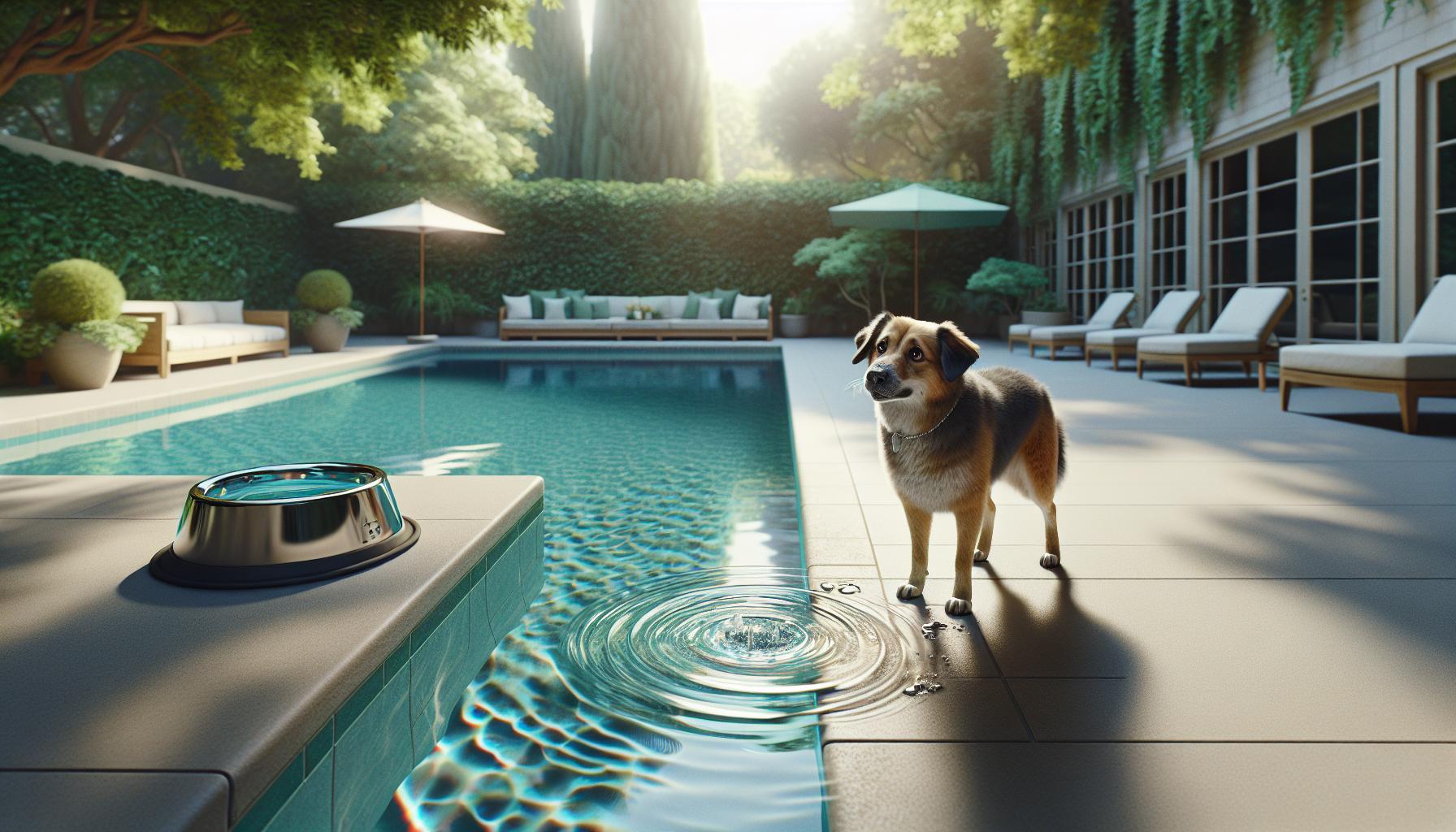
How Pool Water Affects Dog Health
Dogs are natural swimmers, and many love to dive into pools on hot days. However, it’s essential to understand how pool water, specifically its chlorine content, can significantly impact their health. Chlorine is an effective disinfectant used to keep pool water clean, but it can pose health risks for your furry companions. When dogs swallow pool water, they can become exposed to the chemical, leading to gastrointestinal and respiratory problems.
Ingesting pool water can irritate your dog’s gastrointestinal tract, resulting in symptoms like vomiting, diarrhea, and dehydration. Over time, if a dog is frequently exposed to chlorine, it may suffer from more severe health issues. For example, chlorine can lead to skin irritations, ear infections, and, in some cases, long-term respiratory problems, especially in breeds with shorter snouts, such as Bulldogs and Pugs. Their respiratory systems are already compromised, making them more vulnerable to irritants in the environment.
To prevent these health issues, consider these practical steps:
- Rinse After Swimming: Always hose down your dog with fresh water after swimming to wash off chlorine and any other chemicals.
- Provide Fresh Water: Ensure your dog has access to fresh, clean drinking water to encourage hydration and flush out any contaminants they may have ingested.
- Limit Exposure: Monitor how much time your dog spends in the pool-frequent breaks can help prevent overexposure to chlorine.
Being proactive can help keep your dog safe while they enjoy the summer fun!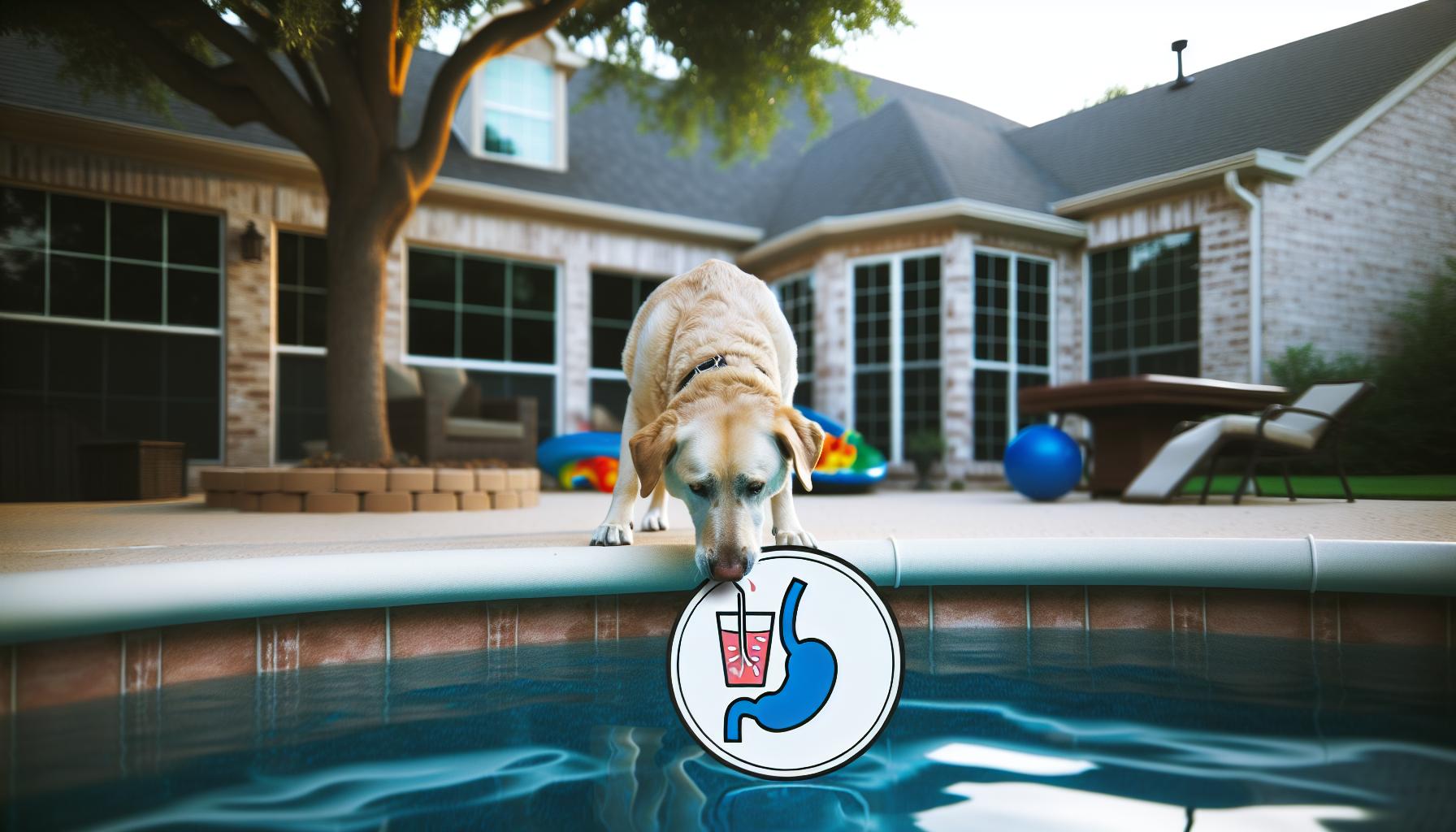
Signs Your Dog Has Ingested Pool Water
Every dog is curious and playful, especially around water, making it easy for them to accidentally ingest pool water during swim sessions. While splashing around can be fun, it’s crucial to be aware of the signs that indicate your dog may have ingested pool water and is experiencing adverse effects. Symptoms can vary depending on the amount of chlorine consumed, the dog’s size, and their individual sensitivities.
One of the first signs to look out for is gastrointestinal upset. If your dog shows symptoms such as vomiting or diarrhea, it could indicate irritation from swallowed chlorinated water. In mild cases, these may resolve quickly, but keep a close eye on your pet, as excessive vomiting or diarrhea can lead to dehydration, which is particularly concerning during hot summer days. Additionally, if you notice your dog licking or rubbing its paws or face excessively, this could suggest skin irritation caused by chlorine, especially after spending extended time in the pool.
Dogs that have ingested pool water may also exhibit respiratory issues. Pay attention to any signs of coughing, wheezing, or difficulty breathing, which can be particularly pronounced in breeds predisposed to respiratory problems. Breeds like Bulldogs and Pugs may struggle more than others, as their short snouts can make them more sensitive to irritants. If your dog seems lethargic or unusually quiet after swimming, it could be a sign that they’re not feeling well and may need immediate attention.
Given these potential symptoms, it’s essential to monitor your dog closely after they’ve been in the pool. If you suspect they have ingested a significant amount of chlorine, it’s wise to consult with a veterinarian to ensure they receive the appropriate care and to address any potential health risks promptly. Keeping your pool environment safe for your furry friends will help ensure a joyful summer of swimming while minimizing health concerns.
Safe Swimming Practices for Dogs
When it comes to enjoying the refreshing splashes in your backyard pool, it’s essential to keep your canine companions safe while they have their fun. To foster a pleasant and safe swimming experience for dogs, you can implement a few straightforward but effective practices. Dogs love to romp around in water, but the potential risks associated with chlorine exposure require a proactive approach to ensure their health and safety.
First and foremost, always supervise your dog during swimming sessions. Even strong swimmers can face challenges in the water, and a watchful eye can prevent accidents. Establish a “pool entry” protocol for your dog, teaching them how to enter and exit the pool safely. A ramp or steps designed for dogs can make entering and exiting the pool much easier and reduce the chances of struggling or swallowing water.
Another key aspect of safe swimming practices is maintaining a clean and balanced pool environment. Regularly testing and balancing the pool’s chemical levels ensures that chlorine is at safe levels for swimming. You may also consider using chlorine alternatives or natural cleaners that can be gentler on your dog’s skin and respiratory health. Always rinse your dog off after swimming to remove any residual chlorine or other chemicals, which can help prevent skin irritations and other health concerns.
Additionally, hydration is a critical component of pool safety. Dogs can become overheated while playing in the sun, and they need access to fresh, clean water at all times, especially if they’re spending time around a chlorinated pool. Setting up a shaded area with a water bowl can encourage your dog to drink and stay hydrated, which is especially important on hot days.
Consider your dog’s breed and any specific traits that may affect their swimming experience. Short-snouted breeds like Bulldogs and Pugs may struggle more with breathing when exposed to chlorinated water, while sensitive skin dogs might be prone to rashes. Tailoring your swimming practices to address these traits can help protect your dog while still allowing them to enjoy water activities.
By taking these safety practices to heart, you can create a fun, safe swimming experience for your dog, ensuring they splash and play without any chlorine-related mishaps. It’s all about balancing enjoyment with care to keep your furry friend happy and healthy!
Alternatives to Pool Water for Hydration
When the sun blazes and your furry friend is having a blast around the pool, proper hydration becomes paramount. While pool water may seem tempting, especially when splashed and played in, it’s not a safe hydration option for dogs due to the chlorine and other chemicals that can cause a range of health issues. So, what should your dog drink instead?
Offering fresh, clean water is the best alternative. Make sure to provide a large bowl filled with filtered or tap water, ensuring it’s always accessible in shaded areas to encourage hydration during those hot summer days. Dogs should drink plenty of water throughout the day, particularly after swimming, playing, or being in the sun. To make drinking more enticing, consider using a water bowl with a fountain feature to entice your dog, as many dogs are naturally curious about moving water.
In addition to fresh water, you can add a splash of adventure to hydration by providing dog-safe electrolyte solutions. These electrolyte drinks can help replenish essential minerals lost during playtime. Look for options specifically designed for pets that are low in sugar and free from harmful ingredients. You might also consider making ice chips from pet-friendly broths or pureed fruits such as watermelon or blueberries. These can be both hydrating and a fun treat for your dog, especially in sweltering weather!
It’s also worth noting the importance of having alternative watering stations-like portable water bottles or collapsible bowls-when out for walks or during outdoor adventures. Keeping your dog hydrated is as vital as making sure they have a good time, and with these alternatives, you can ensure your canine companion enjoys summer fun without the risks associated with pool water.
What to Do If Your Dog Drinks Pool Water
If your dog drinks pool water, it’s essential to act promptly but calmly. Chlorine and other chemicals found in pool water can lead to various health issues, ranging from mild irritation to more severe conditions. Most importantly, ensure your furry friend is safe and monitor for any adverse reactions.
First, observe your dog closely for any signs of discomfort or illness. Common symptoms of chlorine exposure include vomiting, diarrhea, excessive drooling, and lethargy. If you notice any of these signs, it’s advisable to consult with your veterinarian as soon as possible. They may recommend bringing your dog in for an examination to rule out any serious effects.
While not every instance of drinking pool water results in immediate illness, keeping your dog hydrated with fresh, clean water is crucial. Encourage your pup to drink water to help flush out any chlorine and alleviate potential irritation from their system. If your dog enjoys ice, offering ice cubes made from purified water can be a fun way to help them hydrate.
In some cases, particularly if your dog has consumed a large amount of pool water, your vet may suggest inducing vomiting to prevent further absorption of harmful substances. However, this should only be done under veterinary guidance. It’s always better to be safe; proactive treatment can make all the difference in your dog’s recovery. Remember, keeping your dog hydrated with safe options is key to preventing any chlorine-related issues in the future.
Breed-Specific Sensitivities to Chlorine
Many dog owners may be surprised to learn that certain breeds can be more sensitive to chlorine than others. Just like people, dogs exhibit varying reactions to chemicals based on their breed, size, and overall health. Breeds with shorter noses, such as Bulldogs and Pugs, may be particularly vulnerable. Their respiratory systems can be sensitive to the fumes emitted by chlorinated pool water, which can lead to coughing, wheezing, and even difficulty breathing.
Meanwhile, breeds with longer fur-like Golden Retrievers and Labrador Retrievers-may face skin irritations if they are frequently immersed in chlorinated water. The residue from chlorine can strip natural oils from their coat, leaving skin dry and prone to irritation. Additionally, breeds known for having sensitive stomachs, like Shih Tzus and Yorkshire Terriers, might experience gastrointestinal upset after ingesting pool water. Symptoms such as vomiting and diarrhea can occur, as these breeds can struggle to process chemicals that may seem harmless to others.
To ensure your dog stays safe and healthy while enjoying the pool, consider the following steps:
- Limit Access: Provide supervised access to the pool and know when to call your dog out, especially after swimming sessions.
- Regular Bathing: Rinse your dog with fresh water after pool play to eliminate lingering chlorine on their skin and coat.
- Hydration: Always provide access to fresh water, encouraging your dog to drink regularly, which helps flush out any chlorine they might intake.
Finally, if your dog belongs to a breed that may be sensitive, it’s wise to consult your veterinarian about safe swimming practices. With the right precautions, you can help ensure that your furry friend enjoys summer splashes without health concerns!
Veterinary Insights on Chlorine Exposure
It’s a startling reality that while our furry companions might enjoy splashing in the pool, the substances they inadvertently ingest can pose significant health risks. Veterinary professionals emphasize that chlorine, a common pool disinfectant, can be a double-edged sword; it keeps our swimming areas clean, but its effects on dogs can be quite harmful. Exposure to chlorine in pool water can lead to gastrointestinal issues, respiratory distress, and skin irritations, especially in sensitive breeds.
One aspect to consider is that dogs with a history of allergies or skin conditions may experience exacerbated symptoms when they come into contact with chlorinated water. For instance, a dog with atopic dermatitis might find their irritation intensified by chlorine exposure, leading to persistent itching and discomfort. Conversely, dogs that are generally healthy but have been swimming regularly may still show signs of chlorine sensitivity, such as dry skin or watery eyes. Understanding these potential reactions can help owners make informed decisions about their dog’s swimming habits.
To proactively manage chlorine exposure, veterinarians recommend several strategies. First, ensure fresh water is always available to encourage hydration, helping to dilute any chlorine ingested during play. Additionally, rinsing your dog off after swimming can significantly reduce skin irritations and remove residues that may contribute to discomfort. For breeds prone to respiratory issues, such as Bulldogs or Pugs, limiting exposure to chlorinated water and monitoring for any signs of distress-like coughing or wheezing-is critical.
Lastly, establishing a routine where you observe your dog’s behavior after swimming can provide insights into how they are coping with chlorine exposure. Keeping a journal can help compare their reactions to different swimming environments, allowing you to make the best choices for your furry friend. Remember, while chlorinated pool water might seem harmless, being vigilant about your dog’s health will ensure they enjoy summer adventures without unwanted side effects.
Creating a Dog-Friendly Pool Environment
Creating a safe and enjoyable pool environment for your furry friends is essential for their health and happiness. With a little planning and consideration, you can turn your swimming area into a dog-friendly zone where your pup can splash around without worries about chlorine exposure or other risks. Many dog owners relish the opportunity to let their dogs enjoy a pool day, but it’s crucial to ensure that the environment is as safe as possible.
One of the best ways to create a dog-friendly pool environment is by implementing a few key design features. First, consider adding a shallow section or dog-specific pool steps that allow for easy entry and exit. This not only makes it easier for your dog to enjoy the water but also helps prevent accidents. A non-slip surface around the pool is vital; dogs can easily slip and get hurt, especially when wet. Using materials like rubber mats or textured tiles can provide stability and grip for those excited paws.
Additionally, providing plenty of shaded areas around the pool can help keep your pup cool and reduce the risk of overheating, especially on hot summer days. Dogs can’t sweat like humans do, so they need cool, shaded spots to relax. You might also want to include dog-friendly loungers or shaded tents to encourage your dog to take breaks away from the sun.
Make sure to have fresh water readily available to prevent your pup from drinking pool water. Keeping a water bowl nearby encourages your dog to hydrate properly without the risks associated with chlorine ingestion. It’s also wise to consider using alternative pool treatments, such as saltwater systems or natural enzymatic cleaners, which are generally gentler on your dog’s skin and health.
Finally, always supervise your dog while they’re near the pool. Regularly check for signs of distress or discomfort, such as excessive pawing at the eyes or skin irritations, and take action if you notice any adverse reactions. By being proactive and attentive, you can ensure that your pool remains a fun and safe haven for your dog, allowing you both to enjoy those sunny days without worry.
With a few simple adjustments, creating a dog-friendly pool area can lead to unforgettable summer memories while keeping your beloved pet safe and healthy.
Best Practices for Pool Safety with Dogs
Creating a safe swimming environment for your dog is essential, especially when it comes to preventing health issues related to pool water and chlorine exposure. To ensure your furry friend has a fun and safe time splashing around, consider implementing several best practices. First and foremost, always supervise your dog when they are near the pool. Dogs, especially those that are not natural swimmers, can tire quickly or panic if they find themselves in deep water. To help them feel secure, provide them with their own designated area, like a shallow kiddie pool, where they can enjoy the water without the risks associated with deeper pools.
One of the best ways to promote safety is to introduce your dog to the pool gradually. Encourage them to explore the shallow end first, using positive reinforcement like treats and praise. It’s important to familiarize your dog with the pool environment, including the steps for entry and exit. You can also teach them a command like “out” to signal when it’s time to leave the water. Additionally, always check for signs of distress, such as excessive barking, splashing, or difficulty swimming, and be ready to assist if needed.
Helpful Tips for Pool Safety:
- Hydration is Key: Keep fresh water available nearby to encourage your dog to hydrate without drinking pool water, which contains chemicals that can irritate their stomach and skin.
- Check Chlorine Levels: Make sure to maintain appropriate chlorine levels in your pool. Low levels of chlorine can lead to bacteria growth, while high levels can irritate your dog’s skin and eyes.
- Use Safe Pool Treatments: Consider using dog-friendly treatments or saltwater systems instead of traditional chlorine pools, which can be harsh on your pet.
- Designate a Rest Area: Provide shaded spots around the pool to protect your dog from overheating and offer a comfortable place for them to relax.
- Teach Water Safety: If you’re training a young dog, teaching basic commands and encouraging cautious behavior around water can set the foundation for safe swimming habits.
Lastly, keep in mind that certain breeds may have specific sensitivities to pool chemicals. Breeds that are brachycephalic, such as Bulldogs and Pugs, may struggle more with strenuous swimming and will benefit from shorter swimming sessions. Pay attention to your dog’s unique needs and be willing to adapt your pool practices accordingly. With warmth, vigilance, and a few preventive measures, you can ensure that each trip to the pool is a joyful and safe adventure for your canine companion.
How to Encourage Hydration in Dogs During Summer
It’s essential to keep your furry friends hydrated during the hot summer months, especially when they are eager to enjoy the poolside. Dogs can quickly become dehydrated while swimming or playing in the heat, but encouraging proper hydration doesn’t have to be a challenge. By following some simple strategies, you can ensure your dog stays refreshed and healthy, steering clear of pool water that could potentially irritate their stomach or skin.
Start by providing plenty of fresh, clean water in stainless steel or ceramic bowls, which are less likely to retain bacteria compared to plastic. Maintaining hydration can be as simple as ensuring your dog has ready access to their drinking water whenever they need it. Try placing multiple bowls around your yard or pool area so your pup always has a drink nearby, particularly when they’re running around in the sun. For added appeal, consider adding a few ice cubes to their water bowl or offering chilled water on hot days. Dogs often find cold water refreshing, and it can encourage them to drink more.
Another fun way to promote hydration is by incorporating flavored water or low-sodium broth into their diet. You can freeze that broth in ice cube trays for a delicious summer treat that keeps them cool. During playtime, take breaks and encourage your dog to drink by calling them over to their water bowl. You could even create a game out of it; just give them a fun command like “sip” when they’re looking for a refresher.
Key Tips for Keeping Your Dog Hydrated
- Free-Flowing Water: Always have accessible bowls of fresh water around the yard or pool.
- Chill It: Ice cubes in water or chilled water can make drinking more appealing.
- Broth Treats: Use low-sodium broth for a refreshing summer dog treat to encourage hydration.
- Frequent Breaks: Take regular breaks during playtime and encourage your dog to hydrate in between.
Lastly, always observe for signs of dehydration, which can include dry gums, excessive panting, or lethargy. If you notice these symptoms, provide water immediately and consult a veterinarian if conditions don’t improve. With these techniques, you can help your dog beat the heat and stay hydrated, enjoying their summer fun while steering clear of pool water that may pose health risks!
Debunking Myths About Dogs and Pool Water
It’s a common scene in the summer: a dog joyfully leaping into a backyard pool, splashing water everywhere. Many dog owners may think it’s harmless and even refreshing for their eager companions, but there are significant misconceptions about dogs and pool water that need to be addressed. One prevalent myth is that the chlorine in pool water is safe for dogs because it’s designed to disinfect. However, while chlorine helps keep pools clean, it can irritate a dog’s stomach and skin, potentially leading to more serious health issues if ingested in large amounts.
Another common belief is that if a dog swims in a chlorinated pool but doesn’t drink the water, they are immune to chlorine’s effects. This is misleading; even swimming can expose dogs to chlorine directly on their skin and through their mouths as they gasp for air. Dogs with sensitive skin, such as Bulldogs or Poodles, may develop rashes or irritation from prolonged exposure. Additionally, larger dogs or those who swim vigorously may accidentally ingest pool water, which can lead to vomiting or diarrhea due to the chemicals present.
Many people also think that “a little bit won’t hurt” if a dog occasionally sips from the pool. This could not be more wrong. Even small amounts of chlorine can affect dogs differently based on their size, breed, and overall health. For instance, smaller breeds like Dachshunds are more susceptible to dehydration and electrolyte imbalances, which could be exacerbated by ingesting chlorinated water. Therefore, it’s important to provide freshwater alternatives and encourage drinks before and after pool play to prevent any temptation to drink from the pool.
Lastly, pet owners frequently underestimate the impact of chlorine on their dog’s health, leading to dismissive attitudes towards signs of discomfort or dehydration. Just because a dog has been swimming happily doesn’t mean they aren’t experiencing gastrointestinal upset or developing skin conditions. If a dog shows signs such as excessive panting, lethargy, or even skin irritation, it is crucial to intervene and provide fresh water immediately. Always consult with a veterinarian if you notice any unusual symptoms after a day of fun in the sun. By debunking these myths, dog owners can enjoy a safer, more enjoyable summer experience for their furry friends by prioritizing their health and well-being.
Frequently asked questions
Q: Can swimming in pool water harm dogs?
A: Yes, swimming in pool water can harm dogs due to chlorine and other chemicals used for sanitation. Ingesting pool water can lead to digestive issues, skin irritation, or allergic reactions. Monitor your dog for signs of discomfort and consult a vet if necessary.
Q: How much pool water is dangerous for dogs?
A: Even small amounts of pool water can be harmful, especially if the water contains high levels of chlorine. Dogs that regularly drink pool water may experience gastrointestinal upset, vomiting, or diarrhea. It’s best to encourage fresh water for hydration at all times.
Q: What are the symptoms of chlorine poisoning in dogs?
A: Symptoms of chlorine poisoning in dogs include excessive drooling, vomiting, diarrhea, lethargy, and difficulty breathing. If you notice these signs after your dog has ingested pool water, contact a veterinarian immediately for guidance.
Q: Is there a safe way for dogs to cool off in pools?
A: To safely cool off dogs in pools, consider creating a designated area with fresh water and supervision. Alternatively, use dog-friendly swimming spots or natural bodies of water that don’t contain harmful chemicals. Always monitor their health and behavior.
Q: Can the chemicals in pool water cause allergic reactions in dogs?
A: Yes, chemicals in pool water, particularly chlorine, can cause allergic reactions in some dogs. Symptoms may include itching, redness, or rashes on their skin. If allergy symptoms arise, consult a veterinarian for appropriate treatment and recommendations.
Q: Should I bathe my dog after swimming in a pool?
A: Yes, bathing your dog after swimming in a pool is advisable to remove chlorine and other chemicals from their fur and skin. Use a gentle dog shampoo and rinse thoroughly to prevent skin irritation and reduce the risk of ingesting harmful substances.
Q: How can I keep my dog hydrated without using pool water?
A: Keep your dog hydrated by providing fresh, clean water throughout the day. You can also offer ice cubes or provide water-filled toys to encourage drinking. Ensure they have access to shade during hot weather to prevent overheating.
Q: What should I do if my dog shows signs of gastrointestinal distress after drinking pool water?
A: If your dog shows signs of gastrointestinal distress, such as vomiting or diarrhea, withhold food for a few hours to allow their stomach to settle. Provide plenty of water and consider a bland diet like rice and chicken if symptoms persist. If conditions worsen, consult your veterinarian.
Wrapping Up
As we’ve explored, while dogs may be intrigued by pool water, the dangers of chlorine exposure are significant and shouldn’t be taken lightly. It’s essential to prioritize your dog’s safety by providing them with fresh, clean water during playtime. If you have more questions about dog care or want to delve deeper into pet health topics, be sure to check our articles on “Signs of Dehydration in Dogs” and “Best Practices for Summer Dog Safety.”
Remember, proactive care is the key! Subscribe to our newsletter for more tips and expert insights tailored to keep your furry friend safe and healthy. Your dog’s well-being is worth the extra effort, and taking action now can make all the difference. We invite you to share your experiences or concerns in the comments below-your story could help another pet owner! Together, we can ensure that every pet enjoys a fun and safe summer.