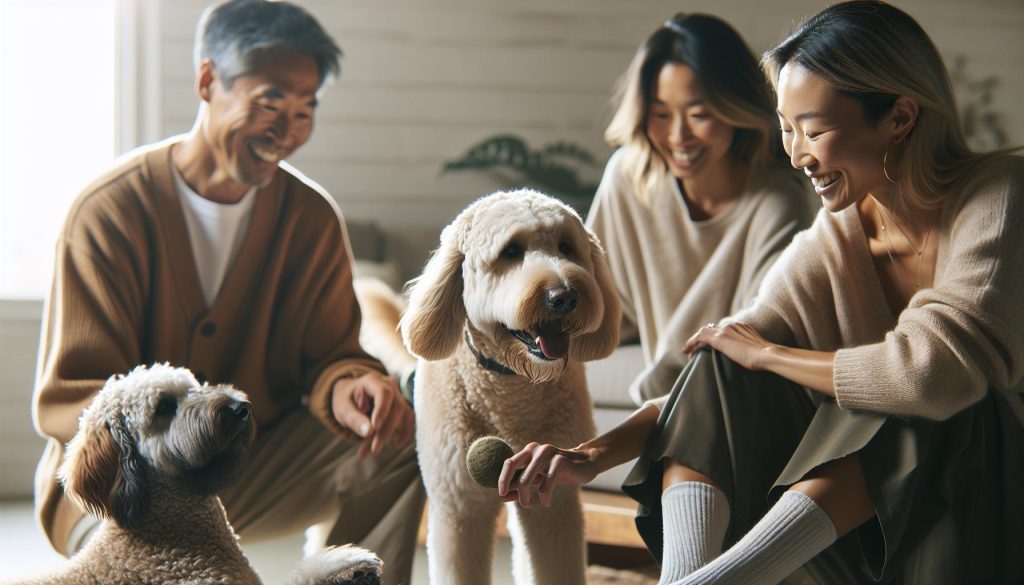
Choosing between a male and a female Labradoodle can significantly impact your experience as a dog owner. Did you know that gender can influence not just behavior but also temperament, energy levels, and even trainability? Understanding these differences is crucial for potential owners seeking the perfect companion. Whether you’re a first-time dog parent or an experienced handler, knowing the unique traits of male and female Labradoodles can help you make an informed decision aligned with your lifestyle and preferences. This guide will delve into the characteristics of both genders, addressing common questions and concerns while providing practical insights to ensure you find the ideal furry friend for your home. Join us as we explore which Labradoodle might be the best fit for you!
Are Male Labradoodles More Affectionate Than Females?
The affectionate nature of Labradoodles, whether male or female, often draws potential owners to this breed. While numerous anecdotal accounts suggest that male Labradoodles may display a more overt affection toward humans, it’s essential to recognize that individual personalities play a significant role. Males might be more inclined to seek out attention and physical closeness, frequently following their owners around or leaning in for cuddles. This behavior often stems from their playful and outgoing personalities.
On the other hand, female Labradoodles are not necessarily less affectionate; they might express their love more subtly. Many owners report that females can be incredibly loyal and warm, often forming strong bonds with their families. Some suggest that females tend to be more intuitive, picking up on their owner’s emotions and providing comfort in more understated ways.
To get a clearer picture, consider these factors when assessing affection in male versus female Labradoodles:
- Training and Socialization: Males, often being more playful and sometimes less focused than females, might benefit from consistent training to channel their exuberance in a positive direction, which can enhance their bonding with the family.
- Age and Environment: Younger dogs, regardless of gender, can display heightened energy levels that lead to more frequent affectionate behaviors as they seek interaction. A nurturing environment can significantly impact how affectionate a Labradoodle is.
- Individual Personality: Just like humans, each dog has its temperament. Observing how each dog interacts with family members will give you the most accurate understanding of its affectionate tendencies.
Ultimately, while many believe male Labradoodles to be slightly more affectionate, the differences may not be as stark as perceived. Both genders have the potential to be loving companions; it often boils down to individual personality traits, early socialization experiences, and the loving environment they grow up in. This understanding can help prospective owners select a Labradoodle that aligns with their lifestyle and affection preferences.
Female Labradoodles: Personality Traits and Tendencies

When it comes to female Labradoodles, their personality traits and tendencies can be a marvel to witness, often striking a balance between playfulness and introspective loyalty. Many owners observe that female Labradoodles tend to form deep emotional connections with their families, exhibiting a nurturing side that can provide comfort during tough times. The warmth and loyalty of a female Labradoodle shine through, as they often have a remarkable ability to sense their owner’s moods, offering comfort when it’s needed most.
Female Labradoodles may also display a level of independence that’s appealing to many potential owners. This independence allows them to feel comfortable in their surroundings, making them adaptable to various family dynamics. They are often reported to be slightly more reserved than their male counterparts, which can translate into a less demanding presence when playtime ends. While females enjoy interactive play and exercise, they are also content with quiet companionship, bringing a soothing balance to a household.
Training and Socialization
When it comes to training, female Labradoodles often demonstrate a keen willingness to please, which can make them highly trainable. Their intuitive nature can aid in their responsiveness to commands and cues, proving advantageous for first-time dog owners. Females can thrive in structured environments where they feel secure and engaged.
- Positive Reinforcement: Using treats and praise can be especially effective due to their eagerness to please.
- Socialization: Early exposure to different people, pets, and environments can enhance their sociability and confidence, ensuring they grow into well-rounded adults.
Personality Spectrum
While it’s vital to remember that every dog is an individual, female Labradoodles generally embody a blend of friendliness, loyalty, and a touch of gentleness. They thrive in environments where they receive regular affection and engagement. This breed’s tendency towards emotional sensitivity means that they can be particularly attuned to their family dynamics, adapting their behavior based on the atmosphere in the household.
In conclusion, female Labradoodles can not only be affectionate companions but also intelligent, intuitive pets that are well-suited for families and individuals alike. Understanding their personality traits can help prospective owners determine whether this wonderful breed, with its unique blend of playfulness and loyalty, is the right fit for their lifestyle.
Which Gender is Easier to Train: Male or Female?

When it comes to training Labradoodles, many prospective owners wonder if one gender is generally easier to train than the other. While individual personality and environment play significant roles, there are some trends worth noting. Female Labradoodles often exhibit a natural eagerness to please, which can make training sessions smoother and more productive. Their intuitive nature allows them to pick up on commands and cues quickly, making them an excellent choice for first-time dog owners who may want a more responsive companion.
Males, on the other hand, are known for their playful and sometimes stubborn demeanor. While they can certainly be trained effectively, their energy levels can lead to more distraction during training sessions. Many owners find that male Labradoodles require a bit more patience and consistent reinforcement to stay focused, particularly when pushed to their playful limits. However, this doesn’t mean male Labradoodles can’t be trained successfully; it just may take a different approach to ensure they remain engaged.
Key Training Considerations:
- Positive Reinforcement: Whether male or female, both genders respond well to positive reinforcement techniques. Using treats, praise, and play can reinforce good behavior effectively.
- Consistency is Crucial: Establishing consistent commands and routines helps both genders understand expectations, decreasing confusion and increasing responsiveness.
- Socialization: Early and varied exposure to different environments, people, and other animals enriches the training experience for both male and female Labradoodles, making them more adaptable and well-rounded.
In conclusion, while female Labradoodles might generally be seen as slightly easier to train due to their nurturing temperament and desire to please, male Labradoodles offer their own rewards with their vivacious personalities. Understanding these tendencies enables you to tailor your training approach to fit the dog’s unique characteristics, whether you choose to bring home a male or female. The key is fostering a loving environment that encourages learning, regardless of gender.
Health Considerations for Male vs. Female Labradoodles

When selecting a Labradoodle, understanding the health considerations associated with male and female dogs is crucial for making an informed choice. Interestingly, while both genders share common health risks due to their breed makeup, there are specific concerns that may differ based on gender. For instance, male Labradoodles are at a higher risk for certain conditions like hip dysplasia and certain cancers, which can manifest earlier, typically due to their larger size and genetics. Female Labradoodles, on the other hand, may face health challenges linked to their reproductive systems, such as mammary tumors or conditions like pyometra if not spayed.
Key Health Comparisons
Here’s a breakdown of key health considerations to keep in mind:
| Health Aspect | Male Labradoodles | Female Labradoodles |
|---|---|---|
| Size-Related Issues | Higher risk for hip dysplasia and elbow dysplasia. | Typically similar risks but slightly less pronounced. |
| Reproductive Health | Risk of testicular issues and certain cancers. | Higher risk for mammary tumors and reproductive infections. |
| Longevity | Generally slightly shorter lifespan. | Often tends to live longer, usually attributed to fewer health risks. |
| Behavioral Factors | Can be more boisterous and prone to certain behavioral issues. | Typically calmer but may exhibit mood swings, especially during heat cycles. |
Regular Health Checks
Regardless of gender, regular veterinary check-ups are essential. These visits allow for:
- Early Detection: Catch health issues before they escalate.
- Preventative Care: Vaccinations and parasite control should be up-to-date.
- Nutritional Guidance: Tailoring diet to address any specific health concerns.
Given these factors, it’s important for prospective owners to weigh the health implications of each gender carefully. Understanding the unique health risks can equip you to make better behavioral management and care decisions throughout your Labradoodle’s life. Ultimately, whether you choose a male or female, being proactive about their health ensures they lead a happy and healthy life while becoming a cherished member of your family.
Lifelong Care Needs: Male and Female Comparisons
When it comes to the lifelong care needs of Labradoodles, both male and female dogs present unique requirements that potential owners should consider. Understanding these differences can help you prepare for a fulfilling companionship and ensure that your Labradoodle thrives in your care. Both genders share many basic care essentials, but there are nuances that may affect your decision when choosing between a male or female.
For instance, male Labradoodles tend to be larger and may require more substantial nutrition to support their growth and activity levels, particularly as puppies. This means that selecting the right food-aimed at their size and energy-is crucial. Additionally, males may be more prone to certain behavioral issues, such as dominance or marking territory, especially if they are not neutered. Owners can mitigate these tendencies through early training and socialization, which are equally important for female Labradoodles. Females, while often calmer, may exhibit mood fluctuations during heat cycles, prompting owners to prepare for potential behavioral changes or additional care needs during those periods.
Both genders require regular grooming, exercise, and veterinary check-ups, but the grooming process can differ slightly. Male Labradoodles may experience a thicker coat if not regularly brushed, while female coats might require attention during heat cycles to keep them comfortable and clean. In terms of exercise, generally, both males and females have high energy levels and need daily activity; however, male Labradoodles might seek more rigorous play to burn off their exuberant energy.
To help illustrate the key care differences, consider the following comparisons:
| Care Aspect | Male Labradoodles | Female Labradoodles |
|---|---|---|
| Nutrition | Higher calorie needs due to larger size. | Moderate calorie intake; may need fewer calories than males. |
| Behavioral Training | May require more firm training to manage assertiveness. | Generally easier to train but may exhibit mood swings when in heat. |
| Grooming Needs | Thicker coat; regular brushing needed to prevent matting. | May need extra care during heat to remain clean. |
| Exercise Requirements | May require more vigorous play to expend energy. | High energy but may be more content with moderate activity. |
Ultimately, whether you choose a male or female Labradoodle, being mindful of these lifelong care needs will lead to a healthier, happier pet. Each dog’s personality and specific requirements will also play a significant role, so taking the time to understand your individual Labradoodle-as well as their gender tendencies-can pave the way for a strong and loving bond.
Activity Levels: Do Males or Females Need More Exercise?
When considering the activity levels of Labradoodles, it’s essential to know that both male and female dogs possess high energy and require substantial exercise. However, subtle differences may influence their exercise needs and styles. Male Labradoodles, often larger and more exuberant, can exhibit playful behavior that necessitates more vigorous activities to help them expend their energy. In contrast, female Labradoodles, while energetic, may be content with slightly more moderate levels of exercise.
To ensure that your Labradoodle remains healthy and engaged, it’s crucial to incorporate a mix of physical and mental activities into their daily routine. Here’s a breakdown of common activities you might consider:
- Daily Walks: Aim for at least 30 minutes to an hour of walking each day, possibly more for males.
- Playtime: Games of fetch or tug-of-war can be a fantastic way for both genders to burn off energy while strengthening your bond.
- Skill Training: Mental stimulation is just as vital as physical exercise. Both males and females benefit from obedience training or agility courses, which can help channel their energy productively.
- Socialization: Interaction with other dogs can provide essential playtime and exercise opportunities. Both genders enjoy the company of their peers, but males may engage more enthusiastically.
In practice, male Labradoodles might thrive in settings that allow for more active play-open fields or dog parks where they can run and explore can be ideal. Female Labradoodles, while still active, may not feel the same necessity for nonstop play and could enjoy less strenuous activities like casual walks or games in the yard.
Monitoring their energy levels and adjusting exercise routines as needed can prevent unwanted behaviors associated with boredom or excess energy. A well-exercised Labradoodle, regardless of gender, is typically more relaxed and better behaved in the home environment, bringing harmony to your household.
Behavioral Differences: Playfulness and Socialization
When it comes to playfulness and socialization, both male and female Labradoodles bring unique traits to the table. Labradoodles, known for their friendly disposition, often thrive in social settings, making them excellent companions for families and individuals alike. However, differences in behavior between the genders can influence how they interact with humans and other animals.
Male Labradoodles tend to be more exuberant and playful. They often exhibit a higher energy level that can manifest in enthusiastic games of fetch or spirited tug-of-war sessions. Their playful nature might lead them to initiate play more frequently, often showing a playful dominance that can endear them to other dogs and humans alike. This enthusiasm can be infectious, making playtime a highlight of their interactions. However, this same exuberance can sometimes lead to roughhousing if not managed properly, so it’s essential to supervise play closely, especially with smaller pets.
In contrast, female Labradoodles may display a more balanced and nurturing demeanor. They are typically described as slightly more reserved in their play but can still engage in spirited fun. Females might prefer cooperative play where they can bond closely with their owners or playmates, tending to engage in activities that require more focus and thought. This characteristic can make them excellent candidates for training, as they often respond well to commands during play sessions, strengthening the human-animal bond.
Both genders need ample socialization opportunities to develop well-rounded personalities. Introducing your Labradoodle to various environments, people, and other pets from a young age can significantly enhance their ability to interact positively. Routine trips to dog parks, puppy classes, and dog-friendly events will allow them to build confidence and learn the social cues of other dogs. Whether you’re dealing with a lively male or a gentle female, prioritizing early and ongoing socialization will help cultivate a friendly and well-adjusted companion.
In conclusion, neither gender of Labradoodle is inherently better for playfulness and socialization; rather, their individual traits respond uniquely to their upbringing and environment. By understanding these differences and providing the right opportunities for engagement, you can foster a loving, playful, and socially adept companion, regardless of gender.
Grooming Needs: Is There a Difference by Gender?
When it comes to grooming, many dog owners often wonder if there’s a notable difference between male and female Labradoodles. The good news is that both genders share similar grooming requirements due to their hybrid nature, combining the Labrador Retriever and Poodle traits. Both male and female Labradoodles typically have a wavy to curly coat that is prone to matting, which means regular grooming is essential regardless of gender.
Coat Care
Both male and female Labradoodles need consistent grooming to maintain their beautiful coats. It’s recommended to brush them at least two to three times a week to prevent tangles and mats. This routine promotes a healthy coat by distributing natural oils and reducing shedding. Using a slicker brush or a comb designed for curly coats can help you navigate their fur effectively.
- Frequency of Professional Grooming: Many Labradoodle owners opt for professional grooming every 6 to 8 weeks to keep their dog’s coat in top shape. This is especially beneficial for maintaining a manageable length and keeping mats at bay.
- Seasonal Grooming Needs: Both genders may experience varying grooming needs with seasonal changes. For example, during shedding season or warmer months, some owners choose to trim their Labradoodles’ coats shorter for comfort.
Hygiene Considerations
While grooming needs are largely identical, certain hygiene aspects can differ based on gender. Male Labradoodles may develop a stronger odor, particularly if they are not neutered, primarily due to hormonal factors. Regular bathing-usually every 6 to 8 weeks-and careful cleaning of their ears are essential for all Labradoodles to prevent ear infections, especially since their floppy ears can trap moisture.
- Bathing: Use a dog shampoo that suits your dog’s skin type. Be sure to rinse thoroughly to avoid skin irritation.
- Ear Care: Check and clean ears weekly to avoid buildup of wax and dirt; female Labradoodles might need slightly less attention in this area compared to males.
Ultimately, the grooming needs of Labradoodles hinge more on individual coat characteristics and lifestyle than on gender. Whether welcoming a male or female into your home, a consistent grooming routine will ensure your furry friend remains healthy, comfortable, and looking their best!
Cost Considerations: Male vs. Female Labradoodles
When considering the costs associated with bringing a Labradoodle into your home, one of the factors that may cross your mind is whether there’s a significant difference between male and female dogs. While the initial price can vary due to breeder reputation, location, and lineage, gender typically has a minimal impact on the overall cost. However, there are some considerations that may lead to differing expenses in other areas of dog ownership.
For one, male Labradoodles may incur additional costs if they are kept unaltered due to the need for more frequent trips to the veterinarian for vaccinations or diseases that can be more common in unneutered dogs. Neutering is generally a one-time expense but varies widely by clinic. Female Labradoodles could lead to costs associated with heat cycles, such as the purchase of pads or special grooming to manage messes if they are not spayed. If you’re considering breeding, this also incurs additional veterinary costs and responsibilities.
Another aspect to factor in is grooming. Though both genders require regular grooming due to their wavy, curly coats, females may need more frequent attention, especially if they are in heat or have had puppies. Professional grooming fees can add up, typically ranging from $50 to $100 per session depending on the services rendered in your area. Alongside grooming, consider ongoing health care, training, and pet insurance, all of which shouldn’t differ greatly based on gender but are essential for both male and female Labradoodles alike.
Moreover, food costs and supplies are generally equal, with no significant price discrepancies based on gender. Regardless of gender, a Labradoodle will require nutritious food, toys, and adequate equipment such as leashes and beds. So, when deciding between a male and female Labradoodle, focus more on the dog’s temperament and compatibility with your family rather than the financial implications of their gender. This approach will ultimately lead to a happier and healthier relationship with your furry friend!
Choosing the Right Gender for Your Family (or Lifestyle)
Choosing the right gender of Labradoodle for your family and lifestyle can significantly impact your experience as a pet owner. When it comes to compatibility, understanding the differences between male and female Labradoodles can guide your decision-making process. While many owners find both genders to be affectionate and playful, there can be subtle variations that may align better with your family dynamics.
For instance, male Labradoodles may often exhibit more playful and boisterous behavior, making them a delightful choice for active families with children. They typically enjoy engaging in physical activities and can sometimes have a goofy disposition that elicits laughter and joy. On the other hand, female Labradoodles might be slightly more nurturing and attentive, often forming strong bonds with their owners and being more inclined to cuddle. This nurturing quality might make them suitable for families looking for a calmer companion who still enjoys playtime but also appreciates some quiet time together.
When contemplating which gender may fit best, consider your household’s existing structure and daily routine. For example, if you have young children, a male may match the lively energy and enthusiasm they bring to the home. Conversely, if you live in a quieter setting or are a first-time dog owner, a female Labradoodle could offer the gentle companionship you seek. Both genders can adapt well, but their inherent tendencies might influence their integration into your family life.
Lastly, think about the long-term responsibilities associated with both genders. Males often have more straightforward training due to their eagerness to please but may require extra attention during certain behaviors linked to territoriality. Females may need specific handling during their heat cycles if unspayed. Knowing these aspects can help you decide which characteristics and responsibilities align best with your family’s lifestyle and preferences.
In summary, whether you opt for a male or female Labradoodle, the most important factor is to ensure that the dog’s temperament aligns with your family’s needs. Focus on finding a dog from a reputable breeder or rescue that matches your lifestyle, ensuring a joyful and fulfilling companionship for years to come.
Personal Stories: Owners Share Their Experiences
The joy of having a Labradoodle often comes with many shared stories from owners that highlight the nuances between male and female dogs. One owner, Sarah, shares her experience with her female Labradoodle, Bella, who has a natural inclination for empathy. “Whenever I’m feeling down, Bella can sense it. She snuggles up to me, resting her head on my lap, ready to offer comfort as if she knows I’m having a tough day,” she explains. This nurturing quality is something many have found in female Labradoodles, making them cherished companions in times of emotional need.
On the other hand, Tom, who has a male Labradoodle named Max, recounts the energetic and playful nature typical of males. “Max is such a goofball! He loves to play fetch and will do anything for a treat. His enthusiasm for life brings so much energy to our family,” he says. This boisterous behavior can be particularly delightful for families with children, as they can engage in spirited play together, creating a lively household filled with laughter and joy.
Many owners also talk about the subtle differences in training and behavior. For example, Jack notes that while his male Labradoodle Cooper was eager to learn commands and show off his tricks, he sometimes had moments of stubbornness, especially when chasing a squirrel. In contrast, Emma shared her experience with her female Labradoodle, Daisy, who quickly grasped commands but displayed more independent moments that required gentle encouragement, especially during walks.
These personal stories reflect the broader discussion of gender differences in Labradoodles. While both male and female Labradoodles can be affectionate and loving, their personalities might align better with specific family needs. Whether it’s the playful antics of a male or the soothing presence of a female, these shared experiences remind us that both genders have their unique charms that enrich the lives of their families.
Expert Insights: Veterinarians Weigh In on Gender Differences
Veterinarians often encounter questions about the differences between male and female Labradoodles, and their insights can be incredibly beneficial for prospective and current owners alike. While both genders exhibit loving and friendly temperament, subtle distinctions might influence your decision when bringing a Labradoodle into your home. Research indicates that female Labradoodles may exhibit more nurturing qualities, often forming strong emotional bonds and a tendency to provide comfort to their owners. This can make them particularly well-suited for families or individuals seeking a supportive companion.
Conversely, male Labradoodles typically embody a playful and energetic spirit. Veterinarians note that male dogs often display a more exuberant demeanor, which can be delightful, especially for active families. They are often eager to engage in play and display affectionate behaviors that can enrich family interactions. However, it’s worth noting that this high energy can also translate to a need for more active engagement and exercise, making daily walks and playtime essential for their happiness.
When it comes to training, both male and female Labradoodles can be taught commands effectively, but there are slight variations in their learning styles. Some veterinarians suggest that males might initially exhibit more enthusiasm, which can sometimes lead to bouts of stubbornness, particularly when something catches their interest, like a squirrel. Meanwhile, female Labradoodles might require gentler encouragement, especially if they feel independent or distracted. Understanding these differences can help guide training methods to suit each dog’s personality.
Another important consideration that veterinarians highlight is health. In general, both genders have similar health concerns, but certain conditions may show a preference based on gender. For example, unspayed females are prone to heat cycles and related complications, whereas male Labradoodles might face issues common to intact males, such as problematic behavior associated with mating instincts. Ensure you discuss these health considerations with your veterinarian to select the best spay/neuter options for your Labradoodle.
Ultimately, whether you lean toward a male or female Labradoodle, understanding these nuanced differences can help you choose the right furry friend for your lifestyle and family dynamic. With the right love and care, both genders can provide joyful companionship and become an integral part of your home.
Q&A
Q: Are male Labradoodles known to be more dominant than females?
A: Male Labradoodles can exhibit more dominant behaviors compared to females, especially if not properly trained. Socialization and obedience training are crucial to managing any dominance. Focus on consistent training practices from an early age to promote balanced behavior. For further guidance, see our section on “Which Gender is Easier to Train: Male or Female?”
Q: How do male and female Labradoodles differ in temperament?
A: Generally, male Labradoodles are perceived as more playful and adventurous, whereas females tend to be calmer and more nurturing. However, individual personality varies widely. Spend time with both genders to see which fits better with your family’s lifestyle. Our article discusses “Female Labradoodles: Personality Traits and Tendencies” for more insights.
Q: What are the typical energy levels of male vs. female Labradoodles?
A: Both male and female Labradoodles have high energy levels, but males often require more playtime and exercise. Females may be slightly more adaptable to lower activity situations. Regular exercise is important for both genders to maintain health. Explore “Activity Levels: Do Males or Females Need More Exercise?” for tips.
Q: Do male Labradoodles have different health issues compared to females?
A: Males and females can face different health concerns. Males are prone to conditions like hip dysplasia and certain cancers, while females may experience issues related to reproductive health. Regular veterinary check-ups help monitor and manage any potential health problems throughout their lives.
Q: How do owning costs compare between male and female Labradoodles?
A: Typically, male and female Labradoodles have similar ownership costs. However, males may have slightly higher expenses related to neutering and potential behavioral training to manage assertiveness. Review our section on “Cost Considerations: Male vs. Female Labradoodles” for detailed insights.
Q: Are there behavioral issues more common in male Labradoodles?
A: Yes, male Labradoodles may display more excitement and occasionally jumping or rough-housing that can be misconstrued as behavioral issues. Proper training and socialization can mitigate these behaviors. For advice on managing these traits, refer to our article on “Behavioral Differences: Playfulness and Socialization.”
Q: Which gender of Labradoodle is better for families with children?
A: Both male and female Labradoodles can be excellent family companions. Males may be more energetic, while females can be calmer and more protective. Evaluate your family’s dynamic and preferences when choosing a pup. Check “Choosing the Right Gender for Your Family (or Lifestyle)” for tailored advice.
Q: Do male or female Labradoodles bond more closely with their owners?
A: Affection levels are highly individual. While some owners find male Labradoodles to be more openly affectionate, females can also form strong, loving bonds. Consistent interaction and positive reinforcement enhance bonding for both genders. Visit “Are Male Labradoodles More Affectionate Than Females?” for more information on this topic.
In Retrospect
Deciding between a male or female Labradoodle? Remember, both genders offer unique traits and charms that could make either the perfect addition to your family. Take a moment to reflect on your lifestyle and preferences, and consider how a Labradoodle’s personality aligns with them. Don’t miss out on the opportunity to explore more about Labradoodles-from care tips to breed characteristics-by checking our articles on Labradoodle Grooming Essentials and Training Your Labradoodle.
If you have lingering questions or need personalized advice, feel free to leave a comment or connect with us! Subscribing to our newsletter ensures you stay updated with the best in Labradoodle care and insights. Your journey to finding the perfect furry friend starts here, so explore our resources today and embrace the joy a Labradoodle can bring into your life!