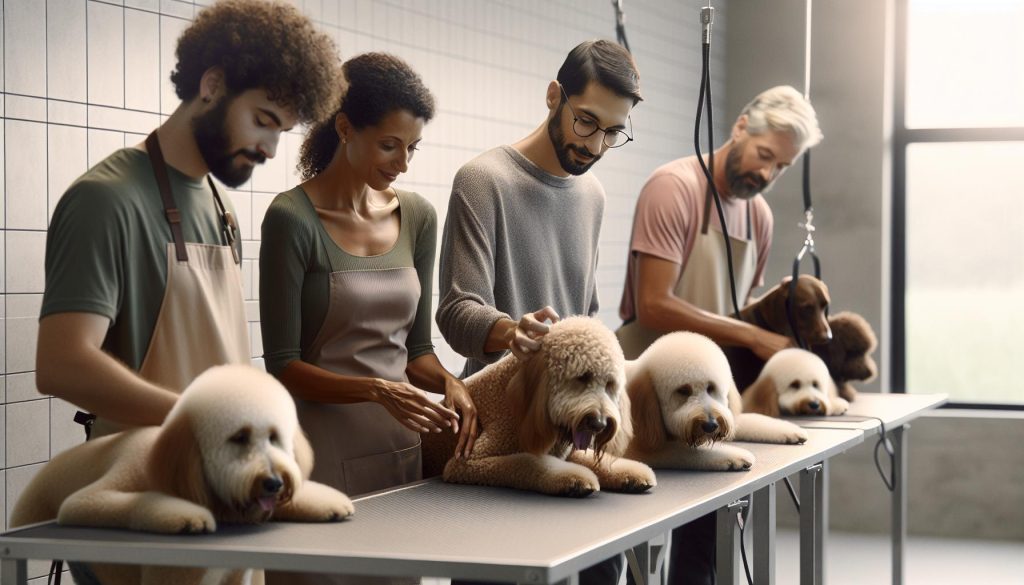
Grooming your Labradoodle isn’t just about keeping them looking cute; it’s essential for their health and happiness. Did you know that regular grooming helps prevent painful tangles and matting, especially in those fluffy coats? For Labradoodle owners, understanding how often to schedule grooming sessions is crucial to managing your dog’s unique coat type. Whether you’re a new owner or a seasoned handler, knowing the right grooming routine will ensure your furry friend stays comfortable and stylish. In this guide, we’ll break down the ideal grooming schedule, offering practical tips to keep your Labradoodle looking and feeling its best. So, let’s dive in and discover how to make grooming a delightful bonding experience for both you and your pup!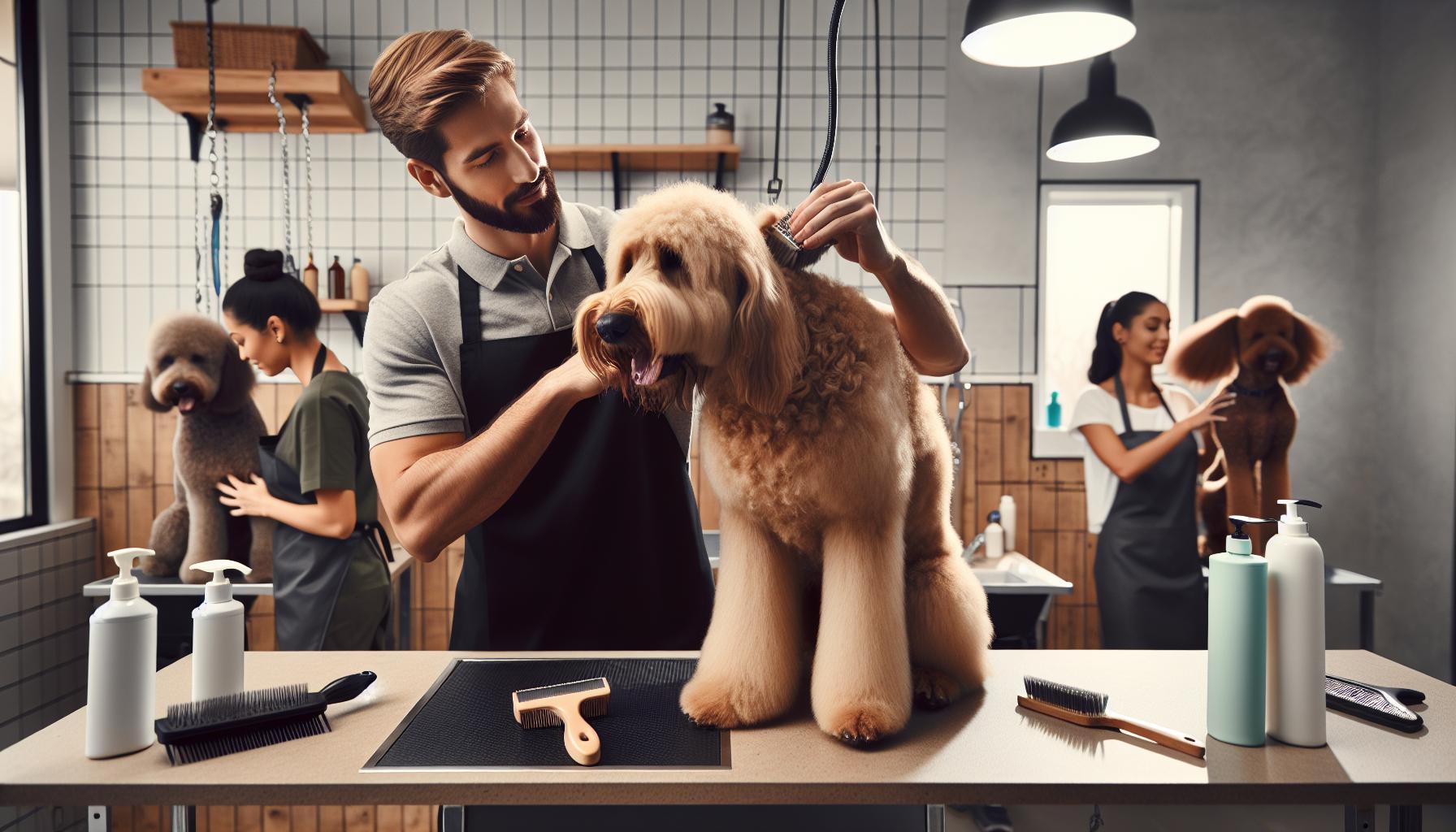
Understanding Labradoodle Grooming Needs
Understanding the grooming needs of Labradoodles goes beyond simply maintaining a fluffy coat; it’s about ensuring their overall health and well-being. Labradoodles, being a crossbreed of Labrador Retrievers and Poodles, inherit a unique coat that can vary widely among individuals. Some may have a wavy, soft texture while others sport a tighter, curly coat resembling a Poodle. This diversity influences their grooming requirements, making it essential for owners to familiarize themselves with their specific dog’s grooming needs.
Regular grooming is crucial for Labradoodles to prevent matting and to keep their skin healthy. These dogs generally benefit from a brushing routine of at least two to three times a week. This frequency helps to remove loose hair and dander, ensures you can check for any skin issues early on, and keeps their coat looking its best. It’s also a great way to bond with your furry friend while instilling good grooming habits from a young age.
When it comes to grooming techniques, adopting methods like line brushing can be highly effective. This technique involves brushing in a straight line, allowing you to see the base of the fur and catch any hidden mats before they become a problem. Keeping up with regular grooming sessions not only ensures that your Labradoodle remains comfortable and healthy, but it also minimizes the need for more extensive grooming later on, which can be time-consuming and stressful for both you and your dog.
Furthermore, understanding that Labradoodles can have different grooming needs based on their lifestyle is essential. For instance, an active Labradoodle who enjoys outdoor adventures may accumulate dirt and debris more quickly than a more sedentary pet. Adjusting your grooming schedule accordingly will help maintain hygiene and comfort throughout the year. By staying attentive to your Labradoodle’s grooming needs, you not only contribute to their physical health but you also enhance their happiness, making every grooming session a positive experience for both of you.
Grooming Frequency for Different Lifesteps
Labradoodles are known for their friendly nature and their luscious coats, which can vary significantly from one individual to another. As a new or experienced owner, understanding how grooming frequency should shift throughout your Labradoodle’s life is essential. Puppies, adults, and seniors all have unique grooming needs that directly relate to their developing coats and lifestyles.
During the puppy stage, typically the first few months, grooming may not seem as critical, yet it’s the perfect time to introduce your Labradoodle to brushing. At this age, you should aim for two to three brushing sessions per week. This routine not only prevents mats from forming as their adult coat begins to come in, but it also helps your puppy get used to the grooming process, making it a familiar and positive experience. Don’t forget regular check-ups for any skin irritations or signs of ear infections, as young Labradoodles can be more prone to these conditions.
As your Labradoodle matures into adulthood, the grooming frequency should ideally shift to two to three times a week, with more diligent brushing during shedding seasons or after outdoor play. An active adult dog who enjoys romping through parks or muddy trails may require additional grooming to keep their coat clean and free of tangles. Regular grooming sessions not only keep their coat healthy but also allow you to check for ticks or other outdoor debris that may hitch a ride.
Senior Labradoodles may experience a change in their coat texture and skin health due to less active sebaceous glands. You might find that increasing grooming frequency to every other day is beneficial for them, as older dogs can be prone to matting and skin issues. Additionally, seniors may appreciate shorter, gentler grooming sessions-this can help them remain calm while ensuring that their grooming needs are properly met.
In summary, adjusting your Labradoodle’s grooming schedule according to their life stages not only ensures a healthy coat and skin but also fosters a deeper bond between you and your furry friend. By recognizing the specific needs that come with each phase of their life, you can create a tailored grooming routine that keeps your Labradoodle looking and feeling their best.
Essential Grooming Tools for Labradoodles
To keep your Labradoodle looking stylish and feeling comfortable, having the right grooming tools is essential. With their beautiful coats, Labradoodles require a specific set of tools that cater to their individual grooming needs. Investing in quality equipment will not only make the grooming process more enjoyable for both you and your dog but will also help maintain a healthy coat, minimizing issues like matting and skin irritations.
Grooming Essentials
Here are some must-have tools for effective grooming:
- Pin Brush: Ideal for daily brushing, a pin brush helps to detangle and fluff your Labradoodle’s fur. Its flexible pins effectively reach the undercoat while being gentle on the skin.
- Slicker Brush: This tool is perfect for removing mats and loose hair, especially in areas prone to tangling like the ears and underbelly. Use it with care and make sure to brush in the direction of hair growth.
- Dog Clippers: Regular grooming sessions may involve trimming your dog’s coat, particularly for longer hairstyles. Invest in quality dog clippers that come with various guards for different lengths.
- Comb: A good comb is essential for touch-ups and can be used after brushing to ensure that there are no remaining tangles or mats.
- De-shedding Tool: During shedding seasons, a de-shedding tool can help reduce loose fur effectively, minimizing the mess in your home.
- Shampoo and Conditioner: Choose a gentle, dog-specific shampoo and conditioner that suits your Labradoodle’s coat type. This helps keep their skin hydrated and coat shiny.
- Nail Clippers: Regular nail clippings are crucial for your dog’s comfort and health. Look for clippers designed for dog nails to prevent any accidents.
- Ear Cleaner: Labradoodles can be prone to ear infections, so a gentle ear cleaner is needed to maintain ear hygiene.
Harness the Power of Regular Grooming
Using these grooming tools regularly-not just during scheduled appointments-will help your Labradoodle maintain a healthy, lustrous coat. With a systematic approach to grooming, you can monitor changes in their coat condition and skin health, allowing for timely interventions when needed. Make grooming a bonding experience: a quiet room, lots of praise, and the right tools can transform a chore into enjoyable quality time. With these essentials on hand, you’ll be well-equipped to keep your Labradoodle looking fabulous and feeling great!
Breeds Comparison: Labradoodle vs. Other Doodles
When considering Labradoodles, it’s fascinating to note how their grooming needs set them apart from other doodle breeds, such as Goldendoodles and Bernedoodles. While each breed has its unique characteristics, understanding these differences can help owners prepare for the grooming journey ahead, ensuring that their pets remain healthy and happy.
Labradoodles often have a wavy coat that requires regular maintenance to prevent matting and tangles. This breed generally needs to be brushed at least two to three times a week, although many owners find that daily brushing is more effective in keeping their coats manageable and healthy. In comparison, Goldendoodles, with their dense, curly coats, might require similar grooming frequency, but the texture of their fur can lead to different types of matting that may require additional care, such as more frequent visits to a professional groomer for trims. Bernedoodles, on the other hand, can have a variety of coat types ranging from straight to curly, meaning grooming needs can vary widely even within the same litter. Generally, their grooming schedule might fall somewhere between that of Labradoodles and Goldendoodles, often necessitating grooming every 4 to 6 weeks depending on their coat type.
Here’s a quick comparison of grooming needs:
| Breed | Coat Type | Brushing Frequency | Professional Grooming Schedule |
|---|---|---|---|
| Labradoodle | Wavy | 2-3 times per week (daily preferred) | Every 6-8 weeks |
| Goldendoodle | Curly | 2-3 times per week (daily preferred) | Every 6-8 weeks |
| Bernedoodle | Varied (straight to curly) | Weekly (dependent on coat) | Every 4-8 weeks |
A crucial aspect to remember is that regardless of breed, regular grooming is not solely for aesthetic purposes; it also plays an essential role in maintaining skin health and comfort. Grooming allows owners to check for any abnormalities, such as lumps or skin irritations, that might require veterinary attention. It also strengthens the bond between the dog and owner, making grooming a rewarding experience.
In summary, while Labradoodles, Goldendoodles, and Bernedoodles share some similarities in grooming needs, the specifics can vary quite a bit. Owners should tailor their grooming schedules to the individual characteristics of their dogs, ensuring that each pet receives the care they need to thrive. By recognizing these differences and similarities, new and experienced owners alike can be better prepared for the joyful responsibility of grooming their furry companions.
Common Grooming Mistakes to Avoid
Grooming a Labradoodle can be a rewarding experience, but it’s easy to fall into some common traps that can lead to a less pleasant outcome for both you and your furry friend. One of the biggest missteps is neglecting regular maintenance. Many owners underestimate how quickly a Labradoodle’s coat can become matted or tangled, especially in high-traffic areas like behind the ears and under the legs. Consistent brushing-not just when it seems necessary-is crucial to keeping their coat healthy and manageable. Aim for brushing at least two to three times a week, with daily sessions being ideal for particularly fluffy pups.
Another frequent mistake is choosing the wrong tools for grooming. Labradoodles typically have a wavy coat that can be sensitive to harsh brushes. Opt for a slicker brush and a wide-toothed comb, which can effectively detangle without causing discomfort. Using inappropriate grooming tools can make your dog’s fur feel rough and lead to unnecessary stress during grooming. Always ensure your grooming tools are clean and in good condition; dull blades or worn-out brushes can cause more harm than good.
Many owners also overlook the importance of ear care, especially for breeds like Labradoodles that are prone to ear infections due to their floppy ears. Regular checks and cleanings are essential. Make it a habit to inspect your dog’s ears for dirt or excessive wax and clean them gently with a vet-approved solution to avoid serious health issues. This simple step not only helps prevent infections but also keeps your dog comfortable.
Lastly, grooming is more than just a chore-it’s a fantastic opportunity to bond with your Labradoodle. Take your time to make the process enjoyable with treats, praise, and gentle handling. Rushing through grooming can lead to anxiety and resistance in your dog, making future sessions more challenging. By approaching grooming as a shared experience, you can turn it into a special time that reinforces trust between you and your pet, ensuring they look and feel their best while strengthening your bond.
Seasonal Grooming Tips for Labradoodles
When the seasons change, so do the grooming needs of your Labradoodle. Each season brings its own challenges and considerations that can significantly impact your dog’s coat health and maintenance. Understanding these seasonal changes can help you develop a grooming routine that keeps your furry friend looking fabulous and feeling comfortable year-round.
In the spring, Labradoodles often experience a shedding phase as the weather warms up. This is the perfect time to ramp up your brushing sessions to remove loose fur and prevent it from becoming tangled in the coat. Brush a few times a week, focusing on areas that tend to mat easily, such as behind the ears and under the legs. Regular baths with a gentle dog shampoo will also help manage shedding and keep their coat soft and clean.
As summer rolls in, your doodle may enjoy more outdoor time, which increases the risk of dirt, pollen, and bugs getting tangled in their fur. It’s crucial to keep their coat clean and hydrated, so consider a mid-summer groom to keep things manageable. Additionally, trimming the coat can help your Labradoodle stay cool during the hot months. You can opt for a summer cut, which reduces the length while still leaving enough fur for protection against sunburn and insect bites. Always ensure you’re using sun protection for your dog, either with dog-safe sunscreen or by limiting direct sunlight exposure.
With the arrival of autumn, it’s essential to adjust your grooming routine again. Fall can bring an influx of leaves and debris, which can easily get trapped in your Labradoodle’s coat. Regular brushing and a good wash can help keep the coat looking clean and prevent matting from fallen leaves. Additionally, as the weather cools, you may want to start considering a warmer bed or coat for your Labradoodle during outdoor playtime.
Finally, the winter months require special attention to both grooming and skin care. The cold, dry air can lead to dry skin, so consider using a moisturizing conditioner during baths. Keeping the coat properly trimmed is vital to prevent snow and ice from clinging to your dog’s fur. After walks, make sure to dry and clean their paws and legs to remove any salt or ice that could irritate their skin. Remember, regular grooming in winter can help maintain a healthy coat, minimizing matting while ensuring your Labradoodle stays warm and protected from the elements.
By staying attuned to the seasonal needs of your Labradoodle, you can create a flexible grooming schedule that not only enhances their appearance but also supports their overall health and comfort throughout the year.
Spa Day at Home: DIY Grooming Guide
Creating a spa day at home for your Labradoodle is an enjoyable way to bond while maintaining their grooming schedule. Not only is it a great opportunity to keep their coat healthy, but it also provides comfort and relaxation for both you and your furry friend. Start with a calm environment; consider playing some soothing music and laying out all your grooming tools. This helps set a positive tone for the session, making it a pleasant experience rather than a chore.
One of the essential steps in this DIY grooming guide is brushing. Regular brushing helps remove tangles, dirt, and loose fur, making it easier to manage their coat. For a Labradoodle, a slicker brush or a pin brush works well to detangle the fur. Aim to brush your dog’s coat at least a few times a week, being gentle around sensitive areas like the ears and face. If you encounter any mats, carefully use a comb or your fingers to work them out rather than pulling, which can hurt your pup.
Bath time is another key component of the at-home spa experience. Choose a dog-safe shampoo and conditioner, ideally formulated for curly or wavy coats to maintain moisture and avoid dryness. Fill the bathtub or a suitable washing area with lukewarm water, and gently wet your Labradoodle’s coat, avoiding their ears and eyes. Apply the shampoo, lathering well, and rinse thoroughly to prevent any product residue that could irritate their skin. Follow up with a conditioner if needed, which will add extra moisture and help detangle their fur, leaving it soft and shiny.
Final Touches
After bathing, wrapping your Labradoodle in a soft towel can feel delightful and keeps them warm. Once they are mostly dry, consider a thorough drying with a pet-safe blower or simply letting them air dry in a warm area. Now’s the perfect time to inspect their skin for any irritations or parasites, check their ears for wax buildup, and trim their nails if needed. Ensuring that your grooming routine includes these elements can promote better overall health for your pet.
Creating a cozy, pampering atmosphere not only meets your Labradoodle’s grooming needs but also enhances your dog’s overall well-being. With a little patience and love, a spa day at home turns grooming into a positive experience that strengthens your bond while ensuring your fur baby looks and feels their best.
Finding a Professional Groomer: What to Look For
Finding the right professional groomer for your Labradoodle can make all the difference in maintaining not just their appearance but also their overall well-being. Labradoodles, with their unique curly or wavy coats, require special care to avoid matting and maintain healthy skin. As a loving pet parent, it’s essential to seek out a groomer who understands the specific needs of your breed. Look for groomers who have experience with Labradoodles or similar breeds-this expertise often translates to better handling of their coat type and an understanding of the grooming techniques that work best.
When choosing a groomer, consider visiting their facility first. A clean, organized grooming shop can signal that the groomer takes their work seriously. Pay attention to how they interact with the dogs there; their patience and gentleness can be a great indicator of their grooming philosophy. Here are some questions to ask during your visit:
- What grooming techniques do you use specifically for curly coats? Understanding the groomer’s approach can help you gauge their knowledge.
- How often do you recommend grooming sessions for Labradoodles? This can confirm they recognize the breed’s grooming needs.
- Can you provide references or testimonials from other Labradoodle owners? Feedback from fellow pet owners can assure you of their capabilities.
In addition, observe the facility’s environment. Does it seem welcoming and calm, or chaotic and overwhelming for the pets? A stress-free atmosphere will contribute to a positive grooming experience for your Labradoodle, ensuring they feel safe and relaxed. Once you find a groomer you feel comfortable with, regular visits can help establish a routine, which is essential for managing their grooming schedule effectively. Remember, grooming isn’t solely about aesthetics; it plays a critical role in your dog’s health and happiness, making it truly worthwhile to invest time in your search for a skilled professional.
Signs Your Labradoodle Needs a Grooming Session
Every pet parent knows that a happy and healthy dog often looks well-groomed. For Labradoodles, this is especially crucial due to their unique coat type, which can easily become tangled or matted if neglected. Recognizing the signs that your Labradoodle needs a grooming session is essential for maintaining not only their appearance but also their overall comfort and health.
One of the most visible indicators is tangling or matting in the fur. If you notice mats forming near the ears, under the armpits, or around the legs, it’s a clear sign that your furry friend is overdue for a grooming appointment. Doodles require regular brushing to prevent these tangles, and if you find that you’re spending more time untangling their fur than enjoying playtime with them, it’s time to schedule a session. Additionally, if your Labradoodle seems to be itching more than usual or scratching at their skin, it could indicate that their coat is harboring dirt or debris, necessitating a bath and thorough grooming.
Another telltale sign is changes in behavior related to their grooming routine. If your Labradoodle is becoming fidgety or resistant during bath time or grooming, it can suggest that their coat has become uncomfortable due to knots or dirt buildup. Also, keep an eye out for excessive shedding, which might indicate that their coat requires professional grooming to remove dead hair and promote skin health.
Lastly, pay attention to their overall hygiene and smell. If your Labradoodle has a noticeable odor, despite regular baths, it’s a good idea to have them groomed to address any potential skin issues or to clean up any areas that might be regularly missed during at-home grooming. Regular grooming sessions not only keep your dog looking their best but also help maintain their well-being. It can be a rewarding routine-bonding time for you and your Labradoodle!
Maintaining Healthy Skin and Coat
To ensure your Labradoodle thrives, it’s essential to focus on maintaining their unique coat and healthy skin. Labradoodles typically sport a curly or wavy coat, which, while beautiful, can trap dirt, debris, and moisture. This can lead to skin irritations or infections if not properly managed. To keep both their coat and skin in optimal condition, you should establish a consistent grooming routine.
Regular brushing is your best defense against matting and tangles, which are common in Labradoodles. Aim to brush your dog at least two to three times a week, with daily sessions recommended for those with coats that tend to mat easily. Using a technique called line brushing can be particularly effective-this method allows you to reach the undercoat and ensure that no mats are lurking beneath the surface. When brushing, pay special attention to areas that are prone to matting, such as the ears, underarms, and behind the legs.
In addition to brushing, you should also consider regular baths. A bath every four to six weeks can help remove allergens and dirt while keeping their coat healthy and shiny. Be sure to use a high-quality, dog-specific shampoo to avoid stripping away natural oils that are vital for skin health. After bathing, a thorough drying is crucial; damp fur can easily lead to odor and skin issues.
To further promote skin and coat health, incorporate dietary considerations as well. High-quality dog food rich in Omega fatty acids can significantly enhance the health of your Labradoodle’s skin and coat. Supplements, such as fish oil or flaxseed oil, may also be beneficial and can help reduce any itching or dryness.
Finally, keep an eye out for signs that your Labradoodle might be having skin issues, such as excessive scratching, licking, or any unusual odor. Regularly checking their skin for redness, inflammation, or parasites can help you catch potential problems early. By committing to a dedicated grooming schedule and being attentive to your dog’s needs, you can help ensure your Labradoodle enjoys a healthy, happy life.
Grooming Schedule Variations for Active vs. Sedentary Dogs
When it comes to grooming your Labradoodle, understanding how their activity level influences your schedule is key to maintaining a healthy coat and skin. Active Labradoodles, who romp around in the park or join you on outdoor adventures, tend to accumulate dirt, debris, and potential tangles much more quickly than their more sedentary counterparts. This means their grooming needs will require a slightly more robust approach to avoid matting and maintain hygiene.
For Labradoodles with a high-energy lifestyle, aim for daily brushing sessions. This not only helps remove dirt and loose hair but also allows you to identify any mats before they become problematic. An active dog may also enjoy the extra bonding time that comes with regular grooming. A combination of brushing techniques, including line brushing to reach the undercoat, will keep their beautiful coat looking its best. In addition to brushing, consider giving them a bath more frequently-about every three to four weeks-to ensure their coat remains clean and healthy, especially after those muddy play sessions.
On the other hand, for Labradoodles that are more sedentary, you can relax your grooming frequency a bit. While still aiming for at least two to three brushing sessions per week, you can often get away with longer intervals between baths, perhaps every four to six weeks, depending on their environment and coat condition. Focus on regular check-ups for mats and tangles in the areas that typically require attention, like behind the ears and under the legs, as these dogs may not experience the same level of daily mess.
In summary, the activity level of your Labradoodle significantly affects grooming schedules. By adjusting your routine to match their lifestyle-daily grooming and more baths for active dogs and a more relaxed schedule for sedentary pups-you can ensure that your furry friend remains happy, healthy, and looking fabulous.
Benefits of Regular Grooming Beyond Aesthetics
Regular grooming for your Labradoodle extends well beyond simply keeping them looking adorable-it’s a vital part of their overall health and well-being. Did you know that consistent grooming can significantly contribute to your dog’s happiness and comfort? Many owners underestimate how a regular grooming routine aids in maintaining not just a stunning coat but also a healthy skin and body.
By grooming your Labradoodle frequently, you are actively engaging in essential skin care. Regular brushing helps to remove dead hair, dirt, and debris from the coat, preventing matting and tangling that can trap moisture and lead to skin irritations or infections. This routine is particularly important in areas where mats often develop, such as behind the ears or under the legs. With diligent grooming, you can also easily monitor your dog’s skin for any signs of issues, such as redness or unusual lumps, which may require veterinary attention. Spotting these issues early can lead to prompt treatment, ensuring your dog stays healthy and happy.
Additionally, grooming sessions can serve as a bonding opportunity and a calming experience for your Labradoodle. The gentle brushing and massaging motions are not only soothing but can also reduce stress for both you and your pet. Establishing a regular grooming routine can create a sense of stability and predictability in your dog’s life, reinforcing trust and enhancing your relationship. Moreover, the socialization aspects of grooming-especially if introduced early-can mitigate behavioral issues that arise from anxiety or fear associated with handling.
Lastly, a well-groomed Labradoodle is more than a pretty face; they also have better hygiene and comfort, leading to improved quality of life. Regular grooming can reduce shedding in your home, which is a significant bonus for maintaining a clean living environment. Ultimately, the benefits are twofold: your dog thrives in health and happiness, and you enjoy the companionship of a beautifully groomed pet. Embracing a grooming schedule is truly a win-win!
Faq
Q: How often should I brush my Labradoodle?
A: Labradoodles should ideally be brushed daily to prevent mats and tangles, but brushing them two to three times a week can suffice if you’re vigilant about their coat health. Regular brushing can keep their fur healthy and manageable oftentoyougroomyourdoodles/”>[1].
Q: How can I tell if my Labradoodle needs grooming?
A: Look for signs like excessive shedding, mats forming in their coat, or an unkempt appearance. Additionally, if they seem uncomfortable or itchy, it may indicate that a grooming session is due oftentoyougroomyourdoodles/”>[1].
Q: What tools do I need for grooming my Labradoodle at home?
A: Essential grooming tools include a slicker brush, a comb, dog-safe shampoo, and clippers or scissors for their coat. Regular use of these tools can help maintain their coat between professional grooming sessions TC47″>[2].
Q: What are common mistakes to avoid when grooming a Labradoodle?
A: Common mistakes include neglecting regular brushing, using the wrong grooming tools, and not addressing mats promptly. Avoiding these pitfalls ensures better coat health and a more enjoyable grooming experience for both you and your dog [2].
Feel free to explore more about Labradoodle grooming throughout our article for a complete understanding!
The Way Forward
In conclusion, understanding how often Labradoodles need grooming is essential for their health and happiness. Regular grooming not only keeps their coats looking polished but also prevents matting and skin issues. Aim for a schedule that suits your Labradoodle’s unique needs, and don’t hesitate to seek professional help if you’re unsure. As a next step, check out our comprehensive guides on grooming tools and Labradoodle care essentials to enhance your grooming routine.
Feeling overwhelmed? We’re here to help! Sign up for our newsletter to receive expert tips directly in your inbox and join our community of devoted dog owners. If you have questions or experiences to share, please leave a comment below – we love hearing from you! Remember, consistent grooming will not only bond you with your Labradoodle but ensure they remain a happy, healthy member of your family. Explore more related topics to keep up-to-date with the best care practices for Labradoodles and beyond!