
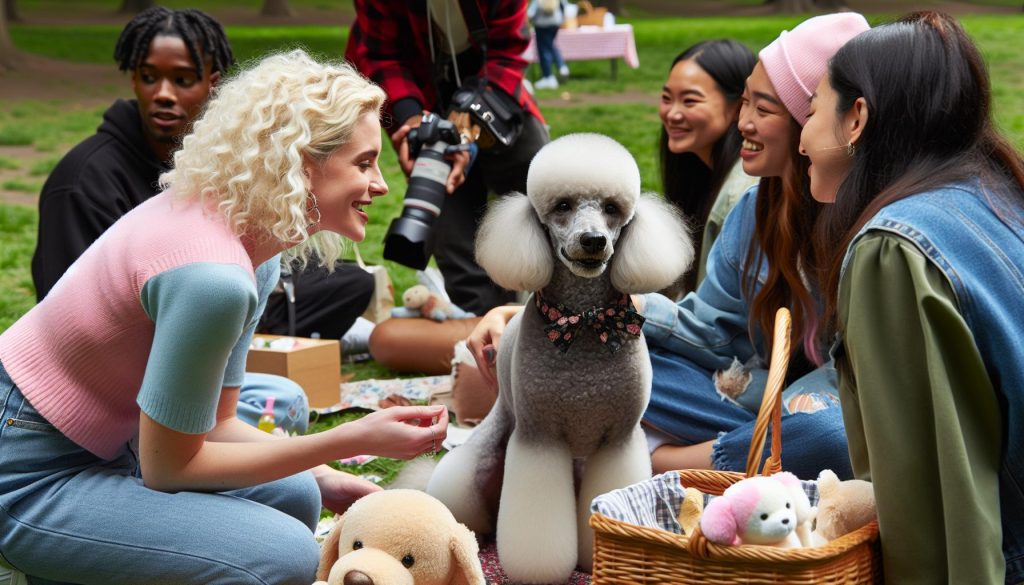
When it comes to Poodles, many people often wonder about their temperament. Despite a common misconception that these intelligent dogs can be mean or aggressive, the truth is far more reassuring. Poodles are renowned for their gentle and affectionate nature, making them excellent companions for families and individuals alike. Understanding a Poodle’s temperament is essential for current and prospective owners, as it shapes everything from training strategies to social interactions.
As we delve into the nuances of a Poodle’s character, you’ll discover how their inherent curiosity and playfulness set the foundation for a loving relationship. Whether you’re a first-time dog owner or an experienced handler, knowing how to nurture and communicate with your Poodle can lead to a fulfilling partnership. So, if you’ve ever felt unsure about bringing a Poodle into your life, keep reading to uncover why these dogs are not just smart but also warm-hearted companions that thrive with the right guidance and care.
Understanding Poodle Temperament: The Basics
Poodles are often misunderstood, with myths surrounding their temperament leading some to question whether they can be naturally aggressive. However, the reality is that these dogs are known for their intelligence, playfulness, and gentle disposition. Their reputation as loving companions stems from a long history of being bred for various roles, including as service dogs and family pets. Poodles are highly trainable and eager to please, making them wonderful additions to any household.
One key aspect of understanding a Poodle’s temperament is recognizing their need for social interaction and mental stimulation. Poodles thrive on companionship and can become anxious or exhibit behavioral issues if left alone for long periods. Regular exercise and engagement are crucial not only for their physical health but also for their mental well-being. Consider incorporating daily training sessions or playdates with other dogs to help satisfy their social needs.
Moreover, Poodles display a wide range of personalities across their three varieties-Standard, Miniature, and Toy. While all Poodles share a core of kindness and intelligence, variances in size can sometimes influence their behavior. For example, Standard Poodles might be more robust and confident, while Toy Poodles can be more sensitive and may require gentle handling. Understanding these differences can help in managing their upbringing and training.
In summary, Poodles are not mean-spirited dogs; rather, they are affectionate companions that can become a beloved part of your family. By fostering an environment filled with love, socialization, and mental challenges, you can ensure that your Poodle develops a well-rounded and gentle temperament, embodying the best traits of this remarkable breed.
Are Poodles Naturally Aggressive? Myths vs. Facts

Poodles often get a bad rap due to misconceptions about their temperament, with some people mistakenly labeling them as aggressive. However, it’s vital to understand that aggression is not a natural trait of the Poodle breed. Instead, these dogs are renowned for their intelligence, playful nature, and overall gentleness. With proper socialization and training, Poodles are typically friendly and well-mannered companions.
One common myth surrounding Poodles is that their high energy and intelligence can translate into aggressive behavior when they’re not stimulated. In reality, a bored or under-exercised Poodle may exhibit unwanted behaviors such as excessive barking or destructive chewing, which can be misinterpreted as aggressive tendencies. Ensuring your Poodle has sufficient physical exercise and mental challenges is essential to prevent these issues. Regular walks, play sessions, and interactive toys can help satisfy their needs and foster a calm demeanor.
Additionally, early socialization plays a crucial role in shaping a Poodle’s temperament. Introducing your Poodle to various environments, people, and other animals during their development stages equips them with the confidence to handle new experiences without fear or aggression. Enrolling in puppy classes can be a wonderful way to expose your Poodle to other dogs and humans, allowing them to learn positive interaction habits in a controlled setting.
In summary, while Poodles may react with caution in unfamiliar situations, this is not a sign of inherent aggression; rather, it reflects their intelligence and sensitivity. By providing a nurturing environment filled with love, socialization, and constructive activities, you can help your Poodle thrive as a gentle and affectionate household member.
The Gentle Giant: Why Poodles Are Affectionate Dogs

Despite their sometimes sophisticated appearance, Poodles are often described as gentle giants in the dog world, renowned for their affectionate nature and strong bond with their families. This breed thrives on companionship and actively seeks to please its owners, making them incredibly responsive and loving pets. Whether it’s cuddling on the couch after a long day or happily participating in family activities, Poodles naturally gravitate toward closeness and connection, proving they are far from the misconception of being standoffish or unfriendly.
Understanding the affectionate tendencies of Poodles begins with their temperament. Known for their intelligence, these dogs excel in learning and retaining commands, which can be harnessed to strengthen your relationship through shared activities like tricks or agility training. Establishing a routine that includes plenty of positive reinforcement not only stimulates your Poodle mentally but also nurtures the bond you share. Regular praise and affectionate gestures reassure your Poodle that they are cherished family members, which in turn fosters their affectionate disposition.
Another compelling aspect of Poodles’ gentle nature is their adaptability to various living environments. Whether in an apartment or a spacious house, Poodles can be content as long as their emotional needs are met. They benefit from consistent interaction with their human companions, requiring not just physical exercise but also mental engagement. Incorporating playdates with other pets or humans can also enhance their social skills and affability, proving that Poodles are not just affectionate but also friendly and approachable.
Ultimately, the affectionate character of Poodles is a blend of their innate personality traits and the environment in which they are raised. By nurturing these qualities through loving care, ample interaction, and a structured routine, you can ensure your Poodle remains an affectionate and gentle companion, which makes them a rewarding choice for anyone seeking a loyal friend. Whether it’s their playful antics or heartfelt snuggles, Poodles have a unique way of warming the hearts of those blessed to share their lives.
Socialization Tips for Poodles: Building Gentle Behavior

Poodles are often celebrated for their delightful demeanor, but nurturing their gentle nature starts with proper socialization. Early and ongoing socialization helps Poodles learn how to interact positively with various people, pets, and environments, effectively setting the stage for their friendly temperament to shine. The foundation laid in puppyhood can significantly influence their behavior throughout their lives, ensuring they become well-mannered, confident companions.
To build gentle behavior in your Poodle, consider these practical socialization tips:
- Start Early: Begin socialization as early as 7-8 weeks old. Introduce your Poodle to different people, including children and adults, as well as various environments like parks, pet stores, and busy streets. Positive exposure at this age can become a cornerstone for their gentle temperament.
- Use Positive Reinforcement: Reward your Poodle with treats, praise, or play when they interact calmly with new experiences or companions. This technique helps them associate social situations with positive outcomes.
- Arrange Playdates: Schedule regular playdates with other friendly dogs. This allows your Poodle to learn appropriate play behaviors and helps them build confidence in interacting with different dog personalities.
- Enroll in Puppy Classes: Participating in puppy training classes is a wonderful way to expose your Poodle to various breeds and handlers in a controlled environment. These classes not only teach basic commands but also promote good manners and respectful interactions with other dogs.
- Gradual Exposure: If your Poodle appears hesitant or anxious around certain stimuli-like loud noises or unfamiliar animals-take gradual steps to expose them gently to these situations. This might mean initially watching the activity from a distance and gradually getting closer as they become more comfortable.
Creating a gentle and well-adjusted Poodle means consistently engaging in these socialization exercises throughout their life. Even adult Poodles can benefit from socialization, so continue to introduce them to new experiences and environments. Not only does this promote calmness and gentleness, but it also enhances their overall emotional well-being.
Remember, it’s essential to maintain a positive and patient attitude throughout the socialization process. Each Poodle is unique, and some may take longer to adapt than others. By investing time and effort into their social development, you’ll be rewarded with a loving companion who embodies the gentle temperament that Poodles are known for. In sharing life with your Poodle, you’ll witness firsthand how their affectionate and friendly nature can enrich your family’s life immeasurably.
Poodle Temperament by Variety: Standard, Miniature, and Toy

Poodles are often celebrated for their lively intelligence and loving disposition, but what may come as a surprise is how temperament can vary across their three distinct varieties: Standard, Miniature, and Toy. While all Poodles share a common ancestry and exhibit a generally gentle nature, the differences in size often influence their behavior, energy levels, and how they fit into various lifestyles.
Standard Poodles are the largest of the three varieties, standing over 15 inches tall. They are known for their graceful demeanor and robust intelligence. Their size often lends them a natural air of confidence, and they typically possess calm yet playful temperaments. Standard Poodles thrive in active households, enjoying physical activities such as running and swimming. Their gentle disposition makes them excellent companions for families, as they are patient and protective, especially around children.
Miniature Poodles, ranging from 10 to 15 inches in height, combine the exuberance of larger Poodles with a compact size that is perfect for smaller living spaces. They retain a playful yet controlled demeanor and are known for their strong bonding tendencies. Miniature Poodles tend to be more alert, making them excellent watchdogs, and they often excel in training due to their eagerness to please. However, this eagerness can sometimes lead them to be a bit more stubborn than their larger counterparts, indicating the need for consistent, positive reinforcement training.
Toy Poodles, standing under 10 inches, are the smallest variety and often exude charm and affection. Their petite size and playful nature make them ideal companions for individuals or families with older children. Toy Poodles are generally very sociable and enjoy spending time close to their human companions. While they are less likely to exhibit aggressive behavior, their small stature can make them more susceptible to fear-based reactions if not properly socialized. Regular exposure to various environments and gentle handling is crucial for their development.
Regardless of the variety, all Poodles are known to form strong attachments with their families and can display signs of separation anxiety if left alone for extended periods. Each Poodle, whether Standard, Miniature, or Toy, requires love, attention, and socialization to flourish. By understanding the unique traits and needs of each variety, prospective owners can ensure a harmonious and enriching relationship with these delightful dogs that embody gentle temperament and intelligence.
In looking to adopt a Poodle, consider not just the size, but also how their individual temperaments will fit into your lifestyle and family dynamics for many years of joy together.
How Environment Affects Poodle Behavior
The environment in which a Poodle lives has a profound impact on its behavior, shaping not only how they interact with their home life but also how they respond to their human companions. Poodles are sensitive animals that can easily pick up on the emotional climate of their surroundings. For instance, a calm, nurturing home filled with positive interactions cultivates a confident and well-adjusted dog, while a chaotic or stressful environment can lead to behavioral issues like anxiety or fear-based reactions.
A critical factor in determining how well a Poodle behaves is the amount of social stimulation it receives. Regular exposure to various environments-parks, pet-friendly businesses, and even casual gatherings-can enhance a Poodle’s social skills. Poodles have a natural charm, and their friendly dispositions encourage them to eagerly engage with new people and other animals. This sociability is a double-edged sword, however; unsupervised encounters or a lack of socialization can quickly lead to fear or aggression, particularly in the smaller Toy Poodles, who might feel more vulnerable in unfamiliar situations. Regular exposure helps prevent these issues, enabling them to grow into confident dogs who thrive in diverse environments.
Another aspect to consider is the presence of other pets or children in the home. Poodles are known for their affectionate nature, which typically extends to well-socialized children and other animals. Promoting gentle behavior among family members is crucial. Teaching children how to properly interact with dogs-like gentle petting and respecting a dog’s space-helps foster a positive relationship. Additionally, introducing new pets gradually and ensuring each has its own space can prevent territorial behavior, ensuring an atmosphere of harmony that benefits all.
Ultimately, creating a loving and structured environment is key to maintaining the gentle temperament Poodles are known for. This includes consistent routines for feeding, exercise, and play, which help reduce anxiety and establish a sense of security. Engaging with them in both physical and mental activities-such as puzzles or agility training-also contributes to a happier, well-behaved dog. By being attentive to their needs and the dynamics of your household, you can help your Poodle flourish into the loving companion you desire.
Training Your Poodle: Techniques for a Positive Experience
Training a Poodle can be a rewarding experience that enhances the bond you share with your furry companion. These intelligent and eager-to-please dogs thrive on positive reinforcement and structured guidance, making it essential to implement effective training techniques from an early age. One of the most important aspects of training Poodles is understanding that they respond best to a nurturing approach, anchored in patience and encouragement.
When starting your training journey, it helps to create a calm and distraction-free environment. Poodles are sensitive and can become easily overwhelmed. Use short, engaging training sessions-around 5-10 minutes each-to keep their attention and enthusiasm high. Incorporate their favorite treats as rewards for successfully following commands or demonstrating good behavior. Here are some essential techniques to consider:
- Positive Reinforcement: Always reward your Poodle with praise, treats, or playtime when they successfully execute a command. This encourages them to repeat the behavior.
- Consistency is Key: Use the same commands and cues each time you train. Poodles are quick learners, but consistency helps reinforce their understanding.
- Socialization: Introduce your Poodle to different people, environments, and other pets. This exposure is vital to developing their social skills and can be incorporated as informal training opportunities.
- Mix It Up: Poodles thrive on mental stimulation. Incorporate a variety of tricks and commands, and don’t hesitate to use interactive toys or puzzles to challenge their intellect.
Common Commands to Start With
A strong foundation in basic commands is crucial for your Poodle’s training. Start with:
| Command | Purpose | How to Train |
|---|---|---|
| Sit | Basic obedience, attention | Hold a treat over their nose and move it back towards their tail so they naturally sit. |
| Stay | Control in varied situations | Ask your Poodle to sit, then extend your hand and say “stay” while backing away slowly. Reward them for staying put. |
| Come | Recall, safety | Use a long leash and call them to you with enthusiasm, rewarding them each time they return. |
| Down | Calmness, relaxation | Encourage them to lie down by holding a treat to the ground and guiding them into the position. |
Building a solid training routine not only addresses your Poodle’s immediate behavior needs but also reinforces their gentle temperament. By fostering an atmosphere of trust and encouragement, you help shape a well-mannered companion who is not only a joy to be around but also excels in various social situations. Remember, Poodles are not mean; they simply need the right guidance to shine as the affectionate and intelligent dogs they are!
The Role of Genetics in Poodle Personality
The personality of Poodles is influenced significantly by their genetics, determining not only their temperament but also their behavior in various situations. Recognized for their intelligence and affectionate nature, Poodles inherit these traits through generations of careful breeding. It’s essential to understand that while genetics lays the foundation for personality traits, the environment, training, and socialization also play crucial roles in shaping a Poodle’s character.
Genetic predispositions can affect how a Poodle reacts to stimuli such as noise, strangers, or other animals. For instance, some Poodles may be more reserved or cautious due to their lineage, while others might be outgoing and friendly. Understanding these nuances helps new owners and seasoned handlers alike cater to their individual dogs’ needs. Furthermore, selecting a reputable breeder who tests for common genetic health issues can help future owners be more aware of potential behavioral challenges that may arise.
- Breeding Practices: Among the most significant factors is the breeding practice. Responsible breeders prioritize temperament, ensuring that the puppies inherit the gentle and affectionate nature that Poodles are known for.
- Health and Behavior Connections: Health issues can also impact behavior. For instance, Poodles suffering from pain or discomfort due to genetic conditions might display behavioral changes that could be mistaken for aggression or meanness.
- Lineage and Ancestry: A dog’s lineage matters; puppies bred from parents with stable temperaments are more likely to develop similar traits. Research into the ancestry of your Poodle can provide insights into their expected behavior.
Moreover, the awareness of potential genetic traits can empower owners to create an environment that nurtures their Poodle’s best qualities. For example, if a Poodle is predisposed to anxiety, providing a calm, structured environment and employing regular training sessions can foster confidence and reduce stress. The combination of genetics with responsible ownership leads to the ideal scenario where Poodles can thrive, exhibiting their natural gentleness and intelligence. Ultimately, while genetics lays the groundwork for behavior, your involvement as a pet parent becomes the defining factor in cultivating a loving, well-adjusted companion.
Addressing Behavioral Issues in Poodles
Addressing behavioral concerns in Poodles often requires a compassionate and informed approach, given their sensitive nature and deep emotional connections with their families. Many owners may observe behaviors like excessive barking, chewing, or anxiety when their Poodles are placed in stressful situations. While these behaviors can be frustrating, it’s essential to remember that they are often expressions of underlying issues such as fear, boredom, or a need for attention. The good news is that with dedication and the right techniques, you can effectively address these concerns and cultivate a peaceful home environment.
One effective strategy is to implement consistent training and reinforcement methods. Poodles thrive on routine, and predictable structures help reduce anxiety. Positive reinforcement techniques-like treat rewards for good behavior-can teach your Poodle what is expected while also reinforcing your bond. For instance, if your Poodle barks when they’re bored, redirect their energy by offering engaging toys or teaching new tricks. Setting aside consistent playtime can also alleviate pent-up energy, leading to a calmer demeanor.
In addition to proper training, regular socialization with other dogs and people is crucial for a well-adjusted Poodle. Exposing your Poodle to various environments, sounds, and other pets from a young age can help build confidence and minimize fearful reactions later in life. Consider enrolling in puppy classes or local playgroups, where your Poodle can learn to interact positively with peers. Remember, socialization isn’t just a one-time conditioning but an ongoing routine that contributes to their emotional stability over time.
Lastly, don’t overlook the importance of health in behavioral expression. Many behavioral issues can stem from health-related pain or discomfort, particularly in older Poodles. Regular veterinary check-ups allow for early detection of potential problems that might influence your dog’s behavior. A Poodle who is experiencing discomfort may exhibit aggression or withdrawal, which often can be remedied with appropriate medical care and attention.
By understanding the roots of behavioral issues and taking a holistic approach-combining training, socialization, and health management-owners can foster a loving, well-adjusted environment that reflects the gentle and affectionate temperament Poodles are renowned for. Remember, patience and consistency are key; with time, your Poodle will likely develop into the loving companion you envisioned when bringing them into your life.
Poodles and Children: A Perfect Match?
When it comes to finding the right dog for your family, especially if you have children, Poodles often stand out as one of the best breeds. Known for their intelligence and affectionate nature, these dogs form strong bonds with their human companions. The gentle temperament of Poodles makes them particularly well-suited for families, as they are usually calm, patient, and eager to please.
One of the reasons Poodles thrive in family environments is their adaptability. They come in three sizes-Standard, Miniature, and Toy-allowing families to choose a Poodle that fits their home and lifestyle. Regardless of size, they generally share a playful disposition, enjoying interactive games and activities with children. Engaging them in play not only helps fulfill their exercise needs but also bonds the family together, providing endless opportunities for fun and laughter.
To ensure a harmonious relationship between your Poodle and children, early socialization is crucial. Exposing a Poodle puppy to various experiences, including different people and sounds, helps build their confidence and reduces the likelihood of fear or anxiety. Simple games, such as fetch or hide-and-seek, can encourage gentle playfulness while teaching children how to interact respectfully with their furry friend. Moreover, teaching kids the basics of dog care and respect for personal space will reinforce positive interactions, fostering a loving environment for everyone.
As with any breed, supervision is vital when Poodles are left with young children to prevent any unintentional rough play or mishaps. Always ensure that your Poodle has a safe space to retreat to if they feel overwhelmed. By guiding your children in understanding and respecting their dog’s boundaries, you can promote a nurturing atmosphere where both Poodles and kids feel safe and cherished. Adopting these practices not only ensures safety but enriches the loving relationships that can flourish between Poodles and children, making them a perfect match for family life.
Poodles and Other Pets: Creating Harmony at Home
Creating a peaceful and loving environment where Poodles can thrive alongside other pets requires thoughtful planning and attention to social dynamics. Poodles are renowned for their gentle and friendly temperament, making them generally great companions not only for humans but also for other animals. However, successful integration depends on careful introductions, consistent training, and ongoing socialization.
To foster harmony at home, early socialization is key. Exposing your Poodle to other pets-whether cats, small animals, or even other dogs-right from puppyhood helps them learn appropriate behaviors and communication styles. Consider hosting controlled playdates where your Poodle can interact with other pets in a neutral setting. Keep these initial meetings short and positive, rewarding your Poodle with treats and praise each time they exhibit calm and friendly behavior. Gradually increase the duration of these interactions as they grow more comfortable with their companions.
It’s also essential to establish boundaries. Poodles thrive on routines and clear guidelines. Designate separate spaces for different pets, ensuring each has a safe haven to retreat to. This practice not only prevents conflicts over territory but also allows all pets to feel secure within their environment. Introducing shared toys and engaging in group activities, such as playtime with interactive toys or joint training sessions, can build camaraderie. Remember, patience is crucial; allow friendships to develop at their own pace, as rushing can lead to stress or misunderstandings.
In addition, be proactive in observing body language. Poodles are very expressive and sensitive; they can reflect tension or anxiety from other pets. If you notice signs of distress, such as growling or stiff body posture, step in to diffuse the situation calmly before it escalates. Always supervise interactions, especially during the early stages of cohabitation. By setting a nurturing tone and reinforcing positive behaviors, you’ll create an environment where your Poodle-along with all your furry family members-can coexist happily and harmoniously.
Celebrating Poodles: Tips for Responsible Ownership
Owning a Poodle is a delightful adventure filled with joyful moments, captivating intelligence, and boundless affection. However, to ensure that every Poodle thrives in a happy and healthy environment, it’s crucial for owners to engage in responsible ownership practices. From understanding their unique needs to embracing their wonderful temperament, here’s how to celebrate and cherish your furry friend.
One of the primary aspects of responsible ownership is providing consistent training and socialization. Poodles are highly intelligent and eager to please, which makes them remarkably trainable. Start early with basic obedience commands, using positive reinforcement techniques such as treats and praise to encourage good behavior. Regular training sessions not only help to hone their skills but also strengthen the bond between you and your Poodle. Incorporating socialization with various people, environments, and other pets is vital, as it helps to build their confidence and adaptability. Arrange playdates with friendly dogs or take them to dog parks to expose them to different experiences.
Grooming is Essential
Poodles have a unique coat that requires regular grooming to maintain its beauty and prevent matting. Depending on the type of Poodle-Standard, Miniature, or Toy-grooming needs may vary slightly, but daily brushing and professional grooming every few months are generally recommended. Becoming familiar with their grooming routine not only keeps them looking fabulous but also promotes healthy skin and fur. Use this grooming time as an opportunity for bonding; many Poodles enjoy the relaxed interaction with their owners during grooming sessions.
Health and Wellness Checkups
Invest time in regular veterinary check-ups to monitor your Poodle’s overall health. Poodles are generally healthy, but they can be prone to certain genetic conditions like hip dysplasia and certain skin issues. Routine health checks can help catch potential issues early, ensuring a longer, happier life for your beloved pet. It’s also an opportunity to discuss diet and exercise needs specific to your Poodle’s age and size with your vet.
Managing a healthy diet is paramount. Opt for high-quality dog food tailored to your Poodle’s life stage-puppy, adult, or senior. Pay attention to any food allergies your Poodle may have, which can sometimes be common in the breed. Regular exercise is equally important; ensure that your Poodle gets daily walks, playtime, and mental stimulation to keep them active and engaged. Puzzle toys and obedience training can serve as great outlets for their intelligence.
In summary, nurturing a Poodle requires a blend of love, care, training, and attention to health needs. By investing effort into these areas, you not only enhance your Poodle’s well-being but also cultivate a deep, loving relationship that will bring joy to both of you for years to come.
FAQ
Q: Are Poodles known to be aggressive towards other dogs?
A: No, Poodles are generally not aggressive towards other dogs. Their gentle temperament allows for positive interactions. However, proper socialization and training are essential to ensure they develop good relationships with other pets. Always introduce them gradually to help them feel comfortable.
Q: How can I tell if my Poodle is unhappy or stressed?
A: Signs of an unhappy or stressed Poodle can include excessive barking, hiding, or changes in eating habits. Pay attention to their body language; a tucked tail or flattened ears can indicate discomfort. If you notice these behaviors, assess their environment or consult a veterinarian for guidance.
Q: What is the best way to train a Poodle for gentle behavior?
A: Positive reinforcement is the most effective way to train a Poodle for gentle behavior. Use treats, praise, and play as rewards for good behavior. Consistent training sessions focused on commands and socialization will reinforce their gentle temperament. For tips, refer to the “Training Your Poodle” section of our article.
Q: Do Poodles make good family pets?
A: Yes, Poodles are excellent family pets. They are affectionate, intelligent, and friendly, which makes them great companions for children. Their energy and playful nature encourage active family engagements, but ensure they receive proper training and socialization for harmonious living.
Q: How often should I socialize my Poodle?
A: Socializing your Poodle should start early and continue throughout their life. Regular exposure to various people, environments, and animals helps them develop confident and gentle behaviors. Aim for socialization sessions at least weekly, particularly during their formative months.
Q: Why do some people think Poodles are mean?
A: Misconceptions about Poodles being mean often stem from their intelligence and protective instincts. If not properly socialized, any breed, including Poodles, can develop undesirable behaviors. Understanding their gentle nature and working with their training can dispel these myths.
Q: How can I help my Poodle be more comfortable around strangers?
A: To help your Poodle feel comfortable around strangers, introduce them gradually in a relaxed environment. Use positive reinforcement to reward calm behavior during encounters. Regular exposure and socialization, as discussed in our article section on “Socialization Tips,” will enhance their confidence.
Q: Are Poodles suitable for first-time dog owners?
A: Yes, Poodles are suitable for first-time dog owners. Their intelligence and eagerness to please make them relatively easy to train. Additionally, their gentle temperament and adaptability can benefit new owners. Just be prepared for regular grooming and exercise needs!
In Summary
In exploring the temperament of Poodles, we’ve established that these dogs are far from mean. With proper training and socialization, they prove to be affectionate, intelligent, and gentle companions. If you’re considering inviting a Poodle into your home, now’s the perfect time! Start your journey by checking out our comprehensive guide on Poodle training techniques and behavioral tips to ensure a positive experience.
Don’t forget to explore our related articles on dog care, like “Poodle Grooming Essentials” and “Top 5 Myths About Poodles,” to further enhance your knowledge and confidence as a dog owner. We’d love to hear your thoughts and experiences with Poodles-share in the comments below! Your next steps toward understanding and nurturing your Poodle’s unique personality are just a click away; dive deeper into the world of Poodles with our resources today!


