
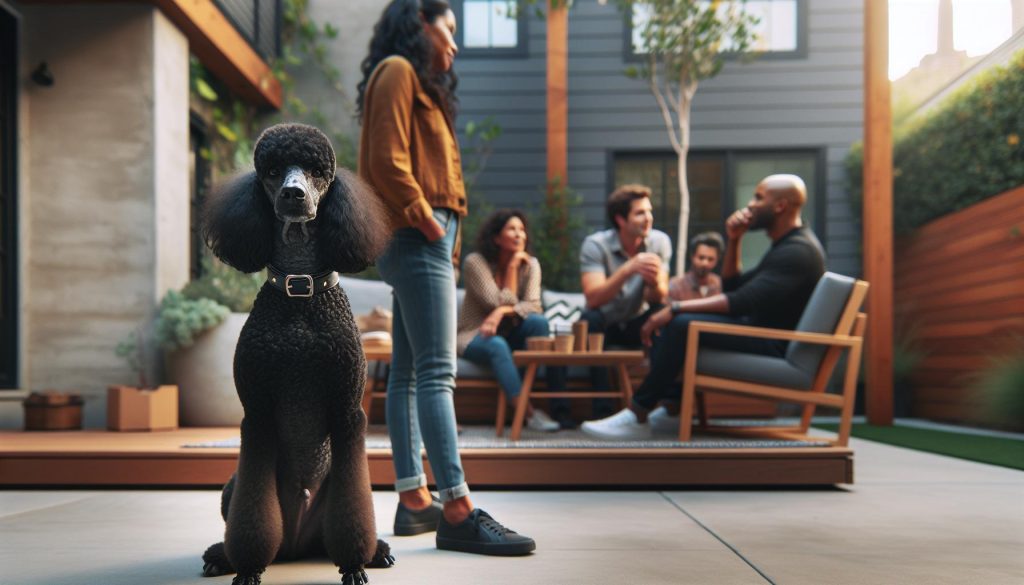
When considering a dog for protection, many people might overlook Poodles, thinking of them only as elegant companions. However, these intelligent and versatile dogs have unique qualities that can make them effective watch dogs. With their keen awareness, strong loyalty, and impressive trainability, Poodles can serve as reliable guardians for your home and family.
In this article, we’ll explore whether Poodles truly possess the instincts and traits necessary for guarding and alerting to potential dangers. If you’re curious about your Poodle’s natural watchdog capabilities, you’re in the right place. We’ll delve into the breed’s characteristics, discuss training techniques, and share tips on how to enhance your Poodle’s protective instincts. Understanding your canine companion’s potential will empower you as a responsible owner and help you make the most of your special bond. So, let’s uncover the truth about Poodles as guard dogs and see how they measure up in the world of protection!
Can Poodles Be Effective Guard Dogs?
Poodles may not be the first breed that comes to mind when considering a guard dog, but they possess qualities that can make them effective protectors. Their intelligence and alertness are key advantages. A well-trained poodle can distinguish between familiar and unfamiliar people, making them naturally suspicious of strangers. This instinct can serve as an effective deterrent, as their barks can alert you to potential intruders.
Moreover, poodles come in various sizes, from toy to standard, allowing them to adapt to different living situations. Standard poodles, with their impressive stature, may be more imposing, while toy and miniature poodles can still fulfill a watchdog role, though they’re less likely to deter intruders by size alone. Regardless of size, poodles are known for their loyal and protective nature towards their families, often forming strong bonds that drive their guarding instincts.
Training is crucial for any dog to be effective in a protective role. With consistent and positive reinforcement training, poodles can learn commands that help them react appropriately when they perceive a threat. Engaging them in activities like obedience training, agility courses, or even basic commands can improve their confidence and responsiveness, reinforcing their role as vigilant companions. Always remember, though, that successful guarding behavior is not just about instilling protection instincts but also about fostering a well-rounded, socialized pet. When you invest time in training and socialization, you enhance your poodle’s capability to protect while enjoying their playful and loving nature.
The Watchdog Instinct: Do Poodles Have It?
Poodles, often known for their elegance and intelligence, possess an innate watchdog instinct that can surprise many. Their alert nature and keen senses make them excellent at identifying any changes in their environment, whether it’s the sound of footsteps outside or unusual movements in the home. As naturally curious and observant animals, poodles can quickly discern familiar faces from strangers. This instinct to be cautious around unknown individuals is a foundational trait that allows them to serve effectively as watchdogs.
One standout feature of poodles is their vocalization. When they perceive potential threats, their barks can be quite striking. Poodles are known to have a loud and commanding bark, often startling intruders and alerting their families to potential danger. This ability to raise the alarm can be as crucial as any physical deterrent. Notably, this instinct generally becomes more pronounced when they feel a strong bond with their family, as they are naturally protective of those they adore.
It’s important to note, however, that a poodle’s guarding instinct thrives in an environment where they feel secure and well-trained. Early socialization and continuous positive reinforcement play pivotal roles in shaping their behavior. A poodle that has been well-socialized is less likely to bark excessively or display fear-based reactions, making them more reliable as a watchdog. Engaging them in various social scenarios helps reinforce their confidence and ensures they can accurately assess situations without undue anxiety.
Thus, while poodles may not fit the traditional image of a guard dog, their unique combination of alertness, vocalization, and loyalty positions them as effective watchdogs. With the right training and encouragement, poodles can fulfill these roles admirably, providing both companionship and protection for their families.
Assessing Poodle Temperament for Guard Duties
Poodles are often perceived as aristocratic companions known for their beauty and intelligence, but their temperament also plays a crucial role in their potential as guard dogs. Understanding the poodle’s personality is key to assessing their suitability for guard duties. One standout characteristic is their adaptability; poodles can thrive in various environments, whether in a quiet suburban home or a bustling urban setting. This flexibility allows them to remain calm and composed, traits that are essential in stressful situations.
When considering a poodle for guarding duties, it’s essential to recognize their natural curiosity and keen observation skills. Poodles tend to be alert and vigilant, making them excellent at detecting changes in their surroundings. This watchfulness can be enhanced through proper training and socialization. For instance, a well-socialized poodle learns to distinguish between normal and unusual behavior in their environment, which is vital for effective guarding. Regular exposure to different situations, such as meeting new people and experiencing various sounds, will help refine this instinct.
In terms of social temperament, poodles are generally friendly and outgoing, often forming strong bonds with their humans. While this warmth makes them poor candidates for aggressive guarding, it creates a protective nature that can be beneficial for families. They are more likely to bark to alert owners of an unfamiliar presence rather than physically confront a potential intruder. Encouragement from their owners through positive reinforcement can help poodles develop a balanced temperament, ensuring they feel confident in their protective capabilities without becoming overly anxious or aggressive.
To further enhance a poodle’s guarding instinct, incorporating training that emphasizes obedience and command response can be beneficial. This training should focus on stress management and confidence-building exercises, allowing the poodle to learn how to behave appropriately when they perceive a threat. Tools like mock intruder drills can be invaluable, offering a safe way for poodles to practice their watchdog skills while reinforcing their loyalty and protective instincts. By nurturing these traits, poodle owners can cultivate an effective guardian that fits seamlessly into their family life.
Training Poodles: Building Guardian Skills
Training a poodle to become an effective guardian involves a methodical approach that capitalizes on their intelligence and adaptability. Poodles are not naturally aggressive protectors, but through consistent training and reinforcement of positive behaviors, they can learn to be vigilant watchdogs. One key aspect of training is helping them differentiate between normal and concerning situations. For instance, you can start by practicing *alerting cues*-this could involve training them to bark when someone approaches the door but remain calm when a familiar friend visits. This early foundation establishes their instinct to react appropriately to potential threats.
Effective Training Techniques
To build a poodle’s guardian skills, incorporate techniques that focus on both obedience and responsiveness. Here are a few practical methods you can use:
- Positive Reinforcement: Reward good behavior with treats and praise to encourage alertness to unusual sounds or movements.
- Mock Intruder Exercises: Simulate scenarios where an unfamiliar person approaches your home; observe how your poodle reacts and reward appropriate responses.
- Socialization: Expose your poodle to diverse environments, people, and situations. This helps them develop confidence and discernment about what is normal.
Consistency is crucial. Regular practice, such as reinforcing commands like “stay” or “look,” helps embed these behaviors into your poodle’s routine. It’s also beneficial to create a safe space where your poodle feels secure. When they feel secure, they are more likely to act as a reliable lookout rather than becoming anxious or overwhelmed in unexpected situations.
Building Confidence and Reducing Anxiety
Confidence-building exercises are essential for a poodle’s success as a guardian. Activities that challenge their minds, such as puzzle toys or agility training, can help bolster their self-assurance. For example, an obstacle course can improve their physical prowess and enhance their problem-solving skills. Combine this with *positive exposure* to new experiences so they can handle unpredictability with grace rather than fear.
By investing time and energy into your poodle’s training, you not only equip them to take on the role of protector but also deepen the bond you share. A well-mannered, confident poodle can become an invaluable member of your home, providing not just companionship but also an alert and loving guardian.
Comparing Poodles to Traditional Guard Breeds
While Poodles are often recognized for their intelligence and versatility, they are not typically classified among traditional guard breeds like Rottweilers, German Shepherds, or Doberman Pinschers. These breeds are bred specifically for protection and guarding activities, which include natural instincts for dominance and territorial behavior. Poodles, on the other hand, are generally more sociable and adaptable, traits that can be harnessed for effective watchdog capabilities but may lack the aggressive protectiveness of traditional guard dogs.
One of the significant differences lies in temperament. Traditional guard breeds often possess a more innate inclination to deter threats through a strong, assertive presence. In contrast, Poodles are known for their friendly disposition and are more likely to welcome new people than to ward them off. However, this does not mean that a Poodle cannot alert you to unusual activity or strangers; their keen senses combined with training can certainly equip them to identify and respond to potential threats. For those looking for a dog that can provide companionship while also being an effective, albeit less aggressive, guardian, a Poodle might fit the bill perfectly.
Adapting Guard Skills
Training plays a critical role in enabling Poodles to take on protective responsibilities. With their high intelligence and eagerness to please, they can learn specific commands and behaviors that contribute to their watchdog capabilities. For example, Poodles can be trained to bark at intruders or unfamiliar noises, something they may not naturally do without encouragement. Regular role-playing scenarios that mimic intruder situations can help reinforce these behaviors, effectively bridging the gap between the Poodle’s natural instincts and the skills associated with traditional guard breeds.
In practical terms, this means a Poodle can be trained to serve as an effective watchdog if given the right guidance and motivation. It’s essential to understand that, while they might not exhibit the same physical intimidation as Rottweilers or Dobermans, a well-trained Poodle can create a significant deterrent simply by alerting their owners to potential threats.
Ultimately, choosing a Poodle as a guard dog comes down to personal preference and lifestyle. If you desire a more assertive guarding presence, you may lean toward traditional guard breeds. However, if you appreciate a companion that can also keep a lookout with the right training, a Poodle could be an excellent choice for a family-friendly guardian.
Physical Traits of Poodles for Protection Roles
Poodles are often celebrated for their intelligence and elegance, but what many don’t realize is that their physical traits can also play a significant role in their potential as guard dogs. One standout feature of Poodles is their remarkable agility. With a well-toned and athletic body, they can navigate various terrains quickly and efficiently, making them capable of patrolling and responding to intrusions with speed. Furthermore, their size-available in standard, miniature, and toy varieties-can be advantageous depending on the environment. A standard Poodle can easily serve as a formidable presence, while smaller Poodles can fit into and access tighter spaces for quick surveillance.
Another key physical attribute is their hearing. Poodles possess acute hearing, which allows them to detect sounds that may go unnoticed by others. This enhanced auditory capability can be crucial for alerting owners to potential threats or unfamiliar noises. Moreover, their coat serves a dual purpose. Not only does their distinctive curly fur protect them from harsh weather conditions, but it also aids in camouflage, making them less conspicuous in various environments. This can be particularly beneficial if they are tasked with quietly monitoring their surroundings.
When considering Poodle protection roles, temperament and training also harmonize beautifully with their physical capabilities. Their natural curiosity and intelligence mean they can effectively assess situations, discerning between routine visitors and unusual activity. With training that focuses on harnessing their physical strengths-like exercises that promote barking appropriately in response to threats-a Poodle can transform into a reliable watchdog.
For those passionate about integrating a Poodle into their security framework, it’s essential to work on both their physical conditioning and mental engagement. Regular exercise routines, combined with agility courses or even basic obedience drills, can enrich their skills. Additionally, exposing them to various situations will bolster their confidence. Engaging in activities such as socializing with new people and experiences will further enhance their protective instincts.
In summary, while they might not mirror the intimidating physicality of traditional guard dogs, Poodles possess unique physical traits that can be effectively developed and utilized. Their agility, acute sense of hearing, and adaptability can all contribute to their roles as capable guardians, especially when paired with thoughtful training tailored to their strengths. With the right commitment and nurturing, a Poodle can indeed stand as a vigilant protector in its own right.
Socialization: Key to a Poodle’s Guarding Ability
A well-socialized Poodle can dynamically transform its instincts into effective guarding abilities, making socialization a critical aspect of their training. From puppyhood, exposing your Poodle to various environments, people, and other animals enriches their understanding of the world, allowing them to effectively determine what constitutes normal versus threatening behavior. This early exposure helps them build confidence and develop the discernment needed for guarding duties later in life.
Socialization experiences not only make your Poodle more adaptable but also enhance their community interactions. Engaging Poodles in positive encounters with friendly visitors, children, and even unfamiliar sounds can help them differentiate between routine situations and potential threats. Imagine introducing your Poodle to various settings: bustling parks, quiet streets, busy homes, and inviting your friends over regularly. This varied exposure will contribute to their ability to remain calm and focused, rather than reactive or fearful, should a genuine security concern arise.
To foster social development effectively, consider the following steps:
- Puppy Classes: Enroll your Poodle in beginner obedience or puppy training classes. These settings provide structured interaction with other dogs and humans.
- Daily Outings: Regular trips to new parks, pet-friendly stores, or community events can prevent your Poodle from becoming overly territorial or anxious in unfamiliar situations.
- Positive Reinforcement: Reward your Poodle for exhibiting calm behavior around different people and environments, reinforcing their good choices.
- Controlled Introductions: When introducing your Poodle to new animals, start with controlled settings where both dogs can observe each other before any direct interaction.
By focusing on these areas, you can harness your Poodle’s natural intelligence and curiosity, ensuring they are well-prepared for their role as protectors. Remember, the goal is not just to make them less fearful, but to instill a stable demeanor they can rely on when assessing potential threats. With consistent socialization and training, your Poodle can emerge not only as a devoted companion but also as a competent and confident watchdog, ready to take on the world with you.
Common Misconceptions About Poodles as Guard Dogs
Despite their reputation as fluffy companions often associated with elegance and charm, Poodles possess qualities that can surprise those unfamiliar with the breed. One common misconception is that Poodles lack the instinct to act as effective guard dogs. However, this belief overlooks their natural intelligence, alertness, and the protective instincts that can be cultivated through proper training. While they may not be the first breed that comes to mind when thinking of guard dogs, Poodles can certainly rise to the occasion under the right circumstances.
Many people erroneously equate size with capability, assuming only large breeds can provide adequate protection. This is a flawed perspective. Poodles, especially the Standard variety, are medium to large-sized dogs capable of making a significant presence when they need to. Their keen senses enable them to detect unusual activity or intrusions. Plus, their reputation as intelligent and trainable dogs allows them to be taught discernment-determining friend from foe effectively, given sufficient socialization and training.
Another point of confusion is that Poodles, with their playful and sociable nature, lack a serious demeanor needed for guard duties. This is far from the truth; their cheerful disposition doesn’t diminish their ability to alert their owners to potential danger. In fact, their friendly temperament can be an asset, as it allows them to form strong bonds with their families, increasing their protective instinct toward those they love. A well-trained Poodle can balance its sociability with the necessary vigilance, making it an excellent watchdog that can distinguish between regular visitors and those with malicious intent.
Lastly, some owners may believe that any dog, once trained, can perform as a guard dog. In reality, a dog’s inherent temperament plays a crucial role in its ability to guard effectively. Poodles, known for their high intelligence and sensitivity, may not possess the same physical intimidation factor as traditional guard breeds like Rottweilers or German Shepherds. However, with training focused on building confidence and reinforcing protective behaviors, Poodles can shine in roles that require alertness and companionship combined with a keen sense of their surroundings. It’s essential to focus on the unique strengths of Poodles to harness their potential as effective guardians in their own right.
Poodle Security: Success Stories and Real Experiences
While many will assume that Poodles are merely fancy companions, there are heartwarming stories that illustrate their effectiveness as protectors. For instance, a Standard Poodle named Max gained notoriety in his neighborhood for successfully alerting his family to a potential house intruder. One night, when a person attempted to enter the home, Max erupted into a barking frenzy, waking his owners and startling the intruder away. This incident not only highlighted Max’s protective instincts but also demonstrated the breed’s capacity to fulfill guardian roles when the need arises.
Another inspiring example comes from a family who adopted a Poodle named Bella. They wanted a companion for their children but also desired a pet that could offer some level of security. With loving training and consistent socialization from an early age, Bella became incredibly adept at distinguishing between friendly visitors and anyone who didn’t belong. Her sharp bark warned the family of strangers approaching the house, and her alert demeanor led neighbors to appreciate her watchfulness, often commenting on how “fierce” she appeared despite her adorable appearance.
Poodles may not have the bulk of traditional guard breeds, but their strong instincts, combined with training, can lead to remarkable outcomes. Working with a trainer experienced in canine security can further enhance these abilities, shaping a Poodle’s natural tendencies into effective guarding skills. Building confidence through positive reinforcement can encourage them to assume the role of protector, ensuring they’re not just companions but protectors of their family’s home.
Moreover, owners can look to community groups or meetups for Poodle owners focusing on training for watchdog capabilities. These communities often have valuable resources to share and can provide insights from experienced handlers on best training practices, reinforcing the belief that Poodles, with the right approach, can certainly shine in security roles alongside their loyal companionship.
Daily Care for a Poodle as a Guard Dog
Maintaining the health and well-being of a Poodle, especially one trained for guarding or watchdog duties, is crucial for ensuring they can perform effectively while also being happy companions. Poodles, renowned for their intelligence and adaptability, thrive on structure and care that supports both their physical needs and their innate protective instincts.
One of the key aspects of daily care involves providing a balanced diet tailored to a Poodle’s size and activity level. High-quality dog food that includes protein, healthy fats, and essential vitamins and minerals will keep their energy levels up for watchful guarding. Regular meals should be scheduled, with attention to portion sizes-overfeeding can lead to obesity, which may hinder their agility and responsiveness.
Daily Exercise and Mental Stimulation
Engaging your Poodle in daily exercise is not just about physical fitness; it is also essential for mental stimulation. Routines that include walks, playtime, and training sessions can build confidence and reinforce their guarding instincts. For example, a Poodle that routinely participates in activities like fetch or agility exercises will develop better reflexes and reflexively respond to potential danger with alertness. Interactive toys and puzzle feeders can also help challenge their minds and keep them focused.
Regular grooming should never be overlooked, as a well-cared-for coat not only looks good but can also be essential for their health. Depending on the Poodle’s size, their coat requires frequent brushing-at least a few times a week-to prevent matting, especially around their ears and underbelly. A neat appearance can also project confidence, making them seem more formidable to intruders. Regular baths, ear cleaning, and nail trimming are also vital parts of grooming that ensure they remain clean and comfortable.
Socialization is equally important to ensure your Poodle understands the difference between friendly visitors and potential threats. Regular interactions with other dogs, new environments, and people can help them become more discerning in their guard duties. In essence, a well-rounded routine that incorporates diet, exercise, grooming, and social exposure will not only enhance your Poodle’s capabilities as a guard dog but also reinforce your bond and encourage a happy, healthy life together.
By paying attention to these aspects of daily care, you can nurture your Poodle’s natural guarding instincts while fostering their development as a loving and loyal companion.
Evaluating Poodle Watchdog Performance
Evaluating a Poodle’s performance as a watchdog requires a thoughtful approach, considering their natural instincts, training, and the environment in which they live. One captivating aspect of Poodles is their exceptional intelligence and alertness, making them highly trainable and responsive to their surroundings. This means that with the right guidance, many Poodles can distinguish between normal daily activities and potential threats, providing a reliable first line of defense in a home.
A crucial factor in determining how effectively a Poodle can serve as a watchdog is their temperament. Poodles are known for their keen senses and protective nature, often displaying watchfulness and loyalty to their families. To assess their skills, observe how they react to unfamiliar noises or visitors. Do they bark? Do they alert you without being overly aggressive? These behaviors can indicate how well they might perform in a guarding role. It’s also helpful to engage in mock scenarios-having friends visit or conducting training that simulates potential intrusions can help you gauge their reactions and build their confidence in their protective capabilities.
Training plays an essential role in maximizing a Poodle’s watchdog performance. Positive reinforcement techniques can teach them to differentiate between friendly visitors and those who may pose a risk. Regular practice sessions focusing on commands like “alert” and “stay” can help ensure that your Poodle reacts appropriately in various situations. Additionally, incorporating socialization with diverse people and environments helps curb unnecessary barking or anxiety around strangers, making them smarter and more discerning watchdogs.
Ultimately, while Poodles may not fit the traditional mold of a guard dog when it comes to size and physicality, their spirited nature, intelligence, and ability to learn quickly make them suitable candidates for watchdog duties. With consistent training and socialization, these clever canines can offer effective protection while maintaining their loving and loyal demeanor as cherished family members.
Tips for Encouraging Protective Behaviors in Poodles
Encouraging protective behaviors in Poodles is an exciting journey that taps into their intelligence and natural instincts. While they may not fit the traditional image of a guard dog, with the right approach, you can nurture their innate watchdog capabilities. Start by fostering a connection that allows your Poodle to feel secure within their home territory. When they recognize their space as safe, they will be more inclined to alert you to any unusual activity outside.
Consistency in Training
Regular training sessions are key to reinforcing protective behaviors. Use positive reinforcement techniques to reward your Poodle for any alertness or watchful behavior they exhibit. For instance, if your Poodle barks at the door when they hear someone approaching, reward them with praise or a treat. Over time, they’ll learn that this behavior is desirable. Additionally, integrate commands like “watch” or “alert” into your daily routine. This practice not only encourages protective instincts but also enhances their overall obedience.
Simulate Scenarios
Creating real-life scenarios can greatly enhance your Poodle’s comfort with their protective roles. Invite friends or family over and vary the circumstances, such as having them enter quietly or knock loudly at the door. Observe how your Poodle reacts in these situations; this will help them distinguish between friendly and possibly threatening visitors. Gradually increase the unpredictability of these mock encounters to boost their confidence and reactions. This practical experience is vital for developing their viewing of “intruders.”
Encourage Socialization
Socialization is pivotal in shaping your Poodle’s guarding instincts. While you want them to be alert, it’s important they don’t become overly aggressive or anxious. Expose them to various people, pets, and environments to enhance their comfort levels. Regular dog parks or puppy playdates can offer valuable interactions, helping them differentiate between normal activity and actual threats. A well-socialized dog is less likely to react fearfully and more likely to approach new situations with confidence.
By taking these proactive steps, you can foster their natural instincts and ensure that your Poodle becomes an attentive and effective guardian. Remember to maintain a balance between encouraging protective behaviors and ensuring their loving demeanor remains intact. With patience and dedication, your Poodle can thrive as a reliable watchdog while continuing to be the affectionate companion you cherish.
Frequently asked questions
Q: Can Poodles be trained to be effective guard dogs?
A: Yes, Poodles can be trained to be effective guard dogs. Their intelligence and eagerness to please make them excellent candidates for training. Incorporating obedience and protection training can help them develop the necessary skills to protect their home while ensuring they remain well-socialized.
Q: What traits make Poodles suitable as watchdogs?
A: Poodles possess keen senses and are naturally alert, which makes them suitable as watchdogs. Their vocal alertness and loyalty contribute to their effectiveness in notifying owners of intruders or unusual activity, while their intelligence enhances their ability to learn protective behaviors.
Q: How do Poodles compare to traditional guard breeds?
A: While Poodles may lack the physical intimidation of traditional guard breeds, their intelligence and adaptability are significant advantages. They can learn a variety of commands and skills, making them versatile protectors. It’s essential to evaluate individual temperament and training methods for each Poodle.
Q: What should I know about a Poodle’s temperament for guarding?
A: Poodles generally have a friendly and sociable temperament but can be protective of their family. Assessing their temperament involves observing their reactions to strangers and their willingness to defend when necessary. Regular training and socialization can help enhance their guarding abilities.
Q: Are there specific socialization tips for Poodles to improve their guard skills?
A: Yes, socialization is crucial. Expose your Poodle to various environments, people, and animals. Practice positive reinforcement training to encourage alertness to threats while maintaining a confident demeanor. This balanced approach helps them discern appropriate moments for alerting or protective behavior.
Q: Can Poodles be effective watchdogs for families with children?
A: Yes, Poodles can be effective watchdogs in family settings. They generally have a gentle and loving nature, making them suitable around children. Early training combined with positive experiences helps them develop instincts about guarding while being affectionate companions.
Q: What physical characteristics of Poodles support their guarding abilities?
A: Poodles’ agility, high energy levels, and good hearing contribute to their guarding abilities. Their size and strength allow them to navigate various environments effectively. Regular exercise and training also enhance these traits, preparing them for potential protective roles.
Q: How can I encourage my Poodle’s protective instincts?
A: To encourage your Poodle’s protective instincts, start with rigorous training sessions focused on obedience, alert commands, and specific scenarios. Rewarding them for alert behavior and creating positive experiences with strangers can help fine-tune their instincts without promoting unnecessary aggression.
For more in-depth insights, consider exploring sections on training and comparing Poodles to traditional guard breeds from our article.
In Summary
In conclusion, while Poodles may not be traditional guard dogs, their intelligence, alertness, and ability to communicate can certainly make them effective watchdogs. By understanding their unique characteristics and training them appropriately, you can harness their protective instincts while ensuring they remain friendly and social. If you’re considering bringing a Poodle into your home for protection or companionship, now’s the time to explore reputable breeders and training resources.
Curious about how Poodles compare to other breeds in terms of temperament? Check out our detailed guide on Poodle vs. Doodle here, or learn more about the top Poodle breeders recommended by enthusiasts here. Don’t forget to subscribe to our newsletter for expert tips on training and care to ensure your Poodle thrives. Your feedback and experiences are invaluable-share your thoughts in the comments below!


