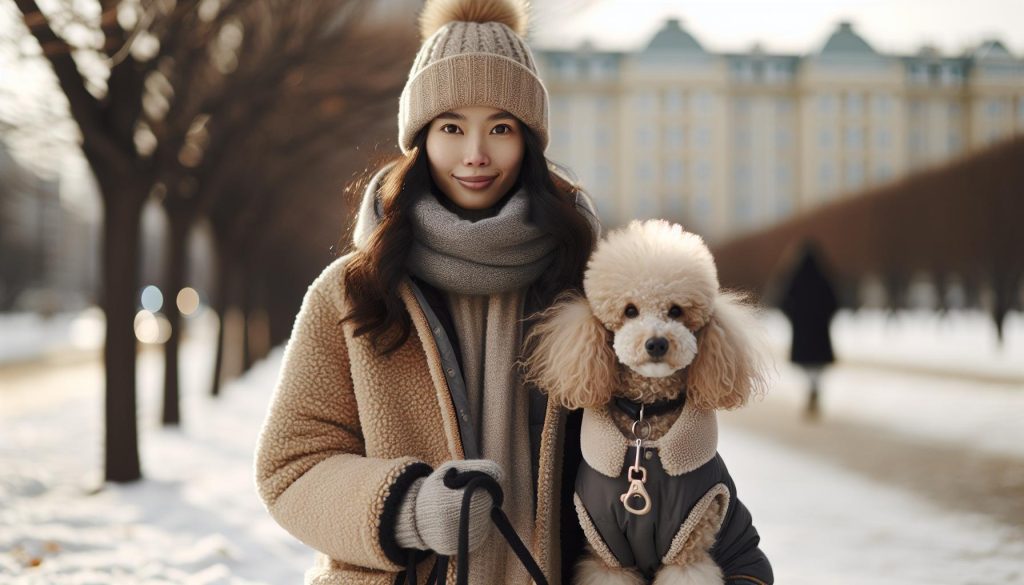
Did you know that while poodles are known for their luxurious, curly coats, their comfort in cold weather can vary significantly? Many poodle owners wonder if their furry friends enjoy the winter chill or need extra care when temperatures drop. Understanding your poodle’s needs during the colder months is vital not only for their health and comfort but also for your peace of mind. As a responsible dog owner, being aware of how to keep your poodle cozy and happy in the winter can transform their experience and deepens your bond. In this guide, we’ll explore practical tips and essential insights on winter care for poodles, helping you navigate the unique challenges this season brings. Get ready to discover how to make this winter the best one yet for your beloved poodle!
Do Poodles Enjoy Cold Weather? Assessing Their Comfort Levels
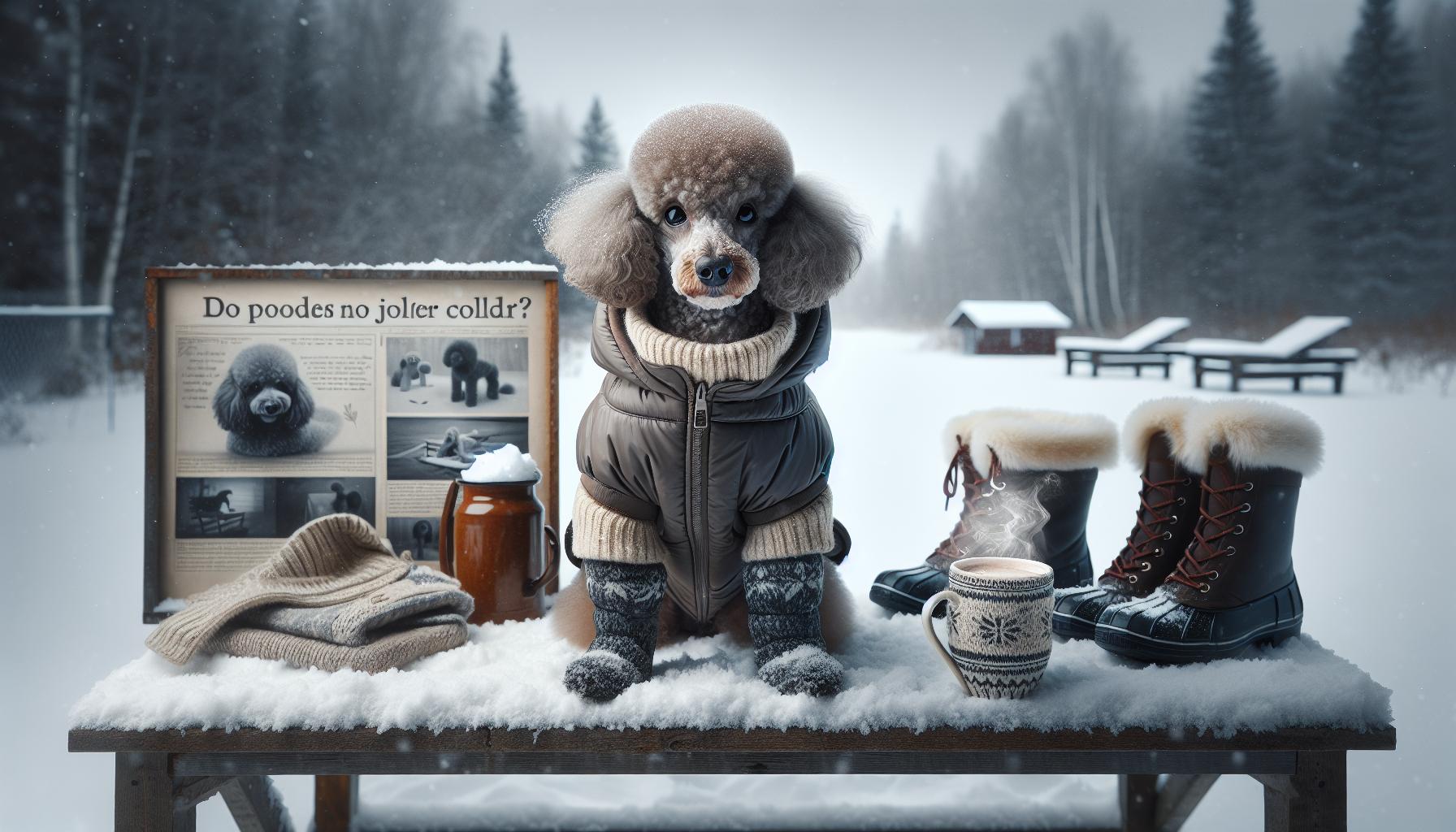
Poodles are known for their intelligence and grace, but when it comes to chilly weather, their feelings can be a bit more complex. While some Poodles may frolic in the snow with joyful enthusiasm, others might display signs of discomfort when temperatures drop. It’s essential to assess your individual poodle’s temperament and tolerance to cold. Their reaction to winter can depend significantly on their age, health, and how acclimated they are to colder conditions. For instance, younger or active Poodles may enjoy playing outside briefly, yet older or less active ones might prefer snuggling indoors.
It’s also important to recognize that different Poodles can have varied comfort levels based on their coat types and grooming styles. Standard Poodles, with their longer fur, often maintain warmth better than their smaller counterparts, such as Toy or Miniature Poodles. However, all Poodles can be vulnerable to frigid temperatures if they aren’t properly cared for. Owners should consider their poodles’ behavior in cold conditions-if your poodle is shivering, lifting their paw off the ground frequently, or seeking shelter, these are clear indicators that they are not enjoying the cold.
To help your Poodle thrive in winter, taking proactive steps is key. Regular grooming is vital as well-groomed fur traps heat, while dirty or matted fur can lead to cold exposure. Plus, using protective gear, such as dog jackets or sweaters, can make outdoor adventures more enjoyable for your fur baby. By understanding and responding to your Poodle’s needs during the colder months, you can create a balanced lifestyle that encourages both fun in the snow and warmth during rest.
Understanding Poodles’ Coat and Temperature Tolerance
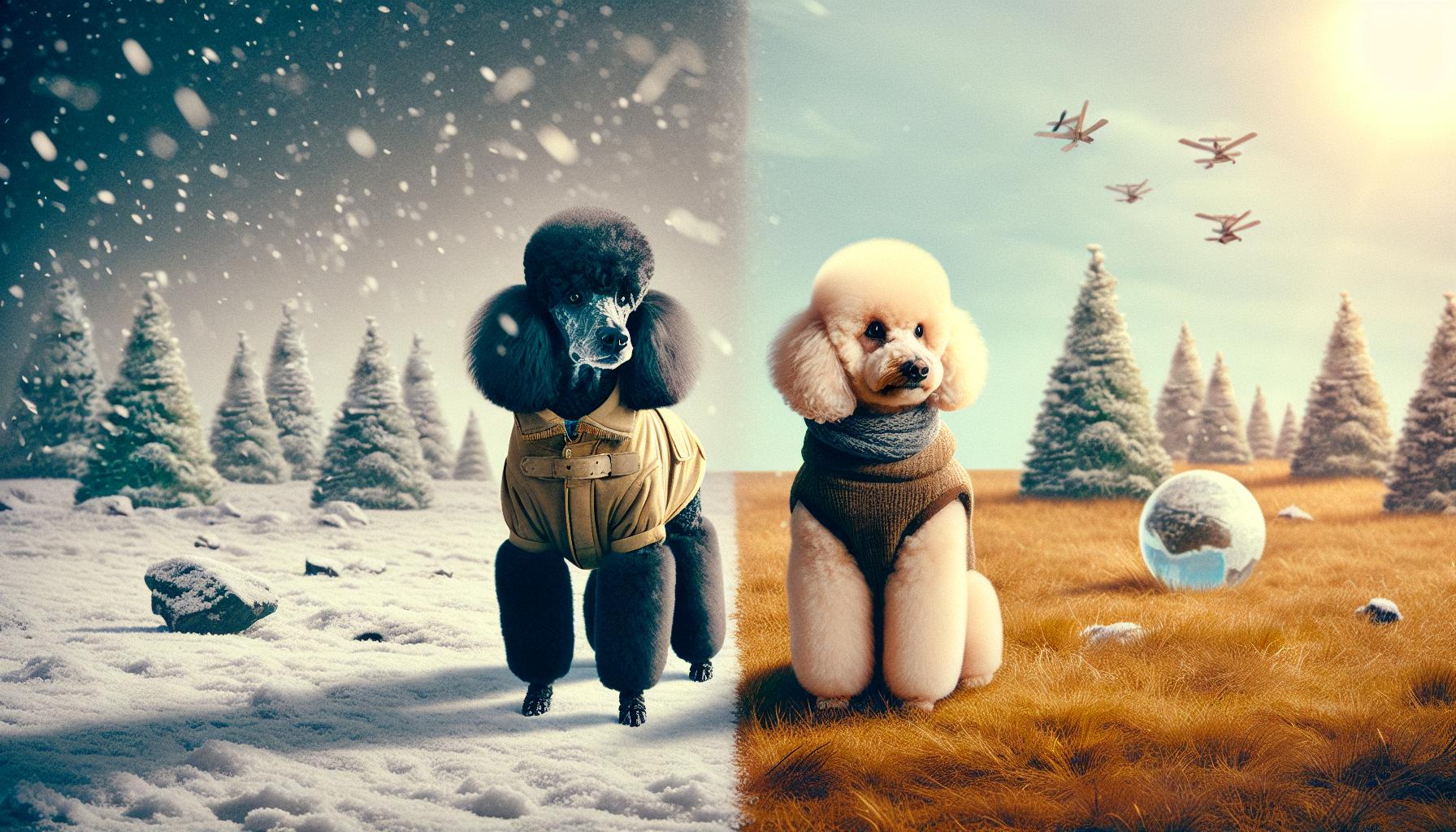
Poodles are uniquely equipped to handle varying weather conditions due to their distinctive coats. Their curly fur is not only a signature feature but serves an essential function in temperature regulation. The dense texture of their coat creates an insulating layer that can help retain heat during colder months, making them more resilient to chilly weather than many other breeds. However, the effectiveness of this insulation greatly depends on how well their fur is maintained. Regular grooming, including brushing out tangles and mats, is crucial for ensuring that the air pockets in their fur remain intact, allowing them to trap warmth efficiently.
When assessing how well your Poodle can tolerate colder temperatures, it’s essential to consider their type and size. Standard Poodles typically boast a thicker, longer coat compared to their Miniature and Toy counterparts, which may have a more delicate fur structure. This difference can impact how each size adapts to winter. For instance, a Standard Poodle might happily romp in the snow, while a Toy Poodle, with its smaller stature and lighter coat, may begin to feel the chill quicker and prefer the comfort of a warm home. Additionally, the individual dog’s health and age significantly affect temperature tolerance; older Poodles or those with underlying health issues may struggle more than their younger, healthier peers.
To help your Poodle maximize their comfort in colder weather, consider establishing a grooming routine tailored to winter needs. This might include more frequent brushing to prevent matting and allow airflow through their fur. Furthermore, it’s a good idea to check their paws for ice or snow buildup regularly, as sensitive pads can become cold or damaged. Pairing proper grooming with protective gear, like sweaters or jackets designed for Poodles, can enhance their outdoor experiences while keeping them warm.
At the end of the day, understanding how your Poodle’s coat and physical condition interact with cold weather is vital. By tailoring their care to fit these needs, you can help ensure that your Poodle enjoys the winter season rather than dreads it, making for happier outings and cozy cuddle sessions at home.
Signs Your Poodle is Cold: Recognizing Discomfort
When the temperatures begin to dip, it’s essential to pay close attention to your Poodle’s body language and behaviors, as these can be telltale signs that they are feeling the chill. Unlike us, dogs can’t put on a sweater or wrap themselves in a blanket, so it’s important for pet parents to recognize the signs of discomfort. Poodles, with their elegant coats, may seem equipped for winter, but they can still be vulnerable to the cold, especially the smaller varieties.
One of the most immediate indicators that your Poodle is cold is their posture. Keep an eye out for any signs of shivering or trembling, which can indicate that they’re feeling chilly. Additionally, if your Poodle begins to hunch their back or curl into a ball, it’s a clear signal that they’re trying to preserve body heat and avoid cold drafts. Their behavior also offers clues; if your dog starts to refuse walks or seems disinterested in outdoor play, it might be a sign that they’re uncomfortable in the cold environment.
Moreover, consider their paw care. Poodles have sensitive pads that can be affected by ice, snow, and cold surfaces. If you notice your dog lifting their paws off the ground or frequently stopping to lick them, this could indicate discomfort. Cold weather can lead to ice buildup between their toes, which can be painful and distracting. To prevent this, regularly check their paws after outdoor excursions and consider using dog-friendly paw wax to protect against the harsh elements.
Most importantly, always trust your instincts as a pet parent. If something feels off or your Poodle seems particularly restless or anxious, it might be time to warm them up indoors. Create cozy spots for them with blankets and cushions and, if necessary, invest in some dog-friendly winter wear, such as jackets or booties, to help them tolerate the cold better when going outside. Remember, a warm and happy Poodle is a joy to have around, especially during the frosty months!
Tips for Keeping Your Poodle Warm in Winter
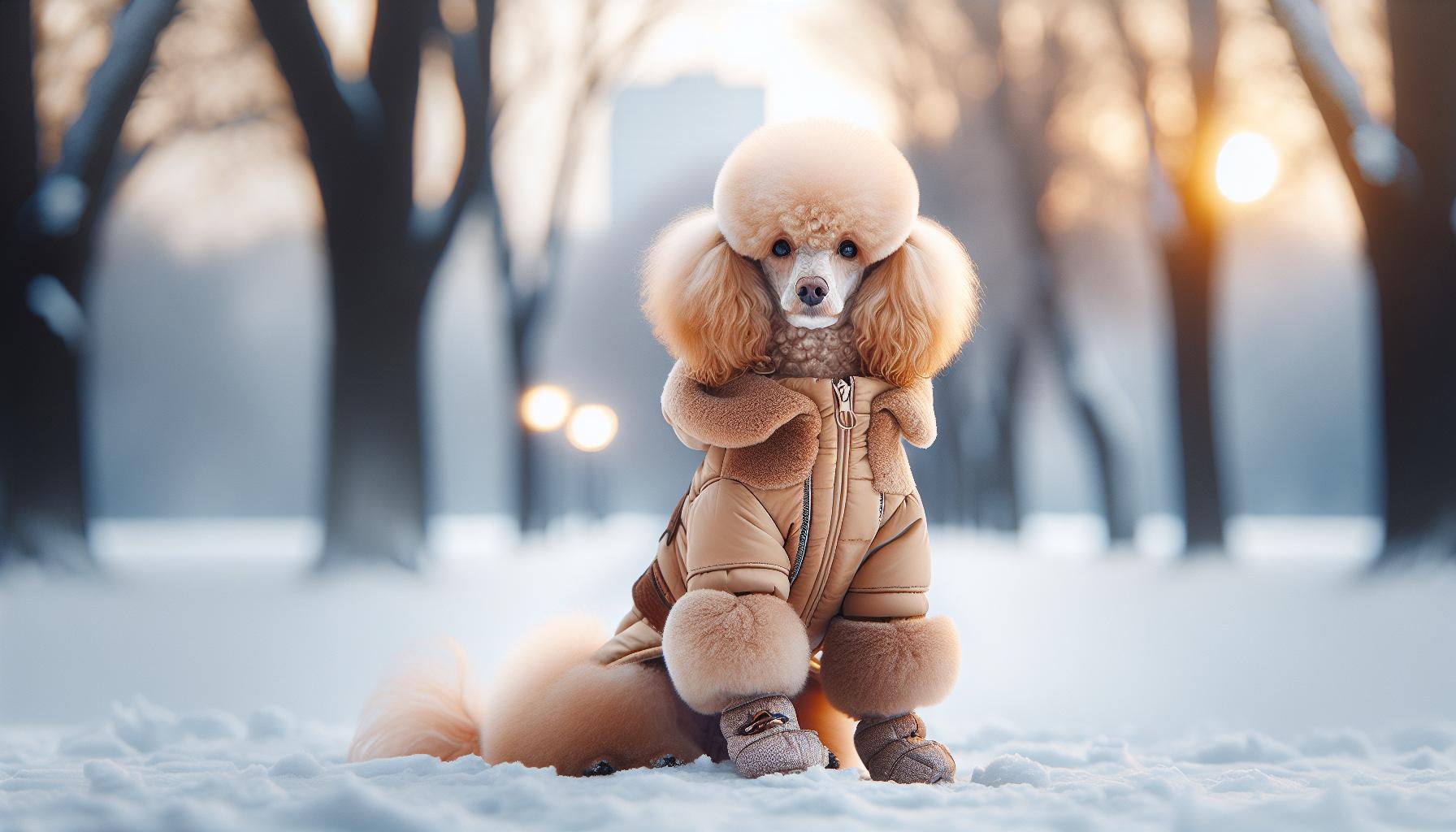
Keeping your Poodle warm during the winter months is essential for their comfort and well-being. Poodles, while resilient, still need special care as temperatures drop to ensure they stay snuggly and happy. Here are some effective ways to keep your furry friend cozy while enjoying the beautiful, chilly outdoors.
Start by ensuring your Poodle has a snug winter wardrobe. Lightweight, insulated jackets designed for dogs can provide much-needed warmth without restricting movement. Look for jackets that cover the belly and chest to keep core temperatures steady. In addition, dog booties can protect their paw pads from the cold, ice, and salt often used on sidewalks, which can be irritants or cause discomfort. Just make sure to get your pup used to wearing them gradually, as many dogs need time to acclimate to this accessory.
Inside the home, create a warm haven. Invest in a dog bed with adequate cushioning and cover it with soft, warm blankets. Position the bed in a draft-free area, possibly near a heating vent for added warmth. Adding heated pet mats can also be a luxurious treat for your Poodle. Remember, your dog may want to snuggle, which means providing multiple cozy spots around the house. Regularly changing bedding to ensure it’s clean and dry can also help in maintaining a warm environment.
Maintaining a good diet during winter can boost your Poodle’s energy and keep them warm from the inside out. Increasing the frequency of small meals can be beneficial, as it helps generate body heat. Consult with your veterinarian to ensure their nutritional needs are being met seasonally, as their metabolism may shift with colder temperatures.
Finally, pay attention to their outdoor time. Limit prolonged exposure to harsh weather conditions, especially during walks. Early morning and late afternoon are often the coldest times, so try to schedule activities when temperatures are more moderate. On days when it’s too chilly, indoor play is a perfect alternative to keep your Poodle active and entertained while remaining warm and protected from the elements.
By taking these steps, you can ensure your Poodle remains warm and enjoys winter as much as you do!
Creating a Cozy Indoor Environment for Your Poodle
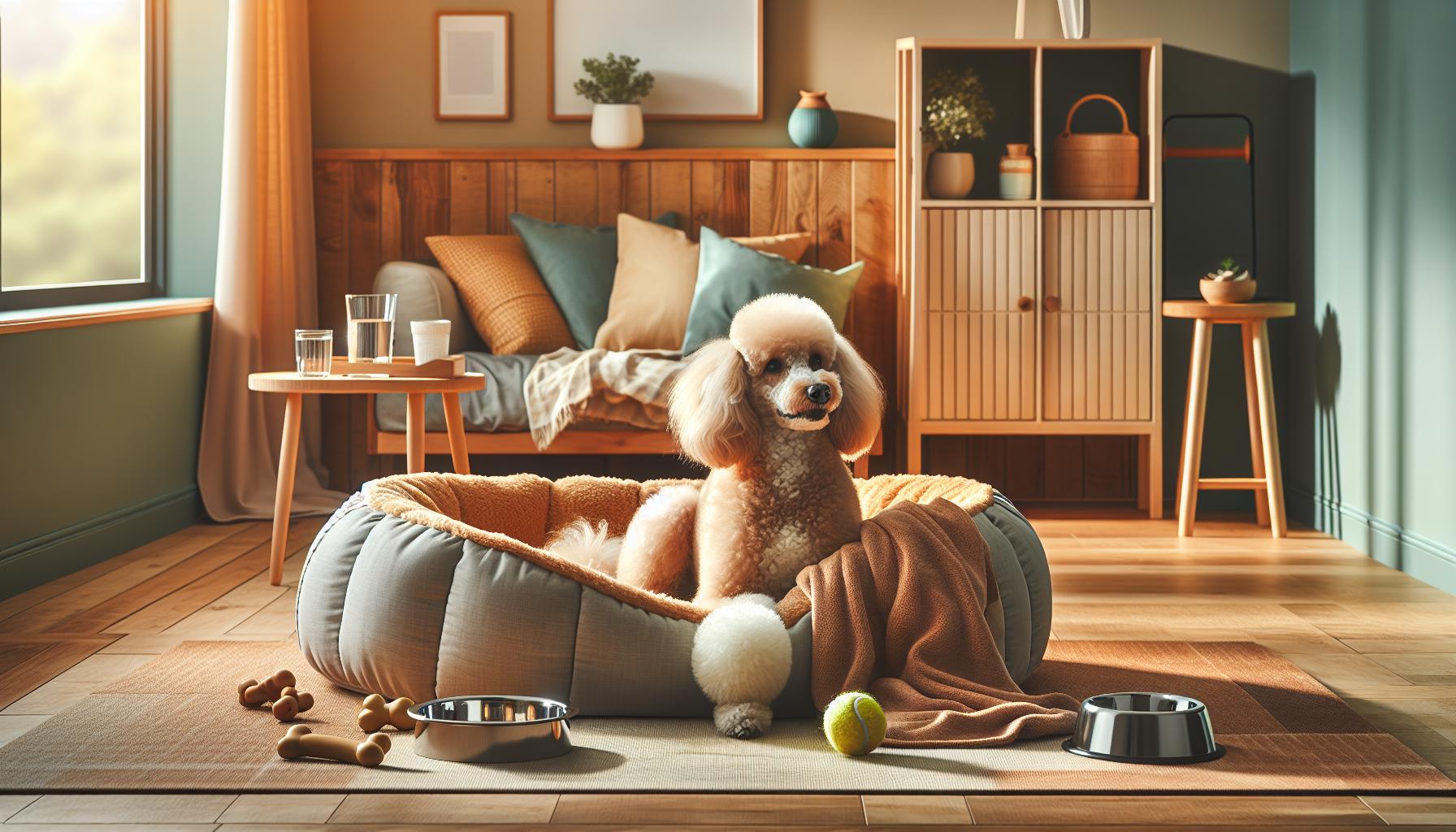
Creating a warm and welcoming space indoors is essential for keeping your Poodle comfortable during the chilly winter months. As active and social dogs, Poodles thrive in environments that cater to their need for comfort and security. One effective way to ensure that your furry friend remains cozy indoors is to set up a dedicated resting area filled with soft, cushioned bedding that offers ample support. Opt for a dog bed that is large enough for your Poodle to stretch out in, and consider adding plush blankets or a heated pet mat for that extra touch of warmth. Position this cozy nook in a quiet corner of your home, away from drafts and direct cold air, perhaps near a heating vent for optimal warmth.
Another key aspect of creating a cozy environment is to maintain a comfortable temperature in your living space, particularly during extreme cold spells. You might find it helpful to use area rugs or carpets in places where your Poodle spends the most time, as these can retain warmth better than cold tile or hardwood floors. Also, be cautious about overly warm areas near heaters, as Poodles can be sensitive to heat. Providing various lounging options around the home can encourage them to pick their favorite spot, making sure they feel secure and snug wherever they choose to rest.
Interaction and entertainment are also vital for your Poodle’s overall happiness in the winter. Consider keeping a selection of toys nearby to stimulate their minds and keep them engaged. Puzzle toys or treat-dispensing balls can provide both mental and physical exercise, helping to ward off boredom during the colder days when outdoor activities may be limited. Establishing a routine of playtime, snuggles, and training exercises can make them feel comfortable and loved, creating a warm atmosphere that enhances their overall well-being during the winter months.
Lastly, ensure that your space is filled with safety measures suitable for your Poodle. Check for any hazards such as loose cords from heaters or electrical appliances that could pose risks. Keeping your pet’s area clean, with regularly washed blankets and bedding, promotes a hygienic environment, essential for their health and comfort. By thoughtfully considering their indoor space, you can create a nurturing environment where your Poodle can thrive throughout the winter season.
Poodle Winter Gear: Essential Clothing and Accessories
When the winter chill sets in, equipping your Poodle with the right gear can make all the difference in their comfort and enjoyment during outdoor activities. Although some Poodles, especially Standard sizes, have a coat that provides decent insulation, they still benefit from additional clothing to keep warm, especially during icy walks or snow adventures.
A well-fitted dog coat is crucial for keeping your Poodle warm when temperatures dip below freezing. Look for designs that include warm linings, windproof materials, and reflective elements for safety during dark evenings. For example, many Poodle owners find that insulated jackets effectively protect against frigid air while allowing freedom of movement. Also, consider adding fleece sweaters for extra warmth-these can be layered under a coat or worn alone during slightly milder days.
Accessories like booties are also important, as they protect your Poodle’s paws from frostbite and ice salt, which can irritate their skin. Look for booties that are snug yet breathable to ensure a good fit without restricting blood circulation. Don’t forget to provide a warm blanket for dry days spent lounging outside, as it can help insulate against the cold ground.
To keep fashionable and cozy, you may also explore stylish winter scarves and hats designed for dogs. These not only make for adorable outings but can also offer notable warmth and protection against biting winds. Just remember to monitor your Poodle’s comfort levels frequently. If they seem to be pulling or shivering, it may indicate that they need a little extra warmth or to head indoors. Ensuring your furry friend is well-guarded against the winter weather will keep their tail wagging all season long!
Winter Activities for Poodles: Safe Outdoor Fun
When the snow begins to blanket the ground, many Poodles are filled with energy and excitement, ready for some winter exploration. These intelligent and playful dogs often enjoy outdoor activities just as much as their owners do, provided they are properly equipped and their comfort is prioritized. Engaging your Poodle in winter activities not only keeps them active but also enhances their mental stimulation and strengthens your bond during these chilly months.
One of the best ways to enjoy the winter outdoors is through playful experiences like snowball fetching. Poodles, with their keen sense of smell and agility, relish the challenge of tracking and retrieving snowballs. Use soft, lightweight balls that won’t hurt their teeth when they catch them in the snow, and always supervise playtime to ensure they don’t overexert themselves. It’s crucial to monitor their body temperature; if your Poodle starts shivering or shows signs of discomfort, it’s time for a warm break indoors.
Safe Outdoor Fun Ideas:
- Snow Hiking: Take your Poodle on snow-filled trails where they can enjoy the sights and sounds of winter. The added resistance from snow makes for a great workout!
- Winter Agility Training: Set up a mini agility course in your backyard with snowy jumps and tunnels. This keeps your Poodle mentally engaged and physically active.
- Social Outings: Arrange playdates with other dogs that enjoy the snow. A group of playful Poodles can create an enjoyable environment filled with camaraderie.
- Winter Fetch: Use brightly colored toys that are easy to spot in the snow. Engage in short-fetch sessions to prevent your Poodle from becoming too cold.
Always remember to dress your Poodle appropriately for the winter activities. A warm jacket and protective booties are essential to keep them warm and safe from ice and snow accumulation on their paws. Additionally, after outdoor adventures, inspect their paws for any signs of cracking or injury from ice salt and snow. With the right precautions, winter can be a magical season that both you and your Poodle look forward to each year!
Comparing Poodles to Other Breeds in Cold Weather
While each dog breed comes with its own set of characteristics, Poodles stand out for their adaptability in varying climates, including colder weather. Unlike some breeds, Poodles do not have a double coat, which can sometimes provide additional insulation against the chill. However, their curly, dense coat can effectively trap air, providing a layer of warmth. Despite their capabilities, Poodles often require specific winter care strategies compared to species like Huskies or Saint Bernards, which are naturally built for harsh winter environments.
Huskies, for instance, thrive in the cold due to their thick fur and high metabolic rates, which generate body heat. Their body composition allows them to handle frigid temperatures much better than Poodles. In contrast, while Poodles enjoy the snow and can partake in winter activities like hiking and playing fetch, they benefit from extra protection against the cold. This means investing in winter gear such as insulated jackets and booties to protect their paws from ice and salt.
To help understand these distinctions, consider the following table:
| Breed | Coat Type | Cold Weather Tolerance | Recommended Winter Gear |
|---|---|---|---|
| Poodle | Curly, dense | Moderate | Insulated jackets, booties |
| Husky | Thick, double | High | Minimal protection needed |
| Saint Bernard | Thick, double | High | Minimal protection needed |
When comparing Poodles to these breeds, it’s essential to note that while Poodles may enjoy outdoor winter fun, they often need owners to take proactive measures to ensure their comfort. Proper grooming and regular checks for signs of discomfort are crucial, especially since Poodles can be prone to cold-related issues. Giving your Poodle additional warmth, hydration, and care can help them thrive during the colder months, allowing them to enjoy winter as much as their more cold-tolerant counterparts.
Nutritional Needs: Feeding Your Poodle in Cold Months
Maintaining proper nutrition for your Poodle during colder months is essential, not just for their energy levels but also for their overall health and comfort. As temperatures drop, much of your Poodle’s body heat is used to keep warm, which means their nutritional needs may increase to compensate for this energy expenditure. This is particularly important for active Poodles that enjoy outdoor winter activities like playing in the snow or taking long walks.
A great way to ensure your Poodle gets adequate nourishment is to provide a high-quality diet that includes nutrient-rich foods. Look for dog food that lists high-quality protein sources, such as chicken or fish, as the first ingredient. These proteins can help maintain muscle mass and support energy needs. Consider incorporating healthy fats, like omega-3 and omega-6 fatty acids, which can promote a healthy coat and skin-attributes that are especially important in winter when their coat may become dry due to cold air.
Adjusting Their Diet for Winter
During the colder months, you might want to increase your Poodle’s food portion slightly, particularly if they are spending more time outdoors. Here’s a simple approach:
- Monitor Activity Levels: If your Poodle is more active in winter, they may need more calories.
- Consider Supplements: Omega fatty acid supplements can help with coat health and provide extra warmth.
- Warm Up their Meals: Serving their kibble slightly warmed can make their meals more enticing and comfortable, encouraging them to eat more.
Additionally, always ensure that fresh water is available to keep them hydrated, as dogs can become dehydrated in winter just as easily as in summer. Cold weather can sometimes lead to reduced thirst, so offering water that is slightly warmer or ensuring that it’s not frozen can encourage your Poodle to drink.
In conclusion, paying close attention to your Poodle’s nutritional needs during the colder months not only helps them maintain their energy levels but also reinforces their immune system against the harsher elements. Regularly checking in with your vet about dietary adjustments for the season can ensure your furry friend stays happy and healthy throughout winter.
Health Risks: Winter Hazards for Poodles to Watch For
As the winter chill sets in, it’s vital to be aware of the specific health risks that can affect your Poodle during this season. While many Poodles may handle the cold better than some breeds, they are not immune to winter hazards. Cold temperatures, icy surfaces, and even chemicals used to de-ice roads can pose serious threats to their well-being.
One major health concern is hypothermia. Poodles, particularly those with shorter coats, can get cold quickly in frigid weather, especially if they are wet. It’s crucial to recognize the signs, such as shivering, lethargy, or seeking warmth, as these indicate that your pup may be too cold. Protecting them with appropriate winter gear is essential. Consider investing in a well-fitted dog coat that covers their chest and belly, as well as booties to protect their paws from cold surfaces and ice.
Another threat is paw injuries from ice and snow. The sharp edges of frozen ground can cause cuts and abrasions on sensitive paw pads, while the accumulation of ice can lead to painful conditions like paw pododermatitis. After walks, it’s a good practice to check your Poodle’s paws for any signs of injury or trapped snow. Keeping their fur trimmed between their pads can also help prevent painful ice buildups.
You should also be mindful of toxic substances. Common winter chemicals, such as antifreeze, can be fatal, even in small amounts, if ingested. Always clean up spills immediately and store any hazardous materials out of reach. When returning from walks, wipe your Poodle’s paws to remove any salt or chemicals that could cause irritation or illness.
Ensuring your Poodle remains warm and safe during winter can lead to enjoyable snow-filled adventures together. Be proactive in monitoring your Poodle’s health and comfort, and consult your veterinarian if you have any concerns about winter-related conditions or changes in behavior. By taking these precautions, you can help your furry friend thrive even in the coldest months.
Grooming Your Poodle for Winter Comfort
Keeping your Poodle groomed during winter is essential for their comfort and overall wellbeing. A Poodle’s iconic curly coat can be beneficial for insulation; however, improper grooming can lead to discomfort and even health issues. Regular grooming not only helps maintain your dog’s appearance but also plays a vital role in their thermal regulation, especially as temperatures drop.
Understanding Winter Grooming Needs
As the weather gets colder, it’s tempting to reduce grooming activities, but this can backfire. Regular brushing is crucial during winter months to prevent matting and to keep your Poodle’s coat healthy. Curly coats tend to trap moisture and snow, which can lead to wet fur that doesn’t insulate properly. Aim to brush your Poodle at least twice a week, focusing on areas prone to matting, such as behind the ears and between the legs.
Bathing should also remain a routine part of care, but consider using warmer water and only bathing your Poodle when necessary, especially if they have been exposed to mud or snow outside. After baths, ensure they are thoroughly dried to prevent them from feeling cold. A slicker brush followed by a comb can help you achieve a clean and tangle-free coat, making it easier to manage when they come in from the winter chill.
Winter Haircuts and Trim Considerations
In winter, it’s essential to adjust your Poodle’s haircut to balance warmth with practicality. While some owners choose to keep their Poodles in shorter styles to manage coat maintenance, a longer, fluffier cut can provide additional insulation. Consider a grooming style that allows for protection against the cold, such as leaving a bit more hair on their overall coat but trimming around the paws to prevent ice build-up.
Regularly check the fur between their pads; keeping this area short can help prevent ice balls from forming. You might also think about establishing a routine where you inspect and maintain their coat after outdoor activities, ensuring they come inside clean and dry.
By paying close attention to these grooming practices, you can help your Poodle feel comfortable and cozy during winter. Your furry friend will appreciate your dedication to keeping them looking sharp while also helping them enjoy the season to its fullest!
How to Transition Your Poodle to Winter Weather
To help your Poodle adapt smoothly to winter conditions, it’s essential to make gradual adjustments to their routine and environment. As the chilly season approaches, consider beginning this transition a few weeks in advance. This will allow your Poodle to acclimate without sudden temperature shocks. Start by shortening their outdoor time slowly, allowing them to experience colder temperatures bit by bit.
Pay attention to your Poodle’s responses as you increase their exposure to colder weather. Some Poodles may exhibit signs of discomfort sooner than others. Watch for behaviors like reluctance to go outside, shivering, or seeking warm spots in the home. If you notice these signs, it might be time to invest in a quality winter jacket or sweater designed for Poodles, which can significantly enhance their comfort during walks or playtime outside.
Maintaining a warm and inviting indoor environment is equally important. When temperatures drop, creating cozy spaces for your Poodle can help them feel safe and snug. Consider providing soft beds or blankets in draft-free areas of your home, allowing your furry friend a place to retreat and warm up after outdoor fun. Don’t forget to keep up with grooming routines, as a well-maintained coat traps heat more effectively.
Finally, reinforce positive associations with winter activities by introducing fun games, like gentle playing in the snow or exploring winter trails together. This will enhance your Poodle’s confidence and enjoyment of the season while ensuring their safety. By taking these thoughtful steps, you can ensure a smooth and enjoyable winter transition for your beloved Poodle.
Faq
Q: Do Poodles prefer cold weather or warm weather?
A: Poodles generally prefer moderate temperatures and can be sensitive to extreme cold. They may enjoy some winter activities, but prolonged exposure to low temperatures can lead to discomfort. Ensuring a comfortable environment for your Poodle is essential during colder months.
Q: How can I tell if my Poodle is too cold?
A: Signs that your Poodle may be too cold include shivering, whining, lifting paws off the ground, or seeking warmth. If you notice any of these behaviors, it’s best to bring them inside to warm up and consider protective clothing for outdoor activities.
Q: What is the best winter coat for Poodles?
A: The best winter coat for Poodles is one that is insulated, waterproof, and easy to put on and take off. Look for designs that cover their belly and utilize adjustable straps to ensure a snug fit, especially for outdoor walks in cold weather.
Q: Should I still bathe my Poodle during winter?
A: Yes, you should continue to bathe your Poodle in the winter, but use warm water and ensure they are completely dry before heading outside. This prevents moisture from chilling them and helps maintain their coat during colder months.
Q: How can I create a warm indoor environment for my Poodle?
A: To create a warm indoor environment, provide cozy bedding in draft-free areas, use space heaters (safely), and maintain a consistent indoor temperature. Regular grooming also helps by preventing matting, which can trap cold air in their coat.
Q: Is it safe for Poodles to play in the snow?
A: Yes, it can be safe for Poodles to play in the snow but with precautions. Limit playtime to ensure they don’t become too cold, and watch for signs of discomfort. Make sure they’re well-groomed to prevent snowballs forming in their fur.
Q: How do I transition my Poodle to colder weather?
A: Transitioning your Poodle to colder weather should be gradual. Start by taking short outdoor outings and gradually increase the duration. Ensure they are comfortable with wearing protective gear, which can help them adjust better to the cold.
Q: Do Poodles have any specific dietary needs in winter?
A: In winter, Poodles may benefit from higher calorie diets to maintain energy levels and body heat. Consult your veterinarian for specific recommendations based on your Poodle’s activity level and overall health to ensure proper nutrition.
The Conclusion
As we wrap up our exploration of whether poodles enjoy cold weather, remember that their unique coats and temperaments require thoughtful care during winter months. Adequate grooming, hydration, and tailored winter gear can transform chilly outings into comfortable adventures for your furry friend. If you’re eager to provide optimal care, check out our guides on Poodle Grooming Essentials and Winter Safety Tips for Dogs.
Don’t miss out on more valuable insights! Sign up for our newsletter to get expert advice delivered straight to your inbox, and feel free to share your experiences or questions in the comments below. Together, let’s ensure that our beloved poodles thrive, even in the coldest weather. Explore our site further for detailed resources and community support-you and your poodle deserve it!