
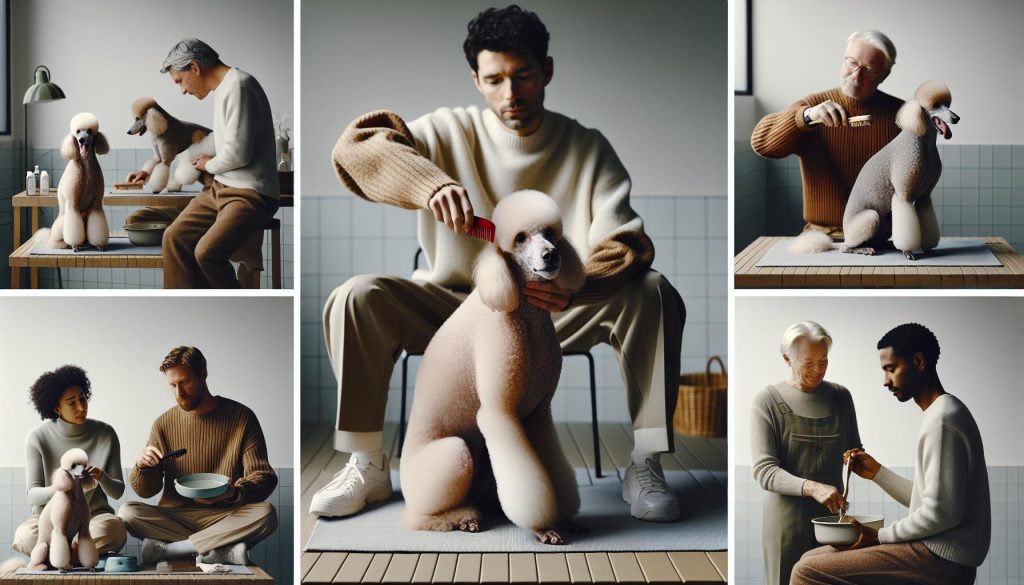
When considering bringing a poodle into your home, one of the burning questions many dog lovers have is, “Do poodles smell?” Known for their intelligence and elegance, poodles are also praised for their low-shedding coats. However, misconceptions about odor can make potential owners hesitant. The truth is, like any breed, poodles can develop odors, but many factors influence this. From grooming routines to environmental considerations, understanding how to maintain your poodle’s hygiene is key not just to a pleasant home environment but also to your dog’s overall health. In this article, we’ll explore common misconceptions, grooming tips, and practical steps you can take to ensure your beloved poodle stays fresh and clean, so you can enjoy the joy they bring without the worry!
Assessing Poodle Odor: What Owners Should Know
Poodles are often celebrated for their intelligence and charming personalities, but one concern many owners have is odor. While it’s commonly believed that dogs, especially those with thick coats like Poodles, can develop an unwanted smell, understanding the factors at play can help mitigate this issue. The truth is, a well-cared-for Poodle should not have a strong odor. Regular maintenance and a proper understanding of your dog’s needs can keep those perfumed cuddles pleasant.
One key element in odor control is recognizing the common causes of smell in Poodles. Factors such as poor grooming, skin infections, ear infections, and dental issues can all contribute to unpleasant odors. For instance, a buildup of debris in the ears or moisture can lead to infections that create a foul smell. Additionally, dental problems not only impact your Poodle’s health but also can lead to a distinctly unpleasant breath, which is something all owners should be proactive about.
To effectively minimize smell, consistent grooming is essential. Regularly brushing your Poodle’s coat helps remove dead hair and dander, which can significantly reduce odor. Moreover, implementing a bathing routine that suits your dog’s lifestyle plays a crucial role. Bathing too frequently can strip natural oils, while too infrequently may lead to odor buildup. Aim for a balance, typically bathing your Poodle every 4 to 6 weeks, unless they get into something messy.
Remember, addressing your Poodle’s diet can also have a dramatic impact on their overall hygiene. High-quality dog food formulated for your Poodle’s specific breed needs not only ensures optimal health but may also lessen any potential odors related to digestion. Additionally, regular ear and dental care should not be overlooked, as these areas are often overlooked sources of smell that can affect your Poodle’s freshness. By being proactive and attentive to these details, you can maintain not only a lovely-smelling Poodle but also a happy and healthy companion.
Common Causes of Odor in Poodles
Keeping a Poodle’s coat clean and odor-free is a common concern among dog owners. While these lovely dogs are known for their delightful personalities, they can also develop unpleasant smells if not carefully groomed and cared for. Understanding the main culprits that lead to odor can help owners take proactive steps towards a fresher, healthier companion.
Several factors can contribute to odor in Poodles, often stemming from grooming habits or health issues. One of the primary causes is poor grooming practices. Poodles have a unique curly coat that traps dirt, moisture, and oils, leading to unpleasant odors if not regularly brushed and groomed. Regularly brushing helps remove dirt, debris, and loose hair, preventing any buildup that could cause smells.
Infections, particularly in the ears and skin, are another significant source of odors. Poodles are prone to ear infections due to the structure of their ears, which can trap moisture and debris. This creates a breeding ground for bacteria and yeast that can emanate a foul smell. Similarly, skin infections or allergies can lead to a condition called “hot spots” which often produce a strong odor. Regular ear inspections and keeping the skin healthy through appropriate grooming can help minimize these issues.
Dental health is another critical factor. Bad breath in Poodles can signal dental disease, which is often accompanied by a pungent odor. Maintaining a regular dental care routine, including brushing their teeth and providing dental chews, can vastly improve their overall scent and prevent the associated health issues.
Lastly, keep in mind that diet plays a crucial role in overall hygiene and odor. Poor-quality food can lead to digestive issues and gas, contributing to unpleasant smells. Providing a balanced, high-quality diet tailored for your Poodle’s specific nutritional needs not only promotes better health but can also help reduce bodily odors.
By being attentive to grooming, health, and diet, you can enjoy the cuddly companionship of your Poodle without being overwhelmed by unwanted odors. Regular check-ups with your veterinarian, along with a consistent grooming routine, can ensure your furry friend stays fresh and healthy.
Grooming Techniques to Minimize Smell
To keep your Poodle smelling fresh and delightful, mastering effective grooming techniques is essential. Poodles are known for their elegant curls, which not only make them a visually stunning breed but also create unique challenges in maintaining their hygiene. The key to minimizing odor lies in a consistent grooming routine that caters to their specific coat characteristics.
Start with regular brushing. Ideally, you should brush your Poodle at least three times a week, using a slicker brush or pin brush designed for curly coats. This helps remove trapped dirt, loose hair, and debris, preventing buildup that can lead to odors. Pay attention to areas where mats are prone to form-like behind the ears and under the legs-since trapped moisture in mats can exacerbate smells. Consider using a comb to detangle any knots gently, as this will not only keep their coat clean but also promote better skin health.
Bathing to Banish Odor
How often you bathe your Poodle can greatly affect odor control. A good rule of thumb is to bathe your Poodle every four to six weeks, or more frequently if they love to roll around outside! Use a high-quality dog shampoo that is specifically formulated for their skin type. These shampoos can help eliminate odors without stripping natural oils, which are crucial for maintaining a healthy coat. Make sure to rinse thoroughly, as leftover shampoo can also lead to irritation and unpleasant smells.
Ear and Skin Care
Poodles are prone to ear infections, which can be a major source of odor. Regularly inspect and clean your Poodle’s ears with a vet-recommended ear cleanser. This can help prevent the buildup of wax and debris that can smell quite unpleasant. Furthermore, keep an eye on your dog’s skin for any signs of irritation or infections. If you notice any unusual odors or changes in your Poodle’s skin, don’t hesitate to consult your veterinarian.
Lastly, invest in appropriate grooming tools that make the process easier. High-quality brushes, ear cleansers, and dog-safe sprays can help keep your Poodle’s coat and skin in top condition. By establishing a proactive grooming routine, you not only help your Poodle smell great but also enhance their overall well-being, making your bond even stronger. A fresh-smelling Poodle is not just a pleasure to be around; it’s a reflection of the love and care you invest in their grooming and health!
Understanding Poodle Coat Care and Maintenance
Understanding how to care for your Poodle’s coat is not just about aesthetics; it plays a crucial role in their overall health and odor control. Poodles have a unique curly coat that requires specific maintenance to keep it looking its best and to minimize any unpleasant smells that may arise from improper care. By adopting a comprehensive coat care routine, you’ll ensure your Poodle remains fresh and comfortable, solidifying that special bond you share.
Regular brushing is the foundation of effective coat care. You should be brushing your Poodle at least three times a week, using a slicker brush or pin brush designed for their curly hair. This helps eliminate trapped dirt, loose hair, and debris, which can lead to odor if left unchecked. Pay special attention to areas where mats can form, such as behind the ears and under the legs. Mats not only collect moisture but can also irritate your dog’s skin, creating a breeding ground for bacteria and odor. For stubborn knots, using a detangling spray can also ease the process while keeping your Poodle’s hair healthy.
Bathing is another essential aspect of coat care. Aim to bathe your Poodle every four to six weeks, depending on their lifestyle. If they frequently romp outdoors or indulge in muddy play, you may need to bathe them more often. Always choose a gentle dog shampoo formulated for their skin type, as this will help maintain natural oils while combating odors. Ensure you rinse thoroughly, as any shampoo residue can irritate their skin and lead to unpleasant smells.
Additionally, incorporating ear care into your routine is vital. Poodles are prone to ear infections, which can generate strong odors. Regularly inspect and clean their ears using a vet-recommended ear cleaner. This practice not only keeps their ears clean but also helps you spot any potential issues early on. Alongside ear care, do not overlook skin health; any irregular odors or changes in your Poodle’s skin could signal underlying health problems, so timely veterinary consultation is crucial.
Finally, investing in high-quality grooming tools is a game changer. The right brushes, dog-safe grooming wipes, and specialized shampoos not only make grooming easier but also promote healthier skin and coat conditions. Embrace a proactive grooming routine, and you’ll not only keep your Poodle smelling delightful but also enhance their overall well-being. Making grooming a pleasurable experience for both you and your Poodle will help instill a lovely and rewarding relationship based on trust and care.
Bathing Frequency: How Often Should You Bathe Your Poodle?
Bathing your Poodle is a crucial aspect of their overall hygiene and well-being, and understanding the right frequency is key to keeping them clean and odor-free. Poodles generally have a curly coat that not only looks stunning but also has specific needs that differ from what you might encounter with other breeds. An intriguing fact is that, unlike some other breeds that may have a tendency to produce more oils leading to a stronger odor, Poodles tend to have less natural odor when properly cared for, thanks to their hypoallergenic coat. However, regular bathing is essential to maintain that fresh scent and healthy skin.
Typically, a good rule of thumb is to bathe your Poodle every four to six weeks. This can vary based on their activity level and lifestyle. If your Poodle loves to play outdoors, roll in grass, or take beach trips, you might find it necessary to bathe them more frequently-every three weeks or even sooner if they get particularly dirty. On the other hand, if your Poodle is primarily a house pet and not excessively exposed to dirt and grime, stretching their baths to every six weeks might be perfectly fine. It’s important to assess their needs rather than sticking rigidly to a schedule.
When choosing a bathing routine, select a high-quality shampoo specifically formulated for dogs, as human shampoos can disrupt their skin’s natural oils and lead to irritation. Look for gentle, moisturizing formulas that are sulfate-free and cater to your Poodle’s sensitive skin. After bathing, ensure you thoroughly rinse out all soap to prevent residue build-up, which can lead to itching and bad odors.
A helpful bathing checklist includes:
- Gather all your supplies: dog shampoo, conditioner, towels, and perhaps a non-slip mat for the tub or bathing area.
- Brush your Poodle before the bath to eliminate tangles and loose hair.
- Use lukewarm water and try to prevent water from getting in their ears, as Poodles are prone to ear infections.
- Rinse well, as leftover shampoo can lead to skin irritation and odors.
By properly timing your Poodle’s baths and using the right products, not only will they smell great, but you’ll also be contributing to a healthier coat and skin-all while enjoying the bonding experience of bath time! So, roll up those sleeves, grab your shampoo, and make bathtime a delightful ritual for both you and your beloved Poodle.
The Role of Diet in Poodle Hygiene
The quality of a Poodle’s diet plays a significant role in determining not just their overall health but also their hygiene and odor levels. As a breed with a unique curly coat and sensitive skin, Poodles can especially benefit from a balanced diet rich in high-quality ingredients. This foundation helps maintain healthy skin and fur, reducing the likelihood of unpleasant odors that can arise from skin issues or poor nutrition.
A diet high in protein and appropriate fats is essential for keeping your Poodle’s coat shiny and reducing odors. Healthy fats, particularly omega-3 and omega-6 fatty acids, promote healthy skin and coat while also minimizing inflammation that can contribute to skin problems. Foods containing fish oil or flaxseed oil can be beneficial additions to your Poodle’s meals. On the other hand, low-quality dog foods often contain fillers or artificial ingredients that can lead to poor digestion and skin issues, potentially resulting in a smelly coat.
Furthermore, hydration is key to maintaining both hygiene and odor levels. Adequate water intake helps flush out toxins and promotes healthy skin. Always ensure your Poodle has access to fresh water throughout the day, and consider incorporating wet food into their diet for added moisture.
To summarize the dietary influences on your Poodle’s hygiene, here are some practical tips:
- Choose high-quality dog food: Look for brands with real meat as the primary ingredient and without fillers like corn or soy.
- Incorporate healthy fats: Consider adding fish oil or supplementing with ingredients high in omega fatty acids.
- Stay hydrated: Ensure access to fresh water and consider using wet food to boost moisture intake.
- Monitor their weight: Obesity can lead to skin folds and harbor odors, so maintain a healthy weight through proper diet and exercise.
Being mindful of your Poodle’s diet can go a long way in enhancing their overall hygiene, reducing undesirable smells, and ensuring they remain a joyful companion.
Ear Care: Preventing Odors in Poodles
Ear health is a critical but often overlooked aspect of overall hygiene for Poodles, and maintaining clean ears can greatly reduce any potential odors. Poodles have long, floppy ears that can easily trap moisture and debris, creating an environment conducive to bacterial growth and infections. It’s not uncommon for Poodle owners to notice an unpleasant smell emanating from their dog’s ears, which can be indicative of underlying issues. By implementing a routine ear care regimen, you can prevent these odors and keep your furry friend comfortable and healthy.
To start, regular checking of your Poodle’s ears is essential. Look for signs of wax buildup, redness, or an unusual odor. These can be indicators of infection, which requires veterinary attention. Cleaning should be done as a preventive measure, ideally once a week. Use a veterinarian-approved ear cleaner and a soft cotton ball or pad. Avoid using cotton swabs, as they can push debris further into the ear canal.
Steps for Cleaning Your Poodle’s Ears
- Gather supplies: Have ear cleaner, cotton balls, and treats for positive reinforcement ready.
- Position your dog: Find a comfortable position for your Poodle; sitting or lying on their side often works best.
- Apply the cleaner: Follow the product’s instructions to apply the cleaner directly into the ear canal.
- Massage the base: Gently massage the base of the ear for about 30 seconds to help the cleaner dissolve any wax or debris.
- Wipe the ear: Use a cotton ball to wipe the ear flap and entrance of the ear canal. This removes any excess fluid and debris.
- Reward your dog: After the cleaning, offer a treat and plenty of praise to create a positive association.
In addition, keeping your Poodle’s ears dry is vital, especially after baths or swimming. Always dry your dog’s ears thoroughly after exposure to water, and consider using a dog ear drying solution if your pup enjoys swimming frequently. Also, be mindful of environmental factors, like pollen or molds, which can exacerbate ear problems. If your Poodle frequently shakes their head or scratches at their ears, consult your veterinarian to rule out infections or allergies.
By proactively caring for your Poodle’s ears, you can significantly reduce the risk of odor and ensure they remain a joyful companion without the worry of unpleasant smells. Regular ear checks and cleanings are simple yet effective ways to contribute to your Poodle’s overall hygiene, reinforcing the adage that a little care can go a long way!
Dental Hygiene and Its Impact on Smell
Maintaining good dental hygiene in your Poodle is crucial not just for their overall health but also for keeping unpleasant odors at bay. Poor oral hygiene can lead to dental diseases, which can cause bad breath-a common concern among dog owners. In fact, studies show that over 80% of dogs show signs of dental disease by the age of three, making it essential to start a regular dental care routine early on.
To prevent odor stemming from your Poodle’s mouth, regular tooth brushing is key. Aim to brush their teeth at least two to three times a week, using toothpaste specifically formulated for dogs. Human toothpaste can be harmful, so it’s important to stick to products made for canine use. For those just starting, introduce the toothbrush gently, allowing your Poodle to get used to the sensation. Using finger brushes initially can also make the process easier and more comfortable for your furry friend.
Steps for Effective Dental Care
- Gather Supplies: Ensure you have dog-friendly toothpaste, a toothbrush (or finger brush), and dental chews if desired.
- Choose a Calm Time: Select a time when your dog is relaxed to make the experience positive.
- Familiarize Your Dog: Let your Poodle sniff the toothbrush and toothpaste to build a sense of familiarity.
- Brush Gently: Start brushing the outer surfaces of the teeth using gentle, circular motions. Focus on the back teeth where plaque tends to build up the most.
- Offer Praise: After each session, praise and reward your Poodle with a treat to create a positive association with dental care.
In addition to brushing, providing dental chews or toys can help reduce tartar buildup and freshen breath. These products work as a fun way for your Poodle to maintain dental health while also enjoying playtime. Regular veterinary dental check-ups are also advisable, as professional cleanings remove tartar that brushing alone may not handle.
By taking these proactive steps, you’ll not only enhance your Poodle’s dental health but also minimize unpleasant odors. A clean mouth leads to a happy, healthy companion who can cuddle close without fear of foul breath! Remember, dental care is just one component of your Poodle’s overall hygiene that can significantly impact their odor-so keep those pearly whites shining!
Identifying and Addressing Skin Issues in Poodles
Healthy skin is vital for your Poodle’s overall well-being, and unfortunately, skin issues can contribute significantly to unpleasant odors. These canine companions are not only known for their intelligence and friendly demeanor but also for their unique curly coats that can sometimes hide skin problems from plain sight. As a Poodle owner, being vigilant about skin health is essential for keeping those enticing cuddles odor-free and enjoyable.
Common skin issues in Poodles include allergies, hot spots, and infections, all of which can generate odors. Allergies may arise from environmental factors like pollen or dust mites, as well as food sensitivities. Identifying and addressing these issues starts with careful observation. If you notice your furry friend scratching excessively, chewing their paws, or displaying redness and hair loss, it’s time to consult with a veterinarian. They can help determine the underlying cause and recommend an appropriate treatment plan.
Preventive Measures and Care
Implementing a solid grooming routine can help you monitor your Poodle’s skin health. Regularly brush your Poodle’s coat to remove dirt, debris, and dead hair, all of which can trap moisture and contribute to odors. Use a slicker brush specifically designed for their curly fur and be gentle to avoid irritating the skin.
Additionally, bathing your Poodle with a high-quality, hypoallergenic dog shampoo can help alleviate minor skin issues and prevent odor, but it’s important not to over-bathe, as excessive washing can strip natural oils from the coat. Instead, aim for a bathing schedule of every 4 to 6 weeks, adjusting as needed based on your dog’s activity level and any skin sensitivities.
Monitor Diet and Allergies
Another critical aspect of managing skin issues is ensuring your Poodle’s diet is balanced and free from allergens. Dogs can develop food allergies just like humans, often manifesting through skin irritations. Consult your vet for advice on a high-quality, hypoallergenic diet that supports skin health. Omega fatty acids, found in fish oil supplements, can also promote healthy skin and a silky coat while reducing inflammation.
Being proactive about your Poodle’s skin care not only keeps them healthy but also minimizes the potential for unpleasant odors. Regular check-ups with your veterinarian will help you stay ahead of any emerging issues and ensure that your beloved companion remains as fresh and fragrant as their delightful personality!
Comparing Poodle Odor to Other Breeds
While some dog breeds are known for their distinctive odors, Poodles often defy this stereotype with their unique grooming needs and hypoallergenic properties. Unlike breeds like Basset Hounds or Bulldogs, which may develop a noticeable odor due to their skin folds or oily coats, Poodles are less prone to smell as long as their grooming and care routines are properly maintained. This breed’s curly coat traps less dirt and dander than slicker fur, making it inherently less odorous.
Understanding the relative odor levels of various breeds can help new owners set realistic expectations. For instance, breeds such as Golden Retrievers and Labrador Retrievers might have seasonal odors related to shedding, environmental factors, or even swims in murky waters. In contrast, the Poodle’s coat requires regular grooming, and when that grooming routine is upheld-through consistent brushing and bathing-odors are significantly minimized. Moreover, their skin types are often less oily compared to other breeds, which can lead to fewer odor issues overall.
To give you a clearer picture, here’s a handy comparison of the odor levels in different breeds alongside grooming requirements:
| Breed | Odor Level | Grooming Frequency |
|---|---|---|
| Poodle | Low | Every 4-6 weeks |
| Golden Retriever | Moderate | Every 4-8 weeks |
| Bulldog | High | Every 1-2 weeks |
| Beagle | Moderate | Every 2-4 weeks |
Ensuring proper care for a Poodle not only keeps them looking great but also enhances their smell-free reputation. This includes adhering to a regular bathing schedule, using appropriate grooming tools, and being mindful of dietary influences on skin and coat health. Additionally, exploring other owners’ insights and experiences can provide valuable tips on minimizing Poodle odor, reinforcing the notion that with the right care, Poodles can maintain their signature non-smelly profiles, making them delightful companions.
Poodle Hygiene Products: What Works Best?
To keep your Poodle smelling fresh and clean, the right hygiene products are essential. Poodles have a unique curly coat that requires special care, and using the appropriate products can significantly minimize odor while promoting healthy skin and fur. When shopping for hygiene products, focus on those specifically formulated for dogs with curly or hypoallergenic coats. Here are some standout options that many Poodle owners love:
- Dog-Specific Shampoo: Look for gentle, sulfate-free shampoos designed for hypoallergenic breeds. Products like oatmeal or coconut-based shampoos can soothe the skin while effectively cleansing without stripping natural oils.
- Conditioner: A quality conditioner can help detangle and moisturize your Poodle’s coat. Look for products containing natural ingredients like aloe or jojoba oil to maintain coat health and shine.
- Deodorizing Sprays: In-between baths, a dog-safe deodorizing spray can neutralize odors and keep your pup smelling fresh. Avoid human deodorants as they may contain harmful ingredients for pets.
- Ear Cleaners: Regular cleaning of your Poodle’s ears can prevent infections and resulting odors. Use a vet-recommended ear cleaning solution to help keep ears healthy and odor-free.
- Dental Care Products: Bad breath can contribute to overall odors. Incorporate dental chews or water additives specially designed for dogs to maintain oral hygiene.
### Specialized Grooming Tools
Enhancing your Poodle’s grooming routine requires the right tools. Investing in high-quality grooming equipment will not only make the process smoother but also contribute to a cleaner, odor-free dog. Some must-haves include:
- Pin Brushes: Ideal for removing tangles without damaging the coat, these brushes help keep the fur fluffy and vibrant.
- Grooming Gloves: These gloves allow you to brush away loose fur while also massaging your dog’s skin, improving circulation and comfort.
- Mat Splitters: These tools can gently remove mats that can harbor dirt and odors.
By regularly using the right products and tools, along with maintaining a consistent grooming schedule, you can keep your Poodle happy, healthy, and surprisingly odor-free. Remember, a clean Poodle is not just a joy to be around; it also reinforces the bond you share with your furry friend!
Expert Tips for New Poodle Owners
Bringing a Poodle into your home can be one of the most rewarding experiences, but it also comes with responsibilities, especially when it comes to maintaining their hygiene and tackling any potential odors. Poodles, with their distinctive curly coats, are known for being relatively low-shedding and hypoallergenic, but they still require regular care to ensure they remain fresh and clean. Did you know that proper grooming not only helps reduce odor but also enhances your dog’s overall health and happiness?
To keep your Poodle smelling delightful, establishing a consistent grooming routine is key. Regular brushing-at least two to three times a week-helps prevent matting and tangles, which can trap dirt and moisture, leading to unpleasant smells. Consider using a combination of pin brushes and grooming gloves to maximize effectiveness and comfort for your furry friend. Additionally, invest in a high-quality dog-specific shampoo that is sulfate-free and designed for curly coats. This choice ensures that their natural oils are preserved while effectively cleansing their coat.
Another aspect new owners should prioritize is dental care. Bad breath can contribute to overall odor, making it important to establish good dental hygiene practices early on. Incorporating dental chews or adding water additives can help keep their teeth clean and freshen their breath. Furthermore, don’t overlook ear care; regularly inspecting and cleaning your Poodle’s ears can prevent infections-one of the common culprits for foul odors. Always use vet-recommended solutions to maintain ear health without causing irritation.
Lastly, consider the impact of diet on your Poodle’s hygiene. High-quality dog food can promote healthy skin and coat, which in turn diminishes odors. Always consult with your veterinarian about the best nutritional options to meet your Poodle’s specific needs. By following these expert tips, you can ensure your new canine companion remains clean, healthy, and a joy to have around-perfect for cuddles and companionship!
Frequently Asked Questions
Q: Do Poodles smell more than other dog breeds?
A: Poodles are generally considered low-shedding and less prone to odors compared to some other breeds. Their unique coat requires regular grooming, which can help minimize smells associated with skin oils and dirt. For a detailed comparison, refer to the section on comparing Poodle odor to other breeds.
Q: How often should I groom my Poodle to prevent odor?
A: Regular grooming, ideally every 4 to 6 weeks, is essential to prevent odor in Poodles. This includes brushing to remove loose hair and dirt, as well as professional grooming to maintain their coat. Check the grooming techniques section for tips on effective grooming.
Q: What are the signs that my Poodle has an odor issue?
A: Signs of odor issues in Poodles can include a strong, unpleasant smell, itching or scratching, and visible dirt or debris in the coat. If you notice any persistent odors, consult the article’s section on identifying and addressing skin issues for actionable advice.
Q: Can diet affect my Poodle’s odor?
A: Yes, a poor diet can contribute to unpleasant odors in Poodles. Feeding them high-quality, balanced food rich in omega fatty acids supports healthy skin and coat. The role of diet in Poodle hygiene section covers this topic extensively.
Q: How can I manage my Poodle’s ear hygiene to reduce smell?
A: Regularly cleaning your Poodle’s ears with a vet-approved solution can help prevent odors. Inspect their ears weekly for excess wax or moisture. The article’s section on ear care explains effective practices to keep your Poodle’s ears fresh.
Q: What products can help keep my Poodle smelling fresh?
A: Using specific dog shampoos designed to control odor can be effective. Additionally, try odor-neutralizing sprays and grooming wipes. Explore the Poodle hygiene products section for recommendations on what works best for maintaining a pleasant smell.
Q: How can I tell if my Poodle has a skin infection that causes odor?
A: Look for signs such as localized redness, swelling, or discharge from the skin. If your Poodle consistently has a bad smell despite grooming, it may be suffering from a skin infection. Review the article’s section on skin issues for guidance on addressing such problems.
Q: Why is dental hygiene important for preventing Poodle odor?
A: Dental hygiene significantly impacts your Poodle’s overall smell since bad breath can emanate from dental issues. Regular teeth cleaning with dog-safe toothpaste can help maintain fresh breath. For more insights, check the article’s section on dental hygiene and its impact on smell.
The Way Forward
Now that you have a clearer understanding of whether poodles smell and how to maintain their hygiene, take the next step in keeping your furry friend fresh and healthy! Remember, regular grooming, proper diet, and routine vet check-ups are paramount for minimizing odor and promoting overall well-being. For more tips on grooming and care techniques, check out our guides on “Essential Grooming for Poodles” and “Best Diets for a Healthy Poodle.”
We encourage you to share your experiences in the comments below-have you discovered any tricks that work wonders for your poodle’s odor? Also, don’t forget to subscribe to our newsletter for ongoing insights and special offers tailored for poodle enthusiasts like you. You’ve got this, and your poodle will thank you!
For further exploration, consider reading about common skin issues in poodles that might contribute to odors or the best practices in poodle coat care. Together, let’s ensure your pet’s happiness and health shine through!


