
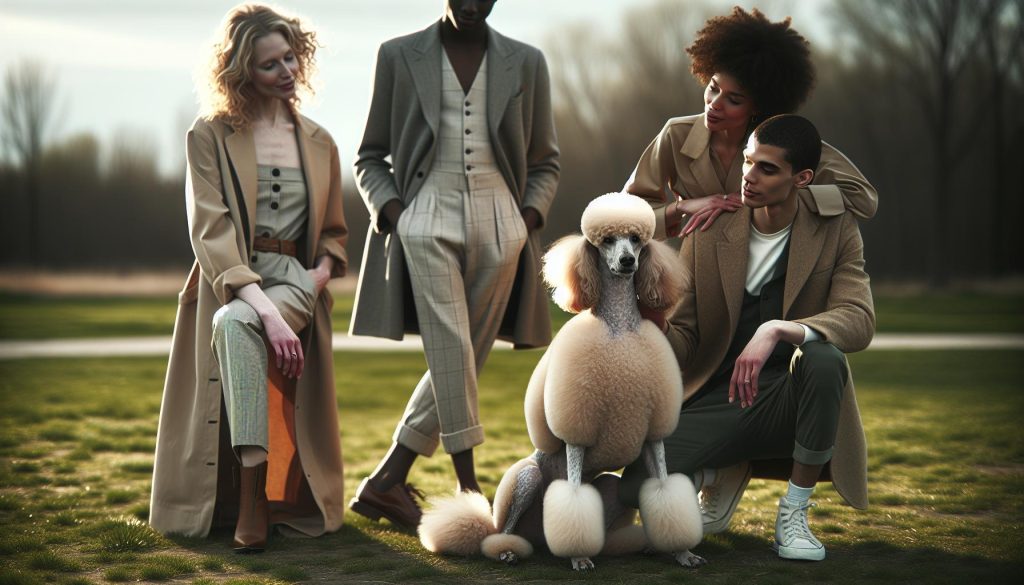
Poodles are more than just a stylish presence in the dog world; they are intelligent, versatile, and loving companions. Known for their hypoallergenic coat and playful demeanor, they adapt beautifully to a variety of living situations, making them ideal for families, singles, and seniors alike. Understanding the breed characteristics and personality traits of Poodles is essential for anyone considering bringing one into their home. As a potential owner, you may be wondering how to meet their needs for mental stimulation, exercise, and socialization. This guide will explore the unique traits that define Poodles, helping you to appreciate what makes them such cherished pets while providing practical advice for their care. Dive in to discover more about their lively spirit and exceptional ability to bond with their humans!
What Makes Poodles Unique: An Overview of the Breed

Did you know that Poodles are consistently ranked among the smartest dog breeds? Their intelligence, combined with a distinct elegance and versatility, makes Poodles unique companions that can adapt to various lifestyles and family dynamics. Recognized for their playful personality and keen ability to learn, Poodles are not just adorable; they are also remarkably skilled and trainable. This breed is often a favorite in dog sports and obedience competitions due to their eagerness to please and ability to master complex commands quickly.
A defining feature of Poodles is their three distinct sizes: Standard, Miniature, and Toy. Each size has its own characteristics and appeal. For instance, Standard Poodles are typically more robust and energetic, making them ideal for active families or those interested in rigorous dog activities. Miniature Poodles strike a balance, offering more adaptability for apartment living while retaining their playful childishness. Toy Poodles, with their petite stature, charm households with older children and those seeking a smaller companion without compromising on personality and intelligence. Each variant brings its own mix of qualities, making Poodles exceptional additions to households of all kinds.
Poodles also possess a hypoallergenic coat, which is often a significant consideration for allergy sufferers. Their curly fur traps dander and hair, preventing it from spreading in the environment. Regular grooming is essential not only to keep their coat looking great but also to maintain their skin health. With a routine of brushing, occasional trimming, and bathing, owners can minimize the chances of matting and maintain a shiny, healthy coat.
In essence, Poodles stand out not only for their looks and size variations but also for their engaging personalities and adaptability. The inherent intelligence of the breed can present both challenges and rewards in training. Properly channeled, their energy and curiosity lead to a deeply enriching companionship, fulfilling the hearts of dog lovers worldwide. Whether you’re considering bringing one into your home or are simply keen to learn about the breed, understanding these unique traits paves the way for a rewarding experience with these magnificent dogs.
Understanding the Three Poodle Sizes and Their Traits
Whether you’re a longtime dog lover or considering your first pet, understanding the various sizes of Poodles can help you find the perfect fit for your lifestyle. Poodles come in three distinct sizes-Standard, Miniature, and Toy-each offering unique traits that cater to different owners’ preferences and living situations. This versatility is one of the many things that makes Poodles stand out in the canine world.
Standard Poodle
The Standard Poodle is the largest of the three sizes, typically weighing between 45 to 70 pounds and standing over 15 inches tall at the shoulder. These dogs are often known for their athleticism and elegance, making them ideal companions for active families or individuals who enjoy outdoor activities like jogging or hiking. Standard Poodles excel in dog sports, showcasing their intelligence and agility. Their friendly and sociable nature also means they can get along well with other pets and children, making them a popular choice for families. Owners should be prepared for daily exercise needs, which can include long walks and engaging playtime.
Miniature Poodle
Miniature Poodles, weighing 15 to 17 pounds and standing between 10 to 15 inches tall, strike a delightful balance between size and energy. This size is particularly adaptable, fitting well in both homes and apartments. They are playful and spirited, often embodying the charm of both Standard and Toy variants. Miniature Poodles require regular exercise and mental stimulation, but their needs are more manageable than those of their Standard counterparts. Because of their playful demeanor, they can be great companions for older children and can more easily adapt to various living conditions.
Toy Poodle
The Toy Poodle is the smallest of the bunch, usually weighing between 4 to 10 pounds and standing no more than 10 inches tall. Despite their petite size, Toy Poodles boast vibrant personalities and boundless energy. Perfect for smaller living spaces, they make excellent companions for those who may lack the capacity for long daily exercises. However, it’s important to note that due to their small stature, they need to be handled gently and kept away from larger dogs to avoid accidental injury. Toy Poodles thrive on social interaction and can develop a very strong bond with their owners, making them affectionate lap dogs.
In summary, no matter which size you choose, all Poodles are known for their intelligence, trainability, and hypoallergenic coats, making them suitable for a variety of households and lifestyles. When selecting a Poodle, consider not just the size but also your activity level and living arrangements to ensure a harmonious match. Each size brings its own unique charm and adaptability, offering endless love and companionship to dog lovers everywhere.
Essential Physical Characteristics of Poodles

Poodles are not only strikingly elegant but also embody a unique combination of physical characteristics that contribute to their charm and versatility. One of the standout features of this breed is their distinctive coat. Poodles possess a curly, hypoallergenic coat that not only adds to their aesthetic appeal but also minimizes shedding, making them a popular choice for allergy sufferers. This coat requires regular grooming to prevent matting and maintain its beautiful appearance. Grooming can also be a great bonding activity between you and your poodle, turning a necessary task into a pleasurable experience.
Another essential aspect of a Poodle’s physical characteristics is their strong and athletic build. Whether you choose a Standard, Miniature, or Toy Poodle, you’ll notice that they all share a well-proportioned body, which aids in their remarkable agility and grace. For instance, Standard Poodles are often seen competing and excelling in dog sports due to their stamina and intelligence. Similarly, Miniature Poodles carry much of that energy but in a slightly smaller package, making them perfect for families needing a more manageable size without sacrificing activity levels. Toy Poodles, while the smallest, are equally spirited and can thrive in small living environments, showcasing their adaptability.
The variety in height and weight across different Poodle sizes also influences their overall behavior and care needs. A Standard Poodle usually weighs between 45 to 70 pounds and stands over 15 inches tall, often exuding confidence and a gentle demeanor. In contrast, Miniature Poodles are lighter at 15 to 17 pounds and more compact, which makes them perfect companions for those in apartments or homes with limited space. Toy Poodles, weighing as little as 4 pounds, have a playful spirit that can delight any household, but they require careful handling due to their fragile stature.
In conclusion, the -including their elegant coats, athletic builds, and varying sizes-make them not only a visually appealing breed but also wonderfully adaptable companions. Whether you’re looking for an active partner for outdoor adventures or a tiny friend to cuddle with on the couch, Poodles bring a unique blend of beauty and functionality to any home. Regular grooming and understanding their specific physical needs will ensure a happy and healthy life for your Poodle companion.
Poodle Temperament: Is a Poodle Right for You?

Considered one of the most intelligent dog breeds, Poodles possess a remarkable blend of adaptability, playfulness, and sensitivity that makes them an excellent choice for various households. With their innate willingness to please, these dogs quickly learn commands and routines, thriving on mental stimulation and social interaction. If you’re contemplating whether a Poodle might fit well into your lifestyle, understanding their temperament can be key to ensuring a happy and harmonious relationship.
Poodles are known for their friendly and outgoing nature. They typically enjoy being a part of family activities and do well in social settings, making them excellent companions for families with children or other pets. Their affectionate demeanor means they often seek out human companionship and can become quite attached to their owners. However, it’s essential to note that this breed can be sensitive to their environment and can develop anxiety if not socialized properly from a young age. Engaging your Poodle in various social activities, such as dog parks or training classes, can help mitigate these tendencies.
One aspect of Poodle temperament that stands out is their versatility. Whether you opt for the energetic Standard Poodle, the spirited Miniature, or the playful Toy Poodle, each size offers its own charm while maintaining that quintessential Poodle personality. For example, Standard Poodles often excel in dog sports and agility due to their intelligence and high energy levels, whereas Toy Poodles can thrive in smaller living spaces while still wanting plenty of interaction and playtime. This flexibility should be a significant factor in your decision-making if you have a specific living situation or personal lifestyle in mind.
Caring for a Poodle means striking a balance between nurturing their lively spirit and ensuring they feel secure. They flourish in environments where they receive regular mental and physical exercise, in addition to plenty of love and attention. Incorporating training sessions and stimulating playtime into your daily routine can keep your Poodle happy and well-adjusted. Building a strong bond through positive reinforcement training not only enhances their obedience but also solidifies the trust and companionship you share. As you embark on this journey with your Poodle, remember that your commitment to their emotional and physical well-being will yield a rewarding and fulfilling companionship.
Poodles and Families: Are They Good with Children?

Families looking for a furry addition will find that Poodles, with their intelligence and affectionate nature, can be wonderful companions for children. These elegant dogs are not only known for their hypoallergenic coats but also for their engaging personalities that meld well with family dynamics. It’s fascinating how Poodles, regardless of their size-Standard, Miniature, or Toy-tend to adapt seamlessly to a lively family environment. This adaptability is a significant factor why they are often considered excellent family pets.
Poodles typically possess a friendly disposition, making them genuinely eager to participate in family activities. Their playful demeanor allows them to bond with children beautifully, engaging in games of fetch or chase without hesitation. Additionally, they often exhibit patience and gentle behavior, which is crucial when dealing with younger children who may inadvertently pull on their ears or tails during playtime. Importantly, early socialization is paramount; exposing your Poodle to various situations, people, and other pets will help instill confidence, reducing any tendencies toward anxiousness or skittishness.
Strategies for a Harmonious Relationship
To ensure a positive relationship between Poodles and children, consider the following tips:
- Teach Gentle Interaction: Instruct your children on how to properly approach and interact with the dog, emphasizing gentle petting and respect for the dog’s space.
- Supervise Playtime: Always supervise interactions between younger kids and Poodles, especially during energetic play sessions, to prevent any accidental injuries.
- Incorporate Training: Involve your children in basic training sessions with the Poodle, which can help both the child and the dog learn commands and build a strong bond.
These practices not only foster a safe and enjoyable environment but also promote mutual respect and understanding between your children and their four-legged friend. Parents should remember that while Poodles are generally great with kids, every dog has its unique personality. In some cases, cross-breeding experiences may yield varying temperaments, so individual assessments are crucial when introducing a Poodle into a household with children.
Overall, with a gentle approach and proper guidance, Poodles can thrive in familial settings, enriching lives with their loyalty and spirited energy while becoming cherished members of the family.
The Active Lifestyle: Exercise Needs for Poodles
Poodles are not just known for their elegance and intelligence; they are also energetic and active dogs requiring regular exercise to thrive. With a robust metabolism and high energy levels, it’s essential to meet their exercise needs to prevent boredom and ensure their overall well-being. Engaging in physical activity not only keeps Poodles fit but also stimulates their minds, fostering a happy and balanced temperament.
Regular walks are a must, but they should be combined with varied activities to keep your Poodle mentally and physically challenged. Aim for at least 30 to 60 minutes of exercise daily, depending on the size and age of your Poodle. For example, Standard Poodles often thrive with long runs or vigorous play sessions in the park, while Toy and Miniature Poodles may find joy in interactive playtime or agility training. Incorporating different types of exercise, such as fetching a ball, swimming, or even participating in dog-friendly sports, can cater to their energetic nature and keep them engaged.
Creating a Balanced Exercise Routine
To ensure your Poodle gets the right amount of exercise, consider the following tips:
- Daily Walks: Make it a habit to take your Poodle for a walk twice a day. Vary the routes to expose them to new sights and smells.
- Interactive Play: Incorporate games like fetch or tug-of-war to make exercise enjoyable for your Poodle. These games can also strengthen your bond.
- Engage in Training: Utilize training sessions as a form of mental exercise. Teaching new tricks or commands can tire them out just as much as physical activity.
- Explore Dog Sports: Consider enrolling your Poodle in agility classes or obedience competitions. These activities provide not only exercise but also enhance their skills and confidence.
By tailoring your Poodle’s exercise routine to their individual needs and preferences, you foster a loving environment where they can flourish. Not only will they remain physically fit, but they will also be less susceptible to developing behavioral issues associated with boredom or pent-up energy. With the right balance of exercise and mental stimulation, your Poodle will be a happy, well-adjusted companion ready to share their joyful spirit with you.
Grooming Your Poodle: Tips for Beautiful Coats
Poodles are renowned for their stunning, hypoallergenic coats that not only add to their elegance but also require regular maintenance to keep them looking their best. With their unique curly fur, Poodles can easily become matted without proper grooming. For both new and experienced dog owners, understanding the fundamental grooming practices can make all the difference in maintaining your Poodle’s beautiful coat and overall health.
To begin, brushing your Poodle is essential to prevent matting and tangles. Aim to brush their coat at least three to four times a week, using a slicker brush and a comb to remove any loose hair and debris. Regular brushing also distributes natural oils throughout their fur, promoting a healthy shine. For Poodles with longer coats, daily brushing may be necessary. Pay particular attention to areas prone to tangling, such as behind the ears, under the legs, and around the tail.
Bathing and Drying
Bathing your Poodle every 3 to 6 weeks helps keep their coat clean and fresh. When choosing a shampoo, opt for a gentle, dog-specific formula to avoid skin irritation. After bathing, it’s essential to thoroughly dry your Poodle, as dampness can lead to skin issues. You can use a high-velocity dryer or a regular blow dryer set on low heat, making sure to keep it at a safe distance to prevent overheating their skin.
Trimming and Styling
Poodles require regular trims to maintain their appearance and prevent matting. Many owners choose to take their Poodles to a professional groomer every 6 to 8 weeks for a thorough cut, following a chosen grooming style, such as the “puppy cut” for a low-maintenance look or the traditional show cut for a more refined appearance. If you’re comfortable, you can learn to do basic trims at home; just be sure to use sharp grooming scissors and clipper blades to ensure a clean cut.
It’s equally important to pay attention to your Poodle’s ears, eyes, and nails. Clean their ears weekly to prevent wax buildup and infections, and while you’re at it, check for any signs of irritation or redness. Regularly trim their nails to avoid discomfort, ideally every 3 to 4 weeks, and wipe around their eyes to remove tear stains.
By adopting these grooming habits, you’ll not only maintain your Poodle’s beautiful coat but also strengthen your bond with them through regular, nurturing attention. A well-groomed Poodle is not only a joy to behold but also a testament to the love and care you provide. Embrace the grooming process as a rewarding part of your relationship with your furry companion!
Common Health Issues in Poodles and Prevention Tips
Poodles are not only beloved for their intelligence and elegance, but they also come with specific health considerations that every owner should be aware of. Understanding these common health issues can help you take proactive steps to ensure your Poodle lives a long, healthy, and vibrant life. With a few preventive measures and regular veterinary care, many of these conditions can be managed or even avoided altogether.
One of the prevalent health concerns in Poodles is hip dysplasia, a genetic condition where the hip joint doesn’t fit snugly into the hip socket. This can lead to arthritis and chronic pain. To minimize this risk, ensure that your Poodle maintains a healthy weight and engages in low-impact exercises, such as swimming or walking, to strengthen their muscles without stressing the joints. Regular veterinary check-ups can help detect any signs of hip dysplasia early, allowing for timely intervention.
Another issue often seen in Poodles, especially those with the characteristic curly coats, is skin infections and allergies. The dense fur can trap moisture and debris, leading to irritation. Regular grooming is essential not just for appearance but also for skin health. Bathe your Poodle with dog-friendly shampoos and ensure they are thoroughly dried afterward to prevent moisture buildup. Additionally, keep an eye out for food allergies, which can manifest as itching or gastrointestinal upset. If you suspect food intolerance, consider consulting your veterinarian about an elimination diet to identify the culprit.
Dental health is also critical for Poodles, as they are prone to dental disease due to their smaller mouths and crowded teeth. Make it a habit to brush your Poodle’s teeth regularly or provide dental chews designed for dogs. This practice not only helps keep their breath fresh but also prevents the tartar buildup that can lead to gum disease and other serious health complications.
Lastly, maintaining a regular vaccination and deworming schedule is essential to protect your Poodle from preventable diseases. Reach out to your vet for tailor-made health plans based on your dog’s lifestyle and age. By being proactive about these common health issues and following these prevention tips, you can help your Poodle lead a happy and healthy life, full of play and companionship.
Training a Poodle: Best Practices for Success
Training a Poodle can be an incredibly rewarding experience, not only because of their remarkable intelligence but also for their eagerness to please. Did you know that Poodles are often ranked among the smartest dog breeds? This innate intelligence makes them highly trainable, but it also means they can get bored easily if the training isn’t engaging enough. To ensure a successful training journey, incorporating fun, varied techniques is key.
One of the most effective methods for training Poodles is through positive reinforcement. This means rewarding your Poodle with treats, praise, or playtime whenever they successfully complete a command or exhibit desired behavior. Over time, they will associate the behavior with the reward, encouraging them to repeat it. For instance, if you’re teaching your Poodle to sit, use a tasty treat to guide them into the position, and as soon as they comply, offer the treat enthusiastically while saying “Good sit!” Regular practice helps reinforce the behavior.
Another excellent strategy is to keep training sessions short but frequent. Poodles thrive in environments where they can learn through short bursts of engagement rather than lengthy sessions that might leave them feeling overwhelmed. Aim for five to ten minutes of focused training several times throughout the day. This pace respects their attention span while also allowing ample opportunity for learning. Incorporating games like hide-and-seek can also make training feel less like a chore and more like playtime, fostering a deeper bond between you and your Poodle.
Socialization and Exposure
Socialization is equally crucial in training your Poodle. Exposing them to different environments, people, and other pets helps them develop into well-rounded companions. Start early, if possible, by introducing your Poodle to a variety of situations, like visits to a dog park or pet-friendly events. This exposure immensely contributes to their confidence and adaptability, ensuring they are less likely to become anxious or fearful in new situations.
Consistency is Key
Lastly, consistency is vital in any training endeavor. Establish rules and commands that every family member agrees upon. For example, if you don’t allow your Poodle on the couch, ensure everyone enforces that decision. Mixed signals can confuse your dog and undermine training efforts. To track progress, consider keeping a training journal to note what commands your Poodle has learned or any areas requiring more reinforcement. This practice helps you remain motivated and adaptable in your approach, ensuring your Poodle becomes a well-behaved and cherished family member.
By embracing these best practices for training, you lay a solid foundation for a trusting and harmonious relationship with your Poodle. With patience and enthusiasm, you will unlock the full potential of your furry companion, turning training into a delightful partnership filled with learning and joy.
Nutritional Needs of Poodles: Feeding Guidelines
Feeding your Poodle the right diet is crucial for its overall health, energy, and well-being. These elegant and active dogs have specific nutritional needs that can vary based on their size, age, and level of activity. Poodles, whether they are Toy, Miniature, or Standard, thrive on a balanced diet rich in high-quality ingredients. A well-fed Poodle is not just happier but also healthier, which makes understanding their nutritional requirements an essential responsibility for every owner.
To start, selecting a high-quality dog food that meets the AAFCO standards is fundamental. Look for options that list real meat as the first ingredient, such as chicken, lamb, or fish. Poodles also benefit from moderate to high protein content-ideally between 20 to 30 percent, depending on their energy needs. Providing a mix of animal and plant-based proteins can also aid in muscle maintenance and energy levels. Here’s a quick checklist to consider when feeding your Poodle:
- Age-appropriate food: Puppies, adults, and seniors have different dietary requirements. Choose formulas tailored for each life stage.
- High-quality protein: Look for real meat, fish, or poultry as primary ingredients.
- Healthy fats: Omega-3 and Omega-6 fatty acids are vital for skin and coat health, which is particularly important for Poodles.
- Whole grains: Ingredients like brown rice or oats can provide essential fiber and energy.
- Fruits and vegetables: Ingredients like blueberries, carrots, or sweet potatoes are excellent for vitamins and antioxidants.
It’s also essential to monitor portion sizes to prevent overeating, especially in more sedentary Poodles. An ideal guideline is to feed them twice daily, splitting their daily portion into two meals. For specific feeding amounts, always refer to the feeding guidelines on the dog food packaging, as they typically account for the dog’s weight, age, and activity level. Regular weight checks can help you adjust portions as needed, ensuring your Poodle remains within a healthy weight range.
Lastly, keep an eye out for any food sensitivities your Poodle may develop. Signs such as skin issues, digestive disturbances, or lethargy can indicate a need for dietary adjustments. Consult with your veterinarian to discuss the best options, potentially including specialty diets if your Poodle has allergies or intolerances. By focusing on your Poodle’s nutritional needs and maintaining an open line of communication with your vet, you’ll help your cherished companion lead a long, vibrant, and active life.
Poodles in Dog Sports: Agility and Beyond
Poodles are not just companion animals; they excel in a variety of dog sports, showcasing their agility, intelligence, and versatility. One of the most popular sports for Poodles is agility, where they navigate an obstacle course consisting of jumps, tunnels, and weave poles. What sets Poodles apart in agility is not only their athletic build but also their keen ability to learn and adapt. Their natural enthusiasm for training and play makes them eager participants, often outperforming other breeds.
In addition to agility, Poodles thrive in other dog sports such as obedience, rally, and even hunting trials. Their high intelligence means they can learn complex commands and tasks with relative ease. This makes them well-suited for competitive environments, and many Poodles achieve titles in various dog sports. For those looking to get their Poodle involved, starting with basic obedience training is essential before progressing to more challenging activities like agility. Consider attending local training classes or clubs that offer a structured approach to help your Poodle master the skills needed for these sports.
As you embark on the journey of competing or training your Poodle in dog sports, keep in mind the importance of a solid foundation in basic commands. Reinforce their training through fun and engaging methods, using positive reinforcement such as treats and praise to motivate and encourage them. Try incorporating short practice sessions into your routine, gradually introducing agility equipment to familiarize your Poodle with various obstacles. With their boundless energy and playful disposition, Poodles are likely to enjoy the training process, making it a rewarding experience for both owner and dog.
Ultimately, participating in dog sports not only deepens the bond between you and your Poodle but also provides them with the mental and physical stimulation they need. Engaging in these activities helps fulfill their exercise requirements and keeps them happy and healthy. Whether you pursue agility or any other sport, rest assured that your Poodle’s unique combination of intelligence and athleticism will shine through, creating memorable moments and potentially impressive achievements along the way.
Adopting a Poodle: What You Should Know
Adopting a Poodle can be one of the most rewarding decisions you make, as these dogs bring a delightful mix of intelligence, charm, and affection into your home. Before you embark on this journey, it’s essential to understand what Poodles truly need in terms of care, training, and companionship. Not only do they thrive in loving environments, but their unique traits require dedicated attention and a genuine commitment to their well-being.
First, consider the three different sizes of Poodles: Standard, Miniature, and Toy. Each size has its own personality quirks and physical needs, so it’s crucial to choose one that fits your lifestyle. For instance, Standard Poodles are energetic and often require more exercise, while Miniature and Toy Poodles may adapt better to smaller living spaces but still need daily play and mental stimulation. Understanding these parameters will help you determine which Poodle might complement your home best.
When bringing a Poodle into your family, fostering a loving and stable environment is vital. These dogs form strong bonds with their owners and can experience separation anxiety if left alone for extended periods. If you work full-time or travel frequently, consider how a Poodle’s emotional needs will be met. Engaging them in activities such as training classes, dog parks, or playdates can greatly enhance their happiness and well-being.
Additionally, it’s important to prepare for the grooming needs of your new Poodle. With their luxurious, curly coats, regular grooming is essential to prevent matting and skin issues. Incorporate a grooming routine that includes brushing, bathing, and professional grooming to keep your Poodle looking and feeling their best.
Lastly, embrace the training process with patience and positivity. Poodles excel in obedience thanks to their high intelligence but need consistent, kind training methods. Think about enrolling in obedience classes to help establish a strong foundation for good behavior and foster a stronger bond with your new furry friend. Whether it’s house training or learning new tricks, your Poodle will thrive on the companionship and structure you provide, making your relationship with them even more rewarding.
In conclusion, adopting a Poodle is not just about finding a cute companion; it’s about committing to a relationship that requires love, time, and effort. Understanding their needs will ensure that both you and your Poodle enjoy a fulfilling life together. That captivating bond will flourish with the right preparation and support, making your journey together one of the most joyful experiences imaginable.
Frequently asked questions
Q: What are the different types of Poodles?
A: Poodles come in three sizes: Standard, Miniature, and Toy. Each size has unique traits and care needs, with Standard Poodles being the largest and often used in various dog sports, while Toy Poodles are ideal for smaller living spaces. Understanding these differences can help you choose the right Poodle for your lifestyle.
Q: What is the lifespan of a Poodle?
A: Poodles typically have a lifespan of 12 to 15 years. Their longevity can be influenced by factors such as diet, exercise, and regular veterinary care. Providing a balanced diet and routine check-ups can help ensure your Poodle lives a long, healthy life.
Q: How intelligent are Poodles compared to other breeds?
A: Poodles are considered one of the most intelligent dog breeds, ranking second on the obedience scale. This high intelligence makes them quick learners, ideal for training and participating in various activities, including dog sports and obedience competitions.
Q: Are Poodles hypoallergenic?
A: While no dog is completely hypoallergenic, Poodles are known for having hair instead of fur, which minimizes shedding and dander. This trait makes them a suitable option for allergy sufferers, though regular grooming is essential to maintain coat health and reduce allergens.
Q: How much exercise do Poodles need daily?
A: Poodles require at least 30 to 60 minutes of exercise daily, depending on their size and energy levels. Activities like walking, running, and playing fetch are excellent options. Sufficient exercise helps prevent behavioral issues stemming from boredom.
Q: What grooming needs do Poodles have?
A: Poodles have specific grooming needs to maintain their curly coat, requiring regular brushing at least once a week and professional grooming every 4 to 6 weeks. This routine prevents matting and keeps their coat looking healthy and beautiful.
Q: How do Poodles get along with other pets?
A: Poodles generally have a friendly disposition and can get along well with other pets, especially if they are socialized from a young age. Introducing them gradually and providing positive reinforcement can help them adapt to new companions seamlessly.
Q: What health issues are common in Poodles?
A: Common health concerns for Poodles include hip dysplasia, progressive retinal atrophy, and certain skin disorders. Regular vet visits and a healthy diet can help manage and prevent these issues, ensuring your Poodle stays healthy throughout its life.
For more details on Poodle care and characteristics, check out our sections on “Poodle Temperament” and “Common Health Issues in Poodles.”
Closing Remarks
Embarking on the journey of becoming a Poodle owner is both exciting and rewarding. With their intelligence, hypoallergenic coats, and lively personalities, Poodles stand out as a companion that can adapt to various lifestyles. Remember, the breed’s unique characteristics can mean specific needs, so diving deeper into their grooming and training habits is essential. Check out our in-depth guides on Poodle care and common health considerations to further enhance your knowledge.
As you reflect on what you’ve learned, consider subscribing to our newsletter for expert tips and the latest on Poodle care, ensuring you have access to the best resources. Confidently take the next step, and explore related topics like advanced training techniques or the importance of health testing for your Poodle-essential for any dedicated owner. Your journey with your Poodle starts now; let’s make it unforgettable!


