
When it comes to selecting a furry companion, understanding a dog’s personality is crucial. Labradoodles, a delightful mix of Labrador Retrievers and Poodles, are renowned for their affectionate and playful nature. These dogs combine intelligence and friendliness, making them a popular choice for families and individuals alike. If you’re considering bringing a Labradoodle into your home, knowing their temperament can help set you and your new pet up for success. With their vibrant energy and eagerness to please, Labradoodles not only thrive on companionship but can also become integral members of your family. As you explore the many facets of their personality, you’ll discover insights that can enrich your relationship with this lovable breed. Whether you’re a first-time dog owner or an experienced handler, understanding a Labradoodle’s temperament will guide you in providing the right environment and training to foster a happy, well-adjusted pup. Join us as we delve into the enchanting world of Labradoodle personalities!
Understanding Labradoodle Personality Traits
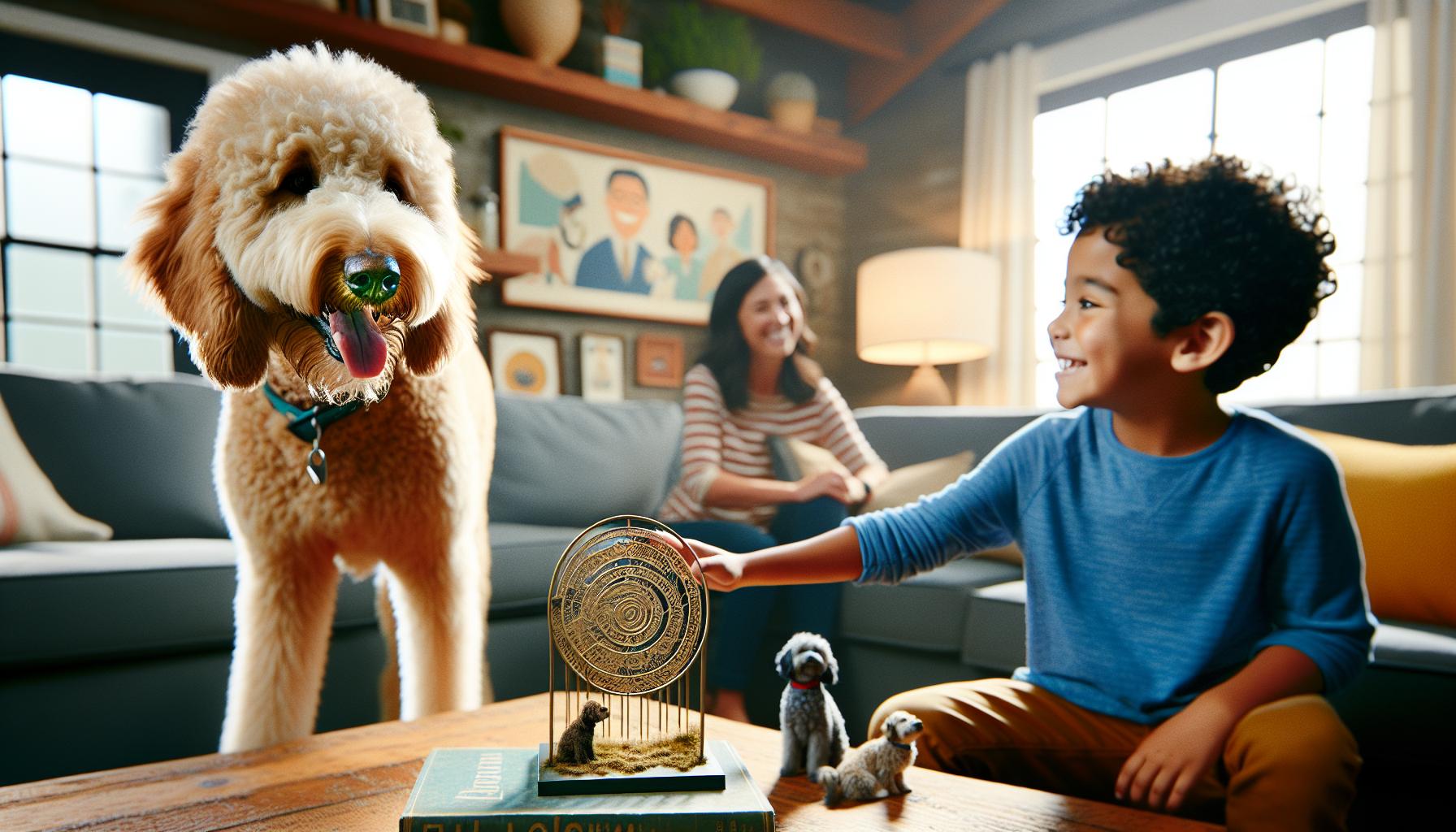
Labradoodles are often described as a delightful mix of enthusiasm, intelligence, and sociability, making them one of the most beloved hybrid breeds. These dogs inherit the playful and friendly demeanor of the Labrador Retriever along with the Poodle’s cleverness and trainability, creating a breed that is not only fun to be around but also relatively easy to train. They typically display an outgoing personality, making them excellent companions for families, singles, and seniors alike. Whether playing fetch in the backyard or cuddling on the couch, Labradoodles thrive on interaction and companionship, often forming strong bonds with their human family members.
Much of a Labradoodle’s personality is influenced by their early socialization and training experiences. To ensure that your Labradoodle grows into a well-adjusted adult, it is crucial to introduce them to various environments, people, and other animals during their formative months. Positive reinforcement training methods, complemented by early socialization, can accelerate the development of their overall temperament. These dogs tend to be eager to please, which makes training a rewarding endeavor. Engaging in activities such as obedience classes or agility training can help channel their high energy levels while enhancing their bond with you.
Labradoodles often exhibit a range of behaviors, from playful and exuberant to calm and loyal. They’re known for their adaptability and can thrive in various living situations, from apartments to homes with large yards. However, it’s essential to remember that their energy levels and temperament can vary significantly depending on factors like genetics, environment, and individual upbringing. Providing a routine that includes regular exercise and mental stimulation is key to keeping them happy and balanced, preventing issues like excessive barking or destructive behavior.
In sum, understanding and embracing the unique personality traits of Labradoodles can lead to a fulfilling companionship. Their affectionate nature and keen intellect make them fantastic pets, but they also require commitment and care to help them flourish. With the right training, socialization, and love, a Labradoodle can become a cherished member of any household.
The Temperament Spectrum of Labradoodles
The Labradoodle’s temperament is a delightful combination of the lovable nature of Labrador Retrievers and the intelligence of Poodles, creating a dog that is not only amiable but also highly trainable. These dogs are known for their enthusiasm and jovial spirit, showcasing a personality that ranges from playful and exuberant to calm and snuggly. This spectrum makes Labradoodles excellent companions for all types of households-whether you’re a busy family, a single professional, or a retired couple looking for affection and companionship.
Labradoodles are often described as “people-oriented” dogs. They thrive on human interaction and are typically eager to meet new friends, both human and animal. This sociable nature often leads them to be extremely loyal and affectionate towards their families, seeking to be included in all activities. Their adaptable temperament means they can enjoy a quiet evening at home as much as an exciting day at the park, making them versatile companions. However, their strong desire for companionship also means they can suffer from separation anxiety if left alone for extended periods.
To nurture the positive aspects of a Labradoodle’s temperament, early socialization is crucial. Exposing them to various environments, sounds, and people during their formative months helps them develop into well-rounded adults. A well-socialized Labradoodle is less likely to exhibit shy or fearful behaviors and more likely to approach new situations with confidence. Incorporating regular playdates, trips to dog parks, or engaging in obedience training classes that also serve as socialization opportunities can substantially enhance their temperament.
While most Labradoodles exhibit friendly characteristics, it’s essential to remember that each dog’s personality can also be influenced by genetics, training, and environment. This variability means some Labradoodles may exhibit higher energy levels or more dominant behaviors than others. Understanding your specific dog’s temperament can help tailor training and activity choices that keep them happy and well-adjusted. Always focus on positive reinforcement techniques to enhance their great qualities while gently addressing any behavioral challenges that may arise.
Socialization Needs for Labradoodles

The key to a well-adjusted Labradoodle lies heavily in their socialization experiences during the early stages of life. These furry friends are renowned for their affectionate nature and eagerness to bond with people and other pets alike. However, this charming personality is most effectively cultivated through a proactive socialization strategy. By introducing your Labradoodle to a range of environments, sounds, smells, and interactions, you set the foundation for a confident and well-mannered companion.
A crucial period for socialization is between three and fifteen weeks of age; this is when puppies are particularly receptive to new experiences. Taking them to puppy classes, parks, and around various populations can significantly enhance their comfort levels in diverse situations. For instance, engaging in playdates with other dogs can promote healthy social skills, while outings to bustling areas can help desensitize them to noise and crowds. Remember, it’s not just about exposure; creating positive associations with these experiences through treats and praise can strengthen their social skills.
On the flip side, neglecting socialization can lead to shyness or fearful behaviors, making it vital for owners to prioritize these interactions. If your Labradoodle seems anxious in new situations, gradually desensitize them by introducing these environments in controlled settings. Always keep the experience positive and rewarding; a simple walk in a new neighborhood could be paired with a favorite treat or a game of fetch. Such experiences not only enrich their personalities but also develop resilience as they encounter varied scenarios throughout their lives.
For anyone considering a Labradoodle, prioritizing socialization is a commitment that pays off in spades. By dedicating time to expose them to the world positively, you’ll foster their innate ability to be the affectionate, adaptable, and intelligent companions that they are meant to be.
Training Approaches for Labradoodle Behavior

Training a Labradoodle can be an immensely rewarding experience, especially considering their inherent eagerness to please and high intelligence. These traits make Labradoodles quite responsive to training, allowing them to excel in various commands and tasks when taught effectively. Here’s how to establish a structured yet fun training approach that resonates with their vibrant personality.
To begin with, positive reinforcement is a cornerstone of training for Labradoodles. This method involves rewarding desirable behaviors to encourage their repetition. Treats, praise, and playtime can be used as effective rewards. Not only does this approach capitalize on their desire to please, but it also fosters a trusting relationship between you and your furry friend. For instance, if your Labradoodle successfully performs a sit command, celebrate their success with a treat or an enthusiastic “good job!” This can be particularly effective during training sessions, which should ideally be kept short-around 5 to 10 minutes-to maintain your dog’s focus and enthusiasm.
Consistency is Key
Consistency in commands and cues is crucial. If you teach your Labradoodle to sit, use the same word and hand signal every time. Mixing up commands can confuse them and hinder learning. Consider maintaining a training log to track their progress and reinforce learning across different sessions. Incorporating commands into daily routines, like asking them to sit before mealtime or during walks, helps reinforce behaviors in a natural, everyday context.
Socialization as Part of Training
As previously mentioned, socialization is a critical element of training that shapes a Labradoodle’s temperament. Introducing your puppy to various environments, people, and other animals can prevent fearfulness and promote confidence. Organize playdates, participate in puppy classes, and explore new places together. Each of these experiences should be accompanied by positive interactions and rewards, reinforcing the idea that new situations are fun and safe.
Addressing Common Behavioral Issues
Like any breed, Labradoodles can face behavioral challenges ranging from excessive barking to separation anxiety. Early training and ongoing socialization can help mitigate these issues. If your dog is prone to barking when left alone, consider crate training or providing interactive toys that keep them occupied. For persistent problems, consulting a professional trainer can provide tailored strategies necessary for overcoming these challenges.
In conclusion, training your Labradoodle is not just about teaching commands but also about building a positive relationship and understanding their unique personality. By using positive reinforcement, maintaining consistency, encouraging socialization, and actively addressing behavioral concerns, you’ll guide your Labradoodle to become a well-adjusted, happy companion ready to share joy in your lives together.
Labradoodle Energy Levels: What to Expect

Labradoodles are known for their vibrant and playful spirits, making them one of the most energetic dog breeds around. If you’re considering adding a Labradoodle to your family, be prepared to engage with a dog who thrives on activity and mental stimulation. These lovable furballs are not just companions; they require ample exercise and interaction to keep their energy levels balanced and their minds sharp.
To keep a Labradoodle happy, daily physical activity is essential. You might find that your furry friend enjoys a mixture of activities such as long walks, playtime at the dog park, fetching in the backyard, or even agility training. Not only does this physical exercise help to expel some of their pent-up energy, but it also supports their overall health and well-being. A good rule of thumb is to aim for at least 60 minutes of exercise every day, which can be broken up into shorter sessions throughout the day.
Engaging Their Minds
In addition to physical activity, Labradoodles also require mental stimulation. Their intelligence makes them eager learners, so incorporating puzzle toys, training sessions, and interactive games will keep your dog mentally engaged. For example, using food-dispensing toys can encourage them to think critically and work for their rewards. Regular training not only provides mental workouts but also reinforces good behavior and strengthens your bond.
Understanding Their Play Style
It’s important to recognize that a Labradoodle’s energy levels can vary depending on their age and individual personality. Puppies will naturally have bursts of energy, often interspersed with long naps, while adult Labradoodles might settle into a routine. However, they will remain playful and enjoy spontaneous games with their families. Seniors, on the other hand, may require less vigorous exercise and will appreciate more leisurely strolls or gentle playtime.
Adopting a Labradoodle comes with the responsibility of making sure they get both their physical and mental exercise needs met. In return, you’ll have a loyal and spirited companion who brings joy and warmth to your life. Whether you’re blasting through an obstacle course or enjoying a quiet afternoon snuggle, the vibrant energy of a Labradoodle will surely make each day a little brighter!
Health Influences on Labradoodle Temperament
The health of a Labradoodle plays a pivotal role in shaping their temperament and personality traits. Just like humans, dogs are influenced by their physical well-being, and this connection can greatly affect their behavior and social interactions. For instance, health issues can lead to behavioral changes, such as increased irritability or withdrawal, making it essential for owners to keep a close eye on their furry friend’s health.
Regular veterinary check-ups are crucial for identifying potential health problems early on. Common concerns for Labradoodles can include hip dysplasia, allergies, and ear infections, all of which may impact their comfort levels and overall disposition. For example, a Labradoodle with untreated allergies might exhibit frustrating behaviors, from incessant scratching to nervousness due to discomfort. Thus, maintaining a proactive approach to health care can mitigate these issues and promote a more stable temperament.
Providing a nutritious diet tailored to your Labradoodle’s specific needs also supports their mental health. A balanced diet rich in essential nutrients can boost their energy levels and general disposition. For example, omega-3 fatty acids have been shown to support cognitive function, which is particularly relevant for a breed known for its intelligence. Engaging with your dog during meal preparation, such as integrating food puzzles or interactive feeders, can further enrich their experience and enhance their behavioral responsiveness.
In addition, exercise is not just vital for physical health; it’s also a significant contributor to a Labradoodle’s emotional stability. Regular physical activity helps reduce anxiety and pent-up energy. A tired dog is typically a well-behaved dog! Incorporating variety into their exercise routine-like hiking, playing fetch, or swimming-can also keep them mentally stimulated and emotionally balanced. Remember, a healthy body fosters a happy mind, and understanding how health influences temperament can lead to a more fulfilling companionship with your Labradoodle.
How Environment Shapes Labradoodle Behavior
The environment in which a Labradoodle grows up can profoundly influence its behavior and personality. From the moment they enter a home, the surroundings play a crucial role in shaping their interactions, comfort levels, and overall demeanor. For instance, a Labradoodle raised in a nurturing environment filled with positive experiences is likely to be more confident, social, and adaptable. This breed thrives on companionship and social engagement, so an environment that fosters interaction with family members and other pets can lead to well-adjusted behavior.
Creating a stimulating and secure living space can significantly enhance a Labradoodle’s emotional well-being. Consider the following elements:
- Social Exposure: Regular interaction with different people and pets helps Labradoodles become well-rounded adults. Taking them to dog parks, enrolling them in puppy classes, or inviting friends over can introduce them to new experiences.
- Safe Spaces: Providing designated areas for rest and play allows Labradoodles to feel secure in their environment. A cozy bed in a quiet corner or a space with their toys can help them unwind.
- Enrichment Activities: Labradoodles are intelligent and curious. Puzzles, toys, and games that challenge their minds can prevent destructive behaviors that arise from boredom.
- Consistent Routines: Establishing a regular schedule for feeding, walking, and playtime creates a sense of stability that can reduce anxiety and promote good behavior.
Different settings can also yield different behaviors. Labradoodles living in apartments may need extra encouragement to get sufficient exercise, while those in homes with yards might have more opportunities for spontaneous play. Furthermore, environments filled with positive reinforcement and calm atmospheres can reduce stress levels and enhance a Labradoodle’s natural friendliness and energetic personality.
By adapting the environment to meet a Labradoodle’s needs, owners can foster a loving and encouraging atmosphere that shapes their dog’s temperament positively. Whether through socialization, structured routines, or mental stimulation, the right environment is invaluable in nurturing a happy, healthy, and well-behaved Labradoodle.
Common Behavioral Issues and Solutions
Labradoodles are known for their friendly demeanor and affectionate nature, but like all breeds, they can exhibit some common behavioral issues. Understanding these potential challenges can help owners proactively address them and cultivate a positive environment for their furry companions. Many Labradoodles may struggle with separation anxiety, particularly due to their strong attachment to their families. If a Labradoodle feels stressed when left alone, it might bark excessively, chew furniture, or exhibit destructive behaviors.
To combat separation anxiety, consider the following strategies:
- Gradual Absences: Start by leaving your Labradoodle alone for short periods and gradually increase the duration. This helps them adjust to being alone without panicking.
- Positive Reinforcement: Create a positive association with your departures. Use treats or toys to reward calm behavior during those moments when you leave the house.
- Comfort Items: Leave behind a piece of your clothing or a special toy that provides reassurance when they are alone.
Another common issue is excessive barking, which can stem from boredom or a lack of socialization. Labradoodles thrive on engagement and mental stimulation, so providing them with challenging toys and opportunities for interactive play is crucial. You can tackle excessive barking by:
- Increasing Exercise: Regular walks, playtime, and mental challenges will help expend their energy and reduce barking triggered by boredom.
- Training Commands: Teaching the “quiet” command can help you control barking when necessary. Reward your dog when they stop barking on cue.
- Socialization Opportunities: Exposing your Labradoodle to various environments, people, and other dogs can minimize anxiety-driven barking.
It’s also important to be aware of potential food-related behavioral issues. Labradoodles can sometimes develop picky eating habits or show food aggression if not properly managed. To mitigate this, ensure you feed your Labradoodle at regular intervals and discourage begging or table-scraps during meals.
Creating a structured environment, along with consistent training and socialization, can help prevent these behavioral issues from developing. Remember that every Labradoodle is unique, and it’s perfectly normal for them to display quirks aligned with their personality traits. Through patience, understanding, and appropriate behavioral strategies, you can guide your Labradoodle towards being the well-mannered companion you desire!
Comparing Labradoodles to Other Breeds
When considering a Labradoodle, it’s fascinating to explore how their unique personality traits compare to those of other breeds. Labradoodles, a delightful hybrid of the Labrador Retriever and Poodle, typically embody a warm, friendly disposition and a high degree of intelligence. This combination not only makes them exceptional companions but also positions them favorably alongside other popular breeds like Golden Retrievers and Beagles.
Labradoodles are often regarded as more versatile in temperament compared to Golden Retrievers, known for their gentle demeanor. While both breeds are friendly and eager to please, Labradoodles can exhibit a slightly more spirited nature, often displaying a playful curiosity that keeps owners engaged. They tend to adapt well to varied living situations but require more mental and physical stimulation due to their high energy levels. This means that while they love to cuddle, they also thrive on regular exercise and social interaction to channel their energies positively.
Conversely, when compared to Beagles, Labradoodles come out as more trainable and responsive. Beagles are known for their strong instincts and stubbornness, which can make training a challenge. In contrast, Labradoodles, with their intelligence inherited from both parent breeds, typically respond well to training, especially when using positive reinforcement techniques. This makes them more suitable for first-time dog owners who may not have extensive experience in obedience training.
Adopting a Labradoodle also means embracing their desire for social interaction, much like Goldens. Both breeds shine in family settings and are well-suited for homes with children. However, Labradoodles can develop separation anxiety if not adequately socialized or left alone for long periods. It’s crucial for prospective owners to ensure they can meet the social and exercise needs of this breed, setting them apart from breeds like Bundles of Joy (Bulldogs), who are often more independent and content with less stimulation.
Ultimately, understanding these differences helps potential dog owners make informed decisions tailored to their lifestyle. Whether one wants a companion that’s active and trainable or a more laid-back breed, knowing how Labradoodles stand alongside their canine counterparts can guide you in choosing the perfect furry friend for your life.
The Role of Genetics in Labradoodle Personality
The unique personality of Labradoodles is heavily influenced by genetics, stemming from their lineage as a cross between the Labrador Retriever and the Poodle. While every dog is an individual, understanding the traits passed down from these parent breeds can give you insight into what to expect as your Labradoodle grows and develops. For instance, Labradors are typically known for their friendly and outgoing demeanor, making them excellent family pets who thrive on social interactions. On the other hand, Poodles are celebrated for their intelligence and versatility. Combined, these genetic influences create a breed that is not only welcoming and affectionate but also highly trainable and eager to please.
To help you grasp the genetic factors that shape your Labradoodle’s behavior, consider these key aspects:
- Intelligence: Due to the Poodle’s reputation as one of the smartest dog breeds, Labradoodles often exhibit high levels of intelligence, which contributes to their ability to learn commands quickly and excel in various activities, from agility to therapy work.
- Temperament: The Labrador side brings traits like gentleness, playfulness, and friendliness. This ensures that Labradoodles are typically good with children and other pets, making them suitable for family life.
- Energy Levels: Both parent breeds are active, meaning Labradoodles will require regular exercise and mental stimulation to thrive. Their high energy can manifest as playfulness or hyperactivity if not managed through sufficient outlets.
- Health Considerations: The genetic combination may also influence health-related behaviors. Potential inherited disorders, such as hip dysplasia or skin conditions, can affect temperament and overall well-being, making regular veterinary check-ups essential.
Additionally, the hybrid vigor often associated with crossbreeds can lead to a healthier pet overall, mitigating some genetic disorders that might be present in purebreds. However, it’s essential for prospective owners to recognize the role genetics plays in shaping personality and behaviors. Observing a Labradoodle’s parental traits can provide clues into their potential quirks, energy levels, and social needs.
Moreover, genetics can interact with environmental factors, which means that even a well-bred Labradoodle will thrive best in an environment that supports their inherent traits. New owners should foster an engaging atmosphere filled with exercise, training, and socialization opportunities. This comprehensive approach ensures that the genetic gifts of intelligence, sociability, and playfulness develop optimally, allowing your Labradoodle to shine as the wonderful companion they’re meant to be.
Creating a Positive Home Environment for Labradoodles
Creating a warm and stimulating environment is crucial for a Labradoodle’s well-being, as these dogs thrive on interaction and engagement. Given their lineage, Labradoodles are often affectionate and social, needing both physical and mental activities to stay happy. This necessitates that your home reflects their energetic personality and natural intelligence.
Establishing a positive home ensures that Labradoodles feel secure and loved, which is essential for their temperament. Start by dedicating a specific area in your home as a play zone-a space filled with toys that encourage problem-solving, such as puzzle feeders or interactive games. Dogs of this breed love to explore and figure things out, so rotating toys regularly will keep them engaged and alleviate boredom. Be sure to provide ample space for them to run, especially if you have a larger breed within the Labradoodle spectrum.
Socialization is also a vital aspect of their upbringing. Expose your Labradoodle to different environments, people, and other animals from an early age to build their confidence and sociable nature. Arrange playdates with fellow dogs or trips to local parks where they can interact safely with other pets and people. This fosters not just their social skills but also helps curb any potential behavioral issues linked to fear or anxiety from unfamiliar situations.
It’s equally important to instill a consistent routine that gives your Labradoodle a sense of structure. Regular feeding, exercise, and training times help form a stable environment. Incorporating training sessions that engage their minds-such as teaching new tricks or commands-can also enhance their bond with you while ensuring they align with good behavior standards.
Finally, don’t underestimate the power of love and companionship. Labradoodles are known for their affectionate nature; they thrive on closeness with their families. Consider inviting them to join in on family activities, whether it’s a movie night or a picnic in the backyard. This inclusion not only strengthens your bond but significantly contributes to their emotional stability and overall contentment, ultimately bringing out the best in your Labradoodle.
Labradoodle Lifespan and Its Impact on Temperament
The bond between a Labradoodle’s lifespan and its temperament is a fascinating aspect that impacts both the dog’s personality and the owner’s experience. Generally, Labradoodles enjoy a lifespan of around 12 to 14 years, which means that their personality traits evolve significantly throughout their life stages. Stages from playful pups to calm older companions shape their interactions with the world and their behaviors at home.
During their early years, Labradoodles are known for their high energy and exuberance. This phase is critical for socialization and training, as positive experiences during these formative years can lead to well-adjusted adults. As they transition into their mature years, around the age of five or six, you may notice a shift towards a calmer demeanor; however, they still retain their playful and affectionate nature. Maintaining an active routine with physical exercise and mental challenges is essential throughout their lives, as it encourages them to develop resilience and adaptability to life changes.
Additionally, as Labradoodles age, their temperament can be influenced by health factors. Common issues such as hip dysplasia or arthritis may alter their energy levels and interaction style, emphasizing the need for gentle exercise and cooperative activities that cater to their changing capabilities. Regular veterinary check-ups are crucial to monitor these health aspects, ensuring that they can continue to thrive and express their friendly, sociable nature well into their golden years.
To foster a positive environment that accommodates their lifespan and associated temperament changes, it’s helpful to provide stability and continue engaging activities tailored to their evolving needs. Older Labradoodles may appreciate shorter, more frequent play sessions along with interactive toys that stimulate their minds without putting too much strain on their bodies. By adapting to these shifts, owners can nurture a lasting bond and enjoy all the loving companionship that a Labradoodle brings throughout its life.
Frequently Asked Questions
Q: What makes Labradoodles good family pets?
A: Labradoodles are excellent family pets due to their loving and affectionate nature. They thrive on social interaction and enjoy playing with children, making them playful companions. Their friendly temperament helps them bond well with family members, creating a nurturing home environment [2].
Q: How do Labradoodles behave around strangers?
A: Labradoodles typically display friendly behavior around strangers. Their social and outgoing temperament makes them approachable. However, it’s essential to socialize them early to ensure they are comfortable around new people and different environments [3].
Q: Do Labradoodles require special training due to their temperament?
A: While Labradoodles are generally eager to please and intelligent, they benefit from consistent and positive reinforcement training. Early training can help manage their energy levels and ensure they develop good habits, contributing to their overall positive temperament [3].
Q: What activity level can I expect from a Labradoodle?
A: Labradoodles are known for their high energy levels. They require regular exercise and mental stimulation, such as walks, playtime, or swimming, to stay happy and well-adjusted. Daily activity helps prevent behavioral issues [2].
Q: How does a Labradoodle’s temperament change with age?
A: As Labradoodles mature, their exuberant puppy energy tends to mellow into a more calm disposition, although they remain playful. Older Labradoodles may still enjoy playtime but usually appreciate quieter, more relaxed activities [1].
Q: Can Labradoodles be left alone?
A: Labradoodles generally do not do well being left alone for long periods. Their social nature means they thrive on companionship. If left alone too often, they may develop separation anxiety or engage in destructive behaviors [2].
Q: What behavioral issues are common in Labradoodles?
A: Common behavioral issues in Labradoodles include excessive barking, chewing, and separation anxiety. Early training, socialization, and providing adequate exercise can mitigate these problems and promote a balanced temperament [3].
Q: Are Labradoodles suitable for first-time dog owners?
A: Yes, Labradoodles are suitable for first-time dog owners due to their friendly disposition, intelligence, and adaptability. They respond well to training and thrive in homes where they receive ample attention and structure [2].
Feel free to explore our sections on training and socialization for in-depth guides to help you understand your Labradoodle better!
Concluding Remarks
As you explore the wonderful world of Labradoodles, remember that their loving and trainable temperament makes them a perfect addition to almost any family. With their minimal shedding and affectionate nature, they not only fit seamlessly into homes but also into hearts. If you’ve been inspired to learn more, check out our guide on raising a Labradoodle or discover the best training tips to foster their gentle spirit.
Don’t wait to embark on this exciting journey; the perfect companion might just be a paw away! If you have questions or want to share your experiences, drop a comment below-we’d love to hear from you! For more insights into dog care and behavior, visit our resource section to keep your Labradoodle healthy and happy. Together, let’s ensure your furry friend is the best they can be!