
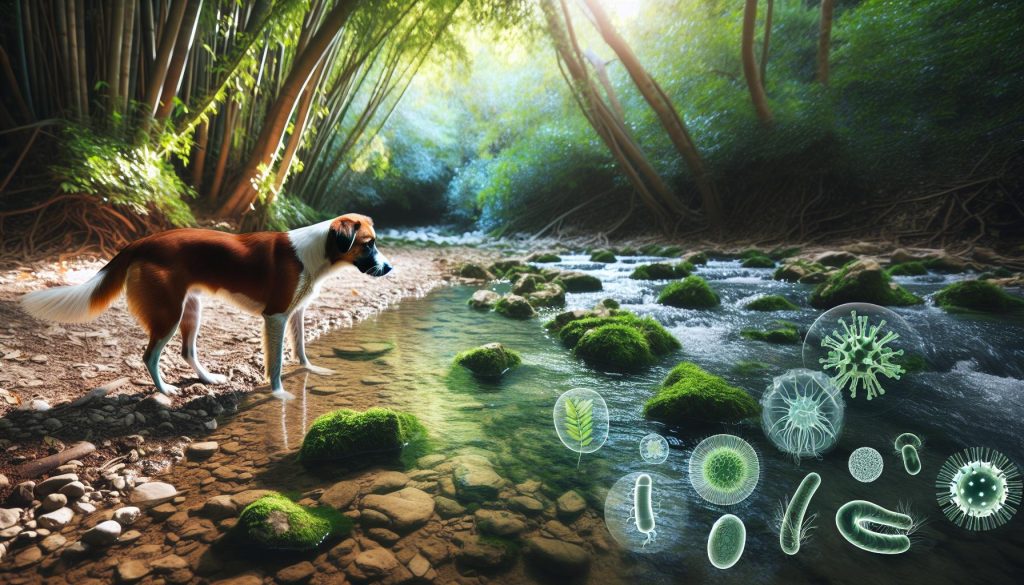
When taking your dog on adventures by rivers and creeks, it’s easy to overlook an essential question: is that water safe for them to drink? As tempting as it might be for our furry friends to lap up that fresh, cool creek water, there are hidden dangers lurking beneath the surface. From harmful parasites like giardia to bacteria that can lead to severe illness, drinking untreated water can pose serious health risks to your beloved pet. Understanding these potential dangers is crucial for every pet owner, whether you’re a first-time dog parent or an experienced handler. By being informed and taking practical precautions, you can ensure your dog enjoys their outdoor escapades without compromising their health. Join us as we explore the risks associated with creek water and offer actionable advice to keep your canine companion safe and happy.
Can Dogs Safely Drink Creek Water?
Canines are naturally curious creatures, and during outdoor adventures, they might be tempted to quench their thirst with water from creeks or streams. However, this seemingly innocent act can pose significant health risks. While not every body of water is contaminated, many creeks can harbor parasites and bacteria that can be harmful to your dog. Before allowing your furry friend to sip from natural water sources, it’s crucial to weigh the potential dangers against the allure of a cool drink on a hot day.
Understanding potential risks is vital for keeping your pet safe. Many creeks, especially those in rural or less-traveled areas, can be breeding grounds for harmful organisms. For instance, giardia, a common parasite found in stagnant and running water, can cause gastrointestinal issues. Dogs can also be exposed to bacteria such as leptospirosis, which leads to serious health complications. Moreover, water contaminated with fecal matter or runoff from agricultural areas can pose additional risks. While the occasional drink from a clean source may not lead to illness, it’s essential to be cautious.
To ensure your dog stays healthy while enjoying the great outdoors, always offer them fresh, clean water during trips. Keeping a portable water bowl or a collapsible canine water bottle can be incredibly beneficial. Additionally, monitor your dog closely when they are near creeks or other natural water sources. If you’re unsure about the safety of the water, opting for prepared water will always be the best choice. Providing your dog with proper hydration, especially during summer hikes, not only keeps them safe from potential contaminants but enhances their overall enjoyment of your adventures together.
Understanding Parasites in Creek Water

Many dog owners may not realize that a refreshing drink from a creek can expose their beloved pets to harmful parasites. One of the most common culprits in natural water sources is Giardia, a microscopic parasite that can lead to serious gastrointestinal issues in dogs. This organism thrives in both stagnant and flowing water, making it challenging to avoid in outdoor settings. When dogs drink contaminated water, they can become infected and may show symptoms such as diarrhea, vomiting, and abdominal discomfort, often leading to dehydration if not treated promptly.
Another concerning parasite to be aware of is Cryptosporidium, which can also inhabit creek water. Like Giardia, it causes gastrointestinal distress and is particularly resilient, often surviving even in chlorinated water. Moreover, these parasites are not species-specific; they can pose risks to humans as well, illustrating the importance of keeping both pets and their owners safe during outdoor adventures.
To protect your dog from these parasitic threats, consider taking practical steps during outdoor excursions. Always keep a close eye on your pet when around natural water sources. If your dog seems inclined to drink creek water, gently redirect them to safe, fresh water you provide. Carrying a portable water bowl or a collapsible bottle ensures that your dog stays hydrated without the risk associated with natural sources. Regular veterinary check-ups and prompt treatment of any gastrointestinal issues can also help catch infections early, keeping your canine companion healthy and happy during your outdoor explorations.
It’s crucial for dog owners, especially those with breeds that might be more susceptible to such illnesses, to be proactive in their care. Breeds with weaker immune systems, such as puppies or older dogs, may require additional vigilance. By fostering safe hydration habits and understanding the potential dangers of creek water, you can ensure that your outdoor adventures remain enjoyable and safe for both you and your furry friend.
Common Bacteria Found in Natural Water Sources

Many dog owners might be surprised to learn that drinking creek water can expose their pets to a variety of harmful bacteria. Just like parasites, bacteria thrive in natural water sources, and they pose significant health risks to our furry companions. For instance, one of the most common culprits is E. coli, which can be present in water contaminated by feces from animals or humans. This bacterium can lead to severe gastrointestinal issues in dogs, causing symptoms like diarrhea, vomiting, and even more serious complications such as kidney failure in extreme cases.
Another bacterium to be aware of is Salmonella, which can result from drinking contaminated water or eating infected food. Dogs infected with Salmonella may experience nausea, fever, and lethargy. In some situations, the bacteria may not only affect the dog but can also be transmitted to humans, making it a double threat for households with pets.
To minimize the chances of your pet encountering these harmful bacteria, it’s crucial to supervise them around natural water sources. Providing fresh, clean water during outdoor activities can significantly reduce the temptation for your dog to drink from creeks or ponds. It’s also advisable to avoid allowing them to swim or spend prolonged periods in stagnant water, which is often a breeding ground for bacteria and other harmful microorganisms. Regular veterinary check-ups are essential, especially if your dog shows signs of illness after a trip to a natural water source-prompt treatment can often prevent more serious health issues down the line.
Taking these steps not only protects your dog but ensures your outdoor excursions remain enjoyable and safe. By being proactive, you can minimize the risks associated with bacteria found in natural water sources and keep your furry friend healthy and happy on all your adventures.
Symptoms of Waterborne Illnesses in Dogs

Recognizing the is crucial for early intervention and treatment. Just like humans, dogs can suffer from various gastrointestinal and systemic issues after ingesting contaminated water. A common indicator that something is amiss is gastrointestinal distress, which can manifest as vomiting and diarrhea. If your dog suddenly begins to show lethargy, lack of appetite, or unusual behavior, it might be a sign they’ve consumed unsafe water.
Some specific symptoms to look out for include:
- Diarrhea: Often the first sign, this can range from mild to severe. Pay attention to the consistency and frequency.
- Vomiting: Accompanied by signs of distress or discomfort. It could occur shortly after drinking contaminated water.
- Lethargy: If your pup seems unusually tired or disinterested in play and walks, it may be due to an underlying issue.
- Fever: A potential sign of infection, this can occur with many waterborne pathogens.
- Dehydration: This can be indicated by dry gums, sunken eyes, or excessive thirst if they are unable to keep food or water down.
In particular, breeds such as Labrador Retrievers or Golden Retrievers, which are known for their enthusiasm in water, can be at higher risk due to their natural tendencies to swim and drink from lakes and streams. Keeping a close eye on these symptoms, especially after outdoor adventures, can be life-saving. Should you notice any of these signs, it’s essential to consult your veterinarian promptly. Early diagnosis can lead to better outcomes and prevent more severe complications. Always remember, safeguarding your pet’s health is as much about prevention as it is about response!
How to Protect Your Dog from Waterborne Dangers
Keeping our furry friends healthy is a constant concern, especially during outdoor adventures. Did you know that simply allowing your dog to drink from creek water can pose several risks? With potential contaminants like parasites and harmful bacteria lurking in natural water sources, proactive measures are essential to protect your pooch from these dangers.
One of the most effective ways to safeguard your dog is to provide fresh, clean water whenever you’re out. Investing in a portable dog water bottle or collapsible bowl can keep your pet hydrated and encourage them to drink from you rather than unknown sources. It’s also wise to train your dog to obey commands that discourage drinking from creeks and lakes. Positive reinforcement can go a long way! When your furry friend approaches a body of water, redirect their attention to you or a toy, praising them when they comply.
Being aware of your dog’s health is crucial. Certain breeds, particularly water enthusiasts like Labradors and Golden Retrievers, might be more susceptible to waterborne illnesses. Regular vet check-ups, including vaccinations for common waterborne pathogens, can provide an extra layer of protection. Keeping an eye on your dog’s behavior after they’ve been in or around water is vital; any signs of discomfort or unusual behaviors should prompt a visit to the vet.
Finally, it’s essential to educate yourself about the local water sources you and your dog often visit. Research any reported cases of contamination or illnesses linked to those bodies of water. Awareness can help you make informed decisions about where it’s safe for your dog to play and drink. By taking these preventive steps, you’ll help ensure that every outdoor outing is fun and safe for your canine companion!
What to Do if Your Dog Drinks Contaminated Water
If your dog drinks contaminated creek water, staying calm and taking immediate action is vital. While it’s concerning, knowing how to respond can make a significant difference. Contaminated water can harbor various parasites and bacteria that may lead to illnesses such as giardiasis, leptospirosis, or even more serious conditions.
The first step is to monitor your dog closely. Watch for any signs of distress, such as vomiting, diarrhea, lethargy, or abnormal behavior. If you notice any of these symptoms, it’s essential to consult your veterinarian as soon as possible. They may recommend bringing your dog in for an examination or treatment, depending on their condition. Here are some practical steps to consider:
- Hydrate with Clean Water: Ensure your dog has access to fresh, clean water. Hydration can help flush out toxins from their system.
- Collect Information: If you can remember what your dog drank, try to gather information on the water’s location. This info can be helpful for your vet in diagnosis and treatment.
- Keep Your Vet Informed: Provide your vet with details about where the water came from, your dog’s current health, and any changes you’ve noticed.
- Prevent Additional Exposure: Keep your dog away from natural water sources until you’re sure it’s safe. This also gives your pet time to recover without further risks.
If your dog seems fine after a day or two, it’s still a good idea to schedule a vet visit for peace of mind. Some infections can manifest days after initial exposure, so remain vigilant.
Remember that some breeds are more susceptible to infections due to their natural tendencies to explore water. Breeds like Labrador Retrievers and Golden Retrievers, which often love diving into water, may need extra care. Keeping these dogs hydrated while on adventures can help steer them away from potentially dangerous water sources. Actively engaging your dog with toys and commands can keep their attention off unfamiliar water bodies, reducing risks during outdoor activities.
At the end of the day, being prepared and informed is your greatest ally in ensuring your dog’s health and safety during outdoor adventures.
Tips for Safe Hydration During Outdoor Adventures
To ensure your dog stays well-hydrated during outdoor adventures while avoiding potentially dangerous creek water, it’s essential to plan ahead. Dogs, like humans, need to stay hydrated, especially when they’re active or exploring new environments. Providing them with fresh water is not only beneficial for their health but also helps steer them away from drinking contaminated sources.
One effective approach is to invest in a portable water bowl and a reliable water container. Look for collapsible bowls that are lightweight and easy to carry in your backpack. Whenever you take breaks during walks or hikes, make it a habit to offer your dog fresh water. This not only quenches their thirst but also reinforces good hydration practices. Additionally, consider the duration and intensity of your activities; longer excursions require more frequent water breaks to prevent dehydration.
It’s also a great idea to incorporate high-water-content foods in your dog’s diet on days of outdoor adventures. Treats like watermelon or cucumbers can provide hydration while serving as a tasty reward for your furry friend. Make sure you monitor their water intake, especially after strenuous activities, so they are drinking enough. If your dog usually loves exploring rivers or lakes, try redirecting their focus with toys. Using a favorite ball or stick can keep them engaged and minimize their urge to drink from natural water sources.
For different dog breeds, hydration needs can vary. Active breeds like Labrador Retrievers and Border Collies may need more water than less active breeds like Bulldogs. Understanding these differences will help you tailor your hydration approach. As a general rule, aim to offer water every 15-30 minutes during intense activity, and watch for signs of dehydration, such as panting, dry gums, or lethargy. With a little preparation and monitoring, you can ensure your dog enjoys their outdoor adventures safely and healthily.
Breeds Most Susceptible to Waterborne Illnesses
Certain dog breeds are inherently more susceptible to waterborne illnesses, especially when considering their natural inclinations and physical characteristics. Understanding these vulnerabilities can empower dog owners to take proactive measures while enjoying outdoor adventures, particularly near creeks, rivers, or lakes where water quality may be questionable.
Active breeds like Labradors, Golden Retrievers, and Border Collies find immense joy in splashing around and exploring water bodies. While their adventurous spirit is delightful, these breeds need particular caution. The same goes for breeds known for their strong instinct to forage and sniff around, such as Beagles and Coonhounds, making them more prone to accidentally consuming contaminated water during their escapades.
Additionally, smaller breeds, like Chihuahuas and Dachshunds, may inadvertently expose themselves to parasites if they venture into shallow waters where bacteria thrive. Their proportionately smaller body size means larger effects from toxins or pathogens that might not affect larger dogs as severely.
To help safeguard these susceptible breeds, consider the following practical steps:
- Regular Vet Check-ups: Ensure vaccinations against common waterborne diseases.
- Hydration: Always carry fresh water to discourage drinking from natural sources.
- Behavior Monitoring: Train to minimize water exploration, especially in untested areas.
- Post-Outing Care: Rinse your dog off after water play to wash away any harmful substances.
Being aware of breed-specific risks can help protect your furry companions from the potential dangers lurking in creek waters. Incorporating these strategies into your outdoor routine will not only enhance their safety but also make your dog outings more enjoyable and worry-free!
Recognizing the Signs of Water-Related Illness
It can be frightening to think that our furry companions could fall ill from something as seemingly harmless as creek water. Yet, es is crucial to ensuring your dog’s health. Much like us, dogs can suffer from a range of ailments after drinking contaminated water, and early detection can be key to effective treatment.
Watch for symptoms such as vomiting, diarrhea, or lethargy. These are often the first indications that something is wrong. If your dog seems unusually tired or shows a lack of interest in activities they usually enjoy, it might signal that their body is fighting off an infection. Additionally, persistent coughing or difficulty breathing could suggest more severe issues linked to waterborne pathogens. It’s essential to trust your instincts; if something feels off, a visit to the veterinarian is always a smart choice.
Certain breeds are more vulnerable to water-related illnesses due to their natural behaviors and physical characteristics. For instance, Labradors and Golden Retrievers, both of whom love to retrieve and swim, might be more likely to ingest contaminated water. Smaller breeds, such as Chihuahuas, may also suffer disproportionately from parasites because their smaller size can lead to more significant effects from toxins or pathogens.
When it comes to prevention, keeping a close eye on your dog during and after water activities is paramount. Establish a habit of rinsing your dog off with clean water immediately after they’ve played in or near creeks. This can help wash away potential contaminants and serve as a good opportunity to inspect their fur and skin for any unusual rashes or irritations. If your dog shows any of the symptoms mentioned, it’s advisable to consult your vet promptly, as early intervention can often lead to better outcomes. Remember, your attentiveness plays a vital role in keeping your canine companion safe and healthy during your outdoor adventures!
Preventive Measures for Outdoor Enthusiasts
When exploring the great outdoors with your dog, it’s not just about the adventure-it’s also about keeping them safe. Did you know that natural water sources, like creeks, can harbor parasites and harmful bacteria? To protect your canine companion from these risks, implementing preventive measures before and during outdoor activities is essential.
First and foremost, always provide your dog with access to clean, fresh drinking water. Carry a portable dog bowl and a water bottle when you head out, ensuring that your pup stays hydrated without resorting to creek water. Consider using a collapsible bowl for easy transport, which can make all the difference on long hikes. Additionally, you can train your dog to follow commands like “leave it” so they understand not to drink from unsafe sources.
Regular health check-ups are crucial, especially if your dog frequently visits natural water spots. Speak with your veterinarian about preventive vaccinations for waterborne diseases. Some vaccines can enhance your dog’s defense against illnesses that might be encountered through contaminated water. Ensure that your dog’s flea and tick prevention is up to date as well, as these parasites can also thrive in outdoor environments.
When your dog returns from a day of fun, make it a practice to thoroughly rinse them off with clean water. This not only removes dirt and potential contaminants from their coat but also gives you a chance to check for any rashes, ticks, or unusual spots. Create a post-outdoor checklist to streamline this process:
- Check their paws for debris or cuts.
- Inspect their coat for ticks and burrs.
- Rinse off with clean water.
- Monitor for any unusual behaviors or symptoms in the following days.
An excellent way to educate yourself about the risks associated with creek water is through firsthand stories from fellow dog owners. For instance, one outdoor enthusiast recalls a fun weekend camping trip that took a concerning turn when their Labrador started displaying symptoms after drinking from a nearby creek. Consulting a vet revealed that the pup had ingested a waterborne parasite, leading to an important conversation about prevention strategies for future outdoor excursions.
By being proactive and vigilant, you can ensure that your dog enjoys their outdoor adventures to the fullest while minimizing the risks associated with drinking creek water. Remember, your dog’s health and safety come first-everything else can wait!
Expert Insights: Veterinarian Recommendations
Veterinarians often emphasize the importance of safeguarding your canine friend from potential hazards, especially when nature calls them to drink from creeks or other natural water sources. Did you know that creeks can be a breeding ground for various harmful bacteria and parasites? These organisms can cause serious health issues, prompting many veterinarians to advise against allowing dogs to drink untreated water.
To keep your dog healthy during outdoor excursions, it’s essential to proactively address hydration needs. Always bring fresh, clean water for your dog and encourage them to drink from your supply instead of natural sources. Training commands like “leave it” can also be beneficial, helping your dog resist the temptation to drink potentially unsafe water. Regular vet check-ups are essential to discuss preventive vaccinations that can protect against diseases transmitted through contaminated water. For instance, leptospirosis is a significant concern and is preventable with specific vaccines.
### Recognize Symptoms Early
Familiarizing yourself with the symptoms of waterborne illnesses can be a lifesaver. Symptoms such as vomiting, diarrhea, lethargy, or loss of appetite can indicate that something is wrong. If your dog exhibits any of these signs after a day of drinking from a creek, consulting your veterinarian promptly is crucial.
### Practical Preventive Measures
In addition to monitoring your dog’s health, some practical measures can further reduce risks associated with drinking creek water. Regularly wash your dog’s paws and coat after outdoor adventures to eliminate any contaminants they may have picked up. Additionally, consider a flea and tick prevention regimen, since these pests can carry diseases that thrive in natural environments.
By integrating these veterinarian-backed strategies into your routine, you can ensure your dog enjoys the wonders of the great outdoors while minimizing potential health risks associated with creek water consumption. Keep your pup safe and happy by being informed and prepared; a little diligence goes a long way in protecting your furry friend!
Frequently Overlooked Risks of Natural Water Sources
Natural water sources like creeks might seem like a refreshing play area for dogs, but they can be hiding a multitude of risks that every conscientious pet owner should be aware of. Often underestimated, the water in these environments can harbor various parasites, bacteria, and other pathogens that pose significant health threats. For example, the presence of giardia and leptospirosis can be life-threatening, particularly to younger or unvaccinated dogs. Just a sip from contaminated water can lead to severe illness, so understanding the unseen dangers is crucial for every dog owner.
Among the overlooked risks is the variety of harmful substances that can leach into creek water. Chemical runoff from nearby agricultural areas, industrial sites, or urban pollutants can render water unsafe, with toxins adversely affecting a dog’s health. Furthermore, the bacterial flora can change based on seasons and weather patterns; after heavy rains, water bodies may be particularly hazardous due to runoff that carries pathogens into the water. Dog owners often focus on obvious threats but may neglect the potential for chemical contamination that can accompany natural water sources.
It’s not just illness that you should worry about; injuries are also a risk. Sharp rocks, sticks, and other debris can cause cuts and bruises, while strong currents can sweep an unsuspecting dog away. Even experienced swimmers can misjudge water conditions. It’s essential to supervise your dog closely near any open water, regardless of their swimming prowess.
To protect your furry companion, always provide fresh, clean water during outdoor activities and train them to resist the temptation of drinking from creeks. If your dog does drink from a natural source, closely monitor for symptoms such as vomiting or lethargy. In the event they show any signs of distress, seeking veterinary attention is critical to ensure their swift recovery. By being informed and prepared, you can help your dog enjoy outdoor adventures safely while minimizing the risks associated with drinking creek water.
Frequently asked questions
Q: Can drinking creek water make my dog sick?
A: Yes, drinking creek water can make your dog sick due to potential pathogens like bacteria and parasites, such as Giardia. It’s crucial to avoid letting your dog drink untreated water from natural sources to reduce health risks. Always bring fresh water for hydration during outdoor activities.
Q: What are the signs of illness in dogs after drinking contaminated water?
A: Signs of illness in dogs may include vomiting, diarrhea, lethargy, and loss of appetite. If your dog exhibits any of these symptoms after drinking creek water, consult a veterinarian promptly. Early intervention is key to preventing severe health issues.
Q: How can I tell if creek water is safe for my dog to drink?
A: Determine if creek water is safe by checking for clear, flowing water with no visible algae or debris. However, it’s best to err on the side of caution and provide your dog with filtered or bottled water to avoid potential contamination risks.
Q: Are certain dog breeds more at risk for waterborne illnesses?
A: Yes, some breeds, such as retrievers and water spaniels, may be more susceptible to waterborne illnesses due to their tendency to swim and play in water. It’s essential to monitor these breeds closely and prevent them from drinking untreated water sources.
Q: What steps can I take to protect my dog from parasites in natural water?
A: To protect your dog from parasites, always bring fresh drinking water on outdoor trips, avoid allowing your dog to drink from unknown water sources, and ensure they receive regular veterinary check-ups that include parasite screenings.
Q: Can I treat creek water to make it safe for my dog to drink?
A: While it is possible to use a portable water filter or purification tablets, these methods may not always be effective against all pathogens. It’s safer to provide your dog with fresh, filtered water instead of relying on treatment for creek water.
Q: What are common parasites found in creek water that can affect dogs?
A: Common parasites in creek water include Giardia and Cryptosporidium. These microscopic organisms can lead to gastrointestinal issues in dogs, causing diarrhea and vomiting. To minimize risks, prevent your dog from drinking from untested water sources.
Q: When should I take my dog to the vet after they drink creek water?
A: Take your dog to the vet if they show any unusual symptoms like vomiting, diarrhea, or extreme lethargy after drinking creek water. Prompt veterinary care can help address potential infections before they worsen.
Future Outlook
In conclusion, while the allure of creek water may be tempting for your furry friend, the dangers of parasites and bacteria make it a risky choice. Prioritizing your dog’s health means understanding safe hydration options. If you’re concerned about your dog’s drinking habits, consider exploring our detailed articles on “Safe Water Sources for Dogs” and “Recognizing Signs of Illness from Contaminated Water.”
Don’t wait for potential issues to arise-subscriber to our newsletter for expert tips and updates that keep your canine companion healthy and happy. Remember, when it comes to your dog’s wellbeing, a little caution goes a long way. Have questions or experiences to share? Leave a comment below; we love hearing from passionate pet owners like you! continued research on pet care is essential for responsible ownership, so check out our advice on breed-specific needs and outdoor safety tips. Stay informed, and keep your pup safe!


