
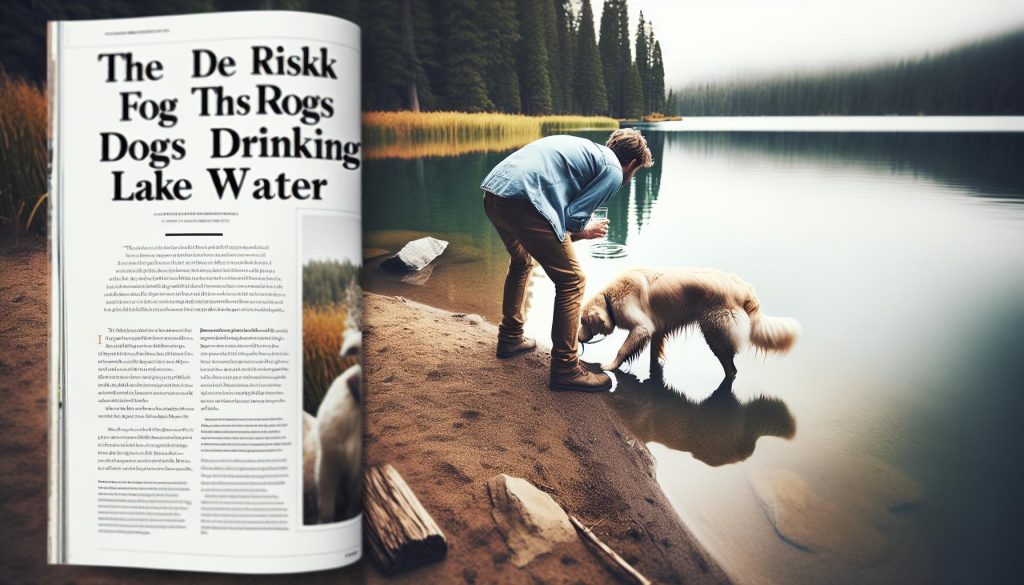
Did you know that many dogs love to splash in lakes and rivers during outdoor adventures? While it’s heartwarming to see your furry friend enjoy nature, it’s crucial to understand the hidden risks associated with drinking lake water. From harmful bacteria to toxic algae, these natural water sources can pose serious health threats to your canine companion. This article explores why your dog might be tempted to drink from these sources and the potential consequences of doing so. Whether you’re a seasoned pet owner or a new puppy parent, knowing how to keep your dog safe while enjoying the great outdoors is essential. Join us as we unravel the dangers lurking in lake water and provide practical tips to protect your pet’s health.
Can Dogs Safely Drink Lake Water?
While the sight of your dog joyfully splashing in a lake can be heartwarming, one significant concern arises: can your dog safely drink lake water? Unfortunately, the answer isn’t a simple “yes” or “no.” Lakes and other natural water sources can harbor a range of contaminants that pose health risks to your furry friend. Unlike clean, filtered tap water, lake water may contain harmful bacteria, parasites, and toxic algae.
The potential dangers start with bacteria such as E. coli and leptospirosis, which can lead to gastrointestinal issues and other serious illnesses. These bacteria can thrive in warm, stagnant water, especially when the environment is disturbed by wildlife or human activities. Moreover, algae blooms, sometimes a colorful sight, can be particularly menacing. Some types release toxins that affect your dog’s liver, nervous system, or even cause death-making it crucial to monitor water quality before letting your pet indulge.
Despite these risks, there are ways to keep your dog safe. Always supervise your dog when near water and encourage drinking from designated areas or providing fresh water from home. If your dog does drink from a lake, watch for symptoms of distress such as vomiting, diarrhea, or lethargy. Early detection is key to ensuring your pet’s health.
To foster safe enjoyment of outdoor water activities, consider carrying fresh water during outings and a collapsible bowl for your dog. This proactive approach not only safeguards against the perils of lake water but also encourages more enjoyable and worry-free adventures together. In essence, while the allure of a lake is appealing, being informed and cautious is paramount to keeping your canine companion healthy and happy.
Understanding the Hidden Risks of Lake Water
While basking in the sun by a serene lake might be the perfect getaway for both humans and dogs, it’s essential to recognize that natural water bodies can have hidden dangers lurking below the surface. Many pet owners are unaware that lakes may contain harmful contaminants that could jeopardize their dog’s health. Understanding these risks is critical to ensuring a safe and enjoyable outing for your furry friend.
Water in lakes is often less than pristine. It can harbor various pathogens, including bacteria and parasites that can lead to serious health concerns. The risk is particularly high in stagnant, warm water, making areas frequented by numerous animals-including wild ones-a potential breeding ground for harmful microorganisms. For instance, bacteria like E. coli and leptospirosis can be particularly troublesome, leading to gastrointestinal distress and other severe illnesses. What’s more, parts of the lake that may look inviting can be teeming with these infectious agents, especially near popular swimming or fishing spots.
Another significant threat comes from toxic algae blooms. Certain types of algae can produce harmful toxins that are absorbed through the skin or ingested by dogs when they drink contaminated water or lick their fur after a swim. These toxins can severely affect your dog’s liver or nervous system and can even prove fatal in some cases. Even clear-looking lakes can have hidden algae blooms, so it’s important to be vigilant. Always check local advisories about water quality in the swimming areas.
To mitigate these risks effectively, it’s advisable to keep a close eye on your dog while they enjoy their adventure. Opt for fresh water whenever possible, and encourage your pup to drink from a designated source rather than potentially contaminated natural bodies of water. Understanding the hidden dangers of lake water will empower owners to make informed decisions, safeguarding their beloved pets during those cherished outdoor excursions.
Common Bacteria in Lake Water: What to Know
There’s an undeniable allure to letting your dog take a dip in a refreshing lake, but many pet owners may not realize the hidden dangers that lurk within that seemingly pristine water. Lakes can be breeding grounds for various harmful bacteria that can pose serious health risks to your furry friend. Understanding these potential threats can help equip you with the knowledge to make safer choices and keep your dog healthy during outdoor adventures.
One of the most concerning bacteria you may encounter in lake water is E. coli, which often indicates fecal contamination. Your dog could ingest this bacterium simply by drinking the water or even while splashing around. Symptoms of infection include severe vomiting and diarrhea, which can lead to dehydration, particularly among smaller or elderly dogs. Another notorious pathogen is Leptospira, the causative agent of leptospirosis. This bacteria can affect a dog’s liver and kidneys, resulting in fever, muscle pain, and potential organ failure if left untreated. The risk of exposure tends to be higher in areas where wildlife frequently visits water sources.
To protect your dog from these bacterial threats, keep some practical tips in mind when exploring lakes and other natural water bodies:
- Monitor water quality: Before allowing your dog to swim, check local advisories regarding water quality, as some lakes may be seasonal hotspots for bacteria.
- Limit direct access: Whenever possible, keep your dog from drinking lake water. Bring fresh water along for your pup to drink during your outing.
- Be cautious after rain: Heavy rainfall can wash harmful substances into lakes, elevating the risk of contamination.
Awareness and preparation are key. As a proactive owner, you can significantly reduce your dog’s risk of bacterial infection while enjoying the great outdoors together. If your pup does have an accidental drink from the lake, watch for any unusual symptoms, and don’t hesitate to consult your veterinarian if you suspect exposure to harmful bacteria.
Dangerous Algae Blooms: A Toxic Threat to Dogs
Algae blooms can appear like a vibrant green carpet floating serenely on the water’s surface, but beneath their beautiful facade lurks a potential danger that every dog owner should be aware of. These blooms are often a sign of harmful cyanobacteria, also known as blue-green algae, which can produce toxins that are incredibly hazardous to pets. Even a small sip of contaminated water can lead to severe health issues, making it crucial for dog owners to recognize the risks associated with these blooms.
Cyanobacteria thrive in warm, nutrient-rich waters and can proliferate rapidly during the summer months. This rapid growth can create dense mats on the surface of lakes, estuaries, and ponds, obstructing sunlight and depleting oxygen levels in the water. Dogs are particularly at risk as they may inadvertently ingest harmful algae while playing, swimming, or even just splashing around. Symptoms of algae toxin exposure in dogs can include lethargy, vomiting, diarrhea, seizures, and in severe cases, liver failure-which can be fatal if not treated immediately. Certain breeds with a tendency toward liver issues, such as Labrador Retrievers and Doberman Pinschers, may be particularly vulnerable.
To keep your furry friends safe, it’s essential to be vigilant while enjoying outdoor water activities. Here are some practical steps to ensure your dog’s safety:
- Avoid discolored water: Stay away from lakes and ponds that appear green, brown, or have a foul odor. If it looks suspicious, don’t let your dog near it.
- Learn the signs: Familiarize yourself with local conditions and if advisories are in place regarding algae blooms in your area.
- Test the waters: Consider testing local waters for algae if you’re unsure of their safety before allowing your dog to swim.
Monitoring water conditions and staying informed can be critical in preventing exposure to these hazardous blooms. If you ever suspect that your dog has ingested contaminated water, it’s best to err on the side of caution. Please seek veterinary assistance right away, as early intervention can make a significant difference in outcomes. Safeguarding your dog while enjoying the great outdoors can lead to countless happy adventures without the looming threat of harmful algae blooms.
Symptoms of Contamination in Dogs
When your dog plays near a lake, it’s easy to let your guard down, especially on a hot day when they seem so joyful splashing around. However, drinking lake water can lead to serious health risks, and recognizing symptoms of contamination is crucial for any responsible pet owner. Dogs can exhibit a range of symptoms when they ingest toxic substances from contaminated water, and being aware of these signs can make all the difference.
One of the first symptoms you may notice is lethargy; your dog might seem unusually tired or unwilling to engage in their normal activities. If they begin vomiting or have diarrhea, especially if the stool appears abnormal or is discolored, it indicates they may have ingested something harmful. Additionally, watch for neurological symptoms such as tremors or seizures. In severe cases, contaminated water can lead to liver failure, a condition more prevalent in certain breeds like Labrador Retrievers or Doberman Pinschers. Recognizing these symptoms promptly can help ensure timely veterinary care.
It’s also important to note that these symptoms can appear within hours after exposure but can sometimes take longer to manifest. Thus, vigilance is essential; after a day at the lake, keep an eye on your pup for any sudden changes in behavior. If your dog’s condition worsens or you observe distressing symptoms, don’t hesitate to consult your veterinarian immediately.
To empower pet owners further, understanding the common symptoms of water contamination can help you act quickly. Here’s a quick checklist to keep handy during your outdoor adventures with your dog:
- Lethargy: Notice an unusual lack of energy?
- Gastrointestinal Issues: Vomiting or diarrhea, especially if persistent or severe.
- Neurological Signs: Any unusual trembling or seizures.
- Unexplained Behavioral Changes: Increased irritability or withdrawal from activities.
By staying informed and vigilant, you can enjoy your outdoor adventures without compromising your dog’s health. If ever in doubt, it’s always better to err on the side of caution and seek veterinary advice, ensuring your furry friend remains a happy and healthy companion.
How to Keep Your Dog Safe Near Water
Taking your dog to the lake can be a fantastic way to enjoy warm weather while letting your pup cool off. However, the excitement of splashing in the water shouldn’t overshadow the potential dangers that lie beneath the surface. To ensure your dog has a safe and fun outing, it’s essential to be well-prepared and vigilant.
Start by bringing fresh, clean water along with you. Offering your dog water to sip throughout the day can significantly decrease the chances of them drinking from the lake. Providing a designated space for your dog to hydrate not only helps keep them healthy but also discourages them from lapping up potentially harmful water. Additionally, consider using a portable water bowl that’s easy to carry on your adventures.
While at the lake, closely supervise your pup as they romp and play. Certain breeds, especially those bred for swimming, might be more prone to diving in and fishing around in murky water. Observe your dog’s behavior; if they dive into areas with visible algae or a strong odor, be ready to intervene. It’s essential to understand that even if it seems like a dog enjoys drinking lake water, they might be exposing themselves to harmful microbes or toxins. Training commands such as “leave it” or “come” can be invaluable in helping you guide them away from hazardous spots.
Be mindful of the conditions of the lake as well. Research any reports of harmful algae blooms or bacteria levels before heading out. If the lake has a posted advisory, heed those warnings seriously. Even if your dog is a strong swimmer, environmental hazards like sharp rocks or strong currents can also pose risks. During your visit, keep an eye out for signs of distress or exhaustion, particularly in breeds that aren’t natural swimmers.
Lastly, always have a plan for emergencies. Pack a pet-friendly first aid kit that includes items such as bandages, antiseptic wipes, and a contact list of local veterinarians. Familiarizing yourself with the nearest veterinary clinic can save valuable time if your pet exhibits any concerning symptoms after exposure to potential contaminants. By remaining proactive, you can enjoy days at the lake while keeping your dog safe and happy.
What to Do If Your Dog Drinks Contaminated Water
If you suspect your dog has taken a sip from contaminated lake water, don’t panic, but do take action promptly. The first step is to assess your dog’s immediate condition. Observe for any signs of distress such as excessive drooling, vomiting, diarrhea, lethargy, or unusual behavior. These symptoms can be indicative of various waterborne diseases or toxins, and recognizing them early can be crucial for a quick response.
Hydration is Key
Provide your dog with fresh, clean water to drink. Hydration can help flush out any harmful substances they may have ingested, minimizing the risk of serious health issues. Make sure they drink slowly to avoid further gastrointestinal upset. Additionally, you might consider monitoring their bathroom habits; if they struggle or their urine looks darker than usual, this may signal dehydration or other issues.
Contact Your Veterinarian
If your dog shows any concerning symptoms or if you know they ingested water with visible algae blooms or signs of contamination, contact your veterinarian immediately. Don’t hesitate to share information about the lake conditions and any observed symptoms; this can help your vet determine the best course of action. Your vet may recommend bringing your dog in for a check-up, where they can conduct tests and provide appropriate treatments.
Follow-Up Care
If your vet advises you to monitor your dog at home, keep a close eye on their behavior over the next few days. Ensure they have access to clean water and maintain a consistent feeding schedule using bland food to help their stomach settle. It’s important to keep your dog calm and rested during this period.
Equipped with these steps, you can help alleviate the risks associated with drinking contaminated lake water and ensure your furry friend remains healthy and happy. Remember, prevention is always the best approach, so staying vigilant while exploring waterways will go a long way in protecting your beloved pet.
Preventative Tips for Outdoor Adventures with Dogs
When planning outdoor adventures with your dog, it’s essential to prioritize safety, especially when it comes to bodies of water like lakes. It’s surprising to many just how quickly a fun day by the water can turn into a concerning situation due to the hidden dangers lurking beneath the surface. Taking time to understand how to keep your furry friend safe during these outings can significantly reduce the risks from bacteria, parasites, and toxic algae blooms.
To start off on the right paw, always monitor the water conditions before letting your dog take a dip. Check for any visible signs of algae blooms, murky water, or dead fish, which could indicate contamination. Encouraging your dog to drink from a portable water bowl that you bring along is a simple yet effective preventive measure. This ensures they stay hydrated without resorting to potentially hazardous lake water.
It’s also worth planning your adventures during times when the local water quality is typically better. Many parks and lakes often have water quality reports available online or through local authorities, which can provide invaluable information about safety conditions at any given time. Additionally, consider the seasonal risks associated with specific breeds. For example, flat-faced breeds like Bulldogs may struggle with heat and can be at risk if they overheat during summer outings.
Practical Outdoor Checklist
To ensure a safe and enjoyable trip with your canine companion, follow this preventative checklist:
- Bring fresh water and a portable bowl.
- Monitor water conditions-look for signs of contamination.
- Keep your dog on a leash when near water to prevent unsupervised drinking.
- Learn about the local wildlife and seasonal hazards in the area.
- Consult your veterinarian about your dog’s health and any breed-related sensitivities.
- Consider using doggy life jackets for safety during swims in open water.
In case of water exposure, shower your dog with clean water afterward to rinse away any contaminants. It’s all about balancing the joy of outdoor activities with the well-being of your pet. Remember that your dog relies on you for guidance and protection, especially in natural environments where hidden risks abound. Adopting a proactive approach not only enhances your outdoor experiences but fosters a lifelong, healthy bond with your canine companion.
Breed-Specific Sensitivities: Who’s at Risk?
It’s fascinating to note that certain breeds have specific sensitivities that can impact their health, especially when exposed to untreated lake water. Dogs, just like humans, vary in their responses to environmental factors based on their genetic backgrounds, which can influence everything from their immune responses to their susceptibility to certain pathogens. Understanding how these sensitivities manifest can empower owners to make informed choices during outdoor adventures.
For instance, Brachycephalic breeds, such as Bulldogs and Pugs, are particularly at risk not only from heat but also from the stress of potentially contaminated water. Their unique facial structures can impede breathing, making it difficult for them to cool down efficiently after romping in warm weather or swimming. This breed may also be more prone to infections after exposure to bacteria found in stagnant water due to their compromised respiratory systems. Regular monitoring of their activity levels and providing plenty of breaks to cool off can mitigate risk.
On the other hand, larger breeds like Labrador Retrievers and Golden Retrievers, known for their love of water, may face their own set of challenges. Their enthusiastic swimming and penchant for splashing can lead to swallowing larger amounts of lake water, increasing exposure to bacteria and toxins. Owners of these breeds should be proactive-training them to return to their portable water bowl can make a significant difference in minimizing the chances of ingestion.
Additionally, reactive breeds like Terriers and Herding breeds may also face risks. Their inquisitive nature can lead them to explore algae or dead wildlife near the water, which poses health hazards. Training and supervision can help prevent these curious pups from getting into trouble.
Ultimately, breed-specific knowledge equips dog owners with tools to protect their furry friends from the hidden dangers of lake water. Understanding these sensitivities can transform a potentially risky outing into a safe and enjoyable experience, allowing dogs and their humans to create memorable moments in nature. Always be mindful of the unique needs of your breed, equip yourself with knowledge, and ensure your adventures promote the health and happiness of your canine companion.
Making Informed Choices: Alternatives to Lake Water
While it’s tempting to let your dog enjoy a refreshing dip in a lake, it’s crucial to consider safer alternatives to lake water, which can harbor harmful bacteria and toxins. One study found that over 40% of lakes tested show some level of contamination, raising the stakes for our furry friends. Instead of relying on potentially contaminated water bodies, dog owners can provide clean, safe hydration and swimming options that will keep their pets healthy and happy.
One practical approach is to bring fresh water along during outdoor adventures. Investing in a portable dog water bottle or collapsible bowl makes it easy to ensure your dog has access to clean water wherever you go. During breaks from play, offer your dog a drink to keep them hydrated and less likely to drink from unsanitary sources. Additionally, consider using a canine-specific electrolyte solution for long hikes or hot days, as this can replenish vital nutrients lost through sweat and exertion.
When it comes to swimming, look for dog-friendly pools or designated swimming areas that are regularly maintained. Many community parks have splash zones or ponds designed for pets, ensuring that the water is treated and safe. If such facilities are unavailable, creating your own safe oasis in your backyard can be a great alternative. A small kiddie pool filled with fresh water can provide endless fun for your dog, allowing them to cool off and play without risking exposure to harmful contaminants.
Lastly, if you live near water bodies prone to algae blooms, always check for advisories before letting your dog swim or drink from those areas. By taking these steps, you’ll not only protect your pup from health risks but also create a fun-filled experience they can enjoy without worry. Whether it’s through hydration strategies, exploring dog-friendly facilities, or setting up a backyard pool, making informed choices helps ensure your adventures remain joyful and safe.
Consulting Your Veterinarian: When and Why
It’s a startling fact that dogs can experience serious health issues from drinking just a small amount of contaminated lake water. Many pet owners feel unsure about how to best protect their furry companions, especially after a fun day by the water. Consulting with your veterinarian is not just a good idea-it’s essential for keeping your dog healthy and happy. Your vet can provide tailored advice based on your dog’s individual health needs, breed characteristics, and lifestyle.
When should you reach out to your vet? If your dog has been swimming in or drinking from a lake, and you notice any unusual symptoms-such as vomiting, diarrhea, lethargy, or skin irritations-it’s crucial to get in touch. Even if your dog seems fine, regular check-ups can help preemptively catch any health issues that might arise from exposure to potentially hazardous water. This is especially important for breeds known to have sensitive stomachs or skin conditions, such as Bulldogs and Retrievers, who are often drawn to water.
Here are some questions to consider discussing with your veterinarian:
- What are the signs of waterborne illnesses? Understanding what to look for can help you act quickly if your dog shows signs of distress.
- How can I keep my dog hydrated in outdoor settings? Your vet can recommend safe hydration practices and products that suit your dog’s needs.
- Are there specific health screenings I should consider? Depending on your dog’s health history and activities, your vet may suggest vaccinations or regular health tests.
By forming a close relationship with your veterinarian, you equip yourself with knowledge that can help prevent health issues related to outdoor water exposure. If you’re ever in doubt about your dog’s wellbeing, don’t hesitate to reach out. It’s always better to be safe than sorry when it comes to protecting your beloved pet from hidden dangers.
Frequently Asked Questions
Q: Can drinking lake water cause long-term health issues in dogs?
A: Yes, ingesting lake water can lead to long-term health problems in dogs, especially if contaminated with harmful bacteria or toxic algae. Regular exposure can result in chronic gastrointestinal disorders, liver issues, or kidney damage. Always consult your vet if your dog shows any symptoms after drinking lake water.
Q: What types of bacteria are found in lake water that can harm dogs?
A: Common harmful bacteria in lake water include E. coli, leptospira, and campylobacter, which can cause severe gastrointestinal upset and other health complications in dogs. Preventing your dog from drinking untreated water can minimize exposure to these pathogens. For details, see our section on Common Bacteria in Lake Water.
Q: How can I recognize if my dog has ingested contaminated lake water?
A: Look for symptoms such as vomiting, diarrhea, lethargy, or loss of appetite. If your dog exhibits these signs after drinking lake water, consult a veterinarian promptly. You can find more information in the Symptoms of Contamination in Dogs section of our article.
Q: Are certain dog breeds more susceptible to illness from lake water?
A: Yes, some breeds may be more vulnerable to ailments caused by lake water due to their health history or physical characteristics. Breeds with pre-existing conditions may face higher risks. Refer to our Breed-Specific Sensitivities: Who’s at Risk? section for more specifics.
Q: What preventive measures can I take to ensure my dog stays safe near lakes?
A: To keep your dog safe near lakes, avoid allowing them to drink untreated water, supervise them while they swim, and have fresh water available. Familiarize yourself with the surroundings, especially after heavy rains, which can increase contamination risks.
Q: Is it safe for dogs to swim in lakes even if they don’t drink the water?
A: While swimming can be safe, dogs may inadvertently ingest lake water during play. It’s best to monitor their behavior and rinse them off after swimming to minimize the risk of exposure to bacteria and toxins.
Q: What should I do if I suspect my dog drank contaminated lake water?
A: If you suspect your dog has consumed contaminated lake water, immediately monitor for symptoms like vomiting or lethargy. Contact your veterinarian right away for guidance and possible testing, as prompt treatment can prevent severe health issues.
Q: Are there alternatives to lake water that are safe for dogs?
A: Yes, offering your dog clean, filtered water or bottled water is a safe alternative to lake water. Additionally, consider carrying portable water bowls during outdoor adventures to keep your dog hydrated without health risks. For more options, check our section on Making Informed Choices: Alternatives to Lake Water.
In Conclusion
As we wrap up our exploration of whether dogs can drink lake water and the hidden risks of bacteria and algae, it’s crucial to keep your furry friend’s health at the forefront of your mind. Always prioritize fresh, clean water for your dog, especially after outdoor adventures. If you’re looking for more ways to keep your pet safe, check out our articles on “Top Signs of Waterborne Illness in Dogs” and “Best Practices for Safe Outdoor Play with Pets.”
Don’t wait-your dog’s health is worth the attention now! If you have any lingering doubts or concerns, feel free to leave a comment below, and we can help you find the answers you need. For monthly tips and insights delivered right to your inbox, consider signing up for our newsletter. Together, let’s ensure our beloved companions stay happy and healthy!


