
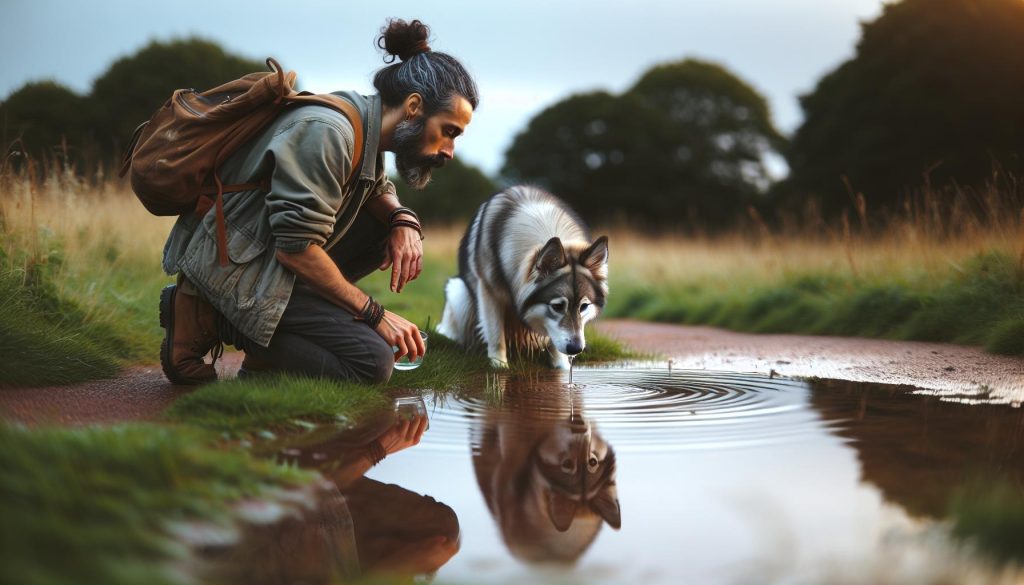
Did you know that dogs can be quite adventurous, often drinking from various outdoor sources, including puddles and rainwater? While it may seem natural for them to indulge, many dog owners wonder about the safety of rainwater, particularly regarding potential contaminants from urban runoff. Understanding these safety concerns is crucial for keeping your furry friend healthy and happy. Rainwater can pick up harmful substances like chemicals, bacteria, and pollutants as it flows over surfaces before reaching your pup’s eager tongue. This article delves into the risks associated with dogs drinking rainwater, providing you with valuable insights and practical advice to make informed decisions for your canine companion. By the end, you’ll feel confident in safeguarding your dog’s health, ensuring they enjoy both their adventurous spirit and their well-being. Let’s explore the topic together!
Can Rain Water Be Safe for Dogs?
While many dog owners may not think twice about their furry friends drinking rainwater, it’s essential to consider the safety of this seemingly pure source of hydration. Rainwater can collect contaminants from the environment, potentially making it unsafe for your pet. Depending on your location, the quality of rainwater can vary significantly, influenced by factors such as surrounding vegetation, roads, and buildings. This can result in runoff that carries pollutants like chemicals, bacteria, and debris, which can harm your dog.
In areas with heavy traffic or industrial activities, rainwater may contain harmful substances, including heavy metals and oil residue, that can pose serious health risks if ingested. Moreover, stagnant rainwater can be a breeding ground for parasites and harmful bacteria, leading to gastrointestinal issues if your dog drinks it. As pawesome as those puddles may look, always approach them with caution!
If your dog does show interest in drinking rainwater, it’s advisable to observe them carefully and consider these handy practices to ensure their safety:
- Monitor Behavior: Watch for any signs of distress or abnormal behavior after they consume rainwater.
- Provide Fresh Water: Always have clean, fresh water available to encourage your dog to drink from safer sources.
- Limit Access: Restrict access to puddles or standing rainwater, especially in urban areas or after storms.
By understanding the risks and taking protective measures, you can help ensure your dog stays healthy and hydrated safely, even during rainy weather.
Understanding Runoff and Its Risks
Rainwater, while often perceived as a natural and pure source of hydration, can be considerably tainted by runoff-a phenomenon that occurs when precipitation washes over various surfaces, collecting contaminants along the way. This isn’t just a minor concern; it’s crucial for pet owners to understand how runoff can endanger their dogs’ health. Contaminants can easily flow from roads, roofs, and gardens, carrying harmful substances into the puddles and streams that your dog finds so enticing.
In urban areas, especially, vehicles releasing oil and heavy metals can contribute dangerously to rainwater runoff. Even pesticides and fertilizers from residential yards can wash into standing water, creating a concoction of potential pollutants. As a concerned dog owner, you may encounter scenarios where your pup excitedly approaches a puddle after a storm, but it’s essential to remember that what may appear as a fun water source could harbor hidden dangers.
To mitigate these risks, proactive measures are essential. Start by observing your environment-if you live in a crowded area, consider keeping your dog away from puddles and stagnant water altogether. When out for a walk after rain, be mindful of where your dog is sniffing or drinking. Always provide them with fresh, clean water during and after outdoor adventures to minimize their temptation to drink from questionable sources. With a few thoughtful actions, you can certainly enjoy those rainy days without compromising your dog’s health.
Common Contaminants in Rain Water
Rainwater may seem like a fresh source of hydration, but it’s often a hidden trap for harmful contaminants that can pose serious health risks to our beloved dogs. With every raindrop that falls, pollutants previously settled on roads, rooftops, and landscaping are washed away, creating a cocktail of substances that may be toxic. Understanding what these common contaminants are can help you protect your furry friend during rainy seasons.
One of the most alarming contributors to rainwater contamination is *oil and heavy metals* from vehicles. In urban areas, rainwater runoff can carry substances like lead, zinc, and copper, leading to potential health issues if ingested by dogs. These metals can come from tires, brakes, and exhaust systems. Additionally, *pesticides and fertilizers* from gardens and lawns wash into puddles, posing further toxicity risks. You might not realize that these chemicals can cause gastrointestinal distress, neurological problems, or more severe health conditions over time.
Moreover, *bacteria* from animal waste can also contaminate rainwater. This is especially concerning in areas frequented by wildlife or other pets. Pathogens like E. coli can thrive in standing water, leading to infections. It’s important to note that even if the water looks clear, it could still harbor harmful microorganisms. Furthermore, decomposing organic matter can lead to the presence of *algal blooms*, which produce toxins harmful to both dogs and humans.
To keep your dog safe, vigilance is key. Here are a few practical steps to ensure their well-being:
- After a heavy rain, avoid letting your dog drink from puddles or standing water.
- Provide fresh, clean drinking water during and after your outdoor excursions.
- If your dog has access to areas where runoff is likely, consider rinsing their paws and fur after walks to minimize exposure to contaminants.
- Educate yourself about local runoff patterns, especially if you live near farms or industrial areas.
By being aware of these common contaminants and their sources, you can make informed decisions to prevent your dog from ingesting harmful substances. Remember, a little prevention goes a long way in safeguarding your dog’s health!
How Different Breeds React to Rain Water
Dogs are incredibly sensitive creatures, and their reactions to rainwater can vary significantly based on their breed and individual characteristics. While some breeds may enjoy splashing around in puddles, others might be more cautious about drinking rainwater, especially after a storm. Understanding these breed-specific tendencies can help you manage their water intake and overall health effectively.
Certain breeds, such as Labradors and Golden Retrievers, are known for their playful nature and a love for water. They might be less hesitant to drink from rainwater sources, often viewing it as an invitation to play. However, this carefree approach can be risky, as these dogs aren’t always aware of hidden contaminants that may be present. On the other end of the spectrum, breeds like the Shih Tzu or the Bulldog may be more discerning. They might avoid rainwater altogether, preferring to wait for a fresh bowl of water instead. This cautious behavior can be beneficial, protecting them from potential ingestion of harmful substances.
To help your dog stay safe, it’s important to develop good habits around rainwater. Here’s a simple checklist to consider for different breeds:
- Active Breeds (e.g., Labs, Retrievers): Supervise their playtime in the rain and discourage drinking from puddles. Provide fresh water immediately after outdoor activities.
- Small or Short-Nosed Breeds (e.g., Bulldogs, Pugs): Keep them indoors during heavy rainfall and ensure they have plenty of opportunities to hydrate with clean water.
- Older Dogs: Monitor their hydration levels closely, as senior dogs may have a harder time discerning safe drinking sources.
- All Dogs: After walks, rinse off their paws and fur to eliminate any contaminants they may have come into contact with.
It’s equally important to consult with your veterinarian regarding your dog’s specific needs and any concerns you may have about their response to rainwater. Personal experiences, combined with professional guidance, can empower you to make informed choices that prioritize your dog’s health and safety during rainy weather. By understanding the unique behaviors of different breeds, you can ensure that your furry companions stay hydrated safely, even when nature’s taps are running.
Signs Your Dog May Be Affected by Rain Water
When it comes to rainwater, many dog owners may not realize the potential impacts it can have on their furry friends. If your dog has taken a drink from a puddle or a rain-filled bowl, it’s important to be vigilant about any signs that they might be affected. The symptoms can vary depending on the contaminants present in the water, and being knowledgeable about them can help you act quickly to ensure your dog’s health.
One of the most common signs that your dog may be affected by rainwater is gastrointestinal distress, which might manifest as vomiting or diarrhea. If you notice your dog frequently needing to go outside or displaying changes in appetite, these could be indicators that they’ve ingested something harmful. Additionally, pay attention to any unusual lethargy or decreased energy levels, which could signal an underlying issue due to contaminants.
Furthermore, observe for skin irritations or rashes, especially if your dog has been playing in rain-soaked areas. This can be particularly prevalent in breeds with sensitive skin or those prone to allergies, such as Bulldogs or Schnauzers. Any signs of excessive scratching, biting at their paws, or redness on their skin should prompt a closer inspection. If your dog’s behavior changes, such as seeming more anxious or uneasy, it’s worth considering that they might be feeling unwell after drinking questionable water.
To protect your dog from potential rainwater effects, always offer them clean, fresh water after outdoor activities. This practice helps to prevent them from seeking out puddles or other dubious water sources. Regularly check your dog for symptoms related to any new water exposure, and if you notice any concerning signs, don’t hesitate to reach out to your veterinarian for guidance. Your proactive approach can make a significant difference in keeping your pet healthy and happy.
Best Practices for Allowing Water Intake
In the world of dog care, ensuring your furry friend stays hydrated and healthy is paramount, especially when it comes to their water sources. While rainwater might seem like a natural and appealing option on a gloomy day, it can come with potential risks due to contaminants often found in runoff. To safeguard your dog’s health, it’s essential to implement best practices for water intake, particularly when rainwater is involved.
One effective approach is to always provide fresh, clean water. After your dog has spent time outdoors, especially during or after a rain, offer them a bowl of fresh water. This encourages them to drink from safer sources and helps reduce their inclination to sample puddles or other questionable water. Ensure their water bowls are cleaned regularly to prevent the growth of algae or mold, which can also be harmful.
Another critical practice is to monitor the areas where your dog plays. During rainy seasons, certain locations might collect pollutants, making the water unsafe. For example, urban areas may have runoff from roads or nearby industrial activities, while rural locations might have agricultural runoff. Being aware of where your dog plays allows you to prevent them from drinking contaminated water.
Don’t forget about hydration options for specific breeds. Some dogs, especially larger breeds that are more active, may require more water than smaller or less active dogs. Be attentive to their drinking habits and adjust water intake as necessary. Keeping a hydration schedule, especially after exercise or playtime, is a great way to ensure they stay refreshed without turning to potentially unsafe alternatives.
Lastly, always keep an eye on their behavior after they’ve been exposed to rainwater. Look for signs of gastrointestinal distress or skin irritations, which may indicate they’ve ingested harmful substances. In case of any concerning symptoms, consult your veterinarian promptly for guidance. By adhering to these practical and proactive measures, you can help ensure your dog’s health and well-being while allowing them the freedom to enjoy their outdoor adventures.
Precautions When Letting Dogs Drink Outside Water
When outdoors, the temptation for our furry companions to sip any available water can lead to unintended consequences. While dogs often have an adventurous spirit and may seem eager to drink from puddles or streams, it’s essential to be mindful of the potential dangers lurking in that rainwater. Open water sources can contain harmful contaminants that pose serious risks to your dog’s health, so it’s crucial to implement precautions to keep them safe.
Firstly, always supervise your dog when they are near outside water sources. This is particularly important during and after rainstorms when runoff can carry harmful substances from roads, fertilizers, or animal waste into puddles and streams. By keeping a close eye on your dog, you can quickly intervene before they have a chance to drink something unsafe. If you notice your dog attempting to drink from questionable water, gently redirect them towards their fresh water supply.
Another significant precaution is to educate yourself about the locations where your dog frequents. Urban areas often face higher contamination risks due to runoff from streets and buildings, unlike rural settings where water may be cleaner but still carries risks from agricultural chemicals. Familiarize yourself with local parks or natural areas where your dog plays, and avoid letting them approach potential water hazards in these spots. If you’re uncertain about a location’s water quality post-rain, it’s best to err on the side of caution and keep your dog away from those areas.
Creating a routine for your dog’s hydration can also be immensely beneficial. Always bring fresh water along for walks and adventures, ensuring your dog has access to safe drinking options at all times. Having portable water bowls and purification systems for outdoor excursions can make it easy for you to provide your pup with clean water whenever needed. This proactive approach not only protects your dog from harmful contaminants but also reinforces healthy drinking habits.
Lastly, stay informed about the specific needs of your dog’s breed. Certain breeds may have different sensitivities or health issues that make them more vulnerable to contaminated water sources. For example, smaller breeds or those with pre-existing health conditions may require closer monitoring to ensure they aren’t consuming unsafe water. Consulting with your veterinarian about breed-specific hydration needs will enhance your understanding and help you provide the best care for your dog in varying environments. Enjoying outdoor adventures together is possible, as long as you take thoughtful precautions regarding their water intake.
Impact of Environmental Factors on Water Quality
When it rains, the droplets may appear pure and inviting, but the reality of water quality is often complicated by numerous environmental factors. You might be surprised to learn that rainwater can pick up a variety of contaminants before it even reaches the ground. For the health of our furry friends, understanding these factors is crucial, especially when it comes to preventing them from drinking potentially harmful rainwater.
Urban areas are particularly problematic. As rain falls, it washes over sidewalks, roads, and rooftops, collecting pollutants such as oil, heavy metals, and chemicals from vehicles and buildings. This runoff often accumulates in puddles-tempting spots for thirsty dogs. With greater exposure to contaminants like antifreeze and road salt, the likelihood of these pollutants entering your dog’s system increases, posing serious health risks. In suburban or rural settings, while the sources of pollution might differ, runoff from fertilizers, pesticides, and even animal waste can still contaminate rainwater, making vigilance essential regardless of your environment.
To better visualize and understand the impact of various factors, consider the following elements and their potential effects on water quality:
Environmental Factors and Their Impact
| Factor | Potential Contaminants | Health Risks for Dogs |
|---|---|---|
| Urban Runoff | Oils, heavy metals, chemicals | Gastrointestinal distress, poisoning, long-term health issues |
| Agricultural Runoff | Pesticides, fertilizers, animal waste | Gastroenteritis, liver and kidney damage |
| Industrial Areas | Chemicals, solvents, waste products | Serious systemic illnesses, nervous system issues |
In addition to these environmental factors, weather conditions play a significant role in water quality. For instance, intense rainfalls after a dry spell can lead to more severe contamination because contaminants have had more time to accumulate on surfaces. Furthermore, the temperature can influence the survival of pathogens, with warmer weather potentially increasing the risk of bacterial growth in standing rainwater. Always be mindful of the weather patterns in your area-if there’s been a sudden downpour, it’s best to keep your dog away from outdoor water sources for a while.
As responsible pet owners, it’s important to consider these environmental variables when assessing whether rainwater is safe for your dog. Regularly providing fresh, clean water, especially in unpredictable weather, ensures your companion stays healthy and hydrated, making outdoor adventures enjoyable and safe. By understanding the risks associated with rainfall and runoff, you can create a safer environment for your furry friend.
Alternatives to Rain Water for Hydration
Providing your furry friend with safe and clean water is crucial, especially when the rain seems tempting. While rainwater may look appealing, its quality can be highly compromised by various pollutants. Instead of risking your dog’s health by allowing them to drink rainwater, consider several alternatives that are not only safe but also beneficial for their hydration.
Fresh, filtered water is always the best option. Investing in a high-quality water filter can greatly improve the taste and purity of your dog’s drinking water by removing chlorine, heavy metals, and other impurities. Additionally, keep a supply of fresh water available at all times, especially during walks or outdoor activities. Portable water bowls are handy for trips to the park or on hikes, ensuring your pup has access to safe hydration on the go.
For a more interactive approach to hydration, some pet owners find that dogs enjoy ice cubes or frozen treats made from dog-safe ingredients. You can make frozen treats by blending peanut butter, yogurt, and fruit, pouring it into molds, and freezing them. These not only quench your dog’s thirst but also provide a fun and tasty reward, especially during warm weather.
If you live in an area prone to contamination from agricultural runoff or urban pollutants, consider using bottled water during questionable weather conditions. While this may be less environmentally friendly, it ensures that your dog remains health-conscious. Remember, regardless of the source, always check that the water stays fresh and fillings are clean to prevent any bacteria or mold growth.
Lastly, keeping your dog’s bowl washed and sanitized is essential. Wash it regularly to avoid bacteria buildup, and be mindful of any leftover water that could stagnate. Creating a routine for water changes-ideally at least once a day-can help keep their hydration source clean and safe.
By prioritizing these alternatives to rainwater, you help safeguard your dog’s health while keeping them happily hydrated. Always remember, when in doubt about the quality of water, err on the side of caution and offer them a guaranteed clean option instead!
Consulting Your Veterinarian: When to Seek Help
If you’ve ever spotted your dog eagerly lapping up rainwater during a drizzle or after a storm, you might wonder whether it’s safe for them to indulge that natural instinct. While most dogs will occasionally drink rainwater without immediate apparent issues, it’s crucial to monitor your furry friend’s health and behavior closely. Consulting a veterinarian can bring clarity and reassurance, especially if you have concerns.
When to consult your vet is a matter of both instinct and observation. If your dog shows unusual signs such as vomiting, diarrhea, or lethargy after drinking rainwater, it’s essential to seek professional advice as soon as possible. These symptoms might indicate that your dog has ingested harmful contaminants that could lead to dehydration or more severe health issues. Be prepared to provide your vet with details about your dog’s recent behavior, diet, and any environmental changes that might have occurred, as these factors can help in diagnosing potential problems.
Moreover, regular check-ups can provide an opportunity to discuss your dog’s hydration needs and any specific concerns about their environment. For instance, if you live in an area with heavy agricultural activity, your vet can advise you on risks related to runoff and how to ensure your dog remains healthy and safe. It’s also wise to inquire about vaccines or treatments that can help safeguard against waterborne diseases, especially if your dog frequents outdoor spaces where they might encounter contaminated water sources.
Remember, being proactive about your dog’s health by consulting a veterinarian not only addresses immediate concerns but also fosters a sound understanding of overall pet wellness. Building a supportive relationship with your vet can help ensure that you’re ready to make informed decisions regarding your dog’s hydration, keeping their safety at the forefront.
Real-Life Stories: Dogs and Rain Water Experiences
Many dog owners have a story about their pups gleefully chasing raindrops or slurping up rainwater. One owner shared how her Beagle, Daisy, absolutely loves rainy days, often racing outside the moment the first drops hit the ground. While it initially seemed harmless, she noticed some unusual reactions after Daisy indulged in her impromptu water parties. After a few rainy afternoons, Daisy developed an upset stomach, prompting her owner to consult a veterinarian. The vet explained that rainwater can carry contaminants from roads, sidewalks, and lawns, especially in urban settings. This simple anecdote illustrates a significant concern: what seems like innocent play can sometimes lead to health risks.
Another dog owner, a farmer living near a field treated with fertilizers, witnessed a startling situation. His Labrador, Max, would drink from puddles formed after rainstorms. Unfortunately, he became lethargic one afternoon, which led to a frantic trip to the vet. Tests revealed Max had ingested fertilizers from the runoff that collected in the puddles. Following this revelation, the owner learned the importance of creating a safe drinking environment for Max, steering clear of areas that might be affected by agricultural runoff. The experience emphasized the need for vigilance, particularly in rural areas where the environment can pose hidden threats.
To ensure your furry friend stays healthy while enjoying the outdoors, consider implementing the following practices:
- Monitor Water Intake: Always keep an eye on where your dog drinks, especially after rain.
- Provide Fresh Water: Ensure clean, fresh water is available at all times to discourage drinking from questionable sources.
- Vet Checks: Regular vet visits can help catch any issues early, especially if your dog has a penchant for drinking from outdoors.
- Educate Yourself: Understand the specific risks associated with your dog’s environment and how certain breeds might be more susceptible to waterborne illnesses.
Each dog is unique, and knowing their habits ensures they remain healthy while enjoying nature’s wonders. Rainwater can be a delightful, albeit risky, aspect of your dog’s adventures, but with attentive care and proactive measures, you can help protect their health while allowing them to revel in their instinct to explore.
Frequently Asked Questions
Q: Is rainwater safe for dogs to drink?
A: Rainwater can be safe for dogs if it’s collected properly and free from contaminants. However, runoff can introduce harmful substances like chemicals and pathogens. It’s best to assess the quality of the water and consult your veterinarian for specific guidance on allowing your dog to drink rainwater.
Q: What are the risks of runoff for dogs drinking rainwater?
A: Runoff can carry pollutants, including pesticides, heavy metals, and bacteria, which pose health risks to dogs. Before allowing your dog to drink rainwater, ensure it is collected in a clean environment and separated from areas with potential contaminants. This topic is discussed in detail in the article’s “Understanding Runoff and Its Risks” section.
Q: How can I tell if rainwater is contaminated for my dog?
A: Look for physical signs such as unusual color, odor, or debris in the rainwater. Musky smells or floating vegetation can indicate contamination. Avoid letting your dog drink from questionable sources. Refer to the “Common Contaminants in Rain Water” section for more thorough insights.
Q: Can certain dog breeds react differently to rainwater?
A: Yes, some breeds may have sensitivities to contaminants more than others. For example, breeds prone to skin issues might develop rashes after exposure to dirty rainwater. The article explores breed reactions in the “How Different Breeds React to Rain Water” section.
Q: What should I do if my dog shows signs of illness after drinking rainwater?
A: If your dog exhibits symptoms like vomiting, diarrhea, or lethargy, consult a veterinarian immediately. Quick action can help address potential issues caused by contaminated water. This is further elaborated in the “Signs Your Dog May Be Affected by Rain Water” section of the article.
Q: Are there any alternatives to rainwater for my dog’s hydration?
A: Yes, providing clean, filtered water from your tap or bottled water is preferable. Consider purchasing a dog water fountain to encourage drinking. Learn more about better hydration options in the “Alternatives to Rain Water for Hydration” section.
Q: How can I safely allow my dog to drink rainwater outside?
A: To ensure safety, always collect rainwater in a clean container, avoid areas prone to runoff, and regularly check for cleanliness. Establishing a safe drinking schedule can help manage exposure risks. For comprehensive strategies, see the “Best Practices for Allowing Water Intake” section.
Q: When should I consult a veterinarian about my dog’s reaction to rainwater?
A: If your dog shows any persistent signs of discomfort or illness after drinking rainwater, it’s crucial to consult a veterinarian. Timely intervention can prevent serious health issues. Refer to the “Consulting Your Veterinarian: When to Seek Help” section for guidance.
Future Outlook
As we’ve explored, while rainwater can seem like a natural option for hydration, it’s important to consider the potential risks associated with runoff contaminants that may harm your furry friend. Always prioritize clean, fresh water to ensure your dog’s health and safety. If you’re concerned about what your dog is drinking, check out our guides on “Safe Drinking Water for Your Dog” and “How to Create a Healthy Diet for Your Pet” for more insights.
Don’t wait for the next downpour-take the proactive step of ensuring your dog’s drinking water is safe today! Have thoughts or questions about your dog’s hydration? Share in the comments, and let’s keep the conversation going. For more valuable advice, subscribe to our newsletter for tips to elevate your pet care game. Together, we can create a healthier, happier life for our beloved companions!


