
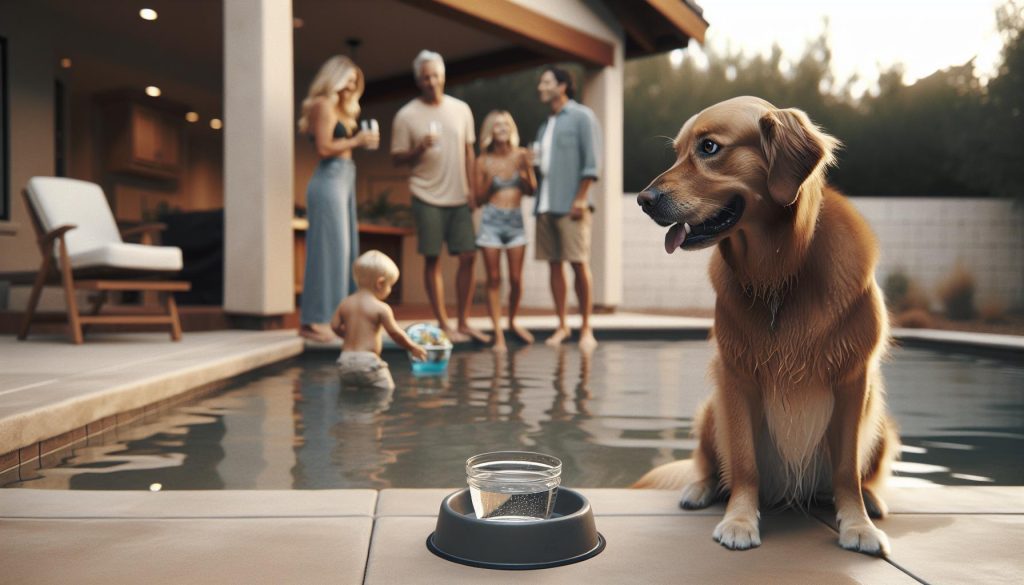
Did you know that many dogs find swimming and playing in pools irresistible? While it’s joyfully commonplace to see your furry friend splashing around, a nagging question looms: is it safe for them to drink pool water? Understanding the safety facts surrounding this topic is crucial for every dog owner, as ingesting chlorine or other pool chemicals can pose real health risks. In this article, we’ll dive into what you need to know about dogs and pool water-helping you keep your pup happy and healthy while enjoying summer fun. With practical tips, insights, and expert advice, you can ensure that splashing and sipping at the pool remain carefree for your canine companion. Stay tuned as we explore essential safety considerations and how to navigate this watery minefield!
Is Drinking Pool Water Safe for Dogs?

Drinking pool water may seem like a harmless habit for many dogs, but it can pose significant health risks. Most swimming pools contain a variety of chemicals, such as chlorine and algaecides, which are essential for maintaining water quality but can be harmful when ingested by your furry friend. Although some dogs may occasionally consume small amounts without immediate effects, habitual drinking can lead to gastrointestinal upset, lethargy, or worse conditions if the chemicals accumulate in their systems. Moreover, the presence of bacteria and pathogens-especially in improperly maintained pools-can cause infections or illnesses, making it crucial for pet owners to monitor their pets closely.
To safeguard your dog’s health, it’s wise to limit pool water consumption. Here are some practical tips that can help:
- Provide Fresh Water: Always have a bowl of clean, fresh water nearby to encourage your dog to hydrate properly.
- Monitoring: Keep an eye on your dog while they’re swimming. If you notice them trying to drink from the pool, gently redirect them to fresh water.
- Training: Consider basic training techniques to teach your dog to avoid drinking pool water. Use positive reinforcement when they choose to drink fresh water instead.
- Fencing and Barriers: Install barriers around the pool or an extra layer of supervision to keep your dog away from the pool when you’re not around.
Understanding your dog’s behavior is crucial. Some dogs love the taste of pool water or find it refreshing, especially on hot summer days, while others may be indifferent. Regardless, creating an environment where your pet can enjoy the water safely will lead to more enjoyable and stress-free swim sessions for both of you. If you ever notice unusual symptoms like vomiting, diarrhea, or lethargy after swimming, it’s essential to consult your veterinarian immediately. Keeping your dog safe around water is not just about supervision; it’s about education and proactive care too.
Understanding the Risks of Pool Water

Drinking from the pool may be a seemingly innocent act for many dogs, but it can lead to concerning health risks. Pools are typically treated with various chemicals, including chlorine and algaecides, specifically designed to maintain cleanliness and prevent algae growth. While these substances are effective for keeping the water safe for human swimmers, they can be detrimental for dogs. Regular ingestion of pool water can irritate your dog’s gastrointestinal tract, leading to symptoms such as vomiting and diarrhea. Furthermore, some dogs may experience more severe reactions, especially if they drink significant amounts or if the pool water contains harmful bacteria due to poor maintenance.
To truly grasp the potential dangers, consider the distinctive behaviors of your pet. For instance, some dogs might jump in and gulp down water, especially when playing enthusiastically in the heat. This behavior can dramatically increase their exposure to the pool’s harsh chemicals. If your dog has a history of digestive issues or is particularly small, it’s crucial to be even more vigilant, as these dogs may experience stronger effects from pool chemicals.
When you’re poolside, make sure to keep your eyes on your furry friends. If you start to notice them slurping up pool water, it’s particularly important to intervene gently and redirect them to a bowl of fresh water that’s readily available. It can also be helpful to educate your dog against drinking pool water; this could be as simple as saying “no” firmly and rewarding them when they choose to drink from their water bowl instead. By actively preventing your dog from drinking pool water and understanding the associated risks, you can promote a safer and more enjoyable summer experience for both of you.
Common Pool Chemicals and Their Effects

Many pet owners don’t realize that the chemicals used to keep pools sparkling clean can have adverse effects on our furry friends. Knowing the potential risks associated with these substances can be crucial for maintaining your dog’s health and happiness during fun-filled summer days by the pool.
Pool water is typically treated with chlorine, which is intended to kill bacteria and keep the water clear. While this is effective for human swimmers, chlorine can cause gastrointestinal irritation in dogs when ingested. Symptoms might include vomiting, diarrhea, and discomfort. Additionally, more concentrated forms of chlorine or poorly maintained pools can introduce potentially harmful bacteria or even algae, further amplifying the risks for your dog. Dogs that enjoy splashing and submerging their heads are particularly at risk, as they may inadvertently gulp down larger amounts of treated water while they play.
Another common chemical found in pools is algaecide. While it serves to prevent algae growth, its ingestion can pose additional health risks to dogs, who may react more severely if they consume even small amounts. Some dogs tend to be more sensitive than others; for example, breeds like Bulldogs or Pugs, known for their sensitive stomachs, may experience stronger reactions to these chemicals.
To mitigate these risks, it’s essential to monitor your dog closely when they’re near the pool. Providing them with a fresh bowl of water nearby can help redirect their drinking habits away from the pool. You can also teach them commands to discourage drinking pool water, balancing love and discipline. This proactive approach not only protects your pet’s health but also ensures everyone enjoys splashing around in a safe, fun environment.
Signs Your Dog Is Unwell After Swimming
Recognizing the signs that your dog may be unwell after swimming is crucial for ensuring their safety and well-being, especially after they’ve had access to pool water. Dogs love to romp around and splash, but they can also be prone to health issues if they ingest pool water treated with harsh chemicals. Keeping an eye out for specific symptoms can help you intervene early and prevent further complications.
One of the first signs to watch for is gastrointestinal distress. If your dog begins vomiting, has diarrhea, or shows signs of discomfort (like pacing or whining), they could be reacting to the chemicals in the pool water. Additionally, if your furry friend starts pawing at their mouth or drooling excessively, it may indicate that they’ve ingested something irritating. Other potential symptoms include lethargy and loss of appetite, which can be particularly concerning if they persist for more than a few hours.
### What to Do If You Notice Symptoms
If you observe any warning signs after your dog has been swimming, take immediate action. Here are a few steps you can follow:
- Provide fresh water: Ensure your dog has access to clean, fresh water to help flush out any chemicals.
- Monitor their behavior: Watch closely for worsening symptoms or new developments like shaking, seizures, or unusual aggression.
- Consult a veterinarian: If symptoms persist or you’re concerned about their health, reach out to your veterinarian promptly for advice.
Certain breeds may exhibit more pronounced reactions due to their unique physiology. For instance, smaller, brachycephalic breeds like Bulldogs and Pugs may be more sensitive to chemical ingestion, leading to faster manifestations of gastrointestinal distress. On the other hand, larger breeds may take more time to show symptoms, so it’s imperative to remain vigilant regardless of your dog’s size or breed.
Being proactive about your dog’s swimming habits and potential exposure to pool water can enhance their enjoyment of summer while ensuring their health remains a top priority!
How to Keep Your Dog Safe Around Pools
Keeping your furry friends safe around pools is essential, especially as summer days get hotter. While many dogs adore splashing around in water, pools can pose several risks, particularly regarding the chemicals used in pool maintenance and the potential for accidental drownings. To ensure your dog enjoys the water safely, implementing a few practical safety measures can make all the difference.
Firstly, it’s crucial to train your dog on how to enter and exit the pool safely. Consider installing a dog-friendly ramp or stairs that allow them to access the pool without struggling. This not only helps prevent injuries but also reduces the chances of them panicking if they end up in the water unexpectedly. Additionally, always supervise your dog while they’re near the pool. Even strong swimmers can tire easily or may get into trouble, so keeping a watchful eye is important.
Another aspect of pool safety involves managing your dog’s exposure to chemicals. Dogs are naturally curious and may be inclined to drink pool water, which can contain chlorine and other harmful substances. To discourage this, you might want to create a clear boundary around the pool area or provide fresh water nearby, making it easy for them to hydrate safely. Offering a shallow kiddie pool for them to play in can also encourage them to stay away from the main pool, giving them a safe space to enjoy the water without the risks involved.
Finally, remember that certain breeds have specific considerations regarding pool safety. For instance, brachycephalic breeds (like Pugs and Bulldogs) may struggle with swimming due to their short snouts and tendency to tire quickly. Keeping this in mind, it can be beneficial to consult with your veterinarian for tailored advice on ensuring safe swimming experiences for your particular breed. Being proactive and informed allows you to enjoy sunny moments by the pool while keeping your beloved dog safe and sound.
Alternatives to Pool Water for Hydration
Dogs love to splash around in water, especially on hot summer days, but when it comes to hydration, it’s essential to know that not all water is created equal. Pool water, often treated with chemicals such as chlorine, can pose real health risks to your canine companion. So, what are the best alternatives to keep your furry friend hydrated and happy while avoiding the perils of drinking from the pool?
One of the easiest and healthiest options is to provide fresh, clean water in a bowl or a water dispenser. Make it a habit to offer your dog fresh water frequently, especially after swimming sessions, to encourage them to hydrate properly. For those particularly hot days, consider using a water fountain designed for pets. These keep the water flowing and cooler, enticing dogs to drink more. Adding ice cubes or using a cooling mat nearby can enhance the appeal, turning hydration into a refreshing experience!
Another fun alternative is hydrating dog treats. You can prepare or buy treats that incorporate water-rich foods such as watermelon or cucumbers. Many dog owners have found success with homemade frozen treats, made from pureed fruits mixed with water and poured into molds-just be sure that the ingredients are safe for your dog. Not only do these keep your pup cool, but they also serve as a delicious and nutritious way to increase their water intake.
For dogs that enjoy the taste of water from unusual sources, consider providing a shallow kiddie pool filled with fresh water. This can give them a safer option for splashing around and cooling off without the risks associated with chlorinated water. Just ensure the pool is shallow enough for your dog to stand comfortably while preventing them from drinking any potentially harmful substances.
By keeping a variety of hydration alternatives at hand and monitoring your dog’s water intake, you can help ensure they stay well-hydrated and avoid the risks associated with drinking pool water. A little creativity and preparation can go a long way in not just keeping your dog safe but also ensuring they have a fun and healthy time in the sun!
Breed-Specific Considerations for Pool Safety
When it comes to pool safety, it’s crucial to remember that not all dog breeds are equipped to handle swimming or the hazards associated with pool water in the same way. Some breeds have natural swimming instincts, while others may find themselves in precarious situations due to their physical characteristics or temperament. For example, breeds like Labradors and Golden Retrievers thrive in water, often showing great enthusiasm for swimming. In contrast, brachycephalic breeds such as Bulldogs and Pugs may struggle not only with swimming but also with swimming-related fatigue due to their shorter snouts and breathing challenges.
Understanding Breed-Specific Needs
Different breeds also have varying levels of energy and tendencies that influence their interaction with pools. High-energy breeds like Border Collies can become overly excited and may dive into the pool, increasing their risk of ingesting pool water indiscriminately. To ensure these energetic pups enjoy their time safely, consider designating pool access times and providing sufficient play and exercise alternatives. Meanwhile, calmer breeds may need more encouragement to enter the water, so gentle introducitions to the pool can help them acclimate without panic.
For less experienced swimmers, it’s important to consider specific measures to keep them safe. Here’s a quick guide:
| Breed Type | Swimming Ability | Safety Recommendations |
|---|---|---|
| Labrador Retriever | Natural Swimmers | Supervised swimming; consider life jackets for longer periods. |
| Bulldog | Poor swimmers | Always supervise; use flotation devices; limit time in water. |
| Poodle | Good swimmers | Encouragement and supervision; teach safe entry/exit. |
| Pug | Poor swimmers | Supervise closely; provide shallow areas only. |
Implementing Safety Precautions
Whichever breed you have, establishing rules for pool access can be beneficial. Use gates and barriers to limit access, and always supervise your dog around the pool, regardless of their swimming ability. Training your dog on how to enter and exit safely is another vital step. Teaching commands such as “out” or “back” can be lifesavers.
Lastly, after swimming sessions, hose your dog down to remove any chlorine or chemicals from their fur, especially for breeds prone to skin sensitivities. Keeping an eye on their behavior is essential-if you notice any signs of discomfort or illness after swimming, such as lethargy or unusual coughing, consult your veterinarian to rule out any related health issues.
By tailoring your pool safety measures to your dog’s unique breed characteristics, you can create a fun and secure environment for water play while minimizing the potential risks associated with pool water.
Preventing Your Dog from Drinking Pool Water
One of the most concerning things for dog owners during pool season is their furry best friend being tempted to sip on pool water. With its chemical content and potential contaminants, it’s crucial to prevent dogs from drinking water that’s not intended for them. Here are some effective strategies to ensure your dog enjoys pool time without the risks of drinking pool water.
To begin with, providing fresh and clean drinking water close to the pool can significantly deter your dog from indulging in the chemically treated water. You might make this resource appealing by using a bowl your dog loves or by continually refreshing the water. Additionally, you could invest in a pet fountain, which offers a continuous stream of fresh water, capturing your dog’s interest and encouraging them to hydrate properly without resorting to the pool.
Incorporating training commands can also make a huge difference. Use commands like “leave it” or “no drink” to help your dog understand they cannot drink from the pool. Consistently rewarding them with praise or treats when they obey can reinforce this behavior. Some owners even find success with deterrents such as sprays or noise devices that prompt dogs to steer clear of the pool’s edge.
Establishing clear boundaries is another vital step. Use gates or buoyant pool noodles to create a physical barrier that limits access to the pool area when you cannot supervise closely. This helps keep curious pups from slipping in and inadvertently lapping up pool water while playing or exploring. Also, a well-planned poolside routine-where dogs have designated play areas away from the pool-can encourage healthy behaviors, emphasizing fun without focusing on the water.
Monitoring your dog’s behavior and keeping an eye out for any signs of them attempting to drink from the pool can also ensure their safety. This proactive approach, combined with consistent training and preventative measures, can significantly reduce the chances of your dog drinking pool water, keeping them healthy and happy all summer long.
When to Consult a Veterinarian About Pool Water
It’s essential for dog owners to be vigilant about their furry friends’ health, especially during summer when many dogs are spending time around pools. If you suspect your dog has ingested pool water, knowing when to seek veterinary assistance can be critical. Pool water often contains chemicals like chlorine, which can upset your dog’s stomach or lead to more serious health issues.
Watch for signs of distress after your dog has been in or around the pool. Common symptoms include excessive drooling, vomiting, diarrhea, lethargy, or any unusual behavior. If your dog exhibits these symptoms, especially within a few hours of exposure to pool water, it’s time to consult your veterinarian. They can evaluate the situation and indicate whether treatment or observation is necessary.
In some cases, specific breeds may have different sensitivities to pool chemicals. For instance, smaller breeds might be more susceptible to dehydration and chemical exposure due to their size. If you have a breed known for having sensitive stomachs or skin (like Bulldogs or Pugs), proactive monitoring becomes even more crucial. When in doubt, don’t hesitate to reach out to your vet, as they can provide personalized advice based on your dog’s health history.
Lastly, if you notice any signs of corrosion or irritation around your dog’s mouth or paws, or if they develop a rash after swimming, seek veterinary care. Certain chemicals can cause chemical burns or skin irritations, which require immediate attention. Prioritizing your dog’s health ensures they can enjoy the summer fun while staying safe around the pool.
Dog-Friendly Pools: What to Know
Creating a dog-friendly pool environment not only allows for safe summer fun but also helps keep our furry friends hydrated and healthy. While it’s essential to discourage dogs from drinking pool water, it’s just as important to understand what makes a pool safe and enjoyable for them.
One significant factor to consider is the type of pool chemicals used. Traditional chlorine pools can be harsh on a dog’s skin and stomach. Opting for saltwater pools may be gentler, as they tend to have lower levels of chlorine despite still being a chemical environment. Regardless of the pool type, regularly monitor the chemical levels and ensure they are safe not only for humans but also for pets. Consider testing the water with pet-friendly kits to minimize potential exposure.
Another great idea is to incorporate a designated, pet-friendly area within your pool setup. This could simply be a small kiddie pool filled with clean, non-chlorinated water where your dog can splash and cool off without the risk of ingesting harmful chemicals. Additionally, create shaded spots around the pool where your dog can retreat from the sun, particularly for breeds that are more susceptible to overheating, like Bulldogs or Pugs.
For an added layer of fun and safety, consider using dog-friendly flotation devices, enabling them to enjoy the water while preventing accidental submersions. Teaching your dog to swim safely and helping them become accustomed to being in and around water can significantly reduce panic and anxiety during swim time. This not only promotes relaxation but also enhances their overall swimming experience.
Lastly, always supervise your dogs around the pool. Even if they are excellent swimmers, there is always the potential for accidents. Keeping a close eye enables you to address any signs of stress or distress immediately. By taking these precautions and being aware of your dog’s needs, you can create a summer paradise that keeps them safe, happy, and hydrated.
Tips for Safe Summer Fun with Your Dog
As summer beckons with its warm sunshine and inviting pools, both you and your dog are ready to dive into some fun! However, keeping your canine companion safe and happy requires thoughtful preparation to ensure that your water-play experiences are both enjoyable and secure. It’s essential to not only supervise your dog while they’re playing but also to create a safe swimming environment tailored for their needs.
One of the key strategies for safe summer fun is setting boundaries around the pool area. Installing a secure pool fence is crucial to prevent accidental falls into the water. Ensure that gates are always closed and latched. For breeds like Labrador Retrievers that are natural swimmers, consider adding a dog ramp or steps, allowing easy access for both entering and exiting the pool. This minimizes the chance of your dog becoming tired and struggling to escape, which can lead to panic.
In addition to physical barriers, offering a sheltered space where your dog can cool off and relax away from the direct sunlight is invaluable, especially for brachycephalic breeds such as French Bulldogs. Heat exhaustion can be a serious issue; ensure access to fresh, clean water at all times and encourage regular breaks from swimming. You might even consider creating a dedicated splash zone with non-chlorinated water-like a kiddie pool-where your dog can enjoy playtime without the risks associated with pool chemicals.
Moreover, always keep an eye on your dog during swim sessions. Look for signs of distress or fatigue, and know that it’s normal for some dogs to swim more gracefully than others. Regularly praising and rewarding your dog for navigating the pool correctly will build their confidence while reinforcing positive behavior. Incorporating fun game elements, like fetching floating toys designed for dogs, can turn pool time into a rewarding and entertaining experience.
By blending safety measures with enjoyable activities, you’ll create lasting memories with your furry friend in the sun all summer long. Remember, informed and proactive care ensures that pool time is a delight, promoting both fun and welfare as you bond over all that splashing!
Educating Friends and Family About Dog Safety
It’s important to understand that while our beloved dogs are often curious and adventurous around water, they need proper guidance and education to stay safe, especially around swimming pools. The reality is that many dog owners may not realize the risks associated with their furry friends drinking pool water or the exposure they have to chemicals used in maintaining pool hygiene. Educating friends and family about these safety concerns can not only safeguard your pets but also ensure a harmonious environment for everyone involved.
Begin by sharing information on the risks of pool water consumption. Explain that pool water may contain chlorine, bromine, and other chemicals that, while safe for humans at low levels, can upset a dog’s stomach or even lead to more serious health issues if ingested in large amounts. You could also mention how chemicals can cause skin irritations, especially for sensitive breeds like Dachshunds or Bulldogs. Utilize friendly reminders that emphasize supervision-letting guests know that as engaging as they find your dog around the pool, it’s essential to keep an eye on them to prevent any mishaps, including accidental falls or drinking pool water.
Creating a fun, communal learning experience is another effective strategy. Host a gathering where you can demonstrate how to create a safe space for dogs around the pool. You could set up a mini training session, teaching how to recognize signs that a dog is feeling unwell or stressed after swimming. For example, panting, excessive shaking, or low energy are cues that the water play might need to stop. Encourage friends and family to bring their dogs and engage in interactive games that can educate both humans and canines alike. Introduce dog-friendly alternatives to the pool, such as kiddie pools filled with fresh water, and explain why this is a safer option for hydration during playtime.
Lastly, consider creating a visual guideline-a simple chart or infographic that highlights tips for keeping dogs safe around the pool. Include dos and don’ts, such as “Always provide fresh water to drink,” “Supervise swimming sessions,” and “Know your dog’s swimming abilities.” Having a physical reminder posted in a common area can reinforce these important messages and spark conversations about the best practices for dog care during those sunny days spent by the pool. By prioritizing education and vigilance, you can create a safer environment for every four-legged friend in your circle.
Faq
Q: Can drinking pool water harm my dog?
A: Yes, drinking pool water can harm your dog. Pool water often contains chemicals, such as chlorine, that can upset your dog’s stomach or lead to more severe health issues. It’s important to monitor their behavior and provide them with fresh, clean water instead.
Q: What are the symptoms of pool water poisoning in dogs?
A: Symptoms of pool water poisoning in dogs include vomiting, diarrhea, lethargy, and excessive drooling. If you notice these signs after your dog has been in the pool, consult a veterinarian immediately for appropriate care and diagnosis.
Q: How can I stop my dog from drinking pool water?
A: You can discourage your dog from drinking pool water by providing plenty of fresh water nearby and training them to avoid the pool edge. Consider using barriers or fencing to restrict access to the pool area when unsupervised.
Q: Are certain dog breeds more affected by pool water chemicals?
A: Yes, some breeds, particularly those with sensitive stomachs or skin, may be more affected by pool water chemicals. Breeds like Bulldogs or those with flat faces may have a higher risk of developing respiratory issues or skin irritations from pool chemicals.
Q: Is it safe for dogs to swim in chlorinated pools?
A: Swimming in chlorinated pools can be safe for dogs if precautions are taken. Ensure your dog doesn’t drink pool water and rinse them off after swimming to remove chlorine. Observe them for any signs of discomfort or illness post-swim.
Q: What alternatives are safe for my dog to stay hydrated at the pool?
A: Safe alternatives include bringing a portable bowl filled with fresh water and providing ice cubes for your dog to chew on. This encourages hydration without the risks associated with pool water.
Q: How often should I let my dog swim in a pool?
A: Limit your dog’s swimming sessions to 15-30 minutes, especially in chlorinated pools. Monitor your dog’s condition, and ensure they take breaks to avoid fatigue and excessive ingestion of pool water.
Q: What should I do if my dog is showing signs of illness after swimming?
A: If your dog shows signs of illness, such as vomiting or lethargy after swimming, contact your veterinarian for advice. Quick action can help prevent serious complications related to pool water exposure.
Future Outlook
As we wrap up our discussion on pool safety for dogs, it’s crucial to reinforce that while the occasional sip might not be harmful, regular drinking of pool water can pose serious health risks. Keeping your furry friend safe and happy around water means understanding the importance of supervision and providing fresh, clean alternatives for hydration. Don’t forget, a well-designed pool area with safe exits and shade can make all the difference!
To further enhance your pet’s safety, check out our articles on making your pool dog-friendly and dog swim safety tips. You’re taking an important step by educating yourself-so why not sign up for our newsletter to stay updated on all things pet care? Your furry companion will thank you! Dive deeper into our resources today and ensure your swimming adventures are enjoyable and risk-free!


