
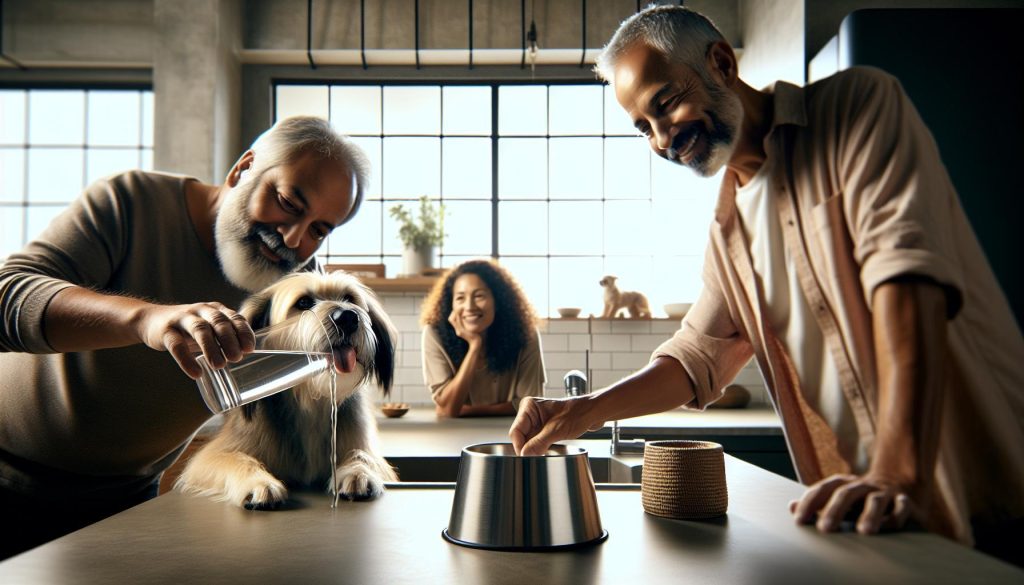
Did you know that nearly 50% of pet owners are unaware of the potential dangers lurking in their tap water? As loving pet parents, it’s our responsibility to ensure our furry friends’ health and well-being. While tap water is a common choice for hydration, it may contain contaminants that could harm our pets. From harmful chemicals to bacteria, understanding what’s in your tap water is crucial for your dog’s safety. This guide will explore the potential risks associated with tap water and offer practical tips on how to keep your canine companions healthy. Let’s dive into the specifics and empower ourselves to make informed decisions for our beloved pets.
Is Tap Water Safe for Dogs? Key Considerations

While many pet owners assume that tap water is safe for their dogs, several factors warrant closer consideration. First, it’s essential to recognize that the quality of tap water can vary significantly based on geographic location and municipal standards. For instance, a study found that in some urban areas, chemical contaminants had been detected in tap water, which could harm sensitive pets. Thus, understanding your local water quality and the potential risks can profoundly impact your dog’s health.
Another critical element to consider is the specific needs and vulnerabilities of your dog’s breed. Larger breeds like Great Danes may be more susceptible to contaminants in water due to their size and water consumption rate, while smaller breeds like Chihuahuas might experience concentrated effects from even low levels of harmful substances. You should remain vigilant and observe how your dog reacts to tap water, as each breed can have unique sensitivities.
It’s also crucial to consider any underlying health conditions your dog may have. Dogs with compromised immune systems or existing health issues may be at greater risk from contaminated water supplies. If your dog shows signs of gastrointestinal distress, unusual lethargy, or skin irritations, it’s time to reassess their water source. Making informed decisions about your dog’s hydration can safeguard their health and ensure they stay happy and vibrant.
In summary, while tap water may appear convenient, understanding its potential risks allows you to make informed choices for your furry friend. Prioritizing high-quality, contaminant-free water sources is a fundamental aspect of responsible pet ownership.
Common Contaminants in Tap Water
It’s startling to realize that the very water we drink and give to our pets can harbor a range of contaminants. Studies indicate that tap water often contains substances that may not only affect human health but can also pose significant risks to our four-legged friends. Ensuring the safety of tap water is crucial for your dog’s overall well-being, so it’s important to be aware of potential contaminants.
One of the most common issues is the presence of heavy metals, such as lead and copper. These metals can leach into the water supply from outdated plumbing, especially in older homes. For smaller dog breeds, even tiny amounts can accumulate to toxic levels, leading to issues such as kidney problems or developmental delays. Additionally, chlorine and chloramine, often used to disinfect water, can cause irritation to your dog’s skin or gastrointestinal tract, especially in breeds like Bulldogs or Labradors, which are more prone to skin conditions.
Another area of concern is the presence of pesticides and pharmaceuticals that can enter the water supply. These chemicals can disrupt your dog’s hormonal balance and lead to a variety of health issues over time. It’s particularly worrisome for breeds known to have sensitive systems, such as Greyhounds and Shih Tzus, which may react negatively to lower concentrations of such contaminants.
Finally, bacteria and parasites like Giardia can be introduced to drinking water sources, particularly in rural or less-regulated areas. Dogs that consume contaminated water may experience severe gastrointestinal distress, leading to dehydration and other serious health complications. Familiarizing yourself with the potential contaminants in your local water supply is essential for taking proactive measures to safeguard your dog’s health. Regular testing and utilizing filtration systems can be practical steps to ensure that your pet has access to safe, clean drinking water.
How Tap Water Impacts Different Dog Breeds

Different dog breeds can respond to tap water quality in unique ways, influenced by their physiology, size, and predispositions to certain health issues. For instance, smaller breeds like Chihuahuas and Yorkies may be more susceptible to toxins such as heavy metals that could leach into water from older plumbing systems. Even low levels of lead can accumulate in their bodies, resulting in detrimental effects on their growth and development. Conversely, larger breeds, like Great Danes and German Shepherds, might be less affected by such small amounts, but their overall health can still suffer from chemical additives commonly found in municipal water supplies, like chlorine and chloramine.
Understanding the specific needs of your dog’s breed is essential for ensuring their well-being. Some breeds, particularly those with sensitive skin, such as Bulldogs and Terriers, may experience irritation or allergic reactions from chemicals and contaminants. It is crucial for pet owners of these breeds to monitor their dog’s skin condition and adjust their water sources accordingly. Incorporating filtered or bottled water can significantly reduce exposure to harmful substances and alleviate symptoms of skin irritation.
Age and health status also play a pivotal role in how tap water impacts dogs. Senior dogs, regardless of breed, often have compromised immune systems and pre-existing health conditions. For example, older dogs are more prone to kidney issues, making them more vulnerable to contaminants in tap water. Poodles and Shih Tzus are known to have sensitive systems, which could lead to exacerbated health problems if exposed to poor-quality water. As a precaution, regular water testing is advisable, and pet owners should consult their veterinarians for tailored advice based on their dog’s breed and health condition.
To make informed decisions, owners can create a breed-specific checklist that highlights their dog’s unique water needs. This list can include aspects such as:
- Preferred water temperature: Some dogs might prefer cool, fresh water.
- Symptoms to watch for: Signs of discomfort like excessive licking, scratching, or gastrointestinal issues.
- Testing frequency: Regular checks on water quality that suit their living environment.
- Alternatives to tap water: Recommendations for filtration systems or specific bottled water brands known for quality.
Ultimately, it’s about understanding that while all dogs need access to clean drinking water, their individual responses to tap water can vary greatly. By staying proactive and informed about potential risks, dog owners can help safeguard their furry friends against the hidden dangers present in municipal water supplies.
Signs Your Dog May Be Affected by Water Contaminants

How can you tell if your dog is negatively impacted by water quality? It’s essential to stay vigilant, as the signs can sometimes be subtle yet concerning. Dogs who are exposed to contaminated tap water may exhibit a variety of symptoms that could indicate health issues. Learning to recognize these signs early can make a significant difference in your pet’s well-being.
One of the most common indicators that your dog might be affected is changes in their behavior. If you notice your pup suddenly drinking less water than usual, it may be a sign that they are experiencing discomfort. Additionally, gastrointestinal issues like vomiting or diarrhea can suggest that something isn’t right. For instance, small breeds may show more pronounced symptoms from minor contaminants than larger dogs, so keeping a close eye on your Chihuahua or Yorkshire Terrier is particularly important.
Another critical area to monitor is your dog’s skin and coat condition. Many breeds, such as Bulldogs and Terriers, are prone to skin sensitivities. If you observe excessive scratching, redness, or unusual rashes, it could be an allergic reaction to chemicals like chlorine or heavy metals in the water. In these cases, switching to filtered or bottled water may provide relief and prevent further irritation.
Lastly, don’t overlook your dog’s general energy levels. A noticeable decline in energy or willingness to play could signal underlying health concerns, potentially due to exposure to harmful substances. Regularly observe your pet’s behavior, and if any unusual signs arise, it’s prudent to consult with a veterinarian. They can conduct tests and recommend appropriate interventions tailored to your dog’s specific needs. Keeping a watchful eye and being proactive can ensure your furry friend enjoys a healthy, happy life.
With these signs in mind, you’ll be better equipped to catch early warnings and take action, ensuring your dog’s hydration sources are as safe as possible.
Precautions to Take When Giving Your Dog Tap Water

It’s important to remember that what keeps us hydrated can pose risks to our furry friends. Many pet owners assume that tap water is perfectly safe for dogs, but various contaminants lurking in municipal supplies can lead to health problems if consumed regularly. Here are some practical steps you can take to minimize potential risks and ensure your dog hydrates safely.
One straightforward precaution is to test your tap water. Home testing kits can help identify common contaminants like chlorine, heavy metals, and bacteria. Understanding the quality of your water is the first step toward making informed decisions. Once testing is done, a water filter can significantly reduce harmful substances. A carbon block filter or a reverse osmosis system is particularly effective at removing a wide range of contaminants.
Additionally, consider the temperature of the water you provide. Dogs often prefer cool, fresh water, especially in warmer months. Stale water can lose its appeal and may encourage dogs to seek hydration elsewhere, which is not ideal. Regularly change your dog’s water bowl and clean it to prevent bacteria buildup. Furthermore, using a bowl that prevents algae growth and is easy to clean can make this task much simpler.
Monitoring your dog’s drinking habits is also crucial. If you notice changes in your dog’s water intake-whether they are drinking less or refusing to drink altogether-this could indicate a problem. Keep an eye out for any signs of distress or illness, including gastrointestinal issues or skin irritations. In such cases, it’s wise to consult with a veterinarian to discuss water quality and consider alternative hydration solutions.
By taking these proactive measures, you not only safeguard your dog’s health but also contribute to their overall well-being. It’s all about creating a healthier environment that supports your pet’s lifestyle. Remember, as responsible pet owners, we need to be vigilant about even the simplest aspects of care, like their drinking water.
Alternatives to Tap Water for Your Pet
Providing clean and safe hydration for your canine companion is a priority for any responsible pet owner, especially if you’re concerned about the quality of tap water. While tap water might be the go-to solution for many, there are numerous alternatives that can offer peace of mind and support your dog’s health more effectively.
One popular alternative is filtered water. Investing in a good water filtration system can significantly reduce harmful substances like chlorine, lead, and bacteria that might be present in tap water. Options include carbon filters, which are easy to install and maintain, and reverse osmosis systems, which can remove an extensive range of contaminants. Both methods ensure that your dog drinks cleaner, fresher water. Make sure to replace filters as recommended to maintain effectiveness.
Another option is bottled water, particularly spring water or mineral water, which is often free from the contaminants found in municipal supplies. While it can be more expensive, using bottled water occasionally or during travel can provide your dog with a safe drinking option. Just be cautious of bottled water high in sodium, as this can be harmful to dogs, especially those with specific health conditions.
If you’re keen on a more natural route, consider exploring homemade dog teas. Steeping safe herbs like peppermint or chamomile in hot water allows you to create flavorful drinks that can be served cold. These teas can be both hydrating and beneficial, promoting relaxation and digestive health. Always ensure the ingredients are pet-safe and consult with your veterinarian if you have questions about herbal options.
Lastly, dog-friendly hydration products are gaining popularity, including specially formulated drinks found in pet stores that promote hydration and replenish electrolytes. These can be particularly useful after exercise or during warmer months when your pet may be more prone to dehydration.
In summary, while tap water might be adequate, exploring these alternatives not only enhances your dog’s hydration experience but also gives you confidence in the quality of the water they consume. By thoughtfully choosing what you provide, you can help ensure your furry friend stays healthy and happy.
When to Consult a Veterinarian About Water Quality
Providing your dog with clean drinking water is essential, but there are times when you may find it necessary to consult a veterinarian about the quality of the water your pet is consuming. If you notice any changes in your dog’s health or behavior that could be linked to hydration, don’t hesitate to reach out to your vet for guidance. Your pet’s well-being is paramount, and professional advice can help you make informed decisions.
One of the key indicators that it may be time for a vet consult is if your dog is experiencing gastrointestinal issues such as vomiting or diarrhea after drinking tap water. Sometimes, contaminants in the water might cause upset stomachs or other digestive disturbances. Additionally, if your dog shows signs of dehydration, such as excessive thirst, lethargy, or dry gums, it’s crucial to look deeper into the cause of their discomfort. These symptoms could suggest that the water quality is impacting their health or they might need immediate medical attention.
It’s also wise to seek veterinary advice if you have concerns about specific contaminants, such as heavy metals or chemicals that may be present in your tap water. If your water source has known issues (like lead pipes or agricultural runoff), discussing these risks with a veterinarian can provide peace of mind and tailored advice for your dog’s needs. They may recommend particular testing kits to assess water quality or suggest additional filtration measures if they identify potential hazards.
Regular check-ups can be an excellent opportunity to address any concerns regarding your dog’s hydration and overall health. You can ask your veterinarian about water safety and how it might vary based on geography, dog breed, or specific health conditions. Armed with this information, you can take proactive steps to safeguard your furry friend’s health and ensure they enjoy a long, happy life.
Tips for Ensuring Clean Drinking Water for Dogs
Ensuring that your dog has access to clean drinking water is vital for their health and well-being. It’s a responsibility shared by all pet owners, and a few simple practices can make a world of difference. Start by regularly monitoring your water supply. If you’re using tap water, check for any local advisories regarding water quality or contaminants. Many municipalities publish annual water quality reports that can provide insight into potential risks, including harmful substances like lead or nitrates.
Establishing a Routine
Dogs thrive on routine, and this is especially true for hydration. Make it a habit to change your dog’s water daily. This not only keeps the water fresh but also prevents the growth of bacteria. Always use clean bowls, ideally made from stainless steel or ceramic, as they are less likely to harbor germs compared to plastic. After washing the bowl, rinse it thoroughly to remove any soap residue, which can deter your dog from drinking.
Utilizing Filtration Systems
Consider investing in a water filtration system, such as a faucet filter or a pitcher, to improve the quality of your tap water. These systems can effectively remove many common contaminants and provide your dog with fresher water. If you live in an area with known water issues, this is particularly important. Remember, some dogs may notice the difference in taste, which could encourage them to drink more water-vital for their hydration!
Temperature Matters
Dogs are sensitive to temperature, so pay attention to how the water feels. Ideally, water should be kept cool to encourage drinking, especially during warmer months. You can even add ice cubes to their bowl during the summer to keep it nice and chilled. On colder days, check that the water isn’t freezing if they’re outside or in non-heated areas.
Understanding Your Dog’s Needs
Be mindful of your dog’s specific needs based on breed, age, and activity level. For instance, active breeds like Border Collies or Labrador Retrievers may require more hydration than less active breeds. Always keep plenty of fresh water available, especially after walks or playtime. Observing your dog’s drinking habits can also help you notice any changes, which might warrant a conversation with your vet about water quality.
By implementing these straightforward tips, you’re not just ensuring that your dog has access to safe drinking water; you’re also enhancing their overall health and happiness. Remember, a well-hydrated dog is a happy dog!
Understanding Water Testing for Pet Safety
Water quality is not something most people consider until it poses a risk. For dog owners, understanding how to ensure the safety of tap water for their furry friends is crucial. Water testing is an essential tool in this process, helping you identify harmful contaminants that could affect your pet’s health. By being proactive, you can take steps to safeguard your canine companion against potential toxins and pollutants that might lurk in your local water supply.
To effectively assess your water’s quality, consider conducting a water test at least once a year, or more frequently if you have concerns about your local water supply. Home testing kits, available at pet stores or online, can measure various contaminants such as lead, nitrates, and bacteria. These kits are user-friendly and typically involve taking a sample of your tap water and following the package instructions to get results. If you discover elevated levels of harmful substances, it’s vital to take immediate action.
Types of Contaminants to Test For
When assessing water safety for your dog, keep an eye out for common contaminants that are particularly harmful to pets:
- Lead: Can cause severe health issues, especially in young or small dogs.
- Nitrates: Often present in agricultural areas; high levels can lead to serious conditions like methemoglobinemia.
- Chlorine: While commonly used for disinfection, adverse effects can occur in sensitive pets.
- Microbial Contaminants: Bacteria like E. coli can cause gastrointestinal issues.
If results show concerning levels of any contaminants, it’s advisable to consult your veterinarian for tailored guidance regarding your dog’s health and hydration.
Getting Professional Help
In addition to home testing, you might want to consider professional testing services, especially if you suspect your water may contain toxins due to aging pipes or previous environmental concerns. Cities often publish an annual water quality report, which can provide insight into common contaminants in your area. This information, combined with your own testing, creates a comprehensive understanding of your water’s safety.
Caring for your dog includes being vigilant about what they drink. Testing your tap water empowers you to make informed decisions and helps ensure that your beloved companion enjoys a long, healthy life. Taking these proactive steps not only enhances your pet’s well-being but also reflects the love and responsibility you hold as a dog owner.
Impact of Geography on Tap Water Safety
Geography plays a significant role in tap water safety, influencing everything from the source of the water to the treatment processes it undergoes before reaching your home. For instance, residents in rural areas might rely on well water, which is more susceptible to contamination from nearby agricultural practices, while urban dwellers may face issues related to older plumbing systems that can leach harmful substances like lead. Awareness of these geographical nuances can help dog owners make informed decisions about the water they provide to their pets.
In regions with heavy agricultural activity, nitrates from fertilizer runoff can infiltrate groundwater supplies, posing a serious risk to dogs, particularly those breeds that are more sensitive to water quality, such as smaller dogs or those with pre-existing health conditions. Conversely, urban areas may struggle with contaminants like chlorine and microbial pathogens due to outdated infrastructure or insufficient treatment methods. Understanding the local geographical context enables pet owners to identify specific risks associated with their water supply.
Since water quality varies significantly by location, it’s advisable to consult local water quality reports, which often detail the presence of contaminants specific to the area. Using home testing kits can also provide crucial insight into your tap water’s safety over time, allowing you to track any changes that might affect your dog’s health. Regular testing can be particularly important in environments prone to seasonal changes, such as flooding or heavy rainfall, which can alter contaminant levels dramatically.
Moreover, if you’re considering relocating or traveling, be aware that tap water standards and treatment vary widely, and it may be beneficial to research local regulations and safety practices. This proactive approach not only safeguards your pet’s health but also empowers you as a responsible dog owner, ensuring your furry companion has access to clean and safe drinking water no matter where you are.
Expert Insights: Veterinarians on Tap Water Risks
The safety of tap water for our beloved canine companions is a concern many dog owners grapple with. According to veterinarians, while municipal tap water is generally treated to meet safety standards, various factors can introduce risks that may affect your dog’s health. Contaminants in tap water can potentially lead to a wide range of health issues, especially for sensitive breeds, making it essential to stay informed and proactive.
Veterinary experts highlight that different breeds react uniquely to water quality. For instance, smaller dogs such as Chihuahuas or Pomeranians are often more vulnerable to contaminants due to their size and metabolic rates. These breeds might exhibit more pronounced symptoms of contamination, such as gastrointestinal upset, skin irritations, or lethargy. Larger breeds, while potentially less sensitive, can be affected by long-term exposure to harmful substances like heavy metals, making it important to monitor their health as well.
One crucial insight from veterinarians is the importance of understanding the common contaminants found in tap water. Chlorine, lead, nitrates, and bacteria can pose significant health risks. For example, exposure to high levels of nitrates-often a byproduct of agricultural runoff-can lead to a condition known as methemoglobinemia, which impairs a dog’s ability to carry oxygen in their bloodstream. Regular water testing can help owners identify these risks early, allowing for timely interventions.
To ensure the best for your furry friend, veterinarians recommend using high-quality water filters and providing fresh, clean water daily. Additionally, encouraging a healthy diet can help your dog’s body cope with environmental stressors, including water contaminants. Staying informed about local water quality reports and engaging in community discussions about water safety can further empower pet owners to protect their dogs from potential health hazards. Taking these preventive measures ensures a healthier, happier life for your canine companions.
Empowering Pet Owners: Responsible Water Practices
Empowering pet owners with knowledge about responsible water practices is crucial for ensuring the health and well-being of our furry friends. Did you know that many pet owners unknowingly expose their dogs to tap water that may contain harmful contaminants? By understanding how to safeguard your dog’s hydration and overall health, you can proactively prevent potential health issues.
One effective approach is implementing a structured cleaning routine for your pet’s drinking water. Regularly change their water at least once a day to keep it fresh, and consider using high-quality water filters to remove impurities. Filters can significantly reduce contaminants like chlorine, lead, and bacteria that may be present in your municipal water supply. If you’re unsure about the quality of your tap water, invest in a water testing kit; these kits can help identify harmful substances and guide you on the necessary steps to take.
It’s also essential to recognize that different breeds may require tailored attention when it comes to hydration. For example, small breeds such as Chihuahuas may be more susceptible to gastrointestinal issues caused by contaminated water. In contrast, larger breeds might develop long-term complications from gradual exposure to heavy metals. Keeping an eye on your dog’s behavior-such as excessive drinking or changes in appetite-can help you catch potential issues early.
Lastly, engage with your local community and stay informed about local water quality reports. Many municipalities provide updates on water safety that can be beneficial for pet owners. If you notice any concerning changes in your local water supply or service interruptions, take extra precautions during those times. By actively participating in discussions about community water safety, you can empower not just yourself as a pet owner but also your fellow dog lovers. This collective vigilance contributes to a healthier environment for all pets.
FAQ
Q: Is it safe for my dog to drink tap water?
A: Generally, most tap water is safe for dogs. However, contaminants can vary by location. To ensure safety, regularly test your tap water for impurities and consult local water quality reports. Always observe your dog’s reaction after drinking to identify any potential issues.
Q: What are the common contaminants in tap water that could harm my dog?
A: Common contaminants include chlorine, fluoride, heavy metals (like lead), and bacteria. These may cause gastrointestinal upset or long-term health issues. To reduce exposure, consider a water filter or provide bottled water instead. Refer to our section on common contaminants for more details.
Q: How do different dog breeds react to tap water quality?
A: Different breeds may react differently to contaminants due to size and sensitivity. Smaller breeds might be more prone to digestive issues from contaminated water. It’s essential to monitor your specific breed’s health and adjust their water source accordingly to ensure their well-being.
Q: How can I tell if my dog has been affected by tap water contaminants?
A: Signs that your dog may be affected include vomiting, diarrhea, lethargy, or changes in appetite. If noticed, consult a veterinarian promptly. For further insights, see our section on signs your dog may be affected by water contaminants.
Q: What should I do if my tap water is unsafe for my dog?
A: If tap water tests indicate unsafe levels of contaminants, switch to filtered water or bottled water. Additionally, regularly clean your dog’s water bowl to prevent bacterial growth. Our article outlines proper precautions to take when giving your dog tap water.
Q: When should I consult a vet about my dog’s water quality?
A: You should consult a veterinarian if your dog exhibits unusual symptoms related to drinking water, or if you suspect high contaminant levels in your area. Regular health checks can help monitor any impacts from water quality.
Q: Can boil tap water help make it safe for my dog?
A: Boiling tap water can kill some bacteria and parasites but won’t remove chemical contaminants like lead or chlorine. If you’re concerned about water safety, consider using a water filter designed to remove specific impurities highlighted in local water quality reports.
Q: Are there alternative water sources for dogs?
A: Yes, alternatives include filtered water, bottled water, or even rainwater collected from clean surfaces. Each option has its pros and cons, and you can refer to our section on alternatives to tap water for more guidance.
Concluding Remarks
Ensuring your dog’s safety when it comes to tap water is crucial, but there are many factors to consider. By understanding the potential contaminants in your water supply, you can make informed decisions to protect your furry friend. Don’t wait-take action today by testing your tap water and exploring filtered water options to ensure a healthier lifestyle for your pet. For more insights on dog care, check out our articles on “Essential Nutrients for Dogs” and “Safe Foods for Your Furry Friend.”
We invite you to join our community by signing up for our newsletter, where you’ll receive expert tips and exclusive content tailored for dog lovers like you! Have any questions or experiences to share? Drop a comment below-we love hearing from you! Keep wandering through our site for more valuable insights that empower you to be the best pet parent possible. Your dog’s health is worth it!


