
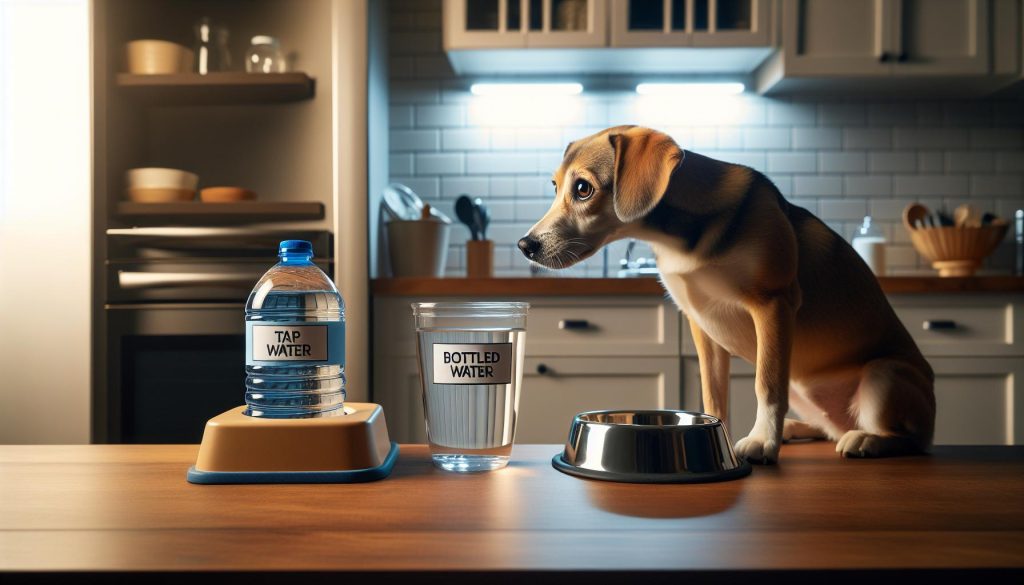
Did you know that what you pour into your dog’s bowl can significantly impact their health? Choosing between tap water and bottled water may seem trivial, but it’s a decision that affects your furry friend’s hydration and overall well-being. As a responsible pet owner, it’s essential to consider factors such as water quality, accessibility, and your dog’s specific needs. With some veterinarians cautioning against distilled water, understanding the differences can help you make informed choices that align with your dog’s health goals. In this article, we’ll explore the benefits and drawbacks of both tap and bottled water, ensuring your pup stays happy and hydrated. Whether you’re a new dog parent or a seasoned handler, the right water choice is key to keeping your canine companion thriving. So let’s dive in and discover which option is best for your beloved pet!
Choosing Between Tap Water and Bottled Water for Your Dog
Deciding whether to give your dog tap water or bottled water is more than just a matter of preference; it’s a question that can impact their health and well-being. Dogs, much like humans, require constant hydration for optimal health, but the quality of the water they consume plays a significant role in how well they thrive. Tap water is often easily accessible and cost-effective, providing minerals and electrolytes that can benefit your pup’s hydration. However, many pet owners have concerns regarding potential contaminants in municipal water systems. On the flip side, bottled water is viewed as a cleaner alternative, but it comes with its own set of challenges, including environmental impact and the potential for leaching chemicals from plastic bottles.
When weighing your options, it’s essential to consider factors such as the source of your tap water, how frequently it’s tested for pollutants, and your dog’s specific health needs. Tap water can be beneficial because it typically contains essential minerals like calcium and magnesium that can support your dog’s overall health. Furthermore, many tap water systems in urban areas are heavily regulated and tested, making them safe for pet consumption. If your dog has no known sensitivities or underlying health issues, tap water might be perfectly suitable for daily hydration.
However, if you’re in an area with known water quality issues or if you simply prefer the assurance that comes with bottled water, it’s essential to opt for high-quality brands that have undergone thorough purification processes. Look for bottled water that is labeled “purified” or “filtered,” which indicates a higher standard of cleanliness compared to regular spring water. Additionally, given the current environmental concerns surrounding plastic waste, consider alternatives such as glass bottles or reusable water containers that are designed to minimize your carbon footprint while providing clean water for your furry friend.
Ultimately, understanding your dog’s hydration needs, taking the time to assess the water quality available to you, and being mindful of the environmental implications can help you make the best choice for your pet. Regularly offering fresh water, whether tap or bottled, is crucial. Be attentive to your dog’s drinking habits and ensure their hydration methods align with both their health requirements and your values as a pet owner.
The Benefits of Tap Water for Your Dog’s Health
Providing your dog with the right source of hydration is essential for their overall health and well-being. One often overlooked yet beneficial option is tap water, which can pack a punch when it comes to delivering vital nutrients your furry friend needs. Did you know that tap water usually contains important minerals like calcium and magnesium? These elements play a crucial role in promoting healthy bones and joints, reducing potential stiffness and pain in older dogs or those prone to joint issues.
In addition to being a convenient and economical choice, tap water is typically regulated and tested for safety in urban areas, meaning it is often free of harmful contaminants. This accessibility ensures that your dog can have fresh water available at all times, an important factor in maintaining their hydration, especially for active breeds or those with high energy levels. Keeping a constant supply of tap water can prevent dehydration that leads to muscle cramps and other discomforts during playtime or walks, ensuring your pup feels their best.
Moreover, using tap water can foster positive hydration habits for your dog. When you establish a routine of refilling their bowl with tap water, you not only provide them with hydration but also encourage them to drink more frequently. This is particularly important for breeds that are prone to urinary issues, as adequate hydration helps in flushing out toxins and preventing urinary tract infections.
While it’s essential to be mindful of your local water quality, you can easily assess its safety through annual water quality reports published by municipal water suppliers. If concerns arise, simple filtration methods can often enhance the safety and taste of tap water, ensuring your dog enjoys every drop. With all these benefits, tap water stands out as a healthy, budget-friendly option for keeping your canine companion well-hydrated.
Why Bottled Water Might Be a Better Option
Bottled water can be a tempting option for pet owners concerned about the quality of their tap water or those who want a quick, convenient choice for their furry friends. One of the main advantages of bottled water is the assurance of purity; many brands undergo thorough filtration processes that eliminate impurities, chlorine, and bacteria. This can provide peace of mind, especially for dogs who may have sensitive stomachs or those recovering from gastrointestinal issues. Additionally, bottled water often has a lower mineral content than some tap waters, which might be preferable for breeds prone to bladder stones or urinary tract infections.
Accessibility is another important factor. For pet owners who are traveling, going to dog parks, or spending time outdoors, bottled water can be an easy, portable solution. Having a bottle readily available means you can keep your dog hydrated without the need for a water bowl, making it practical during outings or road trips. Furthermore, some dogs may prefer the taste of bottled water over tap water, which can encourage them to drink more and stay properly hydrated.
However, while bottled water presents these benefits, it is essential to consider the environmental implications of single-use plastic bottles. Many plastic water bottles are not recycled and contribute to pollution, which is an important factor if you are environmentally conscious. Alternatives such as using a reusable water bottle and carrying it with you during outings can help mitigate this impact.
In summary, bottled water offers several advantages, especially regarding purity and convenience, but it’s important to weigh these benefits against potential environmental concerns. If you choose to use bottled water for your dog, looking for brands that prioritize sustainability and eco-friendly packaging can help align your choices with responsible pet ownership.
Assessing Water Quality: Should You Test Your Tap Water?
The quality of tap water can vary significantly depending on where you live, making it crucial for pet owners to assess its safety for their furry friends. Some homeowners might assume tap water is perfectly fine without even testing it. However, a surprising number of households deal with water contaminants such as lead, chlorine, bacteria, and heavy metals, which can adversely affect both human and canine health. The best way to ensure your dog’s safety is to evaluate your tap water regularly.
To determine the quality of your tap water, start by checking your local water quality reports. These reports, often available from your municipality’s water department, provide valuable insights into what’s in your water and whether it meets safety standards. If you notice any bacterial presence or if the water has a strange odor or discoloration, it might be worth conducting a more thorough analysis. Home testing kits are available and can be a simple solution for chlorination levels, lead presence, and pH balance. This proactive approach will help reassure you about what’s flowing into your dog’s bowl.
It’s also wise to consider your dog’s specific needs. Breeds with existing health issues, such as kidney problems or bladder stones, can be especially sensitive to the quality of water they consume. In such cases, consulting with your veterinarian may provide personalized advice tailored to your dog’s health and well-being. For example, if your vet suggests a low mineral diet for your dog, it might be more prudent to opt for bottled water or a filtration system to safeguard against harmful constituents in tap water.
Lastly, don’t forget to think about your dog’s hydration habits. Some dogs might be more inclined to drink decent quality tap water, while others might refuse it altogether if the taste is off. If your dog has particular preferences, it could impact their overall hydration. Continuously monitoring and adapting based on your observations can lead you to make the best decision for your canine companion’s hydration needs. Ensuring your dog has clean, healthy water is a crucial part of responsible pet ownership and promotes long-term health and vitality.
Understanding Your Dog’s Specific Hydration Needs
Understanding your dog’s hydration needs is like decoding a secret language. Each dog is unique, with different requirements based on factors like age, breed, size, and activity level. The key to keeping your furry friend healthy lies in providing the right kind of water, in an adequate amount, tailored specifically to their needs.
Factors Impacting Hydration
Dogs typically need about one ounce of water per pound of body weight daily, but this can vary based on their individual circumstances. Active breeds or dogs in hot climates may require additional water to stay hydrated. For instance, a high-energy pup like a Border Collie may drink more than a more sedentary breed, such as a Bulldog. Other factors to consider include:
- Age: Puppies and younger dogs are generally more active and may need more water. Senior dogs, however, might drink less but still need regular access to fresh water due to potential health issues.
- Health Conditions: Dogs with specific health problems, such as kidney disease or diabetes, often have increased hydration needs. Always consult your veterinarian if your dog has health concerns.
- Diet: If your dog eats dry kibble, they will need more water compared to those on a wet food diet, which contains more moisture.
Assessing Preferences
It’s also crucial to consider your dog’s preferences when it comes to drinking. Some dogs are picky and may resist drinking if they don’t like the taste or smell of the water. If your dog prefers a certain type of water-like filtered or bottled-this could encourage them to drink more. Pay attention to their habits; if they seem reluctant to drink, try changing the water source or using a pet water fountain, which might entice them with fresh, running water.
Finally, stay vigilant for signs of dehydration, such as dry gums, lethargy, or decreased skin elasticity. Discuss your dog’s hydration habits with your veterinarian, who can provide personalized insights tailored to your dog’s unique health profile. By being attentive to your dog’s hydration needs and preferences, you can ensure they remain healthy and happy, ultimately leading to a longer life together.
The Environmental Impact of Bottled Water
The convenience of bottled water might entice dog owners to fill their furry friends’ bowls with it, but this choice comes with significant environmental considerations. Every year, millions of tons of plastic bottles are produced, and only a fraction is recycled. The environmental footprint associated with the production, transportation, and disposal of these bottles is staggering. It’s estimated that producing a single plastic bottle requires a third of its volume in oil, not to mention the energy and water used in the manufacturing process.
Switching from bottled water to tap water can have a positive impact. Tap water usage helps to reduce plastic waste and conserve resources, all while saving you money. Municipal water supplies are generally safe for pets and meet strict health standards. By providing your dog with tap water, you’re not just making a cost-effective choice; you’re also adopting more sustainable practices that benefit the environment.
If you’re worried about contaminants or the taste of your tap water, consider using a water filter. Many options are available, from pitcher filters to under-sink systems, that can enhance water quality and taste without the need for single-use plastic bottles. Your dog deserves clean, fresh water, and making this small shift can significantly help the planet while keeping your pup hydrated and healthy.
In addition, educating yourself about the recycling programs available in your area can make a difference. Some communities offer bottle redemption programs, making it easier to recycle, but the best solution is always to reduce usage in the first place. By choosing tap over bottled water, you’re not only caring for your dog but also making a conscious effort to protect the planet for future generations of both humans and pets.
Top Tips for Keeping Your Dog Hydrated Every Day
Keeping your dog hydrated is essential for their overall health and well-being. While many dog owners might focus on the source of water-tap or bottled-there are several practical tips to ensure your furry friend stays well-hydrated regardless of the water type.
One effective method is to ensure fresh water is always available. Change your dog’s water multiple times a day to keep it appealing, especially if your tap water has a noticeable taste or odor. Dogs can be picky, and stale or warm water isn’t enticing. Consider using a pet water fountain that circulates water, which not only keeps it fresh but also encourages your dog to drink more frequently. Research suggests that moving water appeals to a dog’s instinct, making them more likely to hydrate.
Additionally, keep an eye on your dog’s activity levels and environmental factors. Dogs can lose a lot of moisture when playing, especially on warm days. Provide them with extra water after exercise and consider offering ice cubes or frozen treats made from their favorite flavored broth on really hot days-just be careful with the ingredients to avoid anything harmful. For example, most vegetables are safe, but avoid onions and garlic as they can be toxic to dogs.
Tips for Hydration
- Regular Water Changes: Refresh your dog’s water bowl at least twice a day.
- Use a Fountain: Consider a pet water fountain to keep the water flowing and fresh.
- Monitor Weather and Activity: Increase water intake during hot weather or after play.
- Offer Ice Cubes: Cool down with ice cubes or frozen treats made from dog-safe ingredients.
Don’t overlook special needs based on your dog’s age, breed, or health conditions. Puppies and active breeds tend to need more fluids, while older dogs may require frequent reminders to drink. Always have clean water accessible, and consider consulting your veterinarian for personalized advice tailored to your dog’s specific hydration needs.
Incorporating these simple strategies will ensure your dog maintains proper hydration. The better hydrated your pet is, the happier and healthier they will be!
Age, Breed, and Activity Level: What to Consider
As any dog owner knows, hydration is vital for a dog’s health, but did you know that your pet’s age, breed, and activity level can significantly influence their water intake needs? For instance, a high-energy young Labrador Retriever may require several cups of water after an intense play session, while an older, less active Bulldog might only sip a little throughout the day. Understanding these differences is crucial for providing optimal care and ensuring your furry friend stays hydrated.
Age Considerations
Puppies tend to need more water relative to their size since they are growing and have higher energy levels. As a general rule, they should drink about half a cup of water every two hours, but this can vary based on their activity and diet. Older dogs, on the other hand, may be less inclined to drink enough water due to mobility issues or dental problems. It’s essential to encourage them to drink by providing fresh water frequently and offering enticing options, like ice cubes or water infused with dog-safe flavors.
Breed-Specific Needs
Different breeds have varied hydration requirements. For example, active herding breeds like Border Collies or Australian Shepherds may need more water during hot weather or after vigorous exercise. In contrast, smaller breeds such as Chihuahuas might not consume as much due to their size but can be more susceptible to dehydration. Here’s a quick look at a few breed examples and their typical hydration needs:
| Breed | Typical Daily Water Intake | Hydration Considerations |
|---|---|---|
| Labrador Retriever | 1-1.5 gallons | High activity levels; ensure water is always available. |
| Bulldog | 0.5-1 gallon | Monitor intake; may be less active. |
| Chihuahua | 0.5-1 cup | Smaller size means less water but be cautious of dehydration. |
Activity Level
Consider your dog’s daily routine as well. Active dogs, like those participating in agility or regular outdoor adventures, will naturally require more hydration due to increased sweat and energy expenditure. Keep an eye on their water intake, especially during summer months or after a long walk. It may also be beneficial to reward them with water breaks during playtime, promoting healthy hydration habits.
Understanding these aspects of your dog’s age, breed, and activity level can significantly enhance their hydration management. By tailoring their water intake accordingly, you’re not just meeting their needs-you’re contributing to their overall well-being and happiness!
Homemade Water Alternatives for Your Furry Friend
When it comes to keeping your furry friend hydrated, you can get creative beyond traditional water options. Homemade water alternatives not only boost hydration but can also add some excitement to your dog’s drinking routine. Dogs, like humans, appreciate variety in their diet, and a splash of creativity can enhance their hydration levels while still providing a nutritious benefit.
One simple and refreshing homemade option is fruit-infused water. Use dog-safe fruits such as watermelon, blueberries, or strawberries to create a naturally flavored drink. Just chop the fruit, add it to a bowl of water, and let it sit for a few hours in the fridge. Your pup will love the taste, and the added vitamins from the fruit will contribute to their overall health. You can also freeze this mixture to create tasty ice treats-perfect for warm days or post-exercise cooldowns!
Another fantastic alternative is bone broth. This savory option not only hydrates but can also aid in joint health and digestion. Simply simmer bones with fresh water, a bit of apple cider vinegar, and dog-friendly vegetables like carrots for several hours, then strain the broth and let it cool. Serve it as a refreshing drink, or mix it with your dog’s kibble for a delicious meal topper. Remember to let the broth cool completely and be cautious of any additives that could be harmful to your dog.
For those looking for a quick and easy solution, consider frozen treats made from dog-safe ingredients. Combine pureed fruits with plain yogurt (without added sugars) or simply freeze plain water in molds, adding some of your dog’s favorite treats in the mix. These not only keep your dog hydrated but also provide enjoyably cool snacks during those hot summer months.
Ultimately, whatever method you choose, keeping your dog hydrated is crucial. Experiment with these alternatives, and soon enough, you’ll find the perfect combination that your furry friend loves!
Common Myths About Dog Water Sources
Many dog owners grapple with a common question: Is tap water safe for my dog, or should I opt for bottled water? Numerous myths surround this topic, creating confusion and concern for pet parents. Understanding the truth behind these misconceptions can help you make informed choices that prioritize your dog’s health and well-being.
One prevalent belief suggests that bottled water is inherently better for dogs than tap water. While it’s true that some bottled waters may be of high quality, many tap water supplies are just as safe and often undergo rigorous testing to meet health standards. In fact, municipal water systems are typically treated to remove contaminants. It’s essential to check your local water quality reports, which are usually available online, to ensure your tap water is safe for both you and your furry friend.
Another myth is that dogs only need pure water with no minerals. In reality, dogs require certain minerals and electrolytes found in water, which can help with hydration and overall health. Completely distilled or purified water lacks these essential nutrients and may not be the best option for long-term hydration. It’s always a good idea to provide your dog with well-balanced water that can support their health-whether from a trusted tap source or suitable bottled options.
Some owners believe that letting their dog drink from outdoor sources, like ponds or streams, is perfectly fine because it’s natural. However, this can expose them to harmful bacteria, parasites, and chemicals. In contrast, treated tap water is generally safer. To help your furry friend drink more water and remain hydrated, you might consider adding fun options like fruit-infused water or bone broth, as these can entice them to drink and provide added flavors they’ll love.
By debunking these common myths and focusing on your dog’s specific needs, you can ensure that their hydration options are both safe and enjoyable. Always consult your veterinarian if you have concerns about your specific water source or your dog’s hydration needs, as they can provide personalized guidance tailored to your situation.
Recognizing Signs of Dehydration in Dogs
Recognizing when your dog is dehydrated is crucial for their health and well-being. Dehydration can occur more quickly than many pet owners realize, especially during hot weather or intense exercise, making it important to be vigilant. A recent study revealed that even mild dehydration can affect your dog’s physical performance, cognitive abilities, and overall mood. Therefore, keeping an eye on your furry friend’s hydration levels should be a priority.
One effective method to assess hydration is by examining your dog’s skin elasticity. Gently pinch the skin at the back of their neck or between the shoulder blades. If the skin doesn’t return to its original position quickly, it may indicate dehydration. Additionally, checking their gums can offer vital insights-healthy gums should be moist and slick, while dry or sticky gums could signal that your dog needs water. You should also consider their behavior; if your dog seems lethargic, loses interest in play, or shows signs of excessive panting, these could be red flags.
Another critical sign to monitor is urine output. A well-hydrated dog should urinate regularly, with clear or light-yellow urine. Dark urine or infrequent urination can indicate dehydration. If you notice any combination of these signs, it’s essential to increase your dog’s water intake, whether you’re using tap or bottled water.
In addition to these physical signs, certain breeds are more susceptible to dehydration due to their size, activity level, or pre-existing health conditions. For instance, smaller dogs, such as Chihuahuas, may require more careful monitoring compared to larger breeds like Great Danes, who have higher water needs due to their size. An extra layer of diligence is needed for active or older dogs as they may not show immediate signs of dehydration despite needing higher fluid intake.
By staying proactive about your dog’s water consumption and recognizing the signs of dehydration, you can ensure that your pet remains happy, healthy, and hydrated. Always consult your veterinarian if you’re uncertain or if your dog exhibits severe signs of dehydration, as swift action may be necessary.
Expert Opinions: Veterinarians Weigh In on Dog Hydration Choices
Veterinarians emphasize that the choice between tap water and bottled water for dogs largely depends on specific factors related to water quality, your dog’s health, and your local environment. For many pet owners, municipal tap water is perfectly safe and can be just as beneficial as bottled water, especially in areas where the water supply is closely monitored and treated for contaminants. According to veterinarians, a good rule of thumb is that if the water is safe for humans, it’s generally safe for dogs too. Conducting regular water quality tests can help ensure there are no harmful substances like heavy metals or chlorine that could impact your pet’s health.
On the other hand, bottled water can provide peace of mind, particularly for pet owners living in areas where water quality is questionable. It eliminates concerns about potential contaminants, making it an attractive option for dogs with sensitive stomachs or specific health issues. However, veterinarians caution against relying solely on bottled water due to its environmental impact and the potential for high costs. Studies indicate that there are no significant health benefits of bottled water over well-filtered or treated tap water.
For dog owners considering hydration options, it’s essential to focus on your pet’s specific needs. Larger breeds, like Great Danes, require more water than smaller breeds, such as Chihuahuas, which necessitates careful monitoring of their intake. Active breeds may need additional hydration, particularly after exercise, while older dogs might benefit from additional attention to ensure they’re drinking adequately. Always consult with your veterinarian for tailored advice regarding hydration based on your dog’s breed, age, and health conditions, ensuring you make the best choice for your furry friend’s well-being.
Q&A
Q: Is tap water safe for my dog to drink?
A: Yes, tap water is generally safe for dogs, provided it meets local safety standards. Ensure your tap water is free from contaminants. Regularly check your water quality, especially in older homes with lead pipes. For concerns, use a filter or consider bottled water as an alternative.
Q: What are the disadvantages of giving my dog bottled water?
A: Bottled water can be expensive and environmentally unfriendly due to plastic waste. Additionally, quality can vary by brand, leading to potential inefficiencies in hydration. If using bottled water, ensure it’s labeled as safe for pets to avoid any harmful additives.
Q: How can I tell if my dog’s hydration is adequate?
A: Monitor your dog’s hydration by checking for moist gums and skin elasticity. If your dog is drinking enough water, their urine should be light yellow. Regular veterinary checks are essential to ensure optimal hydration and overall health.
Q: Should I filter my tap water for my dog?
A: Filtering tap water can be beneficial, especially if you have concerns about local water quality, chemicals, or hard water. High-quality filters can remove contaminants and improve taste, encouraging your dog to drink more water, which is vital for hydration.
Q: What type of bottled water is best for dogs?
A: The best bottled water for dogs is mineral-free and low in sodium. Look for water labeled as purified or spring water, ensuring there are no added flavors or sugars. Always check for a “safe for pets” label when purchasing bottled water.
Q: How much water does my dog need daily?
A: A general guideline is that dogs should drink about 1 ounce of water per pound of body weight daily. However, this can vary based on activity level, age, and weather conditions. Ensure your dog has constant access to fresh water to meet its hydration needs.
Q: Can my dog develop a preference for bottled water over tap water?
A: Yes, dogs can develop a preference for bottled water if they find it tastes fresher or cooler than tap water. If your dog seems disinterested in tap water, try refreshing it frequently or using a water fountain to maintain interest and encourage hydration.
Q: What should I do if my dog refuses to drink water?
A: If your dog refuses to drink water, try offering ice cubes, low-sodium broth, or watery fruits like watermelon as alternatives. Ensure the water dish is clean and consider introducing a water fountain to attract their interest. If the issue persists, consult a veterinarian.
To Wrap It Up
Choosing between tap water and bottled water for your dog is crucial for ensuring their health and hydration. Remember, tap water typically contains important minerals, while bottled water can be more convenient but potentially expensive. Whichever choice you make, ensure it’s safe and suitable for your furry friend’s needs.
If you’re curious to learn more about the types of water that could be harmful to dogs, check out our guide on the seven water types that might make your dog sick. Also, explore our comprehensive resource on what water is ultimately best for dogs, so you can make an informed decision. Don’t hesitate-prioritize your dog’s hydration today!
Join our community for more tips on pet care by subscribing to our newsletter. Have questions or experiences to share? Leave a comment below, and let’s support each other in providing the best for our pets. Remember, healthy hydration leads to a happy, active pup!


