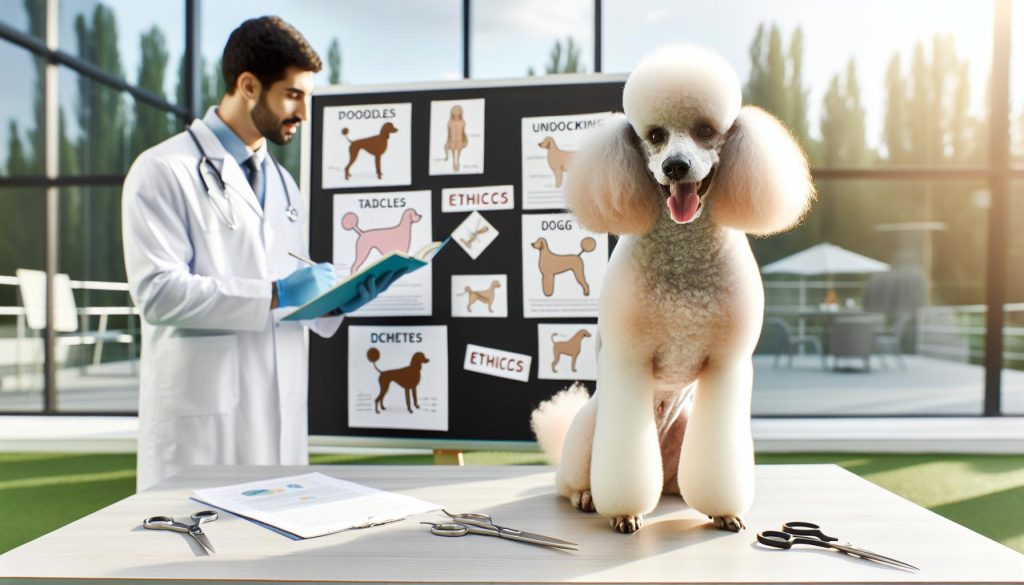
When it comes to Poodles, their elegant stature and charming personalities often steal the spotlight, but the issue of tail docking can stir up a whirlwind of emotions and opinions among dog lovers. Are Poodles’ tails routinely docked due to tradition, or is this practice necessary for their well-being? Understanding the ins and outs of tail docking not only provides insight into breed standards but also addresses ethical concerns surrounding animal welfare. Whether you’re an experienced handler or a new owner, navigating this topic is crucial for making informed decisions about your furry friend. Join us as we explore the history, practices, and ethics of Poodle tail docking to help you determine the best approach for your pup.
Are Tails Docked in Poodles? A Deep Dive

In recent years, the practice of tail docking in poodles has sparked significant conversation among breeders, veterinarians, and dog owners. Originally performed for purported health benefits and aesthetic preferences, tail docking has evolved into a contentious issue reflecting broader concerns about animal welfare. While many still practice this procedure, an increasing number of people advocate for leaving tails intact, recognizing that a natural tail serves essential biological and communicative functions for dogs.
When evaluating whether tails are docked in poodles, it’s important to note that this practice is more common in certain poodle types, such as the Miniature and Toy varieties, often to conform to breed standards set by kennel clubs. However, the standard poodle typically retains its tail, showcasing the variety within poodle ownership. Many owners and advocates argue that a docked tail can impede a dog’s ability to express itself, affecting its social interactions and overall quality of life. A poodle’s tail plays a crucial role in communication; for instance, a wagging tail can indicate excitement, while a lower or tucked position may signal stress or discomfort.
The sentiment is increasingly shifting towards valuing a poodle’s natural anatomy, spurring a movement that encourages responsible breeding practices and promotes an accurate representation of the breed. Owners are encouraged to consider the benefits of an undocked tail, including improved balance and movement and the enhanced ability to communicate with both humans and other animals. As more poodle owners share their experiences and insights on this topic, the dialogue surrounding tail docking continues to evolve, reflecting a growing commitment to the health and emotional well-being of poodles.
Ultimately, whether a poodle’s tail is docked depends on individual choices influenced by personal beliefs, breed standards, and regional regulations. It’s vital for new and prospective poodle owners to engage in this dialogue, consider the implications of their decisions, and advocate for practices that prioritize the well-being of their furry companions.
Understanding Tail Docking: History and Purpose
Throughout history, the practice of tail docking in dogs has garnered varying opinions and purposes, with deep roots in canine breeding traditions. Initially, tail docking was performed for pragmatic reasons; it was believed to prevent injuries in working dogs, particularly in hunting and herding breeds. For poodles specifically, tail docking became entrenched in breed standards established by kennel clubs, particularly for the Miniature and Toy varieties. These standards often emphasized aesthetics, shaping perceptions of what a “proper” poodle should look like.
Despite its historical justification, the modern context has novel implications. Many owners and advocates now raise concerns about the ethical dimensions of this practice, arguing that the original purposes have become outdated. The perception that docked tails convey certain breed qualities has led to a re-examination of whether these aesthetic choices are truly aligned with the well-being of the dog. Poodles, known for their intelligence and expressiveness, rely heavily on their tails for communication; wagging tails can signal happiness and openness, while tucked tails can indicate fear or anxiety. This ability to communicate effectively with body language is essential for their interactions with humans and other dogs alike.
As perspectives shift, it’s essential for current poodle owners and prospective buyers to understand the historical context of tail docking. Engaging with this topic isn’t just about understanding a practice but also about making informed decisions that respect the dog’s natural anatomy. With a growing movement towards responsible breeding that prioritizes health and temperament over aesthetic conformity, many poodle owners are now advocating for the benefits of leaving tails intact. This shift reflects a broader societal change towards prioritizing animal welfare and recognizing the complex needs of our canine companions.
In considering whether to dock a poodle’s tail, owners should reflect on both the historical context and the modern implications of this practice. By understanding the reasons behind tail docking, alongside its impact on the animal’s quality of life and self-expression, owners can make choices that align with their values and the best interests of their poodles.
The Ethical Debate: Understanding the Controversy

The topic of tail docking in poodles has sparked ongoing conversations among dog owners, veterinarians, and animal rights advocates alike. As society grows increasingly aware of animal welfare, the implications of altering a dog’s natural anatomy come under scrutiny. While some believe that a docked tail is a hallmark of the breed’s aesthetic elegance, the ethical debates challenge this notion, urging us to consider the implications of such choices on the poodle’s well-being.
Many proponents of docking argue from a historical perspective, referencing its origins in working dog breeds where a short tail was thought to prevent injuries. However, as our understanding of dog behavior and communication evolves, it’s clear that tails are crucial for emotional expression and social interactions. Poodles, renowned for their intelligence, use their tails to communicate a range of emotions-wags indicate joy, while droops may signal fear or discomfort. With this in mind, cutting off such a vital part of a dog’s ability to express itself raises significant ethical questions.
Moreover, the debate extends into the realm of breed standards and societal expectations. The push for aesthetic conformity often prioritizes looks over health and behavior, pressing owners to conform to outdated ideals. In contemporary dog breeding practices, there’s a growing movement toward prioritizing the overall health and temperament of dogs, stepping away from arbitrary standards that advocate for cosmetic alterations. Many poodle enthusiasts now advocate for the benefits of leaving tails intact, viewing it as a means of enhancing their dog’s emotional and psychological health.
For poodle owners and potential adopters, understanding these ethical nuances is critical. Engaging in discussions about tail docking allows for informed choices that reflect a commitment to animal welfare. As the movement toward responsible breeding and ethical animal treatment gains momentum, it’s essential to view poodles not as objects to fit a mold but as individual beings deserving of care, dignity, and an anatomy that allows them to communicate freely and authentically.
Health Implications of Tail Docking in Poodles
Tail docking, a practice steeped in tradition, raises significant health concerns that every poodle owner should consider. While some may associate a docked tail with the breed’s standard aesthetics, the alterations made to a dog’s anatomy can have lasting implications. Understanding these health risks is not only crucial for responsible pet ownership but also for enhancing the quality of life for poodles.
One of the most pronounced health implications of tail docking is the impact it can have on a poodle’s ability to express emotions and communicate. A dog’s tail is a vital tool for emotional expression; it helps convey feelings such as happiness, fear, and anxiety. Research indicates that dogs with intact tails can exhibit a fuller range of emotions and are better equipped to interact socially with both humans and other animals. The absence of this means of communication can lead to behavioral issues, as poodles may struggle to express themselves adequately, which can result in frustration and anxiety.
Additionally, tail docking can lead to physical health complications. Docked tails can be more susceptible to certain injuries and conditions. For instance, dogs with docked tails may experience pain and sensitivity in the tail area or develop conditions such as “phantom tail syndrome,” where they feel sensations in a tail they no longer have. This can lead to distress, unpredictability in behavior, and in some cases, chronic pain. Some studies suggest that dogs without tails can also struggle with balance and coordination, essential traits for an agile breed like the poodle.
When contemplating whether to dock a poodle’s tail, it’s essential to look beyond the aesthetics and consider these health implications. The conversation around tail docking should shift towards understanding the benefits of allowing poodles to maintain their natural anatomy. When owners choose to leave tails intact, they not only respect the dog’s natural form but also promote overall emotional and physical well-being. For first-time poodle owners, consulting with veterinarians and experienced breeders can provide valuable insights into the health impacts of tail docking and help guide informed decisions for the well-being of their pets.
In conclusion, while tail docking may be a traditional practice, the health implications for poodles are profound. Prioritizing their emotional and physical health by allowing them to retain their natural tails fosters a happier, healthier pet. This informed approach reflects a growing commitment to animal welfare and responsible pet ownership, aligning with modern understandings of canine communication and health.
Comparing Tail Docking Practices Across Dog Breeds
When it comes to tail docking, practices can vary significantly across different dog breeds, and understanding these differences can provide valuable insights for dog owners. While poodles may be popularly discussed in the context of tail docking, it’s essential to explore how this practice aligns with standards in breeds such as Doberman Pinschers, Rottweilers, and Yorkshire Terriers, all of which share a history with this controversial procedure.
Many breeds, like the Doberman and Rottweiler, have historically been docked for perceived advantages in working scenarios, such as protecting against injury or improving hygiene. In these cases, tail docking has been often justified by the belief that it reduces the risk of injury in working environments. However, recent perspectives emphasize that a dog’s natural anatomy should not be altered for aesthetic or traditional reasons alone. For instance, the American Veterinary Medical Association (AVMA) strongly opposes elective tail docking, arguing that it is an unnecessary surgical procedure that can impact a dog’s health and emotional well-being.
In contrast, breeds like the Yorkshire Terrier might have docked tails primarily for cosmetic reasons, aligning with breed standards that emphasize a certain look at dog shows. However, as more owners become aware of the implications of tail docking, many are opting to leave their pets’ tails intact. This shift has been particularly noticeable in the show world, where some judges in recent years have begun to prioritize the presentation of natural tails over docked ones, recognizing the importance of a dog’s ability to express itself fully.
When thinking about tail docking for any breed, including poodles, owners should consider a few key factors:
- Emotional Expression: Tails play a crucial role in canine communication, allowing dogs to express emotions effectively.
- Physical Health: Tail docking, particularly if performed on older puppies or adult dogs, can lead to complications and a lifetime of health issues.
- Legal Considerations: The acceptability and legality of tail docking vary widely by region and breed, making it essential for owners to stay informed about local regulations.
- Breed Standards: Many breed organizations are reevaluating their positions on tail docking, with some encouraging the practice of leaving tails natural to promote overall health.
As a responsible dog owner, understanding these aspects can guide you in making an informed decision about whether to dock a poodle’s tail or leave it natural. Conversations with veterinarians, and insights from breed experts, can further enhance your decision-making process. Ultimately, prioritizing the health and well-being of your dog should take precedence over traditional aesthetics.
Legal Regulations Surrounding Tail Docking
can vary significantly from one region to another, reflecting a growing awareness of animal welfare and the ethical implications tied to this practice. In many countries, tail docking is considered a controversial procedure, and laws often restrict, regulate, or outright ban the practice unless performed for medical reasons. For example, in several European nations, such as the United Kingdom and Germany, docking tails for cosmetic purposes is illegal, with veterinarians not able to perform the procedure unless there’s a valid medical justification.
In the United States, the situation is more fragmented. Tail docking is still common for certain breeds, particularly in the show circuit, but attitudes are shifting. Some states have enacted legislation that limits the circumstances under which tail docking can be performed. For instance, while some breed standards still accept docked tails for show dogs, increasing numbers of breed organizations and clubs are promoting the idea of a natural tail as a desirable trait, pressuring owners and breeders to reconsider traditional practices.
Here are a few key points to consider regarding legal regulations on tail docking:
- Regional Variations: It’s vital for poodle owners to research local laws regarding tail docking, as regulations can differ not only by country but also by state or province.
- Veterinary Roles: In places where docking is regulated, veterinarians may face legal constraints in performing tail dockings, emphasizing the importance of discussing legal and ethical aspects before considering the procedure.
- Breed Associations: Many kennel clubs and breed organizations, including those for Poodles, are reassessing their standards regarding tail docking, with some advocating for maintaining natural tails as a part of breed integrity.
For poodle owners specifically, this means being informed about both the legal landscape and the evolving attitudes toward tail docking within the dog community. Engaging with local breeders and veterinarians can provide deeper insights into the implications of these regulations, helping you make an educated choice regarding your poodle’s tail. Ensuring your dog reflects their natural beauty and health can foster better communication, emotional expression, and well-being-benefits that far outweigh any outdated aesthetic considerations.
Alternatives to Tail Docking for Poodle Owners
When considering alternatives to tail docking, it’s important for Poodle owners to understand the rich context of their dog’s natural tail and how it contributes to their well-being and character. Embracing your Poodle’s full anatomy not only honors their breed heritage but also aligns with modern, more humane treatment perspectives. Many Poodle owners are finding that nurturing a natural tail can enhance communication between dog and owner, allowing for more expressive behavior and emotional connectivity.
One of the most practical alternatives to consider is proper grooming and maintenance. Regular brushing can help manage the natural tail’s fur and prevent matting, which is especially important in Poodles due to their unique coat type. Providing positive reinforcement through treats and affection can encourage your Poodle to appreciate their natural tail. Celebrate their uniqueness through training exercises that include tail movement as a form of expression, such as teaching them tricks that incorporate their tail, making the tail not just a functional appendage but a source of joy and personality.
Additionally, there are various products designed to protect your dog’s tail without needing to remove it. For example, tail bags can keep long-haired tails clean and free from damage, especially for active Poodles who love to romp outside. Other tools like protective pads can also shield sensitive areas during playtime. This engages Poodle owners in a caring and responsible way, allowing them to bond with their pet while ensuring comfort and health.
Lastly, fostering a supportive community around alternative practices can guide Poodle owners toward ethical decisions regarding their dog’s care. Connecting with local breeders, veterinarians, and Poodle clubs that advocate for natural tails can provide shared experiences and advice on how to best care for a Poodle’s unaltered tail. This not only supports Poodle owners but also encourages a culture of compassion and understanding around the beauty of having a full, expressive tail. Remember, every wag tells a story!
The Impact of Docked Tails on Poodle Behavior
The absence of a tail can profoundly influence a Poodle’s behavior and social interactions. Tails serve as crucial communication tools for dogs, providing a non-verbal language that expresses emotions such as happiness, anxiety, or submission. For instance, a wagging tail often indicates excitement or friendliness, while a lowered tail may signal fear or submission. In docked Poodles, this natural mode of communication is altered, potentially leading to misunderstandings between the dog and other animals or humans.
Without a full tail, some Poodles may compensate with other body language signals, relying more on ear position, facial expressions, and overall posture to convey their feelings. However, this adjustment might not fully replace the nuanced communication that a tail provides. This can lead to increased anxiety in situations where clear signaling is essential, such as during play with other dogs or when meeting new people. Understanding this aspect of behavior is crucial for Poodle owners, as it emphasizes the importance of being observant and responsive to each dog’s unique ways of expressing feelings.
Moreover, some studies and anecdotal evidence suggest that dogs with docked tails may experience challenges in social situations due to the lack of a full tail. They might struggle to interpret the signals of other dogs, or conversely, other dogs may misread the Poodle’s body language. Providing proper socialization and training can help mitigate these issues, ensuring that docked Poodles grow confident in their interactions. Techniques such as positive reinforcement during social encounters can aid in building a strong behavioral foundation, helping these dogs navigate the world without the benefit of their tail.
Owners should also consider enrichment activities that stimulate their Poodle’s mind and body, compensating for any behavioral differences that may arise from tail docking. Engaging in games that incorporate agility, obedience training, and socialization with other dogs can enhance their communication skills and confidence, ensuring their well-being regardless of their tail’s status. By understanding and adapting to the behavioral impacts of docking, Poodle owners can provide robust support to their pets, fostering a happy and healthy environment.
What Do Veterinarians Say About Tail Docking?
Veterinarians bring a wealth of experience to the discussion surrounding tail docking in Poodles, often providing a critical perspective shaped by both ethics and animal welfare. Many veterinarians are opposed to the practice, emphasizing that tails serve essential functions not just for communication but also for overall canine health. They argue that a dog’s tail plays a vital role in balance and mobility and that docking can lead to unintended physical and behavioral repercussions.
When asked about the health implications of tail docking, veterinarians frequently highlight several concerns. For instance, the absence of a tail can predispose Poodles to certain conditions, including anal gland problems. Tails facilitate important communication and can significantly impact a dog’s social interactions; without it, a dog may struggle to convey emotions effectively, which can lead to stress or anxiety. As a result, many veterinarians advocate for leaving a dog’s tail intact, promoting the view that it contributes to a fuller, happier life for the animal.
Veterinarians also encourage Poodle owners to embrace a more modern understanding of canine care. This approach often includes gentle training techniques and a focus on socialization to help Poodles navigate their environments effectively, regardless of tail length. Additionally, they advise that grooming and post-operative care should be carefully considered to prevent health issues that can arise if a dog’s natural anatomy is altered.
In discussions around tail docking, veterinarians remain steadfast in promoting animal welfare, suggesting that any cosmetic alteration comes with responsibilities. They encourage prospective and current Poodle owners to weigh the benefits of a natural tail against the historical practices of docking, which are increasingly viewed through a contemporary lens of compassion and understanding. With many nations phasing out or banning the practice, the veterinarians’ collective voice fosters a path toward ethical treatment and a deeper appreciation of these beloved dogs’ natural traits.
Caring for Your Poodle’s Natural Tail
Caring for a Poodle’s natural tail is not just about maintaining its appearance; it’s about understanding the integral role it plays in their health and well-being. Did you know that a dog’s tail is a vital tool for communication, balance, and emotion? For Poodle owners, nurturing your furry friend’s tail can lead to a happier, healthier pet. Emphasizing proper care will help you ensure your Poodle remains comfortable and expresses its unique personality.
One of the primary aspects of tail care is grooming. Regular brushing is essential, especially for Poodles, which have dense, curly fur that can easily mat. Pay extra attention to the tail by gently working through any tangles, as this area is prone to knots due to its exposure during play. Additionally, bathing your Poodle will help keep the tail clean and free from any debris or odors that may accumulate. During grooming sessions, always keep an eye out for any skin irritations or abnormalities and consult a veterinarian if you notice any changes.
Another crucial factor to consider is the tail’s contribution to a Poodle’s emotional state and social interactions. While dogs use their tails to communicate feelings, an intact tail allows your Poodle to express itself fully, indicating happiness, excitement, or anxiety through tail movements. To foster this natural behavior, encourage positive socialization experiences for your Poodle. Regular playdates with other dogs, trips to dog parks, or training sessions will help your Poodle learn to navigate its world using its tail as part of its communication toolkit.
Lastly, ensure that your Poodle maintains a healthy lifestyle, which will reflect positively on its overall well-being, including the condition of its tail. A balanced diet, regular exercise, and routine veterinary check-ups are integral to preventing health issues that may affect the tail or any other part of your Poodle’s body. Remember, the tail is more than just an appendage; it’s a part of your beloved pet that deserves the same level of care and attention as every other aspect of its health.
By embracing and , you promote not only its physical health but also its happiness and emotional well-being. A well-groomed, expressive tail means a more confident and content Poodle, ready to show off its unique personality to the world!
Personal Stories: Poodle Owners Share Their Experiences
Poodle owners often have strong and personal opinions regarding tail docking, which is a practice steeped in tradition yet heavily debated in modern pet care. Many share heartwarming tales of the bond they have with their Poodles and how their natural tail plays a critical role in expression and communication. One owner, Sarah, recalls how her Poodle, Max, uses his flourishing tail as a barometer for his emotions-wagging excitedly when playtime begins or resting softly against her leg when he’s content. “His tail is his voice,” she says, noting that Max can express joy, curiosity, and even a little sass just through his tail movements.
A Shift in Perspective
Another owner, Tom, who initially considered tail docking for his Poodle due to breed standards, changed his mind after watching his dog interact with other dogs. “Seeing my Poodle, Bella, communicate with her natural tail made me realize how much it meant to her social life,” he explains. In playgroups, Bella’s expressive tail language helped her build friendships and navigate social cues, making tail docking seem more detrimental than advantageous. Many owners like Tom find that their dogs thrive emotionally when allowed to engage fully in their social interactions, tail included.
Practical Care and Grooming
Caring for a Poodle’s natural tail can come with unique challenges, especially regarding grooming. Owners often share tips and experiences on managing the dense, curly fur that can tangle easily. Regular brushing is essential, and many recommend using a wide-toothed comb specifically for the tail. Anna, a seasoned Poodle owner, suggests setting aside a few extra minutes during grooming to focus on this area, ensuring it remains mat-free and healthy. “It’s also a good opportunity to check for any skin issues,” she adds, encouraging fellow owners to make tail care a part of their overall grooming routine.
Community Insights and Support
The Poodle community often rallies together to discuss these topics on forums and social media. Sharing personal stories not only fosters a deeper understanding of each dog’s needs but also creates a supportive environment for those navigating decisions about tail care. Whether it’s celebrating the quirks that make each dog unique or exchanging practical tips for enhancing their lives, these stories highlight the bond between Poodles and their owners and underscore the importance of considering what’s best for each individual pet.
Through these personal accounts, it’s clear that the choice to allow a Poodle’s tail to remain natural often leads to deeper emotional connections and richer interactions with their owners and the world around them.
Future Trends in Tail Docking and Canine Ethics
As society becomes increasingly aware of animal welfare and ethical treatment, the conversation around tail docking in Poodles is evolving. The practice, once required by breed standards, is now facing considerable scrutiny as more people recognize the importance of a dog’s natural tail. Recent trends indicate a shift towards valuing the intrinsic communication and emotional expression that a fully functioning tail provides. Owners are starting to reflect this understanding in their choices, leaning towards allowing their Poodles to keep their tails.
This growing awareness is not just limited to Poodle owners; it is reflective of a broader societal movement advocating for the ethical treatment of all animals. Many veterinarians and animal welfare organizations are actively promoting the idea that dogs should not undergo surgical alterations for cosmetic purposes. In regions where tail docking remains legal, efforts are gaining momentum to educate pet owners on the potential health and communicative benefits of keeping a dog’s natural tail. For instance, a natural tail enhances a dog’s ability to display emotions and interact with others, making it crucial for social bonding.
Moreover, as more countries and states introduce legislation against tail docking, breeders and pet owners are adapting to these changing standards. Many breeders are now focusing on tempering their breeding programs to align with these compassionate practices. This is fostering a generational change in how we perceive breeds traditionally associated with docking, encouraging future owners to embrace their dogs’ natural features. As a practical step, potential Poodle owners today are encouraged to choose breeders who support the health and well-being of the breed by emphasizing natural attributes.
The dialogue around tail docking is also being enriched by online communities and social media platforms where owners share their experiences and advocate for ethical treatment. By discussing practical care tips for handling natural tails and highlighting the emotional depth it adds to their dogs’ lives, these communities are fostering a supportive environment for both new and seasoned owners. The collective passion for dogs drives the narrative towards a future where ethical considerations take precedence, promoting a more humane approach to canine companionship.
FAQ
Q: Why do some Poodle owners choose to dock tails?
A: Some Poodle owners dock tails to comply with breed standards for dog shows, as AKC regulations often require it for participation. Additionally, historical reasons include preventing injuries in working dogs. However, many now opt against it due to ethical concerns and health considerations[2].
Q: What are the benefits of leaving a Poodle’s tail undocked?
A: Leaving a Poodle’s tail undocked allows for natural expression and communication, as dogs use their tails to convey emotions. Undocked tails can contribute positively to behavioral development, reduce potential harm from docking-related complications, and are supported by organizations like the AVMA unless medically necessary[3].
Q: Are there health risks associated with tail docking?
A: Yes, there are health risks linked to tail docking, including pain, bleeding, and infection. Docking has been condemned by many veterinarians unless it is for medical reasons. It can also interfere with a dog’s ability to communicate, as tails play a significant role in canine body language[2].
Q: What do veterinary organizations say about tail docking in Poodles?
A: Leading veterinary organizations, such as the AVMA, oppose tail docking in Poodles when it’s not medically necessary. They advocate for keeping tails intact to promote better health and welfare among dogs[3].
Q: Can a Poodle’s tail affect its behavior?
A: Yes, a Poodle’s tail can significantly impact behavior. Undocked tails help enhance communication with other dogs and humans, allowing for more natural expressions of happiness, excitement, or anxiety. This can lead to better social interactions and overall emotional well-being[2].
Q: What should I consider before deciding to dock my Poodle’s tail?
A: Consider the ethical implications, potential health risks, and the fact that undocked tails may contribute to better behavioral health. Consult with a veterinarian to understand the specific needs of your Poodle and weigh the pros and cons of tail docking[1].
Q: Are Poodles more prone to tail-related injuries when undocked?
A: Generally, Poodles are not more prone to tail-related injuries when undocked. Natural tails offer better balance and expression, and any perceived risk is often outweighed by the advantages of better communication and less pain-related issues associated with docking[3].
Q: What are some alternatives to tail docking for Poodle owners?
A: Alternatives to tail docking include regular grooming and supervision to prevent injuries. Training and socialization can help mitigate any behavioral issues related to tail communication. If concerns arise about tail length, consult a veterinarian for tailored advice about care practices[1].
Concluding Remarks
In conclusion, understanding the nuances of tail docking in poodles is crucial for both new and experienced dog owners. As we’ve explored, while some breeders continue to dock tails for historical and aesthetic reasons, ethical considerations and veterinary perspectives are increasingly advocating for natural tails. If you’re contemplating bringing a poodle into your home, consider reviewing the implications of tail docking-both for health and happiness.
For more insights on poodle care, check out our in-depth guide on grooming essentials and explore tips on training that will help your furry friend thrive. Join our community by subscribing to our newsletter for the latest updates and expert advice tailored just for you. Share your thoughts in the comments below-let’s discuss your experiences and any lingering questions you might have. Your poodle deserves the best, and we’re here to support you every step of the way!