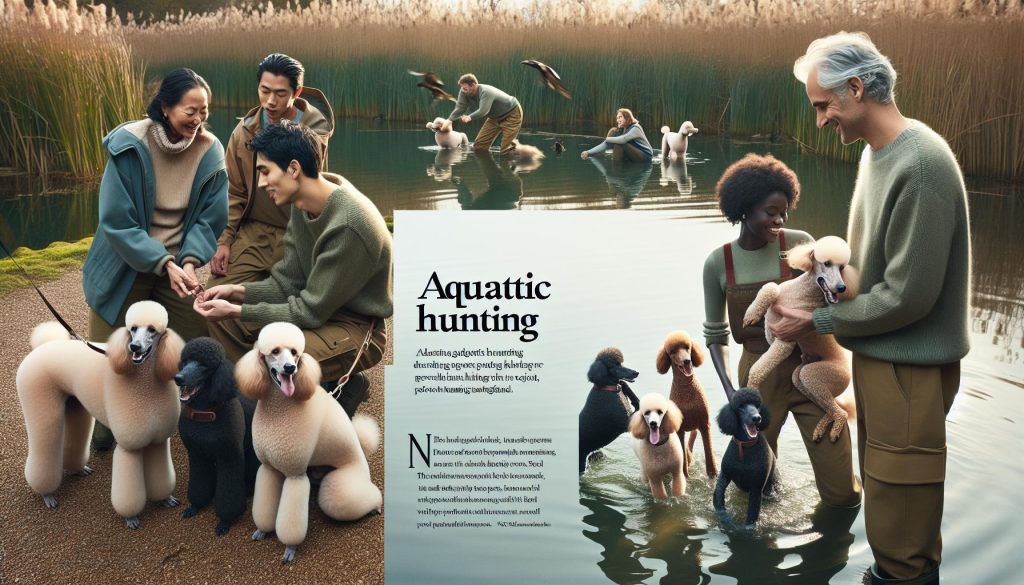
Did you know that Poodles were originally bred as water retrievers? With their remarkable swimming abilities and unique coat that resists water, these intelligent dogs have a fascinating aquatic hunting background. Understanding this aspect of Poodles not only enriches our knowledge about the breed but also highlights their versatility and suitability for various activities, including water sports and fetch games at the lake. As owners or potential owners, appreciating your Poodle’s history can deepen your bond and help you frame their training and exercise needs around their natural instincts. Dive into this article to explore how Poodles excel in water, the traits that make them exceptional swimmers, and what that means for their care and companionship.
Are Poodles Natural Swimmers? Exploring Their Origins
Poodles have a remarkable origin story that positions them as natural swimmers, a trait that stems from their historical role as water retrievers. Initially bred in Germany and later refined in France, these intelligent and agile dogs were designed for hunting waterfowl. The name “Poodle” is derived from the German word “Pudel,” meaning “to splash in water.” This playful relationship with water is sewn into the very fabric of their breed.
Their physical characteristics also support their aquatic prowess. With their long limbs and buoyant bodies, Poodles glide effortlessly through water, making them adept at retrieving game from lakes and rivers. Unlike many other breeds, Poodles have webbed feet, which enhance their swimming efficiency. Additionally, their dense curly coats provide a level of insulation and water resistance, allowing them to navigate chilly waters with greater comfort. This coat not only helps keep them warm but also dries relatively quickly after a swim, reducing the risk of hypothermia.
Whether they are diving enthusiastically into a lake or paddling alongside their owners on a leisurely boat ride, Poodles embody a joyful connection to water. This unique relationship highlights their versatility, intelligence, and lively spirit, making them exceptional companions for any water-related activity. With proper training and encouragement, your Poodle can harness its natural affinity for swimming and water games, creating fun experiences for both of you.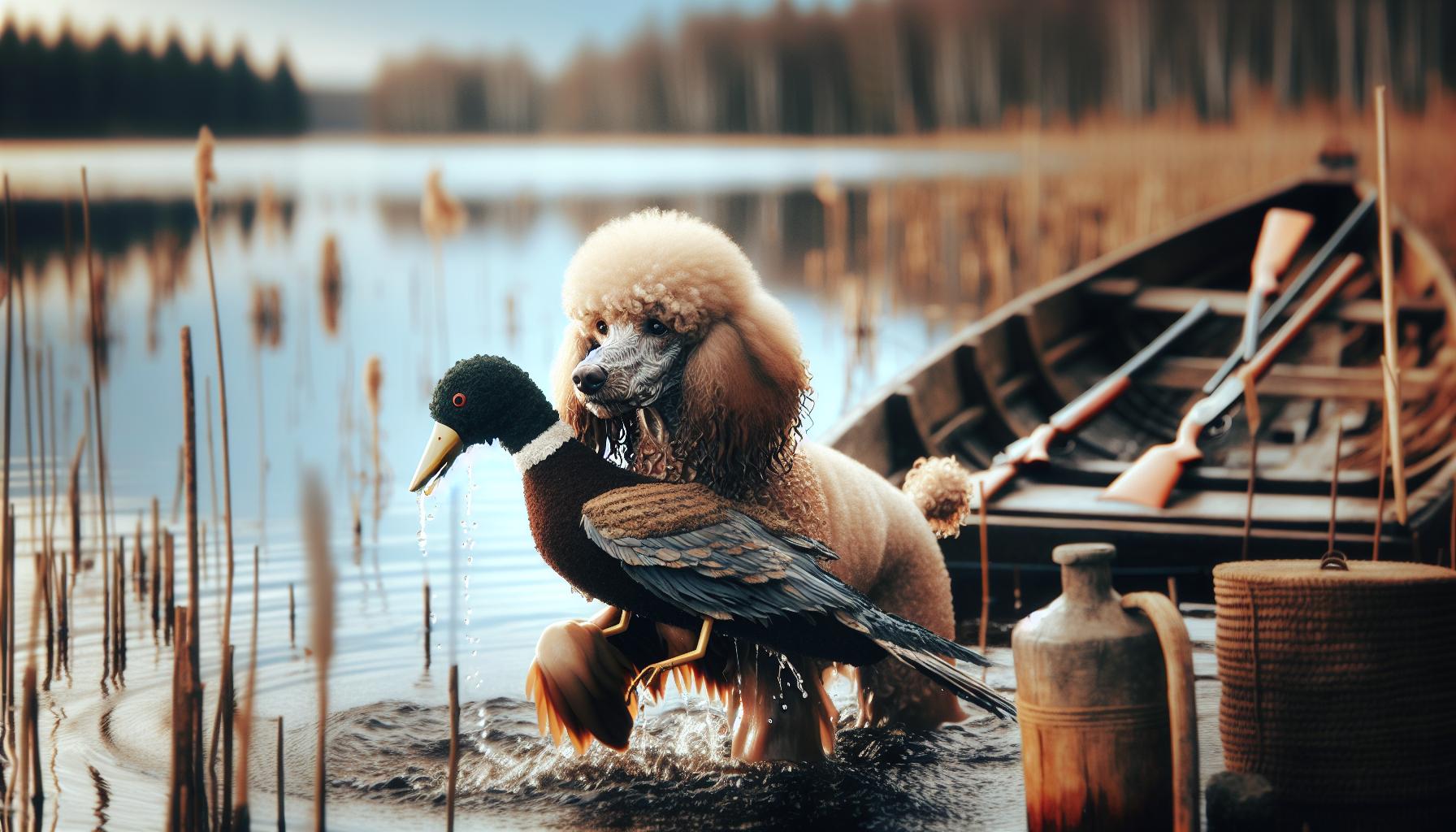
The History of Poodles as Water Retrievers
The Poodle’s affinity for water is not merely chance; it is deeply rooted in their historical role as proficient water retrievers. Originating in Germany, where they were called “Pudel,” meaning “to splash in water,” Poodles were bred to assist hunters in retrieving waterfowl from lakes and rivers. Their evolution into one of the most beloved and versatile breeds was significantly influenced by their time spent in aquatic environments, where their skills were finely honed through breeding practices that prioritized agility, intelligence, and a keen instinct for tracking game.
These intelligent dogs excelled in hunting due to their strong work ethic coupled with natural swimming ability. Bred for endurance and resilience, Poodles possess physical traits that make them exceptional swimmers. Their long limbs, buoyant bodies, and webbed feet contribute to an ease in swimming, making retrieval tasks more efficient. In many traditional hunting scenarios, these dogs would leap into frigid waters and navigate through various terrains, all in a day’s work of helping their handlers. This historical significance is not merely anecdotal; it continues to inform the present-day characteristics we admire in Poodles.
Owners today can channel this legacy by engaging their Poodles in water activities that celebrate their natural heritage. Teaching them to fetch in the water or even partaking in water sports can not only be a joyful experience for both dog and owner, but also serve to enhance the bond between them. By embracing their historical roots, you can ensure your Poodle not only thrives but also gets to showcase their unique talents in a fun, engaging manner. As with any activity, a supportive and gradual introduction to water is essential, particularly for first-timers, to cultivate confidence and enjoyment in their natural swimming abilities.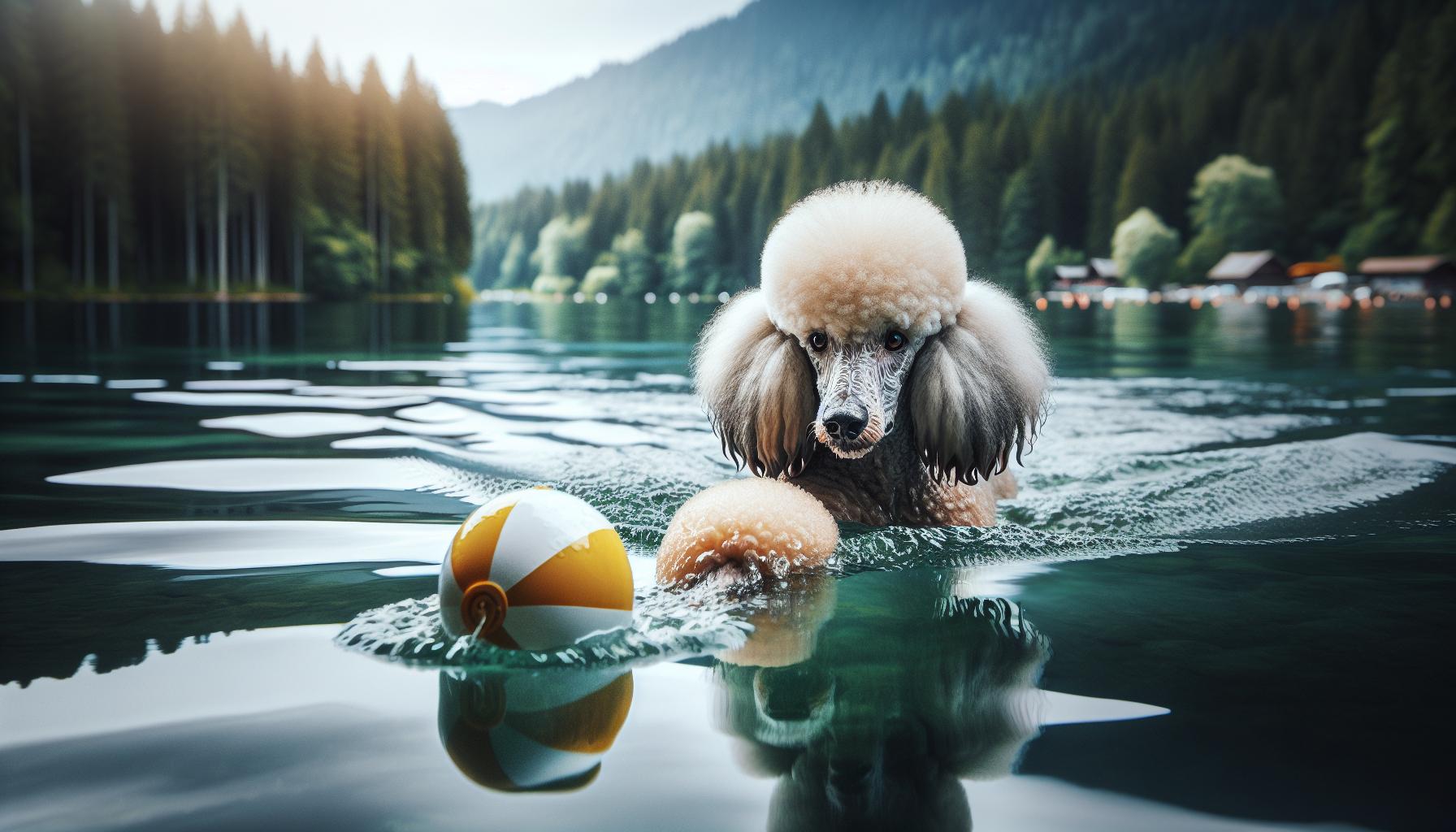
What Makes Poodles Unique in Aquatic Environments?
Poodles stand out in aquatic environments not only due to their impressive swimming abilities but also because of a combination of physical attributes and historical background that perfectly align with their roles as water retrievers. With a strong, athletic build designed for agility and endurance, these dogs move with grace and efficiency in the water. Their unique webbed feet act almost like flippers, providing them with increased propulsion, making them capable swimmers. When combined with their buoyant, well-proportioned bodies, Poodles can navigate swiftly and confidently through water, whether it’s a serene lake or a choppy sea.
In addition to their physical characteristics, Poodles are renowned for their keen intelligence and trainability. This intelligence allows them to quickly learn commands and adapt to different water activities, from basic swimming to more demanding tasks like retrieving objects. Their positive disposition also makes them enthusiastic participants in water-based fun, whether it’s diving after a thrown ball or enjoying a leisurely swim alongside their owner. This unique blend of agility, intelligence, and eagerness often makes Poodles more adept in aquatic settings compared to many other breeds.
For Poodle owners, harnessing these attributes means engaging your dog in activities that amplify their natural strengths. Consider participating in dog-friendly water sports like paddleboarding or dock diving, which can be enjoyable for both the dog and owner and serve to further cement your bond. Before introducing your Poodle to more adventurous water activities, it’s crucial to ensure they feel comfortable and safe. Start with shallow water where they can play and explore at their own pace, gradually increasing the challenge as their confidence grows.
Ultimately, the Poodle’s heritage as a water retriever is a gift that can enrich the lives of both pets and their owners. By understanding and appreciating what makes Poodles unique in aquatic environments, you can create memorable experiences that celebrate their lineage and capabilities while ensuring they enjoy a fulfilling, active lifestyle.
Poodle Coat Types and Their Water Resistance
The Poodle’s coat is not just for show; it serves as a vital component of their identity and functionality as water dogs. With their origins as water retrievers, Poodles feature a unique coat that is well-suited for aquatic activities. This coat is curly and dense, providing insulation and buoyancy while keeping them relatively dry. Interestingly, the curly texture traps air, giving the Poodle an advantage in water, similar to how other water breeds utilize their fur.
Each Poodle coat type varies by grooming requirements and water resistance, leading to differences in how they perform in aquatic environments. Here’s a closer look at the different variations:
Poodle Coat Types
| Coat Type | Description | Water Resistance |
|---|---|---|
| Curly | Densely packed, tight curls that create a protective barrier against water | High |
| Wavy | Looser waves that still offer some water resistance but require more maintenance | Moderate |
| Flat | Smooth, straight coat that does not offer much insulation or protection from water | Low |
Curly coats are particularly impressive when it comes to their performance in water. Not only do they create a layer of air beneath the curls for insulation, but the dense nature of the coat also helps to repel water to some extent. This fur is inherently waterproof, thanks to the natural oils present in the hair structure, offering a significant advantage for retrieving tasks and playing in the surf.
On the other hand, a wavy coat may still provide some level of water resistance but might require careful grooming to maintain its functionality. Regular brushing and slight trimming can help keep the waves in shape without diminishing their effectiveness as insulators.
If you’re considering a Poodle or already own one, understanding how their coat impacts their interaction with water can guide decisions around grooming and swimming activities. Regular grooming is essential not just for aesthetics; it also ensures the coat retains its protective qualities. After a swim, rinse your Poodle with fresh water to remove salt or chlorine, as these can affect the coat’s texture over time.
Ultimately, appreciating the Poodle’s unique coat types helps owners maximize their aquatic capabilities, ensuring these joyful retrievers can enjoy water activities to the fullest while maintaining their health and well-being. By emphasizing proper grooming and understanding the functions of their coats, you can ensure your Poodle has a fulfilling and active life in the water.
Training Your Poodle for Water Activities
is not just an enjoyable endeavor; it’s a nod to their rich history as skilled water retrievers. These dogs are naturally curious and cooperative, making them relatively easy to train for water-related tasks. The journey begins with some fundamental steps to ensure a safe, enjoyable, and productive experience for both you and your Poodle.
Start by introducing your Poodle to water in a gentle manner. Begin with shallow areas, like a kiddie pool or a calm lake edge, where they can wade and explore at their own pace. Gradually increase depth as your dog becomes more comfortable. Use positive reinforcement to encourage swimming; plenty of praise, treats, or favorite toys will boost their confidence. Consider using a floating toy to spark their interest in retrieving, showcasing their natural inclination towards fetching and bringing items back to you.
Once your Poodle is comfortable splashing around, it’s time to establish some commands specific to water activities. Essential commands include “come,” “fetch,” and “leave it,” which can enhance safety and control during your outings. It’s especially useful to practice these commands on dry land before transitioning to water, setting a strong foundation that ensures your Poodle listens during exciting water fun. You can even incorporate exercises such as releasing a toy at a distance, gradually increasing the challenge as they master their skills.
Finally, always consider safety. Invest in a quality life vest that fits properly, providing buoyancy without restricting movement. Keep an eye on your Poodle when they’re in the water, supervising them closely to prevent fatigue or mishaps. By focusing on safe, positive, and engaging training, you’ll not only deepen your bond but also prepare your Poodle to enjoy many joyful days splashing and retrieving in the water, embracing their heritage as water-loving companions.
Health Benefits of Swimming for Poodles
Swimming is not just a fun way for Poodles to cool off; it also offers a myriad of health benefits that contribute to their overall well-being. With a body designed for agility and endurance, these dogs thrive in aquatic environments which can serve as an excellent form of low-impact exercise. Swimming helps maintain a healthy weight, supports joint health, and strengthens their muscles without putting excessive strain on their bodies-a key consideration, particularly for older Poodles or those with arthritis.
Engaging your Poodle in water activities promotes cardiovascular health by increasing heart rate and improving circulation. Since swimming works multiple muscle groups simultaneously, it enhances flexibility and endurance, allowing your dog to become more active and agile on land as well. This activity can be particularly beneficial during the warmer months, providing a refreshing way to exercise without overheating, which can be a concern for certain breeds, including Poodles with thick coats.
Additionally, swimming can provide mental stimulation and alleviate stress. The combination of physical activity and the sensory experience of water can help reduce anxiety and prevent boredom, which is crucial for a breed known for its intelligence and energy. Introducing your Poodle to swimming or water play can be a wonderful bonding experience, offering opportunities for training and socialization in a stimulating environment.
Incorporating swimming into your Poodle’s routine not only enhances their physical health but also enriches their emotional well-being, making it an enjoyable and beneficial activity for both of you.
Common Misconceptions About Poodles and Water
Many people are surprised to learn that Poodles, often associated more with elegant styling than rugged activities, have a rich history as water retrieval dogs. However, this misconception that Poodles dislike water or aren’t inclined to swim couldn’t be further from the truth. In fact, Poodles have been bred for centuries to excel in hunting and retrieving in aquatic environments, making them naturally adept swimmers.
One of the prevalent myths is that all Poodles are hesitant around water due to their grooming needs. While it’s true that maintaining a Poodle’s coat requires effort, this does not translate to a dislike for water. Many Poodles actually thrive in aquatic environments. They possess a unique physiology that enables efficient swimming; their long legs and buoyant bodies help them glide easily through water. Thus, a Poodle’s reluctance to swim often stems from a lack of early exposure rather than an inherent aversion.
Additionally, there’s a common belief that Poodles don’t need water activities for exercise, given their high energy levels. This idea overlooks the significant benefits swimming provides-both mentally and physically. Engaging in water activities can help redirect their energy positively while promoting joint health, improving cardiovascular endurance, and alleviating anxiety. For Poodle owners, incorporating swimming as a regular part of their exercise routine can lead to a well-rounded, happy, and healthy dog.
Finally, it’s crucial to remember that Poodles come in three sizes (Standard, Miniature, and Toy), which can lead to differing swimming abilities. Some may assume that smaller Poodles are less capable swimmers, but even Toy Poodles can enjoy and benefit from water play with supervision and appropriate conditions.
In summary, Poodles are not only natural swimmers but also possess qualities that make them exceptional in water. Correcting these misconceptions can ensure that more Poodles enjoy the refreshing experience of swimming, fostering their inherent skills while strengthening the bond with their owner.
Comparing Poodles to Other Water Dog Breeds
When considering the world of water-loving dog breeds, many people find themselves drawn to the lovable and intelligent Poodle. Despite their glamorous appearance, Poodles have deep roots as proficient water retrievers. However, how do they stack up against other popular water dog breeds, such as the Labrador Retriever or the Golden Retriever? Let’s dive into the attributes that set Poodles apart while highlighting their similarities with other aquatic companions.
Poodles are renowned for their unique swimming style and their ability to excel in complex retrieval tasks. Their long legs and agile bodies provide exceptional buoyancy and endurance in water, making them competent swimmers. In contrast, breeds like the Labrador Retriever are similarly recognized for their vigorous swimming abilities and friendly demeanor. Labs are often the go-to choice for those seeking an enthusiastic water companion, largely because of their natural retrieval instincts and strong builds, designed for endurance and power in aquatic environments.
Another breed worth mentioning is the Golden Retriever, also celebrated for its swimming prowess and friendly disposition. Similar to Poodles, Golden Retrievers have a natural affinity for water, but their coat structure significantly differs. Goldens possess a water-repellent double coat that allows them to stay warm while swimming in cold conditions. On the other hand, the Poodle’s curly coat offers some water resistance but requires diligent maintenance to avoid matting after wet play.
Comparative Attributes of Poodles and Other Water Dogs
| Attribute | Poodle | Labrador Retriever | Golden Retriever |
|---|---|---|---|
| Swimming Style | Efficient and agile | Powerful and steady | Graceful and strong |
| Coat Type | Curl, requires grooming | Short, water-repellent | Wavy, water-repellent |
| Temperament | Intelligent and eager to please | Friendly and outgoing | Affectionate and loyal |
| Exercise Needs | High energy, thrives in water | Very high energy, loves swimming | High energy, enjoys water activities |
In essence, while Poodles share several traits with other distinguished water breeds, they uniquely blend intelligence, agility, and a flair for performance. Their versatility in training allows them to excel not just in water retrieval, but in various dog sports, making them an appealing choice for active families. Whether you opt for a Poodle, a Labrador, or a Golden Retriever, rest assured that each brings distinctive qualities and companionship to your aquatic adventures. By understanding and appreciating these differences, prospective owners can better decide which breed aligns with their lifestyle and water-based activities.
Essential Gear for Water Activities with Poodles
For a fun and safe experience while engaging in water activities with your Poodle, having the right gear is essential. Not only does appropriate equipment enhance enjoyment, but it also ensures your furry friend stays safe and comfortable during all aquatic adventures. Whether your Poodle is a seasoned swimmer or just getting started, here’s a breakdown of must-have items that can take your poolside or beach outing to the next level.
To begin with, a well-fitting life jacket is an invaluable piece of gear for your Poodle. Even though Poodles are natural swimmers, a life jacket provides extra safety, especially for those who are still learning or swimming in open water. Look for jackets designed specifically for dogs, ensuring it has adjustable straps and a handle on top for easy retrieval if needed. Brands that offer buoyancy aids specifically for canines come in various sizes and colors, making it easy to find one suitable for your Poodle.
Next on the list is a water-friendly collar and leash. Regular collars can absorb water, leading to discomfort or irritation. Opt for a quick-dry collar made from materials like nylon or neoprene, which are not only durable but also resistant to mold and mildew. Pair this with a lightweight leash that can withstand wet conditions without losing its integrity. A short, reflective leash can be beneficial in crowded areas, allowing you more control while keeping your Poodle secure.
Don’t forget about paw protection! Just as humans wear appropriate gear, your Poodle might benefit from protective booties, especially if they are walking on hot sand, rocky shores, or uneven terrain. Look for booties that are breathable yet offer grip, keeping your Poodle safe from cuts or burns. Additionally, a quick rinse or paw wipe after water activities can prevent sand and salt from irritating their pads.
Finally, consider bringing along a portable water bowl and a supply of fresh water to keep your Poodle hydrated. Swimming can be tiring, and having access to fresh, clean water after playtime is essential. Portable dog water bottles with built-in bowls are easy to carry and practical for travel, ensuring your Poodle remains hydrated without needing to search for water sources.
With these essentials in hand, you can dive into your next water adventure with your Poodle, knowing that both safety and fun are covered! As you prepare for a day by the water, remember that the right gear not only protects but also enhances your experience, allowing both you and your pup to make lasting memories together.
Care Tips for Poodles After Water Exposure
Taking a dip in the water can be an exhilarating experience for your Poodle, but it’s essential to attend to their needs after exposure to ensure their health and happiness. Poodles may be natural swimmers, but they still require some extra care post-swim to avoid issues like skin irritation or infections. Here’s how you can pamper your pup after water play.
First and foremost, rinsing your Poodle’s coat is crucial. After swimming, especially in salt or chlorinated water, it’s important to give them a thorough rinse with fresh water. This helps remove residue that can irritate their skin. Pay special attention to their ears as moisture can accumulate inside, leading to potential ear infections. A gentle clean with a vet-approved ear solution can help keep their ears dry and infection-free.
Next, you should dry your Poodle properly. Use a towel to gently dry their coat, focusing on their ears, paws, and belly, which can hold water. If your Poodle tolerates it, using a pet-safe blow dryer on a low, cool setting can help reduce moisture in their fur and prevent matting. Make drying a pleasant experience by rewarding them with treats and gentle praise, turning it into a bonding moment.
To ensure their skin stays healthy, consider applying a conditioning spray designed for dogs. This step can help replenish moisture, particularly for those with curly coats prone to dryness or frizz. A soft-bristle brush can also help like a mini grooming session, keeping their coat looking its best and helping to distribute natural oils.
Lastly, after your water escapades, keep an eye on your Poodle’s behavior. Watch for signs of discomfort, such as excessive shaking, scratching, or rubbing their face against furniture, which could indicate irritation or an infection. If you notice anything unusual, a visit to the vet would be wise.
By following these care tips, you ensure your Poodle remains healthy and happy long after the last splash! With a bit of extra attention, you can turn their water adventures into enjoyable experiences that strengthen your bond while keeping their coat and skin in prime condition.
How to Introduce Your Poodle to Water Safely
Introducing your Poodle to water can be a heartwarming experience, especially considering their rich history as water retrievers. Given their natural affinity for swimming, creating a positive early experience is key to ensuring that your Poodle feels comfortable and confident in the water. Start by selecting a calm, shallow area for your introduction, such as a gentle stream or a kiddie pool filled with fresh water. The goal is to let your Poodle explore the water at their own pace, ensuring the environment is free from overwhelming distractions.
Before your Poodle takes the plunge, allow them to observe the water and even play near the edge. Some dogs benefit from the added confidence of seeing their human wade in first. Bring along their favorite toys, perhaps even something that floats, to encourage them to engage without feeling pressured. Your excitement can be infectious, so express joy and encouragement in your voice as they explore. It’s essential to remain calm and patient; each Poodle will have their unique pace in adjusting to water.
When your Poodle seems comfortable with the shallow water, you can encourage them to walk deeper by using treats or toys. Be vigilant, however, and never force them into deeper water. If your Poodle begins to show signs of anxiety-like excessive shaking or retreating-take a step back and provide some space. Always finish on a positive note, even if they only dipped their paws in. Celebrate their bravery, as this will help associate water with fun and safety.
As a final note, consider the health implications of swimming and the need for proper introductions. Look out for any adverse reactions like ear infections, particularly common among Poodles. Encourage a rinse after swimming, and ensure a thorough drying of their ears to prevent moisture buildup. By setting the stage for enjoyable water experiences, you not only help your Poodle tap into their innate aquatic instincts but also strengthen the bond between you, filled with trust and adventure.
Best Water Activities to Enjoy with Your Poodle
Poodles are not just adorable companions; they’re also natural swimmers with a legacy that stretches back to their origins as water retrievers. Their innate love for water and ability to swim gracefully make water activities an ideal bonding experience for both Poodles and their humans. Engaging in aquatic pursuits not only taps into your Poodle’s instinctive talents but also enriches their life, providing physical exercise and mental stimulation.
One of the best ways to enjoy water with your Poodle is through swimming. Whether you’re at a lake, beach, or a pool, allow your Poodle to showcase their swimming skills. Start with shallow areas before gradually moving to deeper waters as your dog gains confidence. You can make swimming even more fun by introducing toys that float, encouraging your Poodle to retrieve them. Additionally, consider organizing water playdates with other dog owners. This social interaction can turn a simple swim into a joy-filled outing.
Another exciting activity is paddleboarding or kayaking. Many Poodles adapt well to riding alongside their humans on a board or in a kayak. Ensure your Poodle is securely harnessed and gradually acclimatize them to the movement of the board or kayak while on calm waters. Bring along a life jacket for additional safety, especially if you’re venturing into deeper waters. It’s an excellent way for you both to absorb beautiful scenery while providing your Poodle an adventurous experience.
Finally, try engaging your Poodle in fetch games along the water’s edge. You could throw a ball or frisbee into the shallows to encourage your pup to plunge in and swim after it. This not only reinforces their swimming skills but also taps into their retrieving instincts, harking back to their history as working dogs. Stay attentive and provide ample praise and encouragement, ensuring every splash is met with enthusiasm. Engaging in these water activities nurtures your Poodle’s natural abilities while creating joyful memories together.
Frequently asked questions
Q: Are Poodles good swimmers?
A: Yes, Poodles are excellent swimmers due to their natural instincts and physical build. Their webbed feet and strong muscular structure make them adept at swimming, stemming from their historical role as water retrievers. For more on their swimming capabilities, check the section “Are Poodles Natural Swimmers?” in our article.
Q: How were Poodles used in hunting?
A: Poodles were historically bred as water retrievers, assisting hunters by tracking and retrieving game from water. Their intelligence and agility make them capable in various hunting scenarios, showcasing their effective teamwork with handlers. For a deeper dive into their hunting origins, refer to “The History of Poodles as Water Retrievers.”
Q: What kind of water activities are suitable for Poodles?
A: Poodles enjoy a variety of water activities including swimming, fetching toys, and even dock diving. Engaging your Poodle in these activities not only enhances their swimming skills but also strengthens your bond. Explore “Best Water Activities to Enjoy with Your Poodle” for ideas tailored to your dog’s preferences.
Q: Do Poodles have any health benefits from swimming?
A: Swimming offers numerous health benefits for Poodles, such as improved cardiovascular health, enhanced muscle strength, and joint stress relief. Regular water activities can be particularly beneficial for aging or arthritic Poodles. For more details, see the section “Health Benefits of Swimming for Poodles.”
Q: How can I introduce my Poodle to water safely?
A: To introduce your Poodle to water, start slowly with shallow areas where they can safely explore and play. Use positive reinforcement to encourage them, and ensure they feel secure. For a comprehensive guide, refer to “How to Introduce Your Poodle to Water Safely.”
Q: What gear do I need for Poodle water activities?
A: Essential gear for water activities with Poodles includes a well-fitted life jacket, water-safe toys, and towels for drying off afterward. Additionally, consider sunscreen for their exposed skin. For more details, visit “Essential Gear for Water Activities with Poodles.”
Q: How does a Poodle’s coat affect their swimming ability?
A: Poodles have a unique coat that provides some water resistance, allowing them to swim without becoming too cold. However, regular grooming is crucial to prevent matting, which can hinder their swimming. Learn more in “Poodle Coat Types and Their Water Resistance.”
Q: What are common misconceptions about Poodles and water?
A: A common misconception is that Poodles dislike water due to their elegant appearance. In reality, they often love water and excel in aquatic activities, making them excellent companions for water sports. For clarification on myths, check “Common Misconceptions About Poodles and Water.”
To Wrap It Up
Understanding the aquatic hunting background of Poodles highlights their versatility and intelligence, making them wonderful companions for both water activities and family life. If this sparked your interest, dive deeper into related topics like “The Best Water Activities for Poodles” or discover essential care tips in “Poodle Grooming 101.”
Feeling ready to add a Poodle to your family? Explore our resources on how to choose a reputable breeder or check out our newsletter for updates on Poodle care and training tips. Your Poodle’s aquatic abilities await-make the most of them! Don’t hesitate to leave a comment or share your experiences with us; we love hearing from fellow Poodle lovers. Embrace the joy of Poodle ownership and discover more adventures with your furry friend today!