Did you know that the Barbet, a charming and intelligent breed, is not only a beloved companion but also holds great potential as an assistance dog? With their gentle demeanor, strong work ethic, and adaptability, Barbets can be exceptional partners for individuals with disabilities. They have the innate ability to connect with people, making them ideal candidates for various assistance roles, including therapy and emotional support.
As you explore the world of Barbets as guide dogs, you’ll discover the unique traits that make them suitable for this vital work. Understanding their temperament, training requirements, and grooming needs can help you determine if this delightful breed is the right fit for you or a loved one. Whether you’re considering a Barbet as a supportive companion or are eager to learn more about their capacity to assist in daily life, this guide will provide valuable insights and practical advice tailored to both new and experienced dog owners. Join us in uncovering the remarkable potential of the Barbet as an assistance animal.
Understanding the Barbet: Breed Characteristics and Temperament
The Barbet is not just a rare gem among dog breeds; it boasts a temperament that makes it particularly well-suited for roles as assistance animals. Known for their gentle and affectionate nature, Barbets form strong bonds with their owners, making them excellent companions for individuals with diverse needs. Their calm demeanor allows them to thrive in various environments, creating a stable presence for those requiring support. But what truly sets them apart is their impressive intelligence and willingness to learn, which can be harnessed for training as guide dogs.
These dogs are characterized by their webbed feet and love for water, originally bred for hunting fowl in Europe[[3]](https://en.wikipedia.org/wiki/Barbet_(dog_breed)). This natural affinity for swimming not only showcases their versatility but also contributes to their ability to adapt to different situations, an essential trait for assistance work. Barbets exude patience and possess an eagerness to please, making them highly trainable and reliable in critical tasks. Their sociable nature further complements their roles as service dogs, as they are well-regarded for their ability to interact positively with people and pets alike.
To ensure your Barbet thrives as an assistance dog, it’s vital to engage them in socialization and training from an early age. This breed benefits from positive reinforcement techniques and consistency, which can be enhanced through interactive play and mental challenges. With proper care and attention, Barbets not only excel in their roles but also enrich the lives of their handlers, demonstrating loyalty and deep emotional understanding. Choosing a Barbet as a guide or assistance animal is a decision that nurtures not only the dog’s potential but also provides invaluable support to those they serve.
The Role of Barbet Dogs as Assistance Animals
The Barbet is a breed that shines brightly in the realm of assistance animals thanks to its remarkable adaptability and warmth. With their deep-seated affectionate nature, these dogs form strong bonds with their handlers, making them especially beneficial for individuals requiring various forms of support. Whether helping with mobility challenges, providing emotional comfort, or assisting those with sensory disabilities, the Barbet’s innate patience and calm demeanor position it as an excellent companion for diverse needs. This breed is not just a pet; it embodies a reliable partner, offering stability and joy to those it serves.
Barbets are known for their impressive intelligence, which shines through in their eager willingness to learn. This quality is significant when it comes to training for assistance tasks. Their adventurous spirit, combined with a love for water and outdoor activities, can help individuals engage with the world more freely. Imagine a Barbet guiding someone on a nature walk, the dog confidently navigating challenging terrains while ensuring its handler feels safe and supported. The Barbet’s sociable disposition allows it to interact positively not just with its human companions but also with others, enhancing its role as a community-friendly assistance dog.
To unlock the full potential of a Barbet as an assistance animal, early socialization and consistent training are crucial. Engaging them in varied environments helps cultivate resilience and adaptability, ensuring they can handle the unpredictability of everyday life seamlessly. Implementing positive reinforcement techniques during training solidifies their learning and enhances their bond with their handlers. Activities that challenge both their physical and mental capacities, such as agility courses or scent work, can also contribute to their overall well-being and effectiveness in their assistance role.
In terms of care, ensuring a Barbet receives proper grooming, regular exercise, and mental stimulation is vital for their happiness and health. This breed thrives on interaction, so incorporating playtime and social outings into their routine will not only strengthen their assistance skills but also promote a joyful relationship between them and their handler. By providing a nurturing environment filled with understanding and patience, owners can help their Barbets flourish as indispensable assistance animals, showcasing how this remarkable breed can truly transform lives.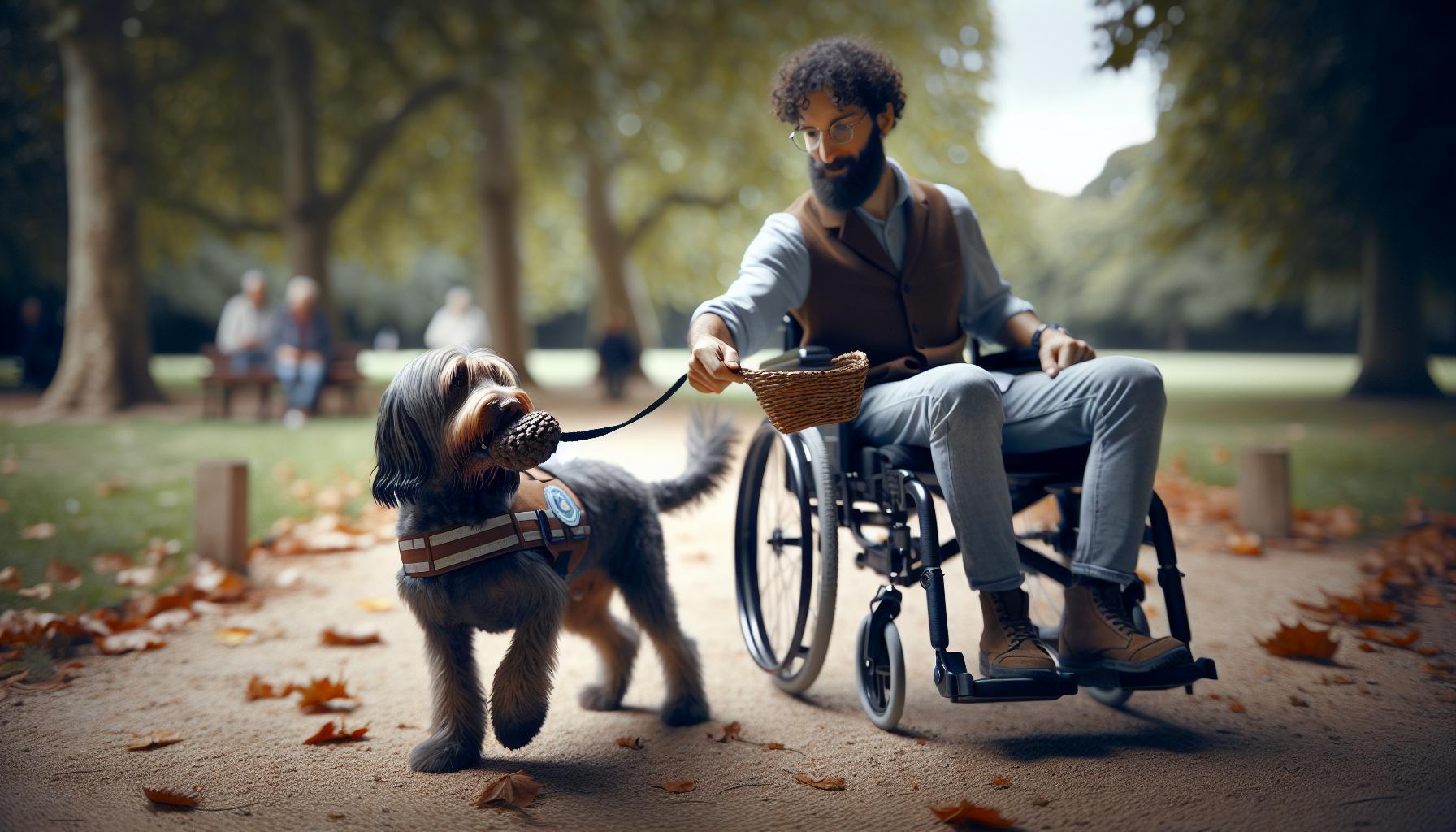
Training Barbet Guide Dogs: Essential Techniques
Training a Barbet as an assistance dog is a fulfilling journey that capitalizes on their intelligence, eagerness to learn, and gentle temperament. These dogs thrive on positive interactions and structured routines, making them particularly well-suited for various assistance roles. A well-trained Barbet can significantly enhance the quality of life for individuals with mobility issues, sensory impairments, or emotional support needs.
Early Socialization and Positive Reinforcement
A strong foundation for any Barbet begins with early socialization. Exposing your pup to different environments, people, and other animals not only boosts their confidence but also equips them with the skills necessary to adapt to various scenarios they may encounter while assisting their handler. Utilize positive reinforcement techniques in training, such as treats and praise, to encourage desired behaviors. This method fosters a strong bond between you and your Barbet, enhancing their willingness to learn and perform tasks.
Structured Training Sessions
When training your Barbet, keep sessions short, engaging, and varied. Incorporate different commands and tasks to maintain interest while ensuring each session has a clear goal. For example, teaching them to respond to basic commands like “sit,” “stay,” and “come” builds a solid foundation. Gradually introduce more complex tasks specific to their assistance role, such as guiding a person through crowded spaces or alerting them to sounds. Always end training sessions on a positive note, reinforcing their achievements, no matter how small.
Training Tools and Techniques
Utilizing specific tools can aid in training your Barbet effectively. Consider introducing a clicker to mark desired behaviors instantly, helping your dog to understand what action earned them a reward. Additionally, task-specific training aids, such as harnesses for mobility tasks, can provide practical examples during training. Regularly practice these tasks in real-life situations, such as navigating busy parks or shopping areas, to ensure your Barbet becomes accustomed to their responsibilities in diverse environments.
By prioritizing patience and consistency in training, and embracing the unique traits of the Barbet breed, you’re setting the stage for a successful partnership. With their inherent adaptability and loving nature, Barbets are not just capable assistance animals but also loyal companions ready to enrich the lives of those they serve.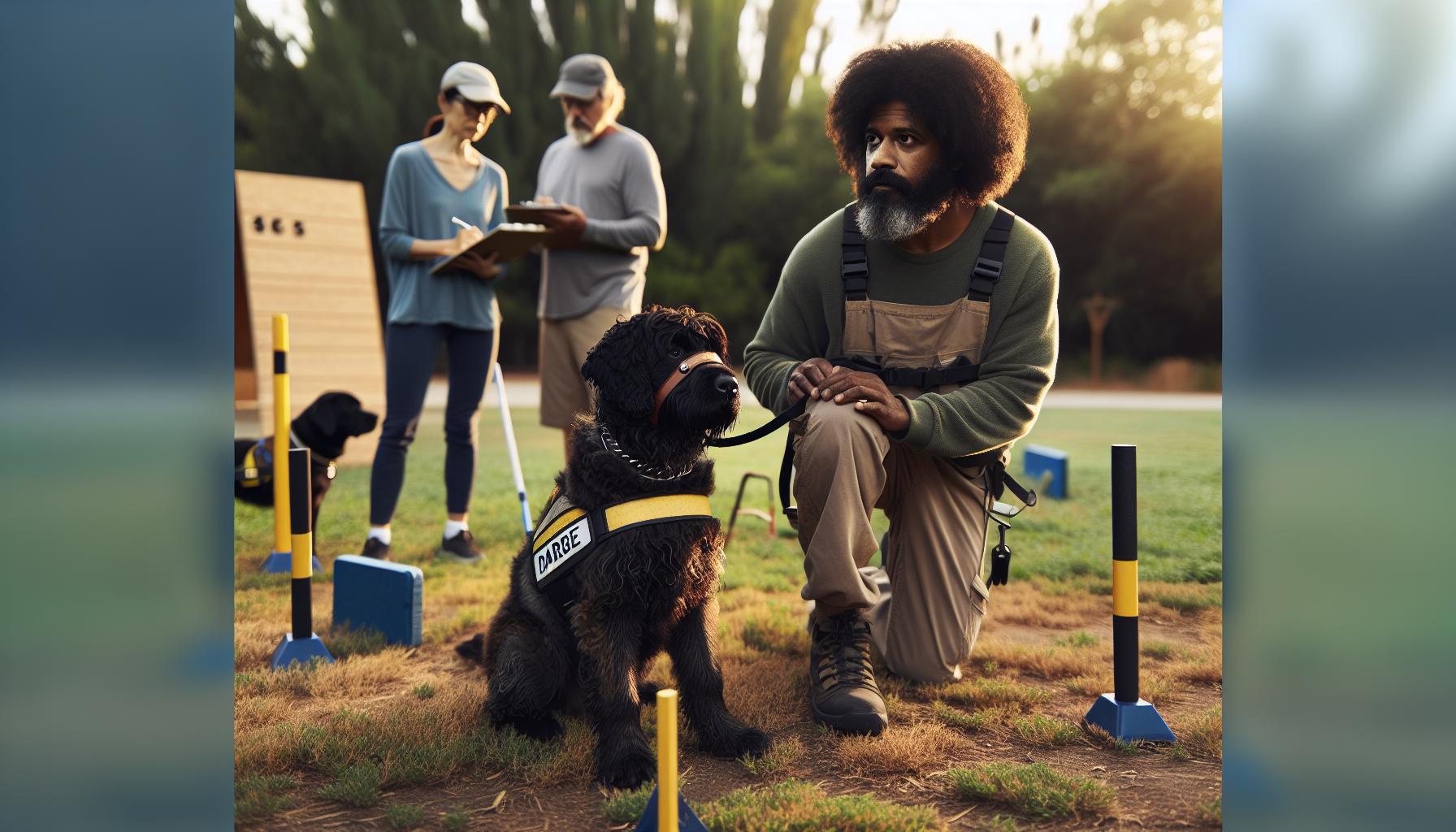
Physical and Mental Traits of Barbets for Assistance Work
Barbets are often referred to as the “clowns of the dog world,” owing to their playful demeanor and affectionate nature. This playful spirit, combined with their impressive intelligence, makes them ideal candidates for assistance work. Their medium size and sturdy build allow them to navigate various environments with ease, whether in a bustling city or a quiet home setting. Additionally, their distinguished curly coat, which is both water-resistant and hypoallergenic, provides practical benefits for those prone to allergies, ensuring that more individuals can welcome a Barbet into their lives.
Physical Traits Enhancing Assistance Roles
The physical characteristics of Barbets contribute significantly to their capabilities as assistance animals. Weighing between 30 to 65 pounds and standing 20 to 24 inches tall, Barbets have a strong yet agile physique. Their webbed feet are designed for swimming, reflecting their history as waterfowl retrievers, which translates into a great adaptability for tasks involving mobility assistance or retrieval of dropped items. Moreover, their keen eyesight and acute sense of smell enable them to alert their handlers to various situations, whether it be impending danger or a necessary task.
When evaluating a Barbet for assistance work, consider these attributes:
- Strength: Suitable for tasks requiring mobility support or carrying items.
- Agility: Able to navigate different terrains and environments with ease.
- Endurance: Can engage in prolonged activities without fatigue, making them excellent companions for doing errands or accompanying their handlers throughout the day.
Mental Traits Supporting Assistance Work
What truly sets Barbets apart is their exceptional mental acuity. These dogs possess a strong willingness to please and a natural eagerness to learn, making them highly trainable. Their buoyant and friendly disposition allows them to bond closely with their handlers, creating a trusting relationship essential for effective assistance work. Notably, Barbets have a calm demeanor, allowing them to remain composed in various situations, essential for guiding individuals with disabilities or providing emotional support.
Consider the following mental traits that enhance a Barbet’s suitability as an assistance dog:
- Intelligence: Quick to learn new commands and tasks, often mastering skills faster than other breeds.
- Adaptability: Capable of adjusting to new circumstances and environments, which is critical in assistance roles.
- Calmness: Their ability to stay calm under pressure is reassuring for handlers, fostering a safe and supportive atmosphere.
In summary, the unique combination of physical strength and mental agility in Barbets not only makes them wonderful companions but also equips them to excel in various assistance roles. By understanding and capitalizing on these traits, handlers can significantly enhance the quality of life for themselves or those they support, showcasing the true potential of Barbets as assistance animals.
Barbet Care Requirements: Ensuring Their Well-being
To ensure that a Barbet thrives, particularly when serving as an assistance animal, proper care is essential. These dogs are not only affectionate and intelligent but, like any breed, require specific developmental support to reach their full potential as service partners. From grooming to diet and socialization, let’s dive into the key aspects of Barbet care to help maintain their health and maximize their effectiveness in assistance roles.
A crucial component of their well-being is regular grooming. The Barbet’s curly coat is not only beautiful but also requires routine maintenance to prevent matting and ensure skin health. Daily brushing is ideal, as it helps to remove loose hair and debris while also allowing you to inspect for any skin issues. Monthly baths with a quality dog shampoo will keep their coat clean and maintain its natural oils. Additionally, regular check-ups at the groomer can provide professional trimming and maintenance, keeping their coat in tip-top shape.
Nutrition plays a pivotal role in the overall health of a Barbet. Providing a balanced diet rich in high-quality proteins, healthy fats, and plenty of vitamins is essential, especially for active dogs. Consult with a veterinarian to determine the best diet plan tailored to their age, weight, and activity level. Keeping your Barbet well-hydrated and maintaining their weight is fundamental, particularly as they engage in the physically demanding work often required in assistance roles.
Socialization and training are equally important for a Barbet’s mental health and their ability to perform assistance tasks. Early exposure to a variety of people, environments, and other animals is crucial for developing a well-rounded temperament. This breed thrives on positive reinforcement during training; thus, utilizing rewards and praise effectively fortifies your bond and encourages them to engage eagerly with their assigned tasks.
Lastly, exercise is vital for maintaining both physical and mental well-being. Barbets are energetic and benefit from regular walks, play sessions, and opportunities for swimming, which is a natural inclination for them due to their water retriever background. Aim for at least 60 minutes of activity each day to keep them happy and healthy.
Implementing these care strategies not only enhances a Barbet’s quality of life but also ensures they are well-prepared to fulfill their roles as assistance animals. By prioritizing grooming, nutrition, socialization, and exercise, you empower your Barbet to shine in their duties, whether as a guide, therapy companion, or simply a loving pet. Embrace the journey of care and training, and you’re sure to cultivate a joyous partnership with your Barbet.
Barbet vs. Other Assistance Breeds: A Comparison
When considering a Barbet as an assistance animal, it’s essential to compare their traits and abilities with those of more traditional assistance breeds like Labradors, Golden Retrievers, and German Shepherds. Each breed has its unique strengths, and understanding these can help potential owners make informed decisions about the best fit for their needs.
Barbets are medium-sized dogs known for their friendly disposition and intelligence. Their affectionate nature and moderate energy levels make them excellent companions for individuals requiring assistance. Unlike some of the more commonly recognized assistance breeds, Barbets possess a distinctive water-repellent coat that contributes to their versatility and potential as therapy or guide dogs. This breed’s enthusiasm for water activities can be particularly beneficial for those in need of emotional support during outdoor activities or swimming therapy.
In terms of temperament, Barbets are gentle, adaptable, and sociable, thriving in various environments. They exhibit a strong desire to please, which can enhance their trainability. In contrast, while Labradors and Golden Retrievers also have commendable temperaments, they may exhibit higher energy levels that can be overwhelming in certain situations. German Shepherds, on the other hand, are renowned for their protective instincts and intelligence; however, they may require more extensive training for social adaptability compared to the naturally sociable Barbet.
| Breed | Temperament | Energy Level | Trainability | Coat Type |
|---|---|---|---|---|
| Barbet | Gentle, Affectionate, Sociable | Moderate | High | Woolly, Water-repellent |
| Labrador Retriever | Friendly, Outgoing | High | High | Short, Waterproof |
| Golden Retriever | Intelligent, Loyal | High | High | Long, Wavy |
| German Shepherd | Protective, Intelligent | Moderate-High | High | Short, Dense |
By evaluating these characteristics, prospective assistance dog handlers can appreciate the unique benefits Barbets bring to the table. Their affectionate nature and adaptability make them suitable companions for families, individuals, and even seniors requiring assistance. However, it’s essential to acknowledge the responsibilities that come with their care, including grooming and socialization needs, to ensure they thrive and fulfill their roles effectively alongside other assistance breeds. This thoughtful comparison highlights not only the strengths of the Barbet but also underscores the importance of finding the right fit based on individual requirements and lifestyles.
Real-Life Success Stories: Barbets in Action
There’s something truly inspiring about hearing how specific dog breeds can transform lives, and the Barbet is no exception. These intelligent and adaptable companions are increasingly being recognized for their potential as assistance animals, and their success stories shed light on just how powerful their presence can be. From navigating busy urban environments to providing emotional support at home, Barbets are forging new paths in the world of assistance dogs.
Consider the story of Max, a Barbet who has become an integral part of his owner’s life, providing assistance for a visually impaired individual. Through dedicated training, Max learned to guide his owner through bustling streets, mastering commands that allowed him to navigate obstacles safely. His gentle demeanor and eagerness to learn not only created a strong bond with his handler but also showcased the breed’s innate sense of empathy and understanding, helping to foster independence and confidence.
Another moving example is Bella, a therapy Barbet who regularly visits a local children’s hospital. With her fluffy, welcoming coat and playful spirit, Bella draws smiles and laughter from young patients undergoing treatment. Her ability to comfort and engage the children highlights the Barbet’s unique traits, including their sociability and affectionate nature. These interactions not only provide emotional relief for the children but also create a cheerful atmosphere, making tough days a little brighter.
Barbets also excel in roles beyond guiding and therapy. Their extraordinary swimming abilities can be harnessed during aqua-therapy sessions. Dogs like Charlie, a water-loving Barbet, have been used to assist individuals with physical disabilities in therapeutic swimming programs. His enthusiastic approach to water motivates participants, encouraging them to push their boundaries and engage more actively in their rehabilitation.
Incorporating a Barbet into your life as an assistance animal offers endless opportunities for connection and support. Their remarkable adaptability makes them suitable for various environments and tasks, whether it’s assisting in daily routines or providing emotional support during challenging times. As more people recognize their potential, the future looks bright for Barbets in assistance roles.
Legal Considerations for Barbet Assistance Animals
Understanding the legal framework surrounding assistance animals, including Barbets, is essential for prospective owners and handlers. Unlike service dogs, which are specifically trained to perform tasks for individuals with disabilities, emotional support animals (ESAs) like the Barbet may not have the same legal rights. Awareness of these distinctions can guide owners in navigating public spaces and housing situations.
One crucial aspect to consider is the Americans with Disabilities Act (ADA), which dictates where service dogs can accompany their handlers. Under the ADA, service dogs must be trained to perform specific tasks related to their owner’s disability. In contrast, emotional support animals do not have the same access rights. This means that while Barbets can serve as emotional support animals, they aren’t granted the same public access rights as service dogs. Therefore, it’s important for owners to check local laws and business policies to understand the specific rights and limitations associated with their Barbet.
Moreover, housing laws often provide protections for emotional support animals under the Fair Housing Act (FHA). This law can allow individuals to keep their Barbets in housing that otherwise has a no-pets policy, provided they have proper documentation from a licensed mental health professional. When seeking accommodation, it helps to have a letter detailing the need for the animal as part of the owner’s treatment plan. Each housing situation can have its own requirements, so thorough preparation and communication are key.
Lastly, insurance implications must also be discussed. Some landlords may have insurance policies that restrict certain breeds, so understanding your Barbet’s legal status in these cases is vital. It’s prudent to initiate a conversation with potential landlords regarding their pet policies and work from there.
In summary, while Barbets hold great potential as assistance animals, comprehending the legal landscape is vital for ensuring that they can serve their intended purpose effectively and legally. Whether they are acting as emotional support or fulfilling other roles, recognizing their rights and limitations can facilitate smoother interactions in various public and private settings.
Adapting Your Home for a Barbet Guide Dog
Creating a welcoming home environment for a Barbet guide dog requires thoughtful consideration to support their unique needs as well as those of their handlers. This medium-sized breed, celebrated for its intelligence, adaptability, and affectionate nature, makes a great companion and assistance animal. They thrive in an environment that fosters both mental stimulation and physical activity, which can significantly enhance their ability to perform assistance tasks.
Start by evaluating the space available in your home. Ensure that there is a designated area where your Barbet can rest undisturbed. A comfortable bed in a quiet corner away from high-traffic areas will allow them to recharge, as they can be quite active and might need downtime to recover. Given the Barbet’s affinity for water, if you have access, consider creating a serene outdoor space with a kiddie pool or a small water feature where they can splash and play. Regular access to water promotes engagement and joy, which is key to their well-being.
Safety and Accessibility
Barbets are known for their playful and sometimes boisterous behavior, so making your home dog-proof is crucial. Here are some actionable steps to ensure a safe environment:
- Secure Hazardous Items: Keep cleaning supplies, chemicals, and small objects out of reach.
- Fence Outdoor Areas: If you have a garden, ensure that it is securely fenced to prevent unmonitored wandering.
- Remove Tripping Hazards: Keep paths clear and avoid loose rugs to facilitate safe navigation, especially for individuals with mobility issues.
Additionally, consider the layout of your home to enhance accessibility. If stairways are present, installing gates can prevent your Barbet from accessing tricky areas unsupervised. Avoid thick, plush carpets that may be difficult for someone with limited mobility to navigate safely.
Routine and Interaction
Finally, establishing a routine will help your Barbet understand your expectations and strengthen your bond. Regular feeding, exercise, and training sessions can lead to a well-adjusted and responsive guide dog. Incorporating interactive toys or agility equipment can stimulate their minds and keep them active, catering to the Barbet’s energetic disposition.
Overall, involves a blend of love, safety, and an engaging environment. With these considerations in mind, you pave the way for not just a successful assistance relationship but also a joyful partnership that enhances the lives of both the dog and its handler.
Common Misconceptions about Barbets as Assistance Dogs
It’s a common misconception that only highly active breeds like Labradors or German Shepherds can thrive as assistance dogs. Enter the Barbet, a medium-sized breed that proves just how misleading this notion can be. Often overshadowed by more popular breeds in the assistance dog arena, Barbets are incredibly adaptable, intelligent, and eager to please-qualities that are essential for any guide or service dog. This loving and patient dog not only meets but can exceed expectations when given the chance.
One misconception is that Barbets are just playful goofballs, ill-suited for serious work. While they do have a playful side, Barbets are also known for their calm disposition and strong work ethic. Their history as hunting companions and water retrieval dogs showcases their ability to focus and perform tasks reliably. With proper training, after all, these dogs can learn complex commands and tasks that require significant concentration, proving that their personality traits are not at odds with their ability to serve a critical role in their handler’s life.
Another misunderstanding is the belief that Barbets require excessive water access to be happy or fulfilled. While it’s true they thrive in environments with water, their adaptability enables them to be just as content in land-focused activities. Regular walks, mental stimulation through games, and obedience training can keep them engaged and healthy. Therefore, potential owners should note that water play is just one aspect of a well-rounded lifestyle for a Barbet; a comprehensive approach that includes varied forms of interaction will set the stage for a successful assistance dog partnership.
When considering Barbets as assistance dogs, it’s vital to acknowledge that they may not fit the mold that many expect. They bring unique traits and strengths to the table and deserve recognition for their potential. By understanding these misconceptions, you as an owner or trainer can harness their capabilities, ensuring a rewarding relationship for both you and your furry companion.
Resources for Barbet Training and Support
Providing the right resources for training and supporting Barbets as assistance animals is crucial for ensuring their success and well-being. These intelligent and eager-to-please dogs respond well to positive reinforcement, making it essential to have a solid foundation of training materials and community support. Whether you’re a first-time owner or have experience with assistance dogs, immersive resources can enhance your training journey.
Start by considering a few essential training tools tailored for Barbets. Training books specific to their breed can offer insights into their unique traits, learning styles, and temperaments. Books like “The Barbet: A Complete Guide” or “Training Your Barbet” will provide detailed methodologies for effective communication and bonding. Additionally, online platforms such as YouTube or Canine Training Apps can offer helpful visual demonstrations of commands and techniques, making it easier to understand the practical application of training exercises.
Connecting with a professional dog trainer who specializes in assistance animals is another invaluable resource. They can create a tailored training program that suits your Barbet’s needs, ensuring that you’re not just following a generic set of instructions. Many trainers also host workshops and seminars, providing a chance to learn from experts and engage with fellow Barbet owners. This networking can lead to opportunities for shared experiences and support.
Incorporate the following tips into your training regimen to optimize your Barbet’s readiness for assistance work:
- Create a consistent routine: Stability helps your Barbet learn commands and behaviors more effectively.
- Use positive reinforcement: Reward good behavior with treats, praise, or playtime to encourage repeat performance.
- Socialize regularly: Introduce your Barbet to various environments, people, and other animals to help them become adaptable and confident.
- Engage in mental stimulation: Incorporate puzzle toys and scent games to keep their minds sharp and engaged.
Lastly, don’t overlook the importance of community resources. Joining breed-specific clubs or assistance dog organizations can provide ongoing support and education. These networks can connect you with trainers, share training tips, and offer insights into Barbets’ roles as assistance dogs. By tapping into these resources, you’re setting the stage for your Barbet to thrive in their role as a loyal aid in your life.
Future Trends in Assistance Animal Roles: The Barbet Perspective
The future of assistance animals is evolving, and the Barbet is poised to play a significant role in this transformation. Known for their intelligence, affectionate nature, and eagerness to please, Barbets possess many traits that make them ideal candidates for various assistance tasks. As the demand for diverse and specialized assistance dogs grows, Barbets offer a unique perspective due to their adaptability and drive to help.
One of the key future trends is the increasing recognition of the Barbet’s potential in therapeutic and emotional support roles. As awareness of mental health issues rises, more people are seeking alternatives beyond traditional service dog breeds for emotional support. The Barbet’s friendly disposition and strong bond with their handlers can provide comfort and companionship to individuals facing anxiety, depression, or other emotional challenges. Their hypoallergenic coat also makes them suitable for homes with allergies, expanding their accessibility as emotional support animals.
Additionally, the Barbet’s instinctual traits as a water dog can be harnessed in aquatic therapy settings. With their love for water, these dogs can assist therapists in delivering hydrotherapy sessions for clients with physical rehabilitation needs. As various therapeutic methods continue to emerge, incorporating Barbets into such programs could lead to innovative practices that leverage their unique abilities.
Furthermore, advancements in training methodologies focusing on positive reinforcement and modern behavioral techniques are benefiting the future training of Barbets. Trainers are increasingly adopting customized programs that cater to the Barbets’ distinct learning styles, which enhances their effectiveness as assistance animals. These training innovations will likely result in a generation of highly skilled Barbets equipped to handle a broader range of duties, from guiding the visually impaired to providing crucial assistance for those with mobility challenges.
In embracing these future trends, potential Barbet handlers should remain informed and involved. Engaging with training resources, attending workshops, and participating in supportive communities can enrich both the dog’s training experience and the owner’s journey. By fostering a strong working relationship with their Barbets, handlers can help shape these dogs into capable assistance animals that thrive in their roles, paving the path for a promising future in the assistance dog landscape.
Q&A
Q: What is the temperament of a Barbet as a guide dog?
A: Barbets possess a calm and loving temperament, making them excellent guides and assistance animals. Their affectionate nature allows them to bond closely with their handlers, providing emotional support while being attentive to their needs. This breed’s gentle demeanor is ideal for assistance roles, ensuring a stable partnership.
Q: How do Barbets compare to other assistance dog breeds?
A: Barbets stand out from other assistance breeds with their unique combination of intelligence, trainability, and gentle disposition. Unlike more common breeds like Labradors or German Shepherds, Barbets are less likely to be overwhelmed in busy environments, thanks to their calm nature. This allows them to excel in various support roles.
Q: What specific training techniques are effective for Barbets as guide dogs?
A: Positive reinforcement is the most effective training technique for Barbets as guide dogs. Incorporate treats, praises, and play to motivate them during training sessions. Consistency is crucial; frequent short sessions work better than long, exhaustive ones. Explore more in our training section.
Q: Why are Barbets considered good emotional support animals?
A: The Barbet’s affectionate temperament and strong bond with their owners make them ideal emotional support animals. They thrive on human interaction and are responsive to their owners’ feelings, providing comfort and companionship, particularly for those with anxiety or depression.
Q: What challenges might one face when training a Barbet as a guide dog?
A: Although Barbets are intelligent, one challenge can be their playful nature, which might distract them during training. Address this by incorporating fun training methods and maintaining their focus through engaging activities. Patience and consistency will help overcome these distractions effectively.
Q: How can I assess if my Barbet is suitable for guide dog training?
A: To determine if your Barbet is suitable for guide dog training, assess their social behavior, focus, and willingness to learn. A well-adjusted, sociable dog that can handle new environments will be more likely to excel in guidance roles. Consultation with a professional trainer can provide additional insights.
Q: What care requirements does a Barbet need to thrive as a guide dog?
A: Barbets require regular grooming due to their thick, woolly coat, which needs to be brushed frequently to prevent matting. Additionally, routine exercise is critical for their mental and physical health. Follow a balanced diet and ensure regular veterinary check-ups for overall well-being. Learn more about Barbet care.
Q: How can I help my home environment suit a Barbet guide dog?
A: To accommodate a Barbet guide dog, create a safe, clutter-free space where they can navigate easily. Provide designated areas for eating, sleeping, and playing. Ensure that hazards are removed and that they have access to outdoor space for regular exercise and stimulation.
Closing Remarks
As you explore the incredible potential of Barbets as assistance animals, remember their combination of intelligence, loyalty, and adaptability makes them standout companions. If you’re considering a Barbet for your home, now is the perfect time to dive deeper into their specific care needs and training techniques. For a richer understanding, check out our articles on “Training Your Barbet: Tips for Success” and “Understanding Barbet Health: Keeping Your Companion Happy.”
Don’t hesitate! Engage with our community by sharing your experiences or questions in the comments below. You can also subscribe to our newsletter for the latest insights on dog breeds and assistance animals. Your journey with a Barbet can change lives-let’s embark on it together! Visit our site for more resources or browse through related topics, ensuring you’re fully equipped to welcome a Barbet into your world.