Did you know that many dog owners might unknowingly put their furry friends at risk when letting them enjoy a dip in a chlorinated pool? While swimming can be a delightful summer activity for dogs, the chemicals in pool water, especially chlorine, can pose serious health concerns. From skin irritations to potential gastrointestinal issues caused by drinking too much chlorine water, understanding the risks is crucial for every pet parent. This article will explore whether it’s safe for dogs to drink chlorine water, helping you make informed decisions that ensure your canine companion stays healthy and happy. Join us as we dive into essential insights and practical tips for enjoying those sunny pool days without worry!
Can Chlorine Water Poison Your Dog? Understanding the Risks
Chlorine is widely used to keep our swimming pools clean and safe for human enjoyment, but it’s essential to consider how this common chemical affects our furry friends. While dogs may love to splash around and cool off in the water, chlorine exposure can lead to several health risks that every pet owner should know about. Drinking chlorine water, whether from a pool or other sources, can introduce harmful effects, primarily through ingestion or skin contact, leading to both acute and long-term issues.
When a dog ingests chlorine, it can cause a range of toxic symptoms due to the chemical’s nature. Chlorine is irritative; thus, if your dog swallows pool water, it might experience gastrointestinal distress, showing symptoms like vomiting, diarrhea, and nausea. Additionally, chlorinated water can lead to more severe reactions, including respiratory issues and chemical burns, especially if the chlorine concentration is high. It’s crucial to understand that even small amounts of chlorine-infused water can be hazardous, particularly for certain breeds that might be more sensitive to chemical exposures.
Regular exposure to chlorine in pools can have cumulative effects, especially for dogs that frequently swim or accidentally drink the water. Long-term exposure may contribute to skin irritations, allergies, or even respiratory complications. Dogs with pre-existing health conditions, particularly those related to skin or breathing, may be at a higher risk. Therefore, pet owners must remain vigilant about their dogs’ swimming habits and the cleanliness of pool water to mitigate these risks.
Ultimately, prioritizing your dog’s safety requires being informed and proactive. To protect your pet, limit their time in chlorinated pools, provide fresh water to drink, and be observant of any changes in their behavior or health following swimming sessions. Consulting with a veterinarian can provide further personalized strategies to ensure your dog enjoys their time in the water safely.
Signs and Symptoms of Chlorine Toxicity in Dogs
When enjoying a day at the pool, it’s easy to overlook the potential hazards that chlorine presents to our furry friends. Chlorine toxicity in dogs can manifest in various ways, and being aware of the signs is crucial for any pet owner. If your dog has ingested chlorine water, watch closely for symptoms that could indicate distress or potential poisoning, as timely response can make a significant difference in outcomes.
Common signs of chlorine toxicity include gastrointestinal issues such as vomiting, diarrhea, and nausea. Dogs might also exhibit respiratory difficulties, which can manifest as coughing or wheezing, especially if they have inhaled chlorinated water during play. Keep an eye out for signs of lethargy and weakness, as these may indicate that your dog is experiencing the systemic effects of chlorine poisoning. In more severe cases, signs might escalate to include loss of coordination, pale gums, and even seizures, emphasizing the urgent need for medical attention.
It’s also worth noting that certain breeds may be more susceptible to chlorine exposure due to their size or health conditions. For example, smaller breeds might be at higher risk as they generally consume larger relative amounts of water. Dogs with pre-existing respiratory conditions, such as brachycephalic breeds like Bulldogs or Pugs, might show symptoms even with minimal exposure. Therefore, knowing your dog’s specific vulnerabilities can help you stay alert.
In any case, if you suspect that your dog has consumed chlorine or is showing any of the aforementioned symptoms, it is critical to consult with a veterinarian promptly. Early intervention can prevent serious complications and ensure your beloved pet remains safe and healthy while enjoying their time in the water.
What to Do If Your Dog Drinks Chlorine Water
If your dog has ingested chlorine water, it can be a concerning situation for any pet owner. Quick action is essential, and understanding the right steps can help ensure your furry friend’s safety. Immediately after realizing your dog has drunk chlorinated water, the first thing to do is assess the situation. Observe your dog for any initial reactions or signs of distress and keep note of how much water you believe they consumed.
Should your dog begin to show symptoms such as vomiting, lethargy, or difficulty breathing, it’s critical to seek veterinary attention as soon as possible. When contacting your veterinarian, provide them with detailed information about the incident, including the approximate amount of chlorine water ingested and any symptoms your dog is exhibiting. This information will help the veterinarian provide the best care quickly.
While you wait for professional help, encourage your dog to drink fresh, clean water. This can help dilute the chlorine in their system, reducing potential effects. If your dog doesn’t seem to be drinking much, you can offer ice cubes or broth to stimulate hydration. Avoid giving them any human medications or treatments unless specifically directed by a vet, as some substances can further complicate the situation.
In addition to immediate care, it’s wise to educate yourself on the long-term effects of chlorine exposure. Be aware that recurrent exposure can lead to chronic health issues, especially in sensitive breeds. Always keep an eye on your dog’s overall health and discuss any concerns with your veterinarian during routine check-ups. Prevention is key: making sure your dog stays away from chlorinated swimming areas whenever possible will help keep them safe from potential dangers.
Is Swimming Pool Water Safe for Dogs? Expert Insights
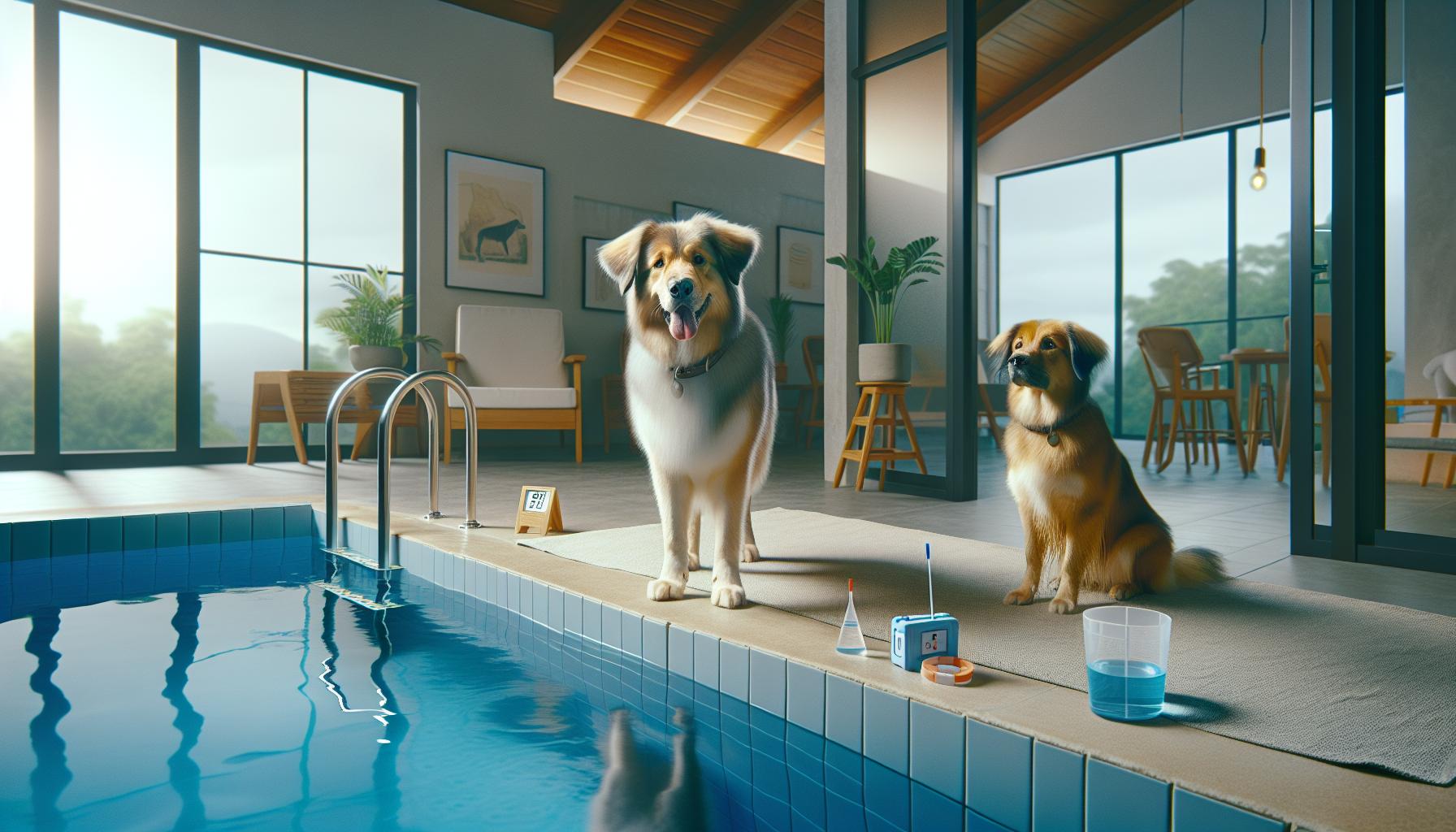
While the thought of your pup splashing around in the pool might bring a smile to your face, the safety of swimming pool water for dogs is a critical conversation that every dog owner should engage in. Understanding how chlorine and other pool chemicals can impact your furry friend is essential to keeping them healthy and happy. Experts have noted that while most dogs can swim in chlorinated water without immediate issues, prolonged exposure can lead to health complications, especially if they ingest significant amounts.
Dogs, particularly those that love to drink from the pool, may find themselves facing both short-term irritations and long-term health risks. Symptoms like gastrointestinal distress, skin irritations, or respiratory issues can arise from ingestion or exposure to chlorine. Moreover, some dog breeds may be more affected than others; for example, dogs with sensitive skin or respiratory conditions may experience heightened reactions. It’s crucial to monitor your dog closely after they’ve been in the pool and to provide fresh water to prevent them from drinking chlorine-infused water.
To minimize risks, consider implementing a few practical strategies:
- Limit Pool Time: Restrict your dog’s swim time to ensure they don’t ingest too much water.
- Fresh Water Access: Always have clean water available nearby to encourage hydration away from the pool.
- Rinse After Swimming: Shower your dog after they’ve had fun in the pool to remove any chemicals from their coat and skin.
Ultimately, while swimming can be an enjoyable activity for your dog, awareness and preparation are key. Consult with your veterinarian about your dog’s specific needs and how to safely incorporate swimming into their routine, making sure every splash is a safe one!
Chlorine Levels and Their Effects on Different Dog Breeds
Chlorine is a standard disinfectant used in pool water, but its varying concentrations can impact different dog breeds in unique ways. The sensitivity to chlorine often correlates with a dog’s size, skin type, and underlying health conditions. For instance, larger breeds like Labrador Retrievers may tolerate brief exposure better than smaller breeds or those with delicate skin, such as French Bulldogs or Chihuahuas. Understanding how your dog’s specific breed interacts with chlorine can help prevent potential health risks associated with swimming pool water.
Breed-Specific Sensitivities to Chlorine
Certain breeds are more prone to chlorine-related issues. Breeds that are generally known for having respiratory problems, such as Bulldogs, Pugs, and Basset Hounds, may experience heightened discomfort in highly chlorinated environments due to their compromised airways. Similarly, breeds with sensitive skin, like the Shar Pei or the Cavalier King Charles Spaniel, can develop irritations or rashes more readily when exposed to chlorine. It’s wise for owners of these breeds to closely monitor their pets after pool playtime.
| Breed | Chlorine Sensitivity | Recommended Precautions |
|---|---|---|
| Labrador Retriever | Moderate | Limit intake; rinse off post-swim |
| French Bulldog | High | Short swim sessions; use lower chlorine pools |
| Basset Hound | High | Monitor for respiratory issues; avoid long exposure |
| Golden Retriever | Moderate | Provide fresh water; supervise while swimming |
| Shih Tzu | High | Bathe after swimming; limit exposure |
Owners of sensitive breeds should take proactive action when allowing their dogs to enjoy pool time. For instance, consider using test strips to monitor chlorine levels before letting your dog swim. Opt for lower chlorine pools or look into alternative sanitizing methods such as saltwater systems, which can be easier on your dog’s skin and respiratory system. Always ensure your dog is well-hydrated with fresh water on hand, encouraging them to drink before and after swimming to prevent them from drinking chlorinated water directly from the pool.
By understanding the nuances of how chlorine levels affect various dog breeds, pet owners can better safeguard their four-legged friends while still allowing them to enjoy warm-weather activities.
Breeds Most Vulnerable to Chlorine Water Exposure
When considering the safety of your furry friend around chlorinated pools, it’s important to recognize that not all dog breeds are equally equipped to handle chlorine exposure. Certain breeds are especially vulnerable due to their physiological traits, making it crucial to stay informed to ensure your pet’s well-being during warm weather fun. For instance, brachycephalic breeds-those with short muzzles like Bulldogs and Pugs-are at an increased risk due to their predisposition to respiratory issues, which can be exacerbated in chlorinated environments.
At-Risk Breeds and Considerations
Some breeds are more susceptible to the adverse effects of chlorine, and understanding these sensitivities can help you mitigate risks. Here’s an overview of a few breeds particularly vulnerable to chlorine water exposure:
| Breed | Chlorine Sensitivity | Recommended Precautions |
|---|---|---|
| Bull Dog | High | Monitor closely for breathing difficulties; limit pool time |
| French Bulldog | High | Short sessions; choose pools with lower chlorine levels |
| Pug | High | Avoid vigorous activity in the pool; rinse after swimming |
| Basset Hound | Moderate | Limit exposure to avoid respiratory discomfort |
| Cavalier King Charles Spaniel | Moderate to High | Check skin for irritation; bathe after pool visits |
It’s essential for owners of these breeds to implement safety measures when allowing their dogs near pool water. For example, keep a close watch on the time spent swimming and ensure your dog has a clean, fresh water source nearby to encourage hydration rather than drinking chlorinated water. After swimming sessions, promptly rinse your dog off to remove any residual chlorine from their coat and skin, helping to prevent irritation or more severe reactions.
Ultimately, being proactive about monitoring your dog’s behavior after swimming is key. Watch for signs of distress-like coughing, excessive drooling, or lethargy-and consult a veterinarian if any concerning symptoms arise. With attention and care, you can create a safe and enjoyable pool environment for your beloved pet, allowing everyone to bask in the joys of summer splashes together!
How to Keep Your Dog Safe Around Pools
When enjoying the summer sun by the pool, it’s easy to let your furry friend join in the fun. However, keeping your dog safe around pools filled with chlorine water requires vigilance and planning. Dogs, just like humans, can be exposed to health risks from swimming pool chemicals, particularly chlorine, which can irritate their skin, eyes, and respiratory systems. To ensure your dog has a safe and enjoyable experience, here are some practical steps you can take.
First and foremost, always supervise your dog while they’re near the pool. Even if they are good swimmers, accidents can happen. To help them feel more comfortable, ease them into the water gradually. Introduce them to the shallow end first, allowing them to acclimate to the sensation of the water before diving into deeper areas. Providing a designated space where your dog can safely enter and exit the pool can also prevent unexpected splashes and rough landings.
It’s essential to monitor the chlorine levels in your pool. High chlorine concentrations can lead to skin irritation and discomfort. Aim to maintain chlorine levels at 1 to 3 parts per million (ppm) as recommended by health officials. If you notice your dog rubbing their eyes, excessive licking, or showing signs of distress, these may be indications that the chlorine levels are too high or that your dog is having an adverse reaction. Always make sure that your dog has access to fresh water nearby, encouraging them to drink from a clean source rather than the pool. This can help prevent them from ingesting pool water that could lead to gastrointestinal issues or chlorine toxicity [1].
A great precaution for sensitive breeds, particularly those more susceptible to chlorine like Bulldogs and French Bulldogs, is to have a post-swim rinse routine. After your dog has had their fun in the water, rinse them off with fresh water to remove any residual chlorine from their coat and skin. Following this up with a gentle wipe of their paws can help ensure they don’t ingest any chlorine that might be lingering from their time in the water. For those particularly susceptible breeds, consider reducing their overall exposure time in the pool, and always have an after-swim checkup where you examine their coat and skin for any signs of irritation or redness [2].
Incorporating these practices not only keeps your dog safe but also enhances your peace of mind as you splash around together. With proper precautions, your dog can be part of your summer fun while protecting their health and happiness.
Alternatives to Chlorine Pools: Safer Swimming Options
Exploring safe swimming options for your beloved dog can enhance their enjoyment while minimizing health risks associated with chlorine exposure. While chlorine pools are common, there are several alternatives that can provide a safer and more enjoyable experience for your furry friend.
One increasingly popular option is saltwater pools. These pools use a salt chlorine generator to create chlorine naturally; thus, they often have lower levels of chlorine that are gentler on your dog’s skin and eyes. The taste of saltwater is generally more appealing to dogs, reducing the likelihood that they’ll drink large quantities of pool water. Moreover, saltwater pools are less likely to cause the irritation that many dogs experience from traditional chlorine pools.
Another exciting option is natural swimming pools, which rely on biological filtration rather than chemicals. These ecosystems use plants and beneficial bacteria to clean the water, making it safe and refreshing for dogs to swim in. Many pet owners find that their dogs have better skin and coat health when swimming in these natural environments, as the absence of harsh chemicals prevents skin irritation. In addition to being dog-friendly, natural pools can be visually stunning additions to your yard-emulating a serene pond setting.
For those who prefer to control the water environment, consider setting up a kiddie pool or small above-ground pool specifically for your dog. These can be easily filled with fresh water and even enhanced with pet-safe cooling elements if you’re looking to help your pup beat the heat. Maintaining a clean and monitored water source allows you to ensure your dog’s safety while still providing a fun splashing experience.
Finally, for those in regions with access to lakes or dog-friendly beaches, these natural water bodies can be fantastic alternatives for your dog to swim and play. Just make sure to keep an eye on water quality and avoid areas with heavy algae growth or pollutants. No matter which option you choose, always introduce your dog to new water environments cautiously and supervise their play to ensure a safe and enjoyable experience!
Preventive Measures for Dog Owners with Pools
Ensuring the safety and well-being of your furry friend around pool areas is of utmost importance, especially when chlorine and other pool chemicals are involved. Being proactive can prevent potential poisoning or health issues related to chlorine exposure. Creating a safe environment doesn’t just mean keeping your dog out of the water; it involves fostering responsible habits and understanding their needs.
One effective preventive strategy is to establish clear boundaries. Train your dog to understand that pools are off-limits unless supervised. Using barriers such as gates or fences can significantly reduce the risk of unattended pool access. Additionally, teaching commands like “stay” and “leave it” can help reinforce those boundaries and ensure your dog remains safe while playing nearby.
It’s also beneficial to have fresh water readily available for your dog at poolside. This can keep them hydrated and lessen the urge to drink from the pool. Providing a pet-friendly drinking station with clean water encourages them to stay hydrated and reduces the risk of chlorine ingestion. Regularly checking your pool’s chemical levels is essential as well; maintaining optimal chlorine concentrations allows for a safer swimming environment for both dogs and humans.
For dog owners with specific breeds that may be more sensitive to chemicals or chlorine, tailored preventive measures are important. Breeds such as Labradors and Golden Retrievers, which have a natural affinity for water, may require additional supervision during pool play. Understanding your dog’s individual tendencies and health concerns-and adjusting your pool environment accordingly-can make a significant difference.
Finally, regular veterinary check-ups can help monitor your dog’s health, particularly if they frequently swim in pools. Your vet can advise on any breed-specific precautions or signs of chlorine-related concerns that you should be aware of. By being mindful of these tips and treatments, you can foster a safe and enjoyable swimming experience for your beloved dog while minimizing the risks associated with chlorine exposure.
Veterinarian Recommendations for Pool Safety
Ensuring that our beloved dogs can safely enjoy the swimming pool is a top priority for pet owners. Veterinarians emphasize the need for a thorough understanding of how pool chemicals, particularly chlorine, can affect our furry friends. With careful planning and proactive care, you can create a safe swimming environment that allows your dog to enjoy splashing and playing while minimizing health risks.
One of the essential recommendations from veterinarians is to consistently monitor the chlorine levels in your pool. Ideally, the free chlorine level should be between 1 to 3 parts per million (ppm) for safe swimming. Pushing beyond this range can lead to skin irritations and gastrointestinal disturbances in dogs. Conducting regular water tests ensures that your pool remains a safe place for both pets and humans. Additionally, it’s advisable to wait 30 minutes after adding chlorine before allowing your dog to swim, as this gives the chemicals time to disperse evenly.
Offering your dog fresh, clean water nearby is another crucial tip. This simple act can significantly reduce the likelihood of your dog drinking pool water, which often contains chlorine. Encouraging them to hydrate before swimming helps them stay refreshed and less tempted to drink from the pool; consider using collapsible bowls for easy access during outdoor activities. While playing, keep a watchful eye on your dog. Not only does this help ensure they don’t ingest chlorinated water, but it also allows you to intervene if they show any signs of distress or discomfort.
If you’ve got a breed that’s more prone to sensitivity, such as a Labrador or Golden Retriever, further precautions are warranted. These breeds often have a natural inclination towards water play, which makes them more likely to absorb chemicals during their splash sessions. Regular vet check-ups are essential, especially for these sensitive breeds. Discuss any behavioral changes after pool time with your veterinarian, as they can provide tailored recommendations based on your dog’s particular needs and health concerns.
In summary, maintaining a safe pool environment for your dog involves active monitoring of pool chemicals, providing alternative hydration, and being attuned to your dog’s behavior. By following these veterinarian recommendations, you can create a fun and safe summer atmosphere for your canine companion to enjoy the water without the worries associated with chlorine exposure.
The Long-term Effects of Chlorine Exposure on Dogs
Chlorine exposure in dogs can pose a range of long-term health risks that deserve careful attention, especially for those who frequently swim in treated pools. Over time, consistent exposure to chlorine can lead to chronic health issues that manifest in various ways. Both the skin and respiratory systems can suffer, as chlorine irritates mucous membranes and can even affect the skin’s barrier function, resulting in dryness or dermatitis. Some dogs may develop allergies or sensitivities, making them more prone to developing secondary infections or skin conditions.
Moreover, ingesting chlorinated water over long periods can lead to gastrointestinal problems, including chronic upset stomach or inflammatory bowel issues. Signs such as persistent vomiting, diarrhea, or weight loss may not immediately link back to chlorine exposure. It’s essential for dog owners to be observant. Regular vet check-ups can help catch any potential issues early, particularly if you’ve noticed changes in your dog’s appetite or behavior after swimming.
### Breed-Specific Considerations
Certain breeds are particularly sensitive to chlorine due to their skin type, coat condition, or breed characteristics. For example:
| Breed | Possible Risks |
|---|---|
| Labrador Retriever | Skin irritations due to excessive water intake and exposure |
| Bulldogs | Respiratory issues due to their brachycephalic structure |
| Shih Tzus | Eye problems linked to chlorinated water splashes |
Dog owners are encouraged to keep a close eye on their furry friends, particularly if they belong to these breeds. Regularly check for any signs of discomfort or distress, and consult with your veterinarian if you notice anything unusual.
### Prevention and Care
To mitigate these risks, consider implementing a few preventive measures, such as:
- Limit swimming: Reduce the duration and frequency of pool swims, especially if your dog shows any signs of irritation.
- Provide fresh water: Always have fresh water available to encourage hydration and minimize the temptation to drink pool water.
- Post-swim routines: Rinse your dog off after swimming to remove chlorine from their coat and skin.
In essence, while swimming can be a joyful activity for dogs, being aware of the long-term effects of chlorine exposure is key to ensuring their health and happiness. By following these recommendations, you can create a safer swimming environment that allows your dog to enjoy splashing around without the worries associated with chemicals in the water.
FAQs About Dogs and Swimming Pool Chemicals
Are you curious about the impact of pool chemicals on your furry friend’s health? It’s essential to understand that while swimming can be an enjoyable activity for dogs, the chemicals used in pools, particularly chlorine, can pose serious health risks if ingested or absorbed through the skin. Many dog owners share common concerns when it comes to swimming pools and their pets, and addressing these can lead to safer swimming experiences.
Some pet owners often wonder, can dogs safely drink pool water? Generally, it’s not advisable. While a small sip might not cause immediate harm, regular ingestion of chlorinated water can lead to gastrointestinal upset, including nausea and vomiting, as well as other long-term health problems. If your dog tends to gulp water while playing or swimming, it’s wise to monitor and limit this behavior by providing fresh drinking water nearby.
When considering how to protect your dog, it’s beneficial to establish a pre-swim routine. Encourage your dog to drink fresh water before entering the pool-this can help prevent thirst-driven gulps of chlorinated water. After swimming, give your dog a thorough rinse to wash away any remaining chlorine on their fur and skin. Additionally, always look out for any signs of irritation or distress post-swim, and consult your vet if you notice anything unusual.
Let’s not overlook specific breeds either. Breeds like the Bulldog, with their delicate respiratory systems, may experience heightened sensitivity to chlorine, leading to breathing difficulties after exposure. Thus, understanding your dog’s individual needs and responses to swimming can help tailor your approach for a fun and safe experience. Prioritizing your dog’s health while allowing them to enjoy the water makes for a responsible and loving pet-owner relationship.
Q&A
Q: Is chlorine in pool water harmful to dogs?
A: Chlorine is generally safe in small amounts for dogs, as typical pool water is not highly chlorinated. However, excessive exposure can lead to irritation or more severe issues, especially for sensitive breeds. Monitoring your dog’s behavior and ensuring they don’t ingest large amounts is key.
Q: What should I do if my dog accidentally drinks chlorinated pool water?
A: If your dog drinks a small amount of chlorinated pool water, it’s usually not a cause for concern. However, watch for signs of discomfort such as vomiting or lethargy. If symptoms occur, consult your veterinarian promptly for advice on further actions.
Q: Can swimming in chlorine pools cause skin issues in dogs?
A: Yes, prolonged exposure to chlorine can lead to skin irritations or conditions in dogs, particularly in breeds with sensitive skin. Rinse your dog with fresh water after swimming to minimize these effects and always monitor their skin for any changes.
Q: Are there dog breeds that are more sensitive to chlorine in pool water?
A: Certain breeds, especially those with sensitive skin or pre-existing conditions, may be more vulnerable to chlorine exposure. Breeds like Bulldogs, Poodles, and Retrievers should be monitored closely for any adverse reactions when swimming in chlorinated pools.
Q: How can I make my pool safer for my dog?
A: To keep your dog safe around pools, provide access to fresh water, supervise them while swimming, and rinse them off after exposure. Consider using pool covers or barriers to prevent accidental entry and explore alternatives like natural swimming pools.
Q: Are there health risks for dogs who frequently swim in chlorine pools?
A: Yes, frequent swimming in chlorinated pools can increase the risk of respiratory issues and skin irritations in dogs. Over time, exposure to chlorination byproducts may have long-term health risks. Regular vet check-ups are essential to ensure your canine’s health is monitored.
Q: What are alternative swimming options for dogs instead of chlorine pools?
A: Alternatives to chlorine pools include saltwater pools, which are gentler on the skin, or natural swimming ponds that use plant filtration. These options are generally safer for dogs, reducing the risk of chlorine-related health issues.
Q: How can I tell if my dog is having a negative reaction to chlorine water?
A: Signs of a negative reaction to chlorine include excessive scratching, red or irritated skin, vomiting, or unusual lethargy. If you notice any of these symptoms after swimming, contact your veterinarian for guidance.
Concluding Remarks
Ensuring your furry friend enjoys the water safely is a priority, and understanding the risks of chlorine exposure in swimming pools is essential for every dog owner. While small amounts of pool water won’t typically harm your dog, it’s crucial to monitor their exposure to prevent potential health issues. For an even deeper dive into keeping your dog safe and happy, check out our guides on safe swimming tips for dogs and the best practices for introducing your pet to water.
Don’t let concerns keep you from enjoying fun pool days together! If you’ve found this information helpful, consider subscribing to our newsletter for the latest tips and resources on dog care. Your dog deserves the best, and we’re here to support you every step of the way. Share your experiences in the comments below, and let’s keep the conversation going about how to keep our pups safe and happy around water.