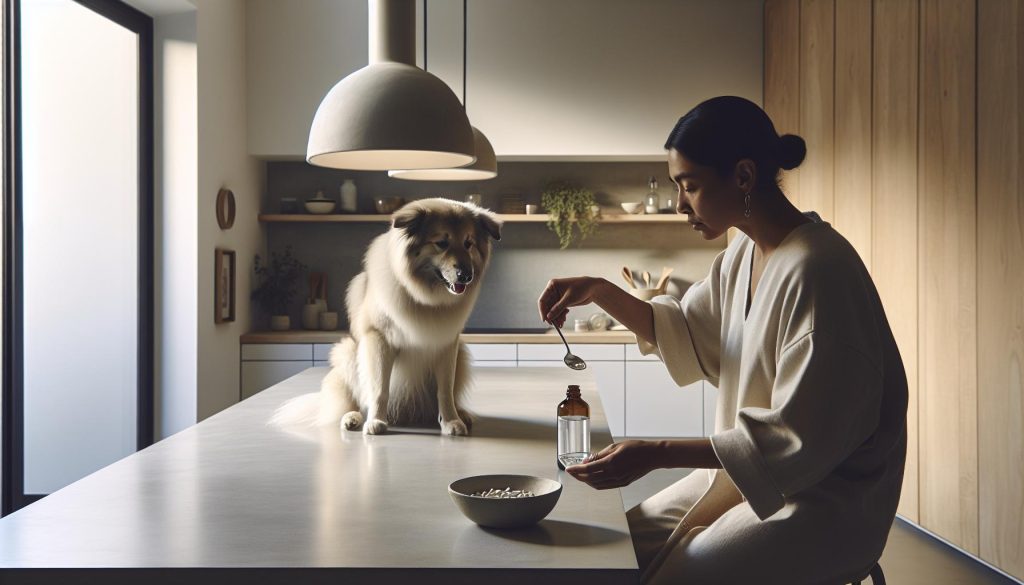
When it comes to administering medication, many dog owners find themselves in a tricky situation, especially if their furry friend won’t take pills easily. Did you know that nearly 40% of pet owners struggle with giving their pets medications? Understanding whether you can crush your dog’s pills in water can simplify this process significantly and ensure your dog gets the treatment they need without the stress. In this guide, we’ll explore the pros and cons of crushing pills, the importance of following veterinary advice, and practical tips to make medication time a breeze. Whether you’re a first-time pet parent or a seasoned dog owner, knowing the best ways to administer medication can enhance your dog’s health and well-being, making it a topic well worth your attention. Let’s dive in and empower you to take the best care of your canine companion!
Can I Crush My Dog’s Pills? Understanding the Basics

When it comes to administering medication to our furry friends, many dog owners find themselves wondering about the practicality of crushing pills. This method can often seem like a convenient solution, especially for those pups that are notoriously tricky when it comes to taking their meds. However, there are essential factors to consider. Not all medications are designed to be crushed, and doing so without proper guidance can potentially lead to serious consequences, including altered medication effectiveness or increased side effects.
Firstly, it’s crucial to understand the composition of the pill you intend to crush. Some medications are covered with enteric coatings, which are designed to protect the stomach lining and ensure the drug is absorbed in the intestines instead. Crushing such pills can lead to premature release and absorption, negating the medication’s intended use. On the other hand, many oral medications, such as some anti-inflammatories or antibiotics, may be crushable, making them easier to mix with food or water, thereby facilitating easier ingestion.
In general, before deciding to crush your dog’s pills, it’s always best to consult with your veterinarian. They can provide valuable insights tailored to your dog’s specific health needs and the types of medications prescribed. For example, a vet may recommend alternative formulations, such as flavored chewable tablets or liquid medications, which could eliminate the need for crushing altogether. By prioritizing safety and effectiveness, you ensure that your furry companion receives the best care possible.
The Importance of Proper Medication Administration
Ensuring that your dog receives the proper medication is not just about getting the tablet into their mouth-it’s also crucial for their overall health and well-being. Proper medication administration can be the determining factor in your pet’s recovery or management of chronic conditions. For example, certain medications must be taken with food to enhance absorption or to minimize gastrointestinal upset, while others might require administration on an empty stomach for optimal effectiveness. This complexity underscores why understanding and adhering to your veterinarian’s instructions is essential.
When considering medication administration methods, recognizing that some pills are specially formulated can significantly impact how well your dog responds to treatment. For instance, medications that are time-released should never be crushed, as this can lead to a sudden surge of the drug in your dog’s system, resulting in potential toxicity. On the other hand, your dog may be prescribed medications that are safe to crush, which allows for easier mixing with food-a godsend for dogs who are reluctant to take their pills. This highlights the importance of not only knowing the type of medication your dog is on but also consulting your veterinarian for guidance on the best way to administer it.
Proper medication administration goes beyond just the medications-hydration plays a significant role as well. Ensuring your dog is well-hydrated can facilitate swallowing tablets and assist in the absorption of oral medications. Always observe your dog’s reaction after administering a new medication; signs of distress or discomfort should prompt an immediate discussion with your veterinarian. They can provide alternative methods or types of medications more suitable for your pet.
In short, taking medication for your dog is a critical aspect of their healthcare that should be approached thoughtfully. The way we administer medication can enhance its effectiveness and ensure our furry friends remain healthy and happy. By partnering with your veterinarian and sticking to their instructions, you not only make medication administration easier but also reinforce your role as a loving and responsible pet owner.
How to Safely Crush Dog Medications

Crushing your dog’s medication can be a game-changer, especially when you’re dealing with a pup that’s a bit picky about taking pills. For many dog owners, the thought of battling with a reluctant pet makes administering medication feel like a daunting task. However, safely crushing your dog’s pills opens the door to easier administration and improved compliance, ensuring your furry friend gets the treatment they need. While some medications can be effectively crushed and mixed with food, it’s crucial to follow specific guidelines to avoid compromising the medication’s efficacy or causing harm.
To begin, always check with your veterinarian or the medication’s label before crushing any pills. Some medications are designed to be time-released, meaning they should not be altered in any way, as crushing them can lead to rapid absorption and increased risk of side effects. For those medications deemed safe to crush, here’s how to do it effectively:
- Use a Pill Crusher: Invest in a good-quality pill crusher specifically designed for this purpose. These come in various designs, from simple manual crushers to more advanced electric models. A dedicated crusher minimizes the risk of contamination and ensures a fine powder, making it easier to mix with food or water.
- Crush the Pill Thoroughly: Place the pill within the crusher and apply firm pressure to crush it into a fine powder. This ensures that all the medication is effectively mixed with your dog’s food or water, enhancing their ability to consume it without unnecessary fuss.
- Mixing: After crushing, you can mix the powder with a small amount of wet food or a treat your dog loves-think peanut butter or canned pumpkin. This not only masks the flavor of the medication but also promotes consumption. If using water, ensure that the crushed medication is well-dissolved before offering it to your dog; using a syringe can help you administer it directly into the mouth if necessary.
- Monitor Their Response: After administering the medication, keep an eye on your dog for any adverse reactions. It’s essential to watch for signs of distress or allergies, and if you notice anything unusual, consult your veterinarian promptly.
By following these steps, you can make the process of giving your dog medication less stressful for both of you. Remember, each dog is unique, and what works for one may not work for another, especially when considering different breeds and their varying dietary preferences and habits. Consulting with a pet professional can provide tailored strategies to help with the specific needs of your pup. Taking the time to ensure you’re crushing and administering medication safely not only makes the process smoother but also strengthens the bond of trust between you and your loyal companion.
Alternatives to Crushing Pills for Dogs

Administering medication to your dog doesn’t have to be an uphill battle, especially if your pup is particularly choosy about taking pills. If crushing pills isn’t an option, there are several effective alternatives that can make this process easier and more enjoyable for both you and your furry friend.
One popular method is to use pill pockets, which are specially designed treats that have a small pocket for hiding the pill. You simply place the medication inside the pocket, mold the treat around it, and give it to your dog like any other treat. Pill pockets are often flavored to mask the taste of the medication, making them an appealing choice for picky eaters. Additionally, there are pre-made options available in pet stores, or you can make your own using soft food or dough-like treats, such as peanut butter or cheese.
Another option is to utilize liquid medications when available. Many medications come in liquid form, which can be easier to administer, especially if your dog has difficulty swallowing pills. Liquid medications can be mixed with a small amount of food or delivered directly into your dog’s mouth with a syringe. Just be sure to measure the dose carefully and consult with your veterinarian regarding the best delivery method to ensure your dog receives the full benefit of their medication.
Disguising medication in food is also a time-honored technique. Many dogs love certain types of food, and you can take advantage of this by mixing their medication with a small amount of wet food, yogurt, or even some canned pumpkin. The key is to use a strong-smelling food that will distract your dog from the taste of the medicine. Always ensure that the food is safe for your dog, especially if they have any allergies or dietary restrictions.
Lastly, there are transdermal medications available for certain conditions, which your veterinarian can apply to the skin of your dog. This method bypasses the digestive system altogether, minimizing fuss while ensuring your pup gets the medication they need. It’s an excellent option for dogs that resist oral medications altogether.
Remember, whatever method you choose, consulting your veterinarian is essential to ensure that the alternative you pick won’t interfere with the medication’s effectiveness and is suitable for your specific dog. By exploring these alternatives, you can find a method that works for both you and your pup, making medication time a more pleasant experience.
Identifying Medication Types: What’s Safe to Crush?

Some medications are designed to be crushed, while others are not, and knowing how to identify the safe options can make a significant difference in your dog’s medication routine. When considering whether to crush a pill, it’s essential to look at the formulation and purpose of the medication. For example, certain medications have a time-release mechanism, which means they are formulated to release their active ingredients gradually. Crushing these pills can lead to an overdose and result in serious side effects or ineffective treatment.
Types of Medications Safe to Crush
Generally, the following types of medications tend to be safe for crushing:
- Tablets without special coating: Standard tablets without enteric coatings or time-release markers are usually safe to crush.
- Non-time-release capsules: If the capsule contains powder without any special release system, it can often be opened and mixed with food.
- Veterinary-approved medications: Always check if the medication specifically states that it can be crushed; some veterinary formulations are safe when altered.
Conversely, you should avoid crushing medications such as:
- Enteric-coated tablets: These are designed to protect the stomach lining and help the medication absorb properly in the intestines.
- Time-release formulations: Crushing these can lead to overdose as all ingredients are released at once.
- Injectable medications: These should always be administered as directed unless a vet advises otherwise.
It’s always wise to consult your veterinarian or pharmacist before taking any steps to crush your dog’s medication. They can provide guidance on the specific medication and suggest alternatives if crushing is not advisable. By ensuring you’re using the right methods, you can keep your dog healthy and comfortable while maintaining the efficacy of their treatment.
Hydration and Its Role in Medication Delivery
When it comes to ensuring your dog gets the right medication, hydration plays a crucial role that often goes overlooked. Just like humans, dogs need ample fluids to help their organs function properly and to assist in the effective absorption and delivery of medications. A well-hydrated dog is more likely to respond positively to treatment, making hydration a key player in the medication process. In fact, using water to assist in administering medications can significantly ease the process and enhance the absorption of active ingredients.
The act of mixing crushed pills with water can make it easier for your dog to swallow their medication, especially for those who may be picky eaters or have difficulty with pills. For many dogs, a little added moisture can turn a daunting task into a more palatable experience. However, it’s essential to consider your dog’s normal water intake; if they are not adequately hydrated, even the best-intentioned medication delivery can be less effective. To ensure optimal hydration, encourage your dog to drink plenty of fresh water daily, particularly when starting a medication regimen.
To effectively mix crushed pills with water, you may want to follow a few simple steps. First, ensure that the medication is safe to crush as mentioned previously. Once confirmed, crush the pill to a fine powder, then mix it with a small amount of water. Ideally, use just enough liquid to make it easier to administer while still allowing your dog to consume it in one go. You can use a syringe (without a needle) or a dropper to administer the mixture directly into your dog’s mouth, ensuring no residual powder is left behind in the bowl. Always follow this up with additional water to help flush any remaining medication down.
It’s worth noting that while hydration is vital, not all medications should be mixed with water. Always consult with your veterinarian if you have any doubts about the compatibility of a medication with water or other substances. They will provide the best guidance tailored to your dog’s specific health needs, ensuring that you’re not only administering the medication correctly but also maintaining your dog’s overall health and hydration.
Step-by-Step Guide: Mixing Pills with Water
Mixing your dog’s pills with water can transform a daunting daily task into a more manageable experience for both you and your furry friend. Dogs can sometimes be very picky or resistant when it comes to taking their medications, but with a little creativity and the right technique, you can make the process smoother. Here’s how to effectively mix crushed pills with water to ensure your dog gets the treatment they need without too much fuss.
Step-by-Step Instructions
- Check the Medication: Before starting, confirm with your veterinarian whether the medication can be safely crushed and mixed with water. Some medications are designed to be released slowly in the body, and crushing them can alter their effectiveness.
- Crush the Pill: Use a pill crusher or a mortar and pestle to turn the pill into a fine powder. This step is crucial as larger pieces may be harder for your dog to digest.
- Mix with Water: Pour the crushed pill into a small bowl and add just enough water to dissolve it. Typically, a tablespoon or two should suffice, but ensure the mixture isn’t too watery. The goal is to maintain a consistency that’s easy for your dog to swallow.
- Administer the Mixture: Using a syringe (without a needle) or a dropper, gently squirt the solution into the side of your dog’s mouth. It’s best to do this when they’re calm to avoid any resistance. Ensure your dog swallows the entire mixture, and once you’re done, follow up with a little fresh water to help flush any remaining medication down.
- Monitor Their Response: After administering the medication, keep an eye on your dog for a few minutes to ensure they are accepting of the treatment. If your dog shows signs of distress, contact your veterinarian for alternative methods or adjustments to your approach.
Helpful Tips
- Flavoring Tricks: If your dog is particularly picky, consider adding a few drops of low-sodium broth or a small amount of peanut butter to the mixture for flavor. Just be cautious to choose ingredients that are safe for dogs.
- Consistency Is Key: Make it a routine. Administering medication at the same time each day can help your dog associate the process with mealtime, which may ease their acceptance.
- Hydration Matters: As you already know, hydration plays a crucial role in medication effectiveness. Make sure your dog has access to fresh water throughout the day, especially following medication administration.
By following these steps and tips, you’ll create a more enjoyable and successful pill-taking experience for your dog, easing your worries and ensuring they receive the care they need.
Common Mistakes When Administering Medications
Administering medication to your dog can sometimes feel like navigating a minefield, especially when it comes to avoiding common pitfalls that could hinder your pet’s treatment. One of the most frequent mistakes is not consulting your veterinarian about whether a specific pill can be crushed. Many pet owners assume that all medications are safe to crush, but in reality, some pills are designed for slow-release or are coated to protect the stomach, and crushing them can lead to adverse effects or reduced efficacy. Always check first!
Another common misstep is the inconsistency of timing and method. Establishing a regular schedule for administering medications helps your dog associate the routine with mealtimes, making them more willing to accept their meds. Neglecting this consistency can lead to confusion and stress for your pup. Additionally, using the wrong tools for administration can affect outcomes. For example, using a standard kitchen spoon rather than a syringe or eyedropper makes it difficult to deliver the right amount accurately.
Keep an eye on hydration as well; often overlooked, it plays a vital role in medication efficacy. Dogs might need a little coaxing to drink water after taking their medicine, especially if the medication alters their taste or makes their mouth dry. Offering fresh water or a small amount of broth can encourage them to stay hydrated, which is essential for the medication’s absorption.
Lastly, pet owners might underestimate their dog’s sensitivity to flavors, not realizing that medications can taste unpleasant. Sometimes simply crushing and mixing the pills with water isn’t enough if the taste still lingers. Consider using a little peanut butter or low-sodium broth to mask the flavor – this little trick can turn a reluctant dog into a willing participant in their own health care routine. By avoiding these mistakes, you can turn medication time into a smoother experience for both you and your furry companion!
The Impact of Crushing Pills on Effectiveness
When it comes to administering medication to our furry friends, understanding how crushing pills can affect their effectiveness is crucial. Dogs, much like humans, rely on medicine to help treat various ailments, and the way we deliver that medication can dramatically influence its success. Crushing pills can seem like a convenient solution, especially for particularly stubborn pups; however, it isn’t always the best option.
Medications vary significantly in formulation, and while some are safe to crush, others are specifically designed with coatings that control how the drug is released into the body. For example, certain medications are enteric-coated, meaning they are designed to dissolve only in the intestines rather than the stomach to avoid irritation or destruction by stomach acid. Crushing these pills can lead to an immediate release of the drug, potentially causing side effects or reducing its therapeutic benefit. It’s essential to consult your veterinarian to determine if any particular medication your dog is prescribed can be safely altered.
Furthermore, the crushing process itself can impact how the medication functions. When a pill is crushed, the surface area is significantly increased, which could alter the rate of absorption. For instance, medications that are supposed to be absorbed slowly might peak in concentration too quickly if crushed, leading to adverse reactions. Thus, it’s a delicate balance-patients need to take medications as directed to ensure they are receiving the right dosage at the right time.
Moreover, there are alternatives to crushing pills that might not compromise medication effectiveness. Many medications are available in liquid form or as flavored chews, which can make administration much simpler without the risks associated with altering the medication’s structure. If your dog struggles with swallowing pills, ask your veterinarian about purchasing these alternatives or whether your medication can be compounded into a more palatable form.
In summary, while the idea of crushing your dog’s pills might seem straightforward, it is fraught with considerations that could affect treatment outcomes. Always prioritize safety and effectiveness in your pet’s medication regimen by consulting with a veterinary professional before making any changes to the prescribed form of their medication. Your dog’s health is worth the extra effort!
Breed-Specific Considerations for Medication
Some dog breeds are more particular when it comes to taking medications, and understanding these nuances can help you ensure your pet receives the right treatment effectively. For example, brachycephalic breeds like Bulldogs and Pugs can sometimes struggle with swallowing pills due to their short snouts, making them more prone to choking or gagging. In such cases, using a pill pocket or a soft treat to hide the medication can often be more effective than attempting to crush the pills, which can alter their effectiveness.
On the other hand, larger breeds, such as Great Danes or Mastiffs, may require larger doses that can be harder for owners to administer if the medication is in pill form. Crushing larger pills may seem easier, but it’s essential to verify that the specific medication can be safely altered, as some formulations might be sensitive to changes in delivery method. Always consult your veterinarian for recommendations tailored to your dog’s breed and health needs.
Consider also the unique health conditions common within specific breeds. For instance, Dachshunds are prone to back issues, and medications for pain relief might be particularly crucial in these cases. However, if the medication is in a timed-release form, crushing it could negate its intended slow absorption, putting your dog at risk for adverse effects. Therefore, knowing whether your dog’s breed has specific health vulnerabilities or tendencies can be key to managing their medication effectively.
Incorporating a breed-specific approach ensures that you are not just administering medication but doing so in a way that aligns with your pet’s unique needs and characteristics. Keeping open communication with your vet about your dog’s breed will help create a more effective and manageable medication plan. Always be proactive in asking about the best practices for administering medications suited to your dog’s specific traits.
When to Consult a Veterinarian About Medication
Knowing when to reach out to a veterinarian about your dog’s medication can make a significant difference in your pet’s well-being and treatment outcome. If you find yourself uncertain about whether you can safely crush a pill or mix it with food or water, that’s a strong indicator to consult a veterinary professional. The various formulations of medications-like those that are timed-release, coated, or specially formulated-can all affect how effective the drug is if altered. Asking your vet can provide clarity on whether specific medications for your dog can be crushed or if alternatives are available.
Another important reason to involve your veterinarian is when you observe any adverse reactions after administering medication. Symptoms like vomiting, lethargy, or unusual behavior may suggest that the drug isn’t agreeing with your dog or could potentially be overwhelming for their system. Since different breeds have varied lifestyles and health considerations, understanding your dog’s specific needs is vital. For example, smaller breeds or those with sensitive stomachs may react differently compared to larger breeds when given the same medication.
Furthermore, if you’re managing chronic conditions in your dog, staying in touch with your veterinarian can ensure that the medication plan remains effective. Regular check-ups allow for adjustments based on your dog’s health status, side effects they’re experiencing, or even changes in their response to treatment. Keep in mind that medications might require periodic dosage changes to maintain their effectiveness, especially for breeds that are prone to certain health issues.
Ultimately, maintaining open lines of communication with your vet is key to successful medication management. They can offer tailored advice based on your dog’s breed, medical history, and current health status. If you have any doubts or questions about your dog’s medication regimen, don’t hesitate to consult a professional-your dog’s health and happiness are worth it!
Real Stories: Successful Medication Administration Tips
When it comes to administering medication to our furry friends, many pet owners find themselves in the same predicament: how do you ensure your dog takes their medicine without a fuss? Successful medication administration can often feel like a daunting challenge, but with a few real-life tips and tricks from fellow dog owners, you can make the process smoother and stress-free for both you and your pup.
One owner shared her experience with Finn, a small Dachshund who was notoriously stubborn about taking his pills. Instead of crushing his medication and risking the possibility of altering its effectiveness, she found that hiding the pill in a tasty treat worked wonders. Finn loved peanut butter, so she would spread a small amount on a cracker, hiding the pill inside before giving it to him. This clever trick was not only efficient but also turned the dreaded medication time into a fun treat for him. Many dog owners have found success by using strong-smelling foods like mozzarella, cream cheese, or even small pieces of hot dog to mask the taste of the medication, allowing their dogs to take it without even realizing.
For larger breeds, like a Labrador Retriever named Max, his owner utilized a different approach. Max’s vet recommended using a pill pocket treat, which is specifically designed to hold pills. These treats are soft and can be molded around the medication, hiding it completely. Max’s owner discovered that by making this small change, Max eagerly awaited his “special snack” at medication time, and it ensured that he received his necessary doses without fuss. This method has been particularly effective for those larger breeds that may have a habit of spitting out pills or avoiding them entirely.
It’s also essential to consider the temperament of your dog. Some dogs might respond better to the challenge of taking their pills if they perceive it as a game. For example, training sessions can be a great time to incorporate medications. Many owners have found success in tossing the pill like a treat during training sessions, rewarding their dogs for taking it quickly or following commands. This positive reinforcement not only encourages good behavior but also helps to normalize the pill-taking process.
Lastly, keep in mind the importance of consulting with your veterinarian if you’re ever in doubt about how to administer a specific medication. They can provide tailored advice or alternative options suitable for your dog’s health needs. Always remember that you’re not alone in this; countless dog owners have navigated the same path, and sharing experiences can lead to new solutions and a happier medication time for everyone involved.
Frequently Asked Questions
Q: Can I mix my dog’s pills with food instead of water?
A: Yes, you can mix your dog’s pills with food if your vet approves. This method can help mask the taste of the medication. Be sure to use a small amount of soft food to ensure your dog consumes all the medication. Refer to the section on alternatives to crushing pills for more options.
Q: What should I do if my dog refuses to take crushed medication?
A: If your dog refuses crushed medication, consider trying a different method, such as using pill pockets or disguising the medication in their favorite treat. Always consult your vet for additional strategies tailored to your dog’s preferences and needs.
Q: Are there any risks associated with crushing my dog’s medications?
A: Crushing medications can alter their effectiveness and lead to unintended side effects. Some pills are designed for slow release or have protective coatings. Always check with your vet or refer to the section on identifying medication types to ensure safety.
Q: How can I ensure my dog gets the entire dose of crushed pills?
A: To ensure your dog receives the full dose, crush the pill finely and mix it with a small amount of water or soft food. Monitor your dog to confirm they’ve consumed the entire mixture. See the hydration section for more tips on administering medications effectively.
Q: Can I use flavored syrups to help my dog take medication?
A: Flavored syrups may help make medications more palatable, but it’s crucial to consult your vet first to ensure the syrup is safe for dogs and won’t interact with the medication. Refer to the alternatives section for safe options.
Q: What are the signs that my dog is having an adverse reaction to medication?
A: Watch for signs such as vomiting, diarrhea, excessive salivation, or unusual lethargy. If you notice these symptoms, contact your vet immediately. It’s important to discuss potential side effects of any medication beforehand, as detailed in our article.
Q: How can I tell if the medication is working for my dog?
A: You should see improvements in your dog’s symptoms, such as reduced pain or improved mobility, depending on the condition being treated. Keep in touch with your vet for follow-up evaluations to assess the medication’s effectiveness.
Q: Should I consult my vet before crushing my dog’s medication?
A: Yes, always consult your vet before crushing any medication. They can provide guidance on whether it’s safe to crush the specific pill and suggest alternative administration methods if necessary. This is highlighted in our section on consulting a veterinarian about medication.
Closing Remarks
Administering your dog’s medication can be straightforward and effective when done correctly. By exploring options like crushing pills in water, you’re not just looking for convenience; you’re ensuring your furry friend gets the treatment they need comfortably. If you still have questions or concerns about medication, consider checking out our guides on pediatric care for your dog and common canine health issues for more insight.
Don’t hesitate to reach out and share your experiences! Your comments and stories can help others in our community navigate their pet care journeys. For more tips and expert advice, sign up for our newsletter or visit our resources section for detailed care guides. Remember, every moment you invest in understanding your dog’s health is a step toward a happier, healthier life together. Explore further today and empower yourself to be the best pet owner!