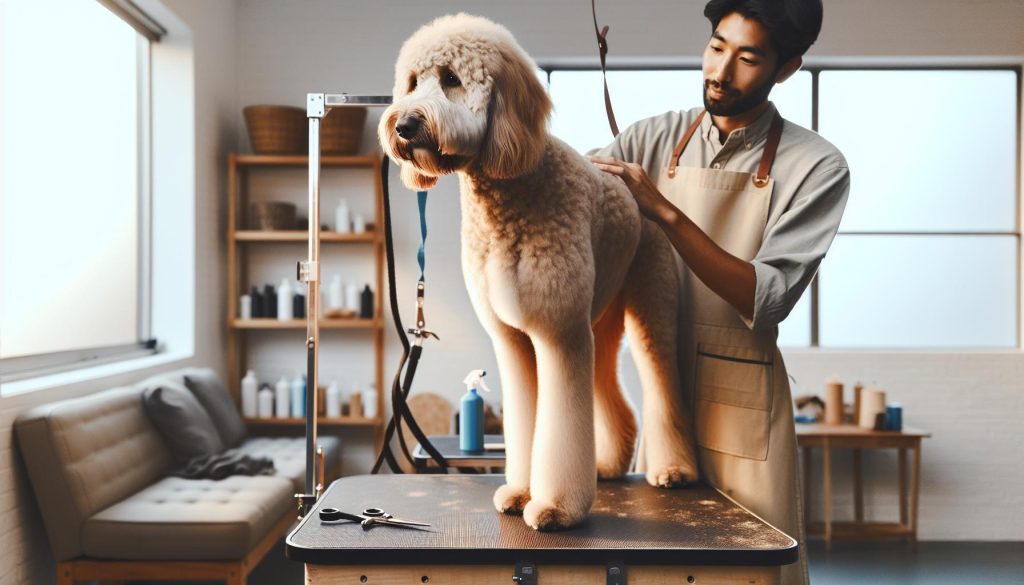
Labradoodles, known for their charming personality and low-shedding coats, often leave pet owners wondering about the best grooming practices. A common question is, “Can I shave my Labradoodle?” While the idea of a fresh, low-maintenance look is tempting, it’s essential to understand the implications of shaving your dog’s coat. Proper grooming helps maintain their unique fur, which serves as insulation and protects them from various weather conditions. In this guide, we’ll explore the dos and don’ts of Labradoodle grooming, shedding light on safe practices and insightful tips that cater to both new and experienced owners. Continue reading to discover how to keep your Labradoodle looking its best while ensuring their health and comfort!
Can I Safely Shave My Labradoodle? Understanding the Risks

While the thought of shaving your Labradoodle might seem like a quick fix for managing their fluffy coat, there are important risks to consider that relate to both their health and appearance. Labradoodles have a unique double coat-a soft undercoat and a coarser outer coat. This specialized coat serves several purposes: it insulates them from both the cold and heat, protects their skin, and helps to regulate their body temperature. Shaving their coat can disrupt this natural insulation, exposing them to temperature fluctuations that can lead to overheating in the summer or chilling in the winter.
Moreover, shaving can alter the texture and growth pattern of your Labradoodle’s hair. Many owners report that their dog’s coat grows back unevenly or becomes coarser post-shave. This altered coat can lead not just to aesthetic issues but also to tangling and matting, which can create additional grooming challenges down the road. Furthermore, shaving can prevent the natural oils in their skin from spreading evenly, potentially leading to skin irritations or infections.
So, before you grab the clippers, it’s vital to evaluate the reasons behind your desire to shave. If it’s due to matting or excessive shedding, consider alternative grooming methods such as regular brushing or professional grooming sessions instead. Not only do these methods maintain the integrity of their coat, but they also promote a healthier skin environment. Always consult your vet or a professional groomer to explore appropriate grooming options that ensure your Labradoodle remains happy, healthy, and looking their best.
Understanding Labradoodle Coat Types and Grooming Needs
Understanding the grooming needs of a Labradoodle can help you maintain their beautiful coat while ensuring their comfort and health. Labradoodles typically possess a unique double coat, which consists of a soft, insulating undercoat and a coarser, protective outer coat. This combination not only enhances their adorable appearance but also serves vital functions. It regulates their body temperature, keeps them dry, and protects their skin from environmental elements.
Due to the diverse genetic backgrounds of Labradoodles, their coat types can vary significantly. Some may have tightly curled fur resembling that of their Poodle parent, while others may have loose, wavy coats akin to a Labrador’s. Understanding these variations is key for proper grooming. For instance, curly coats usually require more frequent brushing to prevent matting, while wavy coats might be more forgiving but still benefit from regular maintenance to avoid tangles.
To keep your Labradoodle’s coat healthy, implementing a consistent grooming routine is essential. Regular brushing-ideally every few days-helps remove loose hair, dirt, and debris, and encourages the distribution of natural oils throughout their coat. In addition to brushing, you’ll want to consider occasional baths with a dog-specific shampoo to keep their skin and fur clean without stripping the natural oils. As a pro tip, always ensure your groomer uses tools suited to your Labradoodle’s specific coat type to avoid damage and discomfort during grooming sessions.
Ultimately, a well-groomed Labradoodle is not only more pleasant to snuggle with but also healthier overall. Regular grooming not only helps maintain their appearance but can also serve as a great bonding experience, allowing you to monitor their skin health and behavior closely. For first-time owners, investing some time learning about your dog’s needs and behaviors can make the grooming process enjoyable for both of you!
Essential Tools for Grooming Your Labradoodle at Home
To keep your Labradoodle looking and feeling their best, having the right grooming tools at your disposal is essential. Labradoodles come with unique coat challenges that vary by individual dog, depending on whether they take after their Poodle or Labrador parent. With the right tools, you not only make the grooming process easier but also create a more enjoyable experience for both you and your furry friend.
Must-Have Grooming Tools
First and foremost, invest in a high-quality bristle brush or a pin brush. These brushes are effective in detangling and removing loose hair without damaging your Labradoodle’s coat. If your dog has a curlier coat, a slicker brush will be particularly beneficial in preventing matting. For those prone to tangles, look for a brush with flexible bristles that can glide through knots without pulling.
Another essential item is a pair of high-quality grooming scissors. These are great for tidying up areas around the paws, face, and ears, ensuring your Labradoodle remains neat without needing a full shave. Additionally, a carefully chosen clippers set can help maintain your dog’s coat length. Select clippers with adjustable blades to accommodate different lengths, especially if you’re considering a trim rather than a full shave.
For more thorough grooming, consider using a grooming rake and a de-shedding tool. A grooming rake helps remove dead hair from the undercoat, while de-shedding tools target loose fur, especially during shedding seasons. Both tools help to prevent matting and keep your Labradoodle’s coat looking magnificent.
Grooming Accessories
Don’t overlook the importance of grooming accessories like dog shampoo and conditioner. Choose hypoallergenic products specifically formulated for dogs to avoid irritation, as Labradoodles can have sensitive skin. A dog grooming towel will also come in handy, helping to dry your dog fast post-bath while being absorbent and soft.
When grooming your Labs, having a nail clipper or grinder on hand is crucial. Regular nail trims are a vital part of your Labradoodle’s grooming routine and will contribute to their overall comfort and health.
Organizing Your Grooming Kit
To keep your grooming session smooth and efficient, organize your tools in a dedicated grooming kit. You can use a simple caddy or toolbox to store all your essential items, making them easy to find and reducing the likelihood of distractions during grooming.
By equipping yourself with the right tools and maintaining a positive grooming routine, you can ensure your Labradoodle enjoys his pampering sessions. This not only helps you keep their coat in pristine condition but also strengthens the bond between you and your beloved pet, making grooming a time for connection and care.
Step-by-Step Guide: How to Shave Your Labradoodle Safely

When it comes to grooming your Labradoodle, safety should always be a top priority, especially when shaving. Shaving can be tempting in warmer months or if matting occurs, but it’s essential to approach it carefully to avoid nicks, cuts, or stress for your furry friend. Here’s a straightforward guide to help you navigate the shaving process effectively.
Start by ensuring that your Labradoodle is calm and comfortable. A relaxed dog is less likely to fidget, which can minimize the risk of accidents. Lay down a non-slip mat or towel in a quiet area where your dog feels secure. It might be helpful to give your dog a brief brushing session before shaving to remove loose hair and make the process smoother. Once your pup is settled, check your grooming tools to ensure they’re clean and functioning well. Use clippers with a sharp blade to prevent pulling on your dog’s hair, which could be uncomfortable and cause anxiety.
Next, work in small sections, gently gliding the clippers over your dog’s coat. Start from the back and move forward, following the direction of the hair growth. Avoid pressing too hard to prevent irritating the skin beneath their coat. Be particularly cautious around sensitive areas like the ears, paws, and belly; using scissors for these areas can be a safer option. If your Labradoodle shows signs of distress, such as trying to move away or vocalizing, take a break and reassess. Patience is key-taking it slowly will enhance your bond and ensure a positive experience for both you and your pet.
After completing the shave, take a moment to check for any missed spots or uneven patches. Make sure to reward your Labradoodle with treats and affection throughout and after the process, reinforcing the experience as positive. Once you’re done, it’s essential to clean the area of any loose hair. Bathing your dog afterward can help remove any remaining hair and soothe their skin, especially if you used clippers that may have caused minor irritation.
Following these steps will help ensure that the shaving process is as safe and positive as possible, leaving your Labradoodle feeling fresh and comfortable. Always remember, if you’re uncertain or uncomfortable with shaving, seeking the assistance of a professional groomer can be a great alternative.
When to Consider Professional Grooming for Your Labradoodle
Deciding when to seek professional grooming for your Labradoodle can be a pivotal moment in ensuring both your dog’s comfort and the health of their coat. Labradoodles, with their unique combination of Labrador Retriever and Poodle traits, possess a beautiful coat that can require significant maintenance. When a devoted owner feels overwhelmed by the grooming process, or if specific issues arise, it may be time to consider enlisting the expertise of a professional groomer.
There are several scenarios where professional grooming becomes particularly beneficial. If your Labradoodle’s coat has become matted or tangled, this can lead to painful pulls on their skin if not addressed properly. Groomers have the tools and experience to safely detangle the coat without causing distress to your pet. Furthermore, if you feel uncertain about clipping techniques or the proper use of grooming tools, a professional can not only groom your dog but also provide you with valuable tips for future at-home care.
Additionally, certain health concerns, like skin irritations or allergies, can necessitate professional grooming. Experienced groomers are trained to recognize signs of skin problems and can provide recommendations or alert you to issues that may require veterinary attention. Regular visits to a professional groomer can also help you keep your dog’s coat in optimal condition, maintaining its health and beauty with specialized treatments that might be challenging to achieve at home.
For many dog owners, the time commitment required for regular grooming can also be a deciding factor. The brushing and bathing routines required for a Labradoodle can quickly become a daunting task, especially for those with busy schedules. By utilizing professional grooming services, you can free up your time while ensuring your Labradoodle receives the top-notch care they deserve. A good groomer not only focuses on aesthetics but takes the time to understand your dog’s individual needs, creating a grooming plan that fits your lifestyle.
Alternatives to Shaving: Maintaining Your Labradoodle’s Coat
Maintaining the luxurious coat of a Labradoodle can feel like a labor of love, particularly when the prospect of shaving seems to loom large. While many owners consider clipping their dog to manage matting or summer heat, there are far more effective alternatives that not only preserve the coat’s integrity but also ensure your furry friend remains comfortable and stylish. Embracing regular grooming routines can keep your Labradoodle’s coat in top condition while minimizing the need for drastic measures like shaving.
One of the most effective ways to maintain a Labradoodle’s coat is through regular brushing. Investing in a good-quality slicker brush or a comb designed for curly fur can help prevent tangles and mats from forming. Frequent brushing – at least 2-3 times a week – can dramatically reduce shedding and keep their coat looking healthy. Not only does this routine promote a bond between you and your dog, but it also allows you to inspect for any signs of skin issues or parasites. Here’s a simple checklist to enhance your brushing routine:
- Brush in sections: Start from the back and work your way to the front.
- Pay special attention to areas that tend to mat, like behind the ears and under the legs.
- Use detangling spray for stubborn knots, but avoid tugging at mats.
- Check and clean the brush regularly to prevent debris buildup.
In addition to brushing, regular bathing is essential for keeping your Labradoodle comfortable and their coat healthy. Aim to bathe them every 4-6 weeks, using a gentle shampoo made specifically for dogs. This not only helps remove dirt and debris but also minimizes the chances of matting by keeping their coat clean and soft. After a bath, be sure to thoroughly dry their coat, as damp fur can lead to tangling.
Incorporating a diet rich in nutrients can also contribute significantly to coat health. Foods high in Omega-3 and Omega-6 fatty acids can enhance your Labradoodle’s coat sheen and texture. Always consult your veterinarian to ensure you’re providing a balanced diet that meets your dog’s individual needs.
Ultimately, remember that while shaving might seem like a quick fix, maintaining your Labradoodle’s unique coat through regular grooming, proper bathing, and a healthy diet is a far better alternative that promotes their overall well-being. Stick to these methods, and you’ll reap the rewards of a happy, freshly groomed pooch!
Grooming Frequency: How Often to Groom Your Labradoodle
Keeping your Labradoodle’s coat in top shape requires a careful grooming schedule that aligns with their unique coat needs. These cheerful pups come with a beautiful, often curly coat that can be prone to matting if not cared for properly. Regular grooming not only enhances their appearance but plays a crucial role in their overall health and comfort. To maintain a Labradoodle’s exquisite coat, it’s essential to establish a consistent grooming routine.
For most Labradoodles, brushing should be done at least 2-3 times a week to prevent tangles and mats from forming. The frequency may increase if your dog plays outside frequently or enjoys swimming, as these activities can introduce dirt and debris into their coat. It’s a good idea to check your dog after each romp in the park or swim session to see if a quick brush is needed. When brushing, focus on sections-start from the roots and work your way outward, being gentle around sensitive areas such as the ears, where mats often hide.
Bathing is another crucial aspect of a grooming routine, generally recommended every 4-6 weeks. Using a dog-specific shampoo will help keep their coat clean without stripping essential oils. Remember, over-bathing can lead to dry skin, so it’s important to stick to this schedule and keep an eye on how your dog’s skin reacts. After bathing, it’s vital to thoroughly dry your Labradoodle, as damp fur can lead to matting, especially in curly coats.
Finally, don’t forget about professional grooming. While many owners can manage regular brushing and bathing at home, a trip to a professional groomer every few months can ensure that your Labradoodle’s coat receives a thorough trim and any specific attention required for their coat type. This appointment can help keep their coat manageable and stunning without resorting to shaving, which should generally be avoided.
By establishing a routine that includes regular brushing, timely baths, and professional grooming, you can keep your Labradoodle’s coat healthy and beautiful while also enhancing your bond with this lovable breed!
Addressing Common Grooming Mistakes with Labradoodles
When it comes to grooming Labradoodles, many owners, especially newcomers, often overlook common mistakes that can lead to significant issues for their furry friends. One notable mistake is attempting to shave their coat without fully understanding its unique needs. Labradoodles possess a double coat, which serves as protection against both weather extremes and pests. Shaving can disrupt their natural insulation properties, potentially causing overheating in summer months and chilling in winter. Instead, regular brushing should be prioritized to maintain the coat in its ideal state.
Another frequent error is neglecting the grooming routine itself. Labradoodles require consistent grooming to prevent mats and tangles, particularly in areas like behind the ears and under the arms. Skipping out on brushing can lead to painful knots that take more time to detangle later. Aim for at least 2-3 brushing sessions per week, adjusting as necessary based on your dog’s activity level. For example, if your Labradoodle enjoys playful romps outside, consider adding an extra brushing session to address any dirt or debris accumulated during their adventures.
Additionally, many owners unknowingly over-bathe their Labradoodles, which can strip their coat of essential oils and lead to dry skin. It’s best to bathe them every 4-6 weeks, using quality dog-specific shampoo, and to avoid the temptation to bathe them more frequently unless they are particularly dirty or smelly. Always ensure thorough drying after baths to prevent dampness contributing to matting.
Lastly, a common oversight is not investing in the right grooming tools. Using improper brushes can exacerbate matting rather than eliminate it. A slicker brush, comb, and quality clippers specifically designed for dog grooming can make a massive difference in the efficiency and comfort of the grooming process. Taking the time to learn about what works best for your Labradoodle will pay off in the long run, resulting in a happier, healthier pup!
Signs Your Labradoodle Needs a Grooming Intervention
Recognizing the signs that your Labradoodle needs a grooming intervention is crucial for maintaining their health and comfort. These lovable dogs may appear vibrant and happy, but a lack of proper care can lead to discomfort and even health problems. Keep an eye out for specific indicators that signal it’s time to address your pup’s grooming needs.
One of the most obvious signs is the presence of mats and tangles in their coat. Labradoodles often have a curly or wavy coat that can easily become knotted, especially in high-friction areas like behind the ears, under the arms, and around the legs. If you notice that these areas feel rough or uneven, it’s time to take action. Regularly inspecting their coat can help prevent severe matting, which can be painful and require professional intervention to remove.
Another telling sign is changes in behavior related to grooming. If your Labradoodle starts resisting brushing or seems uncomfortable during baths, it could indicate that their coat is tangled or that they are experiencing discomfort from skin issues. Watch for signs of skin irritation, like redness, excessive scratching, or bald patches, which can suggest that your current grooming techniques-like over-bathing or inadequate drying-need to be adjusted.
Keep an eye on the state of their nails and ears as well. Overgrown nails can not only cause discomfort when walking but can also lead to more serious injuries. Aim to trim your dog’s nails every 4-6 weeks, or more frequently if they are highly active. Additionally, dirty or inflamed ears can lead to infections; if you notice excessive wax buildup or a foul odor, it’s time to clean their ears and consult a vet if needed.
Lastly, if your Labradoodle has a distinct odor, despite regular baths, it could mean that their coat isn’t properly cared for, or they might have an underlying medical issue. A beautiful dog deserves a clean and healthy coat, so addressing these signs promptly will not only enhance their appearance but will also contribute to their overall wellbeing. Taking these steps ensures that your Labradoodle remains happy and comfortable in their furry skin!
Frequently Asked Questions About Labradoodle Grooming
One of the most common concerns for Labradoodle owners is the proper way to groom their furry friend, particularly when it comes to shaving. Many pet parents wonder how to maintain their Labradoodle’s coat and whether shaving is the right choice. There are a few important considerations to keep in mind to ensure your pup remains healthy, comfortable, and stylish.
Common Questions About Grooming Labradoodles
Can I shave my Labradoodle in summer?
While shaving your Labradoodle can seem like a good idea to keep them cool in the summer, it’s crucial to understand that their coat provides insulation against both heat and cold. Shaving can disrupt the natural temperature regulation process of their coat. Instead of a full shave, consider a trim to remove excess length while still allowing the coat to provide some protection from the sun and heat.
How often should I groom my Labradoodle?
Labradoodles typically require grooming every 4 to 8 weeks, depending on their coat type and lifestyle. Those with thicker, curlier coats may need more frequent grooming to prevent mats compared to those with straighter, finer hair. Regular brushing at home between professional groomings will help maintain their coat and reduce the risk of matting.
What tools do I need for grooming?
A well-stocked grooming toolkit can make the process easier and more effective. Here are some essentials:
- Brush: A slicker brush or comb works best for detangling and removing loose hair.
- Clippers: If you decide to do a trim, invest in quality dog clippers designed for thick coats.
- Scissors: Straight and thinning shears can help maintain the shape of the coat.
- Shampoo and Conditioner: Use dog-specific products that are gentle on their skin.
What should I do if my Labradoodle has mats?
Mats can be painful, so it’s important to address them gently. Use a slicker brush or a detangling spray to carefully work through the mats. If they are severe, consider contacting a professional groomer to avoid hurting your dog. Regular grooming sessions can help prevent mats from forming in the first place.
By keeping these pointers in mind, you can ensure that your Labradoodle stays not only looking their best but feels great too. Proper grooming is an essential part of their health and happiness, fostering a strong bond between you and your furry companion.
Post-Grooming Care: Keeping Your Labradoodle Comfortable
After the grooming session, your Labradoodle deserves some extra love and care to ensure they feel comfortable and relaxed. Grooming can be a taxing experience for dogs, especially if it involves clippers or scissors. It’s important to check on their physical and emotional well-being post-grooming to make sure they bounce back quickly.
One of the first things to do after grooming is to offer a calming environment. After a trim or a bath, your furry friend may feel a bit chilly or need time to settle back down. Make sure they have a cozy spot to relax, away from drafts or direct sunlight. You might also want to cuddle or engage them in a gentle play session to help them shake off any residual anxiety from the grooming process. Treats can also work wonders-offering a favorite snack can create positive associations with grooming time.
Additionally, keeping an eye on your Labradoodle’s skin and coat after grooming is crucial. After a bath or trim, their skin may be more sensitive than usual. Look for any signs of irritation or redness, especially around areas that were clipped. If you notice anything unusual, consult with your vet for appropriate skin care. Using a hypoallergenic conditioner or a soothing spray can help keep their skin moisturized and prevent irritation.
Don’t forget about their paw care! If you’ve trimmed their fur, it’s a great opportunity to check their paws. Look for any signs of debris, irritation, or matting between their toes. Gentle cleaning and paw lotion can keep their paws healthy and soft, while trimming the nails if needed ensures perfect paw etiquette.
Lastly, remember that every dog is unique, and some may need more time to adjust than others. Pay attention to their behavior in the hours and days following grooming. If your Labradoodle seems notably more uncomfortable than usual, it may be worth a follow-up with your groomer or veterinarian to ensure everything is alright. With a little extra care, you’ll help your Labradoodle not only look great but feel great too!
Labradoodle Hair Care Tips for Every Season
Taking care of your Labradoodle’s coat through the seasons is not just essential for maintaining their appearance, but it also plays a crucial role in their overall health and comfort. This breed typically has a curly or wavy coat that is prone to matting and requires consistent grooming. By adapting your grooming routine to the changing seasons, you’ll ensure your furry friend is always comfortable and looking their best.
Spring: Shedding Season
As the weather warms up, Labradoodles may start shedding their winter coat. Regular brushing-about two to three times a week-is crucial during this time to remove loose hair and prevent mats. Consider using an undercoat rake to reach the deeper layers of fur, which may retain shed hair. After brushing, a bath with a good quality dog shampoo can help to remove any remaining loose fur. Additionally, keep an eye on allergies; as flowers bloom, some dogs may be sensitive to pollen. A hypoallergenic shampoo can soothe their skin if you notice signs of irritation.
Summer: Keeping Cool
While the thought of shaving your Labradoodle might cross your mind during the hot months, resist the urge! Their coat actually helps regulate their body temperature. Focus instead on regular grooming to remove tangles and prevent overheating. Aim for weekly brushing sessions, and consider getting a groomer to shape their coat to help with airflow. Providing a cool environment and plenty of fresh water will help keep them comfortable. You can also invest in a cooling mat or a kiddie pool for outdoor fun to help them beat the heat.
Fall: Managing the Transition
As temperatures begin to drop, your Labradoodle will start to grow a thicker coat to prepare for winter. This phase can come with increased shedding, so regular brushing will help to manage loose fur. It’s also a great time to check for any skin issues that might be exacerbated by the change in climate. Consider using a moisturizing spray or conditioner to maintain their coat’s health, especially if you notice any dryness from the colder, drier air.
Winter: Grooming for Comfort
In winter, keep up with regular grooming to keep their coat fluffy and warm. This is the time to consider using a slicker brush and a de-shedding tool to combat the build-up of fur. Since Labradoodles can collect snow and ice in their fur during winter walks, make it a habit to check their paws and brush out any debris afterward. If your dog frequents wet or snowy environments, a doggy jacket can also provide added warmth and protection against the elements.
By following these seasonal hair care tips, you’ll not only keep your Labradoodle looking sharp, but you’ll also contribute to their overall well-being throughout the year. Regular upkeep and attention to grooming will ensure your pup is not only comfortable but also happy!
Faq
Q: Is it safe to shave my Labradoodle?
A: While shaving your Labradoodle is possible, it’s not always safe. The undercoat helps regulate temperature and protect their skin. Instead of shaving, consider trimming to maintain their coat while ensuring health. Refer to the “Can I Safely Shave My Labradoodle?” section for detailed risks and alternatives.
Q: How often should I groom my Labradoodle?
A: Labradoodles typically require grooming every 4-6 weeks to prevent matting and control shedding. Regular brushing between professional grooming sessions also helps maintain coat health. Check “Grooming Frequency: How Often to Groom Your Labradoodle” for a more tailored grooming schedule.
Q: What are the best grooming tools for Labradoodles?
A: Essential grooming tools for Labradoodles include a slicker brush, comb, and clippers. These tools help manage their unique coat type effectively. For a comprehensive list, see “Essential Tools for Grooming Your Labradoodle at Home.”
Q: What should I do if my Labradoodle has matting?
A: If your Labradoodle is matted, carefully use a dematting tool or slicker brush to gently remove knots. For severe matting, professional help may be necessary to avoid hurting your dog. Consult “Signs Your Labradoodle Needs a Grooming Intervention” for more tips.
Q: Can I groom my Labradoodle myself?
A: Yes, you can groom your Labradoodle at home if you’re equipped with the right tools and knowledge. However, be cautious and start with simple tasks like brushing. The section “Essential Tools for Grooming Your Labradoodle at Home” can guide you through the basics.
Q: How can I keep my Labradoodle’s skin healthy while grooming?
A: To keep your Labradoodle’s skin healthy during grooming, use high-quality shampoos and conditioners suited for their coat. Regular brushing also promotes skin health by distributing natural oils. For more care tips, look at “Post-Grooming Care: Keeping Your Labradoodle Comfortable.”
Q: What are the common grooming mistakes to avoid with Labradoodles?
A: Common grooming mistakes include using dull blades, rushing the process, or ignoring matting. Take your time and ensure you’re equipped with the right tools. The “Addressing Common Grooming Mistakes with Labradoodles” section provides further insight.
Q: Why is my Labradoodle shedding so much?
A: Increased shedding in Labradoodles can be due to seasonal changes, poor diet, or skin issues. Regular grooming helps control shedding. For detailed reasons and solutions, refer to “Understanding Labradoodle Coat Types and Grooming Needs.”
These FAQs aim to provide clear, actionable insights while encouraging readers to explore related sections for more information.
To Conclude
As we wrap up this Grooming Safety Guide, remember that the choice to shave your Labradoodle involves careful consideration of their unique coat and skin health. Prioritize professional grooming and regular maintenance to keep your furry friend looking and feeling their best. If you have lingering questions about grooming techniques or care for your Labradoodle, don’t hesitate to explore our comprehensive guides on the best grooming tools and a detailed care checklist for Labradoodles.
Ready to take the next step in your dog’s grooming journey? Subscribe to our newsletter for expert tips straight to your inbox, and don’t miss our articles on essential grooming supplies and seasonal care tips. Each click helps you connect with a community of passionate dog lovers, fostering a space where you can share experiences and advice. Together, let’s ensure your Labradoodle enjoys a happy, healthy grooming routine!