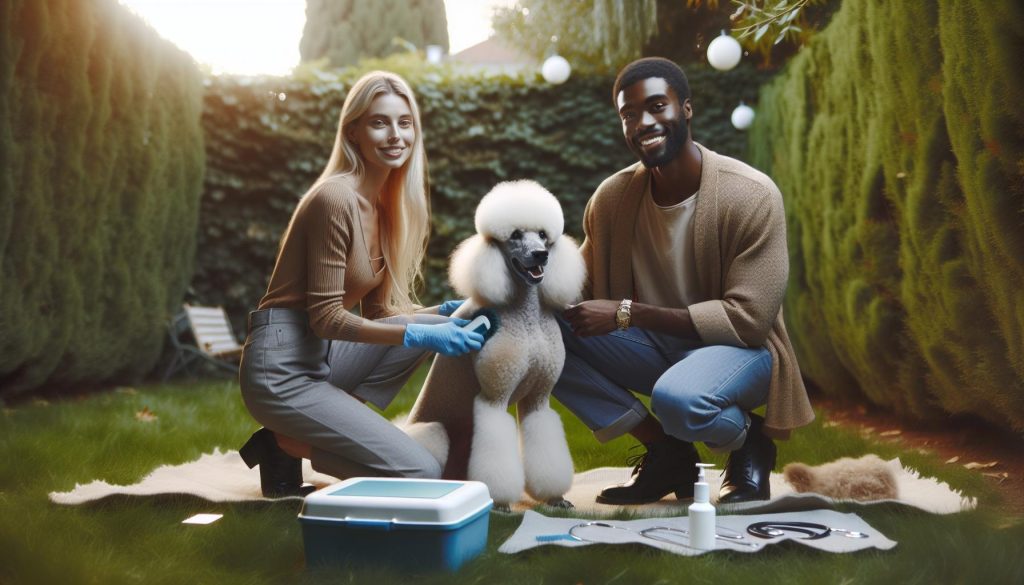
Poodles, known for their intelligence and elegance, are not immune to the annoyance of fleas. In fact, any dog can fall prey to these pesky parasites, which can cause discomfort and health issues if left unchecked. As a dedicated Poodle owner, protecting your furry friend is essential to ensuring their happiness and well-being. Understanding how fleas affect Poodles, along with effective prevention and treatment strategies, will make a significant difference in your pet’s quality of life. This guide will equip you with the essential knowledge and tips you need to keep your Poodle flea-free, allowing you to enjoy many happy moments together without the worry of these unwelcome visitors. Let’s dive into the practical steps you can take to safeguard your beloved companion!
Can Poodles Get Fleas? Understanding Flea Risks for Poodles
Poodles, like any other dog breed, are susceptible to fleas. These tiny, blood-sucking pests can easily latch onto your Poodle’s skin, regardless of their size or coat type. Fleas thrive in warm, humid environments and can infest homes quickly, posing a significant risk to your pet’s health and comfort. Because Poodles are known for their luxurious coats, the dense curls can sometimes conceal the presence of fleas. This makes it crucial for pet owners to be vigilant and proactive in protecting their Poodles from these pesky parasites.
Fleas can lead to several issues beyond just irritation. They can cause allergic reactions, dermatitis, and even transmit tapeworms or other parasites if ingested during grooming. Additionally, flea infestations can result in heavy scratching and biting, which may lead to more severe skin infections. Therefore, it’s essential to understand your Poodle’s specific risks and maintain a flea prevention plan.
Regularly checking your Poodle for fleas is a good practice, especially during warmer months. Fleas are often found around your dog’s neck, under their arms, and at the base of the tail. Along with physical checks, staying informed about environmental threats is equally important. For example, if you frequently visit dog parks or have other pets that may carry fleas, you should take extra precautions to safeguard your Poodle.
To sum up, while Poodles can definitely get fleas, there are effective strategies to manage and prevent infestations, ensuring your beloved companion remains comfortable and healthy. Engaging with veterinarians or pest management professionals can help develop a robust flea control plan tailored to your Poodle’s needs, climate, and lifestyle.
Common Flea Myths: Debunking Misconceptions for Dog Owners
Many dog owners believe they can keep fleas away from their pets simply by maintaining a clean home environment or choosing specific dog breeds. However, these misconceptions can lead to unfortunate flea infestations. One prevalent myth is that certain breeds, such as Poodles, are less susceptible to fleas because of their curly coats. While it’s true that their hair may conceal fleas, it does not provide any protection from these pests. Fleas can thrive on all types of dogs, including those with luxurious fur.
Another common belief is that fleas are only a problem during warmer months. However, fleas can survive in homes year-round, especially in warm, humid conditions. This is particularly true for Poodles, who may spend time indoors, making them susceptible to flea infestations even in winter. A proactive approach throughout the year is essential for keeping them flea-free, which includes regular preventative treatments.
Some owners mistakenly think they can rely solely on traditional flea treatments like collars or shampoos without implementing a comprehensive plan that addresses their dog’s environment as well. Fleas have a complex life cycle, and without treating the home where eggs and larvae may be hiding, the battle may never be won. Therefore, pet owners should consider incorporating a multi-faceted approach including environmental controls and veterinary-recommended treatments.
Finally, many dog owners believe that a flea problem can be resolved quickly and easily. The truth is that dealing with fleas often requires time, diligence, and a commitment to both immediate and preventative measures. Regular grooming and checks, combined with a solid flea prevention program, can help ensure that your Poodle remains healthy and happy, free from the discomfort of fleas throughout their life.
Signs Your Poodle Has Fleas: Symptoms and Indicators to Watch For
When it comes to our beloved Poodles, spotting the signs of a flea infestation early can make all the difference in managing their comfort and health. Fleas can be quite sneaky, often hiding deep within the layers of their curly coats, which makes it crucial for dog owners to be vigilant. While you may not always see the fleas themselves, there are several symptoms to watch for that can indicate your Poodle may be harboring these unwelcome guests.
One of the most common indicators of fleas is persistent scratching and biting. If you notice your Poodle frequently scratching at their skin or biting their paws, especially after outdoor playtime, it could be an early sign of flea irritation. Look closely at their skin for any red spots or inflamed areas. You may also find small, flea dirt (which looks like tiny black specks) or even see actual fleas scurrying through their fur if you part their coat.
Another important symptom to be aware of is changes in behavior. If your normally playful and affectionate Poodle suddenly becomes more withdrawn or anxious, it might be due to discomfort caused by fleas. Some dogs may also exhibit restlessness or an inability to settle down, particularly at night, as they try to find some relief from incessant itching.
It’s also wise to monitor your Poodle’s grooming habits. An increase in grooming, especially focus on certain areas like the neck, tail, or belly, can signal an attempt to alleviate itching caused by fleas. Additionally, keep an eye out for hair loss in localized areas, which might be a result of excessive scratching or biting, leading to secondary skin infections.
To sum it up, being proactive and observant can help you catch flea problems early. Regular grooming sessions not only keep your Poodle looking their best but can also serve as an opportunity to check for any signs of fleas or flea-related irritation. If any of these symptoms arise, it’s advisable to consult with your veterinarian for appropriate flea treatments and preventive measures, ensuring your Poodle remains happy and healthy.
Effective Flea Prevention Strategies for Poodles
Preventing fleas from making your Poodle their home is essential for keeping your furry friend happy and healthy. Interestingly, Poodles, with their elegant coats, can often be targeted by fleas simply because those cute, curly locks provide a cozy hiding spot for these unwanted pests. Fortunately, there are several effective strategies you can employ to minimize the risk of flea infestations, allowing you to enjoy stress-free cuddles and playtime.
One of the most proactive measures is to maintain a regular grooming routine. Frequent brushing not only keeps your Poodle’s coat looking fabulous but also allows you to check for any signs of fleas or flea dirt. Consider using a fine-toothed comb specifically designed to catch fleas, which can be particularly effective on their thick coats. Bathing your Poodle regularly with a vet-recommended flea shampoo can also help keep those pesky pests at bay, especially during peak flea seasons.
Environmental Control
Ensuring your home and yard are flea-free is just as vital as taking care of your Poodle. Vacuuming regularly helps eliminate flea eggs and larvae, which can hide in carpets and furniture. Don’t forget to wash your Poodle’s bedding, toys, and any blankets they frequently use in hot water to kill any potential hitchhikers. Moreover, if your Poodle enjoys outdoor time in the yard, consider treating your outdoor space with pet-safe flea prevention products to eliminate fleas in their habitat.
Comprehensive Prevention Products
Using veterinarian-approved flea preventives is another cornerstone of a solid flea prevention strategy. Frontline, Advantage, and other topical solutions are designed to kill fleas quickly and prevent new infestations. Additionally, some oral medications can provide systemic protection from fleas, lasting for up to a month or more. Consult with your vet to find the best product suited for your Poodle’s needs, taking into account their age, size, and health history.
By combining these strategies, you create a multi-layered defense against fleas that will help keep your Poodle comfortable year-round. A little diligence can go a long way in creating a flea-free lifestyle, so that you can focus on making joyful memories with your beloved companion instead of battling unwanted pests.
Best Flea Treatments for Poodles: Options and Recommendations
For any poodle owner, it can be alarming to discover your furry friend may have fleas. These tiny pests not only cause discomfort but can also lead to serious health issues for your pet. Luckily, there are ample flea treatment options designed specifically for Poodles that can help eliminate these nuisances effectively and safely.
One of the most common and effective solutions is topical treatments. Products like Frontline and Advantage are popular among pet owners due to their fast-acting formulas that kill fleas on contact and provide lasting protection. They are simply applied to the skin on the back of the neck, where your poodle can’t lick it off. Ensure that you follow the dosing instructions based on your poodle’s weight, as proper application is key to their effectiveness.
Oral flea medications are another highly effective option. Products such as Comfortis and NexGard are chewable tablets that not only kill adult fleas but also prevent new infestations. Administering these oral treatments monthly can provide you and your poodle peace of mind. It’s important to consult your veterinarian before starting any oral medication to confirm it’s the right choice for your dog’s specific health needs.
Additionally, consider flea collars as a means of protection. Brands like Seresto offer long-lasting collars that can repel and kill fleas while also preventing them from re-infesting your dog. These collars are convenient and provide an alternative for dogs who may not tolerate topical or oral medications well.
Lastly, natural treatments can also be beneficial as adjunct therapies. Products containing essential oils like lemongrass, lavender, or cedarwood may deter fleas without the harsh chemicals found in conventional products. However, always check with your vet to confirm that any natural treatment is safe for your poodle, especially since some essential oils can be toxic to pets.
Using a combination of these treatments can help create a robust plan against fleas. Establishing a routine check for fleas during grooming, sticking to a treatment schedule, and maintaining a clean environment can keep your poodle happy and flea-free. Always consult with your vet to tailor the best flea treatment strategy for your beloved pet’s unique needs and lifestyle, ensuring a confident, flea-free experience for both you and your dog.
Grooming Tips to Keep Your Poodle Flea-Free
Keeping your Poodle flea-free is not just about treating infestations when they arise; it’s also about proactive grooming strategies that create an environment where fleas simply can’t thrive. Regular grooming is essential for Poodles, not only to maintain their beautiful coat but also to serve as a key defense against those pesky parasites. Did you know that regular brushing can detect early signs of fleas and prevent them from taking hold?
One of the most effective practices is to commit to a consistent grooming routine. Brush your Poodle at least two to three times a week, ensuring you’re getting into the thick areas of their coat where fleas like to hide. A slicker brush or a fine-toothed comb is particularly effective in removing loose hair, dirt, and any potential fleas or flea eggs. When you see clumps of fur or debris being collected, it’s a sign that you’re not only grooming but also scouting for any unwelcome guests.
During this grooming session, take the opportunity to perform a thorough inspection of your Poodle’s skin. Pay attention to warm, sandy areas like the armpits and groin, as these spots are often favored by fleas. If you spot small red bumps or inflammation, it could be a sign of flea activity. A gentle touch can help you gauge your dog’s comfort and also allow you to look for flea dirt, which appears as tiny black specks in the fur.
Consider introducing a designated grooming location in your home, such as a specific area in your yard or a cozy corner inside. Having a clean space minimizes the chance of fleas migrating from other parts of your home. After grooming, dispose of any collected fur away from your living space to prevent any lingering eggs from returning. Additionally, incorporate bathing as part of your grooming strategy. Using a vet-approved flea shampoo can help eliminate any fleas that may have evaded detection. Aim for a bath every month or two, but remember to avoid over-bathing, as it can strip natural oils from your Poodle’s coat.
Lastly, make sure to keep your home flea-free as well. Vacuuming regularly, especially areas where your Poodle spends the most time, can significantly reduce flea populations. Combine that with washing bedding, toys, and any fabric your Poodle frequently interacts with to create a double barrier of protection against these tiny invaders. By adopting a comprehensive grooming strategy and keeping up with household cleanliness, you will set up a robust defense, ensuring a happy, flea-free life for your beloved Poodle.
Natural Remedies for Flea Control on Poodles
Finding natural remedies to keep your Poodle flea-free is not just a cost-effective approach; it’s also a safer alternative that aligns with a holistic well-being philosophy. Many dog owners are turning to natural solutions that are gentle on their pets while being effective against those pesky pests. Here are some fantastic options you can consider to help manage fleas organically.
First, essential oils can provide a fragrant way to deter fleas. Oils such as lavender, peppermint, and eucalyptus have been known to repel fleas. However, it’s crucial to use these oils cautiously. Always dilute them with a carrier oil (such as coconut or olive oil) before applying to your Poodle’s fur. A few drops mixed into a carrier can be applied to the base of your Poodle’s neck or along the spine-areas where fleas are likely to latch on. Remember to avoid citrus oils, as they can be toxic to dogs.
Another effective natural remedy is the use of diatomaceous earth (DE). This fine powder, made from fossilized algae, can be sprinkled in your home, particularly in areas where your dog spends time. The sharp particles of DE can penetrate the exoskeleton of fleas, which ultimately leads to their dehydration and death. Be sure to use food-grade diatomaceous earth and keep your Poodle away from the area until the dust settles and is safely reduced.
Regular baths are also a staple in natural flea control. You can create your own flea-repelling shampoo using gentle, natural ingredients. A mixture of water, apple cider vinegar (ACV), and a few drops of gentle dish soap can be effective. The ACV not only helps repel fleas but can also improve your Poodle’s skin health when used in moderation. It’s vital not to over-bathe your dog, as this can strip away natural oils; a bath every few weeks should suffice.
Lastly, maintaining a clean environment is integral to flea control. Wash your Poodle’s bedding, toys, and any fabric frequently used by your pet in hot water to eliminate eggs and larvae. Regular vacuuming of carpets and upholstery can also help capture flea eggs before they have a chance to mature. Don’t forget to empty the vacuum immediately afterward to prevent any pests from escaping back into your home.
By implementing these natural remedies, you not only protect your Poodle but also foster a healthy, bug-free environment in your home. Embracing these strategies can create a comprehensive approach to flea control that benefits both your furry friend and your household’s overall cleanliness.
The Role of Diet in Flea Prevention for Poodles
When it comes to keeping your Poodle flea-free, you might be surprised to learn that what you feed your furry friend can play a significant role in flea prevention. A well-balanced diet not only enhances your dog’s overall health but also strengthens their immune system, making them less appealing to fleas. Certain nutrients can contribute to good skin health, creating an environment that makes it harder for fleas to thrive.
Incorporating Omega Fatty Acids
A diet rich in Omega-3 and Omega-6 fatty acids can greatly enhance your Poodle’s skin condition and coat quality. These healthy fats can be found in fish oil supplements and certain types of fish like salmon. They help to keep the coat shiny and the skin moisturized, which can deter flea infestations. A shiny coat not only looks appealing but also makes it more difficult for fleas to latch on. Consider adding a daily fish oil supplement or sprinkle fish-based food into your dog’s meals to boost their Omega intake.
Boosting Nutrient Intake with Fruits and Vegetables
Certain fruits and vegetables also serve as natural repellents to fleas. Foods rich in vitamins and fiber such as pumpkin, sweet potatoes, and leafy greens can help build a robust immune system. Vitamin B complex, especially, is known to make your dog’s skin less appealing to fleas. You can incorporate some mashed pumpkin or steamed sweet potatoes into their diet occasionally. Just be sure to introduce any new foods gradually and consult your vet, especially if your Poodle has food sensitivities.
Protein Sources Matter
High-quality protein is essential for your Poodle’s overall health and resilience against fleas. Protein-rich diets promote muscle growth and maintain healthy skin and coat, both of which are crucial for flea prevention. Look for dog food that lists real meat (like chicken, beef, or lamb) as the first ingredient. Avoid low-quality fillers, which might not provide the nutrients your dog needs to repel pesky fleas effectively.
By feeding your Poodle a balanced diet enriched with Omega fatty acids, vitamins, and quality proteins, you’ll not only support their health but also help create an inhospitable environment for fleas. Always monitor your dog’s response to dietary changes and consult with a veterinarian to ensure that your Poodle’s nutritional needs are being met comprehensively. This proactive approach can be a game-changer in your flea prevention strategy!
Flea Life Cycle: Understanding How Fleas Infest Your Home
Understanding how fleas reproduce and thrive in your home is crucial for effective prevention, especially for your beloved Poodle. Fleas have a fascinating yet troublesome life cycle that can lead to infestations if left unchecked. A single female flea can lay up to 50 eggs per day, and those eggs can become adults within just a few weeks under the right conditions. This quick reproduction means that addressing a flea problem early on is essential.
Fleas undergo four main stages in their life cycle: egg, larva, pupa, and adult. The cycle begins when female fleas lay eggs, which typically fall off the host (your Poodle) and scatter into the environment-think carpets, bedding, and upholstery. These eggs hatch into larvae in about 2 to 10 days, depending on the temperature and humidity levels. Larvae are tiny, worm-like creatures that thrive in dark, moist areas where they feed on organic debris, including flea feces.
After the larval stage, fleas spin cocoons and enter the pupa stage, during which they can remain dormant for several months-a perfect strategy for surviving unfavorable conditions. When the environment becomes right-such as the presence of a host nearby-the adult flea emerges, ready to find and latch onto a warm body, like your Poodle. This cycle can continue indefinitely if you don’t take action to control it.
To effectively manage and break this cycle, consider these key prevention strategies:
- Regular Grooming: Frequent brushing can help catch fleas early, and bathing your Poodle with flea shampoo is beneficial.
- Home Treatments: Vacuum regularly and wash your pet’s bedding to remove eggs and larvae. Consider using flea powders or sprays in your home as a preventive measure.
- Yard Maintenance: Keep your yard tidy by mowing the grass and trimming shrubs, which can deter flea activity.
- Flea Prevention Medication: Consult your vet about flea preventatives tailored for Poodles to keep them protected year-round.
Being proactive about your Poodle’s environment is key in combating flea infestations. By understanding the flea life cycle and implementing preventive measures, you can create a safer, more comfortable space for your furry friend.
When to Consult a Vet for Severe Flea Infestations
While it’s common for Poodles to occasionally deal with fleas, knowing when the situation becomes severe is crucial for effective treatment and your dog’s well-being. If you notice your Poodle excessively scratching, biting, or licking its skin more than usual, it may be time to consult a veterinarian. Flea infestations can lead to skin irritations, infections, and even allergic reactions, all of which require professional intervention to ensure your Poodle is cared for appropriately.
If your dog is exhibiting signs of flea-related issues, such as hair loss, hot spots, or red, inflamed skin, these symptoms often indicate an advanced problem. Furthermore, if you see fleas jumping in your Poodle’s fur or notice flea dirt (tiny black specks that are flea feces) on your dog or its bedding, it’s a strong sign that the infestation needs immediate attention. Beyond physical symptoms, behavioral changes like restlessness, anxiety, or changes in eating habits can also indicate that your Poodle is suffering from discomfort related to fleas.
Additionally, if you’ve tried over-the-counter treatments and haven’t seen improvement within a reasonable time frame, consulting your vet is wise. They can recommend stronger treatments or medications specifically designed for more severe cases. It’s also important to consider that Poodles, with their thick, curly coats, can sometimes hide flea infestations more effectively than other breeds. Regular grooming and dedicated searches for fleas and flea dirt can help catch these problems earlier, but don’t hesitate to ask for professional solutions if you’re facing challenges.
Ultimately, keeping an open line of communication with your vet ensures that your Poodle remains healthy and comfortable. Regular check-ups, especially during peak flea seasons, can help preempt issues, so remember to discuss flea prevention strategies that suit your dog’s needs during these visits. By staying proactive, you can help ensure your furry friend is safe and sound, free from the nuisance and health risks associated with flea infestations.
Seasonal Flea Trends: Keeping Your Poodle Protected Year-Round
Fleas may be tiny, but they pose a significant threat to our beloved Poodles, especially when considering the seasonal patterns that influence their populations. Understanding these trends is crucial for keeping your Poodle protected throughout the year. In temperate regions, fleas tend to thrive during warmer months, particularly from spring to fall, thanks to milder temperatures and increased humidity which create ideal breeding grounds. However, it’s important to realize that fleas can survive indoors during colder months, making year-round vigilance necessary.
To effectively shield your Poodle from fleas, consider establishing a seasonal prevention plan. This plan can include:
- Spring: As temperatures rise, fleas come out of dormancy. Begin preventative treatments at the start of spring-commonly recommended options include topical treatments, oral medications, or flea collars. It’s also wise to start regular grooming sessions, as brushing your Poodle helps to dislodge any potential fleas or eggs.
- Summer: This is peak flea season. Keep your dog’s living environment clean by washing bedding and vacuuming regularly. Continue preventative measures and consider monthly treatments for consistent protection. Outdoor walks should be monitored-avoid areas where fleas are prevalent, such as tall grasses or heavily wooded areas.
- Fall: As outdoor temperatures begin to drop, fleas will seek shelter inside. It’s vital to maintain a consistent flea control routine and start thinking about indoor flea control. Treat your home with flea sprays or foggers, focusing on carpets and upholstery where fleas may hide.
- Winter: Although flea activity decreases in colder weather, don’t let your guard down-indoor fleas can survive year-round. Continue preventative treatments and conduct regular checks on your Poodle’s coat. If your dog spends time indoors with other pets, ensure they are also flea-free to prevent cross-infestation.
For Poodle owners, slight adjustments according to the season can make a meaningful difference in keeping fleas at bay. Regular communication with your vet about the best products and protocols for your area is also advisable; they can provide tailored advice based on local flea activity and resistance patterns. Remember, a proactive approach ensures your Poodle remains happy, healthy, and free from the discomfort that fleas can bring, regardless of the season.
Q&A
Q: How can I tell if my Poodle has fleas?
A: To check if your Poodle has fleas, look for excessive scratching, biting at their skin, or small black specks (flea dirt) in their fur. A flea comb can help identify fleas more easily. If you notice these signs, consider topical treatments or consult your vet for advice.
Q: What are the best natural remedies for flea prevention in Poodles?
A: Effective natural remedies for preventing fleas in Poodles include using essential oils like lavender or cedarwood (diluted in carrier oil) and regular grooming with a flea comb. Maintaining a clean home environment is also crucial as it disrupts the flea lifecycle.
Q: When is flea season for Poodles, and how can I prepare?
A: Flea season typically peaks in warmer months, but in many areas, fleas can be a problem year-round. To prepare, maintain flea prevention treatments year-round, keep your Poodle’s environment clean, and regularly check for any signs of fleas during grooming.
Q: Can Poodles develop allergies to fleas?
A: Yes, Poodles can develop flea allergy dermatitis, a condition where their immune system reacts to flea saliva. This can cause severe itching and skin infections. If your Poodle shows signs of an allergic reaction, consult your veterinarian for appropriate treatment options.
Q: How often should I treat my Poodle for fleas?
A: It’s typically recommended to treat your Poodle for fleas at least once a month during active seasons, but this can vary depending on your dog’s lifestyle and risk factors. Always follow your veterinarian’s recommendations for the best results.
Q: What are some signs my home may have a flea infestation?
A: Signs of a flea infestation in your home include seeing fleas on your pet, flea dirt on carpets or bedding, and noticing bites on humans in the household. Regularly vacuuming and washing pet bedding can help manage these issues.
Q: What should I do if my Poodle has a severe flea infestation?
A: If your Poodle has a severe flea infestation, start with immediate flea treatment by using vet-approved topical treatments or oral medications. Additionally, treat your home with appropriate insecticides and wash all pet bedding to eliminate fleas and their eggs.
Q: Are there specific foods that can help repel fleas from my Poodle?
A: While no food can guarantee flea prevention, a balanced diet rich in omega-3 fatty acids can improve your Poodle’s skin health, making them less attractive to fleas. Consult a vet about incorporating supplements to support your dog’s overall health and potentially repel fleas.
Final Thoughts
As we wrap up our exploration of whether poodles can get fleas and how to prevent and treat these pesky critters, remember that proactive care is key to keeping your furry friend happy and healthy. Regular grooming, combined with effective flea prevention methods, can save you from the hassle of infestations and ensure your poodle enjoys a comfortable lifestyle. If you found this guide helpful, dive deeper into our resources on poodle care and health with articles like “Essential Grooming Tips for Poodles” and “Understanding Poodle Behavior.”
Don’t wait for fleas to take hold; take action today! If you have further questions or concerns about flea treatments, consulting your veterinarian is a smart next step. We invite you to subscribe to our newsletter for more tips tailored specifically to poodle owners, and be sure to share your experiences in the comments below. Together, let’s keep our poodles happy and bug-free!