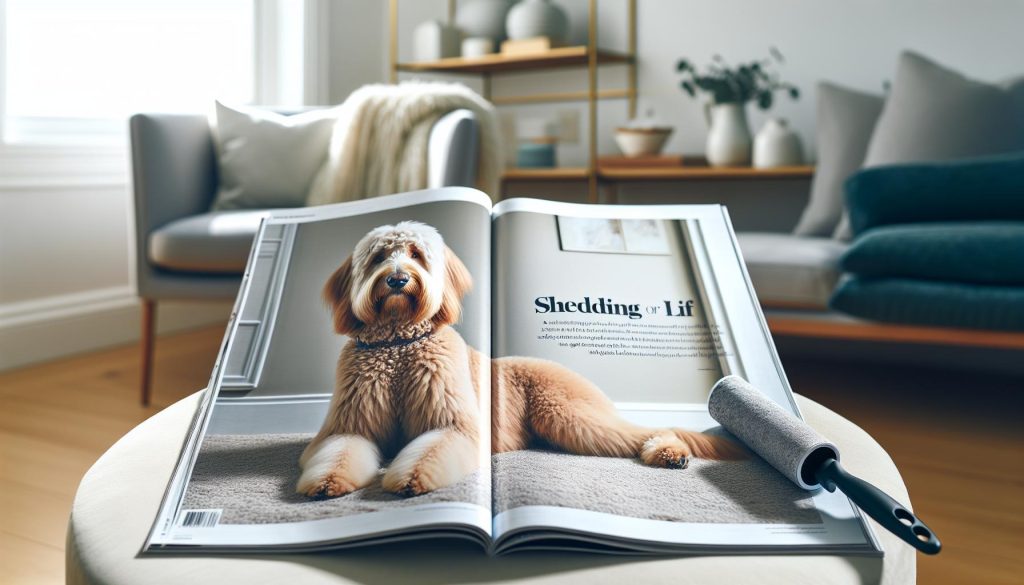
Are you considering adding an Australian Labradoodle to your family, but worried about shedding? You’re not alone! Many potential dog owners are keen to find a breed that suits their lifestyle, especially when it comes to cleanliness and allergies. In this article, we’ll delve into the shedding habits of Australian Labradoodles, revealing the truth behind their coats and what it means for your home. With a reputation for being low-shedding, these delightful dogs come with unique grooming needs that can either simplify or complicate your daily routine. Understanding these aspects will help you make an informed decision and prepare for the joy-and occasional shedding-that awaits. Keep reading to uncover essential tips on managing their grooming and ensuring your new furry friend fits seamlessly into your life!
Do Australian Labradoodles Shed? The Shedding Science Explained

A common question among prospective and current Labradoodle owners is whether these charming companions shed fur. Australian Labradoodles are generally considered low-shedding dogs, a trait that many families find appealing. However, it’s crucial to understand that “low-shedding” doesn’t mean they don’t shed at all. Instead, their shedding can be considerably less than that of breeds with traditional fur, particularly if both parent breeds are non-shedding. This characteristic makes them a popular choice for allergy sufferers, though they can still present some challenges regarding grooming and coat maintenance.
The breed’s shedding patterns are influenced by a variety of factors, including their unique coat types. Australian Labradoodles typically have three primary coat types: the fleece coat, the wool coat, and the hair coat. Fleece and wool variations tend to be more hypoallergenic and low-shedding, while the hair coat is more like a traditional dog coat and may shed more significantly. Understanding these differences can help owners prepare for the grooming routine best suited to their dog’s coat type. Additionally, the shedding can increase during seasonal changes, particularly when they transition between winter and summer coats, a process that usually occurs around 8 to 14 months of age.
To help manage shedding effectively, regular grooming is key. A thorough brushing session at least once a week can remove loose hair and reduce the amount of fur found around your home. For owners wanting to minimize shedding further, investing in high-quality grooming tools, like slicker brushes and de-shedding tools, can make a significant difference. Combining grooming with a nutritious diet also plays a crucial role; a healthy coat often leads to less shedding, so consider incorporating omega fatty acids into their meals for improved skin health. With the right approach, you can enjoy the loving nature of an Australian Labradoodle while keeping shedding manageable and your living space clean.
Understanding the Australian Labradoodle Coat Types

The Australian Labradoodle’s coat is one of its most distinctive features, boasting a variety of textures and types that offer both aesthetic appeal and practical benefits for dog owners. These beloved companions actually come in three primary coat types: fleece, wool, and hair. Each of these coat types has its own characteristics, influencing not just appearance, but also the dog’s shedding tendency and grooming needs.
Fleece Coat
The fleece coat is soft, curly, and notably hypoallergenic, making it a favorite among allergy sufferers. This coat tends to be the most low-shedding of the three, helping to keep pet hair at bay while providing a cozy feel. Regular grooming with a slicker brush is essential to prevent matting, but owners often find that minimal shedding means less clean-up around the house.
Wool Coat
Similar to the fleece coat, the wool coat is dense and curly, providing excellent insulation while also being hypoallergenic. Dogs with this coat type require consistent grooming to maintain its texture and prevent tangling. While they shed less than many traditional breeds, it’s still vital to brush them regularly to manage any loose hair and keep their coat in peak condition.
Hair Coat
The hair coat resembles that of more traditional dogs and is straighter and sometimes longer. This coat, while still considered low-shedding, does tend to shed more than the fleece and wool varieties. Owners should expect to experience more visible hair around the home and may need to increase grooming frequency to manage this shedding effectively.
Understanding these coat types is crucial for potential owners, as it not only helps in selecting the right dog for their lifestyle but also sets the foundation for a proper grooming routine. Remember, regardless of coat type, all Australian Labradoodles will require attention to their grooming needs, which, when attended to, can lead to a happy, healthy dog and a clean home. Investing time into understanding and managing the coat type benefits both the dog and the owner, reinforcing that beautiful, low-shedding coats are achievable with the right care!
When preparing to welcome an Australian Labradoodle into your family, consider these important coat characteristics, and be ready to engage in a little grooming magic to ensure a clean and comfortable living environment for everyone involved.
Shedding vs. Hypoallergenic: What’s the Difference?
The relationship between shedding and hypoallergenic characteristics can be a little confusing, especially for potential dog owners navigating allergies and grooming needs. While no dog is entirely hypoallergenic, some breeds, including the Australian Labradoodle, are renowned for producing fewer allergens and shedding less hair. This distinction is key: shedding refers to the amount of hair a dog loses, while hypoallergenic pertains to the breed’s potential to produce allergens that might trigger allergies in sensitive individuals.
Understanding these concepts is crucial for anyone considering bringing a dog into their home, particularly for those with allergies. Hypoallergenic dogs are often touted as ideal for allergy sufferers because they typically produce lower levels of dander, salivary proteins, and urine proteins-common culprits in allergic reactions. In the case of Australian Labradoodles, their low-shedding coats contribute to this hypoallergenic trait, as less hair in the environment generally leads to fewer allergens being dispersed. For example, the fleece and wool coat types are often preferred by people with allergies because they trap dander and hair, reducing exposure in the home environment.
To further clarify, here are some key differences between shedding and hypoallergenic traits:
- Shedding: Refers to how much hair a dog loses. Labradoodles can shed, but they tend to shed very little, especially compared to many traditional breeds.
- Hypoallergenic: Indicates a dog’s tendency to produce fewer allergens. Australian Labradoodles, particularly those with fleece or wool coats, are classified as hypoallergenic, making them suitable for allergy-prone families.
While choosing a dog with low shedding does help minimize hair in the home, it’s important to understand that a lower shedding rate does not automatically mean that a dog is allergy-friendly. Proper grooming practices, like regular brushing and bathing, can also help manage allergens and promote a cleaner living space. When considering an Australian Labradoodle, potential owners should focus on both the grooming needs and the dog’s overall impact on their lifestyle, ensuring a harmonious environment for all family members.
Factors Influencing Shedding in Australian Labradoodles
The amount of shedding you can expect from your Australian Labradoodle can be influenced by several factors, making understanding these elements essential for prospective owners. One primary aspect is the dog’s genetic makeup. Since Australian Labradoodles are a mix of several breeds, the percentage of Poodle in their lineage often determines their coat characteristics, including shedding tendencies. Typically, those with a higher Poodle percentage will exhibit lower shedding due to the Poodle’s renowned low-shedding, curly coat.
Another significant influence is the type of coat the Labradoodle inherits. Australian Labradoodles can have different coat types: wool, fleece, and straight hair. Each of these coat types behaves differently in terms of shedding. For instance, wool and fleece coats tend to trap hair and dander more effectively, helping to keep your home allergen-friendly and minimizing visible shedding. In contrast, a straight coat may shed more, particularly during seasonal changes, so understanding the nuances of your dog’s coat is crucial for managing expectations.
Environmental Factors
Don’t overlook the role of environmental factors on shedding. Changes in weather can trigger increased shedding, especially during seasonal transitions when dogs may shed more to adapt to temperature shifts. Additionally, stress and hormonal changes can lead to increased shedding in dogs. A stressful situation, such as moving to a new home or a change in routine, may contribute to noticeable hair loss. Maintaining a consistent and supportive environment can help minimize stress and its associated effects on shedding.
Nutrition and Health
Lastly, your dog’s diet plays a pivotal role in the health of their coat and overall shedding levels. A well-balanced diet rich in essential fatty acids promotes a healthier skin barrier and coat, reducing excessive shedding. If your Labradoodle is experiencing noticeable shedding, consider consulting with a veterinarian on the best dietary practices to support skin and coat health. Regular veterinary check-ups are also vital, as underlying health issues can lead to increased shedding.
By understanding these contributing factors, Australian Labradoodle owners can take proactive steps to manage shedding, ensuring their furry companions are healthy and happy while keeping their homes as clean as possible.
The Grooming Routine: Minimizing Shedding at Home
Establishing a consistent grooming routine is one of the best ways to minimize shedding in your Australian Labradoodle while also enhancing their coat’s health and appearance. Regular grooming not only helps keep loose hair at bay but also strengthens the bond between you and your furry friend. A well-maintained coat can greatly reduce the amount of hair floating around your home and alleviate concerns for allergy sufferers. Starting early-ideally when your Labradoodle is a puppy-sets the stage for a stress-free grooming experience for both of you.
Begin with a thorough brushing routine. For Labradoodles with wool or fleece coats, a slicker brush or a pin brush can effectively remove tangles and prevent matting, which can exacerbate shedding. Aim for at least two to three brushing sessions per week, and consider daily brushing during seasonal shedding periods. If your Labradoodle has a straighter coat, a less frequent brushing schedule may suffice, but don’t ignore those brushing sessions altogether! Regular brushing encourages natural oil distribution across the coat, promoting both shine and coat health.
Beyond brushing, don’t overlook the importance of bathing your Labradoodle. Use a high-quality pet shampoo that suits their sensitive skin-preferably one designed for dogs with hypoallergenic properties. Baths should be spaced out every 4-6 weeks unless your dog gets particularly dirty. A gentle massage during bath time can keep the experience enjoyable and reinforce the grooming routine as a positive event. After the bath, follow up with a good conditioning product to maintain coat softness and reduce static, which can lead to more hair flying around.
Finally, make sure to check your dog’s ears and nails during grooming sessions. Regularly cleaning their ears and trimming their nails ensures a well-rounded grooming routine that keeps your Labradoodle comfortable and healthy. You may want to consider using grooming tools such as de-shedding brushes for those high-shedding times and incorporating the help of professional groomers for complex grooming needs, particularly if you notice excessive matting or tangling.
Keeping track of your grooming schedule can be helpful, and maintaining this routine will lead to a happier, healthier dog, while also keeping your home cleaner and more allergen-friendly. Embrace this time as your special bonding moment with your Labradoodle-it’s worth it!
Seasonal Shedding: What to Expect Throughout the Year
As the seasons change, so does your Australian Labradoodle’s coat, and with that comes a fluctuation in shedding. While these dogs are generally known for being low-shedding, they do experience periods of increased hair loss that correspond with seasonal weather changes. Understanding what to expect during these transitional phases can help you prepare and maintain your pup’s coat more effectively.
During the spring and fall, expect an uptick in shedding. Spring sees your Labradoodle shedding their winter coat to make way for a lighter, cooler summer coat. This process helps regulate their temperature as the days get warmer. Conversely, in fall, they fluff up their fur again to prepare for the colder months ahead. It’s important to ramp up your grooming routine during these times to manage the shedding effectively. You might want to brush them daily to keep the loose hair in check and to prevent any matting, especially for those with longer or curlier coats.
Seasonal changes can also affect your dog’s comfort. For instance, during shedding periods, you might notice an increase in scratching or itching, which could indicate that their skin is dry or irritated. To combat this, ensure that you’re providing a balanced diet rich in omega fatty acids, as this supports skin health and can reduce dryness. Additionally, use moisturizing shampoos during baths and consider a conditioner to keep their coat hydrated and looking its best.
To further illustrate these changes, here’s a quick overview of what to expect:
| Season | Expected Shedding | Grooming Tips |
|---|---|---|
| Spring | Increased shedding as winter coat is released | Daily brushing to manage loose fur |
| Summer | Low to moderate shedding | Regular brushing; swimming can help remove loose hair |
| Fall | Increased shedding as winter coat develops | Daily brushing to keep up with fur loss |
| Winter | Low shedding; coat is fuller | Grooming every couple of weeks; check for matting |
By staying proactive with grooming during these seasonal transitions, you can help keep your Australian Labradoodle comfortable and looking fabulous year-round. Remember, a well-maintained coat not only reduces shedding but also strengthens the bond between you and your furry friend during your shared grooming sessions!
Diet and Its Impact on Shedding in Dogs
Maintaining optimal nutrition for your Australian Labradoodle can significantly influence their coat quality and shedding patterns. A diet rich in omega-3 and omega-6 fatty acids not only promotes a healthy skin barrier but also encourages a lustrous, shiny coat. Consider incorporating food sources such as salmon, flaxseed oil, and chia seeds into your pup’s meal plan. These healthy fats will nourish their skin from the inside out, helping to minimize shedding and reduce any flaky or dry patches that might contribute to an unkempt appearance.
To ensure you’re providing a well-rounded diet for your Labradoodle, it’s essential to focus on high-quality, species-appropriate meals. Look for dog foods that list real meat as the primary ingredient and avoid fillers like corn or soy, which can lead to food sensitivities and exacerbate skin issues. Consult with your veterinarian to identify the right balance of proteins, fats, and carbohydrates tailored to your dog’s age, size, and activity level.
Additionally, regular supplements can also play a critical role in coat maintenance. You might find that adding a fish oil supplement to their diet can enhance their overall health while keeping their coat soft and reducing shedding. Many dog owners report that their pets benefit from joint health supplements enriched with omega fatty acids, especially in larger breeds like Labradoodles. However, be sure to monitor your dog’s health and coat condition to adjust supplementation as needed.
Here’s a quick checklist to ensure your Australian Labradoodle’s diet supports optimal coat health:
| Diet Element | Description |
|---|---|
| High-Quality Protein | Choose foods with real meat (chicken, fish, beef) listed as the first ingredient. |
| Healthy Fats | Incorporate omega-3 (from fish) and omega-6 fatty acids (from plant oils). |
| Vitamins and Minerals | Ensure a well-balanced diet with essential vitamins (A, E, etc.) for skin health. |
| Consistent Hydration | Provide fresh water daily to keep skin hydrated. |
By adopting a thoughtful approach to your pup’s diet, you can help maintain their beautiful coat and reduce excessive shedding, making both of you much happier during grooming sessions.
Comparing Shedding Levels: Labradoodle vs. Other Breeds
When considering the shedding levels of Labradoodles, it’s fascinating to note just how they stack up against other dog breeds. Labradoodles, particularly the Australian variety, are often touted for their low-shedding coats, primarily due to their Poodle lineage. This unique breeding generally results in a curly or wavy coat that traps hair rather than releasing it into the environment. This makes them a popular choice for those seeking a hypoallergenic dog or are sensitive to pet dander; however, shedding still occurs.
In comparison to more traditional breeds, such as Labrador Retrievers or Golden Retrievers, Labradoodles tend to shed significantly less. Labrador Retrievers are notorious shedders, particularly during seasonal changes, leading to their fur frequently ending up all over furniture and clothing. Golden Retrievers also shed regularly throughout the year, requiring diligent grooming and cleaning to manage their fluffy coats. In contrast, Labradoodles’ unique coat types vary between straight, wavy, and curly, which can all influence the amount and frequency of shedding.
### Shedding Comparison Table
| Breed | Shedding Level | Coat Type | Grooming Needs |
|---|---|---|---|
| Labradoodle | Low | Curly/Wavy | Regular brushing; professional grooming recommended. |
| Labrador Retriever | High | Short/Smooth | Frequent brushing; daily during shedding season. |
| Golden Retriever | Medium to High | Long/Fluffy | Frequent grooming; shedding season requires daily brushing. |
| Poodle | Low | Curly | Regular grooming; requires professional grooming. |
The level of shedding in Australian Labradoodles can also be influenced by several factors, including genetics, environment, and overall health. For instance, an Australian Labradoodle with a strong Poodle lineage may inherit more hypoallergenic traits, leading to even less shedding compared to one that resembles a Labrador.
Understanding these differences is crucial for potential owners. If you are considering welcoming a Labradoodle into your home, be prepared for regular grooming sessions that can help manage any shedding and keep their unique coats in top condition. In conclusion, while Labradoodles do shed, it is on a lower scale compared to many traditional breeds, making them a fantastic choice for dog lovers who prioritize a cleaner living space!
Common Myths About Labradoodle Shedding Debunked
There’s a common belief that Labradoodles, particularly the Australian variety, do not shed at all due to their Poodle ancestry. While it’s true that Labradoodles generally shed less compared to many other breeds, stating they do not shed at all is a myth. In reality, there are periods in their lives, such as during their transition from puppy to adult coat around 8-14 months, when shedding can be notably noticeable. This phase can be surprising for new owners who expect minimal shedding throughout.
Another misconception is that all Labradoodles have the same type of coat. In fact, they can have a range of coat types-straight, wavy, or curly-which directly influences how much they shed. A Labradoodle with a wavy or curly coat will typically shed less compared to one with a straighter coat. Thus, when considering a Labradoodle, potential owners should be aware that coat type will affect not just the appearance but also the grooming needs and shedding levels.
Lastly, there’s the belief that regular grooming isn’t necessary because they shed less. This is misleading, as regular brushing is crucial for maintaining the health of a Labradoodle’s coat, regardless of how much they shed. Grooming not only helps with removing loose hair but also prevents matting and skin issues. Establishing a consistent grooming routine early on can contribute significantly to managing shedding and ensuring a happy, healthy dog. Therefore, while the shedding levels of Labradoodles can be lower than other breeds, they still require diligent care to keep their coats in top condition.
How to Manage Shedding Effectively: Tips and Tools
Managing shedding in Australian Labradoodles doesn’t have to be a daunting task. With the right tips and tools, you can keep your home fur-free and your furry friend looking their best. First, it’s essential to recognize the types of coats these dogs can have-wavy, curly, or straight. Your grooming strategy will largely depend on your dog’s specific coat type. For instance, dogs with curly coats may require less frequent brushing than those with straighter coats, which can tangle more easily.
To effectively manage shedding, develop a consistent grooming routine that includes regular brushing. This helps remove loose hairs before they can settle around your home. A slicker brush and a de-shedding tool can work wonders in keeping your Labradoodle’s coat healthy and minimizing fur on your floors and furniture. Aim for brushing at least once a week, increasing the frequency during heavy shedding seasons, like spring and fall. During these times, you may also want to incorporate a bath into your routine, using a moisturizing dog shampoo that helps to clean and remove dead hair while also maintaining coat health.
It’s also important to take a closer look at your Labradoodle’s diet. A well-balanced diet can significantly impact the health of your dog’s coat. Foods rich in omega fatty acids, such as fish or flaxseed oil, can help promote a shiny coat and reduce excessive shedding. Additionally, ensure your dog is well-hydrated, as proper hydration supports skin health and fur retention.
Finally, remember to provide a dedicated space for your Labradoodle to relax, equipped with a washable dog bed and blankets that can easily be cleaned. Having a specific area where your dog sheds will help keep the fur contained, making clean-up much easier. With these practices in place, you’ll not only keep your home cleaner but also enjoy a happier and healthier companion.
Signs of Shedding-Related Skin Issues to Watch For
Keeping an eye on your Australian Labradoodle’s skin health is crucial, especially as shedding can sometimes lead to skin issues. While Labradoodles are celebrated for their low-shedding coats, their unique fur can still cause concerns if not properly managed. Here are key signs to watch for that may indicate shedding-related skin problems, ensuring the continued health of your furry friend.
One common issue is itchy skin, which often manifests as excessive scratching or biting at the skin. If you notice your Labradoodle constantly grooming or showing signs of discomfort, it could be due to loose fur irritating the skin or an underlying allergic reaction. Additionally, redness or inflammation in certain areas can signal irritation that may be exacerbated by shedding.
Another potential sign of skin problems is hot spots, which are localized areas of inflamed skin that can be caused by excessive shedding, allergies, or infections. These spots may appear as patches of moist, irritated skin that your dog may lick frequently. It’s important to address these promptly, as they can become painful and lead to more serious infections if left untreated.
Moreover, observe for any signs of flaky skin or dandruff. This can be a direct result of not only shedding but also dryness, which may indicate that your dog needs better moisturizing products in their grooming routine or dietary adjustments. If you see flakes or dryness, consider discussing a diet rich in omega fatty acids with your veterinarian, as this can help promote healthier skin and fur.
Finally, pay attention to changes in your dog’s coat texture. A sudden increase in shedding or a change from a glossy coat to a dull appearance can point to nutritional deficiencies or health issues. Regular brushing and grooming not only keeps your home cleaner but also allows for early detection of these changes, offering a great opportunity for preventative care.
In summary, staying vigilant about your Australian Labradoodle’s skin health is vital. By recognizing these signs early, you can help ensure your pup remains comfortable and happy while enjoying their shedding-free lifestyle!
When to Consult a Vet About Shedding Concerns
Observing your Australian Labradoodle’s shedding habits is essential not only for maintaining a clean home but also for ensuring their overall health. While these dogs are generally low-shedding, there are moments when their grooming needs become a cause for concern. If you find your furry friend shedding more than usual, it may be time to consult with a veterinarian. Not only can excessive shedding signal normal seasonal changes, but it can also be indicative of underlying health issues that require attention.
Consider reaching out to your vet if you notice any of the following signs:
- Increased Shedding: If the shedding exceeds what you usually observe, it could indicate stress, hormone changes, or even skin infections.
- Skin Irritation: Persistent scratching, biting, or licking at the skin may mean allergies or irritations that need medical intervention.
- Changes in Coat Condition: If your dog’s coat appears dull, brittle, or there’s noticeable thinning, this could indicate nutritional deficiencies or other health problems.
- Behavioral Changes: Sudden lethargy or changes in appetite alongside shedding might suggest that your Labradoodle is not feeling well and should be evaluated.
It’s also wise to consult your vet if you observe increased bald patches or skin infections, such as hot spots, as early treatment can prevent further complications. Regular check-ups can help catch potential issues early, keeping your Australian Labradoodle healthy and happy. Remember, a vet is your best resource for tailored advice specific to your dog’s needs, especially regarding their unique coat management. Keeping the lines of communication open with your veterinarian not only ensures your furry friend’s well-being but also enhances your overall experience as a dedicated dog owner.
Q&A
Q: Do Australian Labradoodles shed less than other dog breeds?
A: Yes, Australian Labradoodles generally shed less than many other dog breeds, especially those with typical short coats. Their fleece or wool coat types contribute to minimal shedding, making them a popular choice for allergy sufferers [1].
Q: Why do Australian Labradoodles still shed at all?
A: All dogs, including Australian Labradoodles, shed to some degree. Their shedding is primarily influenced by factors such as coat type, health, and seasonal changes. Regular grooming can help manage and minimize the amount of loose hair [1].
Q: How often do Australian Labradoodles shed hair seasonally?
A: Australian Labradoodles may shed slightly more during the spring and fall seasons as they transition between coats. This seasonal shedding varies from dog to dog but is typically manageable with regular grooming [1].
Q: Are Australian Labradoodles considered hypoallergenic?
A: While Australian Labradoodles are often marketed as hypoallergenic due to their low-shedding coats, they can still produce allergens. No dog is completely hypoallergenic, but their shedding is significantly less compared to many other breeds [1].
Q: What can I do if my Australian Labradoodle sheds excessively?
A: If your Australian Labradoodle seems to be shedding more than normal, check their diet for adequate nutrients and consider regular vet check-ups to rule out health issues. A grooming routine should also be established to manage coat health [1].
Q: When should I consult a vet about my Labradoodle’s shedding? Thank you for exploring the shedding truth about Australian Labradoodles! Now that you know these lovable pups tend to shed less than many other breeds, you can confidently decide if they’re the right fit for your home. Remember, while grooming and maintenance may require some effort, the joy they bring far outweighs the commitment. If you’re considering welcoming one into your family, don’t hesitate to check our detailed guides on “Essential Care Tips for Australian Labradoodles” and “Understanding Dog Coat Types” for more insights. Ready to dive deeper? Subscribe to our newsletter for exclusive tips and dog care advice that keeps your furry friend happy and healthy! And if you have any questions or want to share your experiences, drop a comment below. Your journey with your Australian Labradoodle starts now-let’s make it a great one together!
A: Consult a vet if you notice excessive shedding, bald patches, or skin irritation. These could indicate underlying health issues or allergies that need to be addressed Final Thoughts