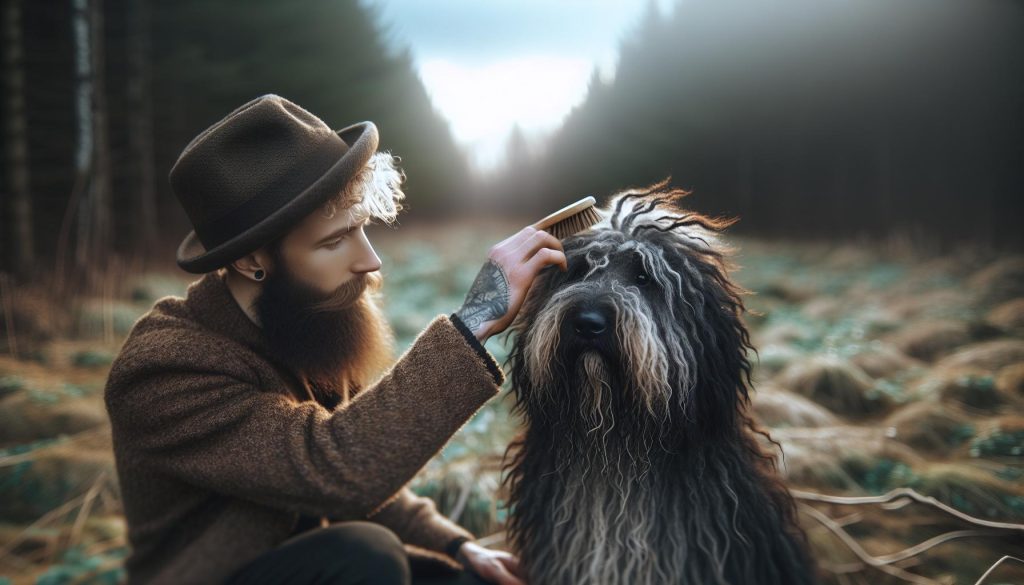
If you’re considering bringing a Barbet into your home, you might be wondering about their shedding habits. Unlike many breeds, Barbets are known for their non-shedding, curly coats, which can be both a blessing and a challenge for owners. While this means less fur on your furniture, it also translates to a commitment to regular grooming to avoid mats and tangles. Understanding your Barbet’s grooming needs not only helps in maintaining their beautiful coat but fosters a healthy relationship with your pet. As you dive into this article, we’ll explore the intricacies of Barbet coat care, the importance of regular brushing, and practical tips to ensure your furry companion looks and feels their best. Whether you’re a new owner or an experienced handler, this guide will equip you with the knowledge you need to keep your Barbet happy and healthy.
Understanding the Barbets’ Coat and Shedding
Barbets are often celebrated for their unique, curly coats, which not only look charming but are also a boon for allergy sufferers. Unlike many breeds, Barbets are considered low-shedding and are often labeled as hypoallergenic due to their tight, woolly fur that traps loose hairs and dander before they can escape into your home. This means that while they might not shed in the traditional sense, some maintenance is still necessary to keep their coat healthy and to manage any loose hair that does come out during grooming or playtime.
When it comes to their coat, understanding the different factors that influence shedding in Barbets can help you become a better pet owner. While their shedding is minimal, it does increase with seasonal changes, particularly during the spring and fall. Regular brushing not only helps to remove loose hair but also promotes healthy skin by distributing natural oils throughout their coat. Aim to brush your Barbet at least once a week, increasing frequency as needed to keep their coat in top condition. Using a slicker brush or a comb specifically designed for curly-haired dogs can make the process even more effective.
It’s also essential to consider how health and nutrition can impact a Barbet’s coat. A balanced diet enriched with omega fatty acids can support a shiny, healthy coat and minimize any unnecessary shedding. Keep an eye out for any sudden changes in your Barbet’s coat or shedding patterns-this may indicate underlying health concerns or dietary deficiencies that warrant a consult with your veterinarian. Regular grooming sessions offer a perfect opportunity to check for any skin irritations or unusual conditions.
In summary, while Barbets do not shed much, they require regular grooming and attention to ensure their coats remain healthy. With the right care routine and nutrition, you can enjoy the company of your Barbet without worrying about excessive shedding cluttering your home.
Do Barbets Shed? Common Misconceptions Explained

While many dog breeds become notorious for their shedding habits, Barbets stand out as a less conventional choice for dog lovers who are mindful of hair around the house. There’s a common misconception that low-shedding means “no shedding.” While it’s true that Barbets shed far less than breeds like Labradors or Huskies, it’s important to understand the nuances of their unique coat.
Barbets have a distinct curly, woolly coat that significantly reduces loose hair in your environment. Instead of large clumps of fur floating around your home, their hair tends to remain trapped within the curls and is released mostly during grooming. This feature makes Barbets an excellent option for allergy sufferers, as their coat can capture dander and hair, reducing allergens that might otherwise circulate. However, new or prospective owners may find this breed’s grooming needs somewhat surprising. While they don’t leave hair everywhere, it does still require regular attention.
Another misconception is that because they are low-shedding, Barbets require minimal grooming. In reality, their beautiful coats can become matted if not properly cared for. Regular brushing, ideally once a week, helps maintain the health of their coat and skin. Grooming not only mitigates any potential shedding but also strengthens the bond between you and your furry friend. Using the right tools, such as a slicker brush or a comb designed for curly-haired dogs, can make this routine more effective and enjoyable.
In summary, while Barbets are less prone to shedding compared to other breeds, they still require thoughtful grooming practices to keep their coats healthy and free of tangles. Understanding this balance is essential for all prospective Barbet owners, ensuring a happy and clean home environment alongside your charming companion.
The Frequency of Shedding in Barbets

Barbets are known for their distinctive curly woolly coats, which not only make them adorable but also significantly influence their shedding behaviors. Unlike many breeds that shed fur constantly and visibly, Barbets have a unique way of managing loose hair, making shedding less of an issue for owners. Instead of the typical seasonal shedding that can leave your home looking like a fur tornado, Barbets tend to release their hair gradually during grooming sessions. This means that while they do shed, it’s often so minimally that it can catch owners off guard.
On average, a Barbet may shed a small amount of hair throughout the year, with an increase in shedding typically seen during grooming or bathing. It’s not unusual for the occasional loose curl to be found on your clothing or furniture, yet overall, you can expect much less stray fur in your home compared to breeds like Labradors or Golden Retrievers. In fact, their grooming routine plays a crucial role in controlling the amount of hair that makes it out into the environment. Regular brushing-ideally once a week-helps keep their coat in top condition and also captures any loose fur that might otherwise be shed around the house.
It’s essential to understand that the frequency of shedding can vary with factors such as age, diet, health, and seasonal changes. Younger Barbets may shed more than adults as they transition from puppy fur to their adult coat. Additionally, any health issues or changes in environment, like moving from a humid to a dry climate, can affect their coat and pathways of shedding. Owners should be attentive to these changes, as managing their coat effectively can minimize any extra shedding that might come from stress or health complications.
Ultimately, while Barbets do shed, their grooming needs and routines offer a unique bond that can turn shedding management into a rewarding experience for both you and your dog. By engaging in regular grooming, you’ll not only maintain the beauty of your Barbet’s coat but also enjoy the time spent nurturing your relationship, all while keeping your home relatively fur-free.
Coat Types: What You Need to Know
The unique coat of the Barbet is one of the key features that endears this breed to dog lovers. With their charming curly and woolly coats, Barbets are often described as hypoallergenic, making them a fantastic choice for individuals with allergies. This distinctiveness doesn’t just contribute to their adorable appearance; it plays a significant role in how they shed and manage loose hair. Unlike many breeds that leave a trail of fur throughout your home, Barbets tend to keep their shedding minimal, releasing most loose hair during grooming sessions.
Barbets typically have a double coat that consists of a dense undercoat and a longer, curly outer layer. This coat structure serves to insulate the dog and offers protection against various weather conditions, which is why they were historically used as water retrievers. Their coat requires consistent care to keep it healthy and tangle-free, yet the shedding process is manageable-it’s more about maintaining the coat than dealing with undesirable fur all over your furniture and clothes.
When caring for a Barbet, regular grooming is crucial. The curly fur can quickly form mats if neglected, so brushing at least once a week is advisable to keep their coat looking its best. This not only helps capture loose hairs but also stimulates the skin and encourages natural oils to nourish the coat. If you’re unsure about grooming techniques, consulting with a professional groomer who is experienced with Barbets can be a great way to learn proper brushing methods and product recommendations tailored specifically to their coat type.
For first-time Barbet owners, it’s essential to recognize that each dog’s coat can vary slightly, influenced by factors such as genetics and overall health. Be mindful that younger dogs often shed their puppy coats as they transition to their adult fur, so you may notice variations in shedding frequency during this time. With a little patience and understanding, you’ll find that caring for your Barbet’s coat can be a rewarding process, enhancing your bond with this lovely breed while also minimizing the impact of shedding in your home.
Factors Influencing Shedding in Barbets
The shedding experience of Barbets is nuanced and influenced by several factors, making it essential for owners to understand what contributes to their unique coat management. One of the primary influences on shedding is the dog’s age. Younger Barbets, particularly puppies, go through significant changes as they transition from their puppy fur to adult coats. This phase can lead to increased shedding as loose hairs are replaced. Hence, if you notice a surge in shedding during this time, it’s completely normal; simply increase your brushing frequency to manage the loose hair effectively.
Another crucial factor is seasonal changes. Like many double-coated breeds, Barbets may shed more during both spring and fall as they adjust their coats to the more extreme temperature variations. During spring, they often expel thicker winter coats, while in fall, they may grow denser fur to prepare for cooler months. Monitoring these shedding patterns can help you anticipate peak shedding times. To support this natural process, maintain a consistent grooming routine, ensuring to remove any loose hairs that could otherwise contribute to matting or excess fur around your home.
Furthermore, dietary influences can’t be overlooked. A balanced diet rich in essential fatty acids and nutrients is vital for skin and coat health. Foods that contain Omega-3 and Omega-6 fatty acids can help maintain coat integrity and minimize excessive shedding. If your Barbet is shedding more than usual, consider evaluating their nutrition, or consult with your vet to determine whether dietary adjustments could benefit their coat health.
Lastly, stress or changes in environmental factors, such as moving to a new home or introducing another pet, can also lead to increased shedding. Dogs often respond to stress through physical changes, and shedding can be one of those signs. Supporting your Barbet with a calm environment, regular routines, and plenty of love can mitigate stress-induced shedding.
Ultimately, understanding these various influences not only helps in managing your Barbet’s coat but also enhances your bond with them through tailored care practices that reflect their individual needs. Regular monitoring and mindful care can make shedding a manageable part of life with your furry friend.
Grooming Techniques to Manage Shedding
Grooming a Barbet can be a rewarding experience that fosters a strong bond between you and your furry companion. Given their unique coat type, regular grooming is essential not just for aesthetics but also for maintaining their overall health. One fascinating aspect of Barbets is that they shed very differently from many other breeds; they don’t shed in the traditional sense but lose hair more gradually, requiring a bit of strategy to keep their fur in check.
To manage this, establish a consistent grooming routine to minimize loose hairs around your home. Ideally, grooming should happen at least once a week, but for Barbets, a more regular schedule of every three to five days can help. This not only keeps the shedding at bay but also prevents matting, which is a common concern due to their curly coats. Use a slicker brush to tease out any tangles and a metal comb to access the undercoat, ensuring you carefully work through any knots without pulling on their skin. Starting grooming sessions early, even as a puppy, helps them get accustomed to the process, making it easier for you in the long run.
Another effective technique is to practice “brushing while bonding.” Take a moment each day to engage in this shared activity, paired with light conversational tones and gentle strokes. A positive atmosphere during grooming can help your Barbet learn to love these moments, turning grooming from a chore into a cherished time together. Moreover, incorporating tools like a de-shedding tool designed for curly coats can help capture loose hairs more efficiently, further reducing the amount of fur you find around the house.
In addition to physical grooming, consider the importance of bathing in maintaining coat health. A bath every six to eight weeks can not only keep your Barbet clean but also support their coat’s hydration and luster. Use a high-quality dog shampoo that nourishes their skin and coat. After bathing, remember to fully dry your Barbet, as dampness can lead to bacterial growth or skin issues. By integrating these grooming techniques into your routine, you’ll effectively manage shedding while promoting a healthy and happy life for your Barbet.
Seasonal Shedding: What to Expect
While Barbets are known for their minimal shedding, they do experience occasional seasonal changes in their coat that are worth noting. As the seasons shift, particularly during spring and fall, many dog owners may notice slight changes in their furry companion’s coat. This isn’t shedding in the typical sense, like with breeds that lose clumps of hair; instead, it’s a subtle process involving the loss of some hair as the dog’s coat adjusts to temperature changes.
During these transitional periods, you might find that your Barbet’s fur becomes a bit messier or softer, and they might require more frequent grooming sessions. This is the time to be diligent with your brush, as it not only helps keep their coat looking good but also catches any loose hairs before they find their way onto your furniture and clothes. Aim for grooming every few days to help manage this, using a slicker brush and metal comb to work through any tangles while removing undercoat hairs that naturally come loose.
In addition to regular grooming, watch for any signs that your Barbet’s coat is becoming too dry or irritated. Changes in weather can affect skin health as well; a moisturizing conditioner during baths can help maintain coat hydration. It’s also important to keep an eye on their overall health during these times. Any sudden increase in shedding or changes in skin condition could warrant a discussion with your veterinarian to rule out underlying health issues.
By staying proactive during seasonal changes, you not only manage the natural coat transitions effectively but also reinforce your bond with your Barbet through grooming care and attention. Embrace these moments as opportunities to connect, ensuring that your pet remains comfortable and happy throughout the year.
Health Impacts on Coat and Shedding
The health of your Barbet is intricately linked to their coat and shedding patterns. A thriving, well-cared-for Barbet typically showcases a shiny, full coat that minimizes shedding. However, several health factors can influence the condition of their fur, causing changes in shedding frequency and coat texture. For example, nutritional deficiencies, skin infections, or allergies can lead to increased shedding or a dull coat. Observing your dog’s behavior and physical condition closely can provide vital clues about their overall health.
Pets experiencing stress or anxiety may also exhibit changes in their coat quality. Stress can lead to excessive grooming, resulting in fur loss, and a poor coat can often be a reflection of internal health issues. Keeping your Barbet’s environment stable and ensuring they receive regular, moderate exercise can help mitigate stress-induced coat problems. Additionally, consider periodic wellness checks with your veterinarian, who can assess your dog’s skin and coat health comprehensively.
Key Health Indicators to Monitor
Regular grooming not only enhances your Barbet’s appearance but also serves as an excellent opportunity to spot potential health concerns early. Here are essential indicators to look for:
- Skin Irritations: Redness, rashes, or unusual odors may indicate allergies or dermatitis.
- Changes in Coat Texture: A dry, flaky coat can signal nutritional deficiencies or health problems.
- Increased Shedding: Sudden spikes in shedding can be a warning sign of stress, illness, or hormonal changes.
Maintaining optimal health for your Barbet involves not just preventive measures, but also a keen eye for changes that could disrupt their well-being. If you notice significant changes in your Barbet’s coat or behavior, discussing these with your veterinarian can provide insights into underlying conditions that may need addressing. Remember, a happy Barbet with a healthy coat is a testament to the care and love you provide them!
Nutrition’s Role in Coat Health
A Barbet’s coat is not just a beautiful feature; it serves practical purposes as well, protecting them from the elements. A well-nourished dog typically presents a lustrous coat, while deficiencies in their diet can quickly turn that shine into dullness. Proper nutrition is vital for maintaining the vibrancy and health of your Barbet’s fur, reducing unwanted shedding and promoting overall well-being. Just as your own diet affects your hair and skin, your furry companion’s coat reflects the nutrients they’re receiving.
To keep your Barbet’s coat healthy, focus on providing high-quality dog food that is rich in essential fatty acids like Omega-3 and Omega-6. These fatty acids not only enhance skin hydration but also contribute to a glossy finish on their coat. Ingredients like fish oil and flaxseed can be incredibly beneficial. It’s also crucial to include proteins in their diet, as protein helps in the growth and repair of hair follicles. High-quality meats, eggs, and certain legumes are excellent sources to consider. Remember that the right balance of vitamins and minerals, including zinc and biotin, also plays a critical role in coat health.
Key Nutritional Elements for Coat Health
- Protein: Essential for building and repairing fur. Look for foods with real meat as the primary ingredient.
- Omega Fatty Acids: Promote a shiny coat and healthy skin. Consider fish oil supplements if not present in their food.
- Vitamins and Minerals: Vitamins A, E, and the B-complex vitamins support overall health, influencing the quality of the coat.
- Hydration: Always ensure your Barbet has access to fresh, clean water, which is crucial for skin health.
Moreover, regular transitions between different types or brands of dog food should be approached cautiously. Sudden changes can lead to digestive upset and affect how well your Barbet absorbs nutrients. If you’re considering a change in diet, do so gradually to allow their system to acclimate.
Ultimately, monitoring your Barbet’s coat condition will provide valuable insights into their general health and dietary needs. Regularly assess the texture, shine, and overall cleanliness of their fur. If you notice persistent dullness or increased shedding despite a well-balanced diet, it may be time to consult your veterinarian. They can offer tailored advice and suggest dietary adjustments or supplements to help restore your Barbet’s coat to its glorious state.
Tips for Keeping a Clean Home with Barbets
Living with a Barbet can be a delightful experience, not just because of their charming personality but also due to their unique coat. While Barbets are considered low-shedding, they do require consistent care to manage the potential mess, especially if you want to enjoy their luscious, curly fur without the hassle of excessive hair around your home. Here are some practical tips to keep your living space clean and harmonious with your furry friend.
One of the best strategies is to establish a regular grooming routine. Set aside time each week to brush your Barbet thoroughly. This will minimize the amount of loose hair and prevent matting, which is critical due to their non-shedding coat characteristics. A good-quality slicker brush can make a world of difference in managing their coat and catching those loose strands before they fall onto your furniture or floor. Not only does this process help control shedding, but it also strengthens the bond between you and your dog, turning grooming sessions into special moments.
Creating a designated space for your Barbet can also help manage cleanliness. A specific area for grooming will contain the fur and mess, while pet-friendly mats can catch stray hairs. Additionally, consider using washable, removable covers on your furniture, as they can easily be thrown in the wash when needed. Regular vacuuming is essential for any dog owner, so investing in a high-quality vacuum designed for pet hair can make this task much easier.
Lastly, don’t forget your Barbet’s bathing needs! Regular baths using a mild, dog-specific shampoo can help keep their coat clean and reduce odor. However, be sure not to over-bathe them, as this can strip essential oils from their coat and skin, leading to dryness and irritation. As you maintain a healthy grooming routine, combine it with a balanced diet rich in the nutrients necessary for coat health, thus achieving a clean home without sacrificing your dog’s happiness and hygiene. With a little consistency and effort, you can enjoy the company of your Barbet without the stress of excessive shedding.
How to Care for a Barbet’s Coat
To maintain the soft, curly coat of a Barbet and ensure their coat stays healthy and manageable, consistent grooming is key. Understanding the grooming needs of Barbets can turn what may seem like a daunting responsibility into an enjoyable bonding experience for you and your furry companion. With their unique coat, attention to grooming is not just about aesthetics-it’s vital for their overall health.
Begin by establishing a grooming routine that you can stick to, ideally brushing your Barbet once a week to keep their coat from matting and tangling. Use a slicker brush or a pin brush to effectively remove loose hairs and detangle their curls. This regular brushing minimizes the amount of fur that ends up around your home while helping to distribute natural oils throughout their coat, which keeps it shiny and healthy. During these sessions, take the chance to inspect their skin for any signs of irritation or parasites, enhancing the grooming time into a holistic check-up.
Bathing is also an important aspect of coat care. A mild, dog-specific shampoo should be used to keep their coat clean and smelling fresh, but be cautious not to bathe them too frequently; this can lead to dryness by stripping essential oils. Depending on your Barbet’s activities-especially if they enjoy swimming or playing outside-bathing every 3-4 weeks is usually satisfactory. Remember, you can spot-clean areas that may be dirtier in between baths instead of a full wash.
Another crucial factor in coat health is nutrition. A diet rich in omega fatty acids can promote a healthy coat and skin. Supplements that support skin and coat health may also be beneficial, especially for dogs prone to skin issues. Pairing good nutrition with grooming will set a solid foundation for your Barbet’s coat care. When you invest time in these routines, you’ll not only enhance your dog’s coat but also foster a deeper bond, making grooming time something both you and your Barbet can look forward to.
When to Consult a Veterinarian About Shedding
Amidst the joy of having a Barbet, shedding can pose questions that may leave you concerned. While these dogs are known for their low-shedding characteristics, there can be instances where additional shedding occurs, indicating that it’s time to consult a veterinarian. If you notice that your Barbet is shedding more than usual, it’s crucial to pay attention to the potential underlying causes, ranging from health issues to environmental factors.
One of the first signs that might warrant a trip to the vet is excessive hair loss that’s noticeably more than the typical low-shedding behavior. If you’re observing bald patches or your Barbet is scratching, biting, or licking itself excessively, these could be indicators of skin irritations, allergies, or parasites like fleas or ticks. Another red flag is the presence of dandruff or changes in the texture of their coat; these can signal skin infections or nutritional deficiencies.
Nutritional aspects also play a significant role in a dog’s coat health. If your Barbet’s coat appears dull, brittle, or unhealthy, it may indicate that their diet is lacking essential nutrients. A vet can provide insights into the appropriate dietary adjustments, supplements, or even recommend specific brands known for their quality. Always keep an eye on changes that may seem minor but can be linked to more significant health issues.
Additionally, seasonal changes can affect shedding patterns, but if you observe that the shedding is either more intense than what is typically expected for your Barbet during these times or if it continues throughout the year, it’s wise to consult your veterinarian. They can rule out conditions such as hypothyroidism or Cushing’s disease, which aren’t immediately visible yet significantly impact your dog’s coat and overall health.
In short, while Barbets are generally low-shedding dogs, being attentive to changes in your dog’s coat condition is essential. Maintaining that connection with your veterinarian not only ensures your Barbet stays healthy but also helps you manage their unique grooming needs effectively. Don’t hesitate to reach out for professional advice when something seems off-it’s always better to be safe than sorry when it comes to your furry friend’s well-being!
FAQ
Q: Do Barbets shed hair?
A: No, Barbets are considered low-shedding dogs due to their curly, woolly coat. Unlike traditional shedding, most loose hair is removed during regular grooming sessions rather than falling out on its own. This makes them ideal for people with allergies or those who prefer less pet hair in their homes Dn6Bo9QzP-ZOuckbyUOWwQ3gM5OeqcnTJkJe0gtoq”>[2].
Q: What are the best grooming tools for a Barbet’s coat?
A: Use a slicker brush and a comb suitable for curly hair types. A de-shedding tool can also help manage loose hair during grooming. Regular use of these tools will help maintain their coat and minimize any shedding Dn6Bo9QzP-ZOuckbyUOWwQ3gM5OeqcnTJkJe0gtoq”>[2].
Q: Do I need to bathe my Barbet frequently?
A: While Barbets generally do not require frequent baths, it’s advisable to bathe them every 6-8 weeks or when they get particularly dirty. Overbathing can strip natural oils from their coat, leading to dryness [3].
Q: Are Barbets good for allergy sufferers?
A: Yes, Barbets are often suitable for allergy sufferers because they are low-shedding and produce less dander compared to other breeds. Their curly coat helps trap allergens, making them a better choice for sensitive individuals Dn6Bo9QzP-ZOuckbyUOWwQ3gM5OeqcnTJkJe0gtoq”>[2].
Q: How can I keep my home clean with a Barbet?
A: To keep your home clean with a Barbet, establish a regular grooming routine, designate a pet-free zone, and use lint rollers on furniture. Keeping their coat healthy will also minimize loose hairs. For more tips, refer to the section on keeping a clean home with Barbets [3].
In Summary
Understanding your Barbet’s shedding patterns is essential for effective grooming and care. As we’ve explored, although Barbets do shed, their unique curly coats require specific maintenance to minimize loose hair and ensure they stay healthy. If you’re a new owner feeling overwhelmed, remember that establishing a regular brushing routine is key-aim for at least once a week to prevent matting and keep those curls looking fabulous!
Ready to dive deeper into Barbet care? Check out our detailed guides on Barbet grooming techniques, and don’t miss our tips on selecting the right grooming tools for your furry friend. Want more expert insights? Sign up for our newsletter to receive the latest articles directly to your inbox. Happy grooming, and let’s keep those delightful curls in tiptop shape together!