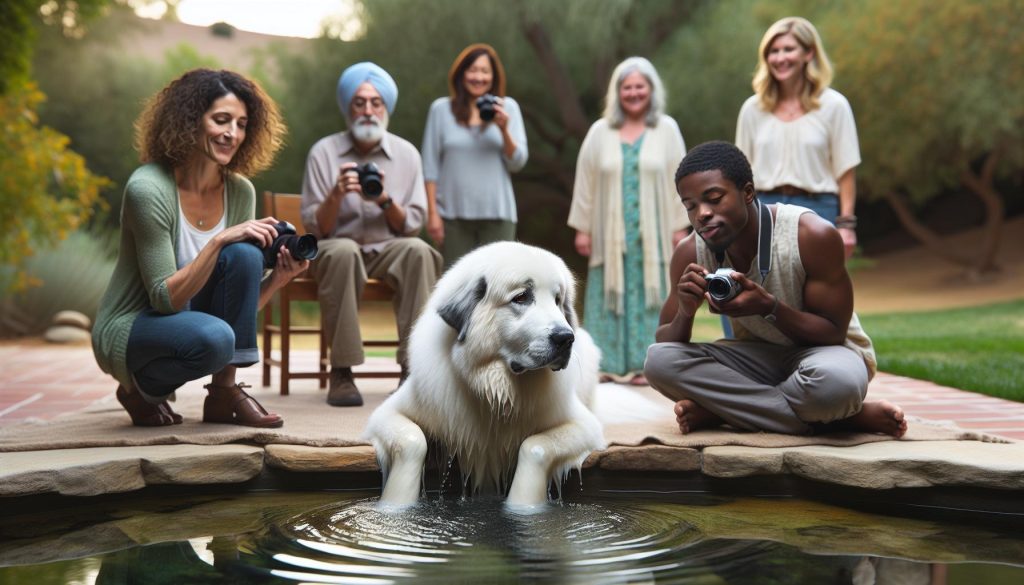
Many dog owners wonder if their furry companions enjoy splashing around in water, and Great Pyrenees are no exception! These gentle giants, known for their fluffy coats and protective instincts, often have unique personalities when it comes to swimming. Understanding your Great Pyrenees’ relationship with water not only enhances bonding experiences but also ensures safety during summer outings or lake adventures. Whether you’re a proud owner, considering adopting one, or just curious about canine swimming behavior, this article will explore the characteristics that influence a Great Pyrenees’ affinity for water. Dive in to discover tips, insights, and personal stories that will help you nurture a happy, water-loving companion!
Do Great Pyrenees Enjoy Water? Understanding Their Natural Instincts
The Great Pyrenees, a majestic breed known for their loyalty and protective instincts, often display a fascinating relationship with water. While individual preferences can vary, many Great Pyrenees exhibit a natural curiosity and enjoyment for water activities. Their history as livestock guardians in mountainous regions has imparted them with both a strong swimming ability and a penchant for cool environments-traits that can make water play appealing to them.
When introducing your Great Pyrenees to water, it’s essential to observe their instincts and comfort levels. Many owners find that these dogs have an innate attraction to water, enjoying splashing around or wading in shallow areas. However, some may be hesitant initially. It’s crucial to make the experience positive and relaxed. Start by allowing your dog to explore the water at their own pace, perhaps using a shallow pool or a calm riverbank. This gentle introduction can help build their confidence and reinforce their instinctual affinity for water.
To further enhance their enjoyment and comfort, consider playing games that incorporate water. Simple activities like retrieving toys from shallow water or playing splash games can effectively engage their interest and allow them to express their natural instincts. Always remember to supervise your Great Pyrenees during water play and ensure safety measures are in place. Understanding these instincts not only strengthens your bond but also provides your furry friend with an enriching and enjoyable experience.
The Swimming History of the Great Pyrenees Breed
Throughout history, the Great Pyrenees has been revered not only for its majestic appearance and gentle temperament but also for its remarkable capabilities as a livestock guardian in daunting environments. Originating from the mountainous regions of France and Spain, these dogs were bred to protect flocks from predators, a task that often required traversing rocky landscapes and navigating various weather conditions. Interestingly, while their primary function was guarding, their instincts and physical attributes have imbued them with an affinity for water that might not be immediately obvious given their primary role.
Great Pyrenees have a thick, double coat that keeps them warm, which can sometimes lead to the misconception that they shy away from water due to their breeding in colder climates. In reality, their historical experiences around rivers and lakes often had to do with controlling the flocks’ movements and maintaining overall herd safety. This connection to water in their working life contributes to their natural swimming ability. Many Pyrenees find joy in splashing around and playing in water, tapping into their instinctual understanding of balance and buoyancy.
Moreover, this breed’s sheer size and strength provide them with the ability to swim effectively, should the need arise. Their gentle demeanor and patience with younger animals often extend to playful interactions in water, making it a delightful experience for both the dog and its owner. In fact, those who have introduced their Great Pyrenees to swimming often report witnessing instinctual behaviors such as paddling, diving to retrieve objects, and even enjoying a good swim alongside their human companions. Engaging in water activities not only fulfills a natural instinct but also strengthens the bond between a Great Pyrenees and its owner, turning water into a joyful playground rather than something to be feared.
In essence, while the Great Pyrenees may not be as renowned as some breeds for their swimming skills, their history as diligent protectors of livestock has shaped them into capable swimmers who can adapt and thrive in water. By embracing their inherent traits and offering them opportunities to explore these aquatic instincts, owners can enhance both their pet’s physical fitness and mental stimulation, making for a fulfilling and enjoyable relationship.
Common Swimming Behaviors in Great Pyrenees
Many Great Pyrenees owners are surprised to discover just how much their dogs enjoy water. This breed, traditionally known for its herding and guarding instincts, also exhibits a range of fascinating swimming behaviors that highlight their adaptability and playful personalities in aquatic environments. Whether it’s lounging by the water’s edge or diving in for a swim, these dogs often demonstrate a natural affinity for water that can be both endearing and entertaining.
A common behavior observed in Great Pyrenees when introduced to water is their curious exploration. They tend to wade in slowly, using their size and strength to maintain balance while they investigate the depth and temperature. This cautious approach allows them to assess the surroundings before engaging more fully in swimming. Many Pyrenees enjoy splashing around, retrieving objects, and even engaging in playful “chase” games with their human companions or other dogs. Their strong legs enable them to swim robustly, and they often exhibit a graceful paddling style that showcases their physical capabilities.
In addition to their playful nature, Great Pyrenees are also known to display protective behaviors when in or near water. Their instinctual guarding spirit may lead them to remain vigilant, keeping an eye on their owners and ensuring everyone’s safety during water activities. This behavior can be reassuring for new owners, as it highlights the breed’s intelligence and loyalty. Watching a Pyrenees instinctively interested in the well-being of their loved ones while splashing in the water can foster a deeper bond between dog and owner.
However, it’s essential to remember that not all Great Pyrenees will naturally take to water right away. Individual personalities vary, and some may initially show hesitation or water anxiety. Being patient, using positive reinforcement, and making water-related activities fun can greatly encourage these dogs to embrace their swimming instincts. By gradually introducing them to water and aiding their comfort through play, owners can help their Great Pyrenees thrive as confident swimmers while ensuring enjoyable water experiences for both.
Are Great Pyrenees Natural Swimmers? Exploring Their Capabilities
Great Pyrenees have a surprising affinity for water, especially considering their primary roles as herding and guarding dogs. Their substantial size and muscular build give them a powerful presence in the water, enabling them to swim with confidence and skill. While not historically bred as swimmers like some water breeds, many Great Pyrenees take to aquatic environments naturally. This tendency can be attributed to their innate curiosity and playful nature. With the right introduction, these dogs can learn to embrace swimming, whether for fun or exercise.
Unlike some breeds that might dive right in, Great Pyrenees typically approach water with a measured sense of caution. When first encountering water, they often wade in slowly, using their hearty stature to navigate. They’ll test the waters with their paws, keenly observing the depth and conditions before fully committing to swimming. This thoughtful behavior showcases their intelligence and adaptability. Once they feel secure, you might find them joyfully splashing around or retrieving toys, exhibiting a robust swimming style that’s both graceful and efficient.
It’s also worth noting that swimming can serve as an excellent outlet for energy in Great Pyrenees. These dogs have a strong work ethic and physical stamina, and regular swimming sessions can help them stay active and healthy. This is particularly beneficial for mental stimulation, as it combines exercise with an engaging environment. Providing structured swimming routines not only nurtures their physical prowess but also strengthens the bond between dog and owner, as shared activities can enhance trust and camaraderie.
To ensure your Great Pyrenees thrives as a swimmer, patience and positive reinforcement are key. Introducing water in a stress-free manner-perhaps starting with shallow areas or using toys to entice them-can help alleviate any initial anxiety. Consistently making water experiences enjoyable will encourage your dog to explore and develop its swimming skills over time, turning a simple outing into an enriching adventure for both of you.
How to Introduce Your Great Pyrenees to Water
Introducing your Great Pyrenees to water can be an incredibly rewarding experience, but it requires a thoughtful approach. Dogs of this breed, known for their majestic appearance and natural instincts, may initially exhibit caution when encountering water. Understanding how to make this experience enjoyable and safe is crucial for both you and your furry friend.
Begin the introduction in a low-stress environment, such as a shallow pool or calm beach where the water is clear and gentle. This setting allows your Great Pyrenees to become accustomed to the water gradually. It’s a good idea to bring along some of their favorite toys, like a floating ball or rubber duck. These familiar items can entice your dog to explore the water out of curiosity. If possible, consider getting into the water yourself; your enthusiasm can be contagious and strengthen their desire to join you.
When your dog approaches the water, be patient. Rather than forcing them in, let them wade in at their own pace. To make the process smoother, you can encourage playfulness by splashing water gently or calling them to you. If they hesitate, it’s important to respect their feelings. You might find that they need several visits to feel fully comfortable. Reassurance through gentle praise and treats can help build their confidence and create positive associations with water.
To ensure safety during water activities, it’s advisable to invest in a dog life jacket, especially if you’re heading to deeper waters or rougher conditions. This not only provides security for your Great Pyrenees but also allows you to relax knowing they are safe as they explore their new environment. Monitoring the temperature of the water is also essential – overly cold or hot water can be uncomfortable or harmful.
By following these strategies, you can facilitate a positive introduction to water, paving the way for rewarding swimming experiences that engage both the body and mind of your Great Pyrenees.
Safety Tips for Water Activities with Great Pyrenees
When planning water activities with your Great Pyrenees, understanding safety measures is essential to ensure a fun and secure experience for both of you. This breed, known for their gentle temperament and large size, can sometimes be cautious around water, so setting the right safety protocols is key. Did you know many dogs can tire quickly in water, unaware of their own limits? This makes careful supervision and preparation all the more important!
Investing in a good-quality dog life jacket is one of the best ways to keep your Great Pyrenees safe while swimming. A life jacket can provide buoyancy should they find themselves in deeper water, especially as they may not instinctively know how to navigate those depths. When selecting a life jacket, look for one with a handle on the back, which allows you to easily help your dog in and out of the water or guide them to safety if necessary. Remember, the life jacket should fit snugly without being too tight.
Before heading out, familiarize yourself with the local water area and ensure it’s clean and safe for your dog. Pay attention to the water temperature, as Great Pyrenees have thick coats that can retain heat or cause them to feel cold more acutely. Ideal water temperatures should generally be between 68°F and 72°F (20°C to 22°C). Always keep your dog leashed until you’re sure they’re comfortable in the water, and never leave them unattended, even in shallow areas.
Lastly, consider incorporating gradual acclimatization techniques. Start with shallow, calm water where your Great Pyrenees can wade in and get used to the sensation of water on their coat and skin. Use positive reinforcement, like verbal praises and treats, to encourage them during this process. This not only builds confidence but also strengthens the bond between you and your Great Pyrenees as they learn to trust you during water activities. By implementing these safety tips, you ensure that your swim times become a joyful, stress-free experience for both you and your beloved furry companion.
Improving Your Great Pyrenees Swimming Skills
Improving your Great Pyrenees’ swimming skills can be an incredibly rewarding experience for both you and your furry friend. These majestic dogs, known for their gentle and protective nature, may not naturally gravitate towards water like some breeds, but with the right approach, they can learn to enjoy swimming. Many owners have found that introducing their Great Pyrenees to water in a positive and gradual manner not only helps build confidence but also deepens their bond.
To enhance your dog’s swimming skills, start by making water exposure a fun and engaging experience. Choose a shallow area where they can safely acclimate to the water without feeling overwhelmed. Allow them to explore at their own pace, encouraging sniffing and pawing at the water. Incorporating toys that float can help pique their interest and motivate them to take the plunge. Remember that positive reinforcement-praises and treats for any timid venture into the water-can work wonders. It’s about creating a positive association with the water, so the more enjoyable and relaxed the environment, the better!
Once your Great Pyrenees seems comfortable splashing around, gradually work on actual swimming. You might need to support them initially by gently guiding them with a leash or even wading in alongside them. As they gain confidence, encourage them to paddle by tossing their favorite toy a short distance away, allowing them to swim after it. Monitor your dog’s comfort levels closely; if they start to seem uneasy, take a step back and revisit the earlier acclimation strategies before pushing further.
Safe practices are essential as you progress. Always keep sessions short and enjoyable, gradually increasing the duration as their stamina improves. For a breed like the Great Pyrenees, who may not recognize their limits, it’s crucial to recognize signs of fatigue. Additionally, investing in a well-fitted life jacket can offer them extra security in deeper waters. With patience and encouragement, many Great Pyrenees not only learn to swim but also develop a true love for water activities, making every splash a joyful memory!
Comparing Great Pyrenees Water Preferences to Other Breeds
Great Pyrenees dogs have unique swimming preferences that set them apart from many other breeds. While some dogs are natural swimmers, eagerly diving into the water at every opportunity, the Great Pyrenees tends to approach water with a more cautious demeanor. This breed, originally bred to guard flocks in the mountains, has a thicker coat that can be an asset in colder environments but may not always encourage them towards the water like breeds specifically developed for swimming, such as Labrador Retrievers or Golden Retrievers.
When comparing the Great Pyrenees’ interaction with water to other breeds, it’s important to note that their temperament plays a significant role. Great Pyrenees dogs are known for their gentle, laid-back nature, which means they may take their time to evaluate a new water situation. A Labrador, on the other hand, is often excited by water and instinctively jumps in, reflecting their history as a waterfowl retriever. Understanding these differences can help owners tailor their approach when introducing their Great Pyrenees to water activities.
To enhance your Great Pyrenees’ experience with water compared to a more aquatically inclined breed, consider using positive reinforcement techniques right from the start. Introduce them to shallow water slowly, making sure they feel secure and comfortable. While a Golden Retriever might excel in swimming naturally after a stick, training your Great Pyrenees might require a little more patience and encouragement. You can incorporate floating toys to entice them, helping them associate water with fun and play.
Lastly, there are benefits to the varying water preferences among dog breeds. While the Great Pyrenees may not be the most enthusiastic swimmer, engaging in water activities can promote exercise, provide mental stimulation, and strengthen the bond between owner and pet. As you explore water activities suitable for your Great Pyrenees, celebrate their unique preferences and enjoy the enriching experiences that come with encouraging them in a way that respects their individual personality.
Benefits of Water Activities for Great Pyrenees
Engaging in water activities can be incredibly beneficial for Great Pyrenees, even if they don’t exhibit the same enthusiasm for swimming as some other breeds. Incorporating water into your dog’s routine can promote physical health, mental stimulation, and enhance the bond you share. For these large, gentle giants, water offers a unique play environment that can be both exciting and rewarding.
Firstly, water activities provide an excellent form of exercise. Great Pyrenees, while not the most energetic breed, need regular physical activity to maintain a healthy weight and overall well-being. Swimming is a low-impact exercise that is easy on their joints, making it ideal for this breed, especially as they age. Even if they prefer wading or splashing rather than swimming, spending time in the water can help strengthen their muscles and improve cardiovascular health.
In addition to physical benefits, water can also serve as a mental enrichment tool. Introducing your Great Pyrenees to water games-such as water retrieval with floating toys-stimulates their minds and keeps them engaged. The novelty of water can pique their curiosity, inviting them to explore new sensations and environments, which can alleviate boredom and reduce destructive behaviors associated with a lack of stimulation.
Furthermore, water activities can help strengthen the bond between you and your Great Pyrenees. Shared playtime not only encourages positive reinforcement through praise and treats but also creates joyful memories that enhance your relationship. This connection is particularly vital for a breed known for its calm and protective demeanor; positive experiences in diverse settings can build a foundation of trust and confidence in new environments.
To fully embrace the benefits of water activities, consider incorporating play sessions that suit their comfort levels. If your Great Pyrenees is hesitant at first, start slowly with shallow water and gradually increase the depth as they become more accustomed. Always prioritize their safety with appropriate life jackets if needed, and keep an eye on their hydration levels during active play.
By recognizing the unique preferences of your Great Pyrenees around water and tailoring activities to their needs, you can create a fulfilling experience that champions their personality and promotes a healthy lifestyle. So, whether it’s splashing around in a kiddie pool or a gentle swim in calm waters, you’ll not only delight your dog but also foster a strong, joyful partnership enriched by shared adventures.
Understanding Your Great Pyrenees’ Water Anxiety
Great Pyrenees are known for their imposing size and gentle nature, but when it comes to water, some of these fluffy giants might not share the same enthusiasm as water-loving breeds. Understanding your Great Pyrenees’ potential water anxiety can make all the difference in helping them feel comfortable and safe during aquatic adventures. Many dogs, including this breed, may exhibit hesitance around water due to various reasons such as unfamiliarity, previous negative experiences, or simply their natural instincts.
To help alleviate any water anxiety, start by creating a positive environment. Gradually introduce your Great Pyrenees to water in a calm setting, like a shallow kiddie pool or a gentle stream. It’s essential to be patient and allow them to explore at their own pace. If your dog shows signs of discomfort, such as cowering or refusing to enter the water, take a step back. Instead of forcing them, encourage exploration through play and treats. This method not only builds positive associations but also helps to reduce stress.
Moreover, your demeanor can greatly influence your dog’s comfort level. By remaining relaxed and encouraging, you create an atmosphere of safety. Use a cheerful tone and provide praise when your Great Pyrenees engages with the water, regardless of how small the effort may be. Consistency is key in fostering confidence; recurring positive outings to the water can reinforce their security around water.
Lastly, consider your dog’s physical comfort as well. Large breeds like Great Pyrenees may struggle in deeper water or waves. Ensure they have access to shallow areas where they can feel in control. And, if necessary, invest in a well-fitted dog life vest; this not only supports their buoyancy but can also ease their anxiety, knowing they have some additional safety. By understanding and addressing their water anxiety with care and patience, you can transform water into a joyful and enriching experience for your Great Pyrenees.
Fun Water Games for Great Pyrenees Owners
Engaging your Great Pyrenees in fun water games can create wonderful bonding experiences while helping them feel more confident in the water. Surprisingly, even if your Great Pyrenees doesn’t naturally gravitate toward water, they can learn to enjoy it with the right activities. Here are some enjoyable games to enhance their aquatic adventures and make the water a welcoming environment.
Water fetch
One of the simplest yet most effective games is the classic game of fetch. Start with a lightweight toy that floats and throw it a short distance into shallow water. Gradually increase the distance as your dog becomes more comfortable. Make sure to cheer and encourage them when they bring the toy back; positive reinforcement is key! This game not only promotes swimming but also enhances your dog’s retrieval instincts.
Shallow water obstacle course
Creating a shallow water obstacle course can be a stimulating way for your Great Pyrenees to explore water. Use floating toys, shallow containers, or even small inflatable obstacles for them to navigate around. This course encourages them to practice their swimming techniques while providing a safe environment to build their confidence. You can slowly adjust the complexity of the course as they become more adept in the water.
Beach ball fun
Adding a beach ball into the mix can elevate the excitement. Dogs tend to enjoy chasing and nudging objects, and a beach ball is perfect for splashing around in the water. Toss it a short distance and watch as your Great Pyrenees learns to chase and interact with it. Always supervise to ensure safety and be ready to fetch the ball if it drifts away too far.
Water hide and seek
A fun twist on a classic game, you can play hide and seek with your Great Pyrenees near water. Hide a favorite toy or treat along the shore or in shallow areas and encourage them to find it. This not only engages their searching instincts but also helps them associate the water with positive exploration, making them more willing to engage in future aquatic activities.
By incorporating these playful water games into your routine, you can turn swimming from a daunting task into a joyous experience for your Great Pyrenees. Be patient and keep sessions light-hearted, acknowledging every effort your dog makes. With time and consistency, those hesitant paddles will transform into confident strokes, and your furry friend will cherish their time splashing about with you.
Conclusion: Embracing Water with Your Great Pyrenees
When it comes to water, the Great Pyrenees is a breed steeped in a fascinating combination of instincts and temperament. Initially bred as a guardian for livestock in the rugged terrain of the Pyrenees mountains, these dogs have developed a unique relationship with water that can vary among individuals. While some Great Pyrenees may display a natural affinity for swimming and water play, others might be more hesitant, often requiring patience and encouragement to explore their aquatic side.
Engaging your Great Pyrenees in water activities not only enhances their physical health but also nurtures their mental well-being. The buoyancy of water provides low-impact exercise, which is particularly beneficial for larger breeds prone to joint issues. As they paddle and splash, they can burn off excess energy, preventing boredom and destructive behaviors. Moreover, water play allows for social interaction, whether it’s with you or other dogs, strengthening bonds and improving their overall demeanor.
To truly embrace water with your Great Pyrenees, it’s essential to foster a positive association with the activity. Begin with shallow environments where they can comfortably wade in and out. Use toys and treats to build excitement and, as they become more comfortable, introduce deeper water gradually. Remember, each dog learns at their own pace, so be patient and celebrate small victories to boost their confidence.
Implementing consistent water sessions can transform swimming from a daunting task into a beloved pastime. With the right approach and encouragement, every splash can become a happy memory shared with your furry friend. As you navigate this journey together, you’ll not only enrich their lives but also deepen the bond you share, making water adventures a highlight of your time together.
Frequently asked questions
Q: Do Great Pyrenees like to swim?
A: Yes, many Great Pyrenees enjoy swimming due to their natural inclination towards water. Their history as working dogs in mountainous regions, often near water sources, contributes to this enjoyment. Gradual introduction to water can help boost their confidence and comfort levels.
Q: How can I tell if my Great Pyrenees is afraid of water?
A: Signs of water fear in Great Pyrenees include reluctance to enter water, cowering, excessive barking, or trying to escape when near water. If you notice these behaviors, it’s essential to take a gentle approach to help them feel secure around water. Refer to the section on “Understanding Your Great Pyrenees’ Water Anxiety” for tips on easing concerns.
Q: What types of water activities are best for Great Pyrenees?
A: Great Pyrenees thrive in activities like shallow water play, swimming games, and fetch in water. These activities not only provide exercise but also promote bonding. Try introducing simple water games outlined in the section “Fun Water Games for Great Pyrenees Owners.”
Q: Can Great Pyrenees hold their breath underwater?
A: While Great Pyrenees can swim, they do not naturally hold their breath like some other breeds. If you’re planning to introduce your Great Pyrenees to more vigorous swimming activities, focus on teaching them gentle retrieval games and gradually acclimatizing them to deeper water.
Q: How do Great Pyrenees compare to other breeds in swimming abilities?
A: Great Pyrenees are not as naturally buoyant or agile in water as breeds like Labrador Retrievers or Golden Retrievers. However, they can still enjoy swimming and can learn to be competent swimmers with proper introduction and practice. Check out the section on “Comparing Great Pyrenees Water Preferences to Other Breeds” for more insights.
Q: What should I do if my Great Pyrenees is hesitant to swim?
A: If your Great Pyrenees seems hesitant, start with shallow water, allowing them to explore at their own pace. Use positive reinforcement to encourage them, and gradually increase the water depth as they gain confidence. See the “How to Introduce Your Great Pyrenees to Water” section for detailed steps.
Q: Are there any health concerns I should be aware of?
A: Yes, while swimming is generally safe, you should monitor your Great Pyrenees for signs of exhaustion, ear infections, or accidental ingestion of water. Regular health check-ups and keeping your dog clean after water activities can help prevent potential issues.
Q: Should I buy a life vest for my Great Pyrenees when swimming?
A: Depending on their comfort and skill level, a life vest can be beneficial for added safety, especially in deeper waters. Look for a vest designed for large breeds, ensuring a snug fit. This precaution is advisable, particularly for new swimmers. For more safety tips, refer to the section on “Safety Tips for Water Activities with Great Pyrenees.”
In Conclusion
As we’ve explored, Great Pyrenees can have varying preferences towards water, with many enjoying a good splash but others being more reserved. This unique behavior highlights the importance of understanding your individual dog’s personality and comfort level. Don’t miss out on our detailed guide on caring for your Great Pyrenees, which includes swimming safety tips and activity ideas to keep your dog entertained and healthy.
If you’re eager to dive deeper into dog training techniques that encourage your pup’s confidence around water, check out our article on best practices for dog swimming. Remember, introducing your Great Pyrenees to water in a positive and safe environment can foster a lifetime of fun!
Join our community of dog lovers by signing up for our newsletter – be the first to receive expert advice, tips, and exclusive offers tailored just for you. We also encourage you to share your experiences in the comments below; we love hearing your stories! Your journey with your Great Pyrenees is just beginning, so let’s make it an amazing adventure together!