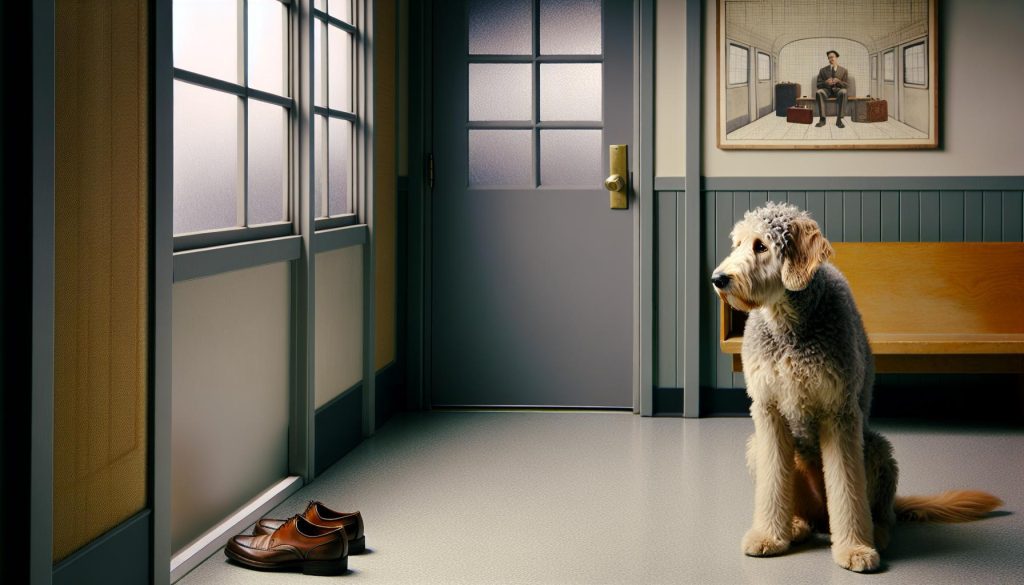
Did you know that Labradoodles, a beloved mix of Labrador Retriever and Poodle, are renowned for their friendly nature and intelligence? However, this loyal breed can be prone to separation anxiety, a concern that many dog owners face. Understanding the behavioral facts surrounding Labradoodles and their emotional needs is crucial for ensuring a harmonious relationship with your furry friend. As you navigate the joys and responsibilities of being a pet parent, addressing potential separation anxiety is key to nurturing a happy, well-adjusted dog. This article will delve into the signs, causes, and effective strategies to mitigate separation anxiety in Labradoodles, providing you with practical advice and insights. Whether you’re a first-time owner or an experienced handler, knowing how to support your dog’s emotional well-being will enhance your bond and promote their overall health. Let’s explore this important aspect of Labradoodle care together!
Understanding Separation Anxiety in Labradoodles
Understanding the emotional landscape of Labradoodles reveals much about their behavior, particularly concerning separation anxiety. Labradoodles, a crossbreed of Labrador Retrievers and Poodles, are known for their friendly and affectionate nature. This high level of social dependency can make them particularly vulnerable to anxiety when left alone. It’s essential to acknowledge that while any dog can experience separation anxiety, certain breeds, including Labradoodles, may exhibit more pronounced symptoms due to their intrinsic need for companionship and emotional bonding with their owners.
Recognizing the signs of separation anxiety early can help you intervene effectively. Common indicators include excessive barking, destructive behaviors like chewing furniture, or attempts to escape. Some Labradoodles may also exhibit more subtle symptoms such as drooling, pacing, or being unusually clingy when you are home. Understanding these behaviors as cries for help rather than mere mischief is crucial for a compassionate response.
To support your Labradoodle and reduce their anxiety, it’s vital to incorporate positive environmental changes and management techniques. Creating a structured routine can instill a sense of security in your dog, making departures less stressful. Consider engaging them in stimulating activities, like puzzle feeders or interactive toys, that keep them occupied while you’re away, and ensure they have a comfortable, designated safe space that feels like their own. With patience, love, and understanding, you can help your Labradoodle navigate their feelings of separation, leading to a happier and more secure life together.
Signs Your Labradoodle May Have Separation Anxiety
Recognizing the signs of separation anxiety in your Labradoodle is crucial for ensuring their well-being and happiness. These furry friends are not only known for their playful energy and affectionate nature but also for forming strong emotional bonds with their families. When that bond is disrupted by separation, they may exhibit a range of behaviors that indicate they are struggling.
Some of the most common signs of separation anxiety include:
- Excessive Barking or Howling: Labradoodles may vocalize loudly when left alone, which can disturb neighbors and signal their distress.
- Destructive Behavior: Chewing on furniture, scratching doors, or tearing apart household items can be attempts to alleviate their anxiety or respond to frustration from being left behind.
- Pacing: A dog that walks back and forth or circles in confinement may be trying to cope with their anxiety.
- Clinginess: If your Labradoodle follows you everywhere or becomes unusually needy when you’re home, it can be a hint that they are worried about being left alone.
- Drooling or Trembling: Physical symptoms like excessive drooling or shaking can indicate a heightened state of anxiety in your dog.
- Attempts to Escape: If your dog is trying to dig or break out of their crate or designated space, it’s a clear sign they want to avoid being alone.
Understanding these behaviors as emotional signals rather than mere bad habits is essential. Each dog is unique, and some may show more subtle signs than others. For instance, don’t underestimate smaller cues like a lack of appetite or a sudden shift in their usual demeanor, as these can also suggest stress. By observing your Labradoodle’s behavior closely, you can identify the onset of separation anxiety and take proactive steps to mitigate their discomfort, fostering a more secure and happy environment for both of you.
Causes of Separation Anxiety in Labradoodles
Understanding what drives separation anxiety in Labradoodles is a vital step in managing their emotional well-being. The strong bond these dogs form with their families often makes them sensitive to changes in their environment or routine. Multiple factors can contribute to this anxiety, and recognizing them can help you support your furry friend more effectively.
One notable cause is previous experiences. If a Labradoodle has faced abandonment or significant changes in life, such as rehoming or a traumatic event, they may develop a heightened sensitivity to being left alone. For example, a puppy that was separated from its mother too early may struggle more with separation as it matures. Furthermore, changes in household dynamics, such as the arrival of a new family member or a partner moving in or out, can create uncertainty for your dog, leading to anxiety when they sense someone is about to leave.
Another contributing factor can be the level of socialization during the formative months of your Labradoodle’s life. Dogs that are not exposed to various situations, environments, and other animals may develop insecurities that manifest as separation anxiety. A well-socialized dog, on the other hand, is typically more adaptable to being alone because it has learned that separations aren’t permanent and experiences various positive encounters.
Moreover, individual temperament plays a crucial role. While Labradoodles are often friendly and affectionate due to their breeding, harnessing their inherent characteristics can help manage or alleviate anxiety. Some dogs are naturally more prone to anxiety due to their unique personality traits, just as some people are more anxious than others. A nurturing and understanding approach tailored to your dog’s specific disposition can make a world of difference in their comfort levels.
By recognizing these underlying causes, you can take appropriate actions to create a supportive environment for your Labradoodle. Building a firm routine, providing mental stimulation, and gradually acclimatizing them to being alone can all contribute to reducing anxiety and fostering a sense of security.
Effective Training Techniques to Mitigate Anxiety
Training a Labradoodle to manage separation anxiety can be one of the most rewarding challenges for any dog owner. These intelligent and affectionate dogs thrive on companionship, which can make being left alone a stressful experience for them. However, with consistent training techniques and the right approach, you can help your Labradoodle develop a more secure and relaxed demeanor when they are on their own.
One of the most effective methods to mitigate separation anxiety is to implement gradual desensitization. This involves slowly getting your dog accustomed to being alone for short periods. Start by leaving your Labradoodle in a separate room for just a few minutes while you stay at home. Gradually increase the duration over days or weeks, ensuring that each separation is followed by positive reinforcement, such as treats or praise when you return. This process helps them understand that being alone is temporary and that they will see you again, reducing anxiety over time.
Creating a predictable routine can also significantly ease your dog’s anxiety. Dogs thrive on structure, so establishing a schedule for feeding, walks, playtime, and alone time can help your Labradoodle feel more secure. Incorporate “quiet time” activities like puzzle toys or treat-dispensing devices, which can keep your dog engaged and distracted during your absence, making alone time less daunting.
Moreover, teaching your dog a solid ‘stay’ command can be beneficial. Begin by training them to stay in place on command while you gradually increase the distance between you. This not only enhances their obedience but also provides them with a sense of control and comfort when you leave the room. Alongside this, consider using tools like anxiety wraps or calming music to create a soothing environment. Some dogs respond well to gentle pressure from a snug-fitting vest or the calming effects of classical music, which can drown out external noises that may trigger anxiety.
Lastly, never underestimate the impact of consistent exercise. A well-exercised dog is generally happier and more relaxed, making it easier for them to handle periods of being alone. Engage your Labradoodle in daily activities that allow for physical exertion and mental stimulation, such as fetch or agility training. By investing time in regular exercise, you help drain their excess energy and promote a calmer state of mind, which can be particularly beneficial when you need to leave them alone.
By combining these training techniques with patience and love, you can help your Labradoodle not only manage but thrive even when they have to spend time alone, ultimately fostering a stronger bond between you and your furry companion.
Creating a Comfortable Environment for Your Labradoodle
Creating a nurturing space for your Labradoodle can significantly alleviate their separation anxiety. These affectionate pups thrive in environments that feel safe and familiar, allowing them to relax when left alone. One effective way to foster this sense of security is to set up a designated area in your home that caters to your dog’s needs. Consider using a cozy dog bed or crate, outfitted with favorite toys and blankets that carry your scent. This familiar setup can provide comfort, making the space feel like a personal sanctuary.
In addition to a physical space, enhancing the sensory experience can further help reduce anxiety. Many dogs respond positively to soothing background noise, such as soft music or white noise machines. These sounds can drown out louder, startling noises from outside and create a calming atmosphere. Moreover, you might want to introduce scents that your Labradoodle finds comforting, like lavender or chamomile, through essential oil diffusers or calming sprays. This multisensory approach not only distracts them but also creates a peaceful environment that promotes relaxation.
Establishing a routine is another key element to consider. Dogs are creatures of habit and feel more at ease when they know what to expect. Regular feeding times, play sessions, and designated “alone time” help provide structure, making separations less daunting. During your time at home, engage your Labradoodle in interactive games that stimulate their mind, such as hide-and-seek with toys or treat puzzles. This kind of engagement will tire them out and ensure that they associate your departures with positive, interactive experiences rather than solely with being left alone.
Finally, it’s essential to ensure that your Labradoodle has plenty of outlets for their energy, which contributes to their overall comfort when separated from you. Activities like daily walks, fetch, or even agility training not only strengthen your bond but also release pent-up energy that can otherwise exacerbate feelings of anxiety. By creating a comfortable space, establishing a soothing sensory experience, implementing a structured routine, and ensuring regular exercise, you can significantly ease your Labradoodle’s anxiety and enhance their well-being.
The Role of Exercise in Reducing Anxiety
Exercise plays a critical role in easing separation anxiety in Labradoodles. These intelligent and energetic dogs thrive on physical activity, which not only helps to alleviate their pent-up energy but also significantly reduces their stress and anxiety levels. Just like humans, dogs benefit from regular exercise as it releases endorphins, the feel-good hormones that promote a sense of well-being. A tired Labradoodle is far less likely to experience anxiety when left alone because they have expended their excess energy and are more relaxed.
Incorporating a variety of exercise routines is vital to cater to your Labradoodle’s needs. Daily walks are essential, but consider incorporating activities that are mentally and physically stimulating as well. For example, agility training can be an excellent way to challenge your dog both physically and mentally. Engaging in games that involve fetch or frisbee not only provides exercise but also fosters a deeper bond between you and your pet. You might also explore dog parks where they can socialize with other dogs, allowing them to exert energy in a fun environment.
Tips for Effective Exercise
To ensure your Labradoodle receives the right amount of exercise to mitigate anxiety, keep these tips in mind:
- Consistency is Key: Aim for at least 60 minutes of exercise each day, adjusting based on your dog’s age, health, and energy levels.
- Engage Their Mind: Consider puzzle toys or scent games that require mental effort after physical exercise to help them unwind.
- Vary the Routine: Keep walks interesting by changing routes or incorporating new parks to explore.
- Monitor Body Language: Pay attention to your Labradoodle’s behavior. If they seem overly tired or reluctant, they may need a lighter exercise day.
Incorporating these practices not only aids in preventing separation anxiety but also nurtures a well-behaved, contented canine companion. Regular exercise promotes better overall health and behavior, ensuring that your Labradoodle is calm and happy, even when you need to leave them alone for a while.
Breeds Similar to Labradoodles: Comparing Separation Anxiety
Not all breeds are alike in their susceptibility to separation anxiety, and understanding the similarities between Labradoodles and other breeds can help you better manage your dog’s emotional needs. Labradoodles are a hybrid of Labrador Retrievers and Poodles, both known for their high intelligence, social nature, and strong bonds with their humans. Similar breeds that share these traits can also experience separation anxiety, often exhibiting comparable signs when left alone.
For instance, Goldendoodles, a mix of Golden Retrievers and Poodles, also tend to be very social and friendly, which can lead to anxiety when their owners leave. Like Labradoodles, they thrive on companionship and may struggle with being alone for extended periods. Other breeds such as Cocker Spaniels and Beagles often follow the same pattern; their affectionate nature makes them more prone to anxiety when separated from their families. Understanding these traits can empower you in recognizing the behavioral signs of stress more accurately.
Comparative Analysis of Breeds
To better illustrate the tendencies of different breeds regarding separation anxiety, consider the following table comparing Labradoodles with similar breeds:
| Breed | Separation Anxiety Tendency | Key Traits |
|---|---|---|
| Labradoodle | Moderate to High | Intelligent, social, friendly |
| Goldendoodle | Moderate to High | Affectionate, adaptable, intelligent |
| Cocker Spaniel | High | Loyal, loving, sensitive |
| Beagle | Moderate to High | Curious, vocal, sociable |
Recognizing that Labradoodles share behavioral traits with these breeds can guide you in creating effective strategies for managing their anxiety. Each dog may respond differently based on their background and environment, so early socialization and consistent training are crucial. Remember, the goal is to create a loving and secure environment where your dog feels at ease even in your absence, which can include utilizing crate training, interactive toys, and gradual desensitization techniques that make alone time more acceptable.
By comparing these breeds, you not only gain insight into what to expect from your Labradoodle but can also adopt proven methods from other breed owners. Implementing targeted strategies will help ease anxiety levels, allowing for a happier and healthier living arrangement for both you and your canine companion.
When to Seek Professional Help for Separation Anxiety
Many dog owners are often surprised to find that their beloved Labradoodle exhibits behaviors indicative of separation anxiety. If your furry friend is experiencing distress when left alone, it’s essential to recognize when it’s time to seek professional help. A persistent feeling of unease, manifesting in persistent barking, destructive behavior, or even physical symptoms like excessive drooling or pacing, may signal deeper issues that require expert intervention.
If your Labradoodle’s anxiety appears to worsen despite your efforts at training and creating a comforting environment, consulting a certified dog trainer or a veterinary behaviorist can provide indispensable insights. These experts can offer customized behavior modification techniques tailored to your dog’s specific challenges. They may recommend a structured approach, including desensitization exercises and counter-conditioning, which can significantly improve your dog’s ability to cope with separation.
Additionally, if your dog’s anxiety leads to safety concerns-such as escaping the house or harming themselves during episodes of panic-immediate professional assistance is crucial. In some cases, veterinarians may even suggest medication to help manage severe anxiety, allowing your Labradoodle to reach a calmer state where training becomes more effective. Remember, it’s essential to act not only out of concern for your dog’s behavior but also for their overall well-being.
While it can be challenging for pet parents to admit they need help, seeking professional guidance is a proactive step. It demonstrates your commitment to your Labradoodle’s happiness and security. The journey to alleviating separation anxiety can require time and patience, but with the right resources and support, you can help your furry companion feel safe and secure, allowing them to thrive even when you’re not at home.
Long-Term Strategies for Managing Anxiety
Managing separation anxiety in Labradoodles requires a blend of consistency, understanding, and love. These intelligent and sensitive dogs thrive on companionship and can become anxious when left alone for extended periods. Establishing long-term strategies not only helps alleviate their stress but also enhances their overall well-being.
One effective approach is to implement a structured routine. Labradoodles are creatures of habit, and having a predictable schedule can significantly reduce their anxiety. Begin by setting fixed times for feeding, walks, and play, gradually incorporating times when they will be alone. This can help them understand when to expect solitude. Additionally, practice short departures, gradually increasing the time spent apart. This desensitizes your Labradoodle to your absence, allowing them to learn that you will always return.
Another cornerstone of managing anxiety is providing ample exercise and mental stimulation. Labradoodles are active dogs that require regular physical activity to channel their energy positively. Daily walks, play sessions, and engaging toys can mitigate boredom and restless behavior. Consider incorporating puzzle toys or training exercises that challenge their intelligence and keep their minds occupied. A tired dog is generally a happy and less anxious dog.
Creating a comforting environment is equally important. Designate a cozy area where your Labradoodle can retreat when feeling anxious. This space could include their favorite blanket, toys, or even an item of your clothing that carries your scent. Consider using soothing music or a calming pheromone diffuser to create a serene atmosphere when you leave. Combining these elements can transform their perception of alone time from a distressing experience to a more manageable one.
Lastly, consider the emotional bond you share. Spend quality time with your Labradoodle, reinforcing their sense of security with affection and attention. If you follow all these strategies but your dog still shows persistent anxiety, don’t hesitate to consult with a professional trainer or veterinarian who specializes in canine behavior. They can guide you to tailor further strategies specific to your Labradoodle’s needs, ensuring a happier, calmer life together. By prioritizing understanding and care, you’ll help your furry friend thrive even in your absence.
Understanding the Link Between Temperament and Anxiety
Understanding the temperament of Labradoodles is essential when tackling issues like separation anxiety. These delightful dogs, bred from Labrador Retrievers and Poodles, exhibit a unique blend of intelligence, sociability, and sensitivity. Their temperament often makes them exceptional companions, but it can also lead to challenges when they face prolonged periods of separation from their owners. A Labradoodle’s emotional needs are tied closely to their temperament, meaning that understanding their behavioral traits can significantly aid in managing any anxiety they may develop.
Labradoodles are naturally affectionate and thrive on human interaction. This breed often forms strong bonds with their families, leading to a notable dependency on companionship. When left alone, their sensitivity may trigger anxiety, which can manifest as destructive behavior or excessive barking. Recognizing these signs early can help you develop strategies to reduce their discomfort. For instance, some Labradoodles might respond better to gradual desensitization techniques than others, depending on their individual temperament. Understanding that these dogs may require more reassurance can prompt owners to approach separation in ways that align with their pet’s needs.
To manage this link between temperament and anxiety effectively, consider a few tailored strategies:
- Routine Establishment: Implementing a consistent daily routine will give your Labradoodle a sense of stability, helping to alleviate anxiety by preparing them for periods when they will be alone.
- Positive Reinforcement: Reward your Labradoodle for calm behavior during short departures, gradually increasing the time spent apart to foster confidence.
- Gradual Exposure: Slowly acclimate your dog to being alone by starting with brief absences and progressively extending them, ensuring they associate alone time with positive outcomes.
It’s also important to remember that each Labradoodle is unique, and their reactions to separation may vary based on their past experiences and inherent personality. Some may require more time and positive reinforcement to feel secure when alone. Consulting with a veterinarian or a canine behaviorist can provide additional insights tailored to your particular dog’s temperament. By understanding and catering to these behavioral traits, you can create a supportive environment that minimizes anxiety and promotes a happy, well-adjusted Labradoodle.
Personal Stories: Overcoming Separation Anxiety with Labradoodles
Every dog owner knows that special bond with their furry friend, but when that companionship turns into anxiety during separations, it can be both heartbreaking and challenging. Many Labradoodle owners have shared their journeys of overcoming separation anxiety, offering insights and practical solutions that can provide hope and guidance for others facing similar situations.
One heartwarming story involves a Labradoodle named Bella. Bella’s owner, Sarah, noticed her beloved pup would become frantic whenever she prepared to leave the house. To tackle this, Sarah implemented a series of gradual training techniques. Initially, she would leave Bella in another room for just a few minutes while staying visible, gradually extending her absences as Bella became more comfortable. This not only eased Bella’s anxiety but also built her confidence, turning once-destructive behaviors into calm, peaceful waiting. Sarah’s dedication showed that patience and consistency are key, and many owners have found that similar techniques-like creating an engaging environment or using puzzle toys-can significantly mitigate anxiety.
Another inspiring perspective comes from John and his Labradoodle, Max. They engaged a local dog trainer who specialized in separation anxiety. The trainer recommended a combination of mental stimulation through training exercises and establishing a reliable routine. John discovered that if he played fetch with Max right before leaving home, it not only tired him out but also transformed the departure process into a positive experience. Max learned that coming back home was also part of an exciting routine, breaking the cycle of worry. John’s experience highlights how incorporating physical and mental engagement can make a world of difference.
Through these personal stories, it becomes evident that overcoming separation anxiety with Labradoodles often requires a tailored approach based on individual circumstances. It’s essential to remain positive, offering plenty of encouragement and support. Supporting testimonials like these remind us that while the journey may require effort, the end result-a happy, secure, and well-adjusted pup-is always worth it. All Labradoodle owners should feel empowered to address these challenges with love, creativity, and patience, ensuring their four-legged friends feel safe and cherished even during times apart.
Expert Insights: Veterinary Perspectives on Separation Anxiety
Veterinary insights reveal an important truth about separation anxiety: it’s not just a behavioral quirk; it’s a condition that can be effectively managed with the right approach. Labradoodles, in particular, are known for their strong emotional bonds with their families, and while this depth of connection can lead to separation anxiety during absences, it is also a key to understanding and addressing the issue. A veterinarian will often tell you that recognizing the early signs of anxiety-such as excessive barking, destructive behavior, or inappropriate elimination-allows for timely intervention. Practical, evidence-based strategies can be incredibly helpful for both the dog and the owner.
One of the first steps recommended by veterinary professionals is to ensure that Labradoodles have a solid foundation of training and socialization. This not only helps reduce anxiety but also builds confidence in various situations. An example of this would be gradual desensitization to separation; a vet might suggest starting with short departures and slowly increasing the duration. This method builds a dog’s tolerance to being alone, giving them the skills to cope without their owner. To enhance this training, veterinarians often recommend using positive reinforcement techniques, ensuring that the dog associates the owner’s departures with something enjoyable-like treats or a favorite toy.
Creating an Engaging Routine
Veterinarians also emphasize the importance of establishing a consistent routine, as dogs thrive on predictability. Labradoodles benefit greatly when they know what to expect daily, which includes regular meal times, walks, and play periods. Incorporating ‘alone time’ into this routine can help them learn that separations are a normal part of their day. For instance, if you practice leaving your pup in a designated area for short periods while you perform everyday tasks, they can begin to feel secure in their independence.
In addition to routine, maintaining a stimulating environment is crucial. Veterinarians often recommend enriching your Labradoodle’s surroundings with puzzle toys, interactive feeders, and regular physical activity. This not only helps expend excess energy but also distracts the dog from feelings of anxiety when left alone. Regular mental and physical exercise can significantly diminish anxiety, and a tired pup is often a happy one.
Ultimately, while separation anxiety can be a challenge, it is workable with commitment and the right strategies. By prioritizing solid training, establishing a nurturing routine, and providing engaging opportunities for mental stimulation, Labradoodle owners can mitigate their furry friends’ anxiety and cultivate a happier home environment. Seeking professional advice sooner rather than later can make a world of difference in guiding owners through effective management and ultimately enhancing the well-being of both the dog and the family.
Frequently asked questions
Q: Do Labradoodles experience separation anxiety more than other breeds?
A: Labradoodles can be prone to separation anxiety due to their social nature and attachment to owners. However, the level of anxiety may vary compared to other breeds depending on individual temperament, past experiences, and training. Regular socialization and training can help reduce anxiety levels.
Q: How can I tell if my Labradoodle is anxious when I’m away?
A: Signs that your Labradoodle is anxious when left alone may include excessive barking, chewing furniture, or trying to escape. Other signs include pacing, drooling, or even accidents in the house. Observing these behaviors can help you determine if your dog is struggling with separation anxiety.
Q: What should I do if my Labradoodle shows signs of separation anxiety?
A: If your Labradoodle shows signs of separation anxiety, try gradual desensitization by leaving them alone for short periods, then gradually increasing the time. Providing engaging toys or a comfort item can also help. For persistent issues, consult a professional dog trainer or veterinarian for tailored strategies.
Q: Why does my Labradoodle get anxious when I leave?
A: Labradoodles may get anxious upon your departure due to their strong bond with their owners. Changes in routine, lack of proper training, or previous negative experiences can also contribute to their anxiety. Establishing a goodbye routine can help ease this stress.
Q: Are there specific training methods for Labradoodles to reduce separation anxiety?
A: Yes, effective training for Labradoodles includes crate training, positive reinforcement, and increased independence skills. Techniques such as practicing short departures and gradual increases in time alone can help build their confidence. Consistency is key in managing their anxiety.
Q: Can exercise help alleviate separation anxiety in Labradoodles?
A: Yes, regular exercise can significantly reduce separation anxiety in Labradoodles. Engaging them in physical activities like walks, runs, or playtime can help expend excess energy, making them calmer when left alone. Aim for at least 30 minutes of exercise daily, adjusting based on your dog’s energy level.
Q: When should I consider seeking professional help for my Labradoodle’s anxiety?
A: Seek professional help if your Labradoodle’s separation anxiety is severe, causing harm to themselves or property, or if home training methods aren’t effective. A veterinarian or certified dog trainer can provide specialized guidance or recommend anxiety management solutions tailored to your dog’s needs.
Q: Can I manage my Labradoodle’s anxiety without medication?
A: Yes, many Labradoodles can manage anxiety without medication through consistent training, ample exercise, and a secure environment. Techniques such as creating a safe space and using anxiety-reducing toys can also help. Consultation with a veterinarian can provide further strategies to explore non-medication options.
Final Thoughts
Understanding Labradoodles and their potential for separation anxiety is just the beginning of your journey as a responsible pet parent. By recognizing their needs and implementing effective strategies, you can foster a happy, well-adjusted companion. Don’t wait-start creating an engaging environment for your Labradoodle today! For more insights, check out our articles on Labradoodle grooming tips and how to manage your dog’s anxiety.
If you’re curious about which puppy training techniques work best for your Labradoodle or want to explore our comprehensive care checklists, dive deeper into our resources. Remember, a content Labradoodle means a happier household, so equip yourself with knowledge and support! Feel free to share your experiences or questions in the comments below-let’s build a community of informed and enthusiastic dog lovers together!