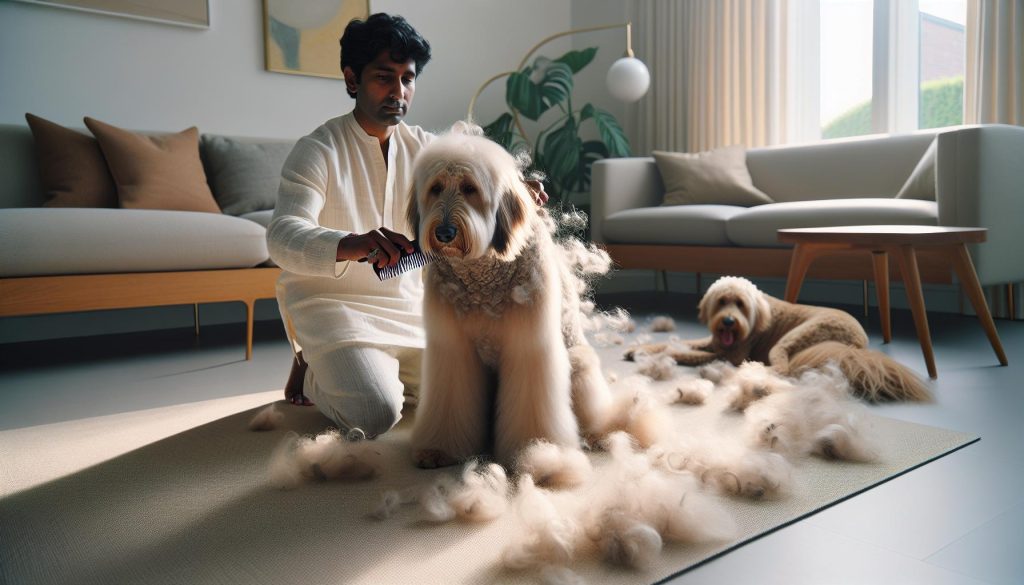
Are you considering adding a Labradoodle to your family but are worried about shedding? You’re not alone! Many potential dog owners share this concern, especially when it comes to maintaining a clean home. The truth about Labradoodles is both surprising and encouraging. Known for their hypoallergenic coats, Labradoodles can significantly reduce the woes of dog hair in your living space. However, understanding how their shedding patterns work is essential for effective grooming and care. In this article, we’ll dive deep into the fascinating world of Labradoodle shedding habits, debunk common myths, and provide you with practical tips to keep your furry friend looking their best while keeping your home hair-free. Let’s explore this together and set you on the path to being an informed and happy Labradoodle owner!
Understanding Labradoodle Coat Types and Shedding
Understanding the intricate coat types of Labradoodles can significantly enhance your experience as a pet owner while managing shedding. Labradoodles typically come in three distinct coat types: wool, fleece, and hair. Each type has unique characteristics that influence how much they shed and the grooming requirements they entail.
Wool coats, known for their tight, curly texture, are often associated with minimal shedding, making them a popular choice for allergy sufferers. These coats trap loose hair, preventing it from falling onto furniture or clothing. Fleece coats have a softer and slightly wavy texture, also shedding less than typical dog hair but requiring regular grooming to prevent matting. Hair coats resemble that of a Labrador, with a more straight and dense structure, and they shed more than the other types, demanding more frequent grooming sessions to manage hair loss effectively.
The genetics of a Labradoodle can further affect shedding, as they are hybrid dogs arising from the crossing of a Labrador Retriever and a Poodle. The percentage of Poodle genes can result in various coat types and shedding behaviors. Thus, if you’re seeking a Labradoodle with minimal shedding, opting for one with a predominantly Poodle heritage could be beneficial.
Regular grooming practices, such as brushing, are crucial for all coat types. While dogs with wool or fleece coats may require less frequent brushing, those with hair coats should be groomed more often to control shedding and maintain coat health. Incorporating high-quality diets rich in Omega-3 fatty acids can also support skin health, reducing excessive shedding. By understanding these coat types and their implications, you can better prepare for the grooming and care needs of your Labradoodle, creating a harmonious home for both you and your furry friend.
The Science Behind Labradoodle Shedding
Understanding why Labradoodles shed can be a real eye-opener for both new and seasoned dog owners. Shedding isn’t just a nuisance; it’s a natural process tied to your dog’s health, genetics, and coat type. Labradoodles, being a mix of Labrador Retrievers and Poodles, inherit different coat characteristics that play a significant role in how much hair they shed. This shedding can vary tremendously based on the type of coat your Labradoodle has-whether it’s wiry, soft, or curly-as well as environmental factors and overall health.
At the heart of shedding science is the hair growth cycle, which consists of three phases: anagen (growth), catagen (transition), and telogen (resting). Every dog, including Labradoodles, experiences these phases, but the duration and intensity can vary greatly among individuals. For instance, Labradoodles with a wool or fleece coat (more closely resembling their Poodle ancestor) often undergo less frequent shedding, providing them with a hypoallergenic advantage. In contrast, those with hair coats (more similar to Labradors) may exhibit heavier shedding periods. The genetics of your Labradoodle can also determine the amount of shedding; those that take after their Poodle parent tend to lose less hair than those that are more Labrador-like.
H3: The Role of Nutrition and Health
While coat type significantly influences shedding, nutrition and health also play critical roles. A diet lacking in essential nutrients-particularly Omega-3 fatty acids-can lead to unhealthy skin and coat, resulting in increased shedding. Providing a well-balanced diet, supplemented with high-quality dog food, can ensure your Labradoodle’s skin stays healthy and less prone to irritation, effectively reducing excessive hair loss. Regular veterinary check-ups are also crucial to rule out any underlying health issues that might exacerbate shedding, such as allergies or skin conditions, ensuring that your furry friend stays comfortable and happy.
Ultimately, understanding helps in managing it effectively. Whether you’re investing in a quality grooming routine, adjusting diets, or simply embracing some shedding as a part of your dog’s life, knowledge is power. By committing to appropriate care, you can enjoy the playful and loving nature of your Labradoodle while keeping your home clean and fur-free!
Comparing Shedding Levels: Labradoodle vs. Other Breeds
When it comes to shedding, Labradoodles create a fascinating contrast against other dog breeds. Due to their unique heritage as a blend of the Labrador Retriever and the Poodle, their shedding tendencies can vary significantly compared to other popular breeds. This makes them a frequent topic of discussion among dog owners trying to navigate the best fit for their homes and lifestyles.
One of the biggest advantages Labradoodles boast is their potential for lower shedding, especially those that inherit more Poodle-like characteristics. In general, Poodles are known for their curly, non-shedding coats, which greatly minimizes the amount of hair that ends up on your furniture and floors. On the other hand, breeds like Golden Retrievers or Beagles tend to have a more traditional double coat, which can lead to more prolific shedding, particularly during seasonal changes. For example, a Golden Retriever can shed significantly in the spring and fall, necessitating more active grooming routines to keep the hair under control.
To better understand how Labradoodles stack up, let’s take a quick look at some shedding comparisons:
| Breed | Shedding Level | Grooming Needs |
|---|---|---|
| Labradoodle | Low to Moderate | Regular brushing (1-2 times/week) |
| Golden Retriever | High | Frequent brushing (3-4 times/week) |
| Beagle | Moderate | Average brushing (once a week) |
| Poodle | Low | Regular grooming (every 4-6 weeks) |
As illustrated, Labradoodles generally require less grooming than many traditional shedding breeds, making them appealing to families or individuals who desire a dog but want to minimize the cleanup efforts associated with pet hair. However, it’s important to note that shedding can still occur, especially if the Labradoodle has more of the Labrador coat type, which may lead to more frequent hair loss.
Understanding these differences is crucial for potential owners. If you’re contemplating adding a Labradoodle to your family, be prepared to maintain a grooming routine that can help manage shedding and keep your home as fur-free as possible. Regular brushing, proper nutrition, and perhaps even the strategically timed use of a shedding tool can make all the difference in managing those stray hairs that inevitably find a way onto your favorite sweater or couch!
Factors That Influence How Much Labradoodles Shed
Understanding the shedding tendencies of Labradoodles can feel like deciphering a beautiful puzzle. While these dogs are often praised for their lower shedding potential, several key factors can significantly influence how much hair ends up on your floors and furniture. These factors include genetics, coat types, environmental conditions, and nutritional elements.
Genetics play a pivotal role in a Labradoodle’s shedding habits. Since Labradoodles are a mixed breed of Labrador Retrievers and Poodles, their coats can inherit various characteristics from either parent. For example, Labradoodles that resemble their Poodle parent may boast a curly, non-shedding coat, while those with more Labrador traits may exhibit a straighter, shedding-prone coat. This genetic variance means that even within the same litter, puppies can have distinctly different coats and shedding responses.
The type of coat also affects shedding levels. Labradoodles can have three major types of coats: wool, fleece, and hair. Wool and fleece coats shed minimally and require regular grooming to prevent matting and tangles. In contrast, Labradoodles with hair coats, often more akin to their Labrador ancestors, may shed more frequently and require consistent grooming to manage loose fur effectively.
Environmental factors can also trigger shedding episodes. Changes in seasons often lead to increased shedding in dogs as they transition their coats; they may lose more hair in the spring and fall, similar to what you might see in other breeds. Additionally, stress levels, changes in routine, and other lifestyle factors can contribute to temporary spikes in shedding.
Lastly, nutrition cannot be overlooked. A balanced diet rich in essential fatty acids, vitamins, and minerals supports a healthy coat and skin. For instance, supplements like Omega-3 fatty acids can help reduce shedding caused by dryness or skin irritations. Providing your Labradoodle with a high-quality diet can enhance their coat’s health and contribute to lower overall shedding levels.
In summary, while Labradoodles are generally known for their low to moderate shedding, several factors-genetic heritage, coat type, environmental changes, and nutritional support-can influence how much they shed. By understanding and managing these aspects, you can enjoy your furry friend’s companionship while keeping your home as fur-free as possible!
Labradoodle Grooming Tips to Minimize Shedding
Grooming your Labradoodle is not just about keeping them looking cute; it’s also a vital part of managing shedding. Regular grooming can significantly reduce the amount of loose hair in your home, making your living space more comfortable and clean. With a little commitment and the right tools, you can turn your grooming routine into a bonding experience that benefits both you and your furry friend.
Regular Brushing
To minimize shedding, aim to brush your Labradoodle at least once a week. Depending on their coat type-wool, fleece, or hair-you might need to adjust your brushing frequency. For those with wool and fleece coats, daily brushing is encouraged to prevent matting and to remove any dead hair. Use a slicker brush or a comb designed for curly coats; this helps in detangling while effectively collecting loose fur. For hairier coats, a bristle brush followed by a deshedding tool can work wonders.
Bathing Wisely
While you don’t want to bathe your Labradoodle too often (every 6-8 weeks is generally sufficient), bathing them occasionally can help reduce shedding. Use a gentle dog shampoo that promotes skin health. After bathing, consider using a de-shedding conditioner, as it enhances their coat’s softness and can help minimize loose hair. Just make sure to dry them thoroughly afterward, as damp fur can easily attract dirt and debris.
Nutritional Support
Don’t overlook the impact of diet on shedding. A high-quality, balanced diet rich in Omega-3 and Omega-6 fatty acids promotes a healthy coat and reduces shedding. Incorporate fish oil supplements into their meals, which can improve skin health and reduce flakiness. Healthy skin leads to less shedding overall, creating a more pleasant experience for both you and your pup.
Utilizing the Right Tools
Investing in the right grooming tools can make the process smoother and more effective. A good-quality de-shedding tool, like the Furminator, can significantly reduce loose hair without damaging your Labradoodle’s coat. Additionally, consider using a vacuum attachment specifically designed for pet hair; it can help tidy up your home quickly after grooming sessions.
By integrating these grooming tips into your routine, you’ll not only minimize shedding but also enhance the relationship with your Labradoodle, turning grooming into a rewarding experience for both of you! When you take care of their coat with the love and attention it needs, you’ll notice a happier dog and a cleaner home.
Identifying Hypoallergenic Traits in Labradoodles
Labradoodles are often celebrated for their hypoallergenic traits, making them an appealing choice for dog lovers with allergies. While it’s essential to note that no dog is entirely hypoallergenic, the Labradoodle tends to produce fewer allergens compared to many other breeds. This quality originates from their unique coat, which can vary between wool, fleece, and hair types, all of which contribute to reduced shedding and dander.
One of the primary factors that contributes to the hypoallergenic nature of Labradoodles is their low-shedding coat. The wool and fleece coats, which are more commonly associated with this breed, tend to trap loose hair and dander instead of allowing it to circulate freely in your home. If you’re considering a Labradoodle and allergies are a concern, look for individuals with these coat types, as they are likelier to lessen allergic reactions. Regular grooming is crucial; it not only keeps their coat in prime condition but also helps control the amount of dander and hair in your living space.
It’s also helpful to consider where you’re sourcing your Labradoodle. Reputable breeders often consider the hypoallergenic temperament when pairing their breeding dogs, aiming for pups that inherit the traits associated with reduced shedding. Engaging with a breeder who prioritizes these characteristics can lead you to a puppy that may be a better fit for allergy sufferers.
Lastly, managing the environment around your Labradoodle plays a significant role in minimizing allergens. Frequent cleaning, investing in high-efficiency particulate air (HEPA) filters, and establishing pet-free zones in your home can greatly enhance air quality for those sensitive to allergens. Understanding and embracing these strategies will help you enjoy the companionship of a Labradoodle while ensuring that everyone in your home feels comfortable and healthy.
Seasonal Shedding Patterns in Labradoodles
In the world of dog ownership, understanding the seasonal shedding patterns of your Labradoodle can make a significant difference in your cleaning routines and overall home environment. Just like many breeds, Labradoodles experience variations in shedding frequency and volume as the seasons shift, often responding to changes in temperature and daylight. This shedding cycle typically peaks in the spring and fall, making these times particularly notable for pet parents.
During the *spring*, Labradoodles often shed their heavier winter coats as temperatures rise. This process is nature’s way of helping them transition to a lighter fur that suits warmer weather. Pet owners might notice an increase in loose fur around the house, especially if their Labradoodle has a wool or fleece coat, which are designed to trap loose hairs. Regular grooming during this period is essential; it can significantly reduce the amount of hair that ends up on your floors and furniture.
In contrast, during the *fall*, Labradoodles often grow a denser coat in preparation for the colder months ahead. This can also lead to increased shedding, although many owners may not notice as much shedding since the new coat is often more tightly packed. Nevertheless, frequent brushing helps manage this process and can catch excess fur before it makes its way into your home.
To effectively manage shedding during these seasonal changes, consider implementing a grooming schedule that aligns with your dog’s shedding patterns. Here are some tips:
- Brush regularly: Aim for at least 2-3 times a week during shedding peaks. A slicker brush works wonders, helping to remove loose hair and undercoat.
- Bathing: Regular baths can help remove loose fur and dander but be careful not to overdo it as too frequent bathing can dry out your dog’s skin.
- Diet considerations: Ensure your Labradoodle is on a well-balanced diet rich in omega fatty acids, which can promote a healthier coat and reduce excessive shedding.
- Professional grooming: Consider scheduling professional grooming sessions during peak shedding seasons; they can provide specialized services that may ease the shedding burden.
Understanding these seasonal changes and being proactive with grooming can help keep your home clean and your Labradoodle comfortable, ensuring that you enjoy the companionship of this wonderful breed while minimizing any shedding concerns.
Debunking Common Myths About Labradoodle Shedding
is essential for any potential or current owner who wants to understand the realities of this beloved breed. One of the most pervasive myths is that Labradoodles are completely hypoallergenic and do not shed at all. In reality, all dogs shed to some extent, including Labradoodles, although their shedding can vary significantly depending on their coat type (wool or fleece) and individual genetics. According to experts, there isn’t a 100% non-shedding dog bred anywhere, and the assumption that Labradoodles don’t shed leads many to be unprepared for the actual maintenance required with this breed [[1]](https://doodledoods.com/do-labradoodles-shed/?srsltid=AfmBOopYwdGsmfyatgwzm0U-9QGLCidAFp_32rLU1jK88S2XS8A7zCQ5).
Another common misconception is that Labradoodles are entirely allergy-friendly due to their low-shedding coats. While they may produce less dander and hair than some other breeds, they still can trigger allergies in sensitive individuals. Those considering a Labradoodle for allergy reasons should spend time with the breed before making a commitment, as individual reactions can vary widely. Understanding that they do shed, albeit less than some other dogs, helps set realistic expectations for potential owners [[2]](https://snowyriverdoodle.com/labradoodles-hypoallergenic-truth/).
Additionally, some owners believe that once their Labradoodle matures, it will shed less significantly. This isn’t always true; shedding can fluctuate with seasonal changes or when the dog is undergoing a coat change. Factors like the dog’s diet, health, and grooming routine also contribute to shedding patterns over time. Therefore, maintaining a regular grooming schedule and employing good dietary practices can greatly influence how much your Labradoodle sheds [[3]](https://a-z-animals.com/blog/do-labradoodles-shed/).
In conclusion, while Labradoodles do have some traits that might make them more suitable for allergy sufferers than other breeds, expecting no shedding at all is unrealistic. By debunking these myths, potential and current owners can better prepare for the responsibilities that come with this wonderful breed, ensuring a harmonious relationship with their furry companions. Understanding each dog’s individual needs will make the experience of owning a Labradoodle all the more rewarding!
How to Manage Shedding in Your Home
Managing shedding in your home can seem overwhelming, especially for those new to the Labradoodle experience. However, with a proactive approach and the right strategies, you can significantly reduce the impact of your dog’s shedding while keeping your living space clean and comfortable. One of the first steps is to establish a consistent grooming routine. Regular brushing not only helps remove loose hair but also distributes natural oils, promoting a healthier coat. Aim to brush your Labradoodle at least a couple of times a week, or daily during peak shedding seasons.
Another effective method is to invest in the right cleaning tools. High-quality vacuum cleaners with specialized attachments for pet hair can make a world of difference. Look for vacuums designed specifically for pet owners; they often come equipped with powerful suction and filtration systems to capture hair and dander more effectively. Additionally, using rubber gloves to wipe down furniture or clothing can help dislodge stubborn hairs that cling to surfaces.
To further enhance your management strategy, consider incorporating dietary supplements that promote healthy skin and coat. Omega-3 fatty acids, often found in fish oil, can help reduce shedding by improving the quality of your dog’s fur. Keep an eye on their diet and ensure it’s rich in essential nutrients to help limit excessive shedding. Always consult your veterinarian before making changes to your dog’s diet or introducing supplements.
Lastly, creating a dedicated pet area with washable coverings can help contain the chaos. Consider pet-friendly furniture and throws that can easily be cleaned. Regularly washing your dog’s bedding and toys also reduces the buildup of hair and dander throughout your home. By combining these grooming habits, cleaning tools, dietary considerations, and home organization strategies, you can enjoy the companionship of your Labradoodle while effectively managing shedding.
Choosing the Right Labradoodle for Your Lifestyle
Selecting the perfect Labradoodle for your lifestyle is crucial to ensure a harmonious relationship between you, your family, and your furry friend. Labradoodles come in various coat types, sizes, and energy levels, making it essential to understand how these factors align with your daily routine and living environment. For instance, if you’re an active individual or family, a high-energy Labradoodle that enjoys long walks, playtime, and outdoor activities may complement your lifestyle very well. On the other hand, if you prefer a more relaxed, home-centered life, a calmer variation might be the ideal choice.
When considering a Labradoodle, it’s important to note that their shedding and grooming needs can vary significantly based on their coat type. Labradoodles can have three primary coat types: wool, fleece, and hair. Wool and fleece coats tend to be less shedding, making them more suitable for individuals with allergies or those who prefer a cleaner home. Hair coats, however, may require more frequent grooming and can contribute to increased shedding. Therefore, understand your tolerance for hair around the house and be honest about the time you can commit to grooming before making your decision.
The Size Factor
Labradoodles come in three sizes: standard, medium, and miniature. Your living situation can determine which size is best suited for you. A standard Labradoodle typically requires more space and a larger yard to roam, while a miniature may thrive in smaller homes or apartments. Consider your home’s size and the time you can dedicate to exercise-larger dogs often need more room to run and play.
Additionally, think about your family dynamics. If you have young children, a well-tempered, sociable Labradoodle can be a perfect companion. However, if you have seniors at home, you might want to consider a calmer, well-trained dog that would be less likely to jump or play too roughly.
Ultimately, choosing the right Labradoodle involves assessing not only your living situation but also your lifestyle preferences and family structure. Spending time with potential puppies or adult dogs before making a decision can provide you with valuable insights into which dog best matches your energy levels and lifestyle needs. It’s a big commitment, but when you find the right fit, the companionship and joy a Labradoodle brings to your life are immeasurable.
Practical Solutions for Shedding: Tools and Techniques
Finding the right tools and techniques to manage shedding can be a game changer in your life with a Labradoodle. Whether you’re new to dog ownership or a seasoned handler, knowing what works best for your furry friend can save you time and effort while keeping your home clean and comfortable. Labradoodles come with varying coat types, which means that their grooming needs-and shedding levels-can differ significantly.
To effectively manage shedding, consider using the following tools:
- Brushing Tools: A slicker brush or a de-shedding tool like the Furminator can be invaluable, especially for those Labradoodles with hair coats that tend to shed more. Regular brushing (at least once a week) can significantly reduce the amount of loose fur in your home and maintain your dog’s coat health.
- Grooming Gloves: These are perfect for a quick touch-up between full grooming sessions. They allow you to gently remove loose fur while giving your Labradoodle some TLC, making it a bonding experience as well.
- Vacuum Cleaners: Investing in a good vacuum cleaner that’s designed for pet hair will make a huge difference. Look for models with specialized attachments for better efficacy on pet hair!
- Lint Rollers: Keep a lint roller handy in your car or near your furniture to quickly pick up stray hairs whenever needed.
In addition to tools, implementing a grooming routine can significantly ease shedding concerns. Aim for regular visits to a professional groomer every 6 to 8 weeks, especially if your Labradoodle has a wool or fleece coat. Many owners have found that introducing a “grooming day” into their week not only helps manage shedding but also gives them a dedicated time to pamper their pooch, which can be quite enjoyable for both dog and owner.
Lastly, your Labradoodle’s diet can impact their coat quality as well. Ensuring a balanced diet rich in omega fatty acids can promote a healthier coat, thereby potentially reducing excessive shedding. Consult your vet about adding supplements if you notice excessive shedding that doesn’t seem normal.
By approaching shedding with the right tools, techniques, and a bit of routine, you can better manage the hair in your home, allowing you more time to enjoy the incredible companionship your Labradoodle offers.
When to Consult a Vet About Shedding Concerns
Excessive shedding in Labradoodles can often be a frustrating concern for owners, signaling either normal seasonal changes or potential health issues. While some shedding is entirely expected, especially as they transition between seasons, there are specific signs that suggest it might be time to seek veterinary advice. For instance, if your Labradoodle is shedding more fur than usual or if you notice bald patches, it could indicate underlying conditions such as allergies, skin infections, or hormonal imbalances. These situations might warrant a trip to the vet to get a comprehensive evaluation.
Additionally, pay attention to any accompanying symptoms that might help pinpoint the cause of excessive shedding. For example, if your dog is also scratching, biting at their skin, or showing signs of discomfort, these are red flags that shouldn’t be ignored. It’s also important to monitor their diet and lifestyle. If you’ve recently changed their food or if they’re experiencing stress from environmental changes, communicating these factors to your vet can greatly assist in diagnosis.
Most veterinarians understand the importance of pet owners being proactive. When in doubt, it is always better to err on the side of caution. During your visit, they might suggest blood tests or skin scrapings to rule out any significant health problems. And remember, maintaining a consistent grooming protocol-combined with a balanced diet-can play a substantial role in managing shedding overall, making it easier to spot when something feels off.
Ultimately, your Labradoodle’s shedding should be manageable with the right tools and care. Yet, if it becomes excessive or changes suddenly, listening to your gut feeling and consulting your vet can lead to identifying potential issues early. After all, ensuring your furry friend’s health and happiness is the top priority!
Frequently Asked Questions
Q: Do Labradoodles lose their puppy coat?
A: Yes, Labradoodles typically lose their puppy coat between 4 to 8 months of age. This transitional shedding is normal as adult fur develops. Frequent grooming can help manage this process, minimizing hair around your home. For detailed grooming tips, see our section on Labradoodle Grooming Tips to Minimize Shedding.
Q: Are Labradoodles good for allergy sufferers?
A: While Labradoodles are often marketed as hypoallergenic, no dog is completely allergen-free. They tend to shed less dander and fur compared to other breeds, making them a better choice for some allergy sufferers. Always spend time with a Labradoodle before bringing one home to ensure compatibility.
Q: How often should I groom my Labradoodle to reduce shedding?
A: To effectively reduce shedding, groom your Labradoodle at least once a week. Using a slicker brush can help remove loose fur and prevent matting. Regular grooming not only decreases shedding but also promotes a healthier coat. For more tips, check out our grooming section.
Q: What specific coat types do Labradoodles have?
A: Labradoodles can have three main coat types: fleece, wool, or hair coat. The fleece and wool coats are more hypoallergenic and shed less, while a hair coat may shed more. Understanding your Labradoodle’s coat type can help you anticipate shedding levels and grooming needs.
Q: Do Labradoodles shed seasonally?
A: Yes, Labradoodles may exhibit seasonal shedding, generally occurring in spring and fall. During these times, their coat may thin out as they adapt to temperature changes. Increased grooming during these months can help manage the extra fur in your home.
Q: Why does my Labradoodle shed more than expected?
A: If your Labradoodle is shedding more than usual, it could be due to factors like stress, poor diet, or health issues. Monitoring changes in shedding can help you identify any underlying problems. Consider consulting a vet if shedding is excessive or accompanied by other symptoms.
Q: What are the best tools for managing Labradoodle shedding?
A: The best tools for managing shedding in Labradoodles include slicker brushes, de-shedding tools, and grooming gloves. These tools help remove loose fur and prevent matting while keeping their coat healthy. Explore our Practical Solutions for Shedding section for more tips.
Q: Can diet affect how much a Labradoodle sheds?
A: Yes, a high-quality diet rich in omega fatty acids can improve your Labradoodle’s coat health and potentially reduce shedding. Ensure your dog’s food meets nutritional standards and consult your vet for personalized dietary recommendations for optimal coat condition.
Final Thoughts
Now that you’ve uncovered the truth about whether Labradoodles shed, you might be wondering how to best care for your furry friend. Remember, these lovable companions not only have unique grooming needs but also thrive on mental stimulation and exercise. If you’re curious about how to keep them happy and engaged, check out our articles on providing proper mental stimulation for Labradoodles and handling their high energy levels.
Don’t miss out on the chance to deepen your bond with your Labradoodle! Explore our detailed care checklists and how-to guides to ensure you’re meeting their needs effectively. For more tips, consider signing up for our newsletter to stay updated on the best practices for maintaining a happy and healthy dog.
Have questions or want to share your experiences with Labradoodles? We’d love to hear from you in the comments! Let’s keep the conversation going and build a community of passionate dog owners together!