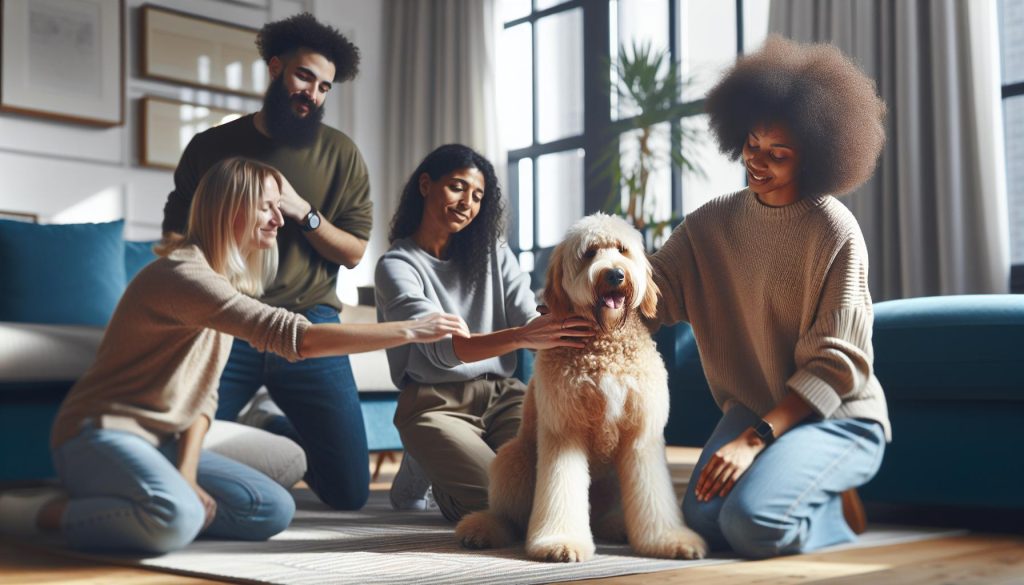
Labradoodles are celebrated for their friendly demeanor and hypoallergenic coats, making them a popular choice for families and allergy sufferers alike. However, many prospective owners wonder, “Do Labradoodles smell?” This question is crucial not only for maintaining a pleasant home environment but also for keeping your furry friend happy and healthy. While no dog is entirely odor-free, understanding the factors that contribute to a Labradoodle’s smell-and how to minimize it-can make a significant difference. In this article, we will explore the common causes of odor in Labradoodles, practical grooming tips, and care routines to ensure your canine companion stays fresh and clean. Stay with us as we unveil the truth behind the scent of these delightful dogs!
Understanding Labradoodle Odors: Key Factors
Understanding the unique scents associated with Labradoodles involves exploring a few key factors that contribute to odor levels in these delightful dogs. Despite their charming demeanor and hypoallergenic reputation, Labradoodles can develop odors for various reasons, and it’s crucial to understand the underlying causes. From their high-energy lifestyle to their diverse coat types, these playful companions might occasionally emit scents that raise the question-do Labradoodles smell?
One significant factor is the coat type: Labradoodles possess a mix of Labrador and Poodle genetics, leading to varying coat textures, including wavy, curly, and straight. Curly coats tend to trap moisture and dirt more effectively, which, without regular grooming, can result in unpleasant smells. Additionally, their love for water means they often dive into lakes or puddles, picking up all sorts of odors that linger in their fur. But it’s not just about the coat; Labradoodles, being active and energetic, can sweat slightly, especially during playtime, which may also contribute to their scent.
Another aspect to consider is their health. Certain medical issues, such as skin infections or dental problems, can lead to noticeable odors. For instance, ear infections are particularly common in Labradoodles due to their floppy ears, creating a warm, moist environment ideal for bacteria and yeast growth, which may produce a strong smell. Regular vet check-ups can be pivotal in addressing these health-related odor issues early on, ensuring your furry friend stays healthy and happy. To maintain an odor-free environment, understanding these factors can guide Labradoodle owners in providing the best care and minimizing any unwanted smells.
Common Reasons for Odor in Labradoodles
While Labradoodles are often celebrated for their friendly nature and hypoallergenic coats, many new owners may find themselves wondering about odor issues commonly associated with this breed. Understanding the primary reasons for any noticeable smells can empower you to keep your furry friend smelling fresh and clean. Here are some key factors that can contribute to odor in Labradoodles.
One of the most significant contributors to odor is the coat type. Labradoodles can have various coat textures, including curly, wavy, or straight. Curly coats, in particular, can trap moisture, dirt, and debris, leading to unpleasant smells if not groomed regularly. After a mud-filled romp or a fun swim, their coats can hold onto those odors. The moisture that remains in their fur can encourage bacterial growth, especially if they are not dried off properly after bath time or outdoor adventures. Regular grooming, including bathing and brushing, is essential to mitigate this issue and maintain a pleasant scent.
Health considerations also play a substantial role in a Labradoodle’s body odor. Conditions like ear infections, common in breeds with floppy ears, can create an environment ripe for bacteria and yeast, resulting in a strong, unpleasant smell. Similarly, dental issues can lead to bad breath, which is not just a nuisance but can indicate more serious health concerns. It’s vital for Labradoodle owners to monitor their pet’s health and schedule regular vet check-ups to catch and address any underlying issues that could contribute to persistent odors.
Moreover, their diet can impact how a Labradoodle smells. Dogs with poor nutrition or food allergies may develop skin problems that can lead to a foul odor. Feeding a high-quality, balanced diet is crucial for maintaining not just overall health but also skin and coat condition. If a Labradoodle is experiencing significant odor issues, considering a dietary adjustment or consulting with a veterinarian can yield noticeable improvements.
In summary, while Labradoodles may occasionally develop odors, understanding the underlying causes-whether it be their coat care, health, or diet-can help you tackle the issue effectively and ensure your pet remains a joy to be around.
Grooming Tips to Minimize Smell
To ensure your Labradoodle stays fresh and minimizes any odors, regular grooming is pivotal. Labradoodles have coats that can vary in texture-from curly to wavy, or even straight-each requiring different care strategies. A well-groomed Labradoodle is not only more pleasant to be around but also healthier and happier.
Begin with a consistent brushing routine. A good rule of thumb is to brush your Labradoodle at least once every few days, if not daily, particularly for curly-coated varieties. This helps prevent mats and tangles, which can trap dirt, moisture, and odors. For effective brushing, use a slicker brush or a pin brush designed for curly coats. The goal is to reach the skin while removing loose hair and debris, thus reducing odor-causing buildup.
Bathing is another essential aspect of grooming that can significantly influence smell. Aim to bathe your Labradoodle every 4 to 6 weeks, but take care not to over-bathe as this can strip natural oils and lead to skin irritation. Using a mild, dog-specific shampoo helps maintain a healthy coat while counteracting odors. After bathing, ensure you dry your dog thoroughly-especially if you live in a humid climate. Consider an absorbent towel or a pet dryer to help eliminate residual moisture, which can breed bacteria and contribute to unpleasant smells.
Lastly, don’t forget the importance of ear cleaning and dental hygiene. Labradoodles are prone to ear infections due to their floppy ears, so a weekly check and cleaning with a vet-recommended solution can help prevent odors emanating from their ears. Maintaining regular teeth brushing can also combat bad breath, enhancing their overall freshness.
By implementing these grooming practices, you can not only reduce odors but also strengthen your bond with your Labradoodle, making grooming a fun and rewarding part of your caregiving routine. Enjoy the grooming process, and remember, a clean pup is a happy pup!
Diet’s Role in Dog Odor: Labradoodles Explained
A well-balanced diet can significantly impact your Labradoodle’s body odor, often more than one might expect. Many dog owners have found that certain foods can lead to unpleasant smells, both from the skin and breath. When dogs consume a diet high in low-quality ingredients, fillers, or artificial additives, it can result in digestive issues, gas, and even skin irritations-all of which can contribute to a funky odor that lingers long after bath time.
Choosing high-quality dog food that meets your Labradoodle’s nutritional needs is essential. Look for ingredients that promote healthy skin and coat, such as fatty acids (omega-3 and omega-6) found in fish oil or flaxseed. These nutrients not only nourish the skin but also help reduce inflammation, which can lead to unpleasant smells if the skin becomes irritated. Certain protein sources, such as chicken or lamb, may also be better tolerated by your pet, helping to minimize issues related to food sensitivities that could manifest as odor.
To make your Labradoodle’s diet work for you, consider consulting with a veterinarian to tailor a feeding plan. Introducing new foods gradually can help identify any potential allergens. Some owners have reported success in eliminating odor problems by emphasizing fresh fruits, vegetables, and probiotics in their dog’s diet. Foods like sweet potatoes or pumpkin can aid digestion, while yogurt can enhance gut health, both of which are beneficial in mitigating odor issues.
In summary, a thoughtful approach to diet can play a pivotal role in managing your Labradoodle’s odor. Providing high-quality, nutritionally complete meals and considering your dog’s specific health needs and sensitivities will go a long way in ensuring they remain fresh and pleasant companions.
Health Issues That Cause Unpleasant Smells
In the world of Labradoodles, an issue that often raises concern among dog owners is the presence of unpleasant odors. While these affectionate and intelligent dogs make fantastic companions, certain health issues can turn their sweet scent into something less appealing. Understanding these potential health problems is crucial for maintaining your Labradoodle’s comfort and well-being.
One common culprit behind odor in Labradoodles is skin infections, particularly yeast infections. Labradoodles have a unique coat that can trap moisture and debris, creating an ideal breeding ground for fungi and bacteria. If you notice a musty or cheesy smell, combined with redness or excessive scratching, it may indicate a yeast infection. Prompt veterinary attention and appropriate topical treatments can help alleviate this discomfort and restore your dog’s freshness.
Dental hygiene is another significant factor in odor management. Poor dental care can lead to plaque buildup, gum disease, and ultimately bad breath. Regular brushing is essential, and incorporating dental chews into your Labradoodle’s routine can promote oral health. If the smell persists despite good dental practices, it’s wise to schedule a veterinary check-up to rule out underlying dental disease.
Additionally, gastrointestinal issues can significantly impact your dog’s odor. Conditions such as food intolerances, allergies, or infections can result in gas and flatulence, commonly referred to as “doggy odor.” Owners often notice that a change in diet or adding probiotics can help reduce these digestive-related smells. Monitoring what you feed your Labradoodle and consulting with a veterinarian can lead to a healthier gut and a happier pup.
Finally, urinary tract infections (UTIs) can also produce distinct odors that are hard to ignore. If your Labradoodle appears to be urinating more frequently or straining to urinate, it’s essential to seek veterinary care. A UTI can lead to not only unpleasant smells but also significant discomfort for your furry friend.
By keeping an eye on your Labradoodle’s overall health, maintaining good grooming habits, and paying attention to any changes in smell, you can tackle potential issues early on. It’s all about love, care, and being proactive in your dog’s health journey, ensuring they remain the delightfully cuddly and clean companions we adore.
Comparing Odor Levels: Labradoodles vs. Other Breeds
Many dog owners often wonder how Labradoodles stack up against other breeds when it comes to odor management. These cherished companions, bred from both the Labrador Retriever and the Poodle, are generally considered to have a moderate odor level. However, the key factors contributing to their odor, as with any breed, can vary significantly based on factors like grooming habits, health, and overall care.
Labradoodles tend to have less odor than breeds with heavier coatings, such as Bulldogs or St. Bernards, which often produce more oils and can develop strong odors due to their skin folds and moisture retention. In contrast, the Labradoodle’s coat-especially if it inherits more from the Poodle side-can be wavy or curly, helping to repel dirt and moisture, which may contribute to a fresher smell. However, if not groomed regularly, their coats can mat and trap debris, leading to odor issues.
To put this into perspective, let’s compare the odor levels of Labradoodles and several other popular breeds in a simple table:
| Breed | Odor Level | Common Contributing Factors |
|---|---|---|
| Labradoodle | Moderate | Grooming, skin health |
| Bulldog | High | Skin folds, saliva, obesity |
| Golden Retriever | Moderate to High | Shedding, water, skin issues |
| Poodle | Low to Moderate | Grooming, allergies |
| Beagle | Moderate | Ear infections, skin allergies |
Regular grooming is essential to maintain a Labradoodle’s desirable odor-free condition. Bathing them every six to eight weeks and ensuring their coat remains free of tangles can significantly contribute to minimizing unpleasant smells. Additionally, other factors such as dental health and diet will also play crucial roles. For instance, a Labradoodle that gets regular dental care is less likely to have smelly breath, which can add to the overall odor perception.
Ultimately, while Labradoodles tend to have manageable odor levels, the responsibility still lies with their owners to ensure consistent grooming, a healthy diet, and regular vet check-ups. Efficient management can help them remain the radiant, loving companions they were bred to be-ready to share their cuddles without a hint of odor!
How to Spot and Address Odor Problems
Every dog owner knows that occasional odors can happen, but being proactive is key to keeping your Labradoodle smelling fresh and clean. The first step in addressing odor problems is to become attuned to your dog’s usual scent. A sudden change in odor can be a telling indicator of underlying issues that may need attention. For instance, if your Labradoodle’s fur starts to emit an unusual smell, it could signal a skin infection or fungal issue, while a foul odor from their mouth might suggest dental problems.
To effectively spot and address odor issues, you should regularly perform a thorough inspection of your Labradoodle. Here are practical steps you can take:
- Check the Coat: Look for signs of matting or dirt accumulation that may trap odors. A well-groomed coat is less likely to harbor unpleasant smells.
- Inspect Ears and Skin: Dogs with floppy ears, like Labradoodles, are prone to ear infections. Smelly ears may indicate a need for cleaning or veterinary care. Similarly, look for any unusual redness or irritation on the skin.
- Evaluate Breath: Regular dental checks are crucial. Bad breath can be a sign of dental disease, so ensure you maintain a consistent tooth-brushing routine or give dental chews.
- Observe Behavior: If your dog is licking a particular area excessively or appears to be in discomfort, it could hint at a condition that requires attention.
When you notice any of these signs, addressing them promptly is essential. For grooming, establish a regular bath schedule-every six to eight weeks is generally recommended-but be cautious not to bathe too frequently, as this can strip natural oils. Use a gentle, hypoallergenic dog shampoo, as harsh chemicals can irritate their skin and perpetuate odor issues. Additionally, incorporating regular ear cleaning into your routine can help prevent infections that lead to smells.
Furthermore, investing in quality grooming tools can significantly enhance your efforts. A slicker brush for removing tangles and an undercoat rake for shedding will help keep your Labradoodle’s coat healthy and fresh. For particularly smelly days, consider using pet-safe deodorizing sprays or wipes specifically formulated for dogs. Never forget that while we love our furry friends, their health and comfort should always come first, so if odor problems persist despite your best efforts, don’t hesitate to reach out to your veterinarian for guidance.
Labradoodle Coat Care: Best Practices
Keeping a Labradoodle’s coat healthy and fresh is essential for minimizing any potential odors that can arise from this lovely breed. With their unique combination of a Labrador Retriever and a Poodle, Labradoodles have a distinctive coat that ranges from wavy to curly. Therefore, understanding the best practices in coat care is vital not just for aesthetics but also for the overall well-being of your furry friend.
Regular grooming is a must. Aim to brush your Labradoodle several times a week, if not daily, to prevent matting and remove dead hair. This not only helps keep their coat looking its best but also allows you to check for any skin issues that could lead to odors. Choosing the right tools can make a significant difference. A slicker brush is excellent for detangling, while an undercoat rake can help with shedding, especially during seasonal changes. Be gentle while grooming, as their skin can be sensitive. If your dog seems uncomfortable, take your time and go at their pace.
Bathing is another crucial aspect of coat care. For Labradoodles, a bath every six to eight weeks is generally adequate, but frequency can vary based on their activity level and skin condition. Use a gentle, hypoallergenic dog shampoo to avoid stripping their natural oils, which can lead to dryness and potential odor issues. After bathing, ensure they are thoroughly dried, as damp fur can trap odors and create a breeding ground for bacteria. Consider using a dog-safe conditioner to keep their coat soft and manageable.
Additionally, don’t overlook other areas that contribute to odor control. Regular ear cleaning is particularly important for Labradoodles, given their floppy ears which can trap moisture and lead to infections. Use a vet-recommended ear cleaner and be cautious not to insert anything too deep into their ears. Incorporating a consistent dental care routine into their care schedule is also vital, as bad breath can stem from dental issues and contribute to an overall odor.
By keeping your Labradoodle’s coat well-groomed and maintaining their overall hygiene, you can significantly reduce the likelihood of unpleasant smells. Remember, it’s a partnership-each grooming session is an opportunity to bond with your pet while ensuring they feel their best.
Essential Products for Odor Control
Keeping your Labradoodle smelling fresh and clean involves more than just routine grooming-certain products can make a world of difference in odor control. With their distinctive wavy or curly coats, Labradoodles can be prone to retaining smells if not cared for properly. The right tools and products not only ensure that your furry friend looks great but also enhance their overall hygiene and comfort.
Start with a high-quality, hypoallergenic dog shampoo. Regular bathing with a shampoo designed specifically for dogs can help to reduce odors while being gentle on their skin. Look for shampoos that contain natural ingredients, like oatmeal or aloe vera, which can soothe and hydrate the skin, minimizing the risk of irritation that can lead to smells. Following the bath, a dog-safe conditioner can help keep their coat manageable and silky, which aids in easier grooming and can reduce matting that often leads to odor buildup.
In addition to bathing products, consider incorporating deodorizing sprays made specifically for pets. These sprays can be a quick fix between baths, especially after walks or playtime at the park. Ensure the spray is safe for use on dogs and avoid products with harsh chemicals. For longer-lasting freshness, odor-eliminating pet wipes can be beneficial. Use them to clean your dog’s paws, face, and underbelly after outdoor adventures, preventing dirt and odors from settling in.
Essential Grooming Tools
A solid grooming regimen is crucial in preventing odors. Invest in a good slicker brush and an undercoat rake to effectively detangle and maintain their coat. Regular brushing not only keeps their fur looking tidy but also helps to spread natural oils throughout the coat, enhancing its luster and reducing smell. For ear care, purchase a vet-recommended ear cleaner to keep those floppy ears dry and free of moisture that can cause infections and odors.
Lastly, don’t forget about their dental hygiene! Introducing a pet-safe toothpaste and dental chews into their care routine can combat bad breath, a common source of odors.
By utilizing these specific products and tools, you can effectively manage your Labradoodle’s odor levels, ensuring they remain not just a joyful companion but a fragrant one as well. Taking these proactive steps can make a significant difference in your dog’s hygiene, comfort, and overall health.
The Importance of Regular Vet Check-ups
Regular visits to the veterinarian are a cornerstone of maintaining your Labradoodle’s health and, by extension, their overall odor levels. Just like humans, dogs can develop health issues that manifest in various ways, including an unpleasant smell. By keeping up with vet check-ups, you can catch potential problems early, ensuring that both their physical health and their hygiene remain at optimal levels.
During these check-ups, your veterinarian will perform a thorough examination that often includes checking the coat, ears, teeth, and skin for any signs of imbalance or infection. For instance, ear infections, common in Labradoodles due to their floppy ears, can lead to noticeable odors if left untreated. Similarly, skin infections or allergies, which can be particularly prevalent in this breed, can also contribute to unpleasant smells. Regular vet visits allow for early detection and prompt treatment, preventing these issues from escalating.
Another vital aspect is dental health. Bad breath is not just a social faux pas; it can indicate serious dental disease. Your vet can provide advice on dental care or recommend treatments if necessary to keep your Labradoodle’s mouth-and breath-fresh. Additionally, your veterinarian can give personalized recommendations for grooming practices and dietary adjustments that contribute to a healthy and odor-free coat.
Ultimately, committing to routine vet appointments fosters a holistic approach to care that goes beyond just managing odors. It reflects a dedication to your Labradoodle’s long-term health and helps maintain the bond you share by ensuring your furry friend is happy and comfortable. So, maintain that vet schedule not just as a formality, but as an essential part of your Labradoodle care routine-your pup will thank you for it!
Owner Experiences: Real-life Smell Stories
Many Labradoodle owners have shared their experiences about the smell associated with this beloved breed, revealing a wide spectrum of olfactory tales that can range from mildly amusing to surprisingly instructive. One owner recounted how their pup, Max, seemed to have an irresistible attraction to muddy puddles. After a particularly adventurous outing, Max returned home exuding a robust scent of earth and wet dog. While it wasn’t the most pleasant aroma, this experience highlighted a crucial point: regular grooming and baths can manage these inevitable encounters with nature effectively.
Another owner detailed a more serious situation involving their Labradoodle, Bailey, who started to emit a strange smell that was not typical of her usual light and pleasant scent. Upon consulting their veterinarian, they discovered that Bailey had developed an ear infection, which is common in dogs with floppy ears like Labradoodles. This experience underscores the importance of diligent health checks, particularly around the ears and skin, to prevent odors from becoming a signal of deeper health issues. Regular ear cleaning with vet-recommended products can help keep these odors at bay.
For those experiencing odor issues, it’s encouraging to know that simple adjustments in routine can lead to noticeable improvements. One family shared how switching Bailey’s diet to a high-quality, grain-free kibble resulted in a significant reduction in overall odor. This real-life example serves as a reminder that what we feed our pets can dramatically influence their body odor and coat health.
As you navigate your journey with Labradoodles, keep these shared experiences in mind. Regular grooming and vet check-ups can prevent and manage odor issues, while also fostering a healthier relationship with your furry friend. Everyone’s story may differ, but the common thread of care and commitment is what every owner can take to heart.
When to Seek Professional Help for Odor Issues
There’s nothing quite like the joy of sharing your life with a Labradoodle. These friendly, energetic companions can bring endless fun, but it’s essential to manage their care effectively, especially when it comes to odors. While occasional doggy smells are normal, certain odors can indicate underlying health issues that require professional attention. If your Labradoodle begins to emit a strong, unusual, or persistent odor, it’s time to consider a veterinarian visit.
Malodorous smells in dogs can have several causes, from dietary influences to health concerns. For instance, a strong fishy smell can sometimes signal dental problems or an ear infection, particularly in breeds like Labradoodles that are prone to ear issues due to their floppy ears. Other significant odors might arise from the skin, indicating allergies, infections, or skin conditions like seborrhea, which may require specific treatments. If your furry friend is also scratching often, has a rash, or is frequently shaking their head, these symptoms can further point to a health issue that deserves a professional examination.
In some cases, behavioral changes can accompany unpleasant odors. For example, if your Labradoodle suddenly becomes less playful or seems lethargic, these changes, along with a noticeable odor, could indicate discomfort or illness. When combined with a foul smell, symptoms such as vomiting, diarrhea, or significant weight changes should prompt an immediate call to your vet.
As a responsible pet owner, staying attuned to your Labradoodle’s normal smells and behaviors is essential. Regular grooming, maintaining a healthy diet, and scheduling routine veterinary check-ups can drastically reduce health-related odors, allowing you to enjoy every moment with your beloved companion. However, when those familiar, pleasant scents give way to something more concerning, don’t hesitate to seek professional help. Your furry friend will thank you for it with wagging tails and joyful barks!
Frequently Asked Questions
Q: Do Labradoodles have an odor?
A: Labradoodles can have an odor, but it largely depends on grooming, diet, and health. Regular baths and maintenance can minimize smell. Check factors like ear hygiene and skin conditions, which can contribute to odors. For detailed grooming advice, refer to the section about Grooming Tips to Minimize Smell.
Q: How often should I bathe my Labradoodle to prevent odors?
A: Bathing your Labradoodle every 4-6 weeks is generally sufficient to control odors. Frequent baths can strip natural oils from their coat, which may lead to skin issues. Pair bathing with regular brushing for optimal results.
Q: What can I do if my Labradoodle smells bad?
A: If your Labradoodle has a persistent odor, first check for health issues like skin infections or dental problems. Improve grooming routines and dietary quality. If the smell persists, consult your veterinarian for a thorough check-up and recommendations.
Q: Are Labradoodles more prone to odor than other dog breeds?
A: Labradoodles are not significantly more prone to odor than many other breeds, especially if they are well-groomed and healthy. However, coat texture and care routines can influence individual experiences. Regular grooming is key to minimizing odor in any breed.
Q: What health issues in Labradoodles can cause odors?
A: Common health issues that may cause odors in Labradoodles include skin infections, yeast infections, anal gland problems, and dental diseases. Regular check-ups with your vet can help catch these issues early to prevent unpleasant smells.
Q: What dietary changes can help reduce my Labradoodle’s odor?
A: A high-quality, balanced diet rich in omega fatty acids can improve your Labradoodle’s skin and coat health, potentially reducing odor. Look for foods with real meat and limited fillers. Always consult with your vet before making dietary changes.
Q: Can grooming products help reduce smells in Labradoodles?
A: Yes, using dog-specific shampoos and conditioners designed to neutralize odors can help. Look for products with natural ingredients and consider adding deodorizing sprays or wipes as part of your grooming routine to keep them fresh between baths.
Q: How does my Labradoodle’s coat type affect odor levels?
A: Labradoodles have varying coat types that can influence odor levels. Fleece and wool coats tend to trap less moisture and dirt compared to straight-haired coats. Regular grooming helps maintain cleanliness and reduces odors, especially in dense coats.
For a comprehensive understanding and further detailed insights, check our article sections on Understanding Labradoodle Odors and Grooming Tips to Minimize Smell.
Closing Remarks
As we wrap up our exploration of whether Labradoodles smell, remember that proper grooming and care can significantly impact their odor levels. With regular baths and maintenance, you can enjoy the companionship of your Labradoodle without worries about unwanted smells. If you’re still pondering what to expect with this beloved breed, check out our guides on Labradoodle Grooming Tips and Common Health Issues to further enhance your understanding and care routine.
Feeling inspired? Don’t hesitate-add a new furry friend to your life today! Subscribe to our newsletter for more insights, tips, and fun facts about Labradoodles and similar breeds, or visit our Resources page to discover essential care tools. Your next steps towards a happy, healthy pup await!
Join the conversation! Share your experiences in the comments below, and explore our related articles for even more valuable information. Knowledge is just the beginning-let’s keep the journey going together!