
As our furry companions age, their needs change, and understanding these shifts is crucial for their well-being. One common concern among dog owners is whether older dogs drink more water. This question can be tied to various health aspects related to aging. Increased thirst in older dogs may signal important changes in their bodies, from natural aging processes to potential health issues that could require attention.
By learning about the factors that influence a senior dog’s hydration needs, you empower yourself to care for them better. This not only enhances their comfort but also ensures they lead a healthier, happier life in their golden years. Join us as we explore the reasons behind increased water intake in older dogs, the signs to watch for, and how to manage their hydration effectively. Your insights into your dog’s health journey could make all the difference!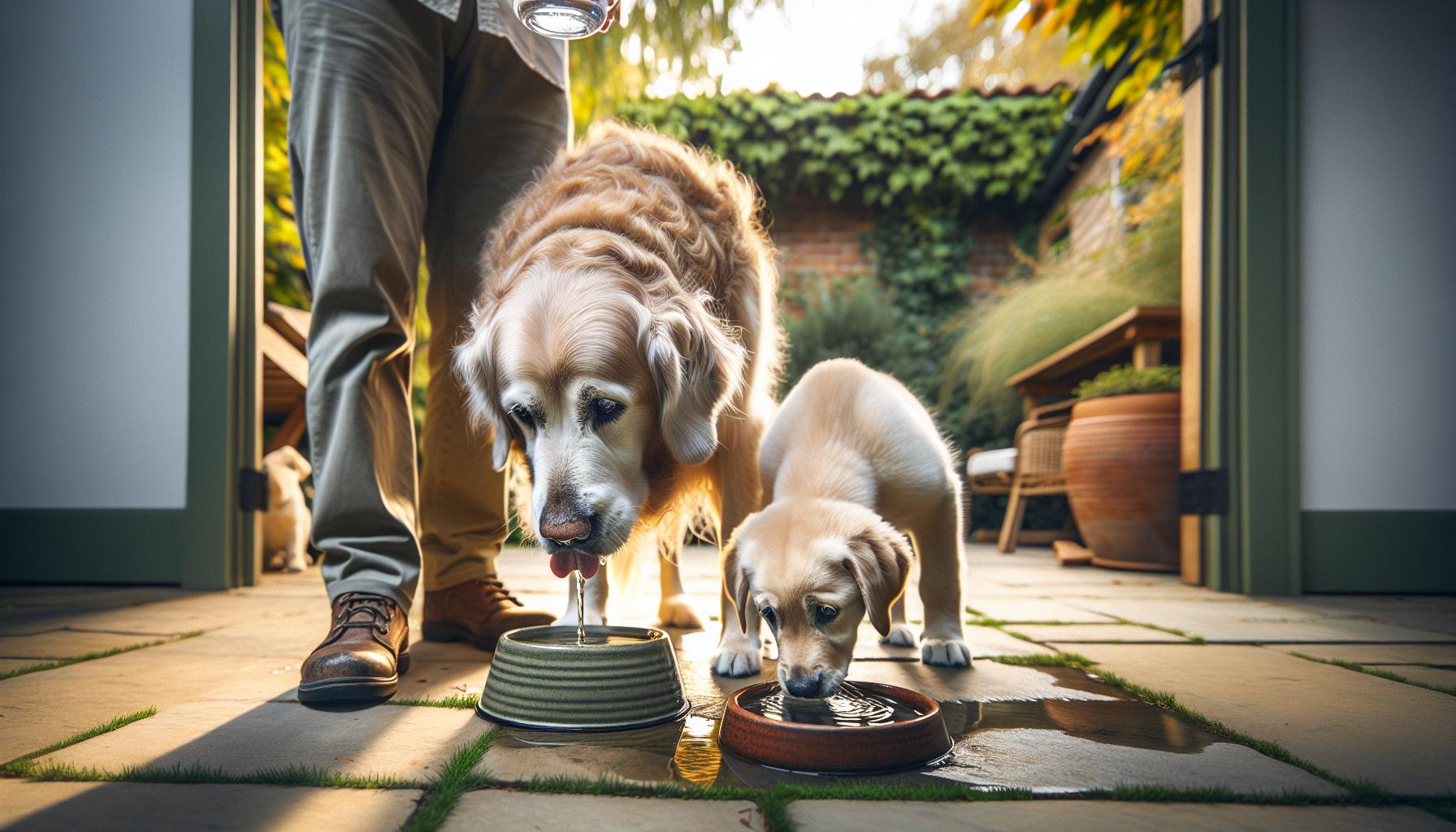
How Aging Affects Your Dog’s Water Needs
As dogs age, their water needs can change significantly, reflecting various physiological shifts typical of older animals. One of the most notable changes is the decrease in a dog’s ability to concentrate urine. This means that senior dogs may not retain moisture as effectively, leading to an increased need for water to stay hydrated. Additionally, factors such as reduced physical activity can influence their thirst levels; while some senior dogs may seem less inclined to drink because they are less active, they still require adequate hydration to maintain kidney function and support other vital bodily processes.
Age-related health issues are another key influence on a senior dog’s hydration requirements. Conditions common in older dogs, such as kidney disease, diabetes, or urinary tract infections, can lead to varying levels of thirst. For instance, diabetes-prone breeds like the Miniature Schnauzer may exhibit increased thirst due to the effects of insulin resistance, while older greyhounds might show signs of dehydration more readily because of their lean body composition. Understanding these factors allows dog owners to better monitor their furry friends and adjust their water intake accordingly.
Creating a consistent hydration routine can be beneficial for older dogs. By ensuring fresh, clean water is always available and encouraging regular sips, you can help prevent dehydration. Using interactive water bowls or placing multiple water stations around the home can engage senior dogs, making hydration a natural part of their day. Additionally, monitoring their water consumption and noting any significant changes can provide essential clues regarding their health status, enabling timely veterinary consultations if needed.
Signs Your Older Dog is Drinking More
Recognizing the signs that your older dog is drinking more water can be vital for their health and well-being. As dogs age, their bodies undergo several changes that might increase their thirst, and being alert to these changes can help you provide better care. One of the first indicators is an increase in the frequency of trips to their water bowl; if it seems like your senior dog is making an uncharacteristic number of visits, it could be a signal that they need hydration or that something else might be affecting their health.
Another clear sign is their behavior around water. If your dog starts actively seeking out water more often, such as moving to different rooms in the house to find a water source or even showing signs of agitation when their bowl is empty, these are red flags. Additionally, if you notice that your dog finishes their water quickly or lingers by the bowl, they might be trying to hydrate effectively. Take note of these patterns-especially if they deviate from how your dog usually behaves.
Changes in urination habits are also crucial to observe. If your dog begins to urinate more frequently, particularly at night, this could indicate increased fluid intake. This can often be linked to age-related health issues like diabetes or kidney problems, which commonly affect older dogs. In contrast, if you notice their urination becomes less frequent despite an increase in water consumption, it can be a sign of dehydration or potential renal issues, necessitating a trip to the vet.
To provide you with a comprehensive guide on how to manage your older dog’s hydration needs, consider setting a daily water intake goal based on their size and activity level. Regularly measuring how much water they drink each day can offer insights into their health and hydration status. Monitoring these signs closely ensures you stay informed about your dog’s needs, helping prevent dehydration and other complications that can arise with aging.
Understanding the Importance of Hydration
The role hydration plays in your older dog’s health cannot be overstated; it’s essential for maintaining optimal organ function, regulating body temperature, and even aiding in the digestion of food. As dogs age, their bodies can lose the ability to conserve water efficiently, making hydration even more crucial. Think of it this way: just as we feel thirstier when the weather is hot or after physical exertion, older dogs often need a bit more encouragement to drink enough water, especially since their thirst signals may weaken over time.
Several factors contribute to the increased water needs of older dogs. For one, aging can lead to a decrease in kidney function, which might cause them to urinate more frequently and require additional hydration to compensate for fluid loss. Moreover, certain medications prescribed to senior dogs may have side effects that increase thirst. Additionally, dietary changes-such as switching to a dry food that contains less moisture than their previous meals-can also necessitate a higher water intake. It’s imperative to be mindful of these factors when assessing your senior dog’s hydration needs.
To promote adequate hydration in your older companion, consider implementing a few simple strategies. Keep fresh, clean water readily available at all times, and try using a pet water fountain since many dogs are naturally attracted to running water. You can also incorporate wet food into their diet or offer ice cubes as a fun way to encourage them to drink. Monitoring their water intake and adjusting it as needed will help ensure your furry friend stays healthy and happy during their golden years.
Ultimately, showing a genuine interest in your dog’s hydration not only supports their physical health but also fortifies the bond you share. Engaging with your dog’s needs and making hydration a priority can lead to a more vibrant and active life as they age.
Breeds Prone to Increased Thirst as They Age
As dogs age, certain breeds may become particularly prone to increased thirst, often due to aging-related health changes or breed-specific characteristics. Understanding which breeds are more likely to experience this shift can help you anticipate their needs, ensuring they stay well-hydrated and healthy. For instance, larger breeds like Great Danes and Labrador Retrievers tend to have a higher water intake due to their size and increased urination, especially as they get older and their kidneys begin to function less efficiently. Smaller breeds, such as Chihuahuas and Yorkshire Terriers, may also drink more due to a combination of health issues and the need for frequent hydration, given their smaller bladders.
In addition to size, certain breeds are genetically predisposed to conditions that can lead to increased thirst. Cocker Spaniels and Bichon Frises often suffer from urinary tract issues, which can cause them to drink more in an attempt to flush out irritants or maintain hydration in the face of frequent urination. Meanwhile, Dachshunds are prone to kidney issues, making it vital to monitor their water intake closely, as they may need to drink more to compensate for diminished kidney function.
To better understand how breed-specific traits can influence hydration needs, here’s a simple comparison of notable breeds that may drink more water as they age:
| Breed | Common Health Issues | Potential Water Intake Increase |
|---|---|---|
| Great Dane | Kidney Function Decline | High |
| Labrador Retriever | Obesity, Kidney Issues | Moderate to High |
| Cocker Spaniel | Urinary Tract Problems | Moderate |
| Dachshund | Kidney Disease | Moderate to High |
| Chihuahua | Dental Issues, Urinary Problems | Moderate |
| Bichon Frise | Skin Conditions, Kidney Health | Moderate |
Maintaining close observation of your dog’s hydration needs is essential, especially for these breeds as they transition into their senior years. Being proactive allows you to adjust their diet, offer enticing water options, and consult with your veterinarian when necessary. With the right care and attention, you can help your aging furry friend maintain optimal hydration, contributing to their overall comfort and well-being.
Health Conditions That Increase Water Intake
As dogs advance in age, their water consumption can increase significantly due to various health conditions that commonly affect senior pets. One of the most prevalent issues is kidney disease, which can influence a dog’s ability to concentrate urine. When the kidneys begin to decline, they may not filter waste effectively, leading to increased thirst as the body tries to compensate for fluid loss. This is particularly true for breeds like Dachshunds and Great Danes, who are more susceptible to kidney-related problems. Recognizing changes in their drinking patterns is key to managing their health effectively.
Diabetes is another condition that can lead to excessive thirst in dogs. When the body struggles to regulate blood sugar levels, it can result in a condition called polyuria, where the dog produces larger volumes of urine. This forces the dog to drink more water to stay hydrated. Breeds such as Miniature Schnauzers and Poodles may have a higher predisposition to diabetes, so owners should monitor their pets for signs of increased thirst along with other symptoms like weight loss or frequent urination.
Furthermore, urinary tract infections (UTIs) can also cause dogs to drink more water. These infections can irritate the bladder, prompting the need for more frequent urination. Breeds that are prone to UTIs, such as Cocker Spaniels and Bichon Frises, may exhibit these symptoms along with straining to urinate or blood in the urine. Maintaining a close watch on your dog’s drinking habits can help in identifying these conditions early, leading to timely veterinary consultations and treatment.
Quick Checklist for Monitoring Health Conditions:
- Watch for Increased Thirst: Monitor changes in water intake and consult your veterinarian if you notice significant increases.
- Observe Urination Patterns: Take note of any changes in urination frequency or volume.
- Look for Additional Symptoms: Be aware of signs such as lethargy, weight changes, or changes in appetite, which could indicate health issues.
Understanding Breed-Specific Risks
To help you better grasp which breeds might have an increased thirst due to specific health conditions, the following table summarizes common breeds along with their prevalent health concerns that can lead to increased water intake:
| Breed | Common Health Issues | Potential Impact on Water Intake |
|---|---|---|
| Dachshund | Kidney disease | High |
| Great Dane | Kidney function decline | High |
| Miniature Schnauzer | Diabetes | Moderate to High |
| Poodle | Diabetes | Moderate to High |
| Cocker Spaniel | Urinary tract infections | Moderate |
| Bichon Frise | Urinary tract issues | Moderate |
By actively monitoring these aspects, you can ensure your aging dog remains hydrated and comfortable, promoting their health and happiness in their golden years. If concerns arise, never hesitate to reach out to your veterinarian, who can provide guidance tailored to your dog’s specific needs.
Creating a Hydration Routine for Senior Dogs
Establishing a hydration routine for your senior dog can significantly impact their overall health and well-being, especially as their water needs change with age. Just like humans, dogs thrive on consistency, and having a structured schedule can help ensure they stay hydrated and comfortable. Begin by offering fresh water multiple times throughout the day; ideally, it should be available at all times. Use bowls that are easy for them to access, and consider non-slip mats to prevent spills and help them feel more secure while drinking.
Another effective strategy is to enhance water intake by incorporating moisture-rich foods into their diet. This could mean adding wet dog food, homemade broths, or even incorporating water-soaked kibble. You might also try ice cubes or ice chips for a refreshing treat on warmer days-they can be both fun and hydrating! If your dog enjoys fruits and veggies, consider safe options that have high water content, like cucumber slices, apples (without seeds), or baby carrots. These not only encourage hydration but also offer additional nutrients that benefit senior dogs.
Monitoring your dog’s water intake can be a helpful way to keep track of their hydration levels. Keep a record of how much water they drink daily to identify any changes in patterns that might warrant a call to the vet. If your dog is drinking significantly more or less than usual, it could be a sign of an underlying health concern that needs attention. As you adjust their hydration routine, don’t forget about their exercise; gentle walks or playtimes can stimulate thirst, so incorporate short, manageable activities that suit their capabilities.
Ultimately, building a hydration routine is about observing your dog’s preferences and health needs. Always consult your veterinarian if you’re unsure about the best approach, particularly if your dog has specific medical conditions or dietary restrictions. With a little effort and creativity, you can help your senior dog enjoy their golden years, staying hydrated and healthy with a routine that’s tailored just for them.
Is Your Dog Dehydrated? Key Warning Signs
Recognizing the signs of dehydration in your dog is crucial, especially as they age and their water needs fluctuate. Dehydration can lead to serious health issues; therefore, knowing what to look for is essential to ensuring your furry friend remains happy and healthy. One of the first signs to monitor is your dog’s drinking pattern; if you notice a significant decrease in water intake, it should raise your concern.
Other key indicators include changes in behavior and physical appearance. For instance, pay attention to your dog’s energy levels. If they seem lethargic or less playful than usual, it could be a warning sign. Additionally, check your dog’s gums: healthy gums should be moist and pink. If they appear dry, sticky, or pale, dehydration may be a problem. A simple test you can perform is the skin turgor test-gently pinch the skin on the back of their neck; if it doesn’t quickly return to its original position, your dog may be dehydrated.
Monitoring for more subtle signs can also be paramount. An increase in panting or changes in urine color can offer vital clues regarding hydration levels. A darker urine color may indicate dehydration, while lighter shades typically mean your dog is well-hydrated.
If you notice these signs, it’s crucial to take action promptly. Start by offering small amounts of water frequently, as forcing large amounts can lead to further issues. If the dehydration continues or worsens, don’t hesitate to consult your veterinarian. They can provide specialized guidance to address your dog’s specific needs, ensuring a swift recovery. Remember, keeping your dog hydrated isn’t just a routine task; it’s an essential part of ensuring their health and happiness as they age.
Tips for Encouraging Proper Hydration
Keeping an older dog well-hydrated is essential for their overall health and quality of life. As our furry companions age, their bodies become less efficient at regulating hydration, making it crucial for us, as pet owners, to step in and encourage proper water intake. Here are some effective strategies that can help ensure your senior dog stays hydrated and happy.
Start by offering fresh, clean water multiple times a day. You might be surprised by how a simple change, such as adding ice cubes to their water bowl, can make drinking more enjoyable for your dog. Dogs often enjoy cooled water, especially during warmer months, and this can entice them to drink more. Additionally, consider providing water in different locations around the house, ensuring it’s easily accessible, especially if your dog has any mobility issues.
Incorporating hydration-rich foods into their diet can also be beneficial. Many senior dogs will benefit from moistened kibble or a bit of low-sodium broth added to their meals. Foods like watermelon, cucumbers, and broth-soaked kibble can not only provide hydration but also add a tasty variety that may stimulate their appetite. Offer treats that are designed specifically for hydration, which can also provide a fun incentive for your older dog.
Finally, establishing a routine around drinking can be very effective. Try to incorporate drink breaks into your daily activities, such as after walks or playtime. A consistent schedule will help your pup remember to hydrate regularly. You might even create a chart to track their water intake and establish goals, making it a fun project for both you and your dog.
By paying attention to their hydration needs and providing positive incentives, you can significantly improve your senior dog’s health and happiness as they age.
The Role of Diet in a Senior Dog’s Thirst
As our beloved furry friends enter their golden years, their dietary needs transform significantly, impacting not only their overall health but also their hydration levels. Did you know that a senior dog’s food can play an essential role in how much water they drink? This is because the moisture content and nutritional quality of their meals directly influence their thirst. Ensuring a proper balance of wet and dry food can help support their hydration needs while keeping them satisfied and healthy.
Senior dogs do best on well-balanced diets tailored for their age and specific health requirements. For instance, wet or canned food typically contains more moisture than kibble, making it an excellent choice for maintaining hydration. Offering a mix of both can be an effective strategy, especially for dogs that may not drink enough water on their own. Additionally, low-sodium broths poured over meals or hydration treats can entice your senior dog to consume more fluids naturally. Look for options with additives like electrolytes, which can assist in balancing their hydration, especially if they tend to drink more due to health conditions.
Being mindful of specific breeds is equally crucial, as some may be predisposed to health issues that impact their thirst. For example, breeds like the Dachshund and Labrador Retriever, known for their robust appetites, can benefit from diets rich in fiber and moisture to help regulate their overall water intake. It’s a practical way to keep their kidneys healthy and manage potential weight issues, as hydration can also affect metabolism. Incorporating fruits like watermelon or vegetables like cucumbers into their meals can provide hydration along with tasty variety, making mealtime exciting.
In summary, a thoughtful approach to your senior dog’s diet-featuring hydration-rich foods and appropriate moisture levels-can significantly influence their water intake. By adapting their meals to meet these hydration needs and being aware of breed-specific health considerations, you can leverage nutrition to enhance their quality of life. Regular consultations with your veterinarian will also ensure you’re on the right track, allowing you to fine-tune their diet as their preferences and health conditions evolve.
Maintaining Your Older Dog’s Kidney Health
Keeping kidneys healthy is paramount for our older dogs, as they are vital in filtering waste and maintaining fluid balance in the body. As dogs age, their kidney function can decline, leading to increased water consumption and, potentially, dehydration if their hydration needs aren’t met. To combat this, a proactive approach to kidney health is essential.
Regular veterinary check-ups are crucial, especially for senior dogs. Blood tests can help monitor kidney function and detect early signs of disease. Additionally, look out for symptoms such as increased thirst and urination, weight loss, and lack of energy, which could indicate kidney issues. Maintaining a consistent hydration routine can also aid kidney health. Ensure your dog always has access to fresh water and consider offering wet food, which not only provides hydration but can also help reduce the workload on their kidneys by providing necessary moisture in their diet.
A nutritious diet tailored to a senior dog’s needs plays a significant role in maintaining kidney health. Foods low in phosphorous and high in omega-3 fatty acids, like fish oils, can help support renal function. If your dog enjoys homemade meals, incorporating ingredients like sweet potatoes, carrots, and green beans can create a balanced diet that supports their overall well-being. Always consult your veterinarian to design an appropriate diet plan that suits your dog’s unique health needs.
Lastly, staying mindful of hydration in relation to kidney health can greatly influence your dog’s comfort and longevity. Offer enticing hydration options like ice cubes made from low-sodium broth or specially formulated hydration treats to encourage fluid intake. The more we can make drinking water a rewarding experience, the more likely our furry friends will stay hydrated and healthy as they age.
Home Remedies for Increased Thirst in Dogs
As our beloved dogs age, it’s not uncommon for them to start drinking more water. This increased thirst can sometimes be due to age-related changes, but for many pet parents, it presents a concern about their senior dog’s well-being. Thankfully, there are several home remedies and strategies that can help manage increased thirst and ensure our furry friends stay hydrated, healthy, and comfortable as they navigate their golden years.
One effective way to encourage hydration is to enhance the flavor of your dog’s water. Adding a small amount of low-sodium broth or tuna juice can make water more enticing. Many dogs enjoy the taste, prompting them to drink more. Experimenting with different flavors can reveal your dog’s preferences. You can even prepare ice cubes made from flavored water to provide a fun and refreshing treat on warm days.
Another approach is to incorporate hydrating foods into your dog’s diet. Fruits and vegetables like watermelon, cucumbers, or blueberries can provide extra moisture while also being nutritious snacks. Just ensure that any human food given is safe and suitable for dogs. For a more dog-friendly meal, consider mixing wet dog food with a little warm water or adding water to dry kibble to create a moist meal that boosts hydration.
Maintaining a clean and easily accessible water bowl is also crucial. Dogs may be less inclined to drink if their water source is dirty or hard to reach. Consider placing several water bowls throughout your home to encourage sipping throughout the day. Elevating bowls for larger breeds can also alleviate discomfort and promote better drinking habits.
Lastly, regular veterinary check-ups are essential, especially if you notice significant changes in thirst. Increased water intake can sometimes be a sign of underlying health issues, so consulting your veterinarian can ensure your dog receives appropriate care and guidance tailored to their specific health needs.
By implementing these simple yet effective strategies, you can ensure your senior dog remains comfortably hydrated and enjoys their golden years to the fullest. Remember, a happy dog is a hydrated dog!
When to Consult Your Veterinarian About Thirst
As your dog ages, it’s essential to monitor their drinking habits closely. While increased thirst is often a normal part of the aging process, it can also signal underlying health issues that require attention. Changes in thirst can stem from a variety of conditions, including kidney disease, diabetes, and hyperadrenocorticism (Cushing’s disease). If you notice that your senior dog is drinking significantly more water than usual, it’s time to reach out to your veterinarian.
In particular, keep an eye out for any accompanying symptoms such as increased urination, changes in appetite, weight loss, or lethargy. These signs can provide crucial clues regarding your dog’s health. For instance, if your dog is drinking a lot of water and also losing weight, it may indicate conditions like diabetes or kidney problems. Establishing a routine for regular veterinary check-ups is essential, especially as your dog reaches their golden years, to catch any issues early.
It’s also wise to monitor the quantity of water your dog consumes daily. A general rule of thumb is that dogs should drink about one ounce of water per pound of body weight daily. If you find your dog is exceeding this amount, discuss it with your vet to rule out any concerns. Remember, being vigilant about these changes can not only safeguard your dog’s health but also enrich your companionship, allowing you to enjoy more happy moments together.
In sum, while hydration is vital for every dog, heightened thirst in older dogs should not be overlooked. Regular vet consultations and attentive monitoring can help manage any potential health challenges, ensuring your cherished companion stays healthy and enjoys their later years comfortably.
Frequently Asked Questions
Q: Why do older dogs drink more water as they age?
A: Older dogs often drink more water due to changes in their metabolism and kidney function, which can lead to increased thirst. Additionally, age-related health issues, like diabetes or kidney disease, can also cause them to require more hydration. Monitoring their water intake is essential for maintaining their health.
Q: How can I tell if my senior dog is drinking enough water?
A: To ensure your senior dog is adequately hydrated, check their water bowl frequently and observe their urination patterns. They should drink consistently throughout the day and urinate regularly. If they seem lethargic, or if their urine is dark, consult your veterinarian for further evaluation.
Q: What are some signs of dehydration in older dogs?
A: Common signs of dehydration in senior dogs include dry gums, sunken eyes, lethargy, and loss of skin elasticity. If you notice any of these symptoms, it’s crucial to offer fresh water immediately and consult your veterinarian for advice on rehydration strategies.
Q: When should I change my older dog’s water routine?
A: If you notice significant changes in your dog’s drinking habits, such as increased or decreased water intake, it’s time to reassess their routine. Gradually changing their water availability, such as more frequent refills or upgraded bowls, can help. Always consult your vet if concerns persist.
Q: Can diet affect my older dog’s thirst levels?
A: Yes, diet significantly impacts a senior dog’s hydration needs. Dry kibble can increase thirst, while wet food can help maintain hydration. Consider integrating more moisture-rich foods into their diet to help them stay hydrated, especially if they drink less water.
Q: Are certain breeds more prone to increased thirst in aging?
A: Yes, breeds such as Labrador Retrievers and German Shepherds are often more prone to increased thirst as they age. It’s essential to monitor these breeds closely for hydration needs and consult your vet about any changes in their drinking habits.
Q: What can I do to encourage my senior dog to drink more water?
A: To encourage your older dog to drink more, try providing fresh water frequently, using a pet fountain, or adding water to their food. You can also offer ice cubes or low-sodium broth to make hydration more appealing. Regular hydration routines can significantly benefit their health.
Q: When is it necessary to consult a veterinarian about my dog’s water intake?
A: If your senior dog shows consistent changes in their water intake, such as excessive drinking or refusal to drink, it’s vital to consult a veterinarian. Urinary accidents or changes in urination frequency can also indicate underlying health issues that require professional assessment.
The Way Forward
As we’ve explored, the aging process in dogs often leads to increased water intake for various health reasons. Keeping your senior companion well-hydrated is vital for their comfort and well-being. If you have questions or concerns about changes in your dog’s drinking habits, don’t hesitate to consult your veterinarian for tailored advice.
For more insights on dog care, check out our detailed guides on recognizing signs of dehydration and best practices for maintaining your dog’s hydration, as well as tips on feeding senior dogs. By proactively managing your older dog’s health, you can enhance their quality of life and ensure they remain your loyal companion for years to come.
Don’t forget to subscribe to our newsletter for the latest articles on canine health and care tips, and feel free to leave your thoughts or share your experiences in the comments below. Let’s continue this journey of caring for our furry friends together!