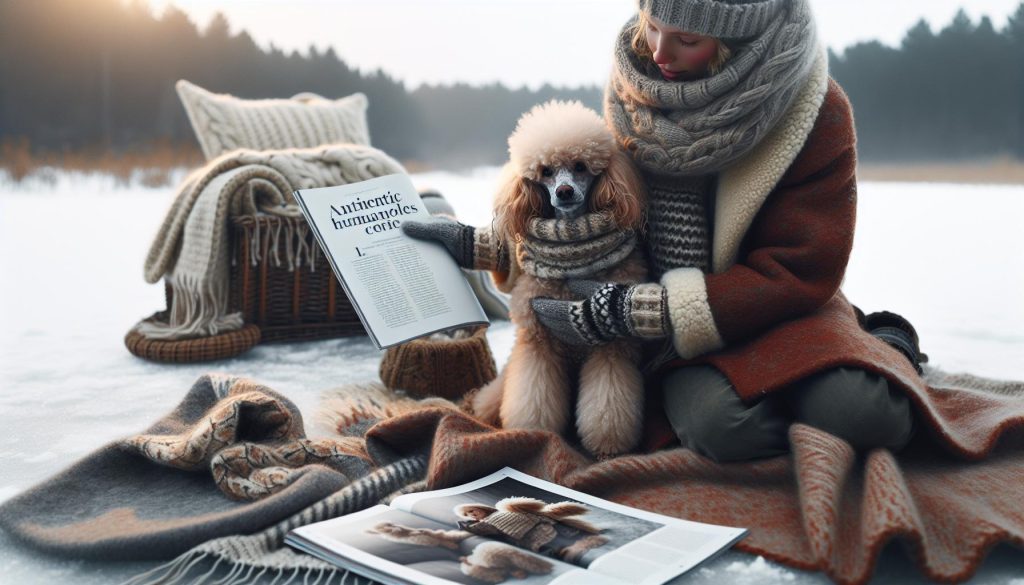
As winter rolls in, many dog owners wonder, “Do Poodles get cold?” It’s an important question, especially for those who want to keep their furry friends comfortable and safe during chilly weather. While Poodles are known for their water-resistant coats, extreme cold can still pose a risk to their well-being. Understanding how to care for your Poodle in winter is crucial not just for their comfort but also for their health. From knowing when to dress them warmly to recognizing signs of cold stress, being informed can make all the difference. Dive into essential winter care tips that will help you ensure your Poodle thrives through the coldest months, keeping tails wagging and spirits high!
Understanding Poodles and Cold Weather Sensitivity
Understanding how Poodles interact with cold weather is essential for any owner, especially considering their unique coat structure and sensitivity. While Poodles are known for their intelligence and versatility, they don’t possess the double coat that many other dog breeds do, which can leave them more vulnerable to chilly conditions. Their curly hair is water-resistant, but it doesn’t provide the same level of insulation as a thick undercoat. This means Poodles can feel the cold more intensely, especially when temperatures drop significantly.
Poodles come in various sizes, including Standard, Miniature, and Toy, and while the larger Standard Poodles may fare better in cold weather compared to their smaller counterparts, all Poodles should be protected from frostbite and freezing temperatures. When out for a walk or playtime in the snow, it’s crucial to monitor them closely. Signs of discomfort, such as shivering, reluctance to move, or lifting paws off the ground, should prompt immediate action, like heading indoors or providing a warm blanket.
Poodles also tend to be more sensitive to extreme weather due to their age and health. Puppies and older Poodles, in particular, might struggle with temperature fluctuations. Offering warm sleeping quarters and appropriate attire for outdoor adventures provides them with comfort and protection, ensuring they can enjoy winter just as much as their owners do.
Signs Your Poodle is Feeling Cold
When the temperatures drop, it’s essential to watch for subtle cues that indicate your Poodle is feeling the chill. Like us, dogs can express discomfort in various ways, and recognizing these signs early can prevent stress and keep your furry friend safe. Poodles, with their unique coat structure, may not have the thick insulation of other breeds, making them susceptible to cold weather.
One of the first is shivering. If you notice your Poodle trembling despite being indoors or without exercise, it’s time to take action. Alongside shivering, reluctance to walk or staying close to you and not exploring the outdoors can also indicate discomfort. Many Poodles will lift their paws off the ground, as the cold can cause their paws to feel painfully chilly. Additionally, a diminished interest in play and an overall lethargic demeanor can signal that the cold is affecting their mood.
Another essential cue to observe is your Poodle’s body language. If they are curling up tightly or attempting to nest themselves in blankets or warm spots, they are likely trying to conserve heat. Similarly, if your Poodle starts to seek warmer areas in your home or appears to be whining or barking in frustration when exposed to the cold, these behaviors suggest they are just too cold and need to come inside or warm up.
To ensure your Poodle is comfortable during harsh winter months, keep an eye out for these signs. Encouraging indoor playtime and providing cozy spots with blankets can help create a warm refuge. Remember that acting promptly to these signals not only protects your Poodle but also strengthens your bond as their attentive and caring owner.
Essential Winter Gear for Your Poodle
When winter temperatures drop, it’s crucial to equip your Poodle with the right gear to ensure their comfort and safety. Those lovely curly coats can keep them warm to an extent, but Poodles are still sensitive to cold, especially during prolonged exposure. Having the right winter gear can make all the difference in your furry friend’s experience during the chilly months.
A well-fitted dog sweater is a fantastic starting point. Look for options made of warm, breathable materials like wool or fleece that cover your Poodle’s chest and belly, which are sensitive areas. Many Poodles appreciate the snug feeling of a sweater, especially if it’s designed to allow free movement. Additionally, consider investing in a waterproof and insulated dog coat. This can be especially beneficial for those particularly cold or damp days, providing an extra layer of protection against the harsh elements.
Don’t overlook the importance of proper paw protection. Dog booties can shield your Poodle’s paws from ice, road salts, and extremely cold surfaces that might cause pain or injury. Make sure to select booties specifically designed for cold weather, ensuring they fit snugly yet comfortably. It might take some time for your Poodle to adjust to wearing them, so introduce them gradually in a safe environment and reward your pup for their bravery.
Accessories like a good-quality dog scarf can add extra warmth around the neck area, as well as a stylish touch to your winter outings. For those colder days, you might also consider dog earmuffs, which can help protect your Poodle’s ears from the chilling wind. By equipping your Poodle with essential winter gear, you’re not only ensuring their comfort but also providing them with the protection they need to enjoy playing in the snow or taking their daily walks during the winter season.
Creating a Cozy Indoor Environment
As the temperature drops, providing a warm and inviting indoor space for your Poodle becomes essential. Did you know that just like humans, dogs can feel the chill in their bones and appreciate a cozy retreat during winter months? Crafting a comfortable indoor environment for your furry friend not only keeps them warm but also promotes their overall well-being.
To start, consider designating a special sleeping area that offers a soft, insulated bed. Look for options made from durable materials that provide both comfort and warmth. Memory foam beds are particularly beneficial, as they conform to your Poodle’s body, ensuring support and insulation against cold floors. You might also want to add an additional blanket or two to their sleeping area, as snuggling under a warm layer can make a world of difference on chilly nights.
In addition to a warm bed, create a warm atmosphere by controlling the indoor temperature. Maintain a steady room temperature that feels comfortable for both you and your Poodle-generally between 68°F and 72°F is ideal. Avoid placing their bedding near drafty windows or doors, and consider using space heaters or heated pet beds if additional warmth is necessary. Moreover, make sure to provide plenty of cozy corners throughout your home where your Poodle can curl up and feel safe, away from cold surfaces.
Ventilation is also key; while you want to keep your Poodle warm, ensure the space is not too stuffy. Fresh air circulation contributes to a healthy environment. Consider using humidifiers, especially in dry winter months, as they create moisture in the air that can help your dog’s skin and fur stay healthy, especially since Poodles are prone to dryness.
Lastly, engage in interactive indoor playtime to keep your Poodle active and entertained when outdoor activities are limited by the cold. Use toys that stimulate mental and physical activity, and don’t forget to make time for cuddles on the couch! By creating a warm and engaging indoor environment, you ensure your Poodle bask in the love and comfort they deserve all winter long.
Outdoor Safety Tips for Poodles in Winter
When the winter chill sets in, it’s essential to be proactive about your Poodle’s outdoor safety. Poodles, while resilient and possessing a water-resistant coat, can still suffer from cold-related issues if exposed to harsh weather for too long. Keeping your furry friend happy and healthy during winter outings requires awareness and preparation.
To begin with, always monitor the weather conditions before heading outside. If temperatures dip below 32°F (0°C) or if it’s particularly windy or wet, consider shortening your outdoor adventures. Limit walks to 15-20 minutes to prevent your Poodle from getting too cold. Watch for signs that they might be uncomfortable, such as shivering or lifting their paws off the ground. If you notice your Poodle hesitating to go outside, it might be too cold for them.
Gear Up for Winter
Essential winter gear can make a significant difference in your Poodle’s comfort. Invest in a high-quality, insulated, and water-resistant jacket. The right jacket should cover their torso fully and secure tightly but comfortably around their neck and belly. Booties are another excellent investment, helping to protect their sensitive paw pads from the cold ground and harmful de-icing chemicals commonly found on sidewalks. Make sure the booties fit well but are not too tight, allowing your Poodle freedom to walk naturally.
Beyond clothing, paying attention to your Poodle’s paws after walks is crucial. Snow can accumulate between their toes and cause discomfort. Gently wipe their paws with a warm cloth when you return home, and check for any signs of cracking or irritation. This will help ensure their paws stay healthy and free from injury.
Post-Adventure Care
After outdoor activities, offer plenty of fresh water and check for any signs of chilled or distressed behavior. Treat them with a warm space indoors to snuggle up, reinforcing positive winter experiences. Keep an engaging environment by introducing interactive toys that stimulate both their body and mind, particularly on days when outdoor play isn’t feasible.
By equipping your Poodle with proper gear and being attentive to their well-being during outdoor winter escapades, you can ensure they not only survive winter but thrive in it, enjoying every frosty moment of play. Embrace the beauty of winter walks while keeping your beloved companion safe and warm!
Winter Grooming: Cut, Care, and Maintenance
Maintaining your Poodle’s coat during winter is about more than just aesthetics; it plays a crucial role in their comfort and protection against the elements. Poodles, with their unique curly coats, require specific grooming routines to keep their fur healthy and insulated in cold weather. One vital aspect to consider is the length of their coat. While some owners may opt for a shorter cut to minimize mud and snow buildup, a longer coat can provide better insulation against the cold, provided you maintain it well.
To ensure your Poodle’s coat remains in top condition throughout the winter, regular brushing is essential. Aim to brush their coat at least two to three times a week. This helps remove loose hair and prevents matting, which can trap moisture and lead to skin issues. During the winter months, you may notice that your Poodle’s coat is more prone to tangling due to the humidity and snow, making it even more critical to stay on top of grooming. Use a slicker brush for detangling and a grooming comb to reach any stubborn knots.
Additionally, consider scheduling a professional groom ahead of winter. A groomer can help with trimming the hair around sensitive areas like the paws and around the eyes, reducing snow accumulation and keeping your Poodle’s vision clear. Keep in mind that trimming too much can expose their skin to the chill, so consult with your groomer about the best approach to take, allowing them to retain some length while minimizing discomfort.
To round out your winter grooming routine, assess the condition of your Poodle’s skin. Cold, dry air can lead to dryness and irritation, so consider a moisturizing spray or conditioner specifically formulated for dogs after a bath. Always use products that are safe and free of harsh chemicals. As an added bonus, maintaining a balanced diet rich in omega fatty acids can help support a healthy coat and skin, bolstering their natural defenses against winter’s harshness.
Whether you’re an experienced Poodle owner or new to the breed, these grooming tips will help ensure your furry friend stays warm, comfortable, and happy throughout the cold season. Proper grooming not only protects your Poodle’s skin and coat but also strengthens the bond between you and your pet, turning a necessary chore into a delightful routine.
Nutrition Needs for Winter Wellness
Maintaining optimal nutrition for your Poodle during the winter months is vital to their overall health, especially as colder weather can stress their bodies more than you might realize. Just like humans often crave warm, hearty meals in winter, our furry friends benefit from a nutritious diet that supports their energy levels and immune system during the chilly months.
Poodles, with their active and intelligent nature, require a balanced diet rich in high-quality proteins, healthy fats, and essential nutrients. During the winter, consider increasing their intake of foods rich in omega-3 and omega-6 fatty acids. These nutrients not only promote a healthy coat to combat dry winter air but also support skin health and can even bolster their immune system. Fish oil supplements or incorporating fish into their meals can be particularly beneficial, offering warmth and nourishment.
Adjusting Meal Portions
As the weather turns cold, your Poodle may burn more calories to maintain their body temperature. Paying attention to their hunger cues is crucial; you might find that their appetite increases. Adjusting their meal portions can help ensure they get sufficient energy without overfeeding. Monitor their weight and activity levels to find the right balance. Here’s a quick checklist for maintaining their nutrition in winter:
- Increase protein intake: Lean meats, fish, and eggs can provide essential amino acids.
- Incorporate healthy fats: Olive oil and flaxseed oil can enhance coat health.
- Maintain hydration: Ensure fresh water is always available, as hydration is just as crucial in winter.
- Choose high-quality dog food: Opt for brands that cater to winter nutrition needs.
Providing warm meals can also make a difference. Many dogs enjoy slightly heated food, which can be more appealing during cold months. However, ensure the food isn’t too hot to avoid burns.
In conclusion, a thoughtful approach to your Poodle’s winter diet can help them thrive, ensuring they stay warm, healthy, and full of energy for all their winter adventures. Monitoring their needs and adapting their diet appropriately can make this season enjoyable for both of you.
Understanding Poodle Breeds and Cold Tolerance
Poodles are renowned for their intelligence, playful nature, and striking appearance, but how do they fare when it comes to cold weather? While these dogs possess some natural adaptations that offer protection from the chill, their tolerance varies significantly by age, size, and coat type. Understanding your Poodle’s specific needs can help you keep them warm and comfortable throughout the winter months.
One distinct characteristic of Poodles is their coat, which is not only beautiful but also has some water-resistant qualities. This trait originates from their history as water retrievers, needing to perform their duties in chilly wet climates. However, despite their impressive fur, Poodles can still feel cold, particularly when temperatures drop sharply. Smaller Poodles, especially toy and miniature varieties, are generally less tolerant of cold due to their reduced body mass. Similarly, elderly Poodles and puppies have a less effective temperature regulation system, rendering them more susceptible to the effects of cold environments.
To effectively assess whether your Poodle is comfortable in winter weather, look for signs of discomfort. If your pup is shivering, looking for warmth, or hesitating to go outside, it’s a clear indication that the temperature is too low for them. To keep them safe and cozy, consider layering them with jackets or sweaters designed for dogs, particularly during outdoor excursions. Ensuring that their sleeping area indoors is warm and free from drafts is equally important to promote a restful sleep.
In summary, while Poodles have some natural defenses against cold weather thanks to their unique coats, they still require attentive care in winter conditions. Monitoring their behavior and providing appropriate clothing and shelter can help ensure they remain happy and healthy all season long. Taking these steps helps ensure that your Poodle enjoys the winter months as much as you do!
Signs of Hypothermia: What Every Owner Should Know
Recognizing the signs of hypothermia in your Poodle is crucial, especially during winter months when the chill can be more than just uncomfortable. Just like humans, dogs can suffer from hypothermia, a condition where the body loses heat faster than it can produce it, leading to dangerously low body temperatures. For Poodles, particularly smaller breeds or those with compromised health, understanding and spotting the warning signs can be the difference between a happy, safe winter and a health emergency.
If your Poodle starts to exhibit unusual behaviors, it’s essential to take note. Common indicators of hypothermia include continuous shivering, lethargy, and a reluctance to move or engage. You might also see them tucking their tail close to their body or trying to burrow into blankets or other warm spaces. As the condition progresses, you may notice more severe symptoms such as muscle stiffness, a slow or irregular heartbeat, and even confusion. If you observe any of these signs, it’s critical to act quickly to warm your pup and prevent more serious consequences.
To mitigate the risk of hypothermia, ensure your Poodle has a stress-free and warm environment, particularly if they must be outside for extended periods. Providing a cozy dog sweater can help retain body heat, and during extreme temperatures, limit their outdoor time. Additionally, check their paws regularly for ice buildup or frostbite, as this is a common problem in cold weather. In case you suspect hypothermia, warm your Poodle gradually-wrap them in warm blankets, offer warm (but not hot) water to drink, and seek veterinary care immediately if symptoms persist.
Ultimately, being proactive about your Poodle’s winter care and keeping a close eye on their behavior can help prevent hypothermia and ensure they enjoy the snow and cold as much as you do. Knowledge and prepared care habits will keep your furry friend happy, healthy, and safe throughout the chilly months.
Emergency Care for Cold-Related Issues
Recognizing the urgency of cold-related issues is key to keeping your Poodle safe during winter. When temperatures drop, your furry companion can face serious health risks, including frostbite and hypothermia. Immediate action can mean the difference between a minor inconvenience and a substantial health concern, so it’s crucial to be prepared and informed on how to handle these emergencies.
If you notice that your Poodle is showing signs of distress due to the cold-such as extreme shivering, lack of responsiveness, or visible discomfort-it’s essential to act swiftly. Start by bringing them indoors to a warm environment immediately. Wrap them in warm blankets to help stabilize their body temperature. You can use a heating pad set on low or a hot water bottle wrapped in a towel to gently warm them up, but be cautious not to apply heat directly to their skin as it might cause burns.
In the case of suspected frostbite, which primarily affects the ears, paws, and tail, avoid rubbing the affected areas vigorously; instead, use a gentle, gradual warming method. Submerge the affected areas in warm (not hot) water, or apply a warm towel. After thawing, keep an eye out for any signs of serious injury, such as blisters or swelling. If you suspect any serious damage, contacting your veterinarian should be your next step, as they can guide you on whether further treatment is necessary.
For long-term prevention, consider mapping out a cold-weather care routine tailored to your Poodle’s needs. This could include limiting outdoor time during extreme conditions, ensuring they wear appropriate winter gear like insulated jackets or padded booties, and routinely checking their paws for ice or debris that could lead to injury. Remember, your Poodle relies on you to keep them safe, especially when the temperatures drop! By taking these precautions and understanding how to respond in emergencies, you’ll ensure that your winter days are as enjoyable for your Poodle as they are for you.
Building a Routine for Cold Weather Care
Building a loving routine for your Poodle during the chilly winter months can make all the difference in keeping them comfortable and healthy. Dogs, especially Poodles, are sensitive to cold temperatures, and establishing a consistent care schedule can help mitigate the risks associated with frigid weather. Start by noticing how your Poodle reacts to colder temperatures; this will guide your decisions and adjustments to their daily routine.
In the morning, make it a point to check the temperature before heading outside. If it’s particularly cold or snowy, consider shortening their walk and providing alternative indoor activities. Think about engaging puzzles or interactive toys that stimulate their minds without exposing them to harsh conditions. Feeding them a warm meal can also be a lovely start to the day, as warm food is more comforting and can help raise their body temperature slightly.
For outdoor adventures, invest in quality winter gear that suits your Poodle’s size and breed. If your Poodle is especially small or has a short coat, they may benefit from insulated jackets and booties. Create a checklist for your dog’s winter essentials:
- Insulated coat fitting snugly to prevent cold air from getting through
- Booties to protect their paws against salt and ice
- Quality food to maintain energy levels and body heat
- Hydration source, as dry winter air can dehydrate
Don’t forget to schedule regular grooming sessions to keep their coat healthy and free from mats, which can trap moisture and chill them. An effective grooming routine helps maintain insulation, and shorter haircuts can prevent ice buildup. As you focus on their grooming, remember that a good brushing also encourages blood circulation, which is essential for warmth.
Lastly, adaptability is vital. Monitor how your Poodle responds to the changing cold conditions, adjusting outdoor time and indoor snugness accordingly. Encourage indoor playtime and snuggles during particularly frigid days. Offering a quiet and warm place for them to rest will help create that supportive atmosphere they crave during winter. By establishing these practices, you not only protect your furry friend from the cold but also strengthen your bond as you navigate the season together.
Expert Tips from Veterinarians on Winter Poodle Care
Keeping your Poodle warm and comfortable during the winter months is essential, as these dogs, despite their curly, dense coats, can still be sensitive to cold temperatures. Veterinarians emphasize the importance of being vigilant about your Poodle’s behavior and physical condition during this chilly season. A simple but effective strategy is to watch for signs your dog may be feeling cold-like shivering, whining, or reluctance to go outside. If your Poodle shows any of these signs, it’s crucial to adjust your routine accordingly, either by shortening walks or increasing indoor playtime to keep them engaged and active.
When it comes to outdoor gear, investing in high-quality winter attire can make a significant difference. Firstly, ensure that any jackets you buy are both insulated and water-resistant, which will help keep your Poodle warm and dry. Booties are another great addition to your winter arsenal, as they protect your dog’s paws from snow and ice, which can lead to discomfort or injury. Many veterinarians recommend a fitting session when trying on these items to ensure that they hug the body closely without being too tight, allowing for comfortable movement.
Nutrition is another vital aspect of winter care. Discussing dietary changes with your veterinarian can help you tailor your Poodle’s meals to support their energy needs, especially if they are more active in cooler months. High-quality food not only fuels their play but also contributes to their overall warmth. Additionally, keeping fresh water available is essential as dogs can easily become dehydrated in the dry winter air. You might also consider warming their food slightly to promote a cozy mealtime.
Lastly, making sure your Poodle has a warm and inviting indoor environment is key. Create a special resting area with their favorite blankets or a cozy bed in a draft-free spot. Regular grooming is also critical in winter, as maintaining their coat helps with insulation. Keep an eye on potential matting that can trap moisture and chill them. With these expert tips, you can ensure that your Poodle thrives, remaining warm and happy throughout the winter season.
Frequently Asked Questions
Q: Do Poodles get cold easily in winter?
A: Yes, Poodles can feel cold, especially in extreme temperatures. Their coat offers some insulation, but factors like age and health can affect their cold tolerance. Always monitor your Poodle for signs of discomfort in cold weather.
Q: How can I tell if my Poodle is too cold?
A: Look for signs like shivering, whining, reluctance to walk, or seeking warmth. If your Poodle is displaying these behaviors, it’s essential to provide them with warmth and a suitable environment [2].
Q: What winter gear is essential for Poodles?
A: Essential winter gear includes a warm dog jacket, booties to protect their paws, and blankets for extra warmth indoors. Ensure the gear fits properly to keep your Poodle comfortable while outside [2].
Q: Should I change my Poodle’s grooming routine for winter?
A: Yes, you should adjust your grooming routine in winter by brushing your Poodle more often to prevent matting and keeping their coat longer for added insulation [2].
Q: How can I create a cozy indoor environment for my Poodle in winter?
A: Create a cozy space by providing a warm sleeping area, using blankets, and keeping your home at a comfortable temperature. Avoid drafts and ensure comfort during the colder months [2].
Q: Are there specific foods that can help my Poodle in winter?
A: Yes, providing high-quality food with adequate fat can help maintain your Poodle’s body temperature. Consult your vet for dietary adjustments that suit their energy needs during winter [2].
Q: What should I do if my Poodle shows signs of hypothermia?
A: If you suspect hypothermia, bring your Poodle indoors immediately, wrap them in warm blankets, and contact your vet for further advice. Quick action is crucial to prevent serious health issues [2].
Q: How do I build a routine for cold weather care for my Poodle?
A: Establish a routine that includes shorter outdoor walks, regular grooming, and monitoring your Poodle’s comfort. Include warm up periods post-walk and adjust feeding schedules if needed to keep them energized [2].
In Summary
As winter approaches, ensuring your poodle stays warm is essential for their well-being. Remember, while poodles are equipped to handle colder temperatures, they still require proper care, including insulated jackets or sweaters and protection for their paws against harsh conditions. Don’t wait-start preparing for winter by checking out our related articles on protecting your poodle from the cold and the best winter gear for dogs.
If you have any lingering concerns about your poodle’s winter care or would like personalized advice, consider subscribing to our newsletter for expert tips delivered straight to your inbox. Join our community of passionate poodle owners-leave a comment below sharing your winter care tips or experiences! Your poodle deserves all the warmth and love this season, and we’re here to support you every step of the way. Explore more on poodle grooming and health to keep your furry friend happy and healthy throughout the winter months!