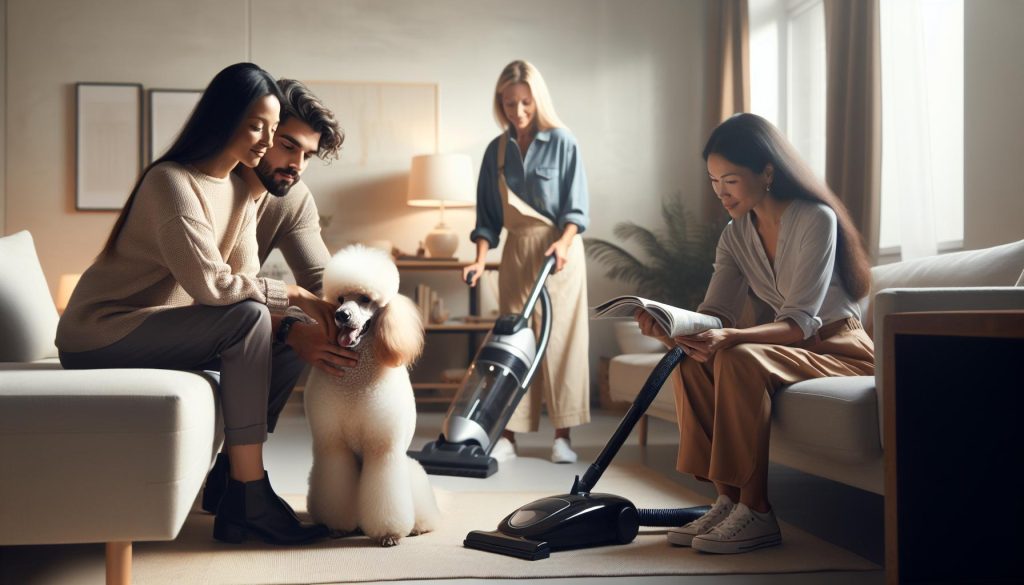
Did you know that many people consider Poodles to be hypoallergenic, making them a popular choice for dog lovers with allergies? However, the truth about dander production in Poodles is crucial for allergy sufferers who yearn for a furry companion. Understanding whether Poodles truly have dander and how to manage allergens effectively can help you make informed decisions about pet ownership. In this article, we’ll explore the factors contributing to dander in Poodles, provide tips for minimizing allergens in your home, and discuss what new and experienced dog owners can do to foster a healthy, happy environment for both themselves and their beloved pets. Join us as we delve into the fascinating world of Poodles and their allergen management!
Understanding Dander and Allergens in Poodles
Poodles are often celebrated for their hypoallergenic qualities, which many prospective dog owners find appealing. However, understanding the nuances of dander and allergens in Poodles requires a closer look at what these terms really mean. Dander, which consists of tiny skin flakes, is a byproduct of living with pets, and while Poodles may produce less of it compared to some other breeds, they are not entirely free of allergens. It’s essential to recognize that factors like grooming, environment, and individual sensitivity can dramatically affect how allergens are experienced in a household.
Poodles possess a unique curly coat that helps trap dander, preventing it from spreading throughout your home. This intrinsic feature can be beneficial for allergy sufferers, as it reduces the amount of dander released into the air. However, it’s crucial to maintain a consistent grooming routine to keep their coat healthy and minimize allergen buildup. Regular bathing and brushing can significantly reduce the amount of loose hair and skin flakes, leading to a healthier home environment. A well-groomed Poodle not only looks good but also contributes to a cleaner living space.
It’s important to note that while Poodles often cause fewer allergic reactions, this is not universal. Each person’s sensitivity can vary greatly. Factors such as living conditions, personal health histories, and preventive measures all play critical roles. A family with allergies may find success with Poodles by implementing strategies such as air purifiers, regular cleaning schedules, and setting boundaries for pet access to reduce dander exposure. By being proactive, Poodle owners can truly enjoy the companionship of their furry friends while managing allergens effectively.
How Poodles Compare to Other Breeds for Allergens
When it comes to allergens, Poodles stand out among dog breeds due to their unique coat and overall biology. Often labeled as “hypoallergenic,” Poodles do tend to produce fewer allergens than many other breeds. Their curly fur traps dander and other allergens close to their bodies, which can help minimize the spread of these particles into the environment. However, it’s critical to remember that while they’re a popular choice for allergy sufferers, not everyone will find them entirely suitable.
In contrast to breeds that shed more frequently, like Golden Retrievers or German Shepherds, which release hair and dander into the air, Poodles maintain a relatively clean indoor presence with proper grooming. Regular grooming-the act of brushing and bathing-reduces loose fur and skin flakes that can trigger allergies. By sticking to a consistent grooming schedule, owners can help keep their environment cleaner and more manageable for those with sensitivities.
However, it’s worth noting that some breeds marketed as hypoallergenic, such as the Bichon Frise or Maltese, may still pose issues for certain individuals. Each person’s allergic response can vary depending on unique sensitivities and exposure levels. For those considering bringing a Poodle into their home, it’s a good idea to spend time with the breed beforehand to gauge any potential allergic reactions. This hands-on experience can help prospective owners make informed decisions that accommodate their health while enjoying the joys of dog companionship.
To effectively compare breeds in terms of allergen production, consider creating a reference table showing dander production levels and shedding characteristics. Here’s a simple layout:
| Breed | Hypoallergenic | Shedding Level | Dander Production |
|---|---|---|---|
| Poodle | Yes | Low | Low to Moderate |
| Golden Retriever | No | High | High |
| Bichon Frise | Yes | Low | Low |
| German Shepherd | No | Very High | High |
Understanding these distinctions can guide potential Poodle owners in making choices that align with their health needs and lifestyle while allowing them to enjoy the affectionate nature of these beloved dogs.
Identifying Poodle Dander: Symptoms and Signs
Poodles are renowned not just for their intelligence and charm but also for being among the dog breeds often described as “hypoallergenic.” However, that doesn’t mean they don’t produce any allergens. Understanding the symptoms and signs of Poodle dander is essential, especially for those with allergic sensitivities. The subtleties can be vital in managing allergies effectively and ensuring a harmonious relationship between your Poodle and your household.
Common signs that dander may be affecting you include respiratory issues like sneezing, coughing, or a runny nose. You might also experience skin reactions such as itching or rashes, particularly after closely interacting with your Poodle. Although Poodles produce less dander than many breeds, their curly coat can still trap allergens close to their skin, making it important to manage not only the dander but also the additional allergens that could accumulate. Keeping an eye out for these symptoms can help you identify and address potential allergy triggers early.
If you’re unsure if your symptoms are a reaction to your Poodle or other environmental factors, consider implementing a few strategies to pinpoint the source. Start by reducing exposure: designate pet-free zones within your home, especially in bedrooms. You might also try limiting cuddle sessions initially or using hypoallergenic bedding for both yourself and your Poodle. Furthermore, consult with a healthcare provider to discuss your symptoms and possibly undergo allergy testing for clarity.
Understanding how dander interacts with personal health is a journey. Many Poodle owners have noticed that frequent grooming can help minimize dander and keep the environment cleaner. Regular baths and brushing help remove dead skin and loose fur, preventing the buildup of allergens in your home. By combining awareness of symptoms with proactive management, you can enjoy all the joy and companionship a Poodle brings while addressing allergy concerns effectively.
Diet and Its Impact on Allergen Levels in Poodles
Diet plays a vital role in the overall health of Poodles, particularly when it comes to minimizing allergens and dander in your home. A well-balanced diet can influence a Poodle’s skin condition, which is crucial since healthier skin tends to produce less dander. It’s fascinating to note that a dog’s diet can significantly affect the natural oil balance in their skin, which in turn impacts shedding and dander production. For example, diets rich in omega-3 and omega-6 fatty acids are known to enhance skin health, resulting in a shinier coat and fewer skin irritations that could exacerbate allergen release.
Choosing high-quality dog food that includes natural ingredients can make a big difference. Look for proteins that are easy to digest and hypoallergenic, such as duck, fish, or lamb, especially if your Poodle has shown sensitivity to common allergens like chicken or beef. Additionally, incorporating whole grains and vegetables into your dog’s diet can promote overall health and potentially limit allergic reactions. You may also consider consulting with a vet about specialized diets aimed at reducing allergens or supplements that may specifically support skin health and reduce dander.
Regular monitoring of your Poodle’s food intake can help identify any dietary triggers for allergens. Keeping a food diary that records what your dog eats along with their skin condition and dander production can reveal patterns and guide you toward the best dietary choices. Experimenting with different formulas while ensuring transitions are gradual will help prevent digestive upset and allow you to observe what suits your Poodle best.
Furthermore, maintaining a consistent feeding schedule with appropriate portion sizes not only ensures a balanced diet but also aids in reducing dander. Overweight Poodles may experience additional skin issues, which can lead to increased dander production. So, striving for an ideal body condition through proper diet is beneficial both for your Poodle’s health and for reducing any allergy-related risks in your home environment. By being mindful of what you feed your Poodle, you can contribute to a happier, healthier pup while managing allergens effectively.
Grooming Tips to Reduce Poodle Dander
To keep your Poodle looking fabulous and to help manage dander, regular grooming is essential. Not only does grooming ensure your Poodle’s coat remains healthy and beautiful, but it also plays a pivotal role in reducing allergens in your home. Poodles are known for their curly fur, which traps dander and loose hair, making it critical to establish a consistent grooming routine.
Start by brushing your Poodle at least a few times a week, but daily brushing is preferred. This will help remove loose hair and dander before it has a chance to spread throughout your home. Use a slicker brush or a pin brush suited for curly coats to thoroughly comb through the fur, reaching the skin without causing discomfort. Be gentle, as Poodles can have sensitive skin, and consider using a grooming spray that can help reduce static and tangles, making the process more manageable.
Bathing your Poodle regularly-typically every 4 to 6 weeks-can also significantly impact dander levels. Use a mild, hypoallergenic dog shampoo designed for sensitive skin to minimize irritation. This helps keep your dog’s skin and coat healthy, as healthier skin produces less dander. In between baths, you might opt for waterless grooming formulas or wipes to freshen up your Poodle without over-drying their skin.
Another tip is to pay attention to your Poodle’s ear and eye care. Regularly cleaning their ears and wiping around their eyes not only promotes good hygiene but can also prevent allergens from accumulating in these areas. This is especially important for Poodles, given their propensity for ear infections; clean, dry ears contribute to overall health and minimize allergen presence.
Lastly, consider implementing a grooming station in your home. Having a designated area for grooming can help contain dander and loose fur, making clean-up easier. Invest in a high-quality vacuum with a HEPA filter to frequently clean your home, focusing on areas where your Poodle spends the most time. By staying on top of grooming, you can enjoy a healthier environment for both you and your furry companion.
Home Environment Modifications for Allergy Relief
Creating a harmonious home environment when living with a Poodle-and managing its dander-can significantly enhance your quality of life. Poodles have a unique coat that helps contain dander and hair, but it’s essential to be proactive about managing allergens. Implementing strategic modifications in your home not only makes it more comfortable for allergy sufferers but also promotes a cleaner environment for both you and your furry friend.
Start by establishing designated dog-free zones within your home. Bedrooms are especially crucial, as they can serve as a sanctuary for allergy sufferers. Consider using doorways or baby gates to restrict your Poodle’s access to these areas. Additionally, invest in hypoallergenic bedding and air purifiers equipped with HEPA filters. These devices can trap airborne allergens and help keep the air in your home fresh. Place an air purifier close to your Poodle’s resting area to minimize any dander accumulation nearby.
In tandem with creating dog-free zones, the choice of flooring can also impact allergy levels. If possible, replace carpets with hardwood or tile flooring, which is easier to clean and less likely to trap dander and hair. Regularly vacuum with a high-efficiency particulate air (HEPA) vacuum cleaner designed to capture fine pet dander and other allergens. For added protection, consider washable rugs that can be easily laundered, keeping potential allergens at bay.
To maintain a cleaner environment, establish a consistent cleaning routine. Dust surfaces regularly with a damp cloth to capture rather than disperse allergens into the air. Don’t forget areas that are often overlooked, such as under furniture and inside closets where hair can collect. If you have upholstered furniture, opt for slipcovers that can be washed frequently. Keeping your home clean doesn’t just reduce allergens; it also creates a healthier space for everyone.
Finally, embrace a proactive mindset. Teaching your Poodle specific commands, such as “off” for furniture and “go to your bed” to encourage them to stay in their designated area, can help manage where dander accumulates. Remember, it’s about finding a dynamic balance that works for both your Poodle and any allergy sufferers in the household. With these thoughtful modifications and daily practices, you can enjoy a cozy home filled with love, companionship, and significantly fewer allergens.
Allergen Management Strategies for Poodle Owners
Managing allergens when living with a Poodle can seem daunting, but there are several effective strategies that can make a significant difference. First and foremost, creating a consistent routine for grooming is essential. Regular grooming not only helps reduce dander but also keeps your Poodle’s coat healthy and shiny. Aim for at least once a week to brush your dog thoroughly, using tools designed for Poodles’ unique coat types. Tools like slicker brushes or combs can effectively catch loose hair and dander before they spread around your home.
Another key aspect of allergen management involves dietary choices. Some owners have found that specific diets can significantly affect their dog’s skin health and dander production. Including omega-3 fatty acids found in fish oil or flaxseed oil in your Poodle’s diet can promote a healthy coat and reduce shedding. Consulting with your veterinarian can help you tailor a diet that not only meets your Poodle’s nutritional needs but also minimizes allergens.
In addition to dietary modifications, establishing consistent cleaning habits can dramatically reduce allergens. Make it a practice to wash your Poodle’s bedding, toys, and any fabric that they frequently come in contact with at least once a week. Regular vacuuming with a HEPA filter vacuum cleaner is crucial as well, ideally performed several times a week, especially in areas where your Poodle spends the most time.
Lastly, being mindful of shared spaces is vital. Encourage your Poodle to stay in designated areas of the house, perhaps using training commands for specific zones that are less frequented by allergy sufferers. During playtime, setting boundaries can help contain reactions by minimizing your Poodle’s dander exposure in living spaces. By adopting these management strategies, you can enjoy the loving companionship of your Poodle while easing the concerns associated with allergies, creating a happy home for both you and your furry friend.
Effective Cleaning Practices for Allergen Control
Implementing effective cleaning practices is essential for managing allergens in a Poodle-friendly home. Poodles, though considered hypoallergenic, can still produce dander and hair that may trigger allergic reactions in sensitive individuals. A proactive cleaning routine can significantly reduce allergen levels and make your home a healthier, more comfortable space for everyone.
Start with a thorough weekly cleaning schedule, focusing on areas where your Poodle spends the most time. Regular vacuuming is crucial, and using a vacuum equipped with a HEPA filter can trap smaller particles and allergens that traditional vacuums might miss. For surfaces that the vacuum can’t reach, such as upholstery or drapes, consider using a lint roller or a specialized pet hair removal tool to capture stray hairs and dander.
In addition to vacuuming, it’s important to wash items like your Poodle’s bedding, toys, and any fabric surfaces regularly. Aim to clean these items every week. Use hot water for washing, as it can help eliminate allergens more effectively. For toys, ensure they are safe for machine washing or opt for hand washing with mild detergent to keep them clean and allergen-free.
Lastly, create a designated space for your Poodle, minimizing dander spread throughout your home. Train your Poodle to stay in specific areas, especially when allergy sufferers are around. Utilizing washable throw blankets on furniture and keeping a close eye on where your Poodle naps can help contain allergen exposure. By sticking to these cleaning practices, you’ll not only support your own health but also provide a consistent, safe environment for your furry companion.
Poodle Health Considerations in Relation to Allergens
While Poodles are often labeled as hypoallergenic dogs, it’s important to understand that they can still produce allergens that might affect sensitive individuals. The key to managing these allergens lies not only in recognizing the unique characteristics of Poodle dander but also in understanding how various health factors can influence allergen production and management.
One notable aspect of Poodle health relevant to allergens is skin condition. Poodles can be prone to skin issues, such as allergies or irritations caused by environmental factors, which might lead to increased dander production. Maintaining a healthy diet rich in omega fatty acids can help support skin health and reduce dander. Additionally, regular veterinary check-ups can catch potential skin problems early on, allowing for timely intervention and minimizing allergen generation.
Routine Care and Regular Grooming
Another crucial factor is the role of grooming in reducing allergens. Regular grooming not only helps prevent matting and keeps your Poodle looking their best but also minimizes loose hair and dander that may circulate in your home. This includes brushing your Poodle’s coat several times a week and scheduling professional grooming sessions at least every six to eight weeks. Not only does grooming help manage allergens, but it also fosters a strong bond between you and your furry friend.
Monitoring Overall Health
Keep an eye on your Poodle’s general health, as underlying medical issues can lead to increased sensitivity or allergen release. Conditions like hypothyroidism or autoimmune disorders can impact skin health and exacerbate dander production. Being proactive-by observing your dog for signs of skin irritations, changes in energy levels, or any unusual behaviors-will help you address health issues promptly, ultimately reducing allergen exposure both for your Poodle and household members.
By prioritizing your Poodle’s health and grooming, you can effectively manage allergen levels and create a comfortable living environment for both your canine companion and your family.
When to Consult a Veterinarian About Allergies
It can be concerning to see your beloved Poodle suffering from what seems like allergies. Understanding when to consult a veterinarian can make a significant difference in ensuring your furry friend remains comfortable and healthy. Allergic reactions can manifest in various ways, and prompt action can lead to effective management strategies, alleviating your Poodle’s discomfort while reducing allergen production.
Look out for consistent signs that might suggest your Poodle is struggling with allergens. If you notice excessive scratching, licking, or biting at their skin, it could indicate allergies that need professional attention. Similarly, if you observe red, inflamed skin or sores, it’s essential to seek veterinary help. Other symptoms such as recurrent ear infections, runny eyes, or respiratory issues-like sneezing or coughing-should also prompt a vet visit. Early intervention can help address potential allergies before they escalate into more severe health issues.
Keeping a detailed record of your Poodle’s symptoms can facilitate an informed discussion with your veterinarian. For example, note any particular times when symptoms worsen, specific environments or foods that may correlate with flare-ups, and any changes in grooming products or home settings. This information can be invaluable in diagnosing the source of the allergy and tailoring a management plan tailored to your dog’s needs.
In some cases, your veterinarian may recommend allergy testing to identify specific allergens or suggest a trial elimination diet to rule out food sensitivities. Regular follow-ups may also be necessary to monitor your Poodle’s response to treatment and adjust their care plan accordingly. Remember, the well-being of your Poodle is closely tied to proactive veterinary care, which ultimately helps manage their dander and maintains a harmonious home for everyone involved.
Personal Stories from Poodle Owners on Allergies
Navigating the world of allergies with your Poodle can be an overwhelming experience, but many owners have discovered effective strategies and support systems that make a significant difference. For instance, Sarah, a devoted Poodle mom, shares her journey managing her dog Bella’s allergies: “After noticing Bella constantly itching and developing hot spots, I decided to consult our vet. Together, we developed an elimination diet, which helped identify that she was allergic to certain grains. Since switching to a grain-free kibble, Bella’s symptoms have improved dramatically.” This experience echoes the sentiments of many Poodle owners who have found that diet and veterinary guidance can provide relief.
Another owner, Mark, emphasizes the importance of grooming in controlling his Poodle’s allergens. “I brush my dog, Milo, every day and take him to a professional groomer monthly. Regular grooming not only reduces dander but also keeps his coat healthy.” He notes how essential it is to maintain a clean grooming routine, especially with Poodles, as their curly coats can trap dander and hair. This routine has fewerened his allergy flare-ups, not just for him but for guests who visit. Keeping your Poodle’s coat well-maintained is a simple yet effective strategy for reducing allergens in your home.
Many owners also discuss modifications they’ve made to their living spaces. Jessica found success by installing air purifiers and using hypoallergenic cleaning products. “I was surprised at how much of a difference it made,” she explains. “The air feels cleaner, and my allergies have improved. It’s a great way to create a safe environment for both me and my Poodle, Rufus.” This proactive approach not only helps manage allergens but also creates a comfortable living space for everyone.
Ultimately, the stories of Poodle owners underline a collective theme: community, shared experiences, and practical solutions. Whether it’s making dietary changes, committing to regular grooming, or investing in home modifications, each story serves as a reminder that with the right strategies and support, managing allergies in Poodles is a journey that many have navigated successfully. Remember, you’re not alone in this-there’s a vibrant community here to share advice, experiences, and plenty of love for our Poodles!
Resources and Products for Managing Poodle Allergens
Finding effective resources and products to manage allergens is essential for Poodle owners, especially those dealing with allergies. Poodles, known for their hypoallergenic qualities, can still produce allergens that may affect sensitive individuals. Fortunately, several strategies and products can help reduce allergen levels in your home while keeping your beloved pup comfortable.
Grooming Tools
Regular grooming is a cornerstone of allergen management. Equip yourself with the right tools to keep your Poodle’s coat looking great while minimizing dander. Here are some essentials:
- Pin Brushes: Useful for detangling and removing loose hair.
- De-shedding Tools: Items like rubber grooming gloves can effectively lift loose hair without causing discomfort.
- Shampoo for Sensitive Skin: Opt for hypoallergenic shampoos that minimize skin irritation and dander production.
Investing in a reliable grooming routine not only helps reduce allergens but also strengthens the bond between you and your Poodle.
Cleaning Products
Maintaining a clean environment is crucial for managing allergens effectively. Look for non-toxic, hypoallergenic cleaning products that won’t irritate you or your pet. Consider products like:
- Pet-Safe Air Purifiers: Choose air purifiers equipped with HEPA filters to trap allergens and provide cleaner air.
- Washable Dog Beds: Select materials that are machine washable to easily keep beds free from hair and dander.
- Allergen-Reducing Carpet Cleaners: Use cleaners specifically designed to capture pet dander and related allergens.
These products can significantly improve the air quality in your home.
Dietary Aids
Nutrition plays a vital role in your Poodle’s health and can influence the production of allergens. Consider incorporating:
- Omega Fatty Acid Supplements: These can help promote a healthy coat and reduce itching.
- Limited Ingredient Diets: Food sensitivities might contribute to skin issues, so a diet with limited ingredients can help identify and eliminate allergies.
Consult your veterinarian to select the best dietary options that cater to your Poodle’s unique needs.
All these resources work hand-in-hand to help you create a healthier and more enjoyable environment for you and your Poodle, making allergy management a proactive and manageable part of your journey together.
Faq
Q: Do Poodles produce dander?
A: Yes, Poodles do produce dander, but they are known to have lower allergen levels compared to many other dog breeds. Their curly coats help trap dander and hair, which can reduce its spread in the home. Regular grooming and cleaning can further manage dander.
Q: How can Poodle owners manage allergens at home?
A: To manage allergens effectively, Poodle owners should routinely groom their dogs, use air purifiers, and clean surfaces frequently. Vacuuming with HEPA filters and washing pet bedding regularly also minimize allergen accumulation, creating a healthier environment for allergy sufferers.
Q: Are Poodles hypoallergenic?
A: Poodles are often considered hypoallergenic due to their low-shedding coats, which help trap dander and hair. However, it’s important to note that no breed is entirely free of allergens, so individuals should still assess their reactions before bringing a Poodle home.
Q: What steps can I take if my Poodle triggers allergies?
A: If your Poodle triggers allergies, consider increasing grooming frequency, using specialized hypoallergenic shampoos, and limiting their access to certain areas of the home. Additionally, consulting with a veterinarian can provide tailored solutions such as allergy medications or immunotherapy options.
Q: How often should I groom my Poodle to control dander?
A: Grooming your Poodle at least once a week is advisable to control dander effectively. Regular brushing removes loose hair and dander, while baths every 4-6 weeks with appropriate shampoos can help maintain skin health and reduce allergens in your home.
Q: What are common symptoms of dog allergies related to Poodles?
A: Common symptoms of dog allergies include sneezing, runny nose, itchy eyes, and skin irritation. If you experience these symptoms around your Poodle, it may indicate an allergic reaction. Keeping a log of symptoms can help determine the severity and triggers.
Q: Can diet affect a Poodle’s allergen production?
A: Yes, a Poodle’s diet can influence allergen production. High-quality, hypoallergenic dog foods may help reduce skin issues and inflammation, leading to decreased dander and allergens. Always consult with a veterinarian before changing your Poodle’s diet for allergy concerns.
Q: When should I consult a veterinarian about my Poodle’s allergies?
A: Consult a veterinarian if your Poodle shows signs of persistent allergies, such as excessive itching, skin irritations, or respiratory issues. Early intervention can help manage allergies and improve your dog’s quality of life, as well as your own.
Feel free to explore our article on understanding dander and allergens in Poodles for more detailed insights and management strategies!
In Retrospect
Understanding whether Poodles produce dander is crucial for anyone considering bringing one into their home, especially for allergy sufferers. While Poodles are often labeled as hypoallergenic due to their unique coat structure and lower shedding, they still produce some allergens, making proper management essential. For more in-depth strategies on minimizing allergens, check out our guides on “Poodle Grooming Essentials” and “Creating an Allergy-Friendly Home.”
Now that you’re equipped with knowledge on Poodle dander and allergen management, it’s time to take action! Explore our resources for maintaining a dog-friendly environment that suits your lifestyle while keeping allergies in check. If you have lingering concerns or specific questions, don’t hesitate to leave a comment below or sign up for our newsletter for ongoing tips and updates tailored for dog lovers like you. Remember, every action you take helps pave the way for a happier and healthier relationship with your future furry friend. Happy exploring!