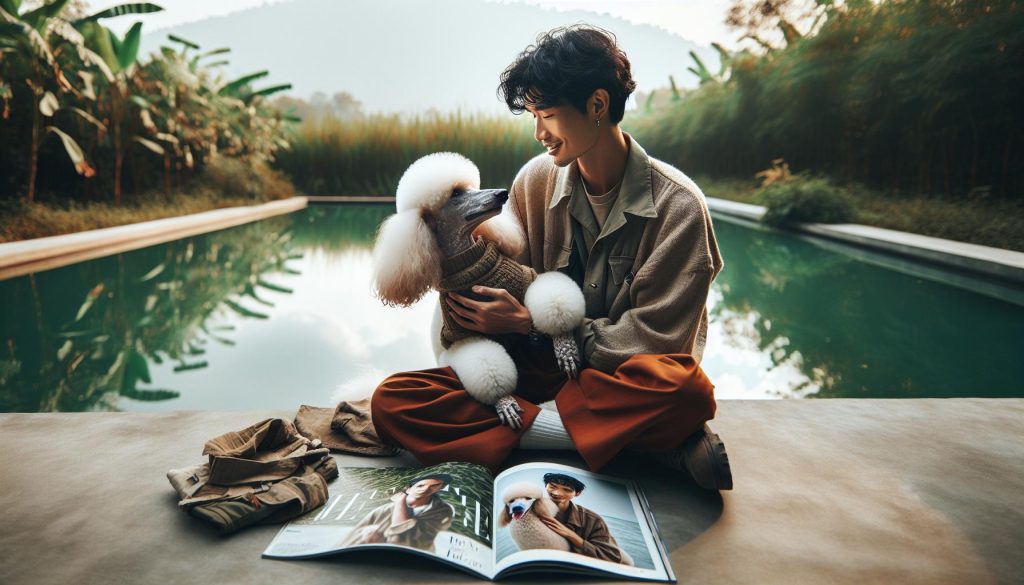
Did you know that Poodles were originally bred as water retrievers? This fascinating fact hints at their natural affinity for swimming and playing in water. Whether you’re a new Poodle owner or have years of experience, understanding your furry friend’s relationship with water is essential for creating enjoyable and safe experiences. While many Poodles possess an instinctive love for water, others might need a gentle introduction to build their confidence. In this article, we’ll explore the reasons behind their swimming abilities, share tips on how to encourage your Poodle to take the plunge, and address common concerns regarding their safety in aquatic environments. Dive in with us as we uncover the joys and responsibilities of engaging your Poodle in water play!
Do Poodles Love Water? Understanding Their Affinity for Swimming

Poodles are renowned for their intelligence and versatility, and when it comes to water, many owners wonder about their affinity for swimming. While poodles were originally bred as water retrievers-helping hunters fetch game from lakes and rivers-they don’t have an inherent love for swimming like some other breeds. Instead, they possess a unique relationship with water, often enjoying the experience of wading and playing in shallow areas more than swimming in deeper waters.
Understanding this breed’s affinity for water involves looking at their historical purpose. Poodles are water dogs at heart, trained over centuries to assist in water retrieval tasks. However, not every poodle takes to swimming naturally. Some may show a natural inclination, enthusiastically splashing around, while others might need a gentle introduction to feel comfortable in the water. Factors influencing their comfort include personality, prior exposure to water, and experiences-such as a positive introduction from a young age.
To foster a love for water, it’s essential to introduce your poodle gradually. Finding shallow, calm waters-like a gently flowing river or a lake with a sandy bottom-can create a safe and enjoyable environment. With patience and positive reinforcement, you can help your poodle build confidence in their swimming abilities. Remember, the goal isn’t just to teach them to swim but to create a joyful association with water activities that can be enjoyed alongside their human companions.
The Natural Swimming Instincts of Poodles
While many dog breeds are born to love the water, Poodles have a unique relationship with aquatic environments that can be both fascinating and complex. Originally bred as water retrievers, they are equipped with natural traits that enhance their swimming abilities. With webbed feet, a strong and athletic build, and a water-resistant coat, Poodles possess attributes that make them more than capable in water. This breed’s history serves as a foundation for why they can thrive in aquatic settings, yet not every Poodle embraces swimming with open enthusiasm.
Some Poodles are instinctive swimmers, eagerly splashing and retrieving toys from water. Others, however, may approach the water with hesitation, preferring to wade through shallows rather than dive into depth. This variation can be attributed to individual personality traits, prior exposure to water, and their training experiences. For instance, a Poodle introduced to water at an early age through gentle and positive reinforcement is more likely to develop a comfort and enjoyment for swimming compared to one without such exposure.
To nurture a positive relationship with water, it’s essential to create favorable experiences in safe, shallow areas. Calm lakes or gently flowing rivers can serve as excellent locations for initial introductions. Engaging in playful activities, like fetching a ball or enjoying a leisurely swim alongside your Poodle, can help enhance their confidence. It’s important to encourage exploration at their own pace, ensuring that they associate water with fun rather than fear. Ultimately, every Poodle can learn to appreciate the water, given the right circumstances and gentle encouragement.
Are Poodles Natural Swimmers or Learn to Swim?

While Poodles are renowned for their affinity for water, their approach to swimming can vary significantly among individuals. Some Poodles inherently showcase a love for the water, splashing joyously as they navigate a pool or lake, while others may adopt a more cautious stance, opting to wade and explore the shallows rather than dive in. This behavioral diversity can often lead to the question: Are Poodles natural swimmers, or do they need to learn how to swim?
Poodles were originally bred as water retrievers, which means many in the breed possess natural swimming instincts. Their physical attributes, such as webbed feet, strong bodies, and a water-resistant coat, contribute to their ability in aquatic environments. This background lays a great foundation for swimming, yet it doesn’t guarantee that every Poodle will take to the water eagerly. Ancestral traits might bestow them with innate abilities, but personality differences and previous experiences play crucial roles in their comfort levels.
Training is essential for fostering enjoyment in water activities. Poodles that are introduced to water early and in a positive manner often develop a greater enthusiasm for swimming. Consider this: a puppy that experiences gentle immersion during warm summer days, coupled with playful activities such as fetching toys, is more likely to become a strong swimmer. Conversely, a Poodle that has had little interaction with water may feel intimidated or hesitant at first.
Here are a few tips to ensure a smooth introduction to swimming:
- Choose Calm Waters: Begin in shallow, calm waters where your Poodle can feel secure.
- Use Positive Reinforcement: Reward them with treats and praises for exploring the water.
- Take it Slow: Allow them to approach the water at their own pace without forcing the experience.
- Involve Play: Engage with them using toys that float to encourage them to swim.
Ultimately, while Poodles possess the potential to be excellent swimmers, a nurturing approach in their water training is vital. With patience and enthusiasm, any Poodle can learn not just to swim but to enjoy it, enriching their lives with fun and exercise that comes from playing in the water.
Factors Influencing a Poodle’s Comfort in Water

Understanding a Poodle’s comfort level in water is crucial for enjoyable swimming experiences. There are several factors that influence this comfort, ranging from early exposure to personal temperament, which can greatly affect how a Poodle interacts with water. For instance, Poodles with prior positives experiences around water tend to be more eager to explore. Conversely, those not introduced safely to aquatic environments may feel apprehensive or even intimidated.
One significant influence is their individual personality. Just like people, dogs have unique temperaments that shape how they react to new situations. A naturally adventurous Poodle may leap into water with glee, whereas a more cautious one might approach it slowly, preferring to test the waters-literally! Additionally, the socialization aspect plays a pivotal role. Poodles that observe other dogs having fun splashing around are often encouraged to join in. Therefore, introducing your Poodle to water alongside a more confident swimming companion can boost their confidence substantially.
The environment where a Poodle interacts with water also matters. Calm, shallow areas provide a sense of security, which can help ease any initial fears. This gradual exposure allows them to build trust and comfort at their own pace. Moreover, factors such as temperature and water conditions-clear vs. murky, warm vs. cold-can also impact their willingness to engage. Poodles react better to inviting, pleasant surroundings; thus, early summer afternoons at a clear lake are often ideal for first-time experiences.
To facilitate a positive experience in water, observing their body language is essential. Signs of excitement, such as wagging tails or playful barking, indicate readiness, while hesitation or tucking tails suggests anxiety. By recognizing these cues, you can adjust the experience to foster a more enjoyable introduction to water. Use a mix of positive reinforcement, gentle encouragement, and fun games to support them in becoming comfortable around water, further enriching their lives with joyful, water-filled activities.
How to Introduce Your Poodle to Water Safely

Introducing your Poodle to water can be an exciting adventure, but it’s essential to approach this experience with care and enthusiasm. Poodles are naturally equipped for swimming, thanks to their webbed feet and athletic build, but not all Poodles will dive right in without a little encouragement. A well-thought-out introduction process can instill confidence and create positive associations that excite your dog about water.
Start with shallow water. Choosing a calm, shallow spot, such as the edge of a lake or a kiddie pool, allows your Poodle to explore at their own pace. Approach slowly and let them investigate the water with their nose. Dogs learn through exploration and a gentle introduction helps establish a sense of security. Create a positive atmosphere by bringing their favorite toys or treats to the water area. This will help them associate the water with fun and rewards, which is key to building their comfort.
Next, consider the company your Poodle keeps. If you have other dogs that are confident and enjoy swimming, bring them along for the introduction. Poodles are social animals, and seeing another dog happily splashing around can encourage them to join in. Additionally, getting in the water with them can provide reassurance; your presence will create a supportive environment. Use a playful tone and encourage them while gradually guiding them into slightly deeper areas as they gain confidence.
Take cues from your dog’s body language. A wagging tail and playful barking are signs they’re ready to engage, while hesitation or tucking of the tail may suggest apprehension. If your Poodle appears anxious, don’t force them to go in; instead, offer positive reinforcement and try again later. Patience is critical! Use positive reinforcement techniques like treats and praise to reward any brave efforts. Remember to establish a routine where water sessions are fun; this fosters a lifelong enjoyment of water activities.
As always, safety is paramount. Always keep an eye on your Poodle to ensure they are safe and comfortable in the water. Here’s a quick checklist to help guide your introduction:
- Start in shallow, calm water.
- Use toys and treats to create positive associations.
- Introduce a confident swimming companion.
- Be in the water with them to provide reassurance.
- Pay attention to their body language for signs of comfort or distress.
- Use positive reinforcement to encourage exploration.
By following these steps, you’ll help your Poodle build confidence in the water, setting the stage for many joyful and refreshing swimming experiences in the future!
Training Tips for Poodles to Enjoy Water Activities
The journey to instilling a love for water activities in your Poodle can be incredibly rewarding and fun! Poodles often have a natural affinity for water, but some may require a little guidance to fully embrace this element. Start by making water a positive experience-this can be achieved through playful interaction and rewards. When introducing your Poodle to water, aim for an engaging and exciting session where they can explore and play, rather than just swim.
One effective method is to use fun toys that float, which can spark your Poodle’s curiosity and encourage them to venture into the water. Fetch games can be particularly enticing; throw the toy into shallow water to coax your Poodle in. If your dog retrieves it enthusiastically, you’re on the right track! Incorporating treats can also emphasize good behavior and bolster their confidence. Don’t hesitate to jump in the water yourself-your enthusiasm will be contagious!
Moreover, schedule regular, playful sessions in the water. Consistency helps build familiarity and comfort. Allow your Poodle to choose how deep to go, gradually increasing depth as their confidence grows. Recognizing their body language is essential; if they show signs of discomfort, such as hesitating or backing away, slow down the pace and reassure them that it’s okay.
Lastly, consider introducing your Poodle to other water-loving dogs. Social interactions can significantly impact a Poodle’s willingness to engage in water play. Watching a fellow canine enjoy swimming can alleviate any anxiety your dog may feel. By ensuring these experiences are positive and engaging, you’re setting the stage for a lifelong enjoyment of water activities that contributes to both their physical health and overall happiness. Remember, patience and praise are your best tools in this training adventure!
Comparing Poodles to Other Breeds: Who Swims Best?
When it comes to swimming prowess, Poodles possess unique attributes that can set them apart from many other breeds. Known historically as water retrievers, they are equipped with webbed feet, a water-resistant coat, and a naturally athletic build that all contribute to their capacity to enjoy water activities. However, how do they stack up against other popular swimming breeds such as Labradors and Golden Retrievers?
While Poodles certainly have the physical traits suitable for swimming, temperament and training play significant roles in their aquatic affection. Labradors and Golden Retrievers are often viewed as the quintessential swimmers, having been bred specifically for fetching game from water. Their enthusiastic love for water is often unmistakable; they can leap into lakes and rivers without hesitation. In comparison, Poodles may require an initial introduction to water that fosters confidence and enjoyment. This does not mean Poodles cannot excel in swimming; with proper training and positive reinforcement, many Poodles can become proficient swimmers, sometimes surprising their owners with their natural abilities.
Additionally, individual personality types within each breed can greatly influence a dog’s willingness to swim. Some Poodles may take to water quickly, exhibiting joy and playfulness similar to that of a Labrador, while others might be more tentative, needing encouragement. It’s essential to consider that Poodles are intelligent and can be trained effectively, allowing for tailored approaches to introduce them to swimming.
To leverage this comparison, here’s a quick look at the swimming attributes of these breeds:
| Breed | Swimming Ability | Common Traits | Training Needs |
|---|---|---|---|
| Poodle | Above average, varies by individual | Intelligent, athletic, requires gradual introduction | Moderate, based on comfort level |
| Labrador Retriever | Excellent | Very enthusiastic, natural swimmers | Low, generally love water |
| Golden Retriever | Excellent | Playful, eager to retrieve from water | Low, instinctively enjoys swimming |
In essence, while Poodles may not always leap into water with the same abandon as some other breeds, their ability to learn and flourish in aquatic environments can be nurtured with time and patience. Through a combination of understanding each dog’s personality, leveraging their natural instincts, and employing effective training techniques, Poodle owners can cultivate a love for swimming that rivals even the most enthusiastic water dogs.
Common Concerns: Water and Poodle Care
Being around water can be a source of joy for many Poodles, yet it’s vital to address the common concerns that arise when introducing them to aquatic environments. While Poodles are generally good swimmers, their comfort and safety in water can be influenced by various factors. Most importantly, every dog is unique, and understanding their individual temperament and experiences is crucial for ensuring a positive and safe swimming experience.
First and foremost, one of the primary concerns is exposure to water at an early age. Just like human children, Poodles that are gradually introduced to water tend to develop a healthier, more confident relationship with it. Consider starting with shallow areas or gentle streams. Gradually deepen their experience by introducing them to swimming pools or calm lakes. It’s essential to monitor their reactions carefully; a hesitant Poodle may benefit from encouragement and slowly getting used to the water while having a positive reinforcement strategy in place. For instance, using treats or toys can provide motivation and reward them for brave behavior.
Furthermore, it’s important to emphasize water safety for Poodles. Supervision at all times is non-negotiable. Many dogs, including Poodles, can misjudge their abilities, which can lead to panic or exhaustion. Always ensure your dog wears a well-fitted life jacket if you are venturing into deeper waters, especially if they are less confident swimmers. After swimming, it’s also crucial to thoroughly dry your Poodle’s ears and coat to prevent moisture buildup, which can lead to ear infections. Keeping an eye on their general health, including hydration and energy levels after swimming, is essential to preventing exhaustion or overheating.
For some Poodles, contact with unfamiliar water sources might lead to discomfort – whether due to temperature or water quality. If you’re considering new swimming spots, always ensure the water is clean and safe for your dog. Freshwater lakes, for example, can sometimes harbor harmful algae blooms, while pools may contain chemicals that can irritate their skin. By being proactive about assessing the swimming environment and your Poodle’s well-being, you can help ensure that water-related activities remain a fun and healthy part of your furry friend’s life.
The Benefits of Swimming for Poodles: Health and Happiness
Swimming is not just a fun activity for Poodles; it comes with a host of health benefits that contribute to their overall happiness and well-being. Engaging in water activities can provide both physical exercise and mental stimulation, helping to keep your Poodle fit and happy. Moreover, their natural swimming instincts, which stem from their historical role as water retrievers, enhance their enjoyment and capability in the water.
One of the primary benefits of swimming is the low-impact exercise it offers. Swimming is gentle on the joints, making it an ideal form of exercise for Poodles of all ages, especially those with joint issues or arthritis. It allows them to build muscle strength and endurance without the harsh rigors of land-based exercise, such as running on pavement. This is particularly beneficial for older Poodles or those recovering from injuries. Regular swimming sessions help maintain a healthy weight, which is crucial for the overall health of the breed.
In addition to physical benefits, swimming is a fantastic way to stimulate your Poodle’s mind and reduce anxiety. Many dogs, including Poodles, can experience stress and boredom, particularly when stuck indoors for long periods. Water activities can help alleviate these feelings by providing a new environment to explore and engage with. The sensory experiences of splashing in water and chasing after toys can stimulate their natural instincts and lead to greater happiness.
To maximize these benefits, consider creating a routine that incorporates swimming into your Poodle’s weekly activities. Here are some suggestions:
- Variety is Key: Explore different swimming locations such as pools, lakes, or beaches to keep your Poodle excited and mentally engaged.
- Structured Play: Introduce games like fetch in the water to incorporate fun and physical exercise.
- Social Interactions: Organizing playdates with other dogs can enhance social skills and reduce anxiety.
Always remember, though, that water safety is paramount. Supervise your Poodle during all water activities and consider investing in a life jacket for additional security, especially in unfamiliar or deep water. Prioritize their health by ensuring they are adequately rinsed after swimming to prevent skin irritation and ear infections. With these care practices, swimming can be a rewarding and joyful experience for both you and your Poodle, fostering a deeper bond and a happier, healthier life together.
Engaging Water Activities for Poodles: Fun Ideas to Try
One of the most delightful aspects of owning a Poodle is discovering how naturally they embrace water. Their playful and energetic nature makes them perfect companions for a variety of water-related activities. Poodles not only have the physical capabilities for swimming-thanks to their webbed feet and water-resistant coats-but they also have an insatiable curiosity that can be sparked with engaging water games. Here are some fantastic activities that can help both you and your Poodle enjoy the water while ensuring they remain excited and stimulated.
Start with a classic game of fetch but with a watery twist! Toss a floating toy or ball into the pool, lake, or ocean and watch your Poodle spring into action. This game not only reinforces their retrieval instincts-something Poodles were bred for-but also encourages them to swim. To enhance the fun, you can use brightly colored toys that are easy to see against the water backdrop.
Organizing a “swim party” can make a splash with your Poodle and their furry friends. Invite other dog owners over to enjoy a day of swimming, splashing, and socializing. This not only helps your Poodle develop his social skills but also allows them to mimic the behavior of other water-loving dogs, boosting their confidence in the water. Make sure to capture some moments of their joyful interactions; you’ll cherish these memories for years to come!
If your Poodle enjoys a challenge, try introducing them to paddleboarding or kayaking! Many Poodles take to these activities exceptionally well, as they love the idea of accompanying you on adventures. Start slowly by letting your Poodle get familiar with the paddleboard or kayak on dry land before taking it to the water. Make it a rewarding experience by bringing their favorite treats or toys along for the ride, ensuring they associate the activity with fun and safety.
Finally, consider teaching your Poodle some fun tricks that they can do in the water, such as jumping through hoops or diving for toys at the bottom of the pool. Training them in a positive, encouraging environment can improve their swimming skills and keep their minds sharp. Just remember to keep the sessions short and enjoyable, allowing them time to relax and play freely in between.
Incorporating these engaging water activities into your Poodle’s routine can help deepen your bond while promoting a healthy and active lifestyle. Remember always to prioritize safety while playing in the water-supervise your Poodle and have them rinse off after swimming to avoid any skin irritations. With a little creativity and enthusiasm, you’ll be able to make water time a highlight of your Poodle’s life!
Understanding the Risks: Water Safety for Poodles
Ensuring your Poodle’s safety around water is crucial for fostering a joyful water-loving experience. While many Poodles exhibit a natural affinity for swimming, it’s essential to remember that not all dogs are equally skilled swimmers, and even the most confident canary in the water can encounter challenges. Awareness of potential risks makes for safer outings, enhancing your Poodle’s enjoyment both in and around water.
When venturing into swimming spaces, always inspect the environment first. Look for hazards like strong currents, slippery rocks, or sudden drop-offs. Poodles can be curious explorers, so it’s vital to establish clear boundaries and ensure they stay away from precarious areas. It’s also wise to start your Poodle’s swimming experience in shallow waters, allowing them to acclimate gradually and gain confidence without the risk of distress.
Additionally, despite their webbed feet and water-resistant coats, not all Poodles are natural swimmers. Individual temperaments and experiences can greatly affect their comfort level in the water. Some might require extra encouragement or may even benefit from a life jacket during initial forays into deeper areas. Always supervise your Poodle during water activities, as their excitement might lead them to venture further than intended.
Care for your Poodle post-swim is just as important. Rinse off with fresh water to remove chlorine or salt, particularly if swimming in a pool or ocean, which can irritate their skin. Inspect their ears for moisture, as Poodles are prone to ear infections. Drying their ears and ensuring they aren’t overly wet can prevent common health issues. By following these safety practices, you not only protect your Poodle but also cultivate an enriching environment for play and exploration in the wonderful world of water.
Faq
Q: Do all Poodles like water equally?
A: No, not all Poodles have the same affinity for water. While some may enjoy swimming, others might prefer wading or be hesitant to enter the water. Individual personalities and prior experiences significantly influence their comfort levels around water.
Q: How can I tell if my Poodle enjoys swimming?
A: You can gauge your Poodle’s enjoyment by observing their behavior around water. Signs of enjoyment include eagerness to enter, playful splashing, and retrieving toys. If they seem hesitant or anxious, they may need a more gentle introduction to help them feel comfortable.
Q: What are the best types of water for Poodles to swim?
A: Shallow lakes or slow-moving rivers with calm waters are ideal for Poodles. These environments allow them to feel secure while exploring and learning to swim. Avoid turbulent waters or deep pools that could intimidate them.
Q: Can Poodles learn to love water if they are hesitant?
A: Yes, Poodles can learn to appreciate water with positive reinforcement and gradual exposure. Start with shallow areas where they can wade and gradually introduce them to deeper waters, always ensuring they feel safe and secure.
Q: Are there specific swimming techniques Poodles should learn?
A: Poodles may not naturally know how to swim, so teaching them basic techniques like floating and paddling is beneficial. Use gentle encouragement, toys, and positive reinforcement to help them develop confidence in the water.
Q: How does swimming benefit Poodles physically and mentally?
A: Swimming provides excellent exercise, improving cardiovascular health, muscle strength, and joint flexibility. Mentally, it offers stimulation and an opportunity for bonding with their owner, keeping them happy and engaged.
Q: What safety precautions should I take when my Poodle swims?
A: Always supervise your Poodle while swimming, ensure they have a life vest if needed, and teach them to exit the water safely. Additionally, be cautious of strong currents or harmful water conditions to maintain their safety.
Q: How do Poodles compare to other breeds in swimming ability?
A: While Poodles are adept swimmers due to their water retriever heritage, other breeds like Labrador Retrievers or Golden Retrievers may generally have a stronger instinct for swimming. Each dog, however, has its own preferences and abilities.
For further guidance on introducing your Poodle to water and enhancing their swimming experience, check out our sections on training tips and water safety measures!
Insights and Conclusions
If you’re wondering whether your poodle will love splashing in the water, the answer is likely a resounding yes! From their natural swimming instincts to the joy they express while paddling, poodles truly thrive in aquatic environments. To further enhance your poodle’s swimming experience, check out our guide on introducing your dog to the pool safely or peruse our tips on water play to keep them engaged and happy.
Ready to explore more about your furry friend? Don’t forget to sign up for our newsletter for the latest tips and resources on poodle care, and consider browsing our selection of poodle-friendly products to enrich their life. Share your poodle’s water adventures in the comments below; we’d love to hear your stories! Dive into the world of poodles and water-you won’t regret it!