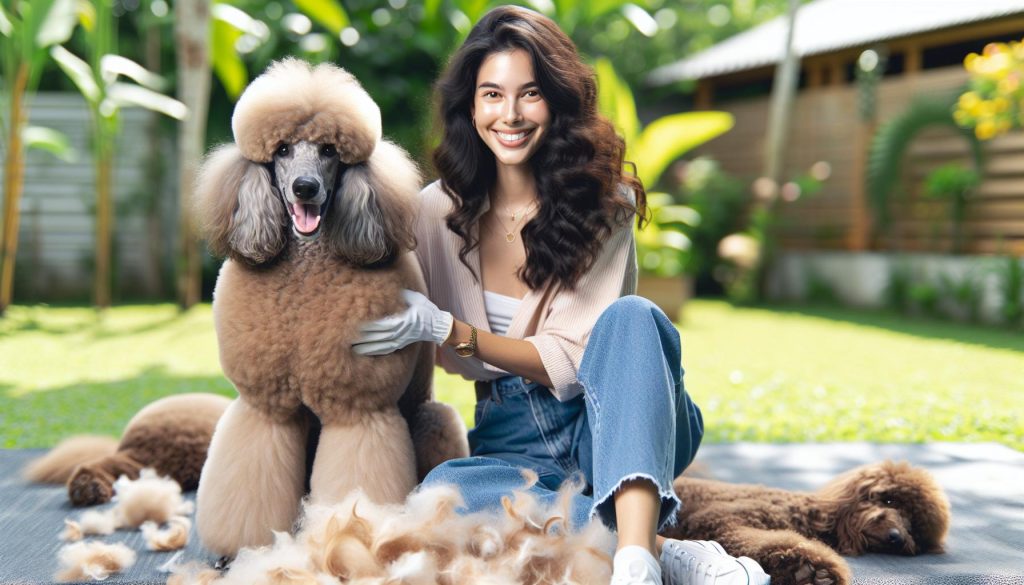
Did you know that Poodles are often praised for their hypoallergenic coats? This trait makes them a popular choice for families concerned about allergies or excess shedding. However, understanding how Poodles shed-whether they have hair or fur-can significantly impact your grooming routine and home cleanliness. Many potential owners wonder if Poodles truly shed a lot or if their unique coat requires special care. In this article, we’ll explore the shedding characteristics of Poodles, comparing them to other breeds and providing valuable insights into grooming practices. Whether you’re a new dog owner or an experienced handler, this guide will help you navigate the joys and responsibilities of living with a Poodle, so keep reading to learn more about keeping your home fur-free while pampering your pup!
Do Poodles Shed Hair or Fur: Understanding the Difference
When considering bringing a Poodle into your home, understanding their shedding characteristics is crucial. Unlike many dog breeds, Poodles are known for their unique coat, which is often described as hair rather than fur. This distinction is important because it affects how they shed. Poodles possess a curly coat that traps loose hair rather than allowing it to fall freely, reducing the amount of visible fur around your home. While they do shed, it tends to be minimal compared to other breeds, making them a popular choice for allergy sufferers and those who prefer a cleaner living space.
This hair that Poodles shed consists of the same protein structure as human hair, which contributes to their lower shedding rate. While they do experience a shedding cycle, it is less pronounced than in dog breeds with fur. Instead of seasonal shedding, Poodles may lose hair throughout the year, but it’s often so subtly that it goes unnoticed. Regular grooming helps manage this process, allowing for the removal of loose hair before it can accumulate in your home.
For new and experienced dog owners alike, understanding this shedding dynamic enables you to better prepare for life with a Poodle. Engaging in frequent brushing not only aids in managing shed hair but also keeps their coat healthy and reduces matting, which is particularly important given the Poodle’s manageable but high-maintenance grooming needs. By recognizing the differences in how Poodles shed, you can effectively create a harmonious living environment that accommodates both your preferences and your dog’s well-being.
What Causes Shedding in Poodles?
Poodles are a breed celebrated for their intelligence and elegance, but what many prospective owners might not realize is the nuanced nature of their shedding. Unlike many other breeds, Poodles shed less because they have a unique coat structure. Their hair, much like human hair, is designed to be less prone to shedding. When considering what causes shedding in Poodles, several factors play a role, including genetics, health, and environmental influences.
First and foremost, it’s essential to understand that shedding in Poodles can be influenced by their curly coat. The tightly curled hair tends to hold onto loose strands, meaning that while Poodles do lose hair, it often doesn’t end up scattered around your home like in breeds with straight fur. The process of shedding can also be affected by the dog’s overall health. Poor nutrition, allergies, and stress can lead to increased hair loss, so it’s vital to ensure your Poodle receives balanced meals and is maintained in a stable environment.
Another significant factor is the seasonal changes in the environment. While Poodles do shed year-round, many owners may notice that they shed slightly more during specific seasons, particularly during spring and fall when they adapt to temperature changes. Regular grooming is crucial during these periods not only to manage loose hairs but also to promote better coat health. This could involve brushing a few times a week, which not only removes dead hair but stimulates the skin’s natural oils.
Furthermore, keeping an eye on any underlying health issues is essential. Conditions such as skin infections, parasites, or hormonal imbalances can exacerbate shedding. Consulting with a veterinarian can help ensure your Poodle remains in optimal health and can address any shedding concerns that may arise. By staying proactive in their care, you can effectively manage your Poodle’s shedding and enjoy the companionship of this remarkable breed without the worry of excessive fur around your home.
Poodle Coat Types: Curly vs. Straight Explained
The charm of Poodles extends beyond their intelligence and affection; much of their allure lies in their exquisite coat types, which serve as both a functional attribute and a defining characteristic. Understanding the differences between curly and straight hair in Poodles is essential for new owners and potential adopters. Most notably, the curly coat, which is particularly iconic for Poodles, offers significant advantages in terms of shedding and maintenance.
Poodles possess a unique coat structure where the hair grows in tight curls, resembling human hair more than typical dog fur. This curly texture serves an important purpose-it traps loose hairs, which means that even when shedding occurs, you’re less likely to find tufts of fur blowing around your house. This is a key factor that draws many people to the breed, especially those who suffer from allergies or dislike excessive cleaning. Regular grooming is essential to prevent matting and to keep the coat healthy. Owners should commit to brushing at least once a week, with more frequency during shedding seasons to manage any loose hair effectively.
On the other hand, straight-haired Poodles-though less common-have their own unique appeal and require similar grooming attention. The straight coat can be more manageable in terms of dust and debris visibility, allowing owners to see what needs to be cleaned up. However, straight hair is not as efficient at retaining loose strands, which could mean slightly more cleaning in spaces shared with your dog.
When considering Poodle coat types, it’s also important to recognize their influence on a dog’s overall health and comfort. Poodles with curly coats can be more prone to overheating due to the insulation effect of their curls, especially in warmer months. In contrast, a straight coat might provide better air circulation, making temperature regulation easier. Whether you choose a curly or straight-haired Poodle, understanding these features will help you provide the best care and environment for your furry friend, ensuring a happy and harmonious home.
Ultimately, whether your heart belongs to a curly or straight-haired Poodle, both options offer the joy of companionship with minimized shedding-a win-win investment for any dog lover!
The Shedding Cycle: When and How Much?
The unique shedding cycle of Poodles can be quite fascinating and is an important aspect for potential owners to understand. Unlike many dog breeds, Poodles experience a more regulated shedding process primarily due to their distinct coat structure. This shedding is often subtle and less noticeable, making Poodles an appealing choice for those who are concerned about fur on their furniture or clothes.
Poodles typically go through two main shedding phases per year: the spring and fall. During these times, they may shed more noticeably as they transition between their winter and summer coats. In spring, you’ll likely notice more loose hair as your Poodle prepares for warmer weather; similarly, in the fall, they’re shedding their summer coat to make way for a thicker winter coat. However, it’s important to note that this shedding is often minimal compared to other breeds because the curls of their coat trap loose hairs, preventing them from spreading throughout your home.
To effectively manage this cycle, regular grooming is essential. Brushing your Poodle at least once a week is a solid rule of thumb, but during peak shedding seasons, increasing this frequency is beneficial. Consider using a high-quality slicker brush or a grooming rake to help remove loose hairs effectively. Not only does this routine keep your home cleaner, but it also promotes a healthy coat by distributing natural oils and reducing matting.
In addition to grooming, maintaining a balanced diet rich in omega fatty acids can help promote a healthy coat and potentially reduce excessive shedding. If you notice that your Poodle seems to be shedding more than usual, it might be worth consulting a veterinarian to rule out any underlying issues. Providing the right care during their shedding cycle will create a smoother experience for both you and your Poodle, making for a happier home with your furry friend.
How to Manage Shedding: Essential Grooming Tips
Managing the shedding of your Poodle can be both an enjoyable and rewarding part of pet ownership! With their unique coat structure, Poodles have a reputation for shedding less fur than many other breeds, but they still require consistent grooming to keep their curls healthy and to control any loose hairs. Regular grooming is not just about minimizing fur around the house; it also plays a vital role in maintaining your Poodle’s coat and skin health.
To keep shedding manageable, aim to incorporate specific grooming tools into your routine. A high-quality slicker brush is excellent for removing loose hairs and preventing matting. Consider using it at least once a week, and during peak shedding seasons-spring and fall-you may want to brush them every few days. This routine helps to distribute natural oils throughout their coat, making it shinier and healthier. Additionally, a grooming rake can help you reach deeper into the curls to lift out any trapped fur, ensuring you capture as much loose hair as possible.
Nutrition Matters
Just like grooming, proper nutrition influences your Poodle’s coat condition. A diet rich in omega fatty acids, found in fish oils or high-quality dog foods, can significantly improve coat health and potentially reduce shedding. You may also want to consult your veterinarian about incorporating supplements specifically designed for coat health.
Bathing and Beyond
Regular baths using a gentle, moisturizing dog shampoo can also help minimize shedding by keeping your Poodle’s skin hydrated. Aim for a bath every four to six weeks. After washing, ensure to thoroughly dry and brush your Poodle to remove any excess fur that might have come loose during bathing. This not only keeps your home cleaner but greatly supports their skin and overall health.
By establishing a consistent grooming regimen, paying attention to their diet, and maintaining a good bathing routine, you can create a positive environment that enhances your Poodle’s quality of life while keeping your home fur-free. Each brush stroke not only helps manage shedding but also strengthens the bond between you and your furry companion, turning grooming into a delightful shared experience!
Addressing Allergies: Do Poodles Shed Less?
While many dog breeds are notorious for shedding, Poodles stand out with their unique coat, often leading people to believe they shed significantly less. This perception can be particularly appealing to allergy sufferers seeking a furry companion that is easier on their sensitivities. The reality is nuanced, as Poodles do shed, but their hair is commonly trapped in their curly coat, rather than falling out freely into the environment. This characteristic can help reduce the overall amount of fur around the house compared to breeds with more traditional coats, which are prone to more visible shedding.
When considering the link between Poodles and allergies, it’s essential to acknowledge the significance of dander and saliva in allergic reactions. Poodles produce less dander due to their hair being retained in the coat rather than flying around. Thus, their grooming routine-critical for maintaining a healthy coat-also plays a role in limiting allergens. Regularly brushing and bathing your Poodle can significantly reduce the buildup of dander and loose hair, making your home more allergy-friendly. This routine also serves to distribute natural oils throughout their coat, promoting healthier skin and coat, which can further minimize allergic reactions.
Many potential Poodle owners with allergies have found success by adopting them, but it’s crucial to spend time around the breed beforehand to assess individual sensitivity levels. Consulting with a veterinarian about the appropriate care strategies can also provide tailored advice, particularly concerning diet and grooming to support a healthier coat. With the right attention to grooming and health, Poodles can be a wonderful choice for individuals and families managing allergies, providing companionship without excessive shedding burdens.
Comparing Poodles to Other Breeds: Shedding Intensity
While many prospective dog owners are drawn to Poodles for their charming demeanor and intelligence, another significant factor that appeals to them is their unique shedding characteristics. When pitted against other popular breeds, Poodles tend to have different shedding intensity levels due to their distinct curly coat. Unlike short-haired breeds like Labrador Retrievers or Beagles, who shed profusely year-round, Poodles may shed their hair, but often it remains trapped in their curls, minimizing the amount of fur that ends up on your floor or furniture.
Let’s compare Poodles with some common breeds regarding shedding intensity.
| Breed | Shedding Type | Average Shedding Level | Considerations for Allergy Sufferers |
|---|---|---|---|
| Poodle | Hair, trapped in coat | Low | Generally suitable; less dander |
| Labrador Retriever | Fur, seasonal shedding | High | Not recommended; high dander levels |
| Beagle | Fur, consistent shedding | Moderate to High | Not ideal; noticeable dander |
| Bichon Frise | Hair, trapped in coat | Low | Good option; lower allergen production |
| German Shepherd | Fur, heavy shedding | Very High | Not suitable; plentiful dander |
In addition to their unique coat, Poodles also have an advantage when it comes to grooming, which plays a crucial role in managing shedding. Regular grooming not only helps remove trapped hair but also promotes healthy skin and a shiny coat, keeping allergens under control. On the other hand, breeds with softer, denser fur, such as Golden Retrievers, tend to shed continuously, leading to more frequent cleaning and potential allergen exposure. When considering introducing a Poodle to your home, you’ll likely find that, combined with the right grooming routine, their shedding level is manageable and often preferable to breeds with high shedding rates.
Ultimately, while Poodles do shed, their unique coat properties and lower shedding intensity make them a more appealing option for many, especially allergy sufferers. Comparing them to breeds with higher shedding rates not only highlights their advantages but also underscores the importance of proper grooming to ensure a harmonious living environment. Whether you’re a new owner or an experienced handler, understanding these differences can significantly enrich your pet ownership experience, making it more manageable and enjoyable.
Poodle Care Checklist: Minimizing Shedding Efforts
Managing a Poodle’s shedding can feel daunting, but with the right strategies in place, you can significantly minimize the effort required and create a clean, comfortable home for you and your furry friend. Poodles, renowned for their soft, curly coats, don’t shed as much as many other breeds. In fact, their hair tends to stay trapped within their coat, making regular grooming essential to keep both their fur and your living environment tidy.
To effectively manage shedding and maintain your Poodle’s coat, here’s a handy checklist for your care routine:
Essential Grooming Tools
- Slicker Brush: This helps to remove loose hair and prevent matting. Aim to brush your Poodle at least once a week, increasing frequency during shedding periods, which can vary based on the individual dog.
- Undercoat Rake: Particularly beneficial for Poodles with thicker coats, this tool targets the undercoat and helps remove trapped hairs.
- De-shedding Tool: If your Poodle shows signs of heavier shedding, a de-shedding tool can be invaluable.
Bathing and Conditioning
- Regular Baths: Bathe your Poodle every 4-6 weeks using a gentle, hypoallergenic dog shampoo. This not only keeps their coat clean but helps loosen and remove any trapped hair.
- Conditioner: Follow up with a dog-friendly conditioner that can help maintain coat moisture and reduce breakage.
Diet and Health
- Balanced Diet: A healthy diet rich in Omega fatty acids will enhance your Poodle’s coat health. Consider incorporating fish oil supplements after consulting your vet.
- Hydration: Ensure your dog has constant access to fresh water; hydration is crucial for skin and coat health.
Regular Vet Visits
- Monitor your Poodle’s health with regular veterinary check-ups. Sometimes excessive shedding can be a sign of underlying health issues, such as allergies or skin conditions.
Lifestyle Tips
- Create a Cleaning Routine: Minimize hair accumulation by vacuuming regularly and using lint rollers on furniture or clothing.
- Designate Dog-Free Zones: To limit shedding in certain areas of your home, consider keeping your Poodle out of bedrooms or other chosen spaces.
By following this checklist, you can enjoy the affection and companionship of a Poodle without the constant worry of excessive shedding. Keeping a proactive grooming regime and nurturing your dog’s health will not only minimize shedding but also strengthen the bond with your beloved pet, creating a harmonious living environment for you both. With love and care, your Poodle can thrive, making your home feel like a little slice of heaven.
Myth Busting: Common Misconceptions About Poodle Shedding
Many people assume that all dogs shed equally, but this couldn’t be further from the truth-especially when it comes to Poodles. One common myth is that Poodles shed a lot due to their fluffy coats. In reality, they don’t shed fur in the same way that many other breeds do. The distinct curly hair of a Poodle tends to stay trapped within the coat, resulting in significantly less hair being dispersed in your home. This unique trait makes them a popular choice for those with allergies or sensitivities.
Another misconception is that Poodles require no grooming due to their low shedding. While it’s true that they shed less hair, they do need regular grooming to prevent matting and to remove the hair that is trapped in their coat. Owners should invest in essential grooming tools like slicker brushes and undercoat rakes to maintain a healthy coat, keeping the dog comfortable and reducing potential issues. Regular visits to a professional groomer are also a good idea to ensure their coat remains in top condition.
People often believe that because Poodles don’t shed much, they don’t contribute to indoor allergens. However, this isn’t entirely accurate. While Poodles may shed less, they can still produce dander and saliva-two other significant sources of allergens. Regular grooming, bathing, and cleaning can help minimize these allergens in your home.
Lastly, there’s a widespread belief that only Poodles with specific coat types, like the standard variety, have low shedding. In fact, all Poodle sizes-Toy, Miniature, and Standard-share the same shedding characteristics. Regardless of size, they all require similar grooming routines to maintain their coats and keep shedding to a minimum.
In summary, while Poodles are indeed low shedders, they still need care and attention to keep their coats healthy and to manage potential allergens effectively. With the right understanding and care, Poodle owners can enjoy the benefits of these delightful dogs without the worry of excessive shedding in their homes.
Lifestyle Considerations: How Shedding Affects Home Life
Integrating a Poodle into your home can be a delightful experience, especially for those who are concerned about shedding. One of the most notable characteristics of Poodles is their curly coat, which limits the amount of hair that escapes into the household. This unique trait often makes them a favorite among allergy sufferers and those looking for less fur to clean up. However, it’s essential to understand how their shedding-or lack thereof-affects daily life and home maintenance.
While Poodles do not shed fur in the traditional sense, they do require a consistent grooming routine to manage the hair that becomes caught in their coat. This means that while you might not find tufts of fur on your couch, you’ll still need to commit time to brushing and regular grooming appointments. Equipping your home with the right tools-like a high-quality slicker brush and a fine-toothed comb-can make this task easier and more enjoyable. Plus, grooming sessions can serve as a great bonding experience for you and your Poodle, turning it into a positive highlight of your weekly routine.
Additionally, despite their low shedding, Poodles can still contribute to indoor allergens through dander and saliva. To maintain a healthy environment, regular cleaning practices are important. Implementing a consistent vacuuming schedule with a vacuum designed to capture pet hair can keep your living space comfortable. Likewise, washing your Poodle’s bedding and toys frequently helps minimize allergen buildup.
It’s also worth noting that a Poodle’s active lifestyle and playful nature can affect your home environment. These intelligent dogs thrive on physical and mental stimulation, so creating a dedicated space for playtime or training will not only keep your Poodle happy but also help manage any messes that come with an active pet. Consider designating specific areas for their toys, as well as barriers to keep your Poodle focused on their activities without muddying the carpets or sofas.
By embracing the responsibility of grooming and maintaining your home, you can enjoy all the benefits that come with having a Poodle as your companion-joyful interactions, loyalty, and a lively home life-while keeping shedding impacts well in check.
Expert Insights: Veterinarian Views on Poodle Shedding
Understanding the shedding habits of Poodles can be crucial for potential owners, especially those who may have allergies or prefer a cleaner home environment. Veterinarians often emphasize that Poodles are unique in the canine world for their low-shedding, curly coats, which act as a barrier to hair escaping into your home. Unlike many other breeds that shed fur more freely, Poodles’ hair is more akin to human hair, growing continuously and requiring regular grooming to prevent matting.
Veterinary experts recommend maintaining a consistent grooming schedule to keep a Poodle’s coat healthy and lessen any stray hair around the house. Brushing your Poodle at least once a week can help remove loose hair before it accumulates, allowing you to enjoy the benefits of low shedding while maintaining the coat’s characteristic texture. Grooming not only enhances the bond between you and your Poodle but also serves as an excellent opportunity to check for skin issues or parasites.
Additionally, Poodles can produce dander, which is a common allergen, despite their low tendency to shed fur. Some veterinarians suggest investing in air purifiers and using hypoallergenic cleaning products to manage allergens effectively. Making adjustments in home cleanliness, such as using HEPA filters in vacuums and regular washing of pet bedding, can significantly reduce the impact of any allergens present in your home environment.
When discussing shedding with pet owners, veterinarians often clarify that shedding is influenced by factors such as a dog’s diet, overall health, and seasonal changes. Providing your Poodle with a well-balanced diet rich in omega fatty acids can help maintain a healthy coat and skin. By addressing these elements, you can ensure your home remains a comfortable space for both you and your furry friend, celebrating all the joy Poodles can bring while managing their unique grooming needs.
Faq
Q: Do Poodles shed more than other breeds?
A: Poodles typically shed less than many other dog breeds due to their unique coat structure, which traps hair instead of releasing it. While shedding levels may vary among different dog breeds, Poodles and their hybrids usually produce less dander, making them a popular choice for allergy sufferers.
Q: How often should I groom my Poodle to manage shedding?
A: Regular grooming is essential for managing shedding in Poodles. Aim for at least weekly grooming sessions to remove loose hair and prevent matting. Frequent brushing also helps distribute natural oils, keeping their coat healthy. Consider using specialized grooming tools for optimal results.
Q: Are there specific factors that increase shedding in Poodles?
A: Yes, several factors can increase shedding in Poodles, including allergies, stress, hormonal changes, and poor diet. Seasonal changes may also trigger more shedding. Monitoring your Poodle’s overall health and environment can help minimize excessive shedding.
Q: What is the best way to reduce Poodle shedding at home?
A: To reduce shedding, maintain a consistent grooming routine, use appropriate brushes, and provide a nutritious diet. Regular baths with quality dog shampoo can also help manage loose hair. Additionally, keeping your home clean and employing air purifiers can reduce dander and airborne hair.
Q: Do Poodles shed seasonally?
A: Yes, Poodles may experience seasonal shedding, particularly in spring and fall as they adjust to changes in temperature. During these times, it’s important to increase grooming frequency to manage the extra hair and maintain their coat.
Q: Can diet affect shedding in Poodles?
A: Absolutely! A balanced diet rich in essential fatty acids, vitamins, and minerals can improve coat health and reduce shedding. Foods that promote skin health, like omega-3 fatty acids, can reduce dry skin and help minimize hair loss.
Q: Are there hypoallergenic dog breeds that shed less than Poodles?
A: While Poodles are often considered hypoallergenic, some breeds like Bichon Frises and Maltese also shed less and are suitable for allergy sufferers. However, each dog’s shedding level varies, so individual reactions may differ based on exposure.
Q: How can I tell if my Poodle’s shedding is excessive?
A: Excessive shedding is often characterized by noticeable hair clumps, bald patches, or changes in skin condition. If you see these signs, it’s advisable to consult a veterinarian to rule out health issues or dietary deficiencies that might be contributing to the problem.
Future Outlook
In summary, understanding whether poodles shed and how their unique coat differs from other breeds can greatly influence your decision-making as a pet owner. With their minimal shedding, poodles can be a great choice for those concerned about allergens or cleanup routines. If you’re ready to dive deeper, explore our guide on “Poodle Grooming Essentials” to learn how to maintain that gorgeous coat and keep shedding at bay.
Don’t forget to subscribe to our newsletter for the latest tips on poodle care, and join our thriving community by sharing your thoughts or experiences in the comments below. Whether you’re a seasoned owner or new to the poodle world, your voice matters here! As you navigate the journey of caring for your furry friend, check out our articles on “Choosing the Right Poodle Mix” and “Understanding Poodle Temperament,” to further enrich your knowledge. Your happy, healthy poodle is just a few clicks away!