Did you know that the process of whelping can be both exciting and nerve-wracking for dog owners? Understanding whether a dog’s water breaks and what that signifies can significantly impact how you support your furry friend during labor. As a responsible pet parent, knowing what to expect during the three stages of canine labor is crucial to ensuring a safe and successful delivery. Many first-time owners might wonder, “What signs should I look for?” or “How can I assist my dog during this time?” This guide will demystify the canine labor process, exploring the changes your dog will undergo and how you can best prepare and respond. By staying informed, you’ll not only feel more confident but also provide the best care for your beloved pet during this critical time. Keep reading to learn about the signs of labor, the importance of hydration, and much more!
Understanding Canine Labor: What Happens During Whelping
The journey of bringing new life into the world is nothing short of miraculous, and for dogs, this process is known as whelping. Understanding what happens during this time can not only help you feel more prepared but also provide essential support to your furry friend. Typically, a dog’s pregnancy lasts about 63 days, culminating in labor that is marked by distinct stages. This knowledge can be crucial for any dog owner, especially those experiencing whelping for the first time.
Before labor begins, there are some signs you can observe. As the date approaches, you may notice your dog seeking a quiet place, displaying restlessness, or even being more affectionate than usual. One of the most significant indicators that labor is imminent is a drop in body temperature below 100°F, which usually indicates that the labor may begin within 24 hours. It’s vital to keep a close eye on your dog during this period, as understanding these signs can help you provide timely support and reassurance.
When the actual whelping process begins, it happens in three main stages. The first stage involves the uterus contracting and preparing for delivery, which can last from six hours to up to 12 hours. During this time, your dog may seem anxious, panting or pacing as she tries to find a comfortable position. The second stage is when the puppies are actually delivered, which should ideally occur within a few hours for all puppies. Finally, in the third stage, the mother expels the placenta, which is just as important for her health as delivering the puppies themselves. Each stage can vary greatly between individual dogs and breeds, but being aware of these phases helps you to anticipate and react appropriately throughout the process.
Being present for your dog during this time can significantly impact her comfort and confidence. Ensure she has a calm, clean, and safe area for the whelping process, stocked with clean towels for assistance. Providing her with emotional support through your presence and calm energy can make a world of difference. As she navigates this challenging yet beautiful experience, your attentiveness-and understanding of what’s happening-will be invaluable in helping her through labor.
Signs Your Dog Is in Labor: What to Look For
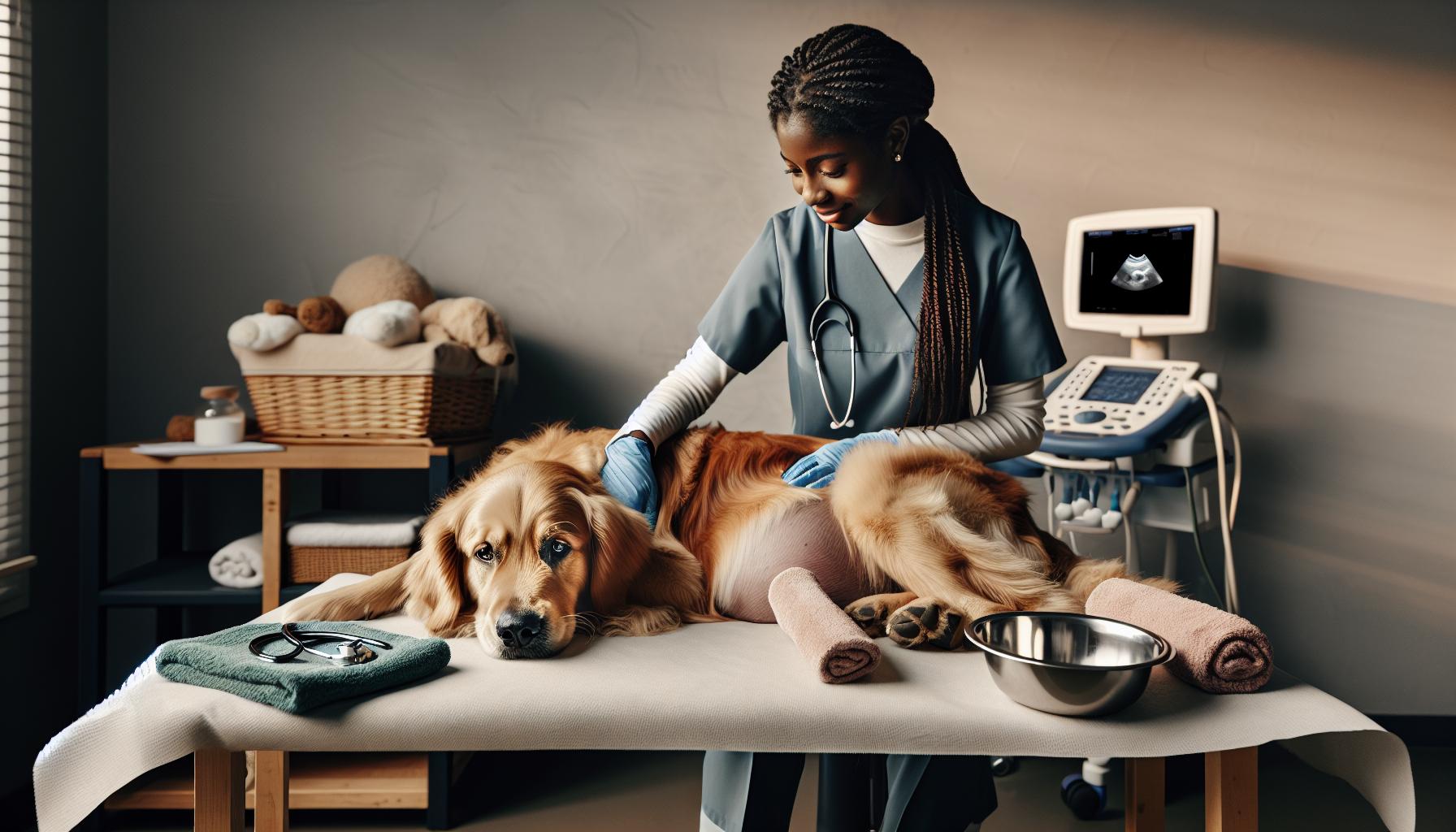
As the time for your dog to give birth approaches, you may notice a series of behavioral and physical changes that signal the onset of labor. Recognizing these signs not only helps you prepare but also ensures your dog receives the support she needs during this crucial time. One of the first indicators is a significant drop in body temperature. When your dog’s temperature falls below 100°F (37.8°C), this usually indicates that labor will begin within the next 24 hours. Keep a close eye on her during this period, as familiarity with these signs will enable you to act swiftly when necessary.
In addition to temperature changes, there are several other signs to look for that indicate your dog is entering labor:
- Restlessness: Your dog may appear anxious, pacing around the house, and struggling to find a comfortable spot. This behavior often increases as labor draws near, reflecting the physical discomfort she may be experiencing.
- Nesting Behavior: Many dogs instinctively begin nesting, seeking out quiet, secluded areas to prepare for the arrival of their puppies. You might find her rearranging blankets or attempting to create a cozy space.
- Loss of Appetite: As labor approaches, she may show a decreased interest in food. This can be a natural response to the upcoming physical exertion, so don’t be too alarmed if she refuses a meal.
- Panting and Shivering: Increased panting or occasional shivering is common as labor starts, partly due to anxiety and changes in hormone levels. Staying close and providing reassurance can help soothe her.
- Vomiting: Some dogs experience vomiting as labor approaches, though this is less common. It may be linked to stress or hormonal shifts.
Understanding these signs can help make the labor process smoother for both you and your dog. For first-time dog owners, monitoring these behaviors closely allows you to be proactive, ensuring you can provide the necessary support and intervention if complications arise. Remember, each dog is unique; some may exhibit more pronounced signs than others. Trust your instincts, and don’t hesitate to consult your veterinarian should you have any concerns. Your attentiveness will make a world of difference as she navigates this important milestone.
How to Prepare for Your Dog’s Labor
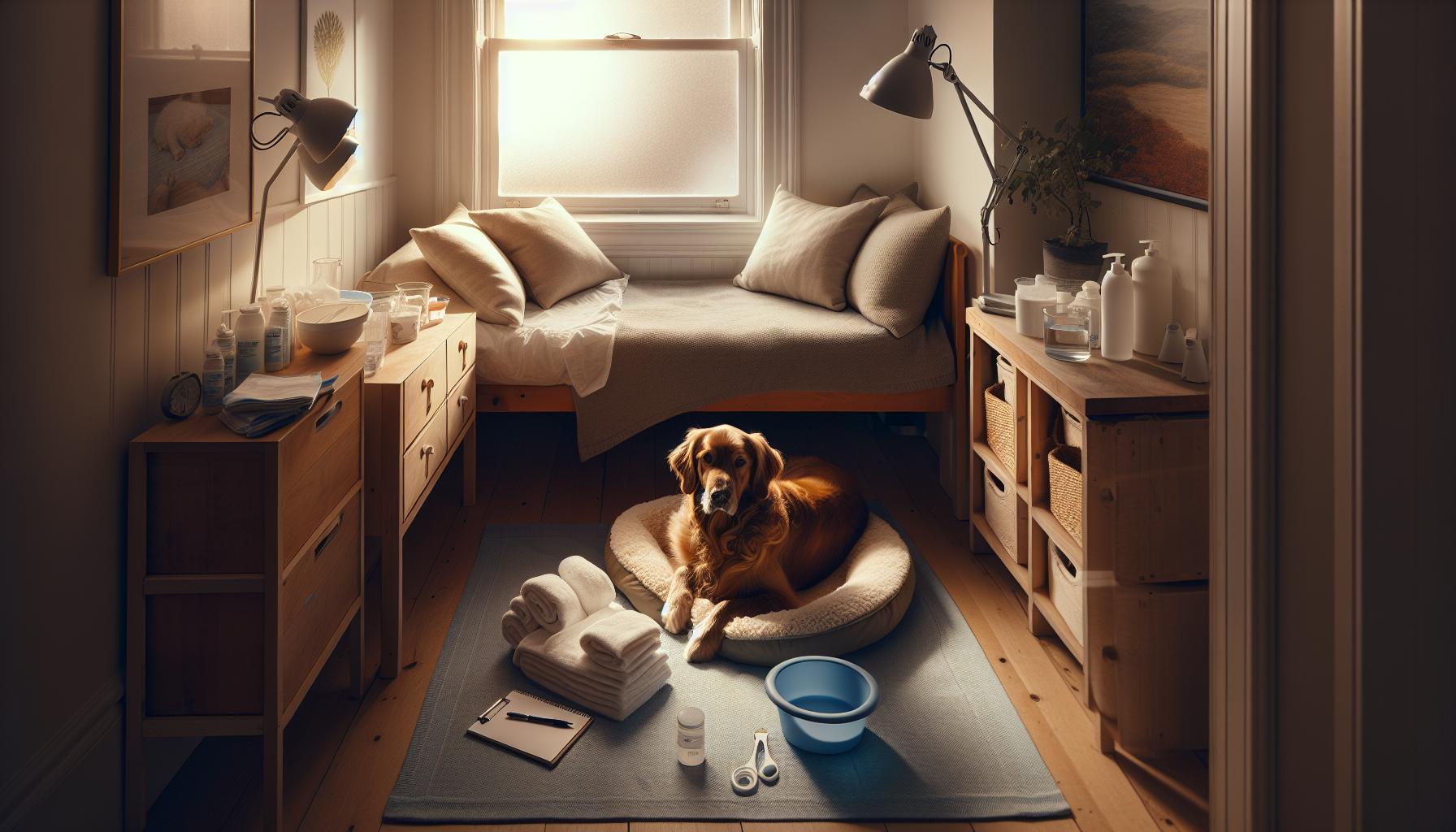
As you prepare for the miraculous event of your dog giving birth, creating a serene and supportive environment can make a world of difference for both her and the newborn puppies. It’s essential to gather the right supplies, establish a comfortable space, and educate yourself on the labor process. Anticipating the arrival of puppies can be a joyous experience, but it comes with responsibilities that every dog owner should embrace.
Start by arranging a whelping area where your dog can feel safe and secure. This space should be quiet, away from the hustle and bustle of daily life, and stocked with clean bedding-preferably a whelping box that is appropriately sized for your dog’s breed. A good rule of thumb is to provide a box that’s about 30% larger than your dog’s body size when she lays down. If you have a larger breed, consider adding multiple beds or dens to accommodate her preferences and ensure she has enough space as she delivers her puppies.
Next, gather the necessary supplies for the big day. Here’s a quick checklist to help you feel prepared:
- Whelping box: Ensure it has low sides for easy access for the mother and puppies.
- Clean towels: For drying off newborns and assisting with the birth process.
- Heating pad: Maintain a warm environment for the puppies, as they cannot regulate their body temperature for the first few weeks.
- Leash and collar: Handy for walks or managing your dog’s movements during this time.
- Vet contact: Keep your veterinarian’s number visible for any emergencies that may arise.
Educating yourself on the labor process can alleviate any anxiety you might have. Familiarize yourself with the typical stages of whelping-these include the preparatory stage, delivery of the puppies, and post-delivery care. Each stage has its signs and expectations, so understanding them in advance will allow you to intervene or seek help when necessary. For example, it’s crucial to recognize when to call your vet, especially if there are signs of distress such as prolonged labor or excessive bleeding.
As the day approaches, take time to reassure your dog. She may exhibit signs of anxiety or restlessness; providing her with gentle massages and speaking in soothing tones can help her feel safe and supported. With the right preparation and a calm environment, you’ll be well-equipped to support your dog through the remarkable journey of bringing new life into the world.
The Role of a Dog’s Water Breaking: What It Means
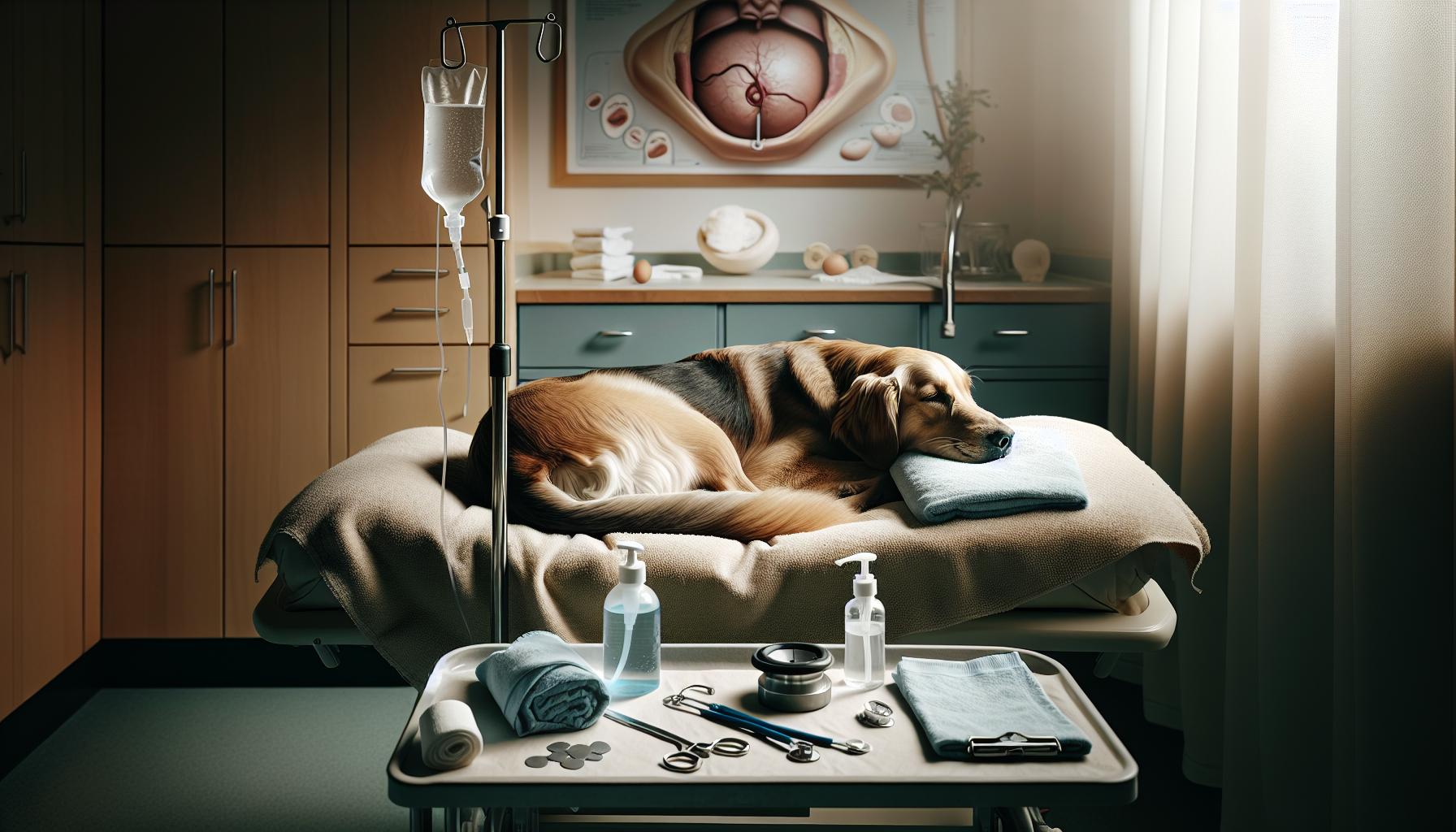
As your dog approaches the final stages of labor, you may notice a significant event known as water breaking, which plays a crucial role in the whelping process. This term refers to the rupture of the amniotic sac, a protective pouch surrounding each puppy, allowing fluid to escape. The release of this fluid signifies that delivery is imminent, typically occurring within the last stage of labor. Recognizing this moment can help you prepare for the arrival of the puppies.
The fluid that escapes when the water breaks is mostly clear to slightly cloudy and may increase the mother’s feeling of discomfort, often propelling her into active labor. While some dogs may show no outward signs when their water breaks, others might exhibit restlessness or begin nesting behaviors. It’s important to be observant during this time. If you notice that your dog’s water has broken but active contractions have not started within a reasonable timeframe, say a couple of hours, it may be time to consult with your veterinarian. In some cases, prolonged intervals without the delivery of the first puppy can indicate complications that need urgent attention.
After the water breaks, the mother may begin to push to deliver her puppies, alternating between panting and resting. Each puppy is generally born within 30 to 60 minutes after the water breaking occurs. Once the puppy is delivered, she will usually chew away the amniotic sac and clean her baby, stimulating breathing and circulation. If she seems to be struggling or has not delivered a puppy within two hours after contractions begin, don’t hesitate to get veterinary assistance; timely intervention can be the difference between life and death for both the mother and her pups.
Ultimately, staying calm and prepared during this exciting yet intense time is vital. Ensure you have all your supplies ready, and don’t hesitate to reach out to your vet if you’re uncertain or encounter any issues during the process. Your dog is counting on your support and care as she navigates this life-changing event.
Stages of Canine Labor: A Step-by-Step Guide
The journey of canine labor is a fascinating and transformative experience, marked by distinct stages that signify the approaching arrival of adorable puppies. Understanding these stages not only helps in anticipating what to expect but also prepares you to provide the necessary support for your dog during this critical time. Canine labor typically unfolds over three main stages, each characterized by specific physiological changes and behaviors.
In the first stage, known as the pre-labor phase, your dog may exhibit signs of restlessness, nesting behavior, or seek solitude. This stage can last anywhere from 6 to 12 hours and is characterized by the beginning of uterine contractions, although they may not be very intense. Monitoring your dog closely is essential; she may refuse food, seem anxious, or pace. You should prepare a comfortable whelping area, ensuring it’s clean and equipped with bedding for her to nest in.
Once the first stage concludes, your dog enters the second stage, which is when the real action begins: active labor. During this phase, which typically lasts from 3 to 12 hours, contractions become stronger and more frequent, leading to the delivery of the puppies. The break of the water-when the amniotic sac ruptures-often occurs during this stage, indicating that puppies are soon to follow. After the water breaks, it’s important to keep an eye on the timing of deliveries; generally, a puppy should be born within 30 to 60 minutes after the water breaks. If contractions are strong but no puppy is delivered within two hours, you should contact your veterinarian for guidance.
The final stage is marked by the delivery of the placenta, occurring after each puppy is born. This stage can last up to a few hours and involves the mother helping to expel any remaining placentas. Post-delivery, the mother will instinctively clean her puppies, stimulating their breathing and circulation. It’s crucial during this time for you to remain calm and supportive, as new mother dogs can sometimes be disoriented or stressed. Providing a quiet, safe environment will help her focus on her newborns.
Throughout this process, being prepared for various scenarios is vital. Keep a checklist handy with essential supplies like clean towels, a heating pad, and access to veterinary information should complications arise. Your attentiveness and readiness will ensure a smooth whelping experience for both the mother and her new puppies.
Common Complications During Canine Labor
The process of canine labor can sometimes take unexpected turns, leading to complications that require your immediate attention. One common issue is dystocia, which refers to difficult or abnormal labor. This can happen for several reasons, such as a puppy being too large, positioning problems (like a puppy being presented backwards), or if the mother has a narrow pelvic canal. For instance, brachycephalic breeds, like Bulldogs and Pugs, often face these challenges due to their unique physical structures. If your dog is straining for more than 20 to 30 minutes without success, it’s essential to consult with a veterinarian promptly; those critical moments can make a difference in the outcome for both the mother and puppies.
Another potential complication is retained placentas, which can occur if not all placentas are expelled after the puppies are born. This situation can lead to serious health issues, including infections or severe blood loss for the mother. Keep a close eye on the deliveries; ideally, the placenta should follow each puppy. If it has been a while after a puppy is born and you suspect a placenta is still inside, contact your veterinarian right away.
In addition to these complications, some mothers may experience postpartum issues, like excessive bleeding or signs of infection. Symptoms to watch for include lethargy, lack of appetite, or a foul odor coming from her vagina. If you notice any of these signs, seek veterinary care urgently. You should always have the contact information of your veterinarian handy during labor, as quick action can be crucial for both the mother and her newborns.
Being prepared can mitigate some of these risks. Assemble a whelping kit that includes clean towels, heating pads, and any necessary medical supplies or contacts for emergency veterinary assistance. Familiarizing yourself with your dog’s breed-specific labor traits can also enhance your readiness, helping you anticipate potential complications that could arise during whelping. Remember, your support and calm demeanor can significantly impact how smoothly the process unfolds for your furry friend.
Immediate Care for a New Mother Dog
After a long and taxing labor, the moment your new mother dog welcomes her puppies is filled with joy and excitement. However, the care she requires immediately post-delivery is crucial for her recovery and the well-being of her newborns. Just like any new mother, she will need support, encouragement, and guidance as she embarks on this journey of motherhood.
To start, ensure that she has a quiet, comfortable space to relax with her puppies, preferably in the whelping box you prepared earlier. Keep the area clean and dry, removing any soiled bedding frequently to prevent infections. It’s important to monitor her behavior closely; a typical mother will instinctively care for her puppies by cleaning and nursing them, but some may need a little extra encouragement.
Nutrition and Hydration
Fresh water should be readily available to her at all times, as she will require hydration after the exhausting process of giving birth. It’s advisable to provide high-quality puppy food or a special lactating mother formulation to support her increased nutritional needs. Offer food in small portions, spaced throughout the day, as she may not have a strong appetite immediately after delivery.
Monitoring Health
Watch for signs of complications, such as excessive lethargy, a decreased appetite, or unusual discharge that might indicate infection. If you notice anything concerning, don’t hesitate to reach out to your veterinarian for guidance. It’s especially important to ensure that all placentas have been expelled; retained placentas can lead to infections or other serious health issues.
Social Interaction
Dogs, especially breeds with strong maternal instincts like Golden Retrievers or Labrador Retrievers, thrive on interaction. Spend time near her and her puppies, but allow her the space to bond at her pace. If she seems anxious or protective, respect her boundaries. Providing a supportive, calm environment helps her feel safe, which is vital for her emotional well-being during this time.
In summary, the immediate post-delivery phase is essential for both your dog and her puppies. By ensuring she has proper nutrition, hydration, and a clean, secure environment, you’re setting the foundation for a healthy recovery and strong maternal bond. Your attentive care and understanding will help her adjust to motherhood seamlessly.
Caring for Neonatal Puppies: Essential Tips
Welcoming a new litter of puppies into the world is undoubtedly a heartwarming experience, but it also comes with a set of responsibilities that are crucial for their well-being. Newly born puppies are entirely reliant on their mother and her environment for their safety, comfort, and nutrition. Understanding how to effectively care for neonatal puppies can ensure their healthy development and set the stage for a strong bond between them and their new families.
The first hours of a puppy’s life are critical. Ensure that the whelping area is warm, quiet, and free from drafts; newborn puppies are unable to regulate their body temperature. Provide heat sources, such as a heating pad set on low or warm water bottles wrapped in towels, ensuring that the puppies can move away from the heat if they become too warm. Check the puppies regularly to confirm they are not overly hot or cold, as extremes in temperature can be harmful.
Nutrition is paramount for newborn puppies. They rely on their mother’s milk for essential nutrients and antibodies that help build their immune system. If the mother is unable to nurse, you may need to use a high-quality milk replacer formulated for puppies. Monitor the puppies’ weight, ensuring they gain about 10% each day. Weight checks can be done daily or every few days. If any puppy fails to gain weight or seems lethargic, it’s essential to consult a veterinarian promptly.
Neonatal puppies also need stimulation for elimination, as they cannot urinate or defecate without assistance for the first few weeks. The mother typically does this by licking them, but if she is absent or if there are concerns, gently rub each puppy’s genital area with a warm, damp cloth after feeding. This initiates urination or defecation and is an important part of their care routine.
Lastly, ensure that the puppies’ environment remains clean to avoid infections. Regularly change bedding, and keep the area dry and odor-free. Surveillance for any signs of distress or illness in either the mother or her puppies is crucial. Symptoms like excessive crying, reluctance to nurse, or any unusual behavior should prompt a quick consultation with a veterinarian to rule out any potential issues.
By crafting a nurturing environment and following these essential guidelines, you’re not only contributing to the well-being of each puppy but also adding joy to the journey of puppyhood. Your attentiveness during this early stage plays a vital role in their lifelong health and happiness.
When to Call the Vet: Red Flags During Whelping
Recognizing when to call the vet during your dog’s whelping process can make the difference between a routine delivery and a potential crisis. As you excitedly await the arrival of new puppies, stay alert for any signs indicating that medical assistance is required. The safety and well-being of both the mother and her pups are paramount, and being informed can help ensure a smooth birthing experience.
If your dog experiences hard straining without delivering a puppy after 30 minutes, it’s time to reach out to your veterinarian. This can indicate a potential obstruction or another serious issue. Additionally, if you notice any green discharge before the puppies arrive, it could suggest that the placenta has separated prematurely, which poses risks for the puppies’ health. A dog should ideally deliver her pups one at a time, and if she has been in labor for longer than two hours without progressing, don’t hesitate to consult a vet to assess the situation.
Other red flags include excessive bleeding, particularly if your dog seems lethargic or unwell. If you can see a puppy in the vulva for more than five minutes without its delivery, immediate veterinary attention is essential. Remember, while some degree of discomfort is normal during labor, signs of distress or abnormal behavior should be treated seriously. Keeping a close eye on your dog during her labor can help you quickly identify these warning signs, allowing you to act swiftly for the health of the mother and her new arrivals.
In summary, trust your instincts; if something seems off, don’t hesitate to contact your veterinarian. Being prepared and knowing when to seek help reduces anxiety and ensures the best chances for a healthy delivery and afterwards. Always keep emergency contact information for your vet handy, and consider visiting beforehand to discuss any concerns regarding whelping, especially if this is your dog’s first litter. Your proactive approach can create a more secure, reassuring environment for both you and your dog during this extraordinary time.
Supporting Your Dog Post-Labor: Recovery and Care
After the thrilling and sometimes stressful experience of whelping, your dog needs lots of support to recover and care for her newborn puppies. It’s important to understand that the postpartum period is as crucial as the labor itself. Providing the right environment, nutrition, and monitoring can make a world of difference for both the mother and her pups.
Your first priority after the delivery is to ensure that your dog has a quiet, comfortable space where she feels secure. Set up a whelping box with soft bedding in a low-traffic area of your home. This helps her bond with her puppies in peace while keeping them safe from unwanted disturbances. Make sure the temperature is warm enough, as newborn puppies cannot regulate their body heat. Some owners find that a heat lamp or heating pad on a low setting can help maintain a comfortable temperature in the whelping area.
A proper diet is also essential during this recovery phase. After labor, your dog will need high-quality food that supports her nutritional needs, as she will be nursing and caring for her pups. Consider switching to puppy food, as it’s formulated for higher protein and calorie content. You may need to feed her several smaller meals throughout the day to keep her energy levels up. Hydration is equally important; ensure she has constant access to fresh water.
Monitoring her health is critical during this time. Look out for any signs of complications, such as excessive bleeding, foul-smelling discharge, or a lack of interest in her puppies. If she seems lethargic or isn’t eating, it’s time to consult your veterinarian. Regular check-ups can help catch any issues early, ensuring a smooth recovery for your new mother.
Lastly, emotional support plays a key role in her well-being. Encouraging interactions with her puppies while also respecting her need for space can enhance the bonding process. Your soothing presence will reassure her during this transition. Every dog is different, so take the time to observe her behavior and adjust your support accordingly. By taking these steps, you can help ensure that both mother and her new family thrive in their first days together.
Understanding the Breeding Cycle: Preceding Labor
The journey to motherhood for a dog begins long before the whelping stage. Understanding the breeding cycle is essential for anticipating and supporting your pet through the various stages of pregnancy and ultimately, labor. The entire process begins with a heat cycle that typically occurs every six months, but this can vary among different breeds. It is crucial for dog owners to recognize the signs of estrus, as this is when the female is most fertile and can conceive.
During the heat cycle, a female dog will exhibit certain behaviors that signal her readiness to mate. She may become more affectionate, display a swollen vulva, and have a bloody discharge. These signs indicate that her body is preparing for the possibility of pregnancy. If mating occurs, fertilization of the eggs takes place approximately 48 hours after ovulation, which can be pinpointed through hormone level testing or observing her behavior.
Once conception takes place, the gestation period lasts about 63 days on average, but this can range from 58 to 68 days depending on the breed and individual factors. During this time, the mother dog will undergo several physical and hormonal changes. Keeping track of her condition through pregnancy is crucial-watching her diet and ensuring she receives proper veterinary care will help support her health and the development of her puppies. As the pregnancy progresses, you might notice increased weight gain and behavior changes, such as nesting instincts as she prepares for the arrival of her pups.
It’s also important to familiarize yourself with the timeline leading to labor. In the final week of pregnancy, the dog may become restless, seek out quiet places, and exhibit signs of nesting, such as rearranging bedding. This is when your role as an owner becomes increasingly supportive. Preparing a clean and cozy whelping area will create an ideal environment for her to give birth. Remember, staying informed and observant throughout this period ensures that you can provide the best care for your dog during this transformative time.
Emotional and Physical Support for Dog Moms
Providing emotional and physical support to a dog during her labor journey is essential for her well-being and that of her newborn puppies. Understanding a dog’s needs during this time can create a nurturing environment that helps facilitate the birthing process. The labor period can be intense, both emotionally and physically, so your supportive presence can reassure her during this transformative experience.
To start, consider creating a calm and quiet space for her to feel secure. A whelping box, lined with soft bedding, can help her feel comfortable and safe. Ensure that the area is free of distractions and loud noises, as excessive stimulation can increase her anxiety. Spending time sitting near her, talking softly, or offering gentle petting can significantly alleviate stress. Dogs are highly attuned to their owner’s emotions, so maintaining a relaxed demeanor yourself will help her feel more at ease.
Moreover, physical support goes beyond creating a relaxing environment. It’s important to monitor her physical condition closely. Keep an eye on vital signs like breathing and heart rate, and look for signs of distress that may require veterinary intervention. Ensure she has easy access to fresh water and food throughout her labor process, but be cautious with feeding right before the labor begins to avoid any gastrointestinal discomfort.
As labor progresses, your dog may need encouragement and reassurance. If she appears to be overwhelmed or confused, you can guide her by gently placing her in the designated whelping area. Often, she may look to you for cues on how to proceed; your calm encouragement can reassure her that everything is going smoothly. If your dog is a breed known for larger litters, such as Golden Retrievers or Labrador Retrievers, it can be helpful to have additional resources or support from experienced handlers or breeders who understand the unique demands of those breeds.
Ultimately, the emotional and physical support you provide during your dog’s labor is invaluable. It can mean the difference between a stressful experience and a peaceful, natural birthing process. Remember that your attentiveness and care not only help her navigate this significant moment in her life but also set the stage for a strong bond between you and her adorable new puppies.
Faq
Q: Does a dog’s water break before giving birth?
A: Yes, a dog’s water can break before labor begins. This occurs when the amniotic sac surrounding the puppies ruptures, indicating it’s time for delivery. Monitoring for this sign is crucial, as it means the puppies are on their way.
Q: How can I tell if my dog’s water has broken?
A: You can tell if your dog’s water has broken if you notice a clear or slightly cloudy fluid pooling beneath her. Additionally, she may exhibit signs of nesting and restlessness. If you’re unsure, consult your veterinarian for guidance.
Q: What should I do immediately after my dog’s water breaks?
A: After your dog’s water breaks, ensure she is in a quiet, comfortable area to deliver. Keep the environment calm and avoid unnecessary disturbances. Monitor her closely for the onset of contractions and be ready to assist if complications arise.
Q: How long after a dog’s water breaks do puppies arrive?
A: Puppies typically arrive within 24 hours after a dog’s water breaks. However, the timing can vary; watch for contractions and other labor signs. If no puppies appear within this timeframe, contact your vet for advice.
Q: Can a dog go into labor without her water breaking?
A: Yes, a dog can begin labor without her water breaking initially. Labor may start with contractions, and the water may break during this process or right before the delivery of the puppies.
Q: Are there any risks if a dog’s water breaks early?
A: If a dog’s water breaks far in advance of labor, it may pose risks such as infection or complications. It’s essential to consult with a veterinarian immediately to assess the situation and determine the best course of action.
Q: What are the signs of labor in dogs after their water breaks?
A: After a dog’s water breaks, look for strong contractions, nesting behavior, restlessness, and possible whining. These signs indicate that labor is progressing, and it’s crucial to be prepared for the delivery.
Q: Should I intervene if my dog’s water breaks without puppies arriving?
A: If your dog’s water breaks and puppies do not arrive within 24 hours, it’s essential to consult your veterinarian. Intervention may be necessary to ensure the health and safety of both the mother and her puppies.
To Conclude
As you embark on the journey of understanding your dog’s labor process, remember that knowledge is your best ally. Recognizing the signs of labor and what to expect can make all the difference. If you’re curious about nuances like how long the stages of labor last or when to seek veterinary help, be sure to check out our in-depth articles on canine labor stages and the normal whelping process.
Don’t wait until you’re in a situation to gather information-explore our resources now to prepare for the beautiful experience of welcoming new puppies. For the latest tips on caring for your dog during this time, consider signing up for our newsletter. Your proactive approach today can ensure a happier, healthier experience for both you and your canine companion.
Feel free to share your thoughts or questions in the comments! Your story could help guide another dog owner on their journey. Stay tuned for more helpful content on dog care and breeding; there’s always more to learn and share in our passionate community!