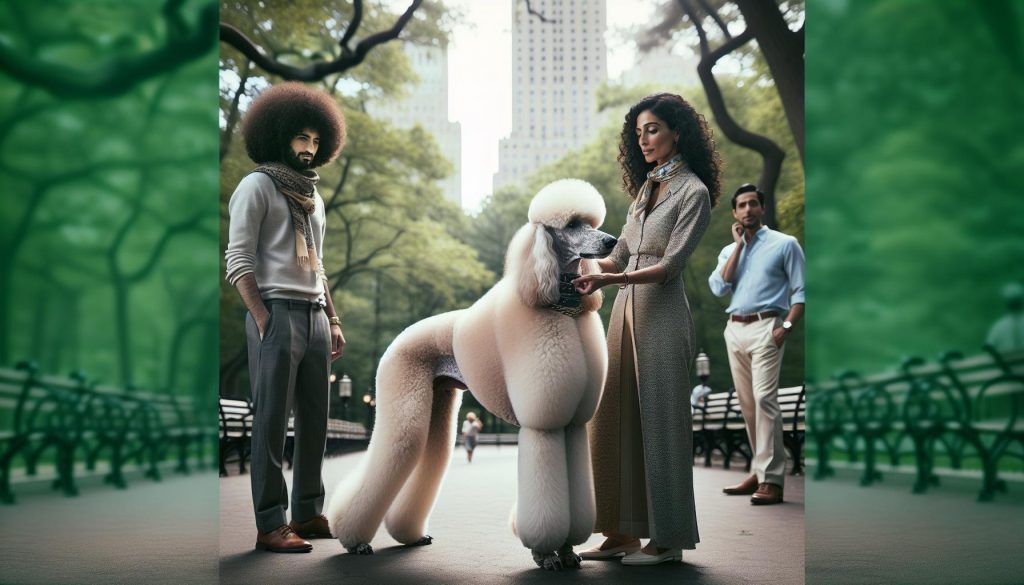
When it comes to Standard Poodles, one question often on potential owners’ minds is, “How big do they get?” Understanding their size is crucial, as it can influence everything from living arrangements to exercise needs. Standard Poodles, known for their intelligence and elegance, typically measure between 20 to 24 inches tall at the shoulder and can weigh between 40 to 70 pounds. This breed not only brings joy and companionship but also requires a good amount of space and care.
As you navigate the delightful journey of welcoming a Standard Poodle into your home, knowing what to expect in terms of size can help set you up for success. A well-informed decision can make all the difference in ensuring that both you and your future furry friend are happy with your lifestyle choices. Join us as we explore everything you need to know about the growth and development of Standard Poodles, ensuring that you’re fully prepared to meet their needs while enjoying their wonderful company!
How Standard Poodles Compare to Other Breeds in Size
Standard Poodles stand out in the canine world, not just for their intelligence and elegance but also for their size, which can vary significantly. When comparing them to other breeds, it’s important to recognize that Standard Poodles are classified as large dogs. An average Standard Poodle can reach heights of 15 to 22 inches at the shoulder and weigh anywhere from 40 to 70 pounds, making them significantly larger than Miniature and Toy Poodles, which typically weigh under 15 pounds and are less than 15 inches tall. This contrast is crucial for potential owners to understand, especially when considering their living arrangements and care needs.
When juxtaposed with breeds like Labrador Retrievers or Golden Retrievers, Standard Poodles can appear leaner but share a similar height range, making them suitable for families who appreciate dog breeds of comparable size. Their athletic build allows for agility and versatility in activities-traits commonly found in sporting breeds. Additionally, unlike many large breeds that have short lifespans, Standard Poodles often enjoy a longer lifespan, typically between 12 to 15 years, due to their relatively low incidence of inherited health issues when sourced from responsible breeders.
Here’s a brief comparison of Standard Poodles with other common large breeds:
| Breed | Height (inches) | Weight (pounds) | Average Lifespan (years) |
|---|---|---|---|
| Standard Poodle | 15 – 22 | 40 – 70 | 12 – 15 |
| Labrador Retriever | 21 – 24 | 55 – 80 | 10 – 12 |
| Golden Retriever | 21 – 24 | 55 – 75 | 10 – 12 |
| German Shepherd | 22 – 26 | 50 – 90 | 9 – 13 |
Recognizing these distinctions will help potential owners make informed decisions about integrating a Standard Poodle into their home amidst consideration of other breeds. The size and temperament of Standard Poodles make them wonderful companions, suited for active families or individuals who can accommodate their needs for both physical exercise and mental stimulation.
Understanding the Standard Poodle Size Standards
Standard Poodles, known for their elegant appearance and intelligence, represent one of the largest breeds classified under the Poodle category, typically ranging between 15 to 22 inches in height at the shoulder and weighing from 40 to 70 pounds. This size range not only makes them distinct within the Poodle family-where Miniature and Toy variants exist-but also places them in a competitive position alongside other popular large breeds like Labrador and Golden Retrievers. Understanding how the size of Standard Poodles is defined and measured can greatly enhance your experience as a pet owner by preparing you for their needs and lifestyle compatibility.
The height standard for Standard Poodles is established not just for show purposes but is a necessity for anyone considering adding this breed to their home. Height is measured from the ground to the highest point of the shoulders, and it’s essential to be well-versed in these standards when selecting a Standard Poodle. For instance, if you are leaning towards a show dog, understanding these standards can ensure you choose a Poodle that meets competition criteria. Conversely, if you’re simply looking for a loving companion, being aware of their potential size can assist you in making important decisions about living arrangements and daily care.
Moreover, various factors can influence a Standard Poodle’s size, including genetics, nutrition, and overall health. It is widely reported that dogs from lines with robust genetics tend to reach and maintain better weight ranges, while proper nutrition can significantly impact their growth milestones. For potential owners, it’s important to recognize that understanding and managing these elements can help guide your Poodle toward achieving their full size potential while maintaining a happy, healthy life.
When you think about the Standard Poodle’s size, it’s not just about dimensions on paper; it also impacts their daily needs. Large breeds like Standard Poodles require ample space to move freely and engage in activities that stimulate their intelligence and energy. As such, it’s ideal to assess how your living situation aligns with these needs, ensuring that your new companion can thrive and feel comfortable in their environment. In short, comprehensive knowledge of the size standards and the implications for living arrangements will pave the way for a fulfilling ownership experience with your Standard Poodle.
- Height Range: 15 – 22 inches
- Weight Range: 40 – 70 pounds
- Considerations: Space requirements for large breeds
- Factors: Genetics, nutrition, and exercise

Factors Influencing the Size of Standard Poodles
The size of Standard Poodles can vary significantly, and understanding the factors that influence their growth is essential for prospective and current owners. A fascinating aspect of Standard Poodles is their genetic diversity, which can play a crucial role in determining their size. For instance, dogs from larger parents or bred from strong bloodlines will often grow to be on the higher end of the size spectrum, while those from smaller lineage may not reach the same heights. Engaging with a reputable breeder who can provide information about the lineage of your puppy can be invaluable in setting realistic expectations for size.
Another pivotal factor is nutrition. A well-balanced diet plays a key role in how your Poodle matures. From puppyhood, providing high-quality dog food that is specifically formulated for large breeds can help ensure healthy growth. Monitoring their intake can prevent obesity, which can lead to various health issues that might stifle their growth. Regular veterinary check-ups can also help to assess their growth patterns and address any concerns early, ensuring they are on the right track.
Additionally, environmental factors cannot be overlooked. Poodles are an intelligent and active breed that thrives on exercise and mental stimulation. Regular physical activity can help maintain a healthy weight and promote muscle development, which contributes to their overall size and health. Activities like training, fetch, and structured walks not only keep them physically fit but also mentally engaged, reinforcing their bond with you as their owner.
Ultimately, understanding the interplay of genetics, nutrition, and exercise is vital for nurturing a healthy, fully grown Standard Poodle. By taking a proactive approach and providing the right resources, you can help your Poodle reach their full size potential while ensuring they remain happy and healthy companions throughout their lives.
What to Expect at Each Growth Stage
As your Standard Poodle grows, it’s a remarkable journey filled with rapid changes and exciting milestones. From their incredibly adorable, wobbly puppy days to their elegant, full-grown stature, understanding is key to ensuring your furry friend develops into a healthy adult.
During the first few months, your Poodle puppy will experience substantial growth spurts. Starting around two months, they typically weigh between 10-20 pounds, and by now, they’re beginning to explore their environment with curiosity and energy. At this stage, socialization is crucial. Expose them to various people, pets, and experiences to help them develop a confident temperament. Don’t forget about those essential potty training sessions, which can start as early as 8 weeks.
By four months, your pup is entering their playful teen phase. You may notice they start losing their 28 puppy teeth and are likely more mobile and mischievous. This is a good time to reinforce training commands and provide mental stimulation through interactive toys or puzzles. Feeding them a balanced diet specifically formulated for large breeds is vital to support their bone and joint health during this rapid growth period.
As they approach one year, most Standard Poodles will have reached about 75-90% of their adult height and weight. However, what’s fascinating is that they continue to mature both physically and mentally until the age of two to three years. Your adolescent Poodle may still indulge in playful antics, so patience and consistent training are key. At this point in their development, you should start to see their adult coat coming in, which requires regular grooming to prevent matting.
Once your Poodle has reached full maturity, typically around 24 months, they will weigh between 40-70 pounds, depending on their genetics and lineage. By this time, they should be more settled and focused, making them ideal candidates for advanced training classes or dog sports. This is the moment to truly appreciate the full size and beauty of your Standard Poodle, reflected in their graceful posture and playful demeanor.
Understanding these stages not only helps you prepare for each phase of your Poodle’s life but also strengthens the bond you share, ensuring that every jump, bark, and wag is accompanied by plenty of love and care.
Weight Ranges: Small, Medium, and Large Factors
The Standard Poodle is a breed celebrated not just for its intelligence and elegance, but also for its impressive range of sizes, which can often bewilder new owners. Understanding where your Poodle fits within these weight categories-typically classified as small, medium, or large-can significantly impact your care approach, training, and living arrangements.
A fully grown Standard Poodle typically weighs between 40 to 70 pounds and stands over 15 inches tall at the shoulder. However, their growth patterns can vary based on genetics and lineage. Most Poodles will reach about 75-90% of their full size by one year, but they continue to develop until around two to three years of age.
Weight Classifications and Their Implications
While size classifications like “small,” “medium,” and “large” are common, they can feel ambiguous when it comes to Poodles. Here’s a condensed breakdown to clarify these ranges:
- Puppies (< 6 months): Ranging from 10 to 20 pounds, they’re often deceptively small but can surprise you with their rapid growth.
- Adolescents (6 months – 1 year): Weight can vary widely, anywhere from 20 to 50 pounds, as they play and scamper through their teenage phase.
- Adults (1 year+): Expect them to settle in the 40-70 pound range, depending on their genetic background and overall health.
Each of these stages requires careful consideration of diet, exercise, and training, as their energy levels and appetites will fluctuate along with their weight. For instance, younger puppies benefit from a calorie-dense diet to support their burgeoning growth, while adults need a more balanced plan to maintain a healthy weight.
Considerations for New Owners
New Poodle owners should also consider that size impacts more than just weight-it affects agility, exercise needs, and even grooming requirements. For example, larger Standard Poodles may require larger spaces to roam and exercise, while their coats demand regular maintenance, regardless of size. Thus, if you’re contemplating adding a Poodle to your family, think about your living environment and daily routines to accommodate a growing canine companion.
Understanding these dynamics will not only prepare you for the delightful journey of raising a Standard Poodle, but also empower you to make informed decisions that ensure their health and happiness.
Myths vs. Facts About Poodle Size
Many new and prospective Poodle owners may find themselves confused by the varying opinions and myths surrounding the size of Standard Poodles. It’s essential to differentiate between what’s factual and what’s merely folklore. For instance, one common myth is that all Poodles are small. In reality, Standard Poodles are robust dogs, typically weighing between 40 to 70 pounds and standing over 15 inches tall at the shoulder. Their size can surprise those who only associate Poodles with their Toy or Miniature counterparts, which are indeed much smaller but represent just a fraction of the Poodle family.
Another misconception is that the size of a Poodle solely depends on its breeding. While genetics certainly play a role, size can also be influenced by factors such as nutrition, overall health, and even the environmental conditions in which the puppy is raised. For example, a well-balanced diet can maximize growth potential during the crucial developmental stages. Therefore, a Standard Poodle may not reach its full size if it isn’t provided with adequate nutrition during its early months, which is a fact that many might overlook.
As dogs mature, the perception of their size can shift. Many people believe that once a Poodle reaches one year of age, it will be fully grown. In fact, Poodles continue to develop until they are two to three years old. Understanding this growth trajectory is vital for setting realistic expectations and preparing for the space and lifestyle adjustments necessary to accommodate a larger dog.
It’s also worthwhile to discuss how size influences behavior. Some believe that larger Poodles are more aggressive or harder to train, but this can’t be generalized. The temperament of any dog, regardless of size, hinges more on its upbringing, training, and socialization than on its physical stature. By debunking these myths and embracing the truth about Standard Poodles, owners can approach their parenting journey more informed and prepared.
Preparing for Your Standard Poodle’s Growth
Ensuring a smooth transition into the life of a growing Standard Poodle requires anticipation and preparation. As these dogs can weigh anywhere between 40 to 70 pounds and stand over 15 inches tall, it’s crucial for owners to be ready for the changes that come with each growth phase. One of the most delightful aspects of raising a Standard Poodle is witnessing their growth and personality evolve, but this comes with responsibilities that should not be overlooked.
To prepare for your Poodle’s growth, start by setting up a dedicated space that can accommodate their increasing size. This includes having a suitably sized bed, as a larger dog not only requires space to stretch out but also comfort to support their developing joints. Additionally, ensure that your home has safe areas where they can play and explore without the risk of injury. Standard Poodles are known for their intelligence and energy, so having engaging toys and an open space will keep them stimulated and happy.
Proper nutrition is also a cornerstone of your Poodle’s growth journey. Begin by consulting your veterinarian about a balanced diet that supports your puppy’s specific age and weight. Poodles grow rapidly during their first year, and providing high-quality food tailored for large breeds is essential. It’s important to monitor their weight as they grow; if they are gaining too quickly or slowly, adjustments may need to be made to their diet to promote healthy growth.
Regular exercise is another aspect that cannot be forgotten. As your Poodle grows, they will require more physical activity to stay healthy and prevent obesity, which is a common concern in larger breeds. Incorporating a mix of playtime, walks, and mental stimulation can help channel their energy in a positive manner. For example, interactive toys, puzzle feeders, or agility training can be great ways to keep training fun and engaging while promoting physical fitness.
By embracing the challenges and joys of your Standard Poodle’s growth, you’ll not only be fostering a well-adjusted companion but also building a strong bond that will last a lifetime. Remember, each phase of their development is an opportunity for you to learn about their unique personality and needs, allowing you to adjust your care as necessary and contribute positively to their journey from playful pup to majestic adult.
Size Considerations for Living Arrangements
When you decide to welcome a Standard Poodle into your home, understanding their size and space needs is essential for creating a comfortable environment. As these elegant dogs can weigh between 40 to 70 pounds and reach heights of over 15 inches, their living arrangements must cater to their large size while providing comfort and safety. A well-thought-out space not only enhances the dog’s well-being but also fosters a harmonious relationship between your Poodle and your household.
To accommodate a Standard Poodle, consider the following practical tips for your living arrangements:
- Space Requirements: Ensure that your home has ample room for a growing Poodle to move about freely. Poodles are active and intelligent, requiring space not just for lounging but also for play and exercise. A small apartment might feel restrictive for such a large and energetic breed.
- Designated Areas: Create a specific area that is just for your Poodle, complete with a cozy bed, toys, and their feeding dishes. This will help them feel secure and have a sense of ownership over their space. Also, consider placing their bed in a quieter part of the house where they can retreat when they need some downtime.
- Safety Measures: As Poodles can be quite agile, it’s vital to dog-proof your home by removing any hazardous items that could be knocked over or accessed. Consider the height of furniture as well-avoid placing delicate items or breakables within reach.
Making adjustments as your Poodle grows is just as important. Puppies will need smaller, enclosed spaces to feel secure, while adult Standard Poodles will appreciate the freedom that more open areas provide. Their natural curiosity and energy levels mean that an open layout may work best to avoid feeling claustrophobic, encouraging them to explore their environment safely.
The importance of maintaining a tidy and organized home cannot be overstated, especially when accommodating a larger breed. Regular cleaning is essential, as Poodles do shed and will bring in dirt from outside, which can be more noticeable in larger living spaces. Reflecting on the overall design of your home to suit a Standard Poodle will not only make for an enjoyable living environment for them but will also enhance the quality of your life together. Embracing the joy and challenges that come with a growing Standard Poodle is part of the rewarding experience of dog ownership.
The Importance of Nutrition in Growth Development
Understanding the right nutrition for your Standard Poodle is crucial, especially during their formative growth stages. Appropriate dietary choices not only support their size and weight expectations but also promote overall health and well-being. Poodles, known for their intelligence and agility, have unique nutritional needs that differ from those of smaller breeds. Properly managing their diet can significantly influence their growth trajectory, energy levels, and susceptibility to health issues.
One of the first steps in ensuring your growing Poodle receives adequate nutrition is selecting high-quality dog food formulated for large breeds. Large breed puppies require a specific nutrient balance, including increased protein and controlled fat levels, to support their long bones and joints while preventing obesity. Look for a dog food that lists meat as the first ingredient, and ensure it contains essential fatty acids, vitamins, and minerals. Always consult your veterinarian for personalized food recommendations based on your Poodle’s age, weight, and activity level.
Feeding Schedule Tips
Establishing a consistent feeding schedule is equally vital. Young Poodle puppies should typically eat three to four smaller meals a day. This approach aids in digestion and helps maintain energy levels without overwhelming their stomachs. As your Poodle matures, you can gradually transition to two meals per day. Regular meal times also encourage good behavior and routine.
To further support their growth and development, consider incorporating healthy treats and snacks that can aid in training and bonding. Issues may arise from over-treating or choosing unhealthy options, which can lead to weight gain and nutritional imbalances.
Watching for Growth Issues
Pay close attention to your Poodle’s growth. Regular vet check-ups can help monitor their weight and development, allowing you to adjust their diet as needed. If your Poodle doesn’t seem to be growing at an appropriate rate or shows signs of discomfort, consult your vet to ensure there are no underlying health issues that need addressing.
With the right nutrition, your Standard Poodle can thrive, growing into a healthy and vibrant companion. By being proactive about their dietary needs, you set the stage for a long and happy life together.
Common Health Issues Related to Size
Understanding the potential health issues that can arise in Standard Poodles, particularly those related to their size, is essential for any responsible owner. Despite their impressive agility and intelligence, these beloved dogs can be prone to certain health concerns directly associated with their larger build. Being aware of these issues not only helps in proactive care but also enhances the long-term wellbeing of your furry companion.
One prominent concern for Standard Poodles is joint health, particularly hip dysplasia. This condition occurs when the hip joint doesn’t fit snugly into the hip socket, leading to arthritis over time. Ensuring appropriate nutrition and maintaining a healthy weight can significantly mitigate risks. Regular exercise, particularly low-impact activities, also helps strengthen the muscles around the joints, reducing stress and enhancing mobility.
Another health issue frequently observed in larger breeds is bloat, or gastric dilation-volvulus (GDV). This serious condition can occur when a dog’s stomach fills with gas and twists, making it a life-threatening emergency that requires immediate veterinary intervention. Signs to watch out for include a distended abdomen, restlessness, or attempts to vomit without success. Owners can help prevent bloat by feeding smaller meals throughout the day, avoiding vigorous exercise immediately before or after eating, and ensuring proper hydration.
Beyond these common issues, Standard Poodles may also face concerns related to their skin and coat, particularly if not correctly groomed. Their curly fur is beautiful but requires regular maintenance to alleviate matting and promote skin health. Additionally, paying attention to any changes in their coat or skin can help catch allergies or irritations early.
To sum up, keeping a vigilant eye on your Standard Poodle’s health and being proactive about regular vet visits, proper nutrition, and consistent grooming can lead to a happier, healthier life. Investing time in their care will pay off with years of companionship and joy that only a Standard Poodle can bring.
Training Tips for Managing a Large Poodle
Training a large Standard Poodle can be a rewarding experience, and it’s essential to approach it with a blend of enthusiasm, patience, and clear guidance. With their intelligence and eagerness to please, Standard Poodles thrive on positive reinforcement and structured training practices. As a breed known for its agility and versatility, effective training not only channels their boundless energy in productive ways but also fosters a strong bond between you and your furry companion.
One effective strategy is to establish a consistent training schedule that incorporates both basic obedience commands and fun activities. Consistency is key! Daily training sessions of 10-15 minutes can effectively keep their attention while reinforcing learning. Additionally, including physical exercise in your training routine is crucial. Engaging games such as fetch, agility drills, or even swimming can provide both mental and physical stimulation. Setting up simple obstacle courses in your yard can also appeal to their innate agility, allowing them to show off their skills while learning basic commands like “sit,” “stay,” and “come.”
Maintaining a calm and assertive presence during training is vital. Large breeds such as Standard Poodles respond well to confident direction but can become unruly if they perceive their owner as unsure. Use a firm yet encouraging tone, and reward them with treats or praise when they display desired behaviors. For example, if your Poodle successfully performs a command like “heel” during a walk, rewarding them immediately will reinforce their good behavior. To manage their size during training, consider employing a harness rather than a traditional collar, which can give you better control and reduce strain on their neck, especially if they tend to pull.
Lastly, socialization is an integral part of training for large Poodles. Encourage interactions with other dogs and people, which helps them develop confidence and politeness in different situations. Puppy classes or group training sessions can provide not only social opportunities but also professional guidance in managing their size and energy effectively. Remember, with every successful command and interaction, you’re shaping a well-rounded, happy large Poodle that’s a joy to have by your side.
Adapting Your Home for a Growing Poodle
As your Standard Poodle grows, you’ll quickly discover that adapting your home environment is crucial to ensure both safety and comfort for your furry friend. These elegant canines are not only beautiful but also surprisingly energetic and curious, which can lead to unexpected messes or damages if your home isn’t prepared for their antics. For example, while their playful nature is one of their most loveable qualities, it demands a thoughtful approach to creating a dog-friendly space.
Start by assessing your living area. Consider the layout and available space where your Poodle will roam. Standard Poodles can weigh anywhere from 40 to 70 pounds and reach heights of 15 to 24 inches at the shoulder, depending on their specific growth stage and genetics. Therefore, it’s important to clear away fragile decor and secure cords or wires to prevent any accidents or chewing hazards. Using baby gates to restrict access to certain areas while they’re still learning boundaries can be beneficial. Additionally, avoid furniture that is too low to the ground, as they might inadvertently bump into or knock things over, leading to accidents or injuries.
Creating a dedicated space for your Poodle is also highly recommended. This zone should include a cozy bed, toys, and access to water. A crate can serve as both a safe haven and a training tool, allowing them to have a personal space where they feel secure. Always remember to choose a bed large enough to accommodate their full size, giving them ample room to stretch out as they grow. Keeping their space organized with storage bins for toys and grooming supplies can not only streamline your home but also teach your Poodle about keeping their area tidy.
Lastly, while focusing on the physical environment, don’t overlook your home’s outdoor space. A securely fenced yard is paramount to allow your Poodle to explore safely. They love to run and play, so ensuring the fence is high enough and free from gaps is essential. Consider adding some agility equipment or toys outside to keep their active minds engaged. With these approaches in mind, your home will be a perfect haven for your growing Standard Poodle, promoting a harmonious and joyful living environment for both of you.
FAQ
Q: How tall do Standard Poodles get when fully grown?
A: Standard Poodles typically reach a height of 15 inches or more at the shoulder, with most adults standing between 18 to 24 inches tall. This size makes them one of the tallest breeds among poodles, suitable for various living arrangements and activities.
Q: What is the average weight of an adult Standard Poodle?
A: Adult Standard Poodles generally weigh between 40 to 70 pounds. Factors such as genetics and diet can influence their weight, so it’s essential to monitor their health and nutrition closely.
Q: At what age do Standard Poodles stop growing?
A: Standard Poodles usually stop growing in height around 2 years of age. However, they may continue to fill out and gain muscle mass until they are approximately 3 years old, requiring appropriate nutrition during this time.
Q: Do male or female Standard Poodles grow bigger?
A: Generally, male Standard Poodles tend to be larger than females. Males typically weigh between 60 to 70 pounds, while females range from 40 to 60 pounds. This difference can influence your choice depending on your living situation.
Q: How do I determine if my Standard Poodle is at a healthy size?
A: To determine if your Standard Poodle is a healthy size, assess their Body Condition Score (BCS) by checking their ribs and waistline. Regular vet check-ups will help monitor their growth and confirm they are within the healthy weight range.
Q: Can the size of a Standard Poodle be influenced by its diet?
A: Yes, a Standard Poodle’s size can be influenced by its diet. Feeding them a balanced, high-quality diet during growth stages ensures they reach their full size potential while preventing obesity and other health issues.
Q: What are common misconceptions about Standard Poodle sizes?
A: A common misconception is that all Standard Poodles are the same size. In reality, they vary in height and weight based on genetics and breeding. Knowing the standards can help potential owners make informed decisions about their new pet.
Q: How does size affect the training of a Standard Poodle?
A: The size of a Standard Poodle can impact training techniques. Larger Poodles may require more space and training focused on impulse control due to their strength. Consider enrolling them in training classes designed for larger breeds to ensure effective learning.
To Wrap It Up
Understanding how big Standard Poodles get is just the first step in ensuring that these intelligent and playful dogs thrive in your home. With their height ranging from 18 to 24 inches, it’s essential to provide them with adequate space and activities suited to their size and energy levels. Remember, the right training and socialization can significantly impact their adaptability and happiness.
Are you ready to dive deeper into the care and training of your future Poodle? Explore our comprehensive articles on “Poodle Grooming Essentials” and “Best Exercises for Active Poodles” for insightful tips and holistic care strategies. Additionally, don’t forget to sign up for our newsletter to receive expert advice directly to your inbox, ensuring you’re always prepared for your Poodle’s needs.
Feel free to share your thoughts or questions in the comments below; we love to hear from fellow dog enthusiasts! Your journey as a responsible Poodle parent is just beginning-let’s ensure it’s a rewarding one together.