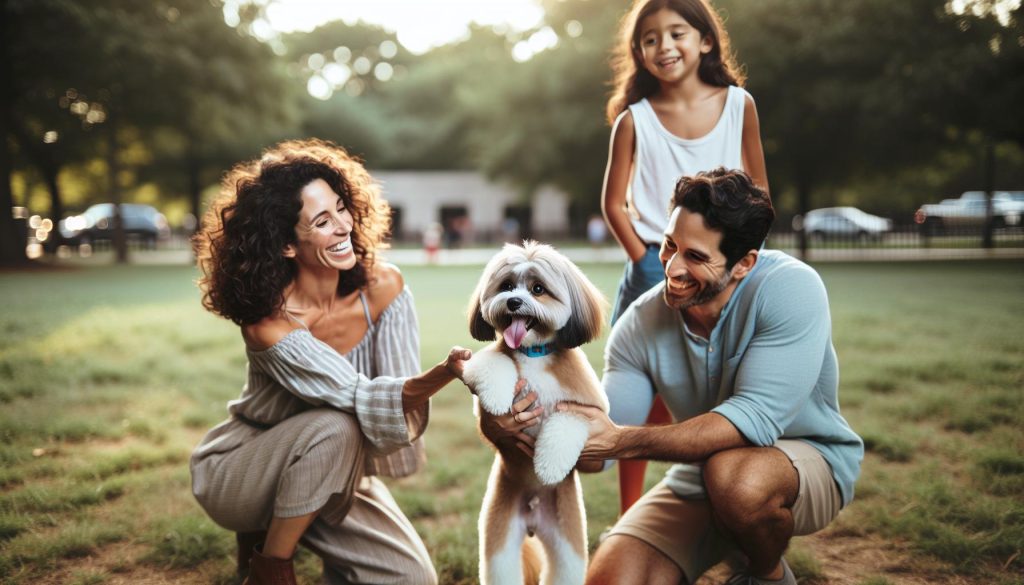
When considering adding a Shihpoo to your family, understanding their size is crucial. This delightful hybrid breed, a mix of Shih Tzu and Poodle, typically ranges from small to medium, making them versatile companions for many living situations. Did you know that these pups often weigh between 8 to 18 pounds and stand around 8 to 15 inches tall? Their size not only influences their grooming and exercise needs but also how well they adapt to apartment living or family homes. As a potential Shihpoo owner or an excited new parent, knowing what to expect in terms of size can help you prepare better for your furry friend’s arrival. In this guide, we’ll explore the aspects of Shihpoo size, factors that influence their growth, and practical tips on caring for them as they grow, ensuring you’re well-equipped for the delightful journey ahead!
Understanding Shih Tzu Poodle Size Variations

The Shihpoo, a charming cross between the Shih Tzu and the Poodle, offers a delightful blend of traits from both breeds, but their size can vary significantly based on several factors. Primarily, this variation stems from the sizes of their parent breeds: the Shih Tzu typically stands at about 9 to 10.5 inches and weighs between 9 to 16 pounds, while Poodles come in three sizes-Standard (over 15 inches and 40+ pounds), Miniature (10 to 15 inches and 10 to 15 pounds), and Toy (up to 10 inches and about 6 to 9 pounds). This fundamental difference means that a Shihpoo could inherit traits from either the larger Standard Poodles or the smaller Toy versions, leading to a wide range of potential sizes.
Several factors influence how large a Shihpoo will grow, including genetics, diet, and overall health. For instance, Shihpoos that are bred from larger Poodles may lean towards the higher ranges of the weight scale, particularly when combined with strong, healthy Shih Tzu genes. Proper nutrition is critical as well; premium dog food can promote healthy growth, while excessive weight-from poor diet or lack of exercise-can lead to a range of health issues. Regular visits to the vet can help monitor growth and provide tailored advice on maintaining an optimal weight.
When considering whether to adopt a Shihpoo, it’s important to review typical weight ranges for both Standard and Miniature varieties. Generally, you can expect a Miniature Shihpoo to weigh between 8 to 15 pounds and a Standard Shihpoo to range from 15 to 25 pounds. On average, Shihpoos usually reach their full weight by around 12 months of age, though some may continue to fill out until they’re about two years old. Accepting these size variations is crucial for potential owners; understanding your lifestyle and living situation can help you choose a Shihpoo that not only fits your home but also aligns with your daily activity levels and exercise capabilities.
Factors Influencing Shihpoo Growth

The charming Shihpoo, a delightful mix of Shih Tzu and Poodle, tantalizes potential owners with an array of characteristics that can lead to considerable variation in size. Understanding the influences on a Shihpoo’s growth is crucial for any prospective owner, as this knowledge will help you prepare for a furry companion that fits comfortably within your home and lifestyle. The size of your Shihpoo will often reflect the genetics inherited from its parent breeds, but several other factors come into play that can shape your pup’s development.
One of the most significant influences on a Shihpoo’s growth is the size of the Poodle parent. Poodles come in Standard, Miniature, and Toy sizes, and each variety contributes differently to the final size of a Shihpoo. If your Shihpoo has a Standard Poodle parent, you might expect a larger dog, potentially weighing upwards of 25 pounds, while a Toy Poodle parent might produce a puppy that stays within the smaller spectrum of 8 to 15 pounds. Thus, it’s important to consider the feasibility of different Poodle sizes in your breeding choices and the potential outcomes of these genetic mixes.
Diet and nutrition are also critical factors that can significantly impact growth rates and final size. A well-rounded diet, rich in essential nutrients, will support healthy development, while the wrong choices can lead to weight issues that hinder growth or promote obesity. Regularly scheduled vet visits not only keep your pup healthy but also allow for tailored advice regarding dietary needs as they mature. By promoting proper nutrition and addressing any weight concerns early on, you can help your Shihpoo achieve optimal health.
Environmental aspects and overall health conditions are equally influential. Stress, activity levels, and general well-being can alter growth trajectories. For example, a Shihpoo living in a stimulating environment engaging in regular exercise may develop muscles and build a robust frame, while a sedentary lifestyle could stunt growth. Furthermore, appropriate veterinary care can catch potential health issues early, ensuring that your Shihpoo grows up healthy and happy.
In summary, the size of a Shihpoo is multifaceted, significantly determined by the size of its Poodle parent, carefully selected nutrition, and the overall environment it grows up in. By considering these factors, you set a solid foundation for your dog’s growth, combining love and care to nurture a healthy, thriving Shihpoo.
Shihpoo Size Comparison: Standard vs. Miniature
When considering a Shihpoo as your next furry friend, it’s essential to understand the significant differences between Standard and Miniature variations of this charming hybrid breed. The size and overall characteristics of a Shihpoo can vary widely depending on the size of the Poodle parent-either Standard or Miniature-leading to diverse physical attributes and care needs.
In general, a Shihpoo with a Standard Poodle parent typically grows larger, often reaching a weight range of 18 to 25 pounds and standing approximately 10 to 15 inches tall at the shoulder. This size can make them an appealing choice for families or individuals looking for a sturdier companion. They usually have a fluffy, curly coat reminiscent of their Poodle lineage, providing them with a unique appearance that many dog enthusiasts adore.
On the other hand, a Shihpoo that inherits a Miniature Poodle lineage remains smaller, generally weighing between 8 to 15 pounds and measuring 8 to 12 inches in height. This compact size is often ideal for apartment living or for those seeking a dog that’s easy to manage without sacrificing personality. Miniature Shihpoos maintain a similar coat style, but their smaller structure may present different challenges regarding their handling and exercise needs.
Key Size Comparisons
| Feature | Standard Shihpoo | Miniature Shihpoo |
|---|---|---|
| Weight | 18 to 25 pounds | 8 to 15 pounds |
| Height | 10 to 15 inches | 8 to 12 inches |
| Coat Type | Curly, fluffy | Curly, fluffy |
| Ideal Living Situation | Homes with yards | Apartments or small spaces |
These distinctions not only influence your pet’s physical appearance but also their temperament and care requirements. For instance, larger Shihpoos may require more exercise and space, while the smaller variants might thrive on less physical activity. When choosing your perfect Shihpoo, consider your lifestyle, living situation, and how much time you can dedicate to exercise and grooming. Regardless of the size, both variations promise affectionate companionship and delightful personalities that enrich the lives of their owners.
Typical Weight Ranges for Shihpoos
Understanding the typical weight ranges of Shihpoos provides valuable insight for potential owners, as this hybrid breed can vary significantly depending on whether they inherit more from their Shih Tzu or Poodle parent. Generally, the weight of a Shihpoo is closely tied to the size of the Poodle parent: Standard or Miniature. This means prospective owners can find Shihpoos that range from compact cuddly companions to more robust lap dogs.
For Shihpoos with a Standard Poodle lineage, you can expect a weight range of 18 to 25 pounds. This size makes them sturdy companions, ideal for families looking for a playful yet manageable dog. They often have a fluffy coat that adds to their charm, while their lively nature requires a bit more space and exercise.
On the contrary, Shihpoos that come from Miniature Poodles typically weigh between 8 to 15 pounds. This smaller size is perfect for those who might live in apartments or smaller homes. These petite pups still pack a big personality, making them delightful companions without requiring as much space for moving around or exercising.
Weight Comparison Table
| Shihpoo Type | Weight Range |
|---|---|
| Standard Shihpoo | 18 to 25 pounds |
| Miniature Shihpoo | 8 to 15 pounds |
When considering bringing a Shihpoo into your life, it’s important to factor in their weight when planning for care and accommodation. A well-balanced diet and regular exercise are vital to keeping your Shihpoo healthy and within a proper weight range. It’s also beneficial to monitor their growth and consult with a veterinarian regularly to ensure that they are thriving, allowing for adjustments in diet or activity levels as needed. Each Shihpoo, regardless of size, brings joy and companionship, creating lasting bonds with their families.
Height Expectations for Adult Shih Tzus and Poodles
For anyone considering a Shihpoo, understanding how their height can vary based on their parent breeds is crucial. Both the Shih Tzu and Poodle are small dog breeds, but their respective sizes can greatly influence the height of a Shihpoo. Generally, Shihpoos that descend from Standard Poodles tend to be taller than those with Miniature Poodle lineage.
On average, you can expect adult Shihpoos to stand anywhere from 8 to 15 inches tall at the shoulder. Standard Shihpoos typically reach heights of about 10 to 15 inches, making them small yet sturdy companions. In contrast, those that inherit characteristics from Miniature Poodles usually measure between 8 to 12 inches, giving them an extra dose of cuteness and convenience for apartment living.
Height Comparison Table
| Shihpoo Type | Height Range |
|---|---|
| Standard Shihpoo | 10 to 15 inches |
| Miniature Shihpoo | 8 to 12 inches |
When bringing a Shihpoo into your home, height considerations can play a significant role in training and daily activities. Taller Shihpoos may require slightly more room for exercise and play, while their shorter counterparts can fit snugly in cozy spaces. Regardless of their size, both types are social, loving, and adaptable; they thrive on companionship and are eager to engage with their families. Keeping these height differences in mind will help you create a nurturing environment that meets your Shihpoo’s needs, ensuring a fulfilling life together.
How to Measure Your Shihpoo Accurately
Measuring your Shihpoo accurately is essential for understanding their growth and ensuring they have the right equipment and space to thrive. Dogs can be playful bundles of energy, and knowing their size helps you provide a comfortable environment. Here’s how to get it just right!
Start by gathering your materials: a soft measuring tape, some treats for positive reinforcement, and a calm and flat surface where your Shihpoo can stand. For the most accurate measurement, it’s crucial that your dog is standing straight, with their legs extended and their head up. If you need to, have someone gently guide your Shihpoo into position while you prepare to measure.
To measure height, place the measuring tape at the ground and extend it up to the highest point of your dog’s shoulder (the withers). Make sure not to include the head, as this measurement focuses solely on the body height. When it comes to weight, using a scale is the best option. If your Shihpoo is too squirmy, you can try weighing yourself first, then weigh yourself holding your dog, and subtract the difference.
Here are some tips to keep in mind during the process:
- Practice makes perfect! If your Shihpoo seems nervous, take a few days to acclimate them to the measuring process with short, fun sessions.
- Use treats or toys to encourage them to stay still and reward them after each successful measurement.
- It’s beneficial to get these measurements regularly, especially as they grow to keep track of their development.
Accurate measurements not only help you monitor your Shihpoo’s growth but can also assist in customizing their diet, exercise routine, and grooming as they reach their appropriate size. This attentive care lays the foundation for a healthy, happy life together!
Growth Timeline: From Puppy to Adult
As a delightful blend of Shih Tzu and Poodle, Shih Poos experience a fascinating growth journey from their playful puppy days into their charming adult selves. Their size can vary based on genetic factors primarily influenced by the size of their Poodle parent-whether it is a Toy or Miniature Poodle. This crossbreed generally matures between 9 to 15 months, but understanding the stages of their growth can help you care for them adequately.
During the first few weeks, Shih Poo puppies are incredibly small, typically weighing only a few pounds. By three months, they usually reach around 3 to 5 pounds. Their predestined size begins to reveal itself as they grow quickly within this stage, escalating to between 4 to 10 pounds by six months. The growth can be surprisingly rapid, with about half of their adult weight expected by this stage. By the time they reach their first birthday, many will have settled at their full adult weight, generally ranging from 8 to 18 pounds, depending on whether they take after their Shih Tzu or Poodle lineage more prominently.
To monitor your Shih Poo’s growth effectively, it’s beneficial to create a timeline of key milestones. Keep a log of their weight and height as they grow. This can also help identify any uncommon growth patterns that may need further attention. Regular vet check-ups during this period are highly recommended to ensure that your furry friend is developing healthily.
Here are some quick tips to guide you through each growth stage:
- Nutrition is Key: Ensure you’re feeding your Shih Poo a balanced diet suitable for their age. Puppies require more calories and nutrients to support their growth compared to adults.
- Encourage Gentle Play: Provide age-appropriate toys and playtime to prevent injuries as they grow and enhance their physical development.
- Regular Vet Visits: Schedule regular check-ups to catch any health issues early. Your vet can also provide guidance on proper feeding amounts based on their growth.
By understanding these growth phases and implementing thoughtful care strategies, you can ensure your Shih Poo thrives and blossoms into a healthy adult dog.
Common Size-Related Health Issues in Shihpoos
Shih Poos, with their charming mix of Shih Tzu and Poodle traits, are a beloved breed for many dog lovers. However, their size variations can introduce specific health concerns that potential owners should be aware of. One significant issue is patellar luxation, a common condition where the kneecap dislocates. This condition is particularly prevalent in smaller-sized Shih Poos, often leading to limping or difficulty in movement. Regular vet check-ups can help catch this issue early, allowing for management strategies to be implemented before it escalates.
Another consideration is obesity, which can be a serious concern in both larger and smaller Shih Poos. Due to their compact size, even a small amount of excess weight can have a significant impact on their health, potentially leading to joint problems, diabetes, and decreased lifespan. It’s vital to monitor their diet closely and provide adequate exercise to maintain a healthy weight. Engaging in gentle play and regular walks can support their physical fitness while strengthening your bond.
Dental health is also an area of concern as Shih Poos are prone to periodontal disease, especially if their teeth are not properly cared for. Smaller breeds often have crowding in the mouth, leading to plaque build-up and other dental issues. Establishing a dental routine early on, including regular brushing and professional cleanings, can help ensure your pup maintains a healthy mouth.
Lastly, eye problems such as cataracts and progressive retinal atrophy can occur due to genetic predispositions. Since Shih Poos inherit genes from both the Shih Tzu and Poodle lineages, it’s essential to keep an eye on their vision and consult your veterinarian if you notice any changes in behavior, like bumping into objects or reluctance to go out.
By staying informed about these common health issues, you can take proactive steps in caring for your Shih Poo, ensuring they lead a happy and healthy life.
Nurturing a Healthy Weight: Care Tips for Shihpoos
Maintaining a healthy weight in your Shih Poo is not just about keeping them looking adorable; it’s essential for ensuring their overall well-being and longevity. These pint-sized pups can be prone to obesity, which can lead to a host of health issues, including diabetes, joint problems, and decreased lifespan. Given their compact size, even a little extra weight can impact their health significantly. Therefore, being proactive about their weight management is crucial.
One effective strategy for nurturing a healthy weight involves monitoring their diet. It’s beneficial to provide a balanced, high-quality dog food designed specifically for small breeds. Look for options high in protein and low in fillers, such as corn or soy, to ensure they’re receiving the nutrients they need without unnecessary calories. Avoid overfeeding: stick to recommended serving sizes based on their age, weight, and activity level. You may want to use a measuring cup to ensure you’re providing the correct amounts and avoid the temptation to give too many treats.
Alongside a well-planned diet, regular exercise is key to keeping your Shih Poo fit and happy. Incorporate a routine that includes daily walks, play sessions, and even mental stimulation through puzzle toys or training exercises. Just a short 20-30 minute walk each day can make a big difference. Shih Poos love interactive play, so playing fetch or tug-of-war can help keep them active while strengthening your bond. It’s important to adjust exercise routines based on your individual dog’s energy level and capabilities, especially as they age.
In addition to proper nutrition and exercise, regular vet check-ups are essential for monitoring your Shih Poo’s weight and health. Your veterinarian can provide guidance on ideal weight ranges and may suggest specific weight management programs if necessary. By paying close attention to your dog’s habits and seeking advice when needed, you can help ensure they remain a playful and healthy companion for years to come.
In summary, keeping your Shih Poo at a healthy weight is a multifaceted approach that combines a nutritious diet, regular exercise, and routine veterinary care. By taking these steps, you’ll not only prevent obesity but also enhance your pup’s quality of life, making every tail wag an expression of joy and health.
How Genetics Impact Shihpoo Size
Understanding how genetics influence the size of your Shihpoo can illuminate why some pups might be bigger or smaller than others, even within the same breed mix. The Shihpoo results from crossing a Shih Tzu with a Poodle, and since Poodles come in standard, miniature, and toy sizes, the genetic contribution from each parent plays a significant role in determining the size of the resulting puppy. For example, if a Shihpoo inherits more traits from the standard Poodle side, it may grow larger than one that favors a toy Poodle.
Genetics also encompass a range of factors beyond just parent size, including the possibility of size variations emerging from multigenerational breeding. If Shihpoos are bred back to Shih Poos, their traits can start to intermingle, creating a broader spectrum of sizes. This genetic diversity can lead to delightful surprises in your pup’s growth trajectory, as one litter can produce a range of sizes depending on the ancestral lineage.
When it comes to predicting the size of your Shihpoo, it’s beneficial to consider the average size ranges of both parent breeds. Adult Shih Tzus typically weigh between 9-16 pounds and stand about 9-10.5 inches tall. Poodles, depending on their variety, weigh anywhere from 4 to 70 pounds and stand between 10 to over 15 inches in height. Thus, a Shihpoo’s adult weight can vary widely, often falling somewhere between 8 to 20 pounds. To give you a more visual comparison, here’s a simple size estimation table:
| Parent Breed | Weight Range | Height Range |
|---|---|---|
| Shih Tzu | 9 – 16 lbs | 9 – 10.5 inches |
| Toy Poodle | 4 – 6 lbs | 10 – 11 inches |
| Miniature Poodle | 10 – 15 lbs | 10 – 15 inches |
| Standard Poodle | 45 – 70 lbs | 15 – 24 inches |
| Shih Poo | 8 – 20 lbs | 8 – 12 inches |
As you prepare for adding a Shihpoo to your family, remember that genetic variation means each pup is unique. Paying attention to both parents’ characteristics, along with regular veterinary check-ups, can help you set expectations and provide the best care tailored to your pup’s specific needs. Ultimately, embracing the delightful chaos that comes with a mixed breed often results in a truly one-of-a-kind furry friend, regardless of their size!
Caring for Larger vs. Smaller Shihpoos
Caring for a Shihpoo can be a delightful experience, especially since this breed offers a charming mix of traits from both Shih Tzus and Poodles. However, the care regimen can vary significantly between larger and smaller Shihpoos. Understanding these differences can help you provide tailored care for your furry friend, ensuring they remain happy and healthy.
First, let’s consider the unique needs of larger Shihpoos. These pups may have slightly different dietary and exercise requirements than their smaller counterparts. Larger Shihpoos, typically closer to the upper end of the weight spectrum (around 15-20 pounds), often require high-quality dog food rich in protein to support their energy levels and maintain a healthy weight. A structured exercise regimen, such as daily walks and playtime, is crucial to prevent obesity and related health issues, which can be a risk in larger breeds.
On the other hand, smaller Shihpoos, generally falling under the 15-pound mark, might benefit from a more tailored approach to their nutrition and exercise. Since their activity levels may vary, monitoring their food intake is important to avoid overfeeding, especially considering their potential for health issues like patellar luxation. Smaller pups often enjoy engaging activities that stimulate their minds, such as puzzle toys or agility training, while their walks can be shorter but more numerous throughout the day to ensure they receive adequate exercise without overexertion.
Practical Care Tips for Both Sizes
Regardless of size, keeping Shihpoos’ coats well-groomed is essential. Their wavy fur can mat easily, requiring regular brushing (ideally a few times a week) and professional grooming every six to eight weeks. Additionally, maintaining dental health is vital, as Shihpoos are prone to dental issues. Daily tooth brushing and dental chews can be a great supplement to their dental care routine.
When it comes to health monitoring, larger Shihpoos may have a higher risk for joint issues, so regular vet check-ups and a keen eye for any signs of discomfort when jumping or playing are critical. Smaller Shihpoos, meanwhile, should be observed closely during playtime, as they can sometimes be inadvertently injured by larger dogs.
Creating a loving environment tailored to your Shihpoo’s size and personality will lead to a wonderful bond. Tailor your approach to meet their specific needs, ensuring that each dog feels cared for and understood. Whether you’re bringing a large or small Shihpoo into your home, you’ll find that giving each dog the attention and care suited to their size will enrich your life together.
Finding the Right Breed for Your Lifestyle
Understanding the needs and characteristics of Shihpoos is crucial for potential owners to ensure a harmonious match with their lifestyle. One of the most enchanting aspects of this breed is its size variation, influenced by the genetics of its parent breeds, the Shih Tzu and the Poodle. This flexibility in size allows Shihpoos to fit seamlessly into various living situations, from cozy apartments to spacious homes. For instance, a smaller Shihpoo, typically weighing under 15 pounds, may be ideal for city dwellers who have limited space and prefer quieter, less active companions. In contrast, larger Shihpoos, which can weigh between 15 to 20 pounds, may thrive in homes where they can enjoy more active play and outdoor space.
When considering a Shihpoo, think about your daily routine and level of activity required by a dog. Smaller Shihpoos often have lower exercise demands and can be satisfied with shorter walks and indoor play. This breed’s playful nature lends itself well to interactive toys and games that stimulate their minds, making them perfect companions for busy families or individuals who may not have extensive outdoor time. Larger Shihpoos, on the other hand, may need regular outdoor adventures and longer play sessions to burn off energy and maintain a healthy weight. Therefore, ensuring that your lifestyle aligns with your Shihpoo’s energy levels is essential for fostering a happy and healthy pet.
Here are some practical considerations to help you decide on bringing a Shihpoo into your home:
- Space: Assess how much room you have for a dog to move around comfortably, especially if you opt for a larger Shihpoo.
- Activity Level: Be realistic about how much exercise you can provide. Are you an active person who enjoys outdoor activities, or do you prefer a calm companion?
- Time Commitment: Consider how much time you can dedicate to grooming, training, socialization, and play. Shihpoos require consistent grooming, especially to prevent matting in their fur.
- Health Needs: Both larger and smaller Shihpoos may have specific health concerns, such as joint issues or dental problems, necessitating regular veterinary care.
Creating a loving environment that caters to your Shihpoo’s needs will foster a wonderful bond. By taking the time to evaluate your lifestyle and understanding the breed’s requirements, you can make an informed decision that benefits both you and your future furry friend. Each size offers unique joys and responsibilities, so whether you welcome a petite lap dog or a slightly bigger buddy into your home, you’ll discover the delightful companionship that Shihpoos provide.
FAQ
Q: What is the average weight of a Shihpoo?
A: The average weight of a Shihpoo typically ranges from 8 to 18 pounds, depending on whether they are mixed with a toy or miniature Poodle. Monitoring their weight is essential for maintaining their health and preventing obesity.
Q: How tall do Shihpoos usually get?
A: Adult Shihpoos generally stand between 8 to 15 inches tall. This height can vary based on the size of the Poodle parent, so always check specifics from the breeder for accurate expectations.
Q: At what age is a Shihpoo considered fully grown?
A: A Shihpoo is usually considered fully grown by 12 months of age, although some may continue to fill out until about 18 months. Regular vet check-ups can help ensure healthy growth throughout this period.
Q: Do Shihpoos grow at the same rate as other small breeds?
A: Shihpoos tend to grow more gradually than other small breeds, reaching their adult size by around one year. Factors like genetics and nutrition can influence their growth rate significantly.
Q: How can I ensure my Shihpoo is at a healthy weight?
A: To maintain a healthy weight, provide a balanced diet and regular exercise tailored to your Shihpoo’s age and size. Consult your vet for personalized feeding guidelines to prevent weight-related health issues.
Q: Are there size differences between male and female Shihpoos?
A: Yes, male Shihpoos are generally larger than females, often weighing slightly more and being taller. This difference can influence your choice depending on your space and activity level.
Q: What can affect the size of a Shihpoo?
A: Several factors influence a Shihpoo’s size, including genetics from the parent breeds, diet during their growth phase, and overall health. Proper care during their developmental stages is crucial for reaching their potential size.
Q: Can I predict my Shihpoo’s adult size based on its puppy size?
A: While you can get an estimate of your Shihpoo’s adult size based on its current growth, accurate predictions can be tricky. Monitoring growth patterns alongside parental size information can help provide better insights.
For more detailed guidance on Shihpoo care and growth expectations, consider checking sections on typical weight ranges and growth timelines in our main article.
Key Takeaways
Thank you for exploring the delightful world of Shihpoos with us! As you’ve learned, these charming pups vary in size, typically ranging from 8 to 18 pounds, making them perfect for different living situations, whether you have a cozy apartment or a spacious home. Feeling ready to bring a furry friend into your life? Don’t miss our essential care tips in “Shihpoo: Your Guide to Health and Happiness” to ensure your new companion thrives!
Curious about the grooming needs of your Shihpoo? Check out our grooming checklist to keep that adorable coat looking its best. Remember, knowledge is power when it comes to caring for your pup, so dive deeper into our resources. If you found this guide helpful, share it with fellow dog lovers, and leave your thoughts or questions in the comments below! Embrace the joy of pet ownership with confidence and enthusiasm, and let’s keep this conversation going!