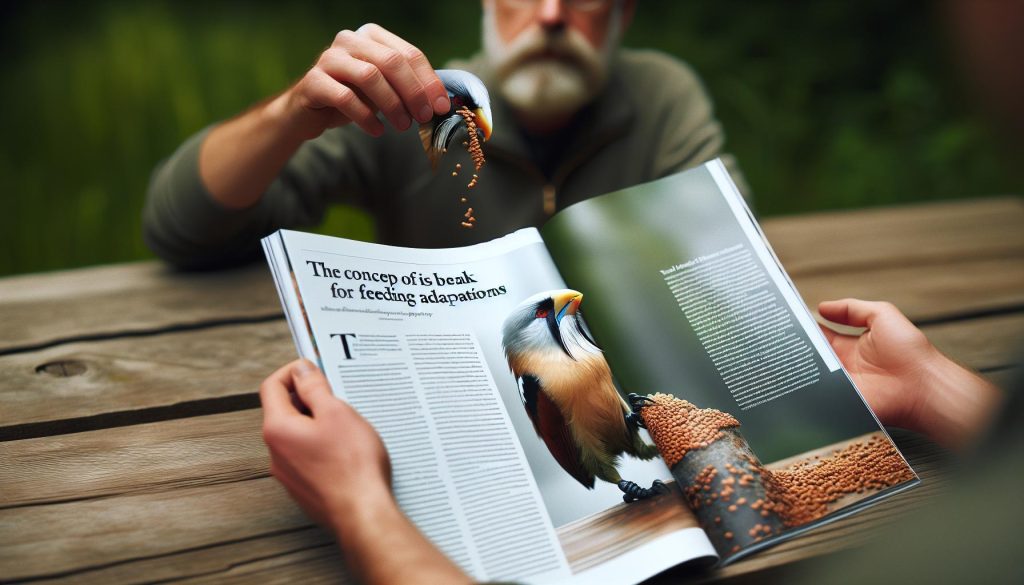
Did you know that the bearded barbet’s unique beak is not just for show but is a vital tool for its survival? These colorful birds display fascinating feeding adaptations that allow them to thrive in their natural habitats. Understanding how the bearded barbet utilizes its beak to forage can deepen our appreciation for their role in ecosystems and provide insights into avian behaviors. As you learn about their feeding techniques, you may discover how these strategies reflect broader themes of adaptation and survival in the wild, connecting you to the intricate web of life that supports these stunning creatures. Join us as we explore the remarkable feeding habits of the bearded barbet and uncover the wonders of nature’s designs.
Understanding the Bearded Barbet’s Unique Beak Anatomy

The Bearded Barbet is a fascinating bird not just because of its colorful plumage but prominently due to its unique beak anatomy, which plays a critical role in its survival and feeding behavior. This bird’s beak is notably stout and robust, allowing it to easily crack open hard fruits and seeds, which constitute a significant part of its diet. The shape and size of its beak provide it with the mechanical advantage needed to exert enough force to access the nutritious parts of its food sources.
Functional Design of the Beak
It’s amazing how the structure of the Bearded Barbet’s beak is intricately adapted to its feeding habits. The wide, chunky bill is ideally suited for husking tough seeds and tearing into the flesh of fruits. This adaptation is vital in its natural habitat, where such food sources are prevalent. Moreover, the beak’s slightly curved shape helps in grasping and manipulating various food items, enabling the bird to forage efficiently.
- Cracking Nuts: The barbet uses its powerful beak to crack open nuts, ensuring access to energy-rich kernels.
- Peeling Fruits: Its beak acts like a tool to peel away the outer layers of tough-skinned fruits.
- Insect Predation: While mainly fruit-eaters, barbets will also use their beaks to probe into crevices to find insects, showcasing versatility in their diet.
Role in Ecosystem
The Bearded Barbet’s beak isn’t only a tool for feeding; it also plays a significant role in its ecosystem. By feeding on fruits and seeds, these birds facilitate seed dispersal, which contributes to plant propagation and ecosystem health. This relationship highlights the importance of their unique beak structure, as it is not just essential for feeding but also for maintaining the balance of their natural habitat.
This remarkable evolutionary tool underscores the connection between anatomy and behavior, showcasing how the Bearded Barbet is expertly designed to thrive in its environment. Understanding these adaptations helps illuminate the broader picture of avian evolution and the intricate interactions within ecosystems.
The Science Behind Feeding Adaptations in Birds
The intricate feeding adaptations of birds, particularly the Bearded Barbet, reveal how evolutionary pressures shape physical traits to enhance survival. One captivating aspect of this adaptation is the role of the beak, which acts not just as a tool for feeding but also as a critical component in the bird’s interaction with its environment. The Bearded Barbet’s robust, stout beak is perfectly designed to tackle the hard fruits and seeds that make up a significant portion of its diet. This specialization allows the barbet to access nutritious food sources that might be off-limits to other birds, showcasing the fine balance between anatomy and ecological opportunity.
To understand how the Bearded Barbet utilizes its beak effectively, consider the mechanics involved in its feeding process. The wide, chunky bill exerts considerable force, essential for cracking hard nuts and peeling tough-skinned fruits. This design not only aids in the physical act of consuming these foods but also highlights the barbet’s role as a seed disperser within its habitat. By enabling the bird to eat a variety of fruits and seeds, including those with protective shells, the beak facilitates both nourishment and plant propagation-an essential interaction that underpins the health of its ecosystem.
Moreover, the beak’s slightly curved shape allows for better manipulation of food items, granting the Bearded Barbet a versatile advantage in foraging. This is particularly important in diverse environments, where the bird must adapt to find various food sources. Whether it’s prying open a stubborn fruit or probing into bark crevices to catch insects, the bearded barbet showcases the intricate link between beak structure and feeding behavior. As such, these adaptations not only serve individual needs but also help maintain ecological balance, underscoring the importance of understanding avian adaptations in the broader context of evolutionary biology.
How the Bearded Barbet forages for Food

The Bearded Barbet’s foraging techniques are as fascinating as they are effective, showcasing its remarkable adaptations that revolve largely around its specialized beak. These birds primarily thrive in tropical and subtropical environments, where their diet consists mainly of fruits, seeds, and insects. But how does the Bearded Barbet use its beak to access such varied food sources?
One of the key ways the Bearded Barbet forages is by leveraging its robust, chunky bill. This strong beak is perfectly suited for cracking hard fruits and seeds, enabling the bird to penetrate tough outer shells to access the nutritious interiors. When foraging, you might notice the barbet clinging to branches or hanging upside down to pick at berries, demonstrating remarkable agility. The barbet’s slight flexibility and curved shape provide the necessary grip to manipulate food, whether it’s tugging at hidden insects or pecking through thick fruit skins.
Additionally, the Bearded Barbet often forages alongside other species, benefiting from social feeding behaviors that can lead them to abundant food sources. This communal approach not only enhances their foraging efficiency but also fosters a lively dynamic among the birds. You’ll often see them at fruiting trees, where they will take turns accessing clusters of fruits unreachable to single birds. Their ability to adapt to different foraging contexts-whether that’s a crowded tree or a solitary bush-highlights their versatility and resourcefulness in seeking food.
Through this method of foraging, the Bearded Barbet plays a crucial role in its ecosystem. By eating and then excreting seeds, it aids in plant reproduction, helping to sustain the very habitats it depends on for food. This interplay between the barbet’s feeding habits and its ecological role underscores the importance of understanding these birds beyond their aesthetic appeal, as they contribute significantly to the health and diversity of their environments.
Diet and Nutritional Needs of Bearded Barbets
The Bearded Barbet is truly a marvel of adaptation, particularly when it comes to its diet and nutritional needs. The structure of its beak is not just an attractive feature; it plays a critical role in how these birds sustain themselves in their vibrant tropical and subtropical habitats. Mostly feasting on fruits, seeds, and insects, the Bearded Barbet has adapted to thrive on a varied diet that not only provides essential nutrients but also supports their energetic lifestyle.
One fascinating aspect of the Bearded Barbet’s diet is its preference for a variety of fruits, especially those with tough skins. To consume these, the barbet utilizes its strong, thick bill for cracking open the outer layers and reaching the juicy interiors. This specialized feeding technique is vital for their survival, providing them with the sugars and vitamins essential for energy. In addition to fruits, the Bearded Barbet also indulges in seeds and insects, which contribute necessary proteins and fats to their diet. Here’s a breakdown of their main food sources:
- Fruits: Commonly found fruits include berries, figs, and various drupes.
- Seeds: They are adept at breaking tough seed casings, making them a significant part of their diet.
- Insects: These provide protein and are especially important during breeding season for chick development.
The nutritional versatility of the Bearded Barbet’s diet is complemented by its foraging behavior. These birds are often seen foraging in mixed-species flocks, which helps them locate food more effectively and also lends to social interactions that enhance their foraging success. Their ability to adapt their feeding habits according to seasonal availability is crucial, maximizing their nutrient intake year-round.
Furthermore, as Bearded Barbets consume fruits and then excrete seeds, they play a significant role in seed dispersal within their ecosystems. This not only aids in plant reproduction but also helps maintain the diversity of their habitats. The intricate relationship between their dietary habits and their ecological impact underscores the importance of conserving their natural environments, ensuring these unique birds can continue to thrive in the wild.
The Role of the Beak in Habitat Interaction

The Bearded Barbet’s beak is not just a tool for feeding; it serves as a vital instrument for interacting with its habitat. This strikingly unique beak, characterized by its robust and curved structure, plays a multifaceted role in many aspects of the bird’s life, enhancing its ability to thrive in bustling tropical and subtropical ecosystems.
First and foremost, the beak is perfectly adapted for handling the diverse array of food sources the Bearded Barbet encounters. Its strong bill allows the bird to penetrate the tough skins of fruits like figs and berries, securing essential carbohydrates and vitamins. Moreover, this distinct structure enables the barbet to crack open seeds with ease, tapping into an important protein source which bolsters the bird’s energy levels, particularly during breeding seasons. Thus, understanding how the beak functions fundamentally influences how the Bearded Barbet exploits its environment.
In addition to feeding, the beak aids in social interactions and nesting behavior. During the breeding season, males may use their beaks to display during courtship rituals, showcasing their physical prowess and attracting potential mates. Furthermore, Barbets are known to excavate cavities in trees for nesting, employing their beaks to chisel and carve out suitable nesting sites. This behavior not only demonstrates their adaptability but also helps in fostering conditions conducive for raising their young.
Through these various roles, the Bearded Barbet illustrates a beautiful synergy between anatomical adaptation and ecological interaction. Its beak not only facilitates feeding but also enhances its ability to navigate and manipulate the environment, which ultimately contributes to the species’ survival and success. Understanding these nuances gives insight into the ecological importance of the Bearded Barbet and the critical need to protect its natural habitat to ensure these remarkable birds continue their essential ecological roles.
Common Feeding Techniques of Bearded Barbets
The Bearded Barbet’s feeding techniques are as fascinating as the bird itself, showcasing its unique adaptations and behaviors honed by evolution. This bird employs a variety of methods to maximize its access to food sources in the lush environments it inhabits. With its strong, curved beak, the Bearded Barbet exhibits remarkable dexterity and efficiency when foraging, allowing it to thrive on a diet rich in fruits, seeds, and insects.
One common technique involves gleaning, where the Bearded Barbet meticulously scans branches for ripe fruits and seeds. It uses its beak to peck and pry open the skins of tough fruits, such as figs, revealing the edible flesh inside. This not only fulfills its dietary need for carbohydrates and vitamins but also highlights its adaptability, as it can exploit different types of fruit that vary in hardness and size. When it comes to seeds, this bird often employs a methodical approach, cracking them open with its robust bill to access the nutrient-dense insides, providing crucial energy, especially during breeding season when food demands are heightened.
Another intriguing aspect of the Bearded Barbet’s feeding behavior is its use of drumming. When foraging, the bird may tap its beak on branches to dislodge insects hidden in crevices. This auditory cue attracts other birds that might disturb insects, making them easier targets. This social aspect not only aids in individual feeding but can enhance community foraging efforts among groups of barbets. Additionally, this drumming can also serve a dual purpose during courtship, further underscoring the multifaceted roles of the Bearded Barbet’s beak.
Furthermore, this species demonstrates storage techniques by caching surplus food. Barbets often hide seeds and fruits in tree bark or crevices, allowing them to return later when food is scarce. This behavior is crucial for ensuring consistent energy resources, especially in fluctuating seasonal conditions.
By observing these various feeding techniques, we appreciate the Bearded Barbet as not just a beautiful bird but a resilient and intelligent player in its ecosystem. Its unique feeding adaptations are a testament to nature’s ingenuity, perfectly tailored to dominate its niche in the vibrant tapestry of forest life.
Comparative Analysis: Bearded Barbet vs. Other Barbets
When we delve into the world of barbets, the Bearded Barbet stands out not just for its striking appearance but also for its unique feeding adaptations. These adaptations, particularly its specialized beak, allow it to thrive in various ecological niches compared to its relatives. While all barbets share certain characteristics, such as their vibrant plumage and fruit-based diets, the Bearded Barbet’s large, curved beak provides it with advantages that enhance its foraging efficiency and dietary versatility.
One of the notable distinctions between the Bearded Barbet and other species, like the Red-fronted Barbet or the Yellow-breasted Barbet, lies in the structure and function of their beaks. The Bearded Barbet’s beak is exceptionally robust, allowing it to crack open harder fruits and seeds that might be challenging for other barbets. For instance, while the Red-fronted Barbet also feeds on fruit, it may prefer softer varieties, limiting its options. In contrast, the Bearded Barbet showcases a wider range of feeding techniques, employing both gleaning and caching strategies that are less common among its relatives. This enables it to adapt to seasonal changes in food availability more adeptly.
Moreover, feeding behaviors such as drumming-tapping on surfaces to dislodge insects-demonstrate a level of social and environmental interaction that enriches its foraging experience. Other barbet species may rely on similar techniques, but the Bearded Barbet often incorporates these interactions into communal feeding sessions, where groups can share spaces and resources. This not only highlights its social intelligence but also showcases how its beak allows it to play a pivotal role in its community, influencing feeding dynamics that benefit multiple species.
In summary, while barbets in general share a love for fruit and an affinity for forests, the Bearded Barbet excels thanks to its specialized beak. Its ability to process a wider variety of food, coupled with its unique foraging behaviors, exemplifies how adaptations can lead to different ecological roles within the same family. This adaptability not only ensures its survival but also enhances the biodiversity of its habitat, making the Bearded Barbet a quintessential example of nature’s intricate balance.
Impact of Environment on Bearded Barbet Feeding Behavior
The Bearded Barbet’s interactions with its environment reveal a fascinating adaptability that not only influences its feeding behavior but also showcases its resilience in various habitats. These birds are commonly found in wooded areas, brushlands, and even urban settings, where their diets can notably shift based on the available resources. One captivating aspect of their environment’s impact is how seasonal changes directly affect their foraging patterns. For instance, during the fruiting season, Bearded Barbets capitalize on the abundance of ripe fruits, employing their robust beaks to access food that is often out of reach for many other species. In the dry season, when food becomes scarce, they may shift their diets to include more seeds and insects, showcasing their flexibility.
The structure of their beak is pivotal in this adaptation process. The Bearded Barbet’s large, curved beak not only enables it to crack open tougher fruits but also facilitates a variety of feeding techniques. This diversity allows them to effectively exploit different ecological niches as the environment changes. For example, in drier habitats where insects might thrive, Bearded Barbets have been observed using their beaks to probe into crevices of bark, revealing a treasure trove of hidden insects. This behavior not only speaks to their ingenuity but also highlights their role in maintaining the ecosystem by controlling insect populations.
Moreover, the communal nature of Bearded Barbets amplifies their ability to forage successfully within their environment. They often engage in social feeding, where groups congregate to exploit a rich food source, such as a fruit-bearing tree. This not only increases their foraging efficiency but also allows them to protect each other from potential predators. Such interactions demonstrate how their environment shapes social dynamics, further enhancing their feeding strategies and survival chances.
In summary, the Bearded Barbet exemplifies nature’s adaptability through its feeding behavior, which is intricately linked to environmental influences. Their ability to shift not only their diet but also their foraging strategies based on seasonal and habitat changes is a testament to their resilience and ecological importance. Through observing these remarkable birds, we can gain insights into how environmental factors shape behavior and provide a deeper appreciation for the delicate balance within ecosystems.
Conservation Status and Its Effect on Feeding Habits
The conservation status of the Bearded Barbet plays a significant role in shaping its feeding habits and overall behavior. As environmental conditions fluctuate and habitats are altered by human activities, the foraging strategies of these birds must adapt in response to the available resources. Being a species often found in specialized habitats like dense woodlands, the Bearded Barbet faces pressures from deforestation and habitat fragmentation. Such changes can dramatically influence the availability and variety of food sources they rely upon.
To illustrate this, during periods when their natural habitats are encroached upon, Bearded Barbets may find their traditional fruit and insect supplies diminished. In response, they may be forced to travel greater distances in search of food or shift their diets towards more readily available, albeit less nutritious, options. This not only affects their health and reproductive success but also has ramifications for their role in the ecosystem, such as their ability to help control insect populations and seed dispersal.
Moreover, as their habitat is affected, the adaptability of their beak becomes even more crucial. Their uniquely structured beak allows them to exploit a range of food sources, from fruits to tougher seeds and bark insects. However, if their favored food options become scarce, this specialized adaptation may be put to the test. As they adapt to changing conditions, their feeding techniques may need to evolve, showcasing their resilience but also highlighting the ongoing challenges posed by habitat loss.
In light of these challenges, conservation efforts targeting the protection and restoration of their natural habitats are vital. These efforts can help ensure that Bearded Barbets continue to have access to diverse food sources that support their nutritional needs and promote healthy population dynamics. By understanding the interplay between conservation status and feeding habits, we can foster initiatives that not only benefit the Bearded Barbet but also contribute to the broader ecological balance within their environment.
Observational Studies: Feeding Preferences in the Wild
The remarkable feeding strategies of the Bearded Barbet reveal much about its adaptability to diverse environments. Observational studies have shown that these birds exhibit a strong preference for specific food sources depending on habitat availability and seasonal changes. Typically, their diet is rich in fruits, particularly figs, which serve as a primary resource during peak abundance periods. This fruit-rich diet not only meets their energy requirements but also supports the birds’ distinctive foraging behaviors, enhancing their role as key players in seed dispersal within their ecosystems.
When studying Bearded Barbets in the wild, researchers have noted their exceptional ability to navigate dense forest canopies. Their beaks, which are perfectly adapted to extract seeds and insects from crevices in bark, enable them to exploit food sources that are often inaccessible to other birds. By employing a technique known as “bark peeling,” they can uncover hidden insects, providing an essential protein source that complements their fruit intake. This combination of fruit and insect consumption illustrates the barbet’s flexibility, as they readily adjust their feeding habits based on food availability.
Interestingly, observational studies have also highlighted the role of social dynamics in feeding preferences. Bearded Barbets often forage in small groups, allowing them to take advantage of collective knowledge about food sources. This social foraging strategy not only increases efficiency but also enhances learning opportunities about seasonal changes in food availability. For example, juveniles learn by observing experienced foragers, resulting in a robust transmission of foraging techniques that ensures they adapt swiftly to changes in their environment.
In conclusion, the feeding preferences of Bearded Barbets are a testament to their resilience and intelligence. By closely examining their behaviors, we gain valuable insights into the complexities of avian adaptations and the crucial balance between diet, social behavior, and environmental influence. Understanding these dynamics is essential for conservation efforts aimed at protecting their habitats and ensuring the continued survival of this unique species.
FAQs About Bearded Barbet Feeding Adaptations
Curiously adapted to its environment, the Bearded Barbet’s feeding techniques are as fascinating as they are effective. If you’re pondering how this dynamic bird utilizes its uniquely shaped beak for feeding, you’re not alone! Many enthusiasts wonder about their specialized adaptations and how these influence their diets and foraging behaviors. From their distinctive beak to their social foraging strategies, Bearded Barbets exhibit remarkable traits that enhance their survival.
One common inquiry revolves around the purpose of their robust beak. The Bearded Barbet’s bill is not just for show; it’s finely tuned for foraging. Designed to crack open hard fruits and extract seeds, this beak allows them to access a rich array of food sources that many other birds cannot reach. Their feeding flexibility means they can adapt their diet based on seasonal availability, demonstrating their resourcefulness. When figs become scarce, for instance, they shift their attention to insects tucked away in tree bark-a perfect job for their strong, pointed bill.
Additionally, many bird watchers are intrigued by how social dynamics play a role in their feeding habits. Bearded Barbets often forage in small groups, which not only allows them to share information about food locations but also enhances their efficiency in gathering food. This social behavior facilitates learning among younger birds, who observe and mimic the experienced foragers. As a result, communities of Bearded Barbets maintain a collective understanding of their environment, crucial for adapting to changes in food resources.
Finally, concerning habitat interaction, the Bearded Barbet’s feeding strategies are influenced by their habitat. They thrive in densely forested areas where they can exploit the vertical layers of trees. Their adaptability allows them to thrive in fluctuating conditions, ensuring their nutritional needs are met throughout the year. Understanding these feeding adaptations provides a gateway into grasping the complexities of their role within their ecosystem, highlighting the delicate balance of nature and the importance of conservation efforts. With these insights, you can more deeply appreciate the ingenuity of the Bearded Barbet and its essential role in the vibrant tapestry of avian life.
Q&A
Q: How does the beak of a Bearded Barbet aid in its feeding habits?
A: The Bearded Barbet’s beak is uniquely adapted for cracking open hard-shelled fruits and insects, allowing it to efficiently access its primary food sources. This adaptation enhances its ability to forage successfully within diverse habitats. For more on beak anatomy, see our section on “Understanding the Bearded Barbet’s Unique Beak Anatomy.”
Q: What types of food do Bearded Barbets prefer to eat?
A: Bearded Barbets primarily feed on fruits, insects, and occasionally small vertebrates. Their diet largely consists of berries and figs, which they skillfully extract using their beak. For more details on their nutritional needs, check our “Diet and Nutritional Needs of Bearded Barbets” section.
Q: How do Bearded Barbets forage for food in the wild?
A: Bearded Barbets forage by climbing trees and using their keen eyesight to spot ripe fruits and hidden insects. They may also use their beaks to peel back bark or dig into crevices to access hidden food sources. Our article’s section on “How the Bearded Barbet forages for Food” provides further insights.
Q: Do Bearded Barbets use their beaks for anything besides feeding?
A: Yes, Bearded Barbets use their beaks for grooming, nest building, and communication. Their beak’s shape and strength are essential for manipulating materials necessary for creating their nests and maintaining feathers. For a detailed look at these behaviors, please refer to “The Role of the Beak in Habitat Interaction.”
Q: How does environmental change affect Bearded Barbet feeding behavior?
A: Environmental changes, such as habitat destruction and climate change, can alter the availability of food sources for Bearded Barbets, leading them to adapt their foraging strategies or migrate to different areas. To understand these dynamics, see “Impact of Environment on Bearded Barbet Feeding Behavior.”
Q: Why are observational studies important for understanding Bearded Barbet feeding preferences?
A: Observational studies help researchers gather data on Bearded Barbet feeding behaviors in natural settings, revealing insights into their dietary choices and preferences. This information is vital for conservation and habitat management efforts. Learn more in our section on “Observational Studies: Feeding Preferences in the Wild.”
Q: What is the significance of beak morphology in feeding adaptations of Bearded Barbets?
A: Beak morphology directly influences feeding efficiency and diet selection in Bearded Barbets. Their broad, curved beaks allow them to grip and manipulate various food items effectively, showcasing natural selection’s role in shaping feeding adaptations. For further exploration, check “The Science Behind Feeding Adaptations in Birds.”
Q: How do Bearded Barbets compare with other barbet species in feeding techniques?
A: While Bearded Barbets primarily focus on fruits and insects, other barbet species may have different dietary preferences and feeding techniques based on their ecological niches. This comparative perspective can highlight adaptive radiation within the barbet family. Our section “Comparative Analysis: Bearded Barbet vs. Other Barbets” discusses this further.
In Retrospect
As we wrap up our exploration of how the Bearded Barbet utilizes its unique beak for feeding, it’s clear that these fascinating birds have adapted perfectly to their environment. Their specialized beak not only enhances their foraging capabilities but also highlights the intricate relationship between form and function in the avian world. If you’re eager to learn more about other bird adaptations or how habitat influences feeding behaviors, check out our articles on “Bird Beak Variations” and “Adaptations in the Animal Kingdom.”
Don’t miss out on our latest insights-subscribe to our newsletter for updates on diverse wildlife topics and exciting new content! Have thoughts or questions? Join the conversation in the comments below; we’d love to hear from you! Let’s continue this journey of discovery together, and remember, understanding these details not only enriches our knowledge but also nurtures our appreciation for the wonders of nature.