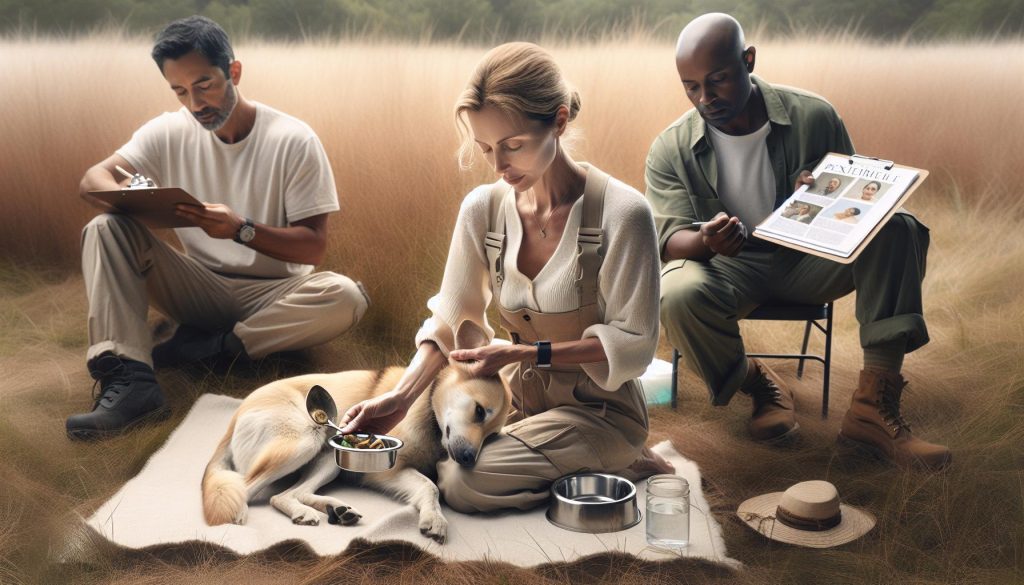
Did you know that dogs can survive several days without food, but only a couple of days without water? Understanding how long your furry friend can go without these essentials is crucial for any dog owner. Whether you’re planning a trip, dealing with an emergency, or just curious about canine survival limits, knowing the facts can help you make informed decisions to keep your dog healthy and safe. Keeping track of your dog’s hydration and nutrition needs isn’t just important for their wellbeing; it fosters a deeper bond between you and your pet. In this article, we’ll explore the survival limits of dogs without water and food, providing valuable insights and practical advice to ensure your beloved companion stays happy and healthy. Your dog’s needs matter, and being equipped with the right knowledge means you can ensure their comfort and safety, no matter the situation.
How Long Can Dogs Survive Without Water?
Dogs, like humans, require water to survive, and the stakes can be alarmingly high when it comes to their hydration needs. While most healthy dogs can generally survive without water for about 3 to 5 days, this period can vary significantly depending on several crucial factors. For instance, a dog’s size, age, health status, and environmental conditions all influence how quickly they may become dehydrated. A small, young puppy or an older dog with underlying health issues may succumb to dehydration far sooner than a robust adult dog in cool, comfortable conditions.
In the wild, dogs, much like their wolf ancestors, have adapted to survive in various environments, yet domesticated dogs are often dependent on their owners for regular access to clean water. Factors such as hot weather or increased physical activity can exacerbate the need for water, with dogs potentially needing up to twice the usual amount of water during these times. It is essential for dog owners to be vigilant about their pets’ hydration, particularly during long walks or outings, as dogs may not always show signs of thirst until they are already mildly dehydrated.
To ensure your dog remains hydrated, always provide fresh water in a clean bowl, and consider carrying extra water during trips to the park or hiking. Remember, certain breeds may have higher fluid requirements due to their size or energy levels – active breeds like Border Collies or Labrador Retrievers may need more water than more sedentary breeds. By being proactive about your dog’s hydration, you not only promote their health and wellbeing but also enhance their overall quality of life.
Understanding Dogs’ Water Needs
Dogs are truly remarkable creatures that, much like humans, depend heavily on water for their well-being. Did you know that water makes up about 60% of a dog’s body weight? This crucial nutrient is essential not only for hydration but also for various bodily functions such as digestion, circulation, and temperature regulation. Understanding how much water your dog requires can help prevent serious health issues, especially as dehydration can set in quickly.
Each dog’s water needs can vary widely based on several factors, including their size, age, activity level, and health status. Generally, dogs should drink about one ounce of water per pound of body weight each day. However, active breeds like Border Collies or Labrador Retrievers may need more due to their energetic nature. Similarly, puppies and pregnant or nursing dogs will require additional hydration. Always remember that fresh, clean water should be accessible to your pet at all times. A fun way to ensure hydration during outings is to invest in a portable dog water bowl or even a dog-friendly water bottle that dispenses water easily.
When it’s hot outside, or your dog is engaging in vigorous activity, their need for water can skyrocket. Signs that your pup might need more hydration include increased panting, dry gums, and lethargy. In extreme cases, dehydration can lead to serious complications, so staying alert to your dog’s water consumption and making hydration a priority during outings is vital. Always carry extra water, especially during warmer months, and consider scheduling frequent breaks for your dog to hydrate. Keeping your dog happy and hydrated not only improves their health but also enhances the bond you share during your adventures together.
The Signs of Dehydration in Dogs
Knowing how to recognize when your furry friend is dehydrated can make the difference between a healthy pup and an emergency visit to the vet. Dogs can show early signs of dehydration in subtle but important ways that loving owners should be aware of. Since hydration is crucial for their overall health and well-being, let’s dive into those signs to watch for in your four-legged companion.
One of the first indicators of dehydration is increased thirst. If you notice your dog drinking more water than usual, it can be a signal that they’re trying to maintain hydration. Pay close attention to any sudden changes in their drinking habits. Additionally, panting is another key sign. While dogs naturally pant to cool down, excessive panting-especially when accompanied by a lack of energy-can indicate that they’re overheating and require more fluids.
You can perform a quick skin elasticity test to assess their hydration. Gently pinch the skin on the back of your dog’s neck and release it. In a well-hydrated dog, the skin will return quickly to its normal position. If it takes a moment to bounce back or stays in a tented position, your dog might be dehydrated. Other symptoms to be mindful of include dry gums and a loss of appetite. Healthy dogs typically have moist and shiny gums; if they feel dry or sticky, hydration is crucial.
Lastly, you may notice your dog becoming noticeably less active or lethargic, a severe sign that dehydration is affecting their energy levels. As responsible pet owners, it’s vital to keep a keen eye on these signs, especially during hot weather or after exercising. If you suspect your dog is dehydrated, it’s best to take action quickly. Always provide fresh, clean water and consult a veterinarian if their condition doesn’t improve. Your attentive care can help ensure your dog remains happy and healthy!
Factors Affecting a Dog’s Survival Time
The amount of time a dog can survive without food and water varies significantly based on several critical factors. Understanding these variables can help you take proactive measures to ensure your furry friend remains healthy and safe.
One of the primary influences on a dog’s survival is hydration. While a dog can go without food for several days, the absence of water dramatically shortens this timeframe. Typically, a dog may survive without water for about three days, but this can be much less depending on their activity level, environmental conditions, and overall health. For instance, a dog left outdoors in extreme heat will dehydrate much faster than one in a cool, shaded environment. Active breeds known for high energy, like Border Collies or Siberian Huskies, may require more consistent hydration, especially after vigorous play or exercise.
Another crucial factor is health status. Dogs suffering from pre-existing conditions, such as kidney disease or diabetes, may already be at risk for dehydration. Age plays a role too; older dogs may not have the same thirst drive or may struggle to obtain water due to mobility issues. Likewise, puppies require more frequent access to water due to their developing bodies and higher metabolic rates.
Additionally, nutritional factors cannot be overlooked. Dogs on dry kibble diets may initially require more water than those on wet food diets, as the moisture content in the latter helps fulfill some of their hydration needs. Their nutritional status also impacts their survival, where malnourished dogs may have lower energy reserves, potentially affecting how long they can last without food.
In essence, a well-rounded understanding of these factors not only highlights the complexities of canine care but also emphasizes the need for vigilant pet ownership. Ensuring your dog has constant access to fresh water and a balanced diet tailored to their needs is essential for a long and healthy life. Remember, being observant and proactive can make a world of difference when it comes to your dog’s wellbeing.
How Long Can Dogs Last Without Food?
Dogs possess remarkable resilience, but their survival mechanisms have limits, especially when it comes to food. In general, dogs can survive without food for several days-typically around three to five days-but this period can vary significantly depending on numerous factors such as health, age, and breed. For example, a healthy adult dog may endure longer without food than an ill or elderly dog, which would linger much closer to the lower end of this range.
The breed of the dog also plays a crucial role in determining how long they can last without sustenance. Larger breeds, like Great Danes, may have more body reserves to draw from than smaller breeds like Chihuahuas. For instance, a dog that has access to water but no food might last longer than one that is deprived of both. Moreover, dogs that are overweight could potentially survive longer thanks to their fat reserves, which act as an energy source even when food is not available.
In scenarios where dogs stop eating, it’s essential for owners to pay attention to the signs of distress. If your dog refuses food for longer than 24 hours, it’s important to consult a veterinarian, as a sudden loss of appetite can be indicative of deeper health issues. Dogs facing starvation may show symptoms such as lethargy, weakness, and irritability, leading to more severe health complications over time.
Here are a few practical tips to maintain your dog’s health and ensure that these situations are less likely to occur:
- Regular Check-Ups: Schedule routine wellness visits with a veterinarian to monitor your dog’s overall health.
- Quality Nutrition: Provide a balanced diet tailored to your dog’s specific needs, factoring in their age, activity level, and health condition.
- Observation: Keep an eye on eating habits and watch for any changes or signs of illness, which can provide early warnings of potential issues.
- Emergency Preparations: Always have a backup plan for pet care, so your dog is never left in a situation where they go hungry.
Taking these steps not only helps prevent food deprivation but fosters a healthier and happier life for your furry friend. Engaging with your dog regularly and being observant of their eating habits can lead to a more fulfilling relationship and contribute greatly to their well-being.
Impact of Breed on Food Deprivation
Larger dog breeds often have more fat reserves and muscle mass, allowing them to endure longer periods without food compared to their smaller counterparts. For instance, a Great Dane, with its substantial body size, can typically withstand a longer duration without nourishment than a Chihuahua, which has significantly less body fat to rely on. This difference highlights a key aspect of breed impact: the size and composition of the dog directly influence their ability to survive periods of food deprivation.
### Understanding Breed Variations
Different breeds have different metabolic rates and energy needs. Working breeds like Siberian Huskies or Border Collies, known for their high energy and active lifestyle, may require more frequent feeding compared to more sedentary breeds like Bulldogs or Basset Hounds. Consequently, during instances of food deprivation, the repercussions could be more severe and rapid in high-energy breeds. For instance, a high-spirited breed may exhibit signs of distress like agitation or excessive pacing sooner than a calm, less active breed, making it crucial for owners to understand their dog’s unique needs to mitigate risks effectively.
### Care Strategies Based on Breed
To ensure that each dog is appropriately cared for during times when food may be scarce or when they refuse to eat, owners can adopt several tailored strategies:
- Monitor Dietary Needs: Stay informed about the nutritional requirements based on breed characteristics and adjust feeding protocols as necessary. For instance, a growing puppy or a lactating female will have higher caloric needs than a senior dog.
- Recognize Signs of Stress: Pay attention to behavioral changes. A Labrador may show drastic changes in playfulness when hungry, whereas a Shih Tzu may become more withdrawn. Observing these behaviors can help in timely intervention.
- Maintain Regular Feeding Schedules: Ensure consistent feeding practices that match the breed’s specific requirements. For example, small breeds may benefit from multiple small meals throughout the day instead of one or two large portions.
### Breed Comparison Chart
The following chart illustrates the differences in food deprivation endurance across various breeds, serving as a quick reference for dog owners:
| Breed | Typical Last Without Food | Body Reserves Type |
|---|---|---|
| Great Dane | 5-7 days | High muscle and fat mass |
| Labrador Retriever | 4-6 days | Moderate fat mass |
| Beagle | 4-5 days | Balanced body composition |
| Chihuahua | 3-5 days | Low fat mass |
| Basset Hound | 4-6 days | Moderate fat mass |
Ultimately, understanding the can empower dog owners to provide better care tailored to their pet’s unique needs. This nuanced approach can help foster healthier lifestyles, prevent serious health issues, and enhance the bond between owner and dog. Being proactive in recognizing their signs of deprivation and ensuring they maintain a balanced diet can lead to a happier and more fulfilling life.
The Consequences of Starvation in Dogs
Starvation is a serious issue that can lead to devastating consequences for dogs, impacting their overall health and well-being. While dogs can typically survive several days without food, the effects of starvation begin to manifest much sooner. Within just a few days, a dog may experience significant weight loss, muscle wasting, and lethargy. As their bodies start to break down fat and muscle for energy, the risks of long-term damage and organ failure escalate, particularly among smaller or more vulnerable breeds.
The signs of starvation can be subtle at first, but they quickly become more apparent. A dog may seem more tired than usual, display irritability, or show a lack of interest in activities they once enjoyed. Moreover, their coat may lose its shine, become brittle, or even start to fall out, pointing to nutritional deficiencies. With time, more severe symptoms can develop, including gastrointestinal issues like vomiting or diarrhea, which can lead to further dehydration-a dangerous cycle that further jeopardizes a dog’s health.
Hunger can affect various breeds differently. Larger breeds, like Great Danes or Labradors, may tolerate food deprivation longer due to greater body mass, but they still face risks. Small breeds, such as Chihuahuas, have less body fat to draw upon, making them more susceptible to rapid decline. For instance, a Chihuahua may show severe signs of distress within a mere three days without food, while a Great Dane could potentially manage five to seven days, but at a significant cost to their health.
### Practical Tips to Support Dogs at Risk of Starvation
Caring for a dog during times of food scarcity requires vigilance and knowledge. Here are some actionable strategies to help your furry friend recover and thrive:
- Monitor Weight: Regularly check your dog’s weight to catch any significant changes early on.
- Consult a Veterinarian: If your dog refuses to eat for more than a day or two, seeking professional advice is crucial.
- Gradual Refeeding: If your dog has been without food, introduce small, easily digestible meals to prevent gastrointestinal upset.
- Provide Nutrient-Rich Foods: Opt for high-quality dog food that meets your pet’s specific needs and ensures they receive essential nutrients.
- Stay Hydrated: Always provide fresh water to help prevent dehydration, especially during recovery periods.
By understanding the consequences of starvation and taking proactive steps, dog owners can play a crucial role in their pet’s recovery from food deprivation, enabling them to lead healthier, happier lives.
Practical Tips for Keeping Your Dog Hydrated
Ensuring your dog stays hydrated is crucial for their overall well-being, especially since dogs can typically survive only a few days without water. In fact, dehydration can set in surprisingly quickly, often within just 24 hours, especially in warm weather or with physically active dogs. Understanding how to keep your furry friend hydrated can prevent serious health issues and increase their vitality and happiness.
To ensure adequate hydration, always provide fresh, clean water at all times. Keep several water bowls in different areas of your home and in the yard, especially if you have a larger breed that roams. Consider using spill-proof bowls or those with a weighted base to minimize mess and ensure they regularly access water. If your dog tends to drink less, try adding ice cubes to their bowl, which can intrigue them and encourage drinking. For dogs that are reluctant to drink plain water, you might consider offering flavored water by adding a splash of low-sodium broth to their bowl.
Daily Hydration Tips
- Monitor Water Intake: Keep track of how much water your dog drinks daily. If you notice a sudden drop, it may be a sign of an underlying issue that requires veterinary attention.
- Serve Honoring Temperature: Dogs often prefer cooler water, especially during warm months. You might consider keeping their water bowl in the shade when outside.
- Hydrating Foods: Incorporate wet dog food or add water to their dry kibble. These strategies can help increase their fluid intake.
- Regular Breaks: While on walks or outings, give your dog frequent breaks where they can access water, particularly if they are panting heavily.
Being proactive about hydration not only supports your dog’s physical health but also enhances their quality of life. Each breed has different hydration needs; for instance, smaller breeds like Chihuahuas may require more frequent access to water due to their high metabolism, whereas larger breeds may have different patterns when it comes to fluid intake. Tailoring your approach ensures that your dog remains healthy and happy, at all stages of life.
Emergency Actions for a Dehydrated Dog
When a dog is dehydrated, every moment counts. Dogs can lose significant amounts of water rapidly, and severe dehydration may occur within a day, especially in hot weather or after vigorous exercise. Quick and effective action is essential to prevent severe health consequences, including organ damage or even death. Knowing how to respond to a dehydrated dog is vital for every pet owner.
If you suspect your dog is dehydrated, start by gently offering fresh water. While some dogs may eagerly drink, others might need encouragement. You can entice a reluctant dog by offering ice cubes or by adding a small amount of low-sodium broth to their water. For dogs exhibiting severe signs of dehydration-such as lethargy, sunken eyes, or dry gums-it’s crucial to contact your veterinarian immediately. This can sometimes indicate a more serious underlying health issue or heatstroke.
In addition to providing water, you can implement a few emergency first aid measures if your dog is severely dehydrated. If your dog is conscious and willing to drink, allow them to sip small amounts of water gradually rather than guzzling large quantities, as this could lead to vomiting. For a more advanced approach, if your veterinarian is not immediately available, consider giving them an electrolyte solution designed for dogs, which can help restore lost electrolytes.
Finally, no matter the severity of the dehydration, it’s important to monitor your dog’s condition closely. Once they begin to improve, keep a close eye on their hydration levels by checking their skin elasticity. Gently pinch the skin on the back of their neck; if it quickly returns to its normal position, they are likely rehydrating well. However, if it takes time to return or falls flat, further veterinary attention is necessary. Regular check-ups and proactive hydration strategies can help prevent dehydration, ensuring your furry friend remains vibrant and healthy.
Preventing Dehydration During Hot Weather
When the temperature rises, keeping your dog hydrated should be a top priority. Dogs can overheat quickly, and preventing dehydration is crucial for their health and well-being. Did you know that dogs can start feeling the effects of dehydration within just a few hours of not having access to water? It is essential to incorporate some practical strategies to ensure your canine companion stays hydrated, especially during hot weather or while engaging in outdoor activities.
One of the most effective ways to keep your dog hydrated is to always provide fresh, clean water. Ensure your dog has access to water both indoors and outdoors. During hot days, you can set up multiple bowls in shaded areas to encourage drinking. Additionally, consider investing in a pet water fountain, which many dogs find more appealing than still water. Change the water frequently, as fresh water is more enticing, and dogs are more likely to drink it.
Another helpful tip is to incorporate hydration into your dog’s diet. Adding moisture to their meals can be beneficial, particularly if they are fed dry kibble. You might mix in low-sodium broth, canned food, or even plain yogurt. This way, you can boost their fluid intake during meals. If your dog is particularly active or spends significant time outdoors, a flattering ice treat can be a delightful and refreshing option. You can freeze low-sodium broth in ice cube trays and offer these as treats-perfect for cooling down after a long walk or a play session.
Always be mindful of your dog’s exercise routines on hot days. It might be tempting to take Fido for a long hike, but it’s safer to opt for shorter walks during cooler hours, such as early morning or late evening. If you must walk your dog during the heat, allow plenty of breaks in shaded areas, and ensure they have access to water. Remember that certain breeds are more susceptible to heat-related issues; brachycephalic breeds like Bulldogs and Pugs may struggle more in high temperatures and should be monitored closely.
By taking these proactive steps, you can help ensure your dog remains refreshed and hydrated throughout hot weather. Always remember that an ounce of prevention is worth a pound of cure, so stay observant and adjust your dog’s routine as necessary.
Recognizing and Responding to Food Refusal
When your furry friend suddenly refuses food, it can be concerning. Dogs are generally enthusiastic eaters, and food refusal can often be a warning sign of an underlying health issue, stress, or simply a change in their routine. It’s important to recognize that while dogs can survive without food for several days, depending on their size, age, and overall health, prolonged refusal to eat can pose serious health risks. Understanding how to respond is crucial for any dog owner.
First, consider the possible reasons for your dog’s food refusal. Stressors such as changes in their environment, new pets, loud noises, or even a recent trip to the vet can cause anxiety in your dog, making them less inclined to eat. Additionally, health issues ranging from dental problems to gastrointestinal disturbances can lead to loss of appetite. If your dog is otherwise acting normally, it might just be a temporary phase, but if the refusal lasts more than a day or two, consult your veterinarian, as they might need a check-up to rule out medical issues.
To encourage your dog to eat, try to create a calm eating environment. Establish a routine by feeding them at the same times each day. Experiment with different feeding techniques, such as warming their food to enhance aromas or mixing in a small amount of low-sodium broth to make their meals more appealing. Make sure their food and water bowls are clean and placed in an area where they feel secure and comfortable. Sometimes, the type of food can also make a difference. If your dog has been eating the same kibble for a while, consider switching to a different flavor or brand, or opt for wet food.
If you’ve tried these methods and your dog still refuses to eat, it’s important not to force food upon them. Forcing can lead to further aversion. Instead, monitor their behavior closely for other signs of distress or illness, such as lethargy, vomiting, or diarrhea. Keeping a food diary to track what they eat and any changes in their routine can also provide valuable insights for your vet. Remember, while love and attention are essential, ensuring your dog’s health is the ultimate priority. By staying observant and proactive, you’re not just a pet owner; you’re a dedicated caretaker ready to support your dog through any challenges they face.
Nutritional Strategies for Unwell Dogs
When your dog is unwell, ensuring they receive proper nutrition can be as crucial as medication or a visit to the vet. Dogs’ nutritional needs can shift dramatically depending on their health status. For instance, a dog recovering from surgery or illness may require a more easily digestible diet, while a pup with chronic conditions may need specialized foods tailored to their specific needs. Understanding how to adapt their diet during these times can play a significant role in their recovery.
To start, consider incorporating highly palatable wet foods or home-cooked meals into their diet. This can make feeding less of a chore and encourage them to eat. You might prepare a simple dish of boiled chicken and rice, which is gentle on the stomach and often well-accepted. Ensure you consult with your vet beforehand about any new food introductions, particularly concerning ingredient sensitivities or allergies. Additionally, add some low-sodium broth over their food to enhance flavors and encourage hydration, especially if they’re also refusing water.
It’s important to recognize the specific nutritional needs based on your dog’s breed and health condition. For instance, larger breeds may benefit from a diet enriched with joint-supporting supplements like glucosamine, while smaller breeds might require calorie-dense food due to their faster metabolism. Always read labels and opt for high-quality dog foods, as these typically offer better nutrient profiles which can be essential during recovery.
Lastly, if your dog continues to refuse food or shows signs of distress, it’s crucial to consult your veterinarian. They can recommend specialized diets or suggest appetite stimulants if necessary. Regular check-ins can ensure that any underlying health issues are managed appropriately while your furry friend gets back to feeling their best. By being diligent in their dietary needs and listening to their body signals, you can actively support your pup during tough times, ensuring they return to their playful, energetic selves as soon as possible.
Q&A
Q: How long can a dog survive without water?
A: A dog can generally survive for about 3 to 5 days without water, but this can be influenced by factors such as temperature and the dog’s health. Ensure that fresh water is always available to prevent dehydration, which can lead to severe health issues.
Q: What are the signs that a dog is dehydrated?
A: Signs of dehydration in dogs include dry gums, excessive panting, lethargy, and loss of skin elasticity. If you observe these signs, offer water immediately and consult a veterinarian if the condition persists [2].
Q: Can dogs eat before a long trip?
A: Yes, feeding your dog a few hours before a long trip can help settle their stomach. However, avoid feeding immediately before travel to prevent motion sickness. Always carry water for your dog to keep them hydrated during the journey.
Q: How long can dogs go without food?
A: Dogs can typically survive for about 5 to 7 days without food, but prolonged periods can lead to serious health issues. It’s essential to monitor their eating habits and consult a vet if your dog refuses food for longer than a day [3].
Q: What should I do if my dog refuses to drink water?
A: If your dog refuses to drink water, try offering ice cubes, ice chips, or using a pet water fountain to encourage drinking. Additionally, you can provide wet dog food or add water to kibble for hydration [1].
Q: How does the environment affect a dog’s survival time without water?
A: High temperatures and humidity can significantly reduce the time a dog can survive without water, as they lose hydration more quickly. Ensure your dog has access to shade and water, especially in hot weather.
Q: Are some dog breeds more resilient to food deprivation?
A: Yes, certain breeds like the Alaskan Malamute or Siberian Husky have been known to tolerate food deprivation better due to their evolutionary adaptations. However, it’s always better to monitor all breeds closely for their nutritional needs.
Q: What should I do in case of a dehydrated dog?
A: If you suspect your dog is dehydrated, offer them water slowly and consider taking them to the vet for a proper assessment and treatment. Immediate rehydration is critical to prevent serious complications.
In Summary
Understanding how long a dog can go without food or water is crucial for every pet owner. Remember, while dogs can survive several days without food, only a short period without water can lead to serious health consequences. If you’re concerned about your dog’s drinking and eating habits, don’t hesitate to consult with your veterinarian for personalized advice.
To further enhance your canine care knowledge, check out our articles on “Essential Dog Nutrition Tips” and “Signs of Dehydration in Dogs” to ensure your furry friend stays healthy and happy. If you’ve found this information helpful, consider subscribing to our newsletter for regular updates and expert pet care tips. Share your thoughts or personal experiences in the comments below-your stories could help fellow dog lovers! Remember, keeping your dog hydrated and well-fed is not just about routine; it’s a vital part of their overall well-being.