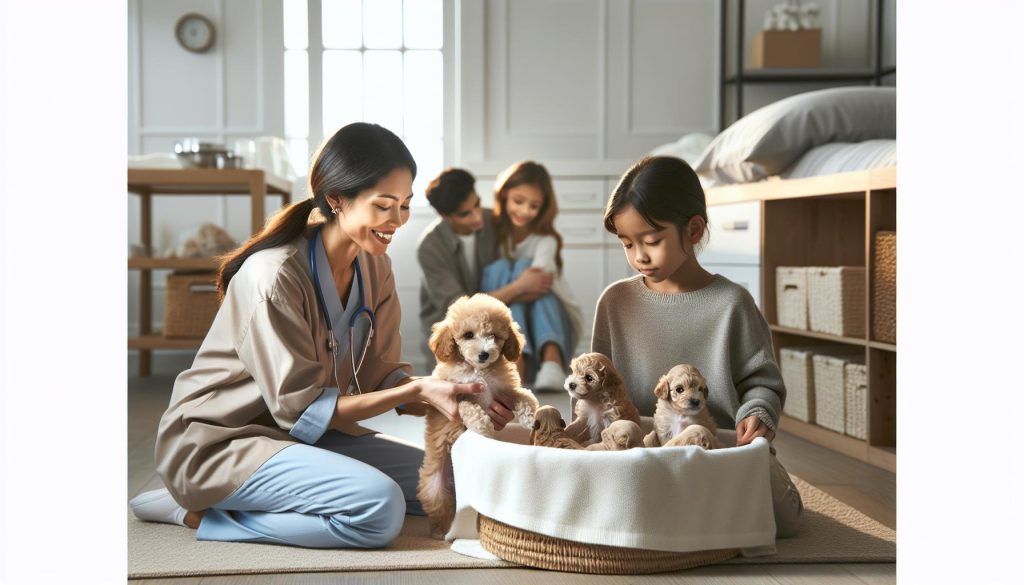
Did you know that a Toy Poodle’s litter size can vary significantly based on factors like health, age, and breeding practices? For potential and current poodle owners, understanding how many puppies a Toy Poodle can have is essential for planning and care. Not only does this knowledge help in preparing for the arrival of new furry family members, but it also highlights the responsibilities that come with breeding and raising puppies. In this guide, we’ll explore litter size facts specific to Toy Poodles, helping you grasp what to expect and how to support your pooch during this exciting time. Dive in as we uncover the insights every Toy Poodle lover should know!
How Toy Poodle Litter Sizes Compare to Other Breeds
When considering the delightful journey of breeding Toy Poodles, it’s important to understand how their litter sizes stack up against other dog breeds. On average, Toy Poodles tend to have smaller litters compared to medium and large breeds. A typical litter size for Toy Poodles can range from 2 to 6 puppies, while larger breeds such as Golden Retrievers or German Shepherds can comfortably have 6 to 12 puppies in one go. This can be attributed to the Toy Poodle’s petite size and physical limitations which naturally restrict the number of puppies they can carry to term.
While size plays a critical role, it’s not the only factor influencing litter size. Genetic background, age, and health status of the dam also significantly affect how many puppies can be expected. For instance, younger dogs may have smaller litters as they are still developing, while older dogs can have declining litter sizes due to factors such as hormonal changes. Each breed has its tendencies, making it essential for prospective breeders to familiarize themselves with specific breed norms and variations.
Comparatively, smaller breeds like Chihuahuas also exhibit smaller litters, typically producing about 1 to 3 puppies, highlighting how breed characteristics dictate reproductive outcomes. Understanding these nuances not only prepares breeders for the joyful arrival of new puppies but ensures they are equipped with the knowledge to provide the best care possible for both the mother and her growing litter.
Factors Influencing Litter Size in Toy Poodles
Understanding what influences the litter size in Toy Poodles can greatly enhance the experience for both breeders and future puppy owners. These adorable, petite dogs typically bring into the world fewer puppies than their larger counterparts due to several key factors that play a pivotal role in determining how many little ones a mom can have.
Among the most significant aspects is the genetic background of the Toy Poodle. Each individual dog carries breed-specific traits, which can affect reproductive capabilities. Breeders should pay close attention to the lineage of the dogs involved in breeding, as certain lines may consistently produce larger or smaller litters. Age is another critical element; younger Toy Poodles may have limited experience which could result in smaller litters, while older females may face a decline in fertility, translating to fewer puppies. Maintaining a healthy, well-balanced diet and providing regular veterinary care are essential to ensure that the dam is in optimal condition for breeding.
The health and physical condition of the mother also hold considerable weight in this equation. Well-cared-for mothers with sound health are typically able to carry and deliver larger litters. Stress, underlying health issues, and even environmental factors can negatively impact litter size. It’s also worth noting that the overall size of the dam can matter-since Toy Poodles are small in stature, they’re naturally limited in the number of puppies they can safely carry.
To help potential breeders prepare, a checklist can be beneficial:
- Health Check: Regular vet visits to ensure the dam is healthy.
- Dietary Needs: Providing a balanced diet tailored for pregnant dogs.
- Genetic Research: Investigating the lineage of both parents.
- Stress Minimization: Creating a peaceful environment for the mother.
- Age Consideration: Knowing the optimal age for breeding, typically between 2 to 5 years.
By taking these factors into account, breeders can cultivate a healthier breeding process, promote optimal litter sizes, and ensure a smooth transition for the puppies into loving homes. Each step taken towards understanding these influences not only fosters a better environment for the dam but also enriches the lives of the future puppy owners, creating a community that values the unique joys of raising Toy Poodle puppies.
Typical Litter Size for Toy Poodles: What to Expect
The excitement of welcoming a litter of Toy Poodle puppies into the world is truly unparalleled! However, potential breeders often find themselves wondering just how many tiny bundles of joy they can expect when their Toy Poodle gives birth. Typically, the litter size for Toy Poodles ranges from two to five puppies, with the average being around three to four. This smaller number is largely due to the breed’s size and reproductive characteristics, making it a unique journey compared to larger dog breeds which can often have larger litters.
As you prepare for the arrival of the puppies, understanding the typical litter size offers helpful insights for managing expectations. Each pregnancy can vary; while some mothers may surprise you with a few extra pups, others may deliver only one. Factors such as the mother’s age and health, as well as the genetics involved, can influence not just the number of puppies born, but also their overall health and viability. For example, younger females may have smaller litters initially, while older dogs might produce fewer puppies due to decreased fertility.
To ensure a smoother whelping experience, consider establishing a comfortable and safe space for the mother. This not only helps alleviate her stress but also creates a welcoming environment for the newborns. Equipping the whelping area with necessary supplies-such as clean bedding, heating elements, and easy access to water and food-can significantly enhance the mother’s comfort, which is crucial for her and her puppies’ well-being.
Ultimately, each litter is a beautiful reminder of the amazing bond between pet and owner, bringing the joys of parenting and responsibility right into your home. By being well-informed and prepared, you’ll not only help the new mother but also set the stage for a successful and loving transition for all the little poodles into their future homes.
Understanding the Whelping Process for Toy Poodles
The journey of bringing Toy Poodle puppies into the world is a remarkable experience that combines patience, preparation, and care. As a potential breeder, understanding the whelping process is crucial to ensure the health and safety of both the mother and her puppies. Whelping, the process of giving birth, generally begins with the mother exhibiting signs of nesting-this is when she seeks out a quiet, comfortable space to give birth. It’s essential to have a designated whelping area prepared in advance, equipped with clean bedding, warmth (like heating pads), and easy access to food and water.
As the birthing process begins, the mother may experience contractions and will likely alternate between being calm and agitated. It’s important for you to remain calm and supportive, offering reassurance but not overwhelming her with attention. Each puppy is usually delivered in its own amniotic sac, which the mother instinctively tears open to clean her newborn. Puppy delivery can take from a few minutes to over an hour between each pup, and while the typical litter is small, even a single puppy can take longer if complications arise.
Post-Whelping Care
Once all the puppies are delivered, the mother may need help especially if she is a first-time mom or if complications arise. In some instances, a puppy may need assistance with breathing if the mother is busy cleaning the other puppies. Keep a close eye on the whole process, ready to intervene if there’s any trouble, but also trust the mother’s instinct and abilities.
Following the birth, it’s vital to monitor the mother and her puppies closely. Ensure they are nursing properly, as colostrum, the first milk, is crucial for their immune system. Provide the new family with a quiet space, and limit visits to reduce stress. Having a support plan in place, including access to a veterinarian, is essential in case any health issues arise. Remember, the joy of new life also carries the responsibility of ensuring their well-being every step of the way.
Diet and Care for Pregnant Toy Poodles
The health and well-being of a pregnant Toy Poodle are paramount not just for her own comfort but also for the optimal growth and development of her puppies. Proper diet and care during this critical time can significantly impact the litter’s health and the mother’s recovery post-whelping. An exciting fact to note is that during pregnancy, a dog’s nutritional needs change drastically; she requires higher levels of protein, fats, and essential vitamins to support her growing puppies.
To ensure the mother receives the best nutrition possible, consider a high-quality dog food specifically formulated for pregnancy or lactation. Look for options that list meat as the primary ingredient, rich in protein, and incorporate wholesome fats for energy. It’s often recommended to feed her three to four smaller meals a day instead of two larger ones, as this can help with digestive comfort, especially as her belly grows. Additionally, offer a variety of fresh water to ensure she stays hydrated.
Essential Nutrients for Pregnant Toy Poodles
A well-rounded diet should include:
- High-quality Protein: Supports overall health and development of the puppies.
- Increased Fat Content: Essential for energy; fat is a dense source of calories.
- Calcium and Phosphorus: Vital for bone development; consider a supplement if her food lacks these nutrients.
- Omega-3 Fatty Acids: Beneficial for brain development; can be found in fish oils or flaxseed oil.
- Vitamins and Minerals: Ensure a broad spectrum of vitamins, particularly A, D, and E; consult your vet for potential supplements.
Monitoring the mother’s weight gain is crucial; while it can vary, general guidelines suggest she should gain approximately 15-25% of her body weight by the end of gestation. Regular check-ups with a veterinarian are vital to ensure she is healthy, receiving adequate nutrition, and on track with her weight gain.
In addition to diet, consider her living environment. An ideal space should be quiet, comfortable, and free from stress. Provide cozy bedding and ensure the area is warm but well-ventilated. Regular gentle exercise can keep her physically fit and manage weight, but always be attentive to her comfort level. This period is not just about nurturing the developing puppies but also about providing reassurance and love to the mother, helping set the stage for a happy, healthy litter.
Signs of Pregnancy in Toy Poodles: What to Watch For
Noticing the signs of pregnancy in your Toy Poodle can be an exciting time, filled with anticipation for you and a bundle of joy for your furry friend. One of the earliest indications that your pup may be expecting is a change in appetite. Many dogs experience a decreased appetite in the early stages of pregnancy, followed by an increased hunger as they progress. It’s not uncommon for a pregnant Toy Poodle to start scavenging for food or showing more interest in treats and meals, so keep an eye on her eating habits.
Physical changes are often the most noticeable signs. You may observe that her nipples appear more pronounced and may darken slightly, which is a classic indication that hormonal changes are occurring in her body. Additionally, as the pregnancy progresses, her belly will start to swell, generally becoming more noticeable around the fourth or fifth week. This transformation might prompt her to seek out comfortable places to rest, as her body adjusts to accommodate the growing puppies.
Behaviorally, some Toy Poodles might become more affectionate as they prepare for motherhood, while others may exhibit a mild form of nesting behavior, such as gathering blankets or toys to create a safe space for her future pups. Keep in mind that each dog is unique; while some may become more clingy, others might prefer solitude and quiet as they approach their due date.
To summarize, here are key signs to watch for:
- Changes in Appetite: Fluctuating between decreased and increased hunger.
- Physical Changes: Enlarged, darker nipples and noticeable belly swelling.
- Behavioral Shifts: Increased affection or nesting behaviors.
By being attentive to these signs, you can provide a supportive environment for your expectant Toy Poodle, helping her feel secure and loved as she prepares for her new role as a mother.
Caring for Newborn Toy Poodle Puppies
is a delightful and fulfilling experience, yet it comes with its unique set of responsibilities. Right after birth, it’s essential to ensure that each puppy is nursing properly; colostrum, the first milk produced by the mother, is packed with vital antibodies that help build their immune systems. Make sure to monitor that each puppy finds its way to the mother’s teats, especially in larger litters where competition for milk can be fierce.
Maintaining a clean and warm environment is crucial. Newborn puppies are unable to regulate their body temperature effectively, so providing a cozy whelping box-ideally lined with clean towels-can help keep them snug. It’s important to keep the area free from drafts and to maintain a consistent warmth, ideally around 85°F (29°C) for the first week, gradually decreasing it as they grow. A simple infrared lamp can help achieve this, but ensure that the light is positioned safely to avoid overheating.
Health monitoring is another essential aspect of caring for newborns. Weigh the puppies daily to ensure they are gaining weight-healthy puppies should gain about 5-10% of their body weight each day. If you notice any significant drops in weight or signs of lethargy, it may indicate that the puppy is not nursing adequately or could be unwell, necessitating a visit to the veterinarian.
Socialization starts early, even during their first weeks. Gently handle the puppies daily, exposing them to different textures and sounds, which will aid in their development. This is also a wonderful opportunity for you to bond with each puppy.
Lastly, consider creating a transitional plan for adoption as the puppies approach eight weeks. Start to evaluate potential families and ensure they understand the responsibilities attached to owning a Toy Poodle. Ask potential owners about their experience and willingness to invest time and love into training and socializing their new furry friend. By fostering a careful and nurturing environment for both the mother and her puppies, you’ll not only set the stage for their well-being but also for happy, thriving future companions.
Common Health Issues in Toy Poodle Litters
While Toy Poodles are generally a healthy breed, their litters can present unique health concerns that every breeder or new owner should be aware of. One common issue is the risk of congenital disorders, which can arise due to genetic factors. These health problems may include patellar luxation (knee dislocation), hip dysplasia, and certain eye conditions like progressive retinal atrophy. Monitoring the parents’ health and genetic backgrounds can help mitigate these risks, so always ensure that both the sire and dam have been screened for hereditary diseases before breeding.
Another significant concern in Toy Poodle litters is the possibility of low birth weight puppies. Small size can sometimes lead to complications such as difficulty nursing or an increased risk of hypoglycemia (low blood sugar). Puppies that are smaller than normal should be monitored closely for weight gain and overall health. Ensuring that the mother is receiving a nutritious diet during pregnancy can help the puppies grow strong.
In addition, due to their small stature, Toy Poodles are at a higher risk of certain birth-related complications. Larger litters can mean that some puppies might be positioned awkwardly in the womb, leading to potential trauma during delivery. This is why it’s crucial to have a veterinarian available during the whelping process to provide immediate assistance if needed. Signs of distress in the mother or unusual prolonged labor should prompt an immediate veterinary consultation.
Newborn puppies also require a clean, warm environment to thrive. Infected umbilical cords or exposure to unhealthy living conditions can lead to serious infections, such as puppy pyoderma or sepsis. Maintaining a hygienic whelping area and keeping an eye out for any signs of infection or abnormal behavior can significantly improve the health outcomes for the entire litter.
Ultimately, being proactive about health monitoring and preparing for potential issues can lead to a healthier and happier litter of Toy Poodle puppies, setting a solid foundation for their new homes.
Preparing Your Home for a Toy Poodle Litter
Preparing for a new litter of Toy Poodles is an exciting adventure, but it can also be quite the task. As a devoted pet owner, it’s essential to create a safe, nurturing environment that caters not only to the mother but also to the precious newborns. With small yet critical adjustments, your home can become a cozy and supportive haven for both the mother and her puppies.
Start by designating a quiet, isolated area in your home for whelping. This space should be away from everyday hustle and bustle to minimize stress for the mother. You can use a large, sturdy whelping box lined with clean, soft bedding to create a comfortable den-like setting. Many breeders prefer plastic or wooden whelping boxes that are easy to clean, ensuring hygiene during this crucial time. It’s wise to have the space ready a few weeks in advance, allowing the mother to get accustomed to her new environment. Placing pee pads or newspapers around the box can help manage any messes during the whelping process.
Essential Supplies
Here’s a checklist of items you’ll need to prepare your home effectively:
- Whelping Box: A spacious box with low sides for easy access.
- Bedding: Soft, washable materials to keep the puppies warm and comfortable.
- Puppy Scale: For monitoring the weight of puppies to ensure they are thriving.
- Heating Pad: Especially useful if the environment is cooler to keep newborns at an ideal temperature.
- Cleaning Supplies: Disinfectants and extra bedding for maintaining hygiene.
- Vet Contacts: A list of your veterinarian’s contact details for emergencies.
Creating a calm atmosphere is crucial. Reduce loud noises and keep interactions limited to your immediate family and trusted friends while the mother and puppies adjust. Keeping other pets away is also essential, as curious animals can inadvertently harm the vulnerable newborns. Designate specific times for visits, allowing the mother to feel secure in her space.
Lastly, consider the diet and care routine of the mother during this time. Ensure easy access to fresh water and high-quality puppy food to meet her increased nutritional needs. A well-fed mother will be more attentive to her puppies, laying the foundation for a healthy litter.
By taking these proactive steps, you’ll be well on your way to ensuring that your home is perfectly prepared for the arrival of your Toy Poodle litter. The joy of welcoming new life into your household is unmatched, and with the right environment, both mother and puppies will be set up for success.
Finding Responsible Homes for Toy Poodle Puppies
Finding loving and responsible homes for your Toy Poodle puppies is a crucial part of the breeding process. As an enthusiastic and responsible breeder, your goal should be to match each puppy with a family that appreciates not just their fluffiness but also the inherent responsibilities that come with pet ownership. It’s vital to vet potential adopters thoroughly to ensure they are well-prepared for the joys-and challenges-of welcoming a puppy into their lives.
First and foremost, consider creating a detailed adoption application or questionnaire that helps you assess a potential home. Ask about their experience with dogs, lifestyle factors, and what they envision for the puppy’s life. This not only gives you insight into whether they are a good match for the breed’s energetic and affectionate nature but also opens a conversation about the specific needs of Toy Poodles, such as grooming, socialization, and exercise. Remember, a well-informed owner is a happy owner, and education at this stage sets everyone up for success.
Once you’ve identified interested families, arrange meet-and-greet sessions so they can interact with the puppies and observe their personalities. This not only helps each family find the best puppy fit, but it also allows you to evaluate how they handle the puppies. Look for families that are enthusiastic and display patience, kindness, and a genuine interest in providing a nurturing environment. Sharing personal anecdotes about each puppy’s temperament can guide families in making their choice, ensuring they understand the unique qualities of each pup.
Lastly, ensure that you provide thorough adoption contracts that outline crucial aspects such as return policies, spaying/neutering agreements, and the importance of regular veterinary care. Following up after adoption is equally critical-after all, you want to know how your puppies are adjusting and to offer support to their new families. This continued connection reinforces the notion of responsible breeding and helps build a lasting network of dog lovers who value the Toy Poodle breed. By taking these proactive steps, you contribute to the well-being of your puppies and increase the chances of them thriving in their new homes, a truly rewarding experience for everyone involved.
The Role of Genetics in Litter Size
The number of puppies a Toy Poodle can have is heavily influenced by genetics, making it essential for breeders to understand this critical aspect when planning a mating. Genetic factors can determine not only the average litter size but also the overall health and viability of the puppies. For instance, the lineage of both the sire and dam plays a significant role, as certain bloodlines may inherently produce larger litters due to their genetic backgrounds. This is why responsible breeders often track the breeding history and litter sizes of their dogs’ ancestors.
Another vital genetic consideration is the size and health of the parents. Breeding two Toy Poodles may yield an average litter size of around four to six puppies, but variations will occur based on individual genetics. Traits such as uterine size, maternal health, and even the age of the mother can impact the number of puppies born. Older dogs, especially those who have bred successfully before, might have a more predictable litter size compared to younger dogs who are still physically maturing.
### Genetic Influences on Litter Size
Factors to Consider:
- Bloodline: Some bloodlines have a documented history of larger or smaller litters.
- Parental Size: Larger parents may produce larger litters, although this varies in smaller breeds like Toy Poodles.
- Health Conditions: Genetic predispositions to certain health issues can affect overall reproductive success.
For those looking to breed Toy Poodles, understanding these genetic influences is crucial. It not only helps set realistic expectations for litter size but also informs decisions around breeding pair selection to promote healthy, robust litters. Knowledge of genetics, combined with thorough health checks and screenings, lays the groundwork for responsible breeding practices that benefit both the puppies and their future families.
Expert Insights: Breeding Toy Poodles Responsibly
Breeding Toy Poodles is not just about producing adorable puppies; it’s a responsible endeavor that requires a deep understanding of the breed’s genetics, health, and care needs. One captivating fact to keep in mind is that despite their small size, Toy Poodles can have a significant impact on the lineage and health of future generations. Responsible breeders prioritize the long-term well-being of their dogs over mere financial gain, focusing on ethical practices that promote health and temperament.
To breed Toy Poodles responsibly, it’s essential to begin with thorough health screenings for both parents. This includes genetic tests for common issues such as hip dysplasia, eye disorders, and other hereditary conditions. Regular veterinary check-ups allow you to ensure that your breeding pair is in excellent health before mating. Keeping detailed records of lineage, health tests, and past litter sizes can also assist in making informed decisions that optimize both the health and happiness of the puppies.
Creating a Supportive Environment
Creating a welcoming environment for both the expecting mother and her puppies is paramount. Ensure that the whelping area is quiet, clean, and equipped with warm bedding to help with the initial transition of newborns. You might consider using calming aids like pheromone diffusers to reduce stress during the birthing process. Moreover, establishing a solid support network, be it through local breed clubs or online communities, can provide invaluable resources and emotional backing during the breeding journey.
Another critical aspect is finding responsible homes for the puppies once they are ready for adoption. This involves educating potential owners about the specific needs of Toy Poodles, such as grooming, exercise, and socialization. Responsible breeders should screen potential adopters to ensure they can provide a loving and stable environment, which not only contributes to the puppies’ well-being but also reinforces the bond between families and their new furry members.
In summary, breeding Toy Poodles responsibly is a multifaceted commitment that encompasses health assessments, environmental readiness, and a robust post-adoption plan. By focusing on these essential factors, breeders can contribute positively to the breed and ensure that each Toy Poodle puppy grows into a healthy, loving companion.
Frequently asked questions
Q: How long is the gestation period for a Toy Poodle?
A: The gestation period for a Toy Poodle typically lasts about 63 days, but it can vary between 58 to 68 days. During this time, monitoring the mother’s health and adjusting her diet is crucial for ensuring the wellness of both the mother and her puppies.
Q: What are the common health issues for Toy Poodle puppies?
A: Common health issues in Toy Poodle puppies can include dental problems, patellar luxation, and hip dysplasia. Regular veterinary check-ups and a proper diet can help mitigate these concerns, ensuring a healthy start for your new puppies.
Q: When should I start preparing for a Toy Poodle’s litter?
A: Preparation for a Toy Poodle’s litter should begin a few weeks before the expected due date. This includes setting up a whelping area, gathering supplies like bedding, and ensuring you have access to veterinary care in case emergencies arise during the whelping process.
Q: How can I identify signs of labor in a Toy Poodle?
A: Signs of labor in a Toy Poodle include nesting behavior, restlessness, and a drop in temperature. These signs will help you prepare for the delivery process and ensure a safe environment for both the mother and the puppies.
Q: What should I feed a pregnant Toy Poodle?
A: A pregnant Toy Poodle should be fed a high-quality, nutrient-rich diet appropriate for her stage of pregnancy. Consult with your vet for specific dietary recommendations tailored to her needs, ensuring she receives proper nutrition for both her health and her puppies.
Q: How often can a Toy Poodle breed in a year?
A: A Toy Poodle can safely breed once a year, allowing her time to recover physically and emotionally between litters. Responsible breeding practice is essential for the health of the dog and her future litters, as well as to avoid overbreeding.
Q: Why is it important to find homes for Toy Poodle puppies?
A: Finding responsible homes for Toy Poodle puppies is vital to ensure they receive the care and love they need. Proper homes help prevent overpopulation and ensure that puppies are raised in environments where they can thrive, grow healthy, and receive training and socialization.
Q: What factors affect the size of a Toy Poodle’s litter?
A: Factors affecting a Toy Poodle’s litter size include genetics, age, and overall health of the mother. Additionally, the size and health of the sire can also play a role in determining the number of puppies in a litter. Understanding these factors can help set realistic expectations for new breeders.
To Wrap It Up
Thanks for diving into the fascinating world of Toy Poodle litters with us! Understanding how many puppies a Toy Poodle can have equips you with essential insights for your breeding plans and puppy care. Remember, while the average litter size may vary, each and every puppy deserves a loving and knowledgeable owner. If you’re considering breeding or just curious about dog care, check out our detailed guides on Toy Poodle training tips and nutrition essentials for small breeds to ensure your pets thrive.
Don’t let the journey end here! Subscribe to our newsletter for expert advice and tips delivered directly to your inbox. Have questions or insights to share? We love hearing from our community, so drop a comment below! Explore more, engage with fellow dog lovers, and keep your passion for Poodles alive. Your next steps in responsible pet ownership await!