Grooming your Labradoodle can be a delightful yet challenging task, especially given their unique coat that combines the characteristics of both the Labrador Retriever and the Poodle. Did you know that regular grooming not only helps maintain their beautiful, curly fur but also plays a crucial role in their overall health? For many dog owners, finding the right techniques and tools can be overwhelming, but knowing how to properly cut and maintain your Labradoodle’s hair can significantly enhance their comfort and appearance. This step-by-step guide will equip you with everything you need to know about grooming your delightful companion, whether you’re a first-time owner or a seasoned pro. So grab your grooming kit, and let’s unlock the secrets to a happy, healthy Labradoodle that’s ready to strut their stuff with confidence!
Understanding Your Labradoodle’s Coat Type
is essential for effective grooming and maintenance. Labradoodles can inherit a variety of coat types from their parent breeds, the Poodle and the Labrador Retriever. This means that their fur can range from wavy and soft to straight and dense, which significantly impacts grooming needs and haircuts.
Most commonly, Labradoodles have one of three coat types: fleece, wool, or hair. The fleece coat resembles that of a Poodle; it’s soft and often curly, requiring regular grooming to prevent matting. The wool coat is denser and more tightly curled, especially in the case of multigenerational Labradoodles. This type may require even more frequent maintenance to keep it healthy and manageable. Lastly, some Labradoodles may inherit a straighter coat like that of a Labrador, which typically sheds more and may require less extensive grooming-though they still need regular brushing to keep the coat healthy and free of debris.
To effectively care for your Labradoodle, it’s crucial to determine their coat type early on. This understanding not only informs how often you should groom but also helps you select the right tools for the job. For example, those with fleece or wool coats benefit greatly from using specific grooming tools like slicker brushes and detangling sprays, while a straighter coat can manage well with a standard dematting rake and a boar bristle brush. By identifying your dog’s coat type, you can tailor your grooming regimen to keep their coat looking its best and ensure they remain comfortable and happy.
Essential Tools for Grooming Your Labradoodle
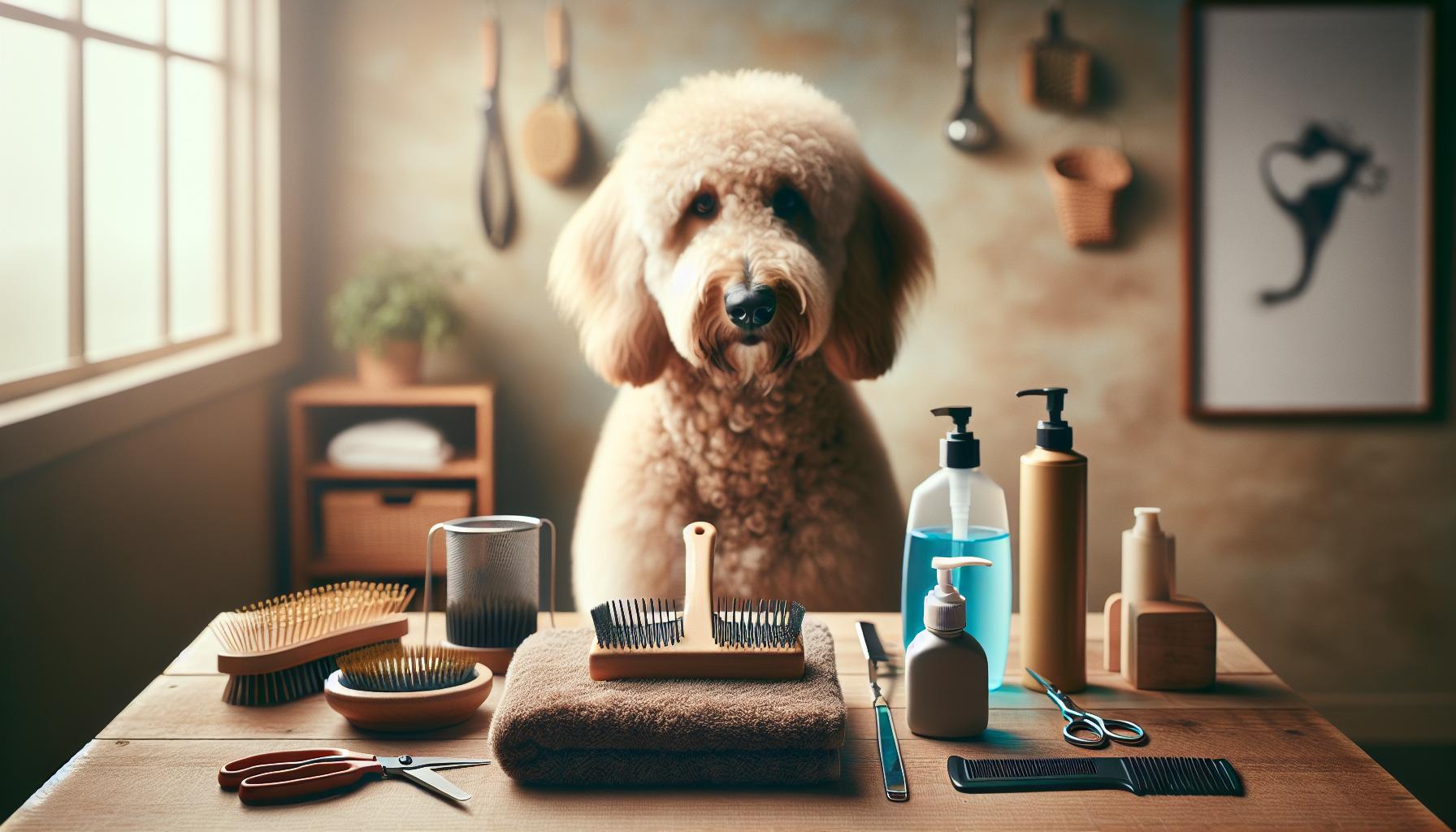
To keep your Labradoodle looking their best, having the right grooming tools is just as important as knowing how to use them. A well-groomed coat not only enhances your dog’s appearance but also promotes skin health and comfort. Whether you’re a first-time owner or an experienced handler, understanding which tools to use will make the grooming process smoother and more enjoyable for both you and your furry friend.
First, consider investing in a high-quality slicker brush. This tool is essential for removing tangles and matting, especially in Labradoodles with fleece or wool coats. The fine, short wires of a slicker brush can reach down into the coat without pulling on the skin, making grooming a more pleasant experience for your dog. For regular maintenance, a wide-toothed comb should also be part of your toolkit. This comb is great for detangling after brushing, as it gently removes any remaining knots while ensuring to reach to the undercoat.
When it comes to trimming, a good pair of dog grooming scissors is an absolute must. Look for curved scissors to help you easily shape your Labradoodle’s coat around sensitive areas like the eyes and ears. Additionally, a quality clipper with adjustable blades can help you manage overall hair length. Some owners find it easier to keep their pet’s coat at a consistent length using a clipper that allows for quick adjustments. Don’t forget to include a dematting tool, particularly if your Labradoodle’s coat tends to mat easily. These tools often feature sharp, rotating blades that can cut through mats without damaging the surrounding hair.
For optimal results, remember to have a grooming apron or a non-slip mat on hand. The apron can protect your clothes during a grooming session, while a non-slip mat helps keep your dog stable and comfortable, reducing their anxiety. Lastly, don’t underestimate the importance of grooming sprays and conditioners. These products can help detangle your dog’s coat, minimize static, and make the grooming process much more manageable. Regular grooming should feel like a bonding experience, so equipping yourself with the right tools will not only enhance your dog’s appearance but also make it a fun and enjoyable routine for both of you!
Step-by-Step Guide to Cutting Labradoodle Hair
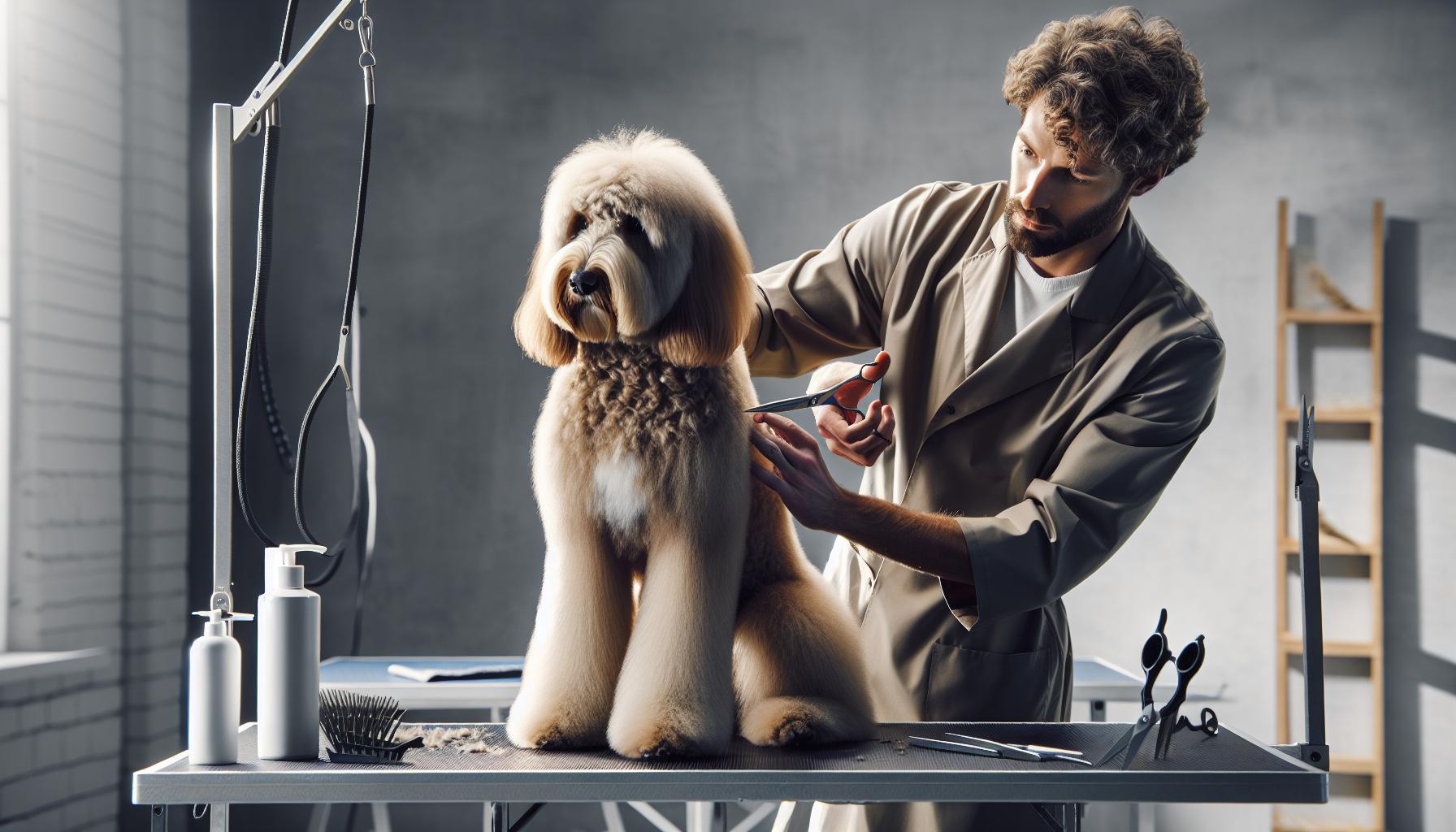
Creating a beautiful and manageable coat for your Labradoodle can be a rewarding experience for both you and your furry friend. Labradoodles, known for their curly and wavy coats, require regular grooming to keep their hair healthy and tangle-free. To ensure the perfect cut, you can follow this step-by-step guide, which will not only make your dog look stylish but also strengthen the bond you share.
Begin by preparing your grooming area. A non-slip mat can help keep your Labradoodle stable while being groomed, reducing their anxiety. Ensure you have all your tools at hand: dog clippers with adjustable blades, grooming scissors, a slicker brush, and a comb. Before you start cutting, give your dog a good brush to remove any mats or tangles. If you encounter particularly stubborn mats, a dematting tool can gently break them apart without pulling on your dog’s skin. Establish a calm atmosphere by offering treats and speaking soothingly to your dog during the process.
Next, it’s time to start cutting. Depending on the desired style, you may want to begin by using clippers on the body. For a standard length, guide the clipper along the coat, moving with the direction of hair growth. Take small sections at a time, ensuring an even cut. For the legs and ears, switch to scissors. This allows for greater control in these sensitive areas, helping to create a neat and polished look. Remember to check for any missed spots as you go; a thorough final inspection will give you confidence in your work.
Lastly, while cutting the hair around the eyes and mouth, take extra care. Use curved scissors to shape these areas delicately; this not only enhances your pet’s appearance but also keeps them comfortable. Following the haircut, a nice bath can help remove any loose hair and give your Labradoodle a fresh start. Don’t forget to reward your furry friend with praise and treats after the grooming session. This positive reinforcement will help make future grooming sessions enjoyable and stress-free, fostering a lasting trust between you and your pup.
Different Grooming Styles for Labradoodles
Choosing the right grooming style for your Labradoodle not only enhances their appearance but also accommodates their lifestyle and activity level. Labradoodles have versatile coats that can be curly, wavy, or straight, which means different grooming styles work best depending on your dog’s coat type and your personal preference. Whether you’re a new owner or an experienced handler, exploring various grooming styles can help you maintain your dog’s coat while keeping them comfortable and stylish.
One popular grooming style is the Teddy Bear Cut, which leaves a bit of length on the body while blending the hair around the face and ears for a soft, rounded appearance. This style is particularly great for Labradoodles with a more textured coat. For owners looking for lower maintenance, the Summer Cut offers a shorter length all over, making it perfect for warmer months. This keeps their coat manageable and helps minimize shedding while still allowing for some fluff.
If you want something more functional, consider the Puppy Cut. This style is typically uniform and maintains a length of about one to two inches. It’s perfect for first-time groomers as it simplifies the grooming process while still looking polished. Additionally, you can explore variations like the Schnauzer Cut, which features shorter hair on the body with longer hair on the legs and face, creating a striking contrast that can showcase your Labradoodle’s unique personality.
To help you decide on the best grooming style, here’s a quick comparison of popular cuts:
| Grooming Style | Description | Best for |
|---|---|---|
| Teddy Bear Cut | Soft and rounded look with length on body and blended face. | Curly and textured coats. |
| Summer Cut | Short overall for easy maintenance. | Warm weather; lower upkeep. |
| Puppy Cut | Uniform length of 1-2 inches. | First-time groomers; young dogs. |
| Schnauzer Cut | Short body with longer legs and face. | Stylish and unique personality showcase. |
Remember to observe your Labradoodle’s behavior and coat condition to decide which style suits their needs best. Some pups may thrive with regular visits to a professional groomer, while others could benefit from your personal touch at home, especially when it comes to maintaining any particular style you choose. Embrace this grooming journey as an opportunity to bond with your Labradoodle and enjoy the time spent transforming them into the perfect companion!
Common Grooming Mistakes to Avoid
Grooming a Labradoodle can be a rewarding experience, but it also comes with its fair share of challenges. One common mistake many owners make is underestimating the importance of regular grooming. Labradoodles have hair that can range from wavy to curly, and without consistent maintenance, their beautiful coats can easily become matted or tangled. Skipping grooming sessions can lead to mats that can pull on your dog’s skin, causing discomfort and even skin infections. Establishing a regular grooming schedule-ideally every 4 to 6 weeks-can help keep their coat healthy and manageable.
Another significant error is using the wrong tools for their specific coat type. A slicker brush is great for detangling but can be harsh on thin or sensitive skin. Rather than simply pulling out the clumps, it’s crucial to carefully work through knots, using a detangling spray or conditioner to ease the process. As you groom, always keep an eye on your Labradoodle’s comfort; if they seem restless or uneasy, it may be a sign that you need to assess your technique or take a break. This level of care not only improves the grooming experience but also strengthens the bond between you and your furry friend.
When it comes to cutting their hair, many owners may rush through the process or attempt to buzz the fur too short. This can result in uneven patches that are not only aesthetically unpleasing but can also expose your dog’s skin to sunburn. Instead, take your time, use high-quality clippers, and aim for a uniform length that suits your dog’s desired grooming style. If you’re unsure, it’s often beneficial to consult with a professional groomer or watch instructional videos focused on Labradoodle grooming, ensuring you’re equipped with the right techniques.
Lastly, neglecting skin and ear health during grooming can lead to serious issues. Make it a habit to inspect your Labradoodle’s skin for any irritations or unusual changes and keep their ears clean and dry to prevent infections. Using appropriate ear cleaners and a gentle touch will help maintain their overall health and happiness. By avoiding these common mistakes and embracing a mindful grooming routine, you’ll transform grooming time into a positive, enjoyable part of your Labradoodle’s care.
How Often Should You Groom Your Labradoodle?
Regular grooming is crucial for maintaining a Labradoodle’s coat and overall health. These beloved pups, known for their hypoallergenic and low-shedding hair, require consistent grooming to prevent mats and tangles. Did you know that without proper grooming every 4 to 6 weeks, your Labradoodle’s coat can quickly turn from a beautiful, soft mane into a matted mess? This can lead to discomfort for your dog and even potential skin issues, so it’s essential to establish a routine.
A good grooming schedule not only keeps their coat manageable but also allows you to inspect their skin for irritations or parasites. Here’s a simple guide to help you set up their grooming routine based on the coat type:
| Coat Type | Grooming Frequency | Suggested Tools |
|---|---|---|
| Curly | Every 4-6 weeks | Slicker brush, comb |
| Wavy | Every 4-6 weeks | Pin brush, comb |
| Loose or straight | Every 6-8 weeks | Bristle brush, comb |
In addition to scheduling regular grooming sessions, make sure to incorporate daily brushing, especially if your Labradoodle has a wavy or curly coat. This daily practice helps manage loose hair and detangles minor knots before they become problematic. Furthermore, set aside time for a thorough grooming session where you can tackle all the necessary tasks-like cutting hair, bathing, and inspecting ears-about once a month.
Remember that grooming is not just about aesthetics; it’s an opportunity for bonding with your dog. Keeping your Labradoodle’s coat in tip-top shape requires a balance between maintenance and overall well-being. So grab those brushes and clippers, and let grooming become a delightful routine that both you and your Labradoodle look forward to!
Tips for Bathing and Drying Your Labradoodle
Bathing your Labradoodle is not just about cleanliness; it’s also a critical part of their grooming routine. Regular baths can help maintain the quality of their unique coat and keep their skin healthy. Given Labradoodles can have varying coat types-from curly to wavy-understanding how to effectively bathe and dry them will ensure their coat remains shiny and tangle-free.
Start by gathering all necessary supplies before the bath, which helps the process flow smoothly. Consider using a dog-specific shampoo that caters to sensitive skin, as Labradoodles can be prone to allergies. Make sure to have a conditioner on hand to keep their coat hydrated. You’ll also need a non-slip mat to help prevent slips in the tub or shower, a detachable shower head or pitcher for rinsing, and plenty of towels for drying.
When it comes to the bath, wet your Labradoodle thoroughly, avoiding their eyes and ears. Use warm water, as cold or hot water can be uncomfortable. Lather the shampoo, focusing on their body and tail while being gentle. After rinsing, apply a conditioner to further soften their fur. Rinse thoroughly to ensure all product is removed-leftover soap can irritate their skin and cause itching.
Once the bathing is done, it’s time for drying. Gently wring out excess water from their coat using your hands before reaching for the towels. Wrap your Labradoodle in a towel to absorb moisture. If your dog is comfortable, you can use a hairdryer on a low, cool setting to minimize drying time, though be cautious of applying too much heat. Always ensure that your dog is relaxed during this process; some may need time to adjust to the sound and feel of the dryer.
Lastly, a great tip is to incorporate a brushing session into the drying routine. Use a slicker brush to detangle any knots that have formed during the bath-this will save you from battling mats later on. Bathing can be a bonding experience, so talking to your Labradoodle in a soothing voice and providing treats throughout the process can help ensure they associate bath time with positive moments. With these steps, your Labradoodle will not only look great but also feel comfortable and loved!
Managing Matting and Tangles in Labradoodle Fur
Managing your Labradoodle’s coat can feel overwhelming at times, especially when it comes to preventing matting and tangles. Did you know that if left unattended, matting can lead to skin infections or discomfort for your furry friend? With their beautiful, fluffy coats, Labradoodles are prone to knots and tangles, especially in areas like the armpits, behind the ears, and around the tail. Regular grooming is essential to keep their coat healthy and tangle-free, but tackling mats can require a bit of finesse and patience.
To efficiently manage matting, establish a consistent grooming routine. Aim for brushing your Labradoodle at least 2-3 times a week, or even daily if they have a thicker coat. Start with a quality slicker brush, which is particularly effective in removing loose hair and breaking up tangles without damaging the coat. When you encounter a mat, resist the urge to pull at it. Instead, hold the base of the fur close to the skin (this helps minimize discomfort) and using the slicker brush, gently work from the ends of the fur toward the skin in small sections. This technique can help avoid tearing the delicate hairs.
If you come across a stubborn mat that won’t budge with brushing alone, don’t panic! You can use a mat splitter or dematting comb, but be cautious to avoid injuring your dog’s skin. Sometimes, applying a detangling spray designed for dogs can make the process easier. Simply spray it on the affected area, wait a minute for it to penetrate, and then try brushing again. Remember, calmness is key; make sure your Labradoodle feels comfortable and secure while you’re working on their coat. If they start to fidget, take a break or offer a treat to create a positive association with grooming.
Finally, regular maintenance is the best prevention against serious matting issues. After baths, ensure to dry and brush your dog’s coat thoroughly. Remember to keep an eye on the coat length as well; if it gets too long, consider scheduling a professional grooming session to keep it manageable. With routine grooming and a gentle hand, your Labradoodle’s coat can remain picture-perfect and mat-free, allowing them to strut their stuff with pride and comfort.
Understanding Labradoodle Grooming Needs by Age
As your Labradoodle matures from a playful puppy into a dignified adult and eventually an elderly companion, their grooming needs will evolve significantly. Understanding these changes is essential for keeping their coat healthy and reducing grooming-related stress for both you and your furry friend. Puppies may present initial grooming challenges, as they can be wiggly and curious, but it’s crucial to establish a positive early grooming routine.
During the puppy stage, usually from 8 weeks to about 6 months, it’s important to introduce your Labradoodle to grooming gradually. Start with short, gentle brushing sessions to get them accustomed to the brush. Use soft brushes to prevent discomfort and reinforce positive behavior with treats and praise. Think of grooming as an opportunity for bonding; make it a fun and enjoyable experience by incorporating play and cuddles between brushing. Regular grooming during this phase helps to minimize mats later on, as their fur will still be developing.
As your Labradoodle transitions into adolescence, around 6 months to 2 years, their coat will begin to change, often becoming thicker and more prone to matting. This is the time to ramp up grooming frequency to maintain their coat’s health. Aim for at least three times a week to brush their fur, focusing on areas that tangle easily, like behind the ears and under the legs. Your choice of tools will also matter more than ever. A slicker brush and a comb can work wonders in removing loose hair and detangling stubborn knots. Adolescents are often a bit more energetic and can get restless, so ensure sessions are short, fun, and rewarding. If you find them fidgeting too much, consider making it a part of their playtime by using grooming as a break between active play.
By the time your Labradoodle reaches adulthood, which can span anywhere from 2 to 8 years, they will have settled into a grooming routine that suits both of your preferences. Adult coats are typically easier to manage, but without regular grooming, they can still become unruly. During this phase, maintain a grooming schedule of at least once a week and invest in high-quality grooming tools tailored for their coat type. Consider professional grooming sessions every few months to keep their coat looking its best and to ensure any areas needing special attention-like the ears or paws-are well cared for.
In their senior years, typically beyond 8 years, your Labradoodle may become less tolerant of grooming due to age-related issues such as stiffness or skin sensitivity. Be gentle and approach grooming with patience. Shorter, more frequent sessions are recommended, rather than longer sessions that may tire them out. Pay close attention to any skin conditions or changes in their coat, as older dogs may develop issues requiring veterinary attention. Consider incorporating soothing practices, such as gentle massages, during grooming to comfort your beloved companion and recognizing the signs of needing a break.
By adapting your grooming approach according to your Labradoodle’s age and needs, you’ll not only keep their coat beautiful and healthy but also strengthen your bond throughout their life stages. Remember, a happy and comfortable grooming experience can lead to a happier, healthier dog!
Protecting Your Labradoodle’s Skin During Grooming
is vital to ensure their comfort and health. Labradoodles are known for their beautiful, curly coats, but this also means that their skin can be susceptible to irritation if not handled properly. It’s essential to create a grooming environment that is both safe and soothing, as a positive experience not only benefits their coat but also strengthens your bond.
To start, always make sure to use quality grooming tools. Brushes with soft bristles or wide-toothed combs can minimize discomfort and irritation. Before you start grooming, it’s a good idea to check for any skin issues, such as redness, lumps, or soreness, especially in sensitive areas like underarm and belly. If you notice anything unusual, consult your veterinarian before proceeding, as this can help avoid aggravating any underlying conditions.
During grooming sessions, keep your Labradoodle hydrated and comfortable. Have fresh water available and take breaks as needed. You can also use skin-soothing sprays designed for dogs to help keep their skin moisturized. Trimming can be a stressful process for some dogs; using calming techniques-like soft music or a favorite toy-can help make things easier. Encourage your pet with plenty of praise and treats to create a positive association with grooming.
When it comes to cutting their hair, ensure you have a clear view of their skin and work carefully. Clipping too close can irritate the skin, so use the right guard size on your clippers. In areas where matting is common, such as around the ears and paws, take extra caution and consider using scissors to gently cut mats away, rather than pulling at them, which can cause discomfort. After grooming, a gentle brush down with a soft cloth can help remove any stray hairs and distribute natural oils, keeping their skin healthy.
Lastly, don’t overlook aftercare post-grooming. A soothing moisturizer or skin balm specifically formulated for dogs can offer relief if you notice any mild irritation. Always keep an eye on your Labradoodle in the hours following grooming for any signs of discomfort. By prioritizing your dog’s skin health during grooming, you’ll not only enhance their comfort but also ensure their coat remains beautiful and healthy for years to come.
Post-Grooming Care: Keeping Your Labradoodle Comfortable
After your grooming session, the comfort of your Labradoodle is paramount. Grooming can be a bit of a stressful affair, not just for your dog but for you as well! By paying attention to aftercare, you help ensure that your furry friend remains relaxed and content after their haircut. A little TLC can go a long way in keeping their spirits high and minimizing any post-grooming discomfort they might feel.
Begin by making sure your Labradoodle has a cozy space to relax. After all that trimming and brushing, they’ll likely appreciate a soft spot to curl up. A favorite blanket or bed in a quiet area will create a soothing atmosphere for them. You might even consider a short play session on the grass after grooming, as many dogs find it helps shake off any residual stress. Not only will it serve as a reward for them, but it’ll also help them to remember grooming as a more positive experience.
Another essential part of post-grooming care is skin maintenance. Depending on your dog’s skin sensitivity, consider applying a moisturizing balm or spray designed for pets to soothe any irritation that might arise from clipping. Be particularly gentle around areas that you noticed were tender before grooming. Additionally, keep an eye on the paws; a light inspection can help ensure that no bits of hair are causing discomfort or that there are no hidden irritations from the grooming process.
Finally, always make sure to offer plenty of positive reinforcement. Praise your Labradoodle for being good during grooming, and perhaps reward them with a treat or their favorite toy. This not only reinforces a good experience but also helps reduce anxiety for future grooming sessions. By establishing this positive cycle, you ensure that both you and your Labradoodle look forward to the next grooming day!
When to Seek Professional Grooming Help
Recognizing the right moment to call in professional help for grooming your Labradoodle can make a world of difference in both their comfort and appearance. While many Labradoodle owners become adept at home grooming, there are times when the expertise of a professional groomer is invaluable. This breed, known for its playful personality and unique coat type that derives from both the Labrador Retriever and Poodle, may require specialized care that can be best handled by someone with experience in managing their specific grooming needs.
For starters, if you encounter extensive matting or tangles that you just can’t seem to manage, it’s a signal that professional help may be required. Attempting to demat heavily tangled fur can lead to skin irritation and discomfort for your dog. Skilled groomers have the right tools and techniques to safely detangle without causing pain. Additionally, consider seeking professional grooming if you’re unsure about the proper technique for trimming or styling, especially since the Labradoodle’s coat can vary widely between individuals. A groomer can assess your dog’s coat type and suggest styles that fit their lifestyle and your personal preferences.
Signs It’s Time for Professional Grooming
Here are some signs that it might be time to seek professional grooming assistance:
- Severe matting or tangles: If brushing at home isn’t cutting it, a groomer can help.
- Uneven trim: If your trimming efforts leave your Labradoodle looking lopsided, a pro can give them a balanced cut.
- Skin issues: Redness, bumps, or irritations should be assessed by a groomer or veterinarian.
- Behavioral signs: If your pup shows increased anxiety or discomfort during grooming sessions, a professional might provide a calmer experience.
In addition to these practical considerations, many Labradoodle owners may appreciate the added bonus of a professional grooming session allowing for a bit of pampering. Incorporating spa-like services, such as conditioning treatments or one-on-one playtime, can enhance your dog’s grooming experience. Ultimately, ensuring that your Labradoodle enjoys a positive grooming journey will keep them happy and healthy for years to come!
Frequently Asked Questions
Q: How often should I cut my Labradoodle’s hair?
A: You should typically cut your Labradoodle’s hair every 6 to 8 weeks to maintain a manageable length and reduce matting. Regular grooming helps keep their coat healthy and prevents tangles, ensuring a comfortable experience for your dog. For specific advice, refer to the section on grooming frequency in your guide.
Q: What is the best way to prevent matting in Labradoodle fur?
A: To prevent matting in your Labradoodle’s fur, brush them at least 2-3 times a week. Use a slicker brush or combo brush to detangle and maintain their coat. Regular grooming and baths also help minimize matting and keep their coat soft. Check the matting management section for more tips.
Q: Can I use human shampoo on my Labradoodle?
A: No, you should not use human shampoo on your Labradoodle, as it can irritate their skin. Instead, opt for a dog-specific shampoo designed for sensitive skin. This will help maintain their natural oils and keep their coat healthy. Review the bathing tips in your article for recommendations.
Q: What are the signs that my Labradoodle needs a haircut?
A: Signs that your Labradoodle needs a haircut include excessive shedding, mats, or tangles in their fur, and their coat looking unkempt or overly long. Regular monitoring and grooming will help you determine when it’s time for a trim. Check your grooming needs section for additional insights.
Q: How can I safely trim my Labradoodle’s hair at home?
A: To trim your Labradoodle’s hair safely at home, ensure you have proper tools like clippers and scissors. Start with small sections, use a calm approach, and be patient. Follow the step-by-step guide in your article for detailed instructions to make the process easier.
Q: When is it best to groom or cut my Labradoodle’s hair?
A: The best time to groom or cut your Labradoodle’s hair is during mild weather, avoiding extreme heat or cold. Grooming in a calm and quiet environment also helps your pet remain relaxed. For more timing tips, refer to the grooming needs section specific to Labradoodles.
Q: What should I do if my Labradoodle dislikes grooming?
A: If your Labradoodle dislikes grooming, gradually acclimate them by introducing the tools and sessions in short time increments. Positive reinforcement, like treats or praise, can help. Consult the section on common grooming mistakes for further strategies to improve the grooming experience.
Q: How can I tell if my Labradoodle’s coat is healthy?
A: A healthy Labradoodle coat will be shiny, free of mats, and not excessively shedding. The skin underneath should be clean and free from parasites or irritation. Regular grooming and baths support coat health, as discussed in your guide to grooming and post-grooming care.
Future Outlook
Now that you’re equipped with the essential steps to cut your Labradoodle’s hair, it’s time to put this guide into action! Remember, regular grooming not only helps maintain their beautiful coat but also strengthens your bond with your furry friend. Don’t let the task daunt you-embrace it as a fun opportunity to connect with your Labradoodle!
For more grooming tips, check out our articles on “Labradoodle Bathing Essentials” and “Tips for Brushing Your Labradoodle.” If you have any lingering questions or need further guidance, feel free to reach out in the comments below or sign up for our newsletter for exclusive insights and offers.
Your Labradoodle deserves the best care, and you’re on the right path! Happy grooming, and don’t forget to share your experience; we love hearing from fellow Labradoodle enthusiasts!