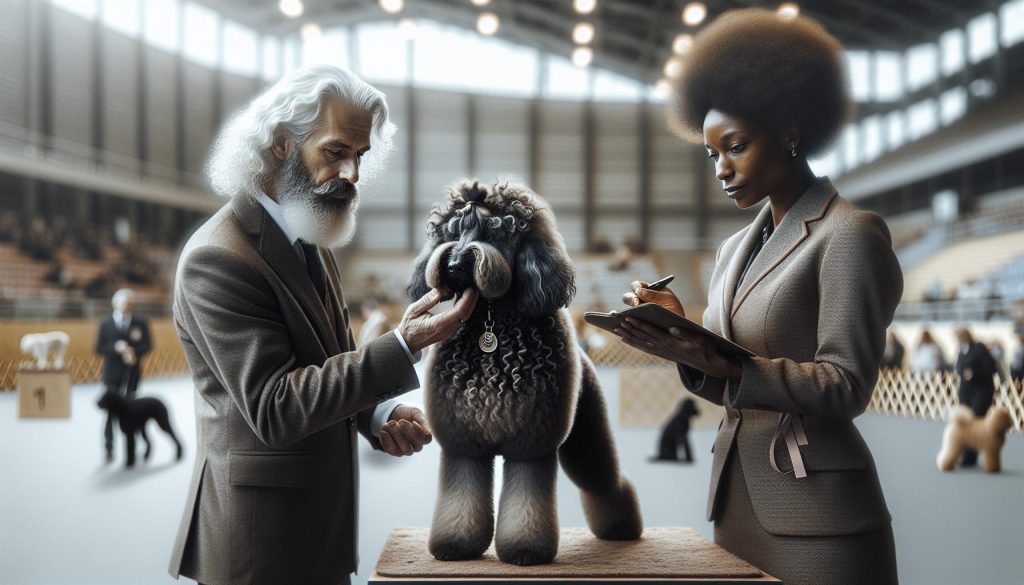
Judging a Barbet is an enlightening journey into the world of this captivating breed, known for its waterproof coat and playful nature. With roots as a versatile water dog from France, understanding the AKC standards and show criteria is vital for breeders, judges, and enthusiasts alike. Not only does it ensure that these charming dogs exhibit the traits that make them remarkable companions and working partners, but it also strengthens the legacy of a breed cherished for centuries. Are you ready to delve into what makes a Barbet truly special? This guide will equip you with the insights you need to appreciate the breed’s unique characteristics and help you confidently assess their conformation, temperament, and overall quality. Join us as we explore the standards that define the Barbet and how to evaluate them effectively, fostering a deeper connection with this extraordinary breed.
How the AKC Judges the Barbet Breed
When it comes to judging the Barbet breed, the American Kennel Club (AKC) emphasizes both physical attributes and temperament, ensuring a well-rounded evaluation. The Barbet, recognized for its distinctive curly coat and friendly nature, stands out as a breed that exemplifies strength and agility, characteristics engrained from its history as a water dog. Judges look for the breed’s striking appearance and functional abilities, which play a significant role in competitive settings.
To begin with, the AKC standards outline key physical traits that set the Barbet apart. A judge will closely examine the dog’s coat-long, dense, and curly-which is not merely for aesthetics but serves functional purposes like insulation and protection. The face should exhibit a beard, which contributes to the breed’s characteristic look. Additionally, judges assess the Barbet’s proportions, ensuring they maintain a balanced form, indicative of their working heritage as hunters and swimmers.
Moreover, temperament is equally important in evaluating a Barbet. Judges are trained to note the dog’s demeanor during the show. A Barbet should display an amiable and confident attitude, reflecting its affectionate nature. A well-socialized Barbet will demonstrate a friendly disposition toward humans and other dogs, aligning with the breed’s reputation as an enthusiastic companion. Such evaluations not only confirm adherence to breed standards but also ensure that the Barbet’s personality traits fit with those desired in a show dog.
In preparing for a competition, owners should also keep in mind the grooming and maintenance standards expected for shows. A properly groomed Barbet highlights its unique qualities and can significantly impact how judges perceive the dog. Regular brushing to prevent matting, along with a clean and healthy appearance, can make a substantial difference in the show ring.
Ultimately, judges prioritize both the Barbet’s looks and its lovable, energetic spirit, making it crucial for handlers and owners to ensure that their dogs are not only aesthetically pleasing but also well-adjusted in their behavior. This dual focus creates a rewarding experience in the show arena where the breed’s attributes can truly shine.
Understanding AKC Standards for Barbets
Understanding the standards set by the American Kennel Club (AKC) for the Barbet breed is crucial for both judges and owners who aspire to excel in dog shows. The Barbet, known for its affectionate nature and distinctive curly coat, has specific aesthetic and behavioral traits that must be acknowledged during evaluations. The AKC guidelines not only help ensure the integrity of breed characteristics but also promote responsible ownership and breeding practices.
At the core of AKC standards for Barbets is a strong emphasis on physical attributes. Judges are trained to analyze the Barbet’s overall structure, which should portray a balanced and functional profile. Key elements include the dog’s coat, which must be dense and curly, providing insulation and protection. A Barbet’s head should be significant and broad, with distinctive features like well-pigmented eye rims and a characteristic beard. Moreover, size and proportions are scrutinized; males typically stand between 21-24½ inches, while females range from 19-22½ inches, maintaining a healthy weight that correlates with their height.
Temperament and Behavior
Equally important are the temperament and behavior of the Barbet. This breed is known for its cheerful disposition and sociable nature. Judges will evaluate how well a dog interacts with handlers and other dogs. A Barbet that exhibits a friendly and confident demeanor will not only meet the standards but also represent the breed’s true spirit as a companion animal. Socialization is key; a well-adjusted Barbet should display enthusiasm and curiosity during assessments.
To ensure your Barbet meets these AKC standards, focus on consistent and positive training methods. Training should emphasize reinforcing good behavior, which will reflect well in the show ring. Engaging your Barbet in social experiences, whether through playdates or training sessions, can help cultivate the amiable personality traits prized by judges.
Preparation for Shows
Preparing for competitions requires attention to grooming and upkeep. Proper grooming not only enhances the dog’s appearance but may also influence judges’ perceptions. Regularly brushing your Barbet’s coat to prevent matting, ensuring they have a clean, healthy look, directly impacts their presentation. Consider a schedule that includes baths, brushing sessions, and trims to keep your Barbet show-ready.
In summary, understanding the intricacies of AKC standards for Barbets is essential for success in dog shows. By focusing on key physical traits, fostering an amiable temperament, and committing to meticulous grooming and training, owners can ensure their Barbets shine in the exhibition arena. The journey of showcasing your Barbet can be just as rewarding as the outcome, allowing for a deeper bond and shared experiences with your beloved furry companion.
Key Physical Traits of the Barbet
The Barbet is a breed that truly embodies the phrase “a dog with character.” Known for its distinctive curly coat and joyful temperament, recognizing the essential physical traits is critical for anyone looking to participate in dog shows or simply appreciate this charming breed. According to AKC standards, the Barbet should present a balanced and harmonious structure, with several key attributes catching the judge’s eye.
To start with, the Barbet’s coat is one of its most defining features. The breed boasts a dense, curly coat that provides insulation and protection against various elements. These curls can range in size, from large and loose to tighter, smaller curls, contributing to the breed’s rustic and charming appearance. Regular grooming is essential to maintain this characteristic, preventing matting and ensuring that the coat looks its best during competitions. Judges will look for the coat to be well-maintained, so establishing a consistent grooming routine is vital for show preparation.
Another critical component is the Barbet’s head structure. The breed possesses a strong and broad skull that should not be overlooked during evaluations. Notably, the Barbet features well-pigmented eye rims and a distinctive beard, both of which enhance its facial expression and contribute to its affectionate demeanor. The ears should reach at least to the corner of the mouth, adorned with luxurious curls that frame the face beautifully. Judges assess these aspects closely, as they play a significant role in portraying the breed’s typical appearance.
Lastly, size and proportions must align with the standards established by the AKC. Males usually stand between 21 to 24½ inches at the shoulder, while females range from 19 to 22½ inches. A Barbet should exhibit a slightly rectangular body, with a length that is proportionate to its height. By ensuring that your Barbet meets these physical characteristics, you not only align with AKC standards but also celebrate the unique beauty and purpose behind this delightful breed.
Focusing on these key physical traits will enhance your understanding of the Barbet, whether you’re preparing for a competition or simply enjoying the company of this beautiful breed. Cultivating a strong bond through shared grooming sessions and training can significantly amplify your experiences with your Barbet, making every moment spent together even more special.
Judging Temperament and Behavior in Barbets
The Barbet is not just a visual delight but also a breed with a captivating personality that judges look for during competitions. When evaluating a Barbet’s temperament and behavior, judges consider several critical characteristics that reflect the breed’s friendly and intelligent nature. This breed is known for its affectionate disposition, often described as ‘sociable,’ ‘lively,’ and ‘eager to please.’ It’s essential for owners and handlers to understand these traits as they play a significant role in how the dog performs in the ring.
A well-behaved Barbet should exhibit a calm and composed demeanor, even in the bustling atmosphere of a dog show. This includes being comfortable around both people and other dogs, displaying confidence rather than anxiety. During the evaluation, judges will typically observe how the Barbet interacts with its handler and responds to commands. A gentle, attentive attitude signifies that the dog has established a solid bond with its handler. Therefore, consistent training and socialization from a young age are vital, helping the dog adapt to new environments and stimuli without becoming nervous or overly excited.
Moreover, judges will assess how the Barbet carries itself, including its movements and overall body language. A Barbet should exhibit a natural grace and fluidity in its gait, reflecting good physical conditioning and proper training. The dog’s tail should be carried high, and its expression should be one of alert curiosity, showcasing its intelligence and enthusiasm. Handlers should practice walking their Barbets in various settings, ensuring they remain focused and relaxed, even in potentially distracting situations.
In summary, an understanding of the Barbet’s intrinsic temperament is crucial not only for succeeding in the show ring but also for strengthening the bond between owner and dog. By nurturing qualities like affection, confidence, and curiosity through proper training and socialization, owners can prepare their Barbets to shine both in competitions and in their daily lives.
Grooming and Maintenance Criteria for Shows
Maintaining the Barbet’s luxurious coat is essential, not just for aesthetics but also for overall health and performance in the show ring. This breed, with its dense, curly coat, captures attention and admiration, but keeping that coat in pristine condition requires commitment and know-how. Regular grooming is a vital part of a Barbet owner’s routine, so understanding the proper techniques and criteria for show preparation is essential for anyone looking to make their mark in competitions.
To begin with, the standard grooming routine for a Barbet should include brushing several times a week to prevent matting and ensure the coat maintains its curls. A slicker brush or a metal comb is ideal for reaching the undercoat without damaging the top layer. Here’s a simple checklist to guide you through the grooming process:
- Brushing: Brush your Barbet’s coat at least two to three times a week. This helps remove debris and prevents tangles.
- Bathing: Bathe your Barbet every four to six weeks to keep its coat clean and healthy, using a gentle dog shampoo designed for curly coats.
- Drying: Always dry your Barbet thoroughly after bathing. A high-velocity dryer can save time while ensuring the coat remains fluffy and well-shaped.
- Trimming: Consider regular trimming of excess hair around the eyes, ears, and paws to enhance overall appearance. This is often necessary before shows to maintain a tidy look.
Coat Maintenance Tips
When getting your Barbet ready for a show, it’s wise to adjust grooming frequency as the event approaches. Leading up to the show, pay extra attention to the following:
- Pre-Show Grooming: About a week before the show, increase brushing frequency to ensure the coat is shedding any loose hair and reflects a polished appearance.
- Conditioning: Use a quality conditioner after bathing to improve coat texture and manageability. This helps to achieve that sought-after glossy finish that judges favor.
- Final Touches: Just before entering the ring, give your Barbet a once-over. Check for any stubborn mats or dirt, ensuring your companion looks their best.
Another key aspect is ear cleaning and nail trimming. The Barbet’s long ears can trap moisture and debris, so it’s important to wipe them down regularly with damp cotton balls. Keep nails trimmed to a comfortable length to ensure your dog moves gracefully in the ring.
With a little time and effort invested in grooming, your Barbet can not only compete effectively but also enjoy the process as a bonding moment between you both. Remember, grooming isn’t solely about show appearance; it’s also a wonderful opportunity to strengthen your relationship with your furry friend while ensuring they are healthy, happy, and ready to shine.
Training Tips to Prepare Your Barbet for Shows
When it comes to preparing your Barbet for the show ring, foundational training is crucial. The Barbet, known for its agility and cheerful disposition, thrives on positive reinforcement, making training an enjoyable experience for both you and your dog. Start early in your Barbet’s life; exposing them to different environments, sounds, and people helps build their confidence. This familiarity translates into a calm dog during shows, which can significantly impact your performance.
Establish a strong recall and focus with your Barbet, essential skills for the show ring. Use high-value treats to reward them for maintaining eye contact, which can be critical in standing out to judges. Practicing “show stacks” at home can help your dog learn how to present themselves appropriately. A show stack refers to the position you want your Barbet to hold while being judged, showcasing their build and condition. Spend time each week refining this pose; consider placing treats in the right spot to motivate them to hold the position when the judge approaches.
Incorporate leash training into your routine to ensure your Barbet walks smoothly and gracefully at heel. Using a well-fitted harness can make walks more comfortable for them. Keep training sessions short and sweet, around 5-10 minutes at a time, to maintain your dog’s enthusiasm. Blend in playtime to reward good behavior; a game of fetch or tug can be an excellent reinforcement tool after a session.
Lastly, remember that patience is key. Each Barbet has its own pace of learning, so practice consistently and celebrate small successes along the way. Training isn’t just about commands; it’s also about building a lasting bond with your furry friend, creating a positive experience that translates into the show ring. With dedication and love, your Barbet will thrive and shine when it counts!
Common Mistakes When Judging Barbets
Judging Barbets can be a deeply rewarding experience, but it also comes with its own set of challenges. One of the most common mistakes is underestimating the importance of the breed’s inherent characteristics. The Barbet is a unique breed, known for its playful yet dignified demeanor. Failing to recognize this temperament during evaluation can lead to misjudgments that do not accurately reflect the breed standard. It’s essential to approach each Barbet not just as an individual, but as a representative of its breed, with special attention to how its temperament aligns with the AKC standards.
Another frequent pitfall is scrutinizing solely physical traits without considering overall condition and movement. While a Barbet may have a beautiful coat or ideal proportions, movement is equally crucial in assessment. Observing how the dog moves on a leash or during gait is vital. A Barbet should exhibit a smooth, effortless stride, reflecting its agility and athleticism. Judges sometimes mistakenly focus on static poses rather than encouraging the dog to move, which can skew their evaluation.
Moreover, many judges fail to effectively engage with the handler and the dog during the judging process. Building rapport with the handler can provide valuable insights into the Barbet’s behavior and training. It’s beneficial to ask questions about the dog’s history, health, and handling techniques. Ignoring this interaction might lead to overlooking important factors that contribute to a dog’s performance in the show ring.
Lastly, inadequate knowledge of grooming standards for the Barbet is a frequent mistake that can affect breeding quality perceptions. This breed requires meticulous grooming to showcase its distinctive water-resistant coat properly. Judges should ensure that the grooming respects the breed’s standard while assessing whether owners are knowledgeable about maintaining coat health. By being aware of these care practices, judges can appreciate the effort that goes into preparing a Barbet for competition, recognizing not just the finished product but also the commitment behind it.
In summary, understanding the Barbet’s unique characteristics, emphasizing movement and engagement, and recognizing grooming standards are crucial to making informed judgments in the show ring. Taking these factors into account can lead to a more accurate evaluation and ultimately a better experience for both dogs and handlers.
Comparison of Barbet Standards with Other Breeds
The Barbet stands out among breeds with its unique blend of physical and temperamental attributes, making it a fascinating breed to judge compared to others. Known for their distinctive curly coat and cheerful disposition, Barbets offer a set of standards that, while specific, can invite interesting comparisons with breeds like the Poodle and the Portuguese Water Dog. These breeds share common ancestry and functional roles in water retrieval, which often leads to similar judging criteria, yet each brings its unique flair to the show ring.
When examining the Barbet, a judge should note its robust build and balanced proportions. Unlike the Poodle, which can exhibit a range of sizes and come with varying coat styles, the Barbet maintains a consistent medium size and has a high-maintenance curly coat that is dense and water-resistant. This grooming aspect is crucial-while Poodles require specific styles for show, Barbets should highlight their natural curls, which are left longer to display the breed’s unique texture. In contrast, the Portuguese Water Dog features a more tightly curled coat that needs a less intricate grooming routine.
Judging the temperament and movement of a Barbet can also differ markedly from evaluating other breeds. The Barbet’s playful and social demeanor is essential for performance in the ring, and judges must be attentive to its confidence and enthusiasm during the gaiting process. This breed should exude agility and buoyancy, reflecting its active role as a hunting companion. In comparison, while the Poodle is often seen as more reserved, the Barbet’s laid-back yet lively nature requires judges to consider how well these traits translate in a competitive environment.
To facilitate comparisons and enhance understanding, here’s a quick reference table of key standards among these breeds:
| Breed | Size | Coat Type | Temperament | Grooming Needs |
|---|---|---|---|---|
| Barbet | Medium (20-25 inches) | Curly, Dense | Cheerful, Social | Regular grooming to maintain coat |
| Poodle | Standard, Miniature, Toy | Curly, Various styles | Intelligent, Reserved | Requires styling and regular grooming |
| Portuguese Water Dog | Medium (17-23 inches) | Curl or Wavy | Intelligent, Energetic | Moderate grooming |
In summary, while Barbets may share common traits with breeds like Poodles and Portuguese Water Dogs, their specific characteristics-especially relating to coat and temperament-require attentive judging to capture the essence of what makes a Barbet a true representative of its breed. Embracing these differences empowers judges to appreciate the finer points of each breed, ultimately enriching the judging experience and supporting the continued excellence of these wonderful dogs in the show ring.
The Importance of Health Testing for Show Barbets
Ensuring the health of show Barbets is not only a responsible practice for breeders and owners but also plays a critical role in the success they achieve in the ring. Health testing serves as a foundation for promoting sound breeding practices, minimizing the likelihood of hereditary conditions that can affect the breed. With Barbets being relatively robust, specific health issues still need to be monitored. Routine health evaluations can be a vital asset to understanding the individual needs of a dog and aligning with AKC standards.
One of the primary health concerns for Barbets is hip dysplasia, a genetic condition leading to arthritis and discomfort. Testing for this condition through x-rays evaluated by a veterinary specialist can provide peace of mind to handlers and judges alike, knowing that the breed’s well-being is prioritized. In addition to hip evaluations, screening for eye conditions, particularly progressive retinal atrophy (PRA), is essential. Affected dogs may not show symptoms until later in life, making early detection crucial for their quality of life.
Key Health Testing Recommendations:
- Hip Evaluation: Conducted through the Orthopedic Foundation for Animals (OFA) or PennHIP programs.
- Eye Examination: Yearly checks by a certified veterinary ophthalmologist to catch conditions like PRA.
- Genetic Testing: Identifying predispositions to avoid breeding affected dogs, ensuring healthier offspring.
Understanding these health aspects not only prepares judges and handlers but also instills confidence in potential purchasers and dog lovers about the breed’s longevity and happiness. Emphasizing health testing in your breeding program demonstrates a commitment to maintaining and enhancing the Barbet’s integrity and vitality. This practice aligns with both the ethical considerations of responsible breeding and the expectations that come with showcasing such a remarkable breed. When exhibitors know they have a healthy dog, their exuberance shines through, enhancing their performance and standing in shows, ultimately benefiting the Barbet breed as a whole.
How to Choose a Barbet for Competition
Choosing the right Barbet for competition is not just about aesthetics; it’s a blend of understanding breed standards, evaluating temperament, and ensuring the dog has the qualities necessary to excel in the show ring. A well-selected Barbet should not only meet the physical standards established by the AKC but also possess a suitable temperament that aligns with the breed’s characteristics.
When selecting a Barbet, physical traits play a vital role. Look for a dog that exhibits a strong, broad head and well-proportioned body-all essential elements of the breed’s ideal look. Pay close attention to the coat, which should be dense, curly, and thick in texture. A dog with an eliminating fault, such as a short coat, will not be competitive in shows. Make sure the eye rims are fully pigmented and harmonize with the coat color, as this is a critical factor in the judges’ evaluation.
In addition to physical characteristics, the temperament of the Barbet is crucial. Barbets are naturally friendly and eager to please. It is important to evaluate how a potential competitor interacts with people and other dogs. An ideal competition Barbet should exhibit a calm but confident demeanor, as nervous or overly energetic behavior can be detrimental during evaluations. Spend time with the dog to assess its personality; friendly yet focused dogs often perform better because they can handle the stresses of competition more effectively.
Finally, consider the health of the dog. Prioritizing health tests, such as those for hip dysplasia and eye conditions, will not only ensure the dog is fit for competition but will also reflect positively on you as a responsible owner. Healthy dogs tend to exhibit better stamina and performance in shows, which can make all the difference when it comes time for the judges to make their decisions.
In summary, selecting the right Barbet for competition requires a multi-faceted approach. Keep in mind physical conformation, temperament, and health to maximize your chances of success in the show ring. Your efforts in careful selection will not only benefit your performance but also ensure a happy, well-rounded companion.
Engaging with the Barbet Community: Tips and Resources
Engaging with the Barbet community can be an enriching experience filled with opportunities for learning and connection. This friendly breed has a passionate group of enthusiasts, and being part of that community can provide you with invaluable resources and support. From online forums to local breed clubs, there are plenty of ways to immerse yourself in all things Barbet.
One of the best ways to start is by joining the Barbet Club of America. This organization offers educational resources, including breed standards and guidelines to help you prepare for shows. They often host events where you can meet fellow Barbet owners, share experiences, and gain insights into care, grooming, and training. Regularly attending local dog shows can also help you connect with other Barbet owners, watch experienced handlers, and learn about the nuances of judging these wonderful dogs.
Don’t underestimate the power of online communities! Platforms like Facebook and dedicated dog forums have groups specifically for Barbet lovers where members share advice, tips, and even photos of their pets. Participating in these groups can help you discover best practices for grooming and training, as well as provide insights into what judges look for during competitions.
Consider also seeking local trainers and grooming professionals who specialize in Barbets. Establishing relationships with experts in the breed can enhance your understanding of their unique grooming requirements-essential for show success. Investing time in these connections not only elevates your dog’s show preparedness but also enriches your own experience as a Barbet owner, allowing you to share the joys and challenges that come with the breed.
Preparing for Your First Barbet Show
As you prepare for your first Barbet show, it’s crucial to understand that the experience goes beyond just showing off your dog; it’s about showcasing the unique qualities of the Barbet breed that judges look for in their evaluations. The Barbet is known for its cheerful disposition and striking curly coat, which plays a significant role in how the judges assess the breed’s standard. Familiarizing yourself with the official standards set by the American Kennel Club (AKC) is key to effectively presenting your Barbet.
Firstly, start by understanding the physical traits that are central to the Barbet’s identity. Judges will closely examine the breed’s strong, broad head and the coat, which should display long, dense, protective curls. Make sure to groom your Barbet to enhance these characteristics; the coat should not only be clean but also styled to reflect the breed’s natural beauty. Regular brushing helps prevent matting and showcases the full potential of the Barbet’s coat. Consider obtaining professional grooming before the show, especially if you’re unsure of your grooming skills, as this can significantly impact your dog’s appearance in the ring.
Training is another pivotal element in your preparation. Expose your Barbet to the show environment gradually. Attend local dog shows as practice opportunities; this exposure helps your dog acclimate to the sights, sounds, and atmosphere of competitive events. Consider practicing basic commands and encouraging your Barbet to move confidently on a leash, as this helps judges see the dog’s structure and movement clearly. Always use positive reinforcement to create a joyful experience for your Barbet while training, reinforcing the bond between you.
Finally, don’t underestimate the value of community connection. Engaging with fellow Barbet owners and experienced handlers can provide insights that textbooks cannot. They may impart tips on handling in the ring, share their experiences, and help you avoid common mistakes. Remember, every show is a learning opportunity-keep your expectations realistic, focus on enjoying the experience with your Barbet, and take in as much as you can to refine your approach for future competitions. With faith in your preparation and your Barbet’s innate qualities, you’re bound to have a fulfilling showing experience.
Q&A
Q: How do I evaluate a Barbet’s grooming for shows?
A: When judging a Barbet’s grooming, ensure the coat is well-maintained with natural curls and no mats. Regular brushing helps keep the coat healthy. Pay attention to the cleanliness of the ears and eyes. Grooming should enhance their appearance while adhering to the AKC standards for a natural look.
Q: What are common faults to look for when judging a Barbet?
A: Common faults in Barbets include lack of proper coat texture, incorrect proportions, and any visible signs of aggression or extreme shyness. Take note of a Barbet’s movement; poor gait or insufficient reach from the hindquarters can also be disqualifying factors.
Q: What behaviors indicate a well-adjusted Barbet during a show?
A: A well-adjusted Barbet should display confidence and curiosity in new environments. Look for calm behavior, attentiveness to the handler, and social interaction with other dogs and people. These traits are crucial to confirm they meet the AKC standards for temperament.
Q: How important is health testing for competitive Barbets?
A: Health testing is essential for competitive Barbets as it helps identify genetic conditions and ensures the well-being of the dog. Common tests include hip evaluations and eye certifications. Prospective owners should choose dogs with clear health results for successful show performance.
Q: What is the ideal size for a Barbet according to AKC standards?
A: The AKC standard for a Barbet specifies a medium size, with a height range lower than the CKC or FCI standards to maintain traditional proportions. Typically, the height is between 20 to 24 inches at the withers for both males and females.
Q: How can I prepare my Barbet for obedience in shows?
A: To prepare your Barbet for show obedience, practice basic commands and socialize them with different environments. Engage in consistent training sessions focusing on recall, sit, stay, and leash manners. Reward positive behaviors to encourage enthusiasm during shows.
Q: What factors differentiate Barbet standards from other breeds?
A: The Barbet is unique due to its fluffy, curly coat and characteristic water dog traits. Unlike other breeds, its grooming requires minimal manipulation to maintain the natural look. Additionally, the Barbet is assessed for both physical traits and temperament, setting it apart in the sporting group.
Q: Where can I find resources for Barbet competitions?
A: Resources for Barbet competitions can be found through breed clubs, such as the American Barbet Club, and local kennel clubs. Online communities and forums also provide valuable information and tips. Engaging with these resources will prepare you for successful competition experiences.
To Conclude
Congratulations on delving into the world of judging the Barbet according to AKC standards! Now that you’re equipped with the essential criteria and insights, it’s time to put your knowledge into action. Remember, understanding the nuances of this delightful breed not only enhances your judging experience but also fosters a deeper connection with Barbets as companions and show dogs.
If you’re seeking more ways to refine your skills, check out our articles on “Common Conformation Mistakes to Avoid” and “The Best Practices for Dog Show Preparation.” They offer valuable strategies for both newcomers and seasoned judges. Don’t forget to subscribe to our newsletter for the latest tips and resources tailored to help you navigate the exciting world of dog shows and enhance your expertise continuously.
We’d love to hear your thoughts! Share your experiences or questions in the comments below, and connect with fellow Barbet enthusiasts. Together, we can build a community that celebrates not just excellence in judging, but the joy these wonderful dogs bring to our lives. Keep exploring, and remember, every step you take in your judging journey adds to a brighter future for the Barbet!