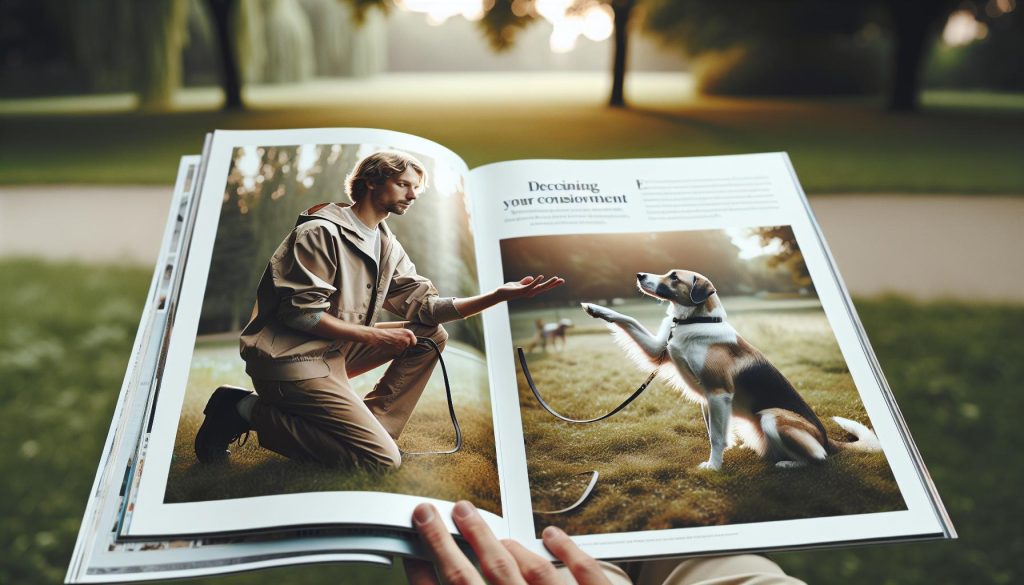
Did you know that many pet owners use spray bottles as a go-to training tool, believing it’s a simple solution to curb unwanted behaviors? However, the question remains: is spraying a dog with water a form of abuse? This topic is essential, as it delves into effective training methods and the impact these actions can have on our furry friends. Understanding the nuances of this practice not only helps us address common concerns but also guides responsible pet ownership. In this article, we’ll explore the implications of using spray bottles for training dogs, emphasizing why alternatives are often more effective and compassionate. Join us as we uncover the truth behind this polarizing training method and discover more humane approaches to nurturing a positive relationship with your dog.
Is Spraying a Dog with Water Abuse? Understanding the Debate
The use of water spraying as a training method for dogs has sparked considerable debate among pet owners and experts alike. Many in the dog training community strongly believe that this approach constitutes abuse rather than effective discipline. The act of spraying a dog with water can create fear and anxiety, potentially damaging the bond between the pet and the owner. Critics argue that such methods are rooted in negative reinforcement, which can lead to long-lasting behavioral issues, rather than fostering a trusting and positive training environment. For instance, a dog may begin to associate not just misbehaviors but the very presence of water with punishment, complicating routine activities such as bathing or medical treatments later in life [[1]](https://www.facebook.com/groups/sydneydogsupport/posts/2520056751686311/) [[2]](https://thecaninebehaviourist.co.uk/stop-spraying-dogs-with-water-to-train-them/).
The psychological impact on dogs subjected to this method can be profound. Many experts suggest that rather than correcting bad behavior, the practice may lead to increased fearfulness or aggression as the dog struggles to comprehend the reason behind the discomfort. They often argue for a shift towards gentler, more constructive training techniques, emphasizing the importance of understanding each dog’s individual emotional and psychological needs [[3]](https://liefdog.com/8-reasons-why-you-shouldnt-train-your-dog-using-a-spray-bottle/). For new dog owners, grasping this perspective is crucial in fostering a nurturing relationship with their pets and ensuring that training methods are ethical and effective in the long run.
In summary, the question of whether spraying dogs with water is abusive is answered by considering both the immediate and long-term effects on the dog’s psyche. The consensus among many veterinarians and canine behaviorists is clear: it’s not just about correcting behavior but about building a trusting, nurturing environment. Owners are encouraged to seek methods that promote connection and understanding, reinforcing positive behaviors rather than resorting to fear-based tactics.
The Psychology Behind Dog Training Methods
The psychological landscape of dog training is complex and multifaceted, deeply influenced by the methods we choose to communicate and enforce behavior with our pets. One of the most contentious practices is spraying dogs with water as a corrective measure. While some may view it as a harmless training tool, the broader implications of this method can be alarming, highlighting the necessity for a thoughtful approach to behavioral correction and communication.
Understanding canine behavior begins with recognizing that dogs perceive the world very differently from humans. When faced with a squirt of water, a dog may not connect the action to the misbehavior as intended. Instead, this sudden and unintended consequence can lead to fear and anxiety, creating confusion rather than clarity. A dog may associate the discomfort of being sprayed not only with the bad behavior but also with the presence of their owner or the environment itself, leading to deeper behavioral issues such as withdrawal or aggression in the long term. Instead of fostering learning, negative reinforcement strategies often ignite a cycle of fear that can erode the trusting bond between pet and owner.
For example, a playful pup may dash into the living room, knocking over a vase. If you respond by spraying it with water, the dog might begin to fear coming into the room altogether or could start seeing you as a source of unpredictability rather than safety. The goal of training should be to enhance communication between you and your dog, promoting an understanding of acceptable behaviors through positive reinforcement. Rather than punishing undesirable actions, proactive training can be achieved through reward-based methods, linking good behavior with treats, praise, and play.
Here are a few effective alternatives that can create a positive training atmosphere:
- Positive Reinforcement: Reward behaviors you want to encourage with treats, toys, or affection.
- Redirecting Behavior: Instead of punishing a dog for unwanted behavior, redirect to a more desirable action and reward that choice.
- Training Games: Engage in fun activities that inherently teach good behavior, such as fetch or agility exercises, which encourage discipline while strengthening the bond between you and your dog.
It’s important that dog owners take time to learn and appreciate the individual quirks and emotional needs of their pets. New owners often feel the pressure to correct behaviors quickly, but a slower, more understanding approach can yield much better results. Engaging with trainers who prioritize gentle, positive reinforcement techniques and understanding canine psychology can lead not only to a well-trained dog but also to a robust, trusting relationship built on mutual respect and love. Remember, fostering a nurturing environment is key; your success lies not just in the absence of bad behavior, but in the presence of good choices celebrated through positive interactions.
Alternatives to Spraying: Effective Training Techniques
To foster a healthy and positive relationship with your dog, steering away from outdated, punitive methods like spraying with water is essential. Your pup deserves an environment where they can thrive and feel secure, and using effective, humane training techniques lays the foundation for that relationship. Here are some of the best alternatives to consider, ensuring that your dog learns without fear or confusion.
One of the most effective methods is positive reinforcement. This technique involves rewarding desirable behaviors rather than punishing undesirable ones. For instance, if your dog sits on command, reinforcing that behavior with a treat, praise, or a favorite toy will encourage them to repeat it. This not only helps your dog understand what behaviors are expected but also strengthens the bond between you and your pet. Remember that consistency is key; be sure to use the same cues and rewards consistently so your dog knows what to expect.
Redirecting behavior can also be a powerful tool in your training arsenal. Instead of reacting negatively when your dog engages in unwanted behavior, redirect their energy to a more appropriate activity. For example, if your dog is digging in the garden, guide them to a designated digging area or offer them a toy to play with instead. This approach allows you to maintain control without instilling fear, and it reinforces the idea that you are there to help and guide them.
Engaging in fun training games is another excellent way to teach your dog positive behaviors while keeping the experience enjoyable for both of you. Activities like fetch, hide and seek, or agility training not only provide physical exercise but also mentally stimulate your dog. These games teach commands and behaviors in a playful context and create memorable bonding experiences. By incorporating training into play, you can make learning feel less like a chore and more like an exciting adventure.
Ultimately, understanding your dog’s individual needs and quirks will enhance your training efforts. Each dog is unique, and what works for one may not work for another. Take the time to observe your pet and adjust your techniques accordingly. Engage with qualified trainers who specialize in positive reinforcement methods and understand canine psychology; their expertise can offer you valuable insights and strategies. With patience and love, you can cultivate a training environment that is effective, compassionate, and enjoyable for both you and your furry friend.
Signs Your Dog Might Feel Threatened by Water
Understanding your dog’s emotional responses is vital, especially regarding their interactions with elements like water. If you’ve ever sprayed your dog with water in an attempt to curb unwanted behavior, it’s essential to recognize that this method can lead to feelings of fear or anxiety. Identifying the signs that your dog might feel threatened by water is crucial for ensuring their well-being and fostering a trusting relationship.
One of the first indicators that your dog may be feeling uneasy around water is their body language. A dog that is frightened or anxious may exhibit behaviors such as cowering, tucking their tail between their legs, or stiffening their body. Additionally, they might avoid eye contact or attempt to turn away from the source of their discomfort. Vocalizations, such as whining or barking, can also signal distress. Watch for these signs, as they suggest that your dog perceives the spray bottle not as a harmless tool but as a potential threat.
Sometimes, dogs may react to water by displaying more extreme behaviors like trying to escape the situation or hiding. Breeds with a naturally cautious or sensitive temperament, such as Whippets or Cavalier King Charles Spaniels, may show these signs more pronouncedly. In contrast, other breeds might respond with aggression or overexcitement, mistaking the spray for a form of play. This variation in reactions further emphasizes the importance of understanding your individual dog’s temperament and previous experiences with water.
To better support your dog, consider implementing a few positive strategies. Instead of using water as a deterrent, create a positive association with water. For instance, you can use a gentle, controlled spray during playtime, rewarding your dog with praise or treats once they respond calmly. This approach not only teaches them to feel secure around the water but also builds a stronger bond between you two through trust and positive reinforcement. Ultimately, taking the time to recognize and address your dog’s emotional state can transform their feelings towards water from fear to fun, ensuring a happier, healthier relationship.
The Ethical Discussion: Discipline vs. Abuse
The line between discipline and abuse in dog training is often a subject of intense debate among trainers, owners, and animal behaviorists. Spraying a dog with water, although intended as a corrective measure, can sometimes cross that line, especially if it instills fear rather than modifying behavior. It’s essential to understand that discipline should guide and instruct our pets rather than instill anxiety and fear. The goal is to foster a trusting relationship, not to create an adversarial one with our furry companions.
Many dog trainers advocate for methods that utilize positive reinforcement over fear-based corrections. For instance, instead of using a spray bottle to deter unwanted behaviors, consider redirecting the dog’s attention with a positive alternative. This not only helps in shaping desired behaviors but also reinforces a bond built on trust and respect. Dogs are innately responsive to their owner’s emotions, and using harsh methods can lead to confusion, fear, or even aggression-ultimately creating a breakdown in communication. Understanding the emotional state of your dog is key to evaluating whether a method like water spraying truly benefits their training or merely punishes them.
To navigate this ethical landscape effectively, it’s crucial to observe your dog’s reactions. If a spray causes them to flinch, cower, or show signs of distress, it’s an indicator that the method may be perceived as abusive rather than corrective. Instead, focusing on alternative training tools can yield more positive results. Techniques such as clicker training, where a click sound signifies a reward, promote a more cooperative and trusting relationship.
Ultimately, the discussion around discipline versus abuse in dog training revolves around the intent behind the action and the impact it has on the animal. Ethically responsible dog training encourages us to pursue methods that foster understanding and mutual respect between us and our beloved pets. By shifting away from punitive methods and towards reward-based systems, we not only enhance our dogs’ learning experiences but also enrich our connections with them for years to come.
Expert Opinions: Veterinarians Weigh In on Water Spraying
Veterinarians hold a significant role in the ongoing conversation about using water spraying as a training technique for dogs. Many professionals in this field express concerns that this method, often perceived as a straightforward correction tool, can lead to more profound behavioral issues rather than simply curbing unwanted actions. When addressing this topic, veterinarians emphasize the importance of understanding the psychological impact of such training strategies on dogs.
According to Dr. Sarah Johnson, a veterinarian specializing in animal behavior, “Using a spray bottle as a disciplinary tool can often backfire. It may suppress unwanted behaviors in the short term, but what it really does is create anxiety and fear in dogs. This fear can manifest in various ways, such as increased aggression or anxiety disorders.” This sentiment is echoed by many animal behaviorists who advocate for positive reinforcement techniques instead. By using treats or verbal praise for desirable behaviors, owners can build trust and a more robust bond with their dogs, leading to better long-term behavior modification.
Furthermore, some dog breeds react differently to water and type of training involved. For example, retrievers and water-loving breeds might not develop the same fear response as a breed like a Chihuahua, which could see water as a threat. Recognizing these breed-specific responses is crucial for effective training. A veterinarian may advise owners to closely observe their dog’s reactions to water or any correction method. Signs of distress, such as flinching, hiding, or a lowered tail, can indicate that a particular training approach is inappropriate for that individual dog.
In summary, veterinarians often recommend an approach focused on understanding canine behavior and psychology. They encourage owners to consider the potential emotional ramifications of using harsh methods like water spraying, suggesting instead more compassionate techniques that foster a nurturing and respectful relationship between the pet and owner.
Behavioral Impact: Short-Term vs. Long-Term Effects
The use of water spraying as a corrective measure in dog training often prompts heated debate, particularly when considering its potential impacts on canine behavior. When owners resort to this method, they may observe some immediate changes in their dog’s conduct-suppressing unwanted behaviors like jumping or barking may seem effective in the short term. However, digging deeper reveals that these superficial corrections can come at the cost of the dog’s emotional health, leading to long-standing behavioral issues that can be more challenging to address later.
In the acute phase after using water sprays, the dog may appear compliant, associating the correction with a cessation of the unwanted behavior. However, this reaction might be more about fear than genuine learning. For instance, a dog might stop barking at the door due to the startling effect of the spray, not necessarily because it understands that barking is undesirable. This compliance can breed anxiety, as dogs begin to associate their owner’s actions with negative outcomes.
Over time, the implications of this fear-based training approach can manifest in various detrimental ways. Dogs might become increasingly fearful or anxious, potentially leading to aggression or defensive behaviors. For example, a once-friendly Labrador may start shying away from people if it associates them with previous discomfort caused by being sprayed when barking at visitors. Such long-term issues are often compounded by the emotional fallout from using aversive methods, as trust between the dog and owner diminishes.
Ultimately, it’s essential for owners to recognize that while water spraying might seem to work as a quick fix, the ethical considerations and emotional implications point towards more benevolent approaches. Positive reinforcement training-all about rewarding desired behaviors with treats, praise, or play-fosters a healthier relationship between the dog and its owner, paving the way for lasting behavioral improvements without the risk of introducing fear or anxiety into the mix. Embracing this nurturing methodology not only enhances the dog’s well-being but also contributes to a more fulfilling companionship rooted in trust and respect.
When Is Spraying Appropriate? Context Matters
In the world of dog training, context can make all the difference between a useful corrective measure and an act that can be perceived as abusive. Spraying water on a dog may seem like a viable option for curbing certain behaviors, but it’s crucial to approach this method with caution and a clear understanding of the circumstances in which it may-or may not-be appropriate.
Most trainers and behaviorists agree that using a spray bottle should be a last resort and not a go-to method for behavior correction. For instance, if a dog is engaging in life-threatening behavior, such as running into traffic or chewing on electrical cords, a quick spray may serve as an immediate deterrent. However, even in these situations, context matters greatly. Owners must be mindful of the dog’s overall emotional state and the potential for creating associations of fear or anxiety with the owner.
When considering if spraying is appropriate, reflect on these key factors:
- Nature of the Behavior: If the action is a simple nuisance, like barking at a passing car, it’s typically better to redirect the behavior through training rather than using aversive methods.
- Immediate Risk: If the dog’s behavior poses an immediate danger to itself or others, then safety takes precedence, and a spray could potentially help break its focus.
- Temporary Fix vs. Long-Term Solution: Spraying may stop an undesirable behavior momentarily, but it rarely addresses the root cause. Understanding why your dog is acting out can lead to more effective, long-term solutions.
- Dog’s Personality: Individual dogs respond differently. While some may shake off a spray, others may become fearful or stressed, amplifying anxiety-related behaviors.
Furthermore, consider the power of alternatives. Using positive reinforcement-rewarding the desired behavior rather than punishing the undesired one-has proven not only effective but also enhances the bond between owner and dog. For example, if a dog jumps up excitedly, redirect that energy into a sit command and offer a treat or praise for compliance, fostering a positive learning experience.
In summary, while there may be rare circumstances where a spray bottle might offer a quick intervention, the long-term impacts on your dog’s emotional well-being must be prioritized. Exploring methods that build trust and understanding between you and your furry companion will lead to healthier behaviors and a more fulfilling relationship. Always remember: the goal of training is not just obedience but also a nurturing bond that allows your dog to thrive in a loving environment.
Understanding Your Dog’s Body Language
is essential for fostering a harmonious relationship and avoiding misunderstandings that can arise from their behaviors-especially when aversive techniques like spraying with water are considered. Dogs communicate primarily through their bodies, and being attuned to their signals can help you gauge their comfort level, emotions, and reactions to specific situations.
One key aspect of canine body language is posture. A relaxed dog often has a loose, wagging tail and may exhibit a soft expression with ears slightly back. Conversely, a dog that is feeling threatened or anxious might have a tense body, a lowered head, ears pinned back, and a tail tucked tightly against its body. These signs indicate that your dog may not feel safe, and using a spray bottle in these moments could exacerbate their fear. Recognizing these signs allows for better intervention strategies, like redirecting the dog’s focus instead of resorting to aversive methods.
It’s also important to pay attention to vocalizations. Whining or growling can indicate discomfort or fear rather than misbehavior. For example, if your dog growls when startled by a loud noise, they’re expressing a natural response rather than a disciplinary issue. If you interpret this as a command to spray, it can create a negative cycle of fear and mistrust. Instead, responding with calming techniques and positive reinforcement can enhance their confidence and trust in you.
Consider breed-specific traits as well; certain breeds may have more pronounced body language signals. For instance, herding breeds like Border Collies might display more energetic body language during play, while a more laid-back breed like the Bulldog may show subtler cues. Knowing your dog’s breed can help you interpret their body language more accurately, allowing for tailored communication strategies that respect their unique behavioral patterns.
By observing and , you can respond to their needs more effectively, mitigating situations that might lead to using harsh behavioral corrections. This proactive approach not only strengthens your bond but promotes a well-balanced and happy dog. Emphasizing positive interactions will help your furry friend thrive, ensuring that they feel loved, respected, and understood.
Breed-Specific Reactions to Water as a Training Tool
Many dog owners may not realize how significantly a dog’s breed can influence their reaction to water, especially when it comes to using a spray bottle as a training tool. While some breeds might be more tolerant of water and even enjoy it, others may perceive it as a threat, leading to fear or anxiety. Understanding these breed-specific responses is crucial to ensuring that your training methods are effective and compassionate.
Herding breeds, such as Border Collies and Australian Shepherds, often thrive on stimulation and may respond positively to water if introduced in a playful manner. These intelligent dogs may integrate water into games, like fetching toys in a pool or playing in sprinklers. Therefore, when these breeds encounter a spray bottle, they might view it as a part of play, rather than a punishment. Conversely, breeds with a history of being less water-friendly, such as Bulldogs or Chihuahuas, may interpret water spraying as startling or aggressive. For these dogs, even a light mist can lead to increased anxiety, resulting in behaviors like hiding or becoming overly submissive.
Recognizing your dog’s breed tendencies can help tailor your training approach. Here are a few breed-specific insights to consider:
| Breed | Typical Reaction to Water | Effective Training Methods |
|---|---|---|
| Border Collie | Curious and playful; may enjoy water | Incorporate water play into positive reinforcement games |
| Bulldog | Generally dislike water; possible fear response | Use treats and positive reinforcement instead of water |
| Retriever | Often love water; natural swimmers | Encourage water retrieving games with a positive approach |
| Chihuahua | May fear water; can be skittish | Focus on calm interactions and avoid aversive methods |
Ultimately, the goal is to create a training environment that aligns with your dog’s natural instincts and comfort levels. By utilizing methods that respect their individual personalities and breed traits, you not only foster trust and cooperation but also create a more enjoyable and effective training experience. Being aware of your dog’s responses to water will empower you to choose the best practices for their well-being and learning style.
Real-Life Stories: Owners Share Their Experiences
When discussing the training decisions we make for our canine companions, real-life stories can shine a powerful light on the impact of various methods. Many dog owners have turned to the spray bottle approach, believing it might curb unwanted behaviors, only to realize that the outcomes can be drastically different from what they hoped for. For instance, Sarah, a dedicated owner of a spirited Labrador Retriever, initially relied on spray bottles to deter her dog from jumping on guests. Instead of learning to associate good behavior with rewards, her pup began to fear their playful encounters. Sarah quickly recognized that the very tool she thought would help was creating anxiety and discomfort in her dog, prompting her to pivot to a reward-based system using treats and praise. This switch not only improved her dog’s behavior but also strengthened their bond.
Another poignant example comes from Tom, who adopted a shy and anxious Chihuahua named Bella. At first, he used a spray bottle to discourage her from barking at strangers. However, he noticed that his approach was making Bella even more fearful, leading her to hide anytime he reached for the bottle. A local trainer suggested that he focus on building Bella’s confidence through positive reinforcement techniques instead, such as clicker training and offering treats when she exhibited calm behavior around new people. The change was remarkable; Bella blossomed into a more sociable and relaxed dog, highlighting the importance of understanding individual dog behaviors and adjusting training methods accordingly.
Even among experienced handlers, the feedback on the use of spray bottles often leads to self-reflection. Many report learning the hard way about the negative impacts of such methods. As a general consensus forming in dog training communities indicates, switching to methods that focus on positive reinforcement not only results in more successful training outcomes but also promotes a healthy emotional environment for dogs. By sharing these personal experiences, we can collectively encourage a culture of empathy and care in dog training, fostering both better behavior and happier pets.
Best Practices for Positive Reinforcement Training
The journey to effectively train your dog using positive reinforcement can be immensely rewarding, transforming not just your pet’s behavior, but also the bond you share. Positive reinforcement is about rewarding desirable behaviors with treats, praise, or play rather than using punishment or fear-based tactics, such as spraying water. This method not only helps dogs learn faster but also fosters a loving relationship based on trust and respect.
To start with positive reinforcement, it’s essential to pinpoint what motivates your dog. Some dogs are food-driven, while others may respond better to toys or affection. Here’s how you can incorporate positive reinforcement into your training routine:
- Consistency is Key: Always use the same commands for the same behaviors. This clarity helps your dog understand what you expect from them.
- Immediate Rewards: Give a reward immediately after your dog performs the desired behavior. This helps them make the connection between their action and the reward.
- Gradual Progression: Start with simple commands like “sit” or “stay”. Once your dog masters these, gradually introduce more complex commands.
- Short Training Sessions: Keep sessions to about 5-10 minutes to maintain your dog’s interest. Frequent, short training sessions tend to be more effective than longer ones.
- Positive Environment: Ensure training occurs in a distraction-free space where your dog can focus on you. Over time, you can gradually introduce distractions to further challenge them.
Don’t forget to celebrate small victories! Each time your dog learns a new command or behaves as desired, show your excitement. Your enthusiastic praise reinforces their behavior, and before you know it, you’ll both be enjoying a more harmonious connection.
Let’s take a moment to highlight some breed-specific considerations. For instance, Labrador Retrievers often thrive on playful engagement. Incorporating a ball during training can keep them motivated. On the other hand, Shih Tzus might respond better to gentle praise and treats due to their slightly more sensitive nature. Understanding these nuances can make a significant difference in training outcomes.
Remember, positive reinforcement is not just a method; it’s a philosophy of understanding and achieving behavioral goals with compassion. This approach builds a loving and respectful environment for both you and your furry companion, proving that kindness can bring about effective change without fear or anxiety. Embrace this rewarding journey-it’s well worth the effort!
Faq
Q: Is using a spray bottle to train dogs effective?
A: No, using a spray bottle for training is generally ineffective. It can instill fear in dogs, leading to anxiety around water and other everyday situations, such as bath time or visiting the vet [1].
Q: What are the risks associated with spraying dogs during training?
A: Spraying dogs can cause fear and confusion, as they may not understand why they are being sprayed. This can lead to behavioral issues, making effective training harder in the long run [2].
Q: When is it considered abuse to spray a dog with water?
A: Spraying a dog can be viewed as abusive when it causes fear or distress. If the dog begins to fear water or associate stress with certain situations, it crosses into abusive territory [1].
Q: What are the alternative methods for dog training?
A: Instead of spraying, opt for positive reinforcement techniques, such as treats and praise, to encourage desired behavior. This builds trust and strengthens your bond with your dog while promoting good behavior [2].
Q: Can using a spray bottle lead to long-term behavioral problems?
A: Yes, using a spray bottle can lead to long-term behavioral issues, as it may cause your dog to develop anxiety or fear responses, affecting their overall behavior and mental health [2].
Q: How can I recognize if my dog feels threatened by water?
A: Signs include cowering, retreating, panting, or trying to escape when water is present. It’s important to observe your dog’s body language closely during any water exposure [1].
Q: What should I do if I have used a spray bottle for training?
A: If you’ve used a spray bottle, focus on rebuilding trust with your dog. Shift to positive reinforcement techniques and engage in activities they enjoy to help alleviate any anxiety created by past negative experiences [2].
Q: Are there specific breeds that react differently to water spraying?
A: Yes, certain breeds may have heightened sensitivities to water. Knowing your dog’s personality and history with water can help tailor your training methods to be more effective and less fearful [1].
Closing Remarks
As we’ve explored, understanding whether spraying a dog with water constitutes abuse is crucial for ensuring responsible pet care. It’s vital to approach training methods with compassion and knowledge, as what may seem harmless could have lasting effects on your furry friend’s well-being. For further insights, check out our guide on loving discipline strategies to reinforce positive behaviors, or dive into our resource on understanding canine body language to better interpret your dog’s feelings.
If you’re concerned about your relationship with your dog or need personalized advice, consider signing up for our newsletter or reaching out for a consultation with our animal behavior experts. Your commitment to learning more about your dog’s needs is commendable, and we’re here to help you foster a loving environment. Don’t forget to browse our articles for tips on building trust and enhancing your dog’s happiness-you’re just a click away from becoming the best dog owner you can be! Your dog deserves the best; let’s start that journey together!