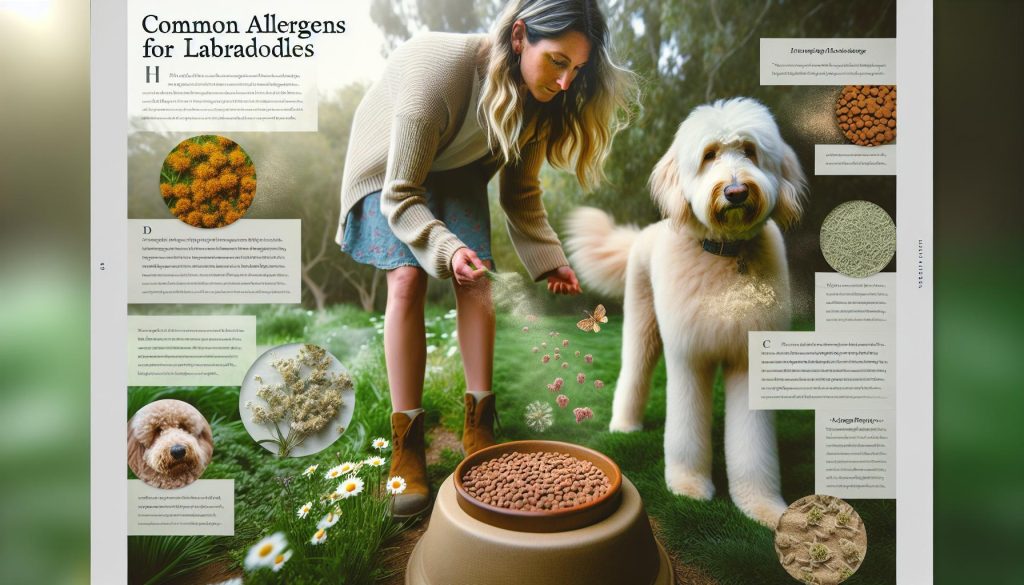
Did you know that Labradoodles, known for their friendly demeanor and intelligence, can also be sensitive to certain allergens? As beloved family pets, it’s crucial for owners to understand potential triggers that might affect their health and happiness. Allergies in Labradoodles can range from food sensitivities to environmental factors, and recognizing the signs early can make all the difference. This guide will explore the common allergens that may impact your furry friend, empowering you to take proactive steps towards their well-being. Whether you’re a new owner or a seasoned pet parent, understanding these triggers will help you create a comfortable environment for your Labradoodle, ensuring they lead a joyful and healthy life. Keep reading to discover what you need to know to keep your cuddly companion safe!
Understanding Labradoodle Allergies: A Parent’s Guide
Understanding allergies in Labradoodles can feel daunting, but with the right information, you can create a comfortable space for your furry friend. Labradoodles, known for their friendly nature and intelligence, may experience allergic reactions just like any other dog breed. These reactions can stem from a variety of allergens, which might include certain foods, environmental factors, and even genetic predispositions. By staying informed about common triggers and managing symptoms proactively, you are not just enhancing your Labradoodle’s quality of life but also strengthening your bond.
When considering common allergens, it’s essential to recognize that Labradoodles can develop sensitivities to materials as varied as certain proteins in food, dust mites, pollen, mold, and even flea saliva. Their luxurious coats are sometimes attributed to increased sensitivity, especially if they inherit traits from their Poodle lineage. This dual heritage can make them particularly alert-or reactive-to allergens found in their environment or diet.
To identify whether your Labradoodle is suffering from allergies, watch for signs such as excessive scratching, red or watery eyes, ear infections, or gastrointestinal upset. These symptoms may not always be immediately obvious, making it crucial to pay close attention to changes in behavior. If you suspect allergies, keep a detailed log of your pet’s activities and any symptomatic reactions, as this can be invaluable information for your veterinarian when determining the best course of action.
When it comes to management, dietary changes may play a significant role. Some Labradoodles may react negatively to common ingredients like wheat, corn, or soy. Consulting with your veterinarian can help you develop a customized diet that eliminates potential allergens while ensuring balanced nutrition. Avoiding environmental triggers can also make a big difference; regular cleaning of your home to remove dust and allergens, along with managing your dog’s exposure to known irritants, can significantly improve their comfort levels.
Through consistent care, attention to detail, and open communication with your vet, you can navigate the world of allergies with confidence, ensuring your Labradoodle remains happy and healthy. Remember, you’re not just a pet owner – you’re an advocate for your pup’s well-being, and having the right knowledge is your greatest tool.
Common Allergens That Affect Labradoodles
Labradoodles, with their playful spirits and loving dispositions, are a joy to have as companions. However, their unique genetic makeup means they can be prone to various allergies that may disrupt their happy-go-lucky demeanor. Understanding the common allergens that affect these lovable dogs is vital for any owner wanting to ensure their furry friend remains comfortable and healthy.
The main categories of allergens affecting Labradoodles include environmental triggers and dietary irritants. Environmental allergens often come from everyday surroundings and can include:
- Pollen: Seasonal pollen from trees, grasses, and weeds can lead to seasonal allergies, causing sneezing, itching, and watery eyes.
- Dust Mites: These microscopic pests thrive in household dust, and exposure can lead to respiratory issues and skin irritations.
- Mold: Mold spores present in damp areas of the home or outdoors can provoke severe allergy symptoms, particularly in humid climates.
- Flea Saliva: A single flea bite can trigger intense allergic reactions in some dogs, leading to significant discomfort and skin problems.
On the other hand, dietary allergens often stem from the food Labradoodles consume. Many Labradoodles have shown sensitivities to common ingredients found in commercial dog food. Some of these ingredients are:
- Wheat and Gluten: These grains can cause gastrointestinal upset and skin issues in sensitive dogs.
- Chicken or Beef: Animal proteins can be problematic for some Labradoodles, leading to allergic reactions ranging from mild itching to severe digestive distress.
- Dairy Products: Lactose intolerance is common in dogs, and dairy can cause stomach trouble and other issues.
- Soy: Another ingredient often found in dog food, soy can also lead to allergic reactions in certain breeds.
Recognizing and addressing these allergens is crucial for maintaining your Labradoodle’s health. Keeping a keen eye on your dog’s reactions when introducing new foods or environments can help you identify potential triggers quickly. By being proactive in managing their exposure to these common allergens, you’ll ensure your Labradoodle stays happy and vibrant for years to come.
Identifying Symptoms of Allergic Reactions
Recognizing the signs of allergic reactions in your Labradoodle can be crucial to maintaining their health and happiness. Labradoodles, known for their playful nature and loving disposition, can show a variety of symptoms when they encounter allergens, whether from food, environmental triggers, or insect bites. Being vigilant and informed can help you act quickly and effectively.
Watch for physical indicators such as itchiness, which may manifest as scratching, biting, or excessive licking, particularly around the paws, ears, and belly. If you notice any redness or inflammation on the skin, or if your dog is rubbing their face frequently, they may be experiencing discomfort from allergens. Other common symptoms include gastrointestinal distress, such as vomiting or diarrhea, particularly after consuming a new food item. Moreover, respiratory issues can arise, including sneezing, coughing, or wheezing, especially if environmental allergens like pollen or dust mites are at play.
It’s essential to document any patterns related to your Labradoodle’s symptoms. For instance, do their reactions typically occur seasonally? Are they worse after eating certain foods, or do they improve with treatment? This kind of detailed observation can provide valuable insights and help your veterinarian make an accurate diagnosis.
In case symptoms escalate beyond mild irritations or persist despite changes in diet or environment, it’s wise to consult your veterinarian. They can guide you through allergy testing and provide a tailored management plan, ensuring your beloved Labradoodle remains healthy and joyful. Remember, the sooner you identify and address allergic reactions, the quicker you can return your furry friend to their energetic and playful self.
How to Test for Allergies in Your Labradoodle
Determining whether your Labradoodle is suffering from allergies can seem daunting, but understanding the testing process makes it an achievable task. Start by consulting your veterinarian, who can provide valuable guidance tailored specifically to your dog’s needs. Your vet may recommend two primary approaches: skin testing and blood testing. Both of these methods have their advantages and can help pinpoint allergens affecting your furry friend.
Skin Testing
Skin testing, often preferred for its immediacy, involves exposing a small area of your Labradoodle’s skin to various allergens. This is done using a series of small injections or scratches that introduce potential allergens. Within 15-20 minutes, your veterinarian can observe any reactions, such as redness or swelling, to identify specific allergens. This method can be particularly useful for detecting environmental triggers such as pollen, dust mites, or mold.
Blood Testing
On the other hand, blood testing is less invasive and can provide a broader overview of your Labradoodle’s sensitivities. A sample of blood is drawn and sent to a veterinary laboratory, where it’s tested for antibodies against specific allergens. While this method takes longer for results to come back-usually a few days-it’s often a good option for dogs who may have skin conditions or those unable to tolerate skin testing.
At-home Allergy Trials
While professional testing is the most reliable, many pet owners find that starting with at-home observation can provide useful insights. Keep a food and activity diary for your Labradoodle. Note any new foods, treats, or activities and document any subsequent reactions. This can help pinpoint potential dietary triggers or environmental factors. Elimination diets-removing suspected allergens from your dog’s diet for several weeks-can also shed light on food sensitivities. Be sure to reintroduce foods one at a time to see if symptoms recur, allowing you to identify the offending ingredient.
By being proactive and thorough in your approach to allergy testing, you can help ensure your Labradoodle stays healthy and happy. Working closely with your veterinarian and systematically tracking your dog’s reactions will empower you to better manage their allergies and provide the loving care they deserve.
Dietary Triggers: Foods to Avoid
When it comes to our Labradoodles, understanding their dietary needs is crucial, especially if they have allergies. This hybrid breed, known for its friendly nature and intelligence, can also inherit sensitivities from both its Labrador and Poodle parents. Given their loving disposition, it’s heartbreaking to witness them struggle with allergies, but knowledge is power! Identifying foods that might trigger allergic reactions is an essential step in helping your pup live comfortably and joyfully.
A variety of foods can serve as allergens for Labradoodles, and common culprits often include proteins and grains. Here are some key offenders to keep an eye on:
- Beef: Many dogs can develop a sensitivity to beef, which may lead to gastrointestinal upset or skin irritations.
- Dairy: Lactose intolerance is not uncommon in dogs, leading to upset stomach or allergic reactions.
- Wheat: A common ingredient in many dog foods, wheat can cause allergic responses in some Labradoodles, manifesting as skin problems or itching.
- Chicken: Surprisingly, while chicken is often seen as a safe protein, some Labradoodles can develop allergies to it.
- Eggs: Like chicken, eggs can be a source of allergens and may cause digestive issues for sensitive pups.
Recognizing a food allergy involves observing your dog’s reactions after introducing new foods. Common symptoms include persistent itching, ear infections, gastrointestinal upset, or skin irritations. If you suspect a food allergy, an effective strategy is to conduct an elimination diet. This entails removing potential allergens from your dog’s diet for a period-usually around 8-12 weeks-and gradually reintroducing them one at a time. This method can highlight specific dietary triggers, enabling you to tailor a diet that minimizes allergic responses.
It’s essential for Labradoodle owners to consult veterinarians to address allergies comprehensively. Your vet can provide guidance on appropriate diets and recommend high-quality, hypoallergenic dog foods designed to minimize allergic reactions. With care and attention to what goes into your furry friend’s bowl, you can help ensure a healthier, happier life for your Labradoodle.
Environmental Triggers: Pollutants and Pests
Many Labradoodles experience allergies due to their mixed genetic background, which can make them susceptible to a variety of environmental triggers. Being aware of these potential irritants is essential for any proud owner looking to ensure their pup stays healthy and happy. Just like humans, our four-legged companions can react negatively to things in their environment, including pollutants, pests, and allergens that thrive in seasonally changing conditions.
Airborne allergens such as pollen, dust mites, and mold spores can significantly affect Labradoodles, especially during peak seasons. During spring and fall, tree and grass pollens are particularly prevalent, leading to itchy skin and respiratory issues. Keeping an eye on daily pollen counts (often available on weather apps) can help you plan outdoor activities. On days when pollen levels are high, consider shorter walks and keeping your dog indoors when possible to minimize exposure. Regularly cleaning your home and using air purifiers can also help reduce the buildup of dust and other allergens.
In addition to airborne irritants, various pests can trigger allergic reactions in Labradoodles. Fleas, ticks, and mites are common culprits that can cause intense itching, irritations, and even secondary infections. To safeguard your furry friend, it’s important to maintain a rigorous flea and tick prevention regimen throughout the year. Regular baths using hypoallergenic canine shampoos can help alleviate skin issues and keep those pesky pests at bay. You might also want to consult with a veterinarian about the best treatment options available, including spot-on treatments and oral medications.
Furthermore, environmental pollutants such as smoke, chemicals, and certain plants can also lead to allergic reactions in Labradoodles. Keeping your dog away from smoking areas and avoiding heavily treated lawns can reduce exposure to harmful substances. When out in public spaces, be cautious about where your pooch roams-some common plants, like poison ivy or certain flowers, can cause allergies or skin irritations. Familiarizing yourself with local flora and monitoring your dog’s contact with unfamiliar plants is a proactive approach to ensuring their well-being.
Understanding these environmental triggers and implementing strategies to minimize exposure can greatly improve your Labradoodle’s quality of life. By taking the time to create a comfortable, safe living environment, you can help your furry friend thrive and enjoy a vibrant, active life.
Managing Seasonal Allergies in Labradoodles
can feel daunting, but with the right strategies, you can significantly improve your pup’s comfort and quality of life during allergy season. Many pet owners notice that their Labradoodle may itch, sneeze, or experience a runny nose when pollen counts rise in spring and fall. The combination of outdoor allergens and environmental irritants can lead to these reactions, necessitating proactive care and attention.
One effective approach is to monitor pollen counts in your area and adjust your dog’s outdoor activities accordingly. On high pollen days, limit walks to early morning or late evening when pollen levels are lower, and avoid grassy areas where pollen may be more concentrated. After outdoor adventures, consider wiping down your dog’s fur and paws with a damp cloth to remove allergens that could be clinging to their coat. Regular grooming is also essential during allergy season; brushing your Labradoodle daily can help remove any allergens trapped in their lovely curls.
Establish a Clean Environment
In addition to outdoor management, maintaining a clean indoor environment is crucial for alleviating allergy symptoms. Utilize air purifiers designed to capture airborne allergens, and regularly clean your home by vacuuming with a HEPA filter. Wash your dog’s bedding frequently and consider using hypoallergenic covers to minimize exposure to dust mites and other indoor allergens. Regular baths with gentle, hypoallergenic dog shampoo can also help soothe irritated skin and remove any allergens that have settled into their coat.
Diet and Supplements
Don’t overlook the role that nutrition plays in managing allergies. Incorporating omega-3 fatty acids into your Labradoodle’s diet, whether through fish oil supplements or a diet rich in whole foods, may help reduce inflammation and improve skin health. Always consult your veterinarian before making significant dietary changes or introducing new supplements.
To sum up, involves a combination of monitoring outdoor conditions, maintaining a clean living space, and being mindful of your dog’s diet. By implementing these strategies, you can help your furry friend navigate the challenges of allergy season with greater ease and comfort. Remember, attentive care not only supports your Labradoodle’s health but also enhances your bond with your beloved pet.
The Role of Genetics in Labradoodle Allergies
Genetics play a significant role in determining whether a Labradoodle will develop allergies, as well as their severity. When you cross a Labrador Retriever with a Poodle, the resulting Labradoodle inherits a mix of genetic traits from both breeds. This combination can lead to variations in immune responses, making each Labradoodle’s susceptibility to allergens unique. For instance, Labrador Retrievers are known to have certain genetic predispositions to skin conditions and allergies, which can carry over to hybrid offspring. Similarly, Poodles can also exhibit sensitivities, particularly due to their curly, dense fur that can trap allergens more easily.
Understanding this genetic underpinnings can help dog owners make informed decisions about their Labradoodle’s care. If your dog has a family history of allergies, it might be wise to be extra vigilant. Regular veterinary check-ups can provide insights into potential inherited issues, and proactive measures can be taken based on their specific needs. For instance, providing a hypoallergenic diet or frequent grooming may help manage any genetic predisposition to allergy symptoms.
To further navigate these challenges, focusing on breed-specific traits can be beneficial. Understanding common allergens that may affect Labradoodles, such as pollen, certain foods, or household products, can prepare owners for potential outbreaks. By observing reactions during different seasons or when introducing new foods, you can gather critical information about what might trigger your dog’s allergies. Keeping a journal of these reactions may also reveal patterns tied to their genetic predisposition.
Overall, while genetics can play a role in allergy development, responsible care and monitoring can significantly influence your Labradoodle’s health. Staying informed about their lineage and potential risks, combined with proactive management strategies, will enhance your pup’s quality of life and strengthen your bond with this wonderful breed.
Tips for Minimizing Allergic Reactions
Minimizing allergic reactions in Labradoodles requires a proactive and well-rounded approach, especially given their lively and affectionate nature. These dogs thrive in environments where they feel comfortable and safe, so creating an allergy-friendly space is crucial. One of the first steps is regular cleaning and maintenance of your home. Vacuum frequently with a HEPA filter, and consider using air purifiers to reduce airborne allergens. Keeping your Labradoodle’s living area, including bedding and toys, clean reduces the likelihood of allergic triggers like dust mites and mold.
Paying close attention to your pup’s diet can also significantly influence their allergy management. Incorporate a high-quality, hypoallergenic dog food that avoids common allergens such as wheat, corn, and specific proteins your dog may be sensitive to. Introducing a new diet gradually can help monitor any adverse reactions. If food allergies are suspected, consult your veterinarian about conducting an elimination diet to pinpoint problematic ingredients.
Environment plays an essential role in managing allergies. During high pollen seasons, limiting outdoor activities can help minimize exposure. For pets that are sensitive to grass or pollen, consider rinsing your Labradoodle’s paws and coat after walks to remove any allergens that may cling to them. Additionally, avoid using harsh chemical cleaners or air fresheners in your home, opting instead for natural cleaning solutions that are gentle on both you and your dog’s respiratory systems.
Finally, regular veterinary check-ups are key. They can provide tailored advice and treatments, such as allergy testing or medications that may include antihistamines or topical treatments. By working closely with your vet and being mindful of your Labradoodle’s habits and surroundings, you can help keep their allergies in check, allowing them to enjoy their vibrant, playful lives to the fullest.
Recommended Treatments and Remedies for Allergies
Many Labradoodles enjoy a lively lifestyle full of play and affection, but those with allergies may face unique challenges that require careful management. Finding the right treatment and remedies can make a world of difference for these spirited companions, ensuring they remain happy and healthy despite allergic reactions. Here’s a comprehensive look at effective strategies and options that every Labradoodle parent should consider.
Common Treatments for Allergies
Addressing allergies in Labradoodles often starts with over-the-counter medications. Antihistamines like diphenhydramine (Benadryl) can alleviate symptoms such as itching and sneezing. However, it’s essential to consult your veterinarian for the correct dosage and to ensure it’s safe for your pup. Additionally, topical treatments like medicated shampoos can provide relief for skin irritations caused by allergens. For more serious reactions, your vet might prescribe corticosteroids to reduce inflammation.
Another important piece of managing allergies is understanding the types of allergens involved. Environmental allergens, such as pollen and dust mites, can be managed through regular grooming and bathing. A gentle, hypoallergenic shampoo can help remove allergens from your dog’s coat, and routine brushing will reduce shedding, which can contribute to a cleaner home environment. Investing in HEPA air filters and regularly washing your pup’s bedding can further minimize allergen exposure.
Dietary Remedies and Supplements
Food allergies can often complicate things for Labradoodles. Switching to a high-quality, hypoallergenic diet is crucial if food sensitivities are suspected. Look for dog food that contains novel proteins (like duck or rabbit) and grain-free options that help avoid common allergens. Engaging in an elimination diet-where you introduce new foods one at a time-can help identify specific triggers.
Adding supplements such as omega-3 fatty acids can support skin health and reduce inflammation. These supplements are known to enhance the natural oil production in your dog’s skin, potentially alleviating some allergy symptoms. Always discuss dietary changes with your veterinarian to ensure optimal nutrition and safety for your Labradoodle.
Home Remedies and Lifestyle Adjustments
Incorporating practical home remedies can also be beneficial. For instance, an oatmeal bath can soothe irritated skin and provide immediate relief from itching. Additionally, consider using natural cleaning products in your home to limit exposure to chemical irritants. Avoiding artificial fragrances and using vinegar or baking soda for cleaning can help maintain an allergy-friendly environment.
Lifestyle adjustments, such as being mindful of outdoor activities during high pollen seasons, can also aid in managing your Labradoodle’s allergies. Limiting walks on windy days or after heavy rain can reduce exposure to environmental triggers. Making use of protective gear, like doggie booties, can help limit allergens from getting onto your dog’s paws and into your home.
By combining these treatments, dietary changes, and lifestyle adjustments, you can create a comprehensive plan to manage your Labradoodle’s allergies effectively. With a proactive approach and veterinary guidance, you can ensure that your beloved companion continues to thrive and enjoy all aspects of life to the fullest.
When to Consult a Veterinarian About Allergies
Every loving Labradoodle owner knows that our furry friends can exhibit a variety of quirky behaviors, but when those quirks turn into symptoms of allergies, it’s time to take action. Dogs can experience allergic reactions just like we do, and recognizing when to seek professional help is crucial for their well-being. If your Labradoodle is scratching more than usual, experiencing gastrointestinal issues, or showing signs of distress, don’t hesitate to consult with a veterinarian. Identifying and addressing allergies early can help prevent more serious health issues down the line.
Watching for persistent symptoms is key. Common indicators that it’s time for a vet visit include excessive itching or scratching, red or inflamed skin, recurrent ear infections, watery eyes, and changes in appetite or weight. If you notice your Labradoodle frequently shaking their head or pawing at their face, it could point to allergies. Similarly, gastrointestinal upset, such as vomiting or diarrhea, can suggest food sensitivities. Keep track of any patterns or triggers you’ve noticed, as this information can be invaluable to your veterinary team.
Additionally, if your Labradoodle experiences any acute allergic reactions-like facial swelling, difficulty breathing, or hives-the situation can be serious and requires immediate veterinary attention. These reactions can escalate quickly, necessitating prompt treatment to avoid complications. Don’t wait to see if the symptoms will simply go away; proactive care can make a world of difference in managing your pup’s health.
To support your journey, establish regular veterinary check-ups even if your Labradoodle seems healthy. These visits can help in the early identification of potential allergies, allowing for screenings or tests to determine specific allergens. The more informed you and your veterinarian are about your Labradoodle’s history and symptoms, the better equipped you’ll be to formulate an effective management plan tailored to their unique needs. Remember, your vet is your best partner in ensuring a long, happy, and healthy life for your furry friend!
Preventive Care Strategies for Allergic Labradoodles
To keep your Labradoodle healthy and happy, especially when dealing with allergies, proactive preventive care is crucial. These dogs, adored for their friendly demeanor and intelligence, can also be sensitive to various allergens in their environment. Establishing a routine that focuses on prevention not only helps in managing potential allergic reactions but also ensures a better quality of life for your furry friend.
One of the most effective strategies is maintaining a clean living environment. Regularly vacuuming your home to reduce dust mites, pet dander, and pollen can significantly lessen allergy symptoms. Use air purifiers with HEPA filters to trap airborne allergens, ensuring your home remains a sanctuary for your Labradoodle. Additionally, frequent bathing is recommended, using hypoallergenic shampoos that can help remove allergens from their coat. Aim for a bath every three to four weeks, but adjust based on your dog’s specific needs and sensitivities.
Another key area of focus is nutrition. A balanced diet plays a fundamental role in strengthening your Labradoodle’s immune system, making it less susceptible to allergens. Consult your veterinarian for recommendations on high-quality dog food that aligns with your dog’s health needs. If food allergies are suspected, consider a limited ingredient diet to isolate potential triggers. Gradually introducing new foods can help identify any sensitivities, allowing for a more tailored approach to your dog’s diet.
It’s also important to consider outdoor exposure. Limiting walks to early mornings or late evenings when pollen counts are lower can make a big difference, especially during allergy seasons. If your Labradoodle has been outdoors, a gentle wipe-down of their coat and paws can remove irritants before they enter your home. Lastly, keeping a close eye on their body language during walks or playtime can provide insight into their comfort level; if you notice signs of distress, it may be time to head back indoors.
By implementing these strategies, you can effectively minimize allergic reactions and enhance your Labradoodle’s well-being. Remember, being proactive is key. Regular communication with your veterinarian will also help to adapt your care routine as needed, ensuring your beloved pet leads a happy, healthy life despite their allergies.
Frequently Asked Questions
Q: What common foods are Labradoodles allergic to?
A: Labradoodles can be allergic to a variety of foods, including beef, chicken, dairy, eggs, soy, and wheat. It’s essential to monitor your dog’s diet and eliminate potential allergens, starting with a hypoallergenic diet, to identify triggers. For detailed dietary advice, explore your options in the section on “Dietary Triggers: Foods to Avoid.”
Q: How can I tell if my Labradoodle has an allergy?
A: Look for symptoms such as itching, excessive licking, ear infections, or gastrointestinal upset. If you notice any unusual behavior, consult the section on “Identifying Symptoms of Allergic Reactions” for a comprehensive guide on what to observe.
Q: Are environmental factors significant allergens for Labradoodles?
A: Yes, Labradoodles often react to environmental triggers like pollen, dust mites, mold, and insect bites. Managing their environment by regular cleaning and using air purifiers can help. Check the “Environmental Triggers: Pollutants and Pests” for preventive measures.
Q: What are the signs of seasonal allergies in Labradoodles?
A: Seasonal allergies in Labradoodles typically manifest as itchy skin, watery eyes, and sneezing, especially during spring and fall. For effective management strategies, refer to “Managing Seasonal Allergies in Labradoodles.”
Q: How do genetics play a role in Labradoodle allergies?
A: Genetics can influence the likelihood of allergies in Labradoodles. If either parent had allergies, the chances increase for their offspring. To understand more, please visit “The Role of Genetics in Labradoodle Allergies.”
Q: When should I see a vet for my Labradoodle’s allergies?
A: Consult your veterinarian if your dog shows persistent symptoms, worsens over time, or if home remedies do not alleviate the allergy signs. For further details, refer to “When to Consult a Veterinarian About Allergies.”
Q: Can I manage my Labradoodle’s allergies at home?
A: Yes, managing allergies at home is possible through dietary adjustments, regular cleaning, and using hypoallergenic products. Refer to “Tips for Minimizing Allergic Reactions” for practical strategies.
Q: What treatments are available for Labradoodle allergies?
A: Treatments can include antihistamines, corticosteroids, or allergy shots, depending on the severity of the allergies. For effective treatment options, check “Recommended Treatments and Remedies for Allergies.”
These FAQs can enhance understanding for Labradoodle owners, providing them with actionable insights to improve their pets’ health and comfort.
Key Takeaways
Understanding what Labradoodles are allergic to is crucial for ensuring their health and happiness. By identifying common triggers and implementing preventive measures, you can help your furry friend thrive. Remember, quick action is essential-if you suspect your Labradoodle has an allergy, consult your veterinarian immediately for guidance.
For more insights, explore our articles on Labradoodle behavior tips or nutrition for Labradoodles to ensure you’re giving your dog the best care possible. You can also check our Labradoodle grooming guide for additional information on maintaining their beautiful coat while minimizing allergen exposure.
Don’t forget to subscribe to our newsletter for the latest updates on Labradoodle care and receive exclusive tips. Your journey with your Labradoodle is just beginning! Share your experience in the comments, and connect with fellow dog lovers to learn and grow together.