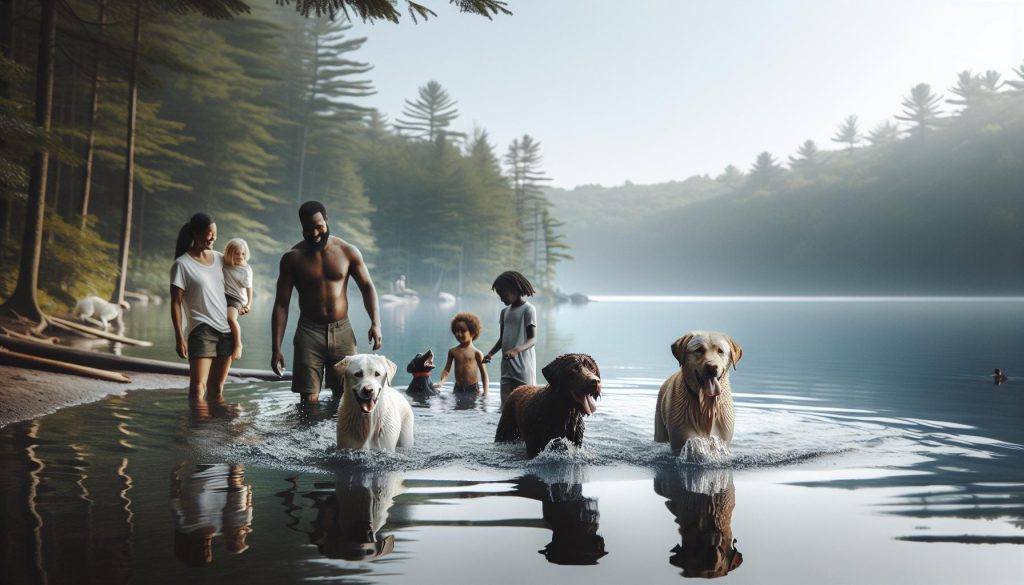
Did you know that some dog breeds are naturally designed to thrive in water? If you’re considering adding a furry friend to your family who loves splashing around, you might want to explore the fascinating world of water dogs. These canine swimmers not only possess strong swimming abilities but also have water-resistant coats that keep them comfortable during their aquatic adventures.
In this article, we’ll introduce you to 15 remarkable breeds that absolutely adore swimming and are eager to dive into lakes, rivers, and oceans. Whether you’re searching for a loyal companion for beach outings or a playful partner for pool parties, understanding the unique traits and care necessities of these breeds will help you make the best choice for your lifestyle. Get ready to discover the joy of owning a water dog and learn how to ensure they stay happy and healthy while pursuing their favorite pastime!
Understanding Water Dogs: A Brief Overview
Did you know that some dog breeds are not just fond of water but are genuinely built for it? Water dogs, a category that includes several breeds, are known for their impressive swimming abilities. These canine companions boast unique characteristics that make them exceptional swimmers and enthusiastic participants in water-based activities. With waterproof coats, webbed feet, and innate buoyancy, water dogs are naturally inclined to take to the waves, making them ideal playmates for aquatic adventures.
Typically bred to assist humans in hunting and retrieving game from various bodies of water, these breeds retain their love for swimming and fetching. Their history can be traced back to functional roles as gundogs, yet many modern water dogs, like the Portuguese Water Dog and the Lagotto Romagnolo, still exhibit these original skills alongside their playful nature. The combination of their intelligence and love for swimming makes them not only wonderful pets but also highly trainable companions that can partake in a myriad of water-related activities.
Caring for a water dog requires an understanding of their unique needs. Regular exercises, like swimming sessions, are crucial for maintaining their physical fitness and mental stimulation. Additionally, adopting safety precautions during any water activity is essential to ensure the dog’s well-being. Embracing the responsibilities that come with these playful aquatic companions, such as providing proper training and grooming, can lead to a fulfilling relationship filled with fun in the sun. Whether you are a first-time dog owner or a seasoned handler, engaging with a water dog opens up a world of joy, adventure, and treasured moments spent together by the water.
Top 15 Breeds That Are Natural Swimmers

When it comes to dogs that love the water, certain breeds stand out for their exceptional swimming abilities and keen affinity for aquatic activities. These breeds, known for their unique characteristics, possess innate traits that make them not just adept swimmers, but also enthusiastic participants in water-based fun. If you’re considering adding a furry companion to your aquatic adventures, here’s a closer look at 15 breeds that are naturally inclined to swim and thrive in the water.
Top Swimming Breeds
- Labrador Retriever: Known for their friendly nature and intelligence, Labradors are natural swimmers with webbed feet and a strong, muscular build. Their love for water makes them excellent companions for families and active individuals.
- Golden Retriever: These friendly and loyal dogs have a water-repellent coat, making them well-suited for swimming. They love to retrieve, especially in water, which is great for interactive play.
- Portuguese Water Dog: Originally bred to assist fishermen, these dogs come with a curly, water-resistant coat and are known for their energetic disposition. They excel in water and love retrieving items.
- Chesapeake Bay Retriever: This breed has a dense, waterproof coat that’s perfect for chilly water. They are tenacious swimmers with a history of assisting in waterfowl retrieval tasks.
- American Water Spaniel: A versatile and enthusiastic swimmer, this breed is well-suited for hunting and retrieving in water. Their friendly demeanor and love for play make them an excellent choice for families.
- Newfoundland: Beyond their gentle giant demeanor, Newfoundlands possess powerful swimming abilities and a water-resistant coat, often being trained for water rescue operations.
- Barbet: This rare breed offers a thick, curly coat that helps them in water activities. They’re highly intelligent and love to swim, making them great companions for aquatic adventures.
- Lagotto Romagnolo: Not only does this breed have a water-repellent coat, but they’re also excellent swimmers, known historically for their truffle-hunting skills in marshy areas.
- Spanish Water Dog: A versatile breed that is equally happy swimming or working. They have a curly, insulated coat that provides insulation while they swim.
- Irish Water Spaniel: Known for their distinctive curly coat, these dogs have a strong swimming ability and a playful disposition, making them a joy to have near any body of water.
- Flat-Coated Retriever: These friendly dogs love to play in the water and are known for their retrieving capabilities. Their long legs and buoyant nature make swimming a natural activity.
- Viszla: Active and energetic, Viszlas enjoy water play. Their lean bodies and athleticism allow them to swim with ease, making them great companions for outdoor enthusiasts.
- Toller (Nova Scotia Duck Tolling Retriever): This agile and bright breed is an excellent swimmer, originally bred to toll and retrieve waterfowl.
- American Eskimo Dog: While they may not be the first breed that comes to mind for swimming, these small but energetic dogs enjoy water and have the ability to swim well when encouraged.
- Brittany Spaniel: This breed is an enthusiastic retriever with a love for water. Their athletic physique and friendly nature make them fun companions for swimming excursions.
Considerations for Water-Loving Breeds
Before diving into adventures with your water dog, it’s important to consider the needs and safety of these breeds. Regular swimming sessions can provide excellent exercise and mental stimulation, but ensure you gradually introduce your dog to the water. Here are some quick tips:
- Always supervise your dog while swimming.
- Use a life jacket, especially for breeds that may not be natural swimmers.
- Regularly check for waterborne parasites and debris after swimming sessions.
- Encourage positive experiences in the water to build their confidence and comfort.
Embracing the joyful nature of these breeds and recognizing their needs can create a nurturing environment that fosters both fun and safety during water activities. Whether you’re off to the beach, a lake, or just a backyard pool, these wonderful dogs will surely make a splash!
Characteristics That Make Water Dogs Unique

Water dogs are truly remarkable animals, distinguished by traits that not only enhance their swimming abilities but also contribute to their roles as active companions and hardworking partners. Many water-loving breeds exhibit unique physical characteristics that make them perfectly suited for life around water. For instance, their webbed feet allow them to swim with ease, acting like paddles that propel them forward. Breeds like the Labrador Retriever and Golden Retriever are prime examples, as their strong limbs and buoyant bodies enable them to glide effortlessly through lakes and oceans.
In addition to their physical attributes, water dogs share behavioral traits that reflect their affinity for the aquatic environment. These breeds are often known for their playful and energetic demeanor, making them fun-loving companions both in and out of the water. The Portuguese Water Dog, with its eager disposition, exemplifies a breed that thrives on activity, whether it’s fetching balls thrown into the surf or joyfully splashing around in a pool. Their enthusiasm and natural instinct for retrieving also fulfill their historical roles as working dogs, assisting fishermen and hunters by bringing back waterfowl.
Adaptations such as water-resistant coats further enhance their capabilities. Breeds like the Chesapeake Bay Retriever possess thick, waterproof fur that insulates them in colder waters, allowing them to remain comfortable and dry while swimming. This coat, combined with their strong muscular structure, makes such dogs proficient at both endurance swimming and water rescues, a testament to their versatility and endurance.
Lastly, the unique temperament of these breeds tends to reflect a gentle and friendly nature, making them great family pets. They thrive in environments where they can interact with people and other animals, often showing a keen desire to please their owners. By choosing a water dog, you not only gain a skilled swimmer but also a loyal companion ready for adventure, ensuring that every outing can turn into a delightful experience. Whether you’re splashing in a lake or enjoying a day at the beach, these dogs bring joy and energy, making them ideal partners for aquatic fun.
The History of Water-Rescue Breeds

The fascinating journey of water-rescue breeds is steeped in practicality and necessity, designed to meet the challenges posed by human endeavors in aquatic environments. Historically, such breeds were invaluable to fishermen, hunters, and sailors, performing essential tasks that not only showcased their remarkable swimming abilities but also their intelligence and trainability. For instance, the Portuguese Water Dog, known for its exceptional swimming prowess, was originally bred to retrieve nets, herd fish into traps, and assist fishermen in their daily tasks along the coast of Portugal. This breed is not just an impressive swimmer; it embodies an energetic spirit and a strong work ethic, making it a favorite among aquatic enthusiasts.
As time progressed, various other breeds were developed with similar characteristics aimed at enhancing their abilities in water. The Labrador Retriever, initially trained for hunting waterfowl, has become renowned for its natural affinity for swimming and retrieving. With their webbed toes, otter-like tails, and a double coat that keeps them buoyant, they have solidified their place as one of the most popular water dogs globally. These breeds often shadow their human partners, diving into lakes or rivers fearlessly, embodying a supportive role that extends beyond simple companionship.
In addition to these breeds, the Chesapeake Bay Retriever stands out with a rich history tied to the water. Bred to work in the harsh conditions of the Chesapeake Bay, these dogs have a dense, waterproof coat that allows them to swim in icy waters, assisting hunters in fetching game. Their tenacity and resilience are unmatched, making them excellent companions for anyone enthusiastic about water sports. Whether it’s a routine swim or participating in water rescue operations, these dogs display an extraordinary capacity for teamwork and problem-solving, further enhancing their roles as vital partners.
Understanding the historical significance of these outstanding breeds not only enriches our appreciation for them but also highlights the commitment and training they may require. For new owners considering welcoming a water dog into their lives, it’s vital to recognize the dual role these animals can play-not just as loving companions but also as skilled working partners eager to engage in water-related activities. Embracing their heritage will not only enhance your bond but also ensure you provide the physical and mental stimulation they thrive upon.
Swimming Safety Tips for Water Dogs
Ensuring the safety of your water-loving canine as they splash and swim is paramount for an enjoyable day at the pool, lake, or beach. Water dogs, with their natural affinity for swimming, may be confident in the water, but they still require supervision and proper safety measures. Whether you’re taking a leisurely dip or going on adventurous aquatic outings, here are some crucial safety tips to keep your furry friend secure and happy.
Know Your Dog’s Limits
Every water dog is different. While breeds like the Labrador Retriever and Portuguese Water Dog are robust swimmers, others, like the Cavalier King Charles Spaniel, may not be as adept. Always start in shallow waters where your dog can stand comfortably and gauge their comfort level. Look for signs of fatigue, such as excessive panting or struggling to keep up, and consider taking them out of the water if they appear overwhelmed.
Essential Swimming Gear
While many water dogs are natural swimmers, equipping them with a life jacket can be a wise precaution, especially for younger or older dogs who may tire quickly. Choose a life jacket that fits snugly but comfortably, allowing your dog to move freely without risking drowning. Here are other essential items to consider:
- Retractable Leash: Use a long leash to allow your dog some freedom while maintaining control.
- Water Bowl: Keep your dog hydrated with fresh water away from the salt or chlorinated water.
- Sunscreen: Apply a pet-safe sunscreen to protect your dog’s skin, especially for breeds with short hair.
- Towel: Bring a towel for quick drying after swimming to prevent chills.
Awareness of Environment
Be mindful of the environment where your dog is swimming. Carefully inspect for strong currents, sharp rocks, or harmful algae blooms that could pose risks. Not every body of water is suitable for dogs; lakes with hazardous underwater flora or saltwater beaches can lead to distressed pets. Always supervise their swimming and be ready to intervene if they venture too far or exhibit signs of distress.
Lastly, incorporating positive reinforcement can help your dog associate water with fun. Start with short swimming sessions, gradually increasing the duration as they become more confident. Remember, a happy dog is a safe dog, so keep their specific needs in mind as you enjoy the water together!
Training Techniques for Swimming Enthusiasts
Introducing your dog to water can be an exciting journey, especially for breeds that naturally excel at swimming. The key to ensuring a positive experience lies in effective training techniques that nurture their innate abilities while also addressing any fears they may have. Start with basic introductions to water in a calm, controlled environment, like a shallow kiddie pool or a quiet lakeside. This allows your dog to explore without feeling overwhelmed by larger bodies of water.
As you ease your dog into the water, use positive reinforcement to create a connection between swimming and fun. Bring along their favorite toys, tossing them a few feet into the water to encourage retrieval and play. Praise them enthusiastically when they make strides, no matter how small, and offer treats to reinforce this positive behavior. For more cautious dogs, it can be helpful to enter the water with them initially, gently guiding them through the experience and providing reassurance.
Strong swimming techniques can also be reinforced through structured training sessions. Gradually increase the depth and distance of their swimming, ensuring they maintain proper form. Techniques such as “sit” or “stay” can be integrated by practicing these commands while they’re on the shore, then progressing to the water. This not only builds their obedience but also enhances their confidence. For breeds like the Labrador Retriever or the Golden Retriever, which are known for their love of water, creating challenges such as swimming over small obstacles or fetching toys from varying distances can make the experience enriching and enjoyable.
Don’t forget that training is an ongoing process! Consistency is key, so make water play a regular part of your dog’s routine, ideally incorporating it into their exercise plan. Monitor their swimming style and energy levels, and adjust your activities according to their needs. With time, patience, and plenty of encouragement, you’ll cultivate a water-loving companion who is both skilled and safe in their aquatic adventures.
Health Benefits of Swimming for Dogs
Swimming is not only a delightful activity for our furry friends; it also has numerous health benefits that can significantly enhance their overall well-being. For water-loving breeds, engaging in regular swimming sessions can lead to improved physical health, mental stimulation, and social interaction. It’s no surprise that many owners of water dogs find that their pups thrive in aquatic environments!
One of the standout advantages of swimming is its low-impact nature. This makes it an excellent form of exercise for dogs of all ages and fitness levels. Whether your companion is a sprightly young pup or a senior needing gentler routines, swimming allows them to engage their muscles without the stress associated with high-impact activities like running or jumping. Strong swimming sessions can help maintain a healthy weight, improve cardiovascular health, and build lean muscle mass. Additionally, the resistance of water provides a natural strength-training experience, which can enhance flexibility and joint health.
Promoting Mental Well-Being
Beyond the physical benefits, swimming provides essential mental stimulation. Many water dog breeds, such as the Labrador Retriever and the Portuguese Water Dog, have high energy levels and require regular engagement to prevent boredom. Water activities can stimulate their instincts and curiosity, keeping their minds engaged as they navigate through the water, retrieve toys, or even learn new swimming techniques. This mental exercise is vital for reducing anxiety and preventing behavioral issues that may arise from lack of stimulation.
Moreover, swimming can enhance socialization opportunities. Taking your dog to a dog-friendly lake, pool, or beach allows them to interact with other dogs and people, promoting confidence and reducing shyness. The positive reinforcement from playful interactions can also lead to improved behavior both in and out of the water. Remember, it’s essential to supervise your dog during these interactions to ensure a safe and enjoyable experience.
Practical Tips for Swimming
To maximize the health benefits of swimming, consider these tips:
- Start Slow: Gradually introduce your dog to deeper water and longer swimming sessions to build their confidence and stamina.
- Keep Hydrated: Even though they are swimming, ensure your dog has access to fresh water to stay hydrated.
- Monitor Their Health: Watch for signs of fatigue or distress, and always consult your veterinarian if you have concerns about your dog’s swimming abilities.
- Use Safety Gear: For less confident swimmers, consider using a doggy life vest to enhance their safety and comfort in the water.
Incorporating swimming into your dog’s routine is a wonderful way to promote their physical and mental health. By understanding the various benefits and approaching this activity with care and enthusiasm, you’ll not only help your water-loving dog flourish but also create cherished memories that will last a lifetime!
Grooming Needs for Water-Loving Breeds
Water-loving breeds bring immense joy to our lives, but with that joy comes the responsibility of keeping their coats healthy and manageable. The grooming needs of these breeds are as diverse as the dogs themselves, reflecting their unique characteristics and the environments they adore. For instance, coats that love water often require special care to ensure they remain clean, free of mats, and in top condition.
Proper grooming for water dogs typically involves several key practices. Regular brushing is essential; it helps prevent tangles and mats while distributing natural oils throughout their fur, which is especially important for breeds like the Portuguese Water Dog and the Irish Water Spaniel. Aim to brush their coat at least once a week, and more frequently if they’ve enjoyed a swim, to remove debris and prevent matting. Bathing should be done with a gentle dog shampoo to avoid stripping essential oils-generally, a bath every month or after particularly muddy swims is sufficient.
Breed-Specific Grooming Tips
Different breeds have varying grooming needs:
- Portuguese Water Dog: Their dense, curly coat requires regular grooming with a pin brush and comb. While they can be trimmed to maintain a neat appearance, maintaining their coat’s natural curl is essential for protection against water.
- Irish Water Spaniel: This breed has a unique curly coat that needs to be dried carefully to avoid frizzing. Tube drying is often recommended after baths-using towels to blot rather than rub, as friction can damage the curls.
- Labrador Retriever: Labs have a short coat that sheds often. Regular brushing can help manage loose fur and keep their skin healthy. After swimming, rinse off saltwater or chlorine to prevent skin irritation.
Maintenance Checklist
To keep your water dog looking and feeling great, follow this grooming checklist:
- Brushing: Use appropriate brushes for their coat type.
- Bathing: Bathe as needed; typically every 4-6 weeks.
- Ear Care: Check and clean ears regularly, as water-loving breeds are prone to ear infections.
- Nail Trimming: Keep nails trimmed to prevent discomfort during swimming.
Regular grooming not only supports the health of your water-loving friend but also strengthens the bond between you. It’s a wonderful opportunity to check for any issues such as skin irritations or foreign objects lodged in their fur. By developing a consistent grooming routine tailored to your dog’s needs, you ensure their happiness and health while enjoying those splashing outdoor adventures together!
Creating a Dog-Friendly Swimming Environment
Creating a safe and enjoyable swimming environment for your furry friend is essential to ensure their happiness and well-being. Whether it’s a backyard pool, a lake, or a dog-friendly beach, the right setup will enhance both their swimming experience and your peace of mind. Start by surveying your pool or swimming area for potential hazards such as sharp objects, strong currents, or troublesome algae. Proper fencing around pools or restricted access to bodies of water can also prevent unintended accidents while allowing your canine companion to roam freely in designated safe zones.
Consider the temperature of the water as well. Just as humans can be sensitive to extreme temperatures, so can dogs. Ideally, the water should be neither too cold nor too hot to prevent discomfort or health issues. If swimming in natural water sources, always check for contamination signs, like algae blooms or pollution, as these can pose serious health risks to your pet. Regular vet check-ups can provide additional reassurance that your dog is fit for water activities, especially regarding breed-specific concerns like skin sensitivities or ear infections that may arise from swimming.
Setting Up a Play Area
Creating a dog-friendly swimming area requires a few intentional design elements. Here are some ideas to enhance the experience for both you and your water-loving pooch:
- Shaded Spots: Dogs can easily get overheated, especially during lengthy swimming sessions. Set up shaded areas where they can cool off and rest.
- Gradual Entrances: If you have a pool, ensure there are ramps or steps available that allow your dog to enter and exit comfortably.
- Safe Toys: Encourage play with durable, water-safe toys that make swimming more enjoyable, such as floating balls or specially designed retrieving toys.
Remember, supervision is key to ensuring safe enjoyment of water. Never leave your dog unattended while swimming, as accidents can happen unexpectedly. Always keep fresh water nearby to quench their thirst and help flush out any chlorine or saltwater after swimming.
Establishing these guidelines may seem like a lot of work, but the joy you’ll see in your dog’s eyes as they plunge into the water makes it all worthwhile. not only safeguards your pet but also enhances the bond you share during those joyful splash-filled days.
Best Activities for You and Your Water Dog
There’s nothing quite like watching a water-loving dog in their element, splashing through waves or gliding gracefully through a pool. Water dogs bring vitality and joy to outdoor adventures, and engaging in activities that play to their strengths not only enhances their physical health but also strengthens the bond you share. Each breed may have unique preferences and capabilities when it comes to water play, so tailoring activities to fit their personality is key.
One of the quintessential activities is dock diving, where dogs leap off a platform into a body of water, showcasing their jumping and swimming skills. This sport is not only exhilarating for water dogs but also helps in developing their strength and agility. If you have a dog with a strong fetch drive, consider incorporating a game of retrieve in the water. Utilize floating toys or frisbees designed for aquatic play, as these can keep them engaged and excited. It’s a fantastic way to enhance their retrieving instincts while giving them a great workout.
Group outings to a dog-friendly beach or lake can also be a wonderful bonding experience. Watching your dog socialize with other water enthusiasts can bring out their playful side. Just ensure to keep an eye on them as they interact and play, as some dogs may have a tendency to overdo it in the water. If you’re considering something more structured, enrolling in a canine swimming class can provide your dog with the necessary skills and confidence in the water while also serving as a fun socialization opportunity.
For those days when you’re looking for lighter activities, consider a simple water play session using a kiddie pool. This can be especially beneficial for small breeds or younger puppies who are still learning. Fill it with water, toss in some toys, and let the splashes begin! Remember to always keep fresh water available and supervise their playtime to ensure a safe environment. Engaging in these enjoyable activities fosters both physical fitness and mental stimulation, making it a win-win for you and your beloved aquatic companion.
Common Challenges with Water Dogs and Solutions
Water dogs are an absolute joy, but they come with their own set of challenges. From managing their enthusiasm for swimming to ensuring their safety, understanding these potential issues can make all the difference for you and your aquatic companion. Here’s a closer look at some common challenges that water-loving breeds may face, along with practical solutions to help you tackle them effectively.
One of the primary concerns with water dogs is their buoyancy. Some breeds, like Bulldogs or Basset Hounds, might struggle with swimming due to their physical structure. To mitigate this, consider investing in a well-fitted life jacket designed for dogs. This not only keeps them safe but also instills confidence as they learn to navigate the water. Additionally, supervise them closely, especially during their first few swims, to ensure they’re comfortable and making progress.
Another challenge is the water’s temperature, which can affect their enjoyment and safety. Dogs can overheat while swimming in warm weather or become too cold in cooler water. Always check the water temperature before allowing your dog to swim. If it’s too hot or too cold for you, it’s likely the same for them. Provide breaks in the shade or bring along a dog-friendly cooling vest for warm days and limit swimming time during colder months.
Training is also a crucial aspect. Some dogs may exhibit fearful behavior around water or show an overwhelming excitement, leading to potential safety hazards. Start slowly by introducing your dog to the water gradually. Use positive reinforcement techniques, rewarding them with treats or praise for exploring shallow waters. For more assertive swimmers, use commands like “come” and “stay” to maintain control and promote safety during water play. Regular training sessions, both in and out of the water, can significantly improve their swimming skills and confidence.
Lastly, dog-friendly environments can be a challenge. Not all swimming areas are safe for your furry friend. Look for spots free from hazards like sharp rocks, algae blooms, or strong currents. Carry a dog-friendly first aid kit and be vigilant about your dog’s interactions with other swimmers to prevent squabbles and ensure a harmonious outing.
By proactively addressing these challenges through careful planning, gradual exposure, and attentive training, you can create a safe and enjoyable swimming experience for your water dog, fostering a lasting bond and countless happy memories together.
FAQs About Caring for Water Dogs
Caring for water-loving breeds can be an incredibly rewarding experience, but it also comes with particular questions and considerations that every owner should be aware of. From understanding their unique needs to training techniques and health concerns, the journey with a water dog can be smooth sailing when you’re well-prepared!
One common question new owners have is about introducing their dogs to water safely. Start with shallow water, allowing your dog to wade in at their own pace. Use treats or toys to encourage them, and never force them into deeper water. For breeds that may not be natural swimmers, like Bulldogs or Dachshunds, a well-fitted life jacket can provide extra buoyancy and confidence as they learn.
Another key area of interest is health-related concerns, especially regarding ear infections and dry skin, which can be more prevalent in water dogs. Regularly check their ears for moisture and debris post-swim, and consider using a vet-recommended ear cleaner. Additionally, after swimming, make sure to rinse your dog with fresh water to remove chlorine or salt, which can irritate their skin.
Lastly, many owners wonder about the right amount of exercise or swimming time. While water dogs typically have high energy levels and love to swim, it’s essential to monitor their activity. Watch for signs of exhaustion and provide plenty of breaks. Balanced playtime on land and in water can prevent overexertion while still satisfying their instinctual love for water.
By staying informed and attentive to your dog’s needs, you’ll create a fulfilling and enjoyable swimming experience that nurtures their passion for water and strengthens your bond.
Q&A
Q: What are the main characteristics of water dogs?
A: Water dogs typically possess waterproof coats, webbed feet, and a natural affinity for swimming. These breeds were historically bred for retrieving waterfowl and often have high energy levels and intelligence, making them great companions for active owners. For more about their unique traits, refer to the “Characteristics That Make Water Dogs Unique” section.
Q: How do I train my water dog to swim?
A: To train your water dog to swim, start by introducing them to shallow water, using positive reinforcement like treats or toys. Gradually increase the depth as they become more comfortable. Always supervise them and consider using a life vest for extra safety in deeper water, especially initially.
Q: What are the best activities for water dogs?
A: Water dogs thrive on activities like fetch, swimming exercises, and agility training. Engaging in water sports or simply playing in a pool can help burn off their energy and utilize their swimming instincts. Check the “Best Activities for You and Your Water Dog” for more ideas on keeping them active.
Q: Are all dogs good swimmers?
A: Not all dogs are natural swimmers; many breeds require training and may have difficulty in water due to their build or temperament. Breeds like Labrador Retrievers and Portuguese Water Dogs excel at swimming, while others, particularly flat-faced breeds, may struggle. Consider each breed’s characteristics before introducing them to water.
Q: How can I ensure my water dog is safe while swimming?
A: To ensure your water dog’s safety, always supervise them in and around water, use safety gear like life vests, and familiarize them with shallow sections first. Taking swimming safety tips from the “Swimming Safety Tips for Water Dogs” section can provide additional insights on keeping them safe.
Q: What health benefits does swimming provide for dogs?
A: Swimming offers numerous health benefits for dogs, including improved cardiovascular fitness, muscle strength, and joint flexibility. It is also a low-impact exercise that can be particularly beneficial for senior dogs or those recovering from injuries. For detailed benefits, see the “Health Benefits of Swimming for Dogs” section.
Q: Why do certain breeds enjoy swimming more than others?
A: Some breeds enjoy swimming more due to their genetic background, which may include a history of water retrieval work. Breeds with webbed feet, a water-resistant coat, and energy to spare are naturally inclined to love the water. The “Top 15 Breeds That Are Natural Swimmers” section covers these breeds in depth.
Q: How can I create a dog-friendly swimming environment?
A: To create a dog-friendly swimming environment, ensure the area is safe, free of hazards, and has easy access points. Adding shallow areas for gradual entry and providing shaded spots can help make the water more enjoyable. More tips can be found in the “Creating a Dog-Friendly Swimming Environment” section.
The Way Forward
As we dive into the joyful world of water dogs, it’s clear that these breeds are not only fabulous swimmers but also loving companions that thrive in active households. Whether you’re considering a Labrador Retriever, a Portuguese Water Dog, or another breed from our comprehensive list, remember that these dogs need regular exercise and mental stimulation to stay happy and healthy. Don’t miss out on essential tips for training and care specific to each breed; explore our guides on swimming safety and nutrition to ensure your water-loving friend enjoys every splash!
If you found this information helpful, why not subscribe to our newsletter for more in-depth resources and expert tips? Join the community of dog lovers who share their experiences and advice! And feel free to share your thoughts in the comments below-what are your favorite swimming activities with your canine companion? Stay engaged and keep exploring our site for articles on dog training, health, and fun activities that will make your bond with your water-loving companion even stronger!