Poodle skirts, with their playful designs and vibrant colors, are an iconic symbol of 1950s fashion that continues to capture our imagination today. Known for their flared shape and often adorned with whimsical motifs, these skirts represented a youthful spirit and a sense of freedom that defined the era. But what was it about the 1950s that allowed poodle skirts to flourish? In this exploration, we’ll dive into the cultural significance of this beloved garment, uncovering how it mirrored the social changes of the time and resonated with both the youth and the adults of that decade. Whether you’re reminiscing about the past or simply curious about 50s fashion, understanding the allure of poodle skirts will not only enrich your appreciation of this unique trend but also connect you with a pivotal moment in fashion history. So, let’s step back in time and unravel the vibrant tapestry of 1950s style!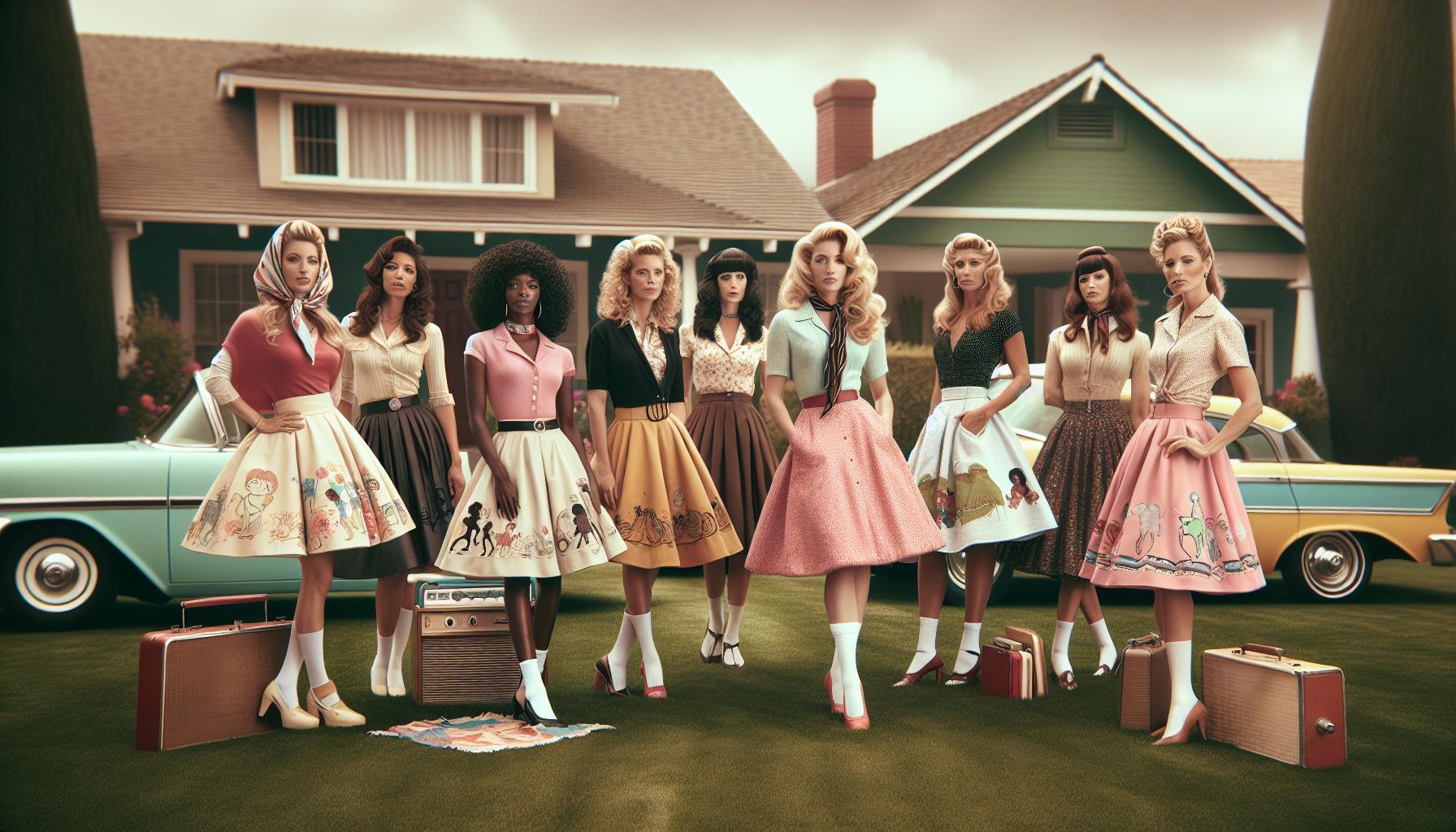
The Rise of Poodle Skirts in the 1950s
The poodle skirt, a playful and stylish garment, epitomized the fashion revolution of the 1950s. Emerging in a post-war society keen to embrace new forms of self-expression, it quickly became a symbol of youthful exuberance and creativity. The iconic design, characterized by its wide circular silhouette and colorful appliqués often featuring poodles or other motifs, provided a fresh contrast to the more conservative styles of previous decades. The invention of the poodle skirt by actress Juli Lynne Charlot marked the beginning of a vibrant trend that encouraged individuality and fun in women’s fashion.
Women and girls across America wore these skirts, twirling them on the dance floors of sock hops and school functions, where the spirit of rock and roll captivated the youth. The skirts, typically crafted from felt, were not only affordable but also allowed for a degree of personalization-either through the choice of patterns or by adding unique embellishments. This accessibility meant that the poodle skirt was not just a fashion statement but also a canvas for creativity. It reflected a shift in societal attitudes, where comfort and self-expression began to take precedence over rigid fashion norms.
As the decade progressed, the poodle skirt became intertwined with the rise of the teenage culture and the burgeoning rock ‘n’ roll scene, symbolizing the rebellious spirit of youth. The skirts were often paired with cardigans, cotton blouses, and saddle shoes, creating a look that embodied both modesty and flair. Street style and media representations, particularly in films and television, cemented the poodle skirt as an essential component of 1950s fashion, inspiring countless imitations and adaptations even in subsequent decades.
In conclusion, was not merely a fleeting fashion trend; it represented a cultural movement toward freedom, fun, and individual expression. The skirts captured the essence of a generation eager to assert its identity and celebrate the joys of youth.
Iconic Fashion Elements of the 1950s
The 1950s were a transformative and eclectic era in fashion, characterized by bold colors, diverse silhouettes, and a playful attitude toward self-expression. One of the standout trends that emerged during this time was the poodle skirt, but it was just one facet of a much larger tapestry of iconic fashion elements that defined the decade. During this period, clothing became a canvas for personal expression and a reflection of the societal shifts taking place, particularly regarding youth culture.
At the heart of 1950s fashion was the concept of youth-centric styles, which emphasized both comfort and flair. Figures like Audrey Hepburn and Marilyn Monroe became fashion icons, influencing styles that included fitted dresses, high-waisted skirts, and classic tailored suits. The New Look, popularized by Christian Dior, featured full skirts accentuated by cinched waists, allowing women to embrace femininity while also encouraging a sense of liberation. This trend resonated deeply, as it coincided with post-war sentiments of optimism and a yearning for social change.
Materials and patterns also played a critical role in defining 1950s fashion. Felt and cotton were the go-to fabrics, making skirts and dresses accessible to the masses. Bright colors, polka dots, and vibrant floral patterns adorned many outfits, exuding a cheerful aesthetic that was emblematic of the era. Additionally, accessories were essential in completing looks, with elements like cat-eye glasses, headscarves, and chunky jewelry enhancing personal style. This focus on accessorizing allowed individuals to express their personalities uniquely, often reflecting broader cultural influences such as the burgeoning rock ‘n’ roll scene.
In terms of footwear, saddle shoes and ballet flats became staples for both casual wear and school attire. The fusion of various styles helped forge a unique identity for the decade; young people took cues from social movements and popular music, often remixing elements to craft their own looks. Overall, the 1950s fashion landscape was ripe with innovative ideas, combining traditional elegance with a youthful spirit that forever changed how clothing was perceived as a form of expression. This vibrant era set the stage for future fashion revolutions, allowing styles like the poodle skirt to thrive amidst a whirlwind of creativity and cultural dynamism.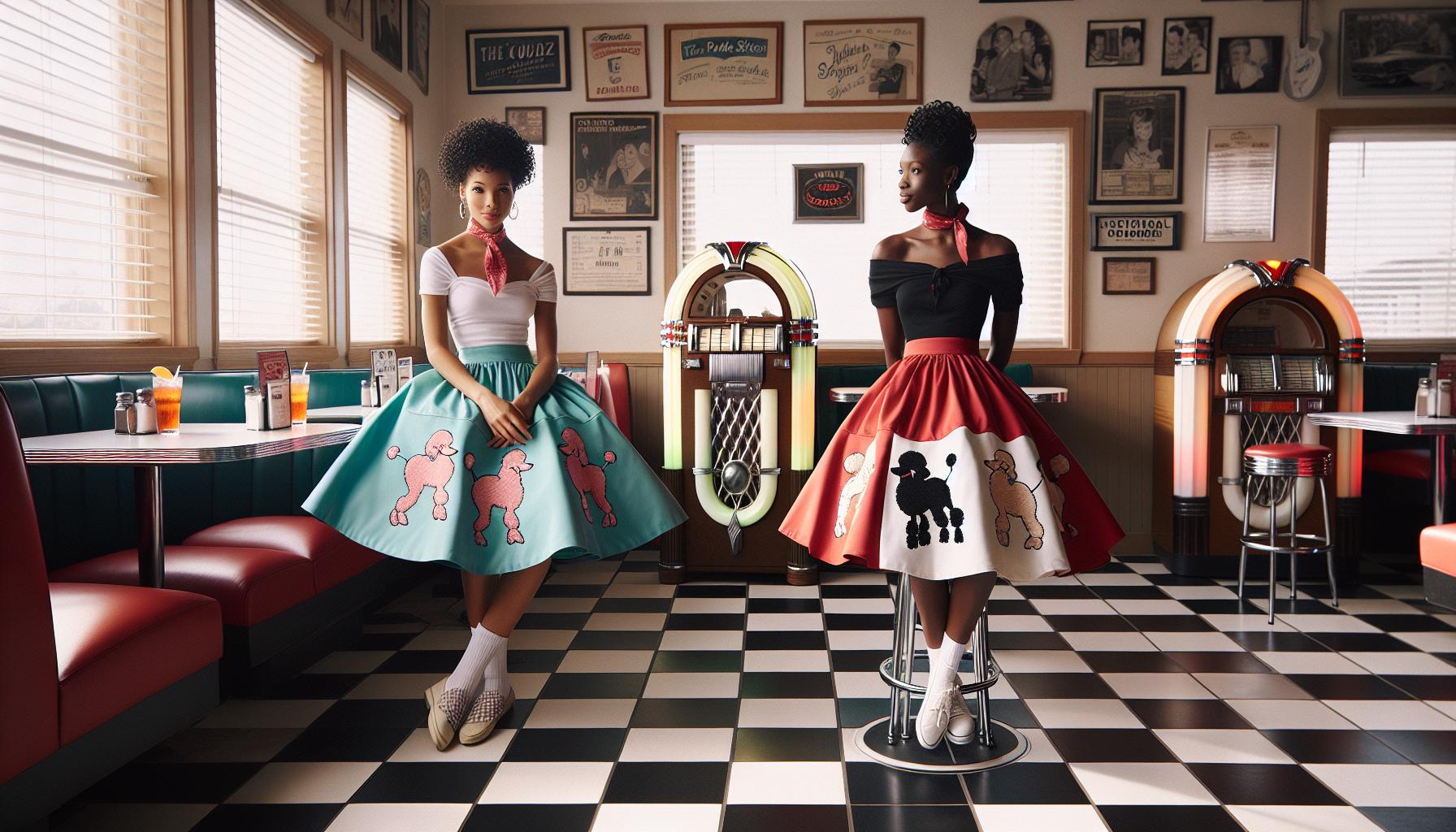
Cultural Significance of Poodle Skirts
The poodle skirt, with its whimsical designs and vibrant colors, became a defining emblem of the 1950s, encapsulating the decade’s spirit of youthful exuberance and social change. Originally popularized by actress and designer Juli Lynne Charlot, these skirts were not merely fashion statements; they represented a cultural shift towards a more playful and self-expressive style. During a time when post-war optimism was on the rise, the poodle skirt allowed young women to boldly assert their individuality amidst conformist pressures, making it a symbol of freedom and creative expression.
The also ties closely to the burgeoning youth culture of the 1950s. As teenagers began to carve out their distinct identities, fashion became a key vehicle for expression. The playful motifs of poodles, often embellished with sequins and embroidery, reflected a generation that was eager to embrace fun, rebellion, and innovation. This was particularly important as American society was beginning to see a clearer demarcation between youth and adulthood; the poodle skirt served as a tangible signifier of the new teenage culture that was emerging, influenced heavily by music, particularly rock ‘n’ roll, and a quest for personal expression.
Furthermore, the poodle skirt transcended fashion by appearing in various media, including films and television, further entrenching its status in popular culture. Young girls aspired to emulate their favorite stars, who often donned these skirts in iconic roles, thereby solidifying the poodle skirt’s influence on the fashion landscape. This intersection of media and fashion played a pivotal role in codifying the social narratives of the time, celebrating youth rebellion and cultural diversification.
In modern fashion, the legacy of the poodle skirt endures, reminding us of a time when clothing spoke volumes about societal transformations and personal freedom. The nostalgic revival of these skirts in contemporary fashion illustrates the timeless appeal of the playful spirit that defined the 1950s, encouraging new generations to explore fashion as a form of artistic and personal expression.
Poodle Skirts vs. Other 1950s Fashions
The poodle skirt stands out vividly against the backdrop of 1950s fashion, not only due to its playful design but also its cultural implications. While other trends of the era, such as the sleek dresses of Christian Dior’s “New Look” or the cropped jackets popularized by youth culture, embodied a more polished aesthetic, the poodle skirt embraced a whimsical and fun spirit. This juxtaposition highlights how the poodle skirt became a vehicle of self-expression, particularly for teens who were beginning to carve their own identities away from adult norms.
One of the defining characteristics of poodle skirts is their unique embellishments, typically featuring appliqué designs that often illustrated playful themes, most notably the iconic poodle. In contrast, the fashionable circle skirts, another staple of the decade, usually showcased vibrant prints or were paired with equally colorful tops but lacked the comedic charm of a poodle motif. While circle skirts offered a broader range of styling options and could be dressed up for more formal occasions, poodle skirts were often seen at sock hops and casual gatherings, resonating deeply with the energetic youth culture of the time.
In exploring footwear, the contrast deepens. The poodle skirt was often worn with saddle shoes-a hallmark of teenage style during the 1950s-promoting a carefree and rebellious image. Conversely, the era also saw the rise of more sophisticated shoe styles, like pointy-toed pumps, that reflected a more adult aesthetic. Such footwear differences complemented the overall vibes of the respective fashions; while the poodle skirt and saddle shoes signaled youthful exuberance, other styles like high heels denoted maturity and sophistication, capturing the duality of the decade’s fashion landscape.
Ultimately, the difference between the poodle skirt and other 1950s fashions lies not just in their aesthetics, but in what they represented. The playful, whimsical nature of the poodle skirt encapsulated the emerging youth culture’s desire for rebellion, individuality, and fun-elements that were not just fashionable, but emblematic of a significant shift in social dynamics. The poodle skirt remains a nostalgic icon, continuously revered for its spirited essence, distinguishing it from other styles that sought to present a more polished and conventional appearance.
How to Style a Poodle Skirt Today
There’s something undeniably joyful about slipping into a poodle skirt, a quintessential piece of 1950s fashion that continues to radiate charm today. When you think of styling this iconic garment, remember that it’s all about embracing the fun and playful spirit that it represents. Whether you’re dressing for a retro-themed event, a casual day out, or simply want to add a touch of nostalgia to your wardrobe, styling a poodle skirt can be as creative and eclectic as you wish.
To create a fantastic look, start with the base: the poodle skirt itself. These vibrant circle skirts typically feature unique appliqué designs, often of a poodle. Pair it with a fitted top to balance the volume of the skirt. A classic white or black turtleneck, a short-sleeved blouse, or even a graphic tee featuring a retro design can work beautifully. The key here is to ensure that the top complements the playful vibe of the skirt without overpowering it.
Accessories Make the Outfit
Accessories are crucial in completing your poodle skirt ensemble. Here are some must-haves:
- Saddle Shoes or Flats: Stick with the classic 1950s saddle shoes or opt for cute ballet flats for a modern twist.
- Belt: A thin, colorful belt can cinch the waist and add a bit of polish to your look.
- Scarves: A neck scarf or hair scarf can provide a fabulous retro flair.
- Jewelry: Simple pearl earrings or a charming charm bracelet can elevate the outfit, keeping it elegant yet fun.
Bring in a playful handbag for an extra pop of color or even a vintage-style clutch to connect with the theme.
Layering Techniques
In cooler weather, layering can add depth to your outfit. Consider wearing a cropped cardigan or a denim jacket over your top. These additions can make the outfit feel more relaxed while still holding onto the 1950s sensibility. For added flair, you might even drape a colorful shawl or a bolero jacket that complements the skirt’s colors.
Embrace Your Personality
Ultimately, styling a poodle skirt today is about expressing yourself while relishing in the nostalgia of a bygone era. Don’t hesitate to incorporate contemporary elements such as bold colors or patterned tights to make it your own. Fashion is all about experimentation, so have fun with it! The modest charm of a poodle skirt is versatile enough to adapt to various styles, from classic to modern chic.
In short, when styling a poodle skirt, remember: it’s about the fun of fashion! Put together pieces that resonate with your personality, and you’ll not only look good; you’ll feel great embodying the spirit of the 1950s.
The DIY Movement: Making Your Own Poodle Skirt
There’s nothing quite like the satisfaction of creating your own fashion piece, and making a poodle skirt allows you to channel the vibrant spirit of the 1950s while adding a personal touch. This iconic skirt embodies creativity, self-expression, and a bit of nostalgia, making it a perfect DIY project. Imagine the joy of spinning in a skirt you crafted yourself, complete with your chosen colors and designs.
To start your DIY journey, you’ll need some basic materials: a large piece of felt or heavy fabric for the skirt body, contrasting fabric for appliqué designs (like the classic poodle), a sewing machine or needle and thread, and some sturdy scissors. The process begins by measuring your waist and deciding on the length-most poodle skirts are mid-calf. Cut a circle skirt using a simple pattern, which you can find online or create by measuring and folding the fabric.
Getting Creative with Appliqué
The distinctive charm of a poodle skirt comes from its fun appliqué designs. Once your skirt shape is cut out, select a poodle design or any motif that reflects your personality. Appliqué can be simple-just a few stitches to attach your shape-or more intricate, with decorative stitches or embellishments. Consider adding a leash made of ribbon that arcs around the skirt’s hem, or incorporate other fun designs like musical notes, stars, or hearts. This is where your imagination can really shine!
Finalizing Your Creation
After your appliqué is securely attached, finish your skirt by adding a waistband. You can use elastic for comfort or a matching fabric to tie everything together. Don’t forget to hem the skirt to prevent fraying, giving your creation a polished look. If you want to add extra flair, you might sew in some crinoline or tulle underneath for that classic swing effect.
Creating your poodle skirt not only offers a fun craft opportunity but also connects you to the playful, stylish essence of the 1950s. Whether you choose bold colors or subtle patterns, each skirt tells a story of creativity and personal style. So gather your supplies and let your imagination run wild-making a poodle skirt is just the beginning of your DIY fashion adventure!
Poodle Skirts in Popular Media and Film
The poodle skirt became a cultural icon in the 1950s, prominently featured in various forms of popular media and film, which played a pivotal role in cementing its status as a defining element of that era’s fashion. One of the most notable representations can be found in the classic 1950 musical film Grease. In this beloved movie, characters are often seen donning poodle skirts, reflecting the playful and rebellious spirit of teenage culture during the decade. The skirts not only added flair to the characters’ outfits but also became synonymous with the rock and roll movement that so heavily influenced youth fashion and music of the time.
Films like American Graffiti also showcase the poodle skirt, interweaving it into narratives that celebrate the joys and trials of adolescence. This movie, set in the early days of rock ‘n’ roll, features a nostalgic look back at youth culture, with poodle skirts representing more than just a fashion trend-they embodied the carefree spirit and vibrancy of 1950s American life. The combination of lively dance scenes and upbeat music highlighted how these skirts contributed to the overall aesthetic of fun and freedom seen in many teenage coming-of-age stories.
Television played its part as well; shows like Happy Days further popularized the look, allowing audiences to relive the exuberant style of the 1950s. The characters often portrayed wearing poodle skirts demonstrated how this apparel became a symbol of youth culture across various platforms. The show’s nostalgic take on the past encouraged viewers to embrace the fashions of the era, inspiring many to recreate these looks in their personal wardrobes.
In today’s pop culture landscape, poodle skirts occasionally make appearances in retro-themed events and costume parties, frequently seen during celebrations such as sock hops or 1950s-themed gatherings. Modern interpretations of the poodle skirt, adorned with new designs and motifs, continue to resonate with fans of vintage fashion. Whether in film, television, or contemporary gatherings, the poodle skirt remains a vibrant reminder of an era defined by its music, energy, and distinctive style.
Influential Designers of the 1950s Fashion Era
The 1950s were a time of remarkable creativity and innovation in the world of fashion, shaped significantly by visionary designers who brought new styles and materials to life. Among these influential figures, the likes of Christian Dior, Coco Chanel, and Hubert de Givenchy stood out, each contributing unique elements that defined the decade’s aesthetic. Dior, for instance, introduced the iconic “New Look” in 1947, which dominated the early 1950s with its emphasize on femininity characterized by cinched waists and voluminous skirts. This silhouette not only aligned perfectly with the playful nature of the poodle skirt but also marked a departure from the more austere wartime fashions.
Coco Chanel made waves with her emphasis on comfort and elegance, promoting designs that allowed women to move freely while still looking chic. Her introduction of casual yet refined clothing altered perceptions of women’s fashion, providing alternatives to the extravagant pieces contemporaneous with the “New Look.” Designers like Chanel encouraged the integration of poodle skirts into everyday attire, transforming them from novelty pieces into wardrobe staples for many young women.
Meanwhile, Hubert de Givenchy’s creations epitomized grace and sophistication, famously dressing Hollywood icons like Audrey Hepburn. His designs often featured simple lines and luxurious fabrics, inspiring interpretations of casual elegance that many embraced during the 1950s. The combination of high fashion and the burgeoning youth culture of that time made poodle skirts synonymous with fun, youthful vibrancy. Furthermore, the designs of lesser-known tailors and seamstresses also played pivotal roles in popularizing the poodle skirt, ensuring it was within reach for the average teenager.
As we reflect on the influential designers of the 1950s, it’s clear that their contributions not only shaped fashion norms but also empowered women to express their individuality, laying the groundwork for the diverse fashion landscape we appreciate today. The creativity and spirit of this era continue to inspire modern fashion, proving that the echoes of the past can resonate beautifully in contemporary style choices.
The Evolution of Women’s Fashion Post-1950s
The 1960s marked a radical transformation in women’s fashion, largely in response to the newfound freedoms and social changes of the era. As the counterculture movement gained momentum, so did a push against the traditional styles that had dominated the previous decade. The poodle skirt and the structured silhouettes typical of the 1950s were gradually replaced by more relaxed and expressive clothing that reflected the spirit of youth and rebellion.
One prominent style that emerged was the shift dress, a simple and easy-to-wear form that liberated women from the confines of tighter fits. This style, often made from colorful patterns or bold solids, encouraged a sense of freedom and movement. As designers like Mary Quant popularized the mini skirt, the shift dress became a canvas for vibrant prints and experimental fashion statements. Young women no longer wanted to adhere strictly to the polished and prim looks of their mothers; they craved designs that were youthful and dynamic.
The Impact of Social Movements on Fashion
The women’s liberation movement played a crucial role in shaping fashion post-1950s. As women sought equality in all aspects of life, including work and social spaces, their clothing began to reflect a more practical and assertive approach. Trousers became fashionable for women, challenging the notion that skirts or dresses were the only acceptable feminine clothing. This shift was symbolized by iconic styles like the tailored pant suit, which conveyed professionalism and strength.
Fashion also became a powerful medium for self-expression during this period. With the rise of subcultures, including mods and hippies, clothing became steeped in personal and political meanings. Elements like tie-dye, floral prints, and bold accessories allowed women to showcase their identities and values. The poodle skirt, once a marker of teenage femininity, faded as these new styles emerged, though it retained a nostalgic charm that many still cherish.
The Influence of Icons and Media
The evolution of women’s fashion from the 1960s onward was also influenced significantly by media and celebrity culture. Icons such as Audrey Hepburn and Twiggy set new standards for beauty and style, inspiring women to experiment with their looks. As television and film increasingly showcased this vibrant clothing, it became easier for young women to emulate their favorite stars, gradually solidifying the separation between traditional and modern fashions.
In the decades that followed, the foundation laid by the poodle skirt and other 1950s styles continued to echo within contemporary fashion. It allowed future generations to return to retro inspirations, blending elements of past trends with today’s expressions of individuality and empowerment, ensuring that the spirit of creativity and freedom born in the 1950s remains influential today.
Collecting Vintage 1950s Fashion: Tips and Tricks
With a vibrant history and nostalgic charm, collecting vintage 1950s fashion can be a delightful journey. One of the most iconic symbols of this era is the poodle skirt, which not only represents a unique style but also evokes memories of sock hops and youth culture. To dive into this world, it’s essential to know the best practices for finding, preserving, and showcasing these timeless pieces.
When starting your vintage collection, it’s crucial to familiarize yourself with the various styles that defined the 1950s. Poodle skirts, circle skirts, and cardigans were popular during this time, so visiting thrift stores, estate sales, or online marketplaces like Etsy can yield unexpected treasures. Online platforms often provide extensive descriptions, so look for sellers who offer details about the item’s history, size, and any unique features. Checking out vintage fashion fairs or local boutiques can also enhance your collection, as these venues often specialize in curated selections from specific eras.
To ensure the longevity of your collected pieces, consider proper care and storage. Always clean items according to their fabric type; for instance, hand wash delicate fabrics or use a dry cleaner for wool or silk. Store garments in a cool, dry place, away from direct sunlight to prevent fading. Using padded hangers or acid-free tissue paper can help maintain their shape and quality. Documenting your collection with photos and notes can also create a personal archive that adds to the historical significance of the pieces.
Lastly, engage with fellow vintage enthusiasts to enrich your collecting journey. Join online communities or local clubs that focus on vintage fashion; sharing experiences, tips, and even clothing can enhance your understanding of this era’s style. They can offer insights on maintenance, ethical sourcing, and even styling advice. Collecting vintage fashion isn’t just about owning items; it’s about preserving a piece of culture that resonates across generations, from 1950s youth to today’s modern fashionistas.
Impact of Poodle Skirts on Modern Fashion Trends
The charm of the poodle skirt from the 1950s extends far beyond its polka-dotted fabric and embroidered designs; it has left a significant mark on modern fashion trends. Today, the playful silhouette of the poodle skirt has inspired contemporary designers who appreciate its nostalgic aesthetic while reinterpreting it for a new audience. This revival is notable not just in vintage-inspired collections but also in casual streetwear, where high-waisted skirts and flared designs frequently make appearances, reminding us of the joy of youthful style.
One of the most engaging elements of modern fashion influenced by poodle skirts is the incorporation of whimsical motifs and nostalgic prints. Designers often pull from the vintage ethos by featuring iconic symbols-such as animals, flowers, and retro graphics-on contemporary skirts and dresses. These playful elements appeal to younger consumers seeking to express their individuality and whimsy in an often serious fashion landscape. Retailers also cater to this trend by creating high-quality, affordable versions that allow anyone to rock a piece of 50s flair without breaking the bank.
Moreover, the DIY spirit has seen a resurgence, with enthusiasts embracing the idea of customizing their skirts, echoing how poodle skirts were originally made. Crafting home-sewn garments using vintage patterns or upcycling old fabrics not only leads to unique creations but also celebrates sustainable fashion practices. Social media platforms like Instagram and TikTok have become vibrant spaces for showcasing these DIY projects, sparking a community of creativity that honors the legacy of 1950s style.
In the realm of themed parties and cultural events, poodle skirts continue to shine as symbols of retro fun, often seen at sock hop-inspired gatherings, dance events, and even in themed bars and cafes. These occasions invite participants to don their best 50s attire and embrace the lively spirit associated with the era, further solidifying the poodle skirt’s place in contemporary fashion narratives. The enduring appeal of these skirts proves that the impact of the 1950s is not just a fleeting trend but a lasting influence that continues to resonate in today’s fashion world.
Events and Instances Celebrating 1950s Fashion
Events celebrating the vibrant fashion of the 1950s, particularly the beloved poodle skirt, are not just moments of nostalgia; they are lively gatherings that revive the spirit of a truly transformative decade. From sock hops to themed parties, these events invite participants to step into a time machine where rock ‘n’ roll music plays, classic cars are on display, and everyone dons their best retro attire, creating an uplifting and communal experience.
One popular event format is the sock hop, where attendees dance to the tunes of the 50s. These gatherings often feature local bands playing popular hits from artists like Elvis Presley and Chuck Berry, encouraging everyone to dance in their best poodle skirts and leather jackets. The atmosphere is electric, filled with laughter and the joy of camaraderie as friends and family come together to celebrate a memorable era of American history. Organizers often include dance contests, giving attendees the chance to showcase their best moves while sporting their vintage outfits.
In addition to dance events, many cities host 1950s-themed festivals that celebrate the decade’s fashion, music, and culture. These festivals can include classic car shows, where vintage vehicles from the 50s are displayed, and where attendees often join in the fun by dressing in period-appropriate outfits. Workshops on creating DIY poodle skirts and other retro clothing items are common, allowing participants to learn and embrace the craftsmanship behind this iconic fashion piece. Many festivals also feature food stalls serving classic diner-style foods, contributing to the immersive experience.
Additionally, themed bars and cafes have popped up in various locations, offering 50s-inspired décor and menu items. These venues often host movie nights featuring classic films from the era, further allowing patrons to dive deep into the nostalgia of the time. Guests are frequently encouraged to dress in their best retro outfits, making for a fun night filled with entertainment, style, and socializing.
Overall, events celebrating 1950s fashion, particularly the poodle skirt, become vibrant community experiences. They breathe life into a nostalgic past, allowing participants of all ages to enjoy and appreciate the distinct style and culture of the era. Whether it’s through dance, fashion, or food, these celebrations remind us of the joy and creativity that characterized the 1950s, fostering a continued appreciation for this iconic fashion statement.
Q&A
Q: When did poodle skirts become popular?
A: Poodle skirts became popular in the 1950s, particularly among teenagers and young women. This fashion trend symbolized the playful and rebellious spirit of youth during that decade, reflecting a broader cultural shift in post-war America.
Q: Why were poodle skirts significant in the 1950s?
A: Poodle skirts were significant in the 1950s as they represented youthful fashion and individual expression. They often featured playful designs, like poodles or other motifs, which resonated with the carefree spirit of the era, making them iconic in American pop culture.
Q: What styles were commonly worn with poodle skirts?
A: Common styles worn with poodle skirts included fitted blouses, cardigans, and saddle shoes. Accessories like scarves, bobby socks, and headbands complemented the look, making it a complete representation of 1950s fashion aesthetics.
Q: Where did poodle skirts originate?
A: Poodle skirts originated in the United States during the mid-20th century, particularly gaining traction in California. They were inspired by the fashion trends of the time and became a staple for girls, especially during sock hop dances.
Q: How did poodle skirts influence modern fashion?
A: Poodle skirts have influenced modern fashion by inspiring vintage-inspired styles and retro parties. Their playful design elements can be seen in contemporary clothing, demonstrating a revival of interest in 1950s fashion aesthetics among newer generations.
Q: What materials were used to make poodle skirts?
A: Poodle skirts were typically made from felt, which gave them body and structure. The felt was often embroidered or appliquéd with poodle designs or other motifs, highlighting both craftsmanship and creativity in their design.
Q: Were poodle skirts worn by both girls and women?
A: Yes, poodle skirts were primarily worn by girls and young women during the 1950s. However, the simplicity and charm of the skirts also attracted adult women during themed parties and events, showcasing their wide appeal.
Q: How can I style a poodle skirt for a modern look?
A: To style a poodle skirt for a modern look, pair it with a fitted graphic tee or a denim jacket. Accessories like modern sneakers and statement jewelry can update the outfit while maintaining a nod to its vintage roots. For more styling ideas, check out the section on “How to Style a Poodle Skirt Today.”
To Conclude
As we wrap up our exploration of poodle skirts and their vibrant place in 1950s fashion, remember that this iconic piece of clothing not only represents a fun, retro style but also a significant cultural moment. If you’re looking to dive deeper into the historical context or trends of the era, check out our articles on 1950s fashion trends and the evolution of women’s styles over the decades.
Feeling inspired to embrace the poodle skirt trend? Don’t miss our DIY guide on creating your own vintage outfit or browse our curated list of top vintage sellers to find the perfect addition to your wardrobe. Whether you’re planning a themed party or simply want to incorporate this fabulous style into your daily wear, there’s no better time to step out in vintage glam!
Join our community by signing up for our newsletter, and stay updated with tips, tricks, and trends that’ll keep your style fresh! We’d love to hear your thoughts-share your favorite poodle skirt memories or fashion questions in the comments below! Your journey into the fabulous world of 1950s fashion begins now, so let’s keep the conversation going and celebrate this stylish era together!