Welcoming a Labradoodle puppy into your home is both an exciting and life-changing experience! These lovable, energetic companions thrive on love, care, and the right supplies. As a new dog owner, you might find yourself wondering, “What do I really need to ensure my pup is happy and healthy?” The right essentials can set the stage for a joyful journey filled with wagging tails and playful antics. From high-quality food to cozy beds and grooming tools, having the appropriate items not only guarantees your furry friend’s comfort but also eases the transition into your family.
Jump into our guide as we explore the must-have items that will help you create a loving and safe environment for your Labradoodle puppy. Let’s ensure you’re fully equipped to make the most of this wonderful new chapter!
Choosing the Right Puppy Supplies for Your Labradoodle
Bringing home a Labradoodle puppy is an exciting adventure, but it also comes with the responsibility of providing the right supplies to ensure your furry friend’s well-being and happiness. Labradoodles, being a mix of Labrador Retrievers and Poodles, are known for their friendly demeanor and energetic nature, which means they require an array of supplies that cater to their unique needs. Making informed choices about what to buy can set the stage for a smooth transition into your home and help you bond with your new companion from day one.
When selecting supplies, start with the essentials: crates for a safe space and comfort, collars that fit properly, and leashes that are durable for outdoor adventures. Consider getting a pet insurance plan to safeguard against unexpected vet bills, as these can arise with any new puppy. Don’t forget grooming aids, as Labradoodles typically require regular brushing to maintain their curly coats. Products like slicker brushes and combs are essential for keeping their fur free of mats. Referencing lists from trusted sources can help ensure you don’t overlook any crucial items you’ll need as you prepare for your new arrival.
Moreover, potty training supplies, such as puppy pads, can make early potty training easier. It’s also a good idea to stock up on cleaning supplies, as messes are an inevitable part of puppyhood. Whether they’re toys for chewing, interactive toys to stimulate their playful minds, or comfortable dog beds for their naps, each selection contributes to a nurturing environment. A thoughtful selection of supplies not only promotes your Labradoodle’s health and happiness but also enhances your experience as a responsible pet owner, helping you forge a meaningful bond with your new best friend.
Essential Health Products for Your New Puppy
When you welcome a Labradoodle puppy into your home, their health should be your top priority. By equipping yourself with essential health products, you can ensure your new furry friend starts off on the right paw. Investing in high-quality health products doesn’t just protect your puppy; it also fosters a strong bond between you and your Labradoodle as you work together to keep them healthy and happy.
Understanding the right health products for your Labradoodle is crucial. Start with a reliable puppy vaccination schedule. Ensure you have a comprehensive pet health record that tracks vaccinations, deworming, and flea and tick prevention. Regular vet visits and a good pet insurance plan can ease the financial burden of unforeseen health issues, allowing you to focus more on spending quality time with your puppy. It’s beneficial to locate a vet who understands the specific health concerns for Labradoodles, such as hip dysplasia and ear infections, which are more prevalent in this breed.
In addition to regular healthcare products, you’ll want basic first aid supplies. A well-stocked first aid kit can be a lifesaver for minor injuries or emergencies. Consider including the following items in your kit:
- Gauze and adhesive tape
- Antiseptic wipes or solution
- Digital thermometer
- Twisting bandage or elastic bandage
- Hydrogen peroxide (for wound cleaning)
- Reflective emergency blanket
Having this kit on hand means you’re prepared for anything, ensuring your Labradoodle receives prompt care when needed.
Lastly, don’t underestimate the importance of dietary health. Choose a high-quality puppy food formulated specifically for medium to large breeds, as Labradoodles grow rapidly and require balanced nutrition. Consulting with your veterinarian about the best food options and portion sizes can set your Labradoodle up for a long, healthy life. Integrating these health products and practices into your puppy’s routine not only promotes their wellbeing but also helps establish a solid foundation for your life together.
Feeding Guidelines: Nutrition for Labradoodle Puppies
When it comes to the nutrition of a Labradoodle puppy, understanding their specific dietary needs is crucial for fostering healthy growth and development. Labradoodles, being a mix of Labradors and Poodles, can grow to be medium to large-sized dogs, which means they require a nutritionally balanced diet tailored to their unique needs during this critical growth phase.
Start with high-quality puppy food that is specifically formulated for medium to large breed puppies. Look for an option with *real meat* as the first ingredient, as protein is essential for muscle development. Additionally, it’s vital to ensure that the food is rich in essential fatty acids, especially Omega-3 and Omega-6, which support skin health, coat shine, and overall vitality. Avoid foods that contain fillers like corn and soy, which provide little nutritional value and can sometimes lead to allergies or digestive issues.
Feeding Schedule
Puppy feeding schedules are essential for regulating your Labradoodle’s appetite and ensuring they receive the nutrients they need at every stage of growth. During the first few months, aim to feed your puppy three to four small meals each day rather than one or two large ones. This approach helps stabilize their energy levels and prevents overeating, which can cause digestive issues.
Over time, as your puppy grows and their caloric needs change, you can gradually reduce the number of meals to two per day. Always consult your veterinarian before making changes to your puppy’s diet, as they can provide guidance based on your puppy’s weight and activity level.
Portion Control and Adjustments
Setting the right portion sizes can be tricky, particularly because Labradoodles can vary greatly in size and activity level. Most premium puppy foods provide feeding guidelines based on weight and age. Always adhere to these guidelines but adjust as necessary. For example, if your puppy is particularly active, they may require slightly more food than recommended. Monitor their weight weekly, and use a scale to help maintain a healthy body condition.
It’s also wise to incorporate healthy snacks and treats into their diet but do so in moderation. Treats should never exceed 10% of their daily caloric intake, and opting for healthy, low-calorie options can help maintain their weight.
Common Dietary Concerns
As you embark on this feeding journey, be aware of common dietary concerns. Labradoodles are generally prone to certain allergies, so introducing new foods slowly can help identify any sensitivities. If you notice signs like an itchy coat or frequent ear infections, consult your veterinarian about potential food allergies or dietary modifications.
Consistency, quality, and observation are key to ensuring that your Labradoodle puppy has a balanced and nutritious diet. By working closely with your veterinarian and tuning in to your puppy’s individual needs, you can lay the groundwork for a healthy, happy life together.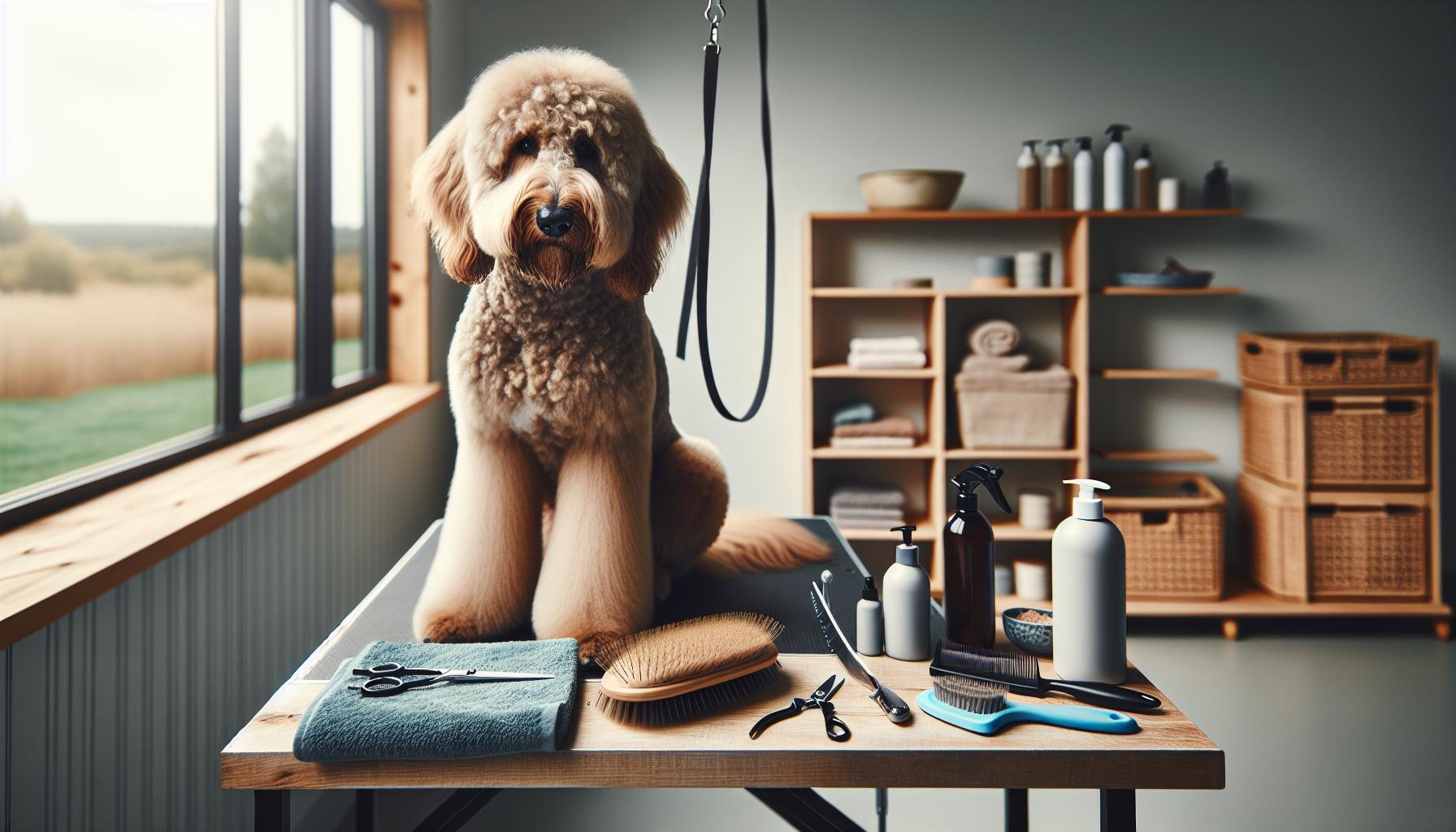
Grooming Must-Haves for Labradoodle Care
Taking care of your Labradoodle’s coat is an essential aspect of their overall health and happiness. With their delightful combination of Poodle and Labrador genes, Labradoodles typically exhibit a range of coat types, from wavy to curly, which means their grooming needs can vary but always require attention. Here’s how you can equip yourself with the right tools to keep your dog’s coat looking its best while maintaining skin health.
Start with a good quality slicker brush, which is invaluable for detangling and removing loose hair. This brush can go deep into the coat, allowing you to keep your Labradoodle’s fur looking fluffy and well-groomed. It’s also essential to have a wide-toothed comb at your disposal, especially as your puppy reaches the adolescent stage and begins to grow their adult coat. This combination will help you gently work through tangles without damaging the hair-always remember to brush from the skin outwards, holding the skin taut to avoid discomfort [1].
Regular grooming sessions are a must to prevent matting, which can be particularly troublesome in a Labradoodle’s coat. Aim to brush your dog at least two to three times a week, but daily brushing is ideal, especially during shedding periods. This routine will not only help maintain their coat but also provide a wonderful bonding experience between you and your furry friend. If you encounter any knots, approach them gently by patting the hair and working from the end of the mat towards the base to minimize pulling [2].
Bathing is another integral part of your Labradoodle’s grooming regime. Aim for a bath every 6-8 weeks unless they get particularly muddy or stinky. Use a dog-specific shampoo that suits their coat type and is gentle on the skin. Conditioner can also help in maintaining the softness and healthiness of the coat. After bathtime, ensure you thoroughly dry the coat, especially if your pup has a thicker coat, as moisture left in can lead to skin issues and unpleasant odors.
Lastly, don’t forget about accessories like nail clippers, ear-cleaning solutions, and toothbrushes tailored for dogs. Regular nail trimming prevents overgrowth and discomfort, while routine ear checks can help you catch any infections early. A proper dental care routine will contribute to your Labradoodle’s longevity and health as well. By being proactive in your grooming approach, you’re not just enhancing your dog’s appearance but also contributing to their overall well-being.
Creating a Safe Space for Your Labradoodle
Creating a secure and inviting environment for your Labradoodle is essential for their well-being and comfort. Labradoodles thrive in spaces where they feel safe and can explore their natural curiosity without getting into trouble. Since they are intelligent and social dogs, establishing a designated space can help reduce anxiety and encourage positive behaviors.
Start by selecting a cozy area in your home, preferably away from high-traffic zones and loud noises. This could be a quiet corner of a room or even a designated room where they can have their bed, toys, and water. Be sure to use a comfortable bed made from a soft material that supports their joints, as Labradoodles can be prone to certain health issues like hip dysplasia. Consider using items that are easily washable, ensuring that their space remains clean and hygienic (essential for both health and comfort).
When setting up their area, be sure to eliminate any hazards. Secure electrical cords, remove breakable items, and ensure that any plants are non-toxic to dogs. Additionally, while puppies are naturally curious and tend to chew on various objects, it’s wise to provide a selection of safe chew toys designed specifically for them. These toys can help satisfy their natural urge to gnaw and can also play a crucial role in their teething process.
For added safety, consider using baby gates to restrict access to certain areas of your home. This prevents your Labradoodle from wandering into potentially dangerous spaces, such as kitchens or staircases. Alternatively, a crate can serve as both a secure retreat and a vital tool for house training. Ensure the crate is appropriately sized-large enough for your puppy to stand, turn around, and lie down comfortably, but not so large that it encourages them to eliminate in one corner and sleep in another.
Lastly, consider incorporating a few personal touches to make the space theirs. Adding familiar items like a blanket or a favorite toy can enhance their comfort level and provide a sense of security. Remember, creating a safe space is about more than just physical safety; it’s also about providing a nurturing environment that fosters a strong bond between you and your Labradoodle, encouraging happy and confident behavior as they grow.
Training Tools Every New Owner Should Have
To raise a happy and well-trained Labradoodle, having the right training tools at your disposal is essential. Effective training tools help reinforce positive behavior, make learning enjoyable for your puppy, and create a solid foundation for lifelong companionship. With Labradoodles being intelligent and eager to please, selecting tools that suit their unique traits will significantly enhance your training experience.
One of the most beneficial tools is a clicker. Clicker training utilizes a distinct sound to mark the exact moment your puppy does something right, aiding them in making connections between their actions and the desired behavior. This method is particularly effective for Labradoodles, who thrive in an environment that combines mental stimulation and positive reinforcement. Pair the clicker with high-value treats to motivate your puppy during training sessions.
Equipping yourself with a good leash and collar or harness is equally important. Since Labradoodles are known for their energy and enthusiasm, a sturdy but comfortable harness is often recommended. It provides better control during walks and helps to prevent pulling. Look for adjustable designs to ensure the perfect fit as your puppy grows. Additionally, consider using a long leash when practicing recall at the park, giving your Labradoodle the freedom to explore, while still maintaining control.
A treat pouch can be a game changer during training. It allows you to keep treats handy for immediate reinforcement without fumbling through your pockets. This setup encourages consistency in rewarding good behavior, which is crucial during the early stages of training.
Finally, invest in a variety of training toys. Interactive toys promote mental engagement and help redirect unwanted behaviors. Look for chew toys that can withstand a Labradoodle’s powerful jaws while also being safe and non-toxic. Toys that encourage problem-solving, such as treat-dispensing balls, can keep your puppy entertained and mentally stimulated when you’re busy.
By assembling these tools, you’ll be well-equipped to foster positive habits and build a respectful relationship with your Labradoodle. Consistency and patience, combined with the right training tools, will set the stage for a well-behaved and happy canine companion.
Socialization Tips and Toys for Boosting Confidence
Early socialization is essential for a Labradoodle puppy, as it lays the groundwork for a confident, well-adjusted adult dog. Research shows that puppies experiencing a variety of positive interactions with people, environments, and other animals during their critical development stages are less likely to develop behavioral issues. It can be as simple as introducing your puppy to new sights, sounds, and experiences, which will help them learn to navigate the world with assurance.
One effective method for socialization is to create enjoyable experiences through small, controlled introductions. Start by inviting friends over to meet your puppy or taking them to a puppy kindergarten class where they can interact with other dogs. Keeping these interactions short and positive can prevent your puppy from feeling overwhelmed. Remember, tossing treats while they explore or meet new acquaintances creates a favorable atmosphere and strengthens their association with new experiences as positive events.
Additionally, incorporating a variety of toys designed for socialization can play a crucial role in a Labradoodle’s confidence-building journey. Look for interactive toys that require your puppy to engage in problem-solving, such as treat-dispensing puzzles or tug toys that encourage playful social interaction with you or other dogs. This not only enhances their cognitive skills but also facilitates bonding moments that help establish trust between you and your puppy.
Finally, outdoor adventures such as trips to the park can provide new opportunities for exploration. Equip your puppy with a secure harness and a long leash that offers both safety and freedom to roam. Gradually introduce them to different environments: bustling streets, serene nature trails, or busy sidewalks. Each positive encounter further reinforces their ability to adapt, boosting their confidence and reducing anxiety in new situations as they grow. By prioritizing socialization and providing the right toys and experiences, you are investing in a happy and well-adjusted Labradoodle.
Traveling with Your Labradoodle: Gear Essentials
When you’re ready to hit the road with your Labradoodle, having the right travel gear is crucial for both their safety and your peace of mind. Labradoodles are spirited, intelligent dogs that love to explore, but their comfort and well-being during travel should always come first. Whether you’re planning a weekend getaway or a cross-country road trip, let’s dive into the essential items you should consider for a smooth journey.
First and foremost, a well-ventilated travel crate is essential for safely transporting your Labradoodle. It provides a secure space where they can relax while also protecting them in case of sudden stops. Ensure the crate is large enough for your puppy to sit up, turn around, and lie down comfortably. For longer trips, consider a car seat cover or a dedicated dog car hammock to keep your vehicle clean and give your dog a cozy spot to lie down.
Another crucial item is a harness and leash system. Unlike traditional collars, a harness distributes pressure more evenly and is much safer for active dogs, especially during sudden stops. Opt for a harness that is adjustable and fits them snugly, preventing any escape attempts. Pair this with a cotton leash that offers both durability and comfort when you take breaks to stretch your legs and explore new areas together.
As Labradoodles enjoy hydration and nutrition just like humans, it’s wise to pack a portable water bowl and travel-friendly food containers. Look for collapsible bowls that take up minimal space. Prepackaged dog food in resealable bags makes feeding on the go easy and mess-free. Additionally, bring along their favorite treats to reinforce good behavior during travel and to reward them for their patience.
Don’t forget some comfort items-familiar blankets or toys can help reduce anxiety during travel. Having something that smells like home can be incredibly reassuring for your Labradoodle and can help them feel more secure in new environments. Finally, having a first aid kit specifically tailored for pets is a responsible precaution. Include essentials like bandages, antiseptic wipes, and any medications your puppy might need.
By equipping yourself with these essential travel items, you’re paving the way for a fun, safe, and memorable adventure with your furry friend! Happy travels!
Understanding Lifespan Health Needs for Labradoodles
Ensuring a long and healthy life for your Labradoodle begins with understanding their unique health needs throughout different stages of their life. This breed, a cross between the Labrador Retriever and the Poodle, tends to inherit both positive traits and potential health concerns from its parent breeds. Consequently, awareness of common issues will empower you to provide proactive care.
One of the significant health concerns in Labradoodles is hip dysplasia, a hereditary condition where the hip joint does not fit properly into the hip socket. This condition can lead to arthritis and pain as they age, so regular veterinary checkups are essential. Additionally, maintaining a healthy weight through proper diet and exercise can significantly reduce the risk of developing joint issues. A balanced diet that’s appropriate for their age can make a world of difference, especially in puppies that are still growing.
Labradoodles are also susceptible to certain genetic conditions that can affect their lifespan, such as progressive retinal atrophy and allergies. Routine eye examinations and a watchful eye for any changes in your dog’s behavior can help catch problems early. Allergies may manifest as skin irritations or gastrointestinal issues, and sometimes, a simple change in diet or environment can alleviate these symptoms.
As your Labradoodle ages, focus on preventive care and routine vet visits to monitor their health. Regular dental cleanings, vaccinations, and parasite prevention are essential. Additionally, incorporating activities to stimulate their mind and body will not only support a healthy lifestyle but can also help prevent cognitive decline in their senior years. Remember, the bond you build through training and socialization can significantly enhance their overall well-being.
By staying informed about the potential health risks and adapting their care needs throughout their life stages, you can contribute to a longer, happier life for your Labradoodle. Consider keeping a health journal to track vaccinations, dietary changes, and any health concerns that arise, as this can be incredibly helpful during vet visits. With each thoughtful decision, you’re not just caring for a dog; you’re nurturing a lifelong companion.
Budgeting for Long-Term Care of Your Labradoodle
Calculating the cost of caring for a Labradoodle can be as multifaceted as their charming personalities. From food and routine veterinary services to unexpected medical expenses, budgeting for your new furry friend is crucial in ensuring they receive the best care without financial strain. While every pet’s needs will vary, having a comprehensive understanding of potential costs will help establish a sound financial foundation for your Labradoodle’s long-term care.
A great starting point is to break down the essential expenses into categories, giving you a clearer picture of where your budget will be utilized over time. Here are some key areas to consider:
Essential Expenses
- Food: Quality kibble appropriate for your puppy’s developmental stage can range from $40 to $100 monthly. Always opt for high-protein, low-grain options to support their growth.
- Routine Veterinary Care: Routine check-ups, vaccinations, and preventative care can total $200 to $600 per year. This includes spaying/neutering, and essential treatments to prevent diseases.
- Grooming: Labradoodles often require regular grooming to maintain their beautiful coats. Professional grooming can cost anywhere from $50 to $150 every 2-3 months, alongside at-home grooming supplies.
- Training: Investing in professional training classes can cost roughly $150 to $500, depending on the type of training (group classes or private sessions) and your location.
- Insurance: Pet insurance can offer peace of mind and might cost between $30 to $70 per month, especially considering potential breeds-specific health issues.
Variable Expenses
Budgeting also needs to consider the less predictable expenses, which often arise unexpectedly. This can include:
- Emergency Vet Visits: Always have a financial buffer or pet savings account in case emergencies arise; these costs can range from $500 to several thousand, depending on the situation.
- Supplies: Items like leashes, bowls, toys, and bedding will amount to an initial setup cost of about $150 to $300.
Prudent financial planning and awareness of these expenses can significantly enhance your Labradoodle’s quality of life. Consider building a monthly budget that sets aside funds for both expected and unexpected costs, allowing you to focus less on finances and more on building a joyful relationship with your new companion. After all, fostering their happiness and health is a particularly rewarding investment!
Essential Socialization and Activity Needs
Every Labradoodle is a playful bundle of joy, bursting with energy and curiosity. To nurture this vivacious spirit, it’s essential to meet their socialization and activity needs from a young age. Engaging your Labradoodle in various social settings and providing ample physical exercise not only helps in developing their confidence but also fosters a well-mannered companion who thrives in different environments.
A critical aspect of your puppy’s upbringing is socialization. Start early by introducing them to diverse people, places, and other animals. Aim to expose your Labradoodle to at least five new experiences each week. This could include trips to the park, visits with friends’ pets, or simply walks around the neighborhood where they can encounter different sights and sounds. Such exposure helps them learn to navigate the world without fear, building their confidence and reducing anxiety in new situations. Positive experiences during these important formative weeks can make a significant difference in their temperament as adults.
Physical activity is just as crucial. This breed is known for its playful and active nature, so regular exercise is a must to keep them healthy and happy. Aim for at least one hour of activity each day. This can be broken into two or three sessions, including walks, playtime in the yard, or interactive games like fetch. Consider also incorporating mentally stimulating toys or puzzles, which can keep their sharp minds engaged. Not only does this routine keep them fit, but it also strengthens the bond between you and your Labradoodle, turning exercise into a fun, shared experience.
To maximize your puppy’s social and activity opportunities, you might also consider enrolling them in puppy classes. These classes provide structured environments for socialization and basic training, teaching important skills while allowing for fun interactions with other dogs. As your Labradoodle grows more comfortable, you can explore dog parks or playdates, which serve as fantastic venues for both socialization and exercise. So, lace up those walking shoes and grab some treats-the journey to raising a confident, well-adjusted Labradoodle begins with you!
Building a Relationship: Bonding with Your Labradoodle
Building a bond with your Labradoodle is not just an important part of dog ownership; it’s truly a heartwarming journey that transforms both you and your puppy. Labradoodles are known for their affectionate and intelligent nature, which makes them eager to form connections with their humans. Right from the moment they come home, intentional efforts can pave the way for a lifelong friendship.
Start by spending quality time with your new puppy, engaging in activities that they enjoy. Whether it’s a romp around the yard, participating in interactive games like tug-of-war, or simply cuddling on the couch, every moment counts. Use positive reinforcement during training sessions to encourage good behavior while rewarding them with treats and praise; this not only instills basic commands but also strengthens the trusting relationship between you two. As you both grow familiar with each other’s personalities, you’ll discover what excites your Labradoodle the most, whether that’s a favorite toy or a beloved park path.
Consistent Routines and Socialization
Establishing a consistent routine is another crucial element in bonding with your Labradoodle. Dogs thrive on predictability; having regular feeding times, walks, and play periods helps them feel secure. Incorporate socialization opportunities into your routine where your puppy can meet new people and other dogs. This exposure is vital for their development and helps them learn how to navigate various social situations. For example, try joining a puppy class, where not only will your puppy learn important skills, but they’ll also interact positively with their peers, fostering a broader sense of community.
Creating Lasting Memories
Don’t forget to capture your moments together! Take photos or keep a journal of your puppy’s milestones to document your journey. Reflecting on these moments will not only fill your heart with joy but can also help track their progress and development. Remember, bonding takes time, patience, and a lot of exuberant play!
By embracing this unique journey of connection with your Labradoodle, you not only develop a loyal companion but also enrich your own life. Whether it’s through play, training, or quiet moments of affection, the bond you create will provide endless joy and fulfillment. It’s a rewarding adventure, so keep your heart open; the love you give will be reciprocated tenfold by your sweet Labradoodle.
Frequently asked questions
Q: What is the best food for a Labradoodle puppy?
A: The best food for a Labradoodle puppy is a high-quality, balanced diet specifically formulated for large breed puppies. Look for options rich in protein and essential nutrients to support growth and development. Consult your vet for personalized recommendations based on your puppy’s health and activity level.
Q: When should I start training my Labradoodle puppy?
A: Start training your Labradoodle puppy as soon as you bring them home, generally around 8 weeks old. Early socialization and basic obedience training are crucial for a well-behaved adult dog. Use positive reinforcement methods to make learning enjoyable.
Q: How often should I groom my Labradoodle?
A: Groom your Labradoodle at least every 4 to 6 weeks to maintain healthy fur and skin. Regular brushing, at least twice a week, is also essential to prevent matting. Be sure to use the appropriate grooming tools for their curly or wavy coat.
Q: How can I socialize my Labradoodle puppy?
A: Socialize your Labradoodle puppy by exposing them to various environments, people, and other animals. Arrange playdates and take them on walks in different locations. The critical socialization window is between 3 to 14 weeks, so start early for the best results.
Q: What toys are best for a Labradoodle puppy?
A: Durable chew toys and interactive puzzle toys are best for Labradoodle puppies. They have high energy and love to chew, so providing various options will keep them entertained and mentally stimulated. Always opt for safe, non-toxic toys.
Q: How can I crate train my Labradoodle puppy effectively?
A: To crate train your Labradoodle puppy effectively, introduce the crate as a positive space using treats and praise. Gradually increase the time your puppy spends inside the crate and never use it as punishment. Ensure the crate is a comfortable retreat for them.
Q: What are common health issues in Labradoodle puppies?
A: Common health issues in Labradoodle puppies include hip dysplasia, ear infections, and allergies. Regular veterinary check-ups and vaccinations are crucial for early detection and prevention. Discuss any specific concerns with your veterinarian based on your puppy’s lineage.
Q: What should I budget for my Labradoodle puppy’s first year?
A: Budgeting for your Labradoodle puppy’s first year should include costs for food, veterinary care, vaccines, grooming, training classes, and supplies. Expect to spend approximately $1,000 to $2,500, depending on your location and choices. It’s helpful to have a detailed budget plan to manage expenses.
Insights and Conclusions
As you embark on the exciting journey of welcoming a Labradoodle puppy into your home, remember that having the right essentials will set the foundation for a happy and healthy life together. From food bowls to cozy beds, each item plays a key role in your new companion’s wellbeing. Don’t wait to gather your supplies-start shopping now to ensure you’re fully prepared as your adorable pup arrives!
If you’re eager for more insights, check out our guides on training methods and puppy-proofing your home. Also, consider subscribing to our newsletter for ongoing tips and tricks tailored to Labradoodle care. Have questions or experiences to share? We love hearing from our community, so drop a comment below and connect with fellow dog lovers. Your journey is just beginning, and together, we can make it incredible!