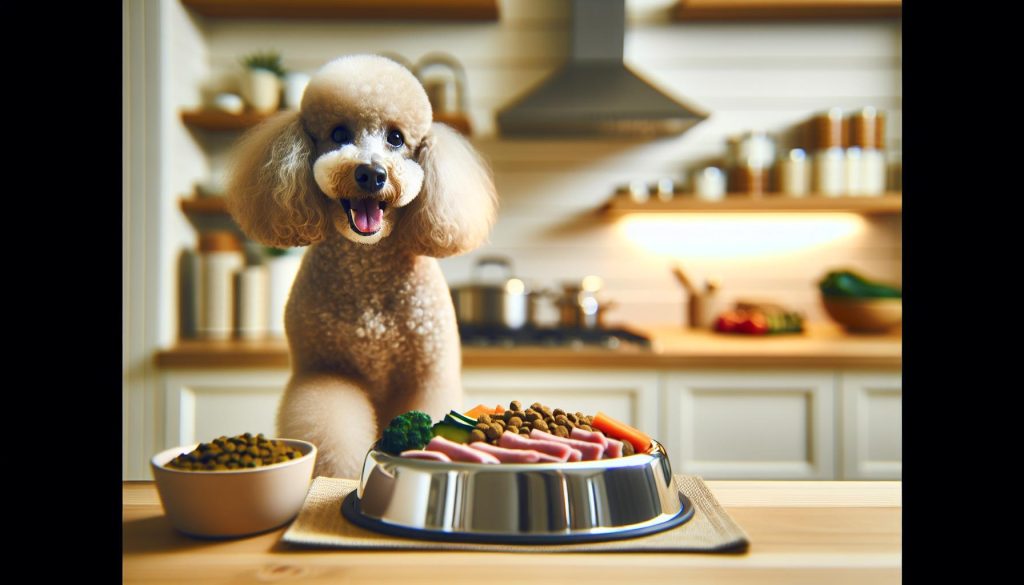
Did you know that the right diet can make a world of difference in your poodle’s health and happiness? Poodles, with their vibrant personalities and intelligence, thrive when fed a balanced diet specifically tailored to their unique nutritional needs. Understanding what poodles eat is crucial for every owner, whether you’re a new puppy parent or an experienced handler. High-quality ingredients like real meat, vegetables, and healthy fats are essential for maintaining their energy levels, shiny coats, and overall well-being. In this guide, we’ll explore the complete dietary requirements for poodles, ensuring you have the tools to provide your furry friend with a delicious and nutritious diet. Get ready to dive into the fascinating world of poodle nutrition and discover how the right food contributes to their long, happy lives!
Understanding Poodle Nutritional Needs
Every Poodle, from the energetic Standard to the petite Toy, requires a balanced diet tailored to their unique needs. Understanding the nutritional requirements of these intelligent and active dogs is essential for their overall health and longevity. The foundation of a proper diet lies in grasping what Poodles need nutritionally, as it directly influences their energy levels, coat health, and even behavior.
Poodles thrive on a diet rich in high-quality protein, essential fatty acids, and an appropriate balance of carbohydrates. Proteins, derived from sources such as chicken, fish, and eggs, furnish the amino acids necessary for muscle development and maintenance, supporting their agile and active lifestyle. Additionally, essential fatty acids, including omega-3s, play a crucial role in promoting a healthy coat and skin, reducing dryness and irritation.
Incorporating complex carbohydrates, like sweet potatoes or brown rice, provides sustained energy and aids digestion, ensuring that your Poodle remains active without unnecessary weight gain. It’s important to avoid fillers like corn and soy, which offer little nutritional value. Ensuring variety and balance in your Poodle’s diet will not only serve their physical health but also contribute to their emotional well-being, as a well-fed dog is often a happier dog.
Finally, it’s wise to consult with your veterinarian when developing a feeding plan tailored to your Poodle’s life stage, lifestyle, and any specific health concerns. They can help evaluate the best food options and portion sizes to fit your Poodle’s individual requirements, ensuring healthy growth, longevity, and vitality.
Essential Nutrients for Poodles’ Health

Every Poodle, from the lively Standard to the charming Toy, flourishes on a diet that caters to their specific nutritional needs. High-quality nutrition not only fuels their energetic play but also supports vital bodily functions, promotes a lustrous coat, and enhances overall well-being. To ensure your Poodle thrives, it’s essential to understand the core nutrients that form the backbone of their health.
First and foremost, protein is paramount. Your Poodle requires a diet rich in high-quality protein sources such as chicken, fish, and eggs. These proteins provide essential amino acids necessary for muscle development and maintenance, which is particularly important for their active lifestyle. Moreover, proteins contribute to a healthy immune system and aid in repairing tissues, making them a critical part of any Poodle’s diet.
Next, incorporating essential fatty acids, particularly omega-3 and omega-6, is crucial for sustaining your Poodle’s skin and coat. These fatty acids help reduce inflammatory responses in the body and promote a shiny, healthy coat, minimizing issues like dryness and irritation. Foods such as fish oil or flaxseed are excellent sources of these beneficial fats. Additionally, complex carbohydrates from sources like sweet potatoes and brown rice provide sustained energy, allowing your Poodle to remain active and engaged throughout the day without risking unnecessary weight gain.
While focusing on these vital nutrients, it’s also vital to avoid fillers often found in dog food. Ingredients like corn and soy not only provide little nutritional value but can also lead to obesity and other health issues. Thus, always check ingredient lists and opt for dog foods that prioritize natural, whole ingredients. By being attentive to your Poodle’s dietary needs, you’ll help them lead a joyful, vibrant life, further cementing the bond between you and your beloved pet.
Best Dog Food Options for Poodles

When it comes to feeding your Poodle, choosing the right dog food can make a huge difference in their overall health, energy levels, and happiness. Poodles are known for their intelligence and playful demeanor, but their dietary needs are just as important as their energetic lifestyle. A well-balanced diet tailored to their specific nutritional requirements will not only keep your pup healthy but also support their vibrant personality.
The should prioritize high-quality protein sources. Look for foods that list real meat, such as chicken, beef, or fish, as the first ingredient. These proteins are essential for building and maintaining muscle, especially in active Poodles. Additionally, the incorporation of omega fatty acids from sources like salmon oil is vital for promoting a luscious coat and healthy skin, which can help mitigate common Poodle-specific issues such as dryness and irritation.
Many specialized dog food brands acknowledge the unique dietary needs of Poodles. For instance, Dr. Gary’s Best Breed Poodle Dog Diet is formulated specifically for this breed, focusing on nutrients suited to their requirements [2]. When selecting a dog food, always avoid fillers like corn or soy, which contribute little nutritional value and can lead to health issues over time. Instead, opt for grain-free or high-quality grain options that include wholesome ingredients such as sweet potatoes or brown rice for sustained energy.
Consider your Poodle’s age, size, and any specific health needs as you decide on the best food. Puppies, adults, and seniors all have differing energy levels and dietary requirements. Brands often provide options tailored to these life stages, ensuring that essential nutrients are included for optimal growth or maintenance. By providing a tailored diet that respects your Poodle’s unique characteristics, you’re setting them up for a happy, healthy life filled with joyful moments.
Homemade Diets: Pros and Cons for Poodles

When considering your Poodle’s diet, the prospect of preparing homemade meals can be both enticing and daunting. Many pet owners are drawn to the idea of cooking for their furry friends, believing it allows for better control over ingredients and freshness. A homemade diet can offer a personalized approach that caters specifically to your Poodle’s tastes and nutritional needs, including high-quality proteins and vegetables while avoiding fillers commonly found in commercial dog foods.
However, crafting a balanced homemade diet comes with challenges. It requires a solid understanding of canine nutritional requirements to ensure that your Poodle receives all essential nutrients. Unlike commercial foods, which are often formulated by nutritionists to meet AAFCO standards, homemade meals risk nutritional deficiencies if not carefully planned. Key nutrients like omega-3 fatty acids, vitamins, and minerals need to be accounted for, often necessitating additional supplementation or veterinary consultation. Therefore, the freedom to choose ingredients can quickly become overwhelming, especially when trying to strike the right balance for things like calcium, protein, and healthy fats.
For responsible pet owners, weighing the pros and cons of a homemade diet is essential. Here are some aspects to consider:
- Pros:
- Control over ingredients, ensuring no fillers or artificial additives.
- Ability to tailor meals to address allergies or sensitivities.
- More variety in the diet, making mealtime exciting for your Poodle.
- Cons:
- Requires careful planning to meet nutritional needs.
- Time-consuming to prepare meals regularly.
- Potentially higher costs compared to commercial dog foods.
In practice, when transitioning to a homemade diet, consult with your veterinarian to create a tailored meal plan that fits your Poodle’s unique requirements. For example, incorporating lean meats like chicken or turkey, coupled with vegetables such as carrots and peas, can create a nutritious recipe example, but don’t forget about adding necessary supplements and ensuring a balanced intake. By taking these steps, you can make informed choices that support your Poodle’s health while enjoying the rewarding experience of feeding them home-cooked meals.
Common Dietary Restrictions for Poodles

It’s important to recognize that Poodles, like many dog breeds, can face various dietary restrictions that may affect their overall health and well-being. As a breed, Poodles can be delicate when it comes to their digestive systems, making it essential for pet owners to be vigilant about their nutritional needs and potential allergies.
One common concern among Poodle owners is food allergies. Poodles can be sensitive to certain proteins such as beef, chicken, or lamb, as well as grains like wheat or corn. Symptoms of food allergies may include scratching, digestive upset, or recurrent ear infections. If you notice these signs, it’s crucial to consult your veterinarian to determine if an elimination diet might be necessary. When introducing new foods, consider starting with a single-source protein, like turkey or fish, combined with a well-tolerated carbohydrate such as sweet potatoes or brown rice.
Another aspect to consider is the presence of dietary sensitivities. Many Poodles can develop issues like pancreatitis, which can be exacerbated by high-fat diets. To prevent complications, it’s wise to choose dog foods that are lower in fat content and avoid snacks or human food that are rich and greasy. Instead, opt for lean meats and fresh vegetables, ensuring the meals are both balanced and digestible.
Lastly, be aware that certain conditions, such as obesity or diabetes, require more tailored dietary plans. Poodles are prone to obesity, which can lead to serious health issues. Managing portion sizes and ensuring regular exercise can help keep your pup at a healthy weight. If your Poodle has specific health needs, such as diabetes, working closely with your veterinarian to create a customized meal plan is not just recommended; it’s essential for your dog’s health.
By staying informed and proactive about your Poodle’s dietary restrictions, you can help ensure they live a happy, healthy, and vibrant life. Remember, each Poodle is unique, so understanding and adapting to their individual needs is key to fostering their well-being.
Age-Specific Dietary Considerations for Poodles
Understanding the nutritional needs of Poodles at different life stages is crucial for their health and vitality. Puppies, adults, and seniors all require tailored diets to support their unique bodily functions and energy levels. For instance, growing Poodles need higher protein and caloric content to fuel their rapid growth and development, while older Poodles often benefit from senior formulations that promote joint health and are easier to digest.
Poodle puppies, particularly until they reach about 12 months of age, thrive on a nutrient-rich diet that supports their growth. Look for puppy food that contains real meat as the first ingredient, along with healthy fats and essential vitamins. A good balance of protein (around 22-32% depending on their weight) helps build their muscles, while added calcium helps develop strong bones. It’s also important to feed them smaller, more frequent meals to avoid digestive upsets and ensure that they absorb all the necessary nutrients effectively.
As Poodles transition into adulthood (generally around 1 year old), their diet can shift to an adult dog food. This food should still emphasize high-quality ingredients but with a focus on maintaining a healthy weight. Adult Poodles generally require around 18-25% protein, and the fat content should be lower than that of puppy food. You might want to explore options labeled for small to medium breeds if your Poodle is on the smaller side, as these are often formulated for their specific energy needs.
By the time Poodles reach their senior years (typically after 7 years of age), their dietary requirements begin to shift again. Many older dogs may face health issues such as arthritis, dental problems, or decreased metabolism. Consider senior dog food that is lower in calories but enriched with joint-supportive supplements like glucosamine and omega fatty acids. It’s also wise to look for kibble that’s easier to chew and digest, making mealtime more enjoyable for them.
Here’s a brief overview of :
| Life Stage | Key Nutritional Needs |
|---|---|
| Puppy | High protein (22-32%), high fat, calcium-rich |
| Adult | Moderate protein (18-25%), healthy fats, weight maintenance |
| Senior | Lower calories, joint support, easy-to-chew kibble |
Incorporating these considerations into your Poodle’s diet as they age not only fosters good health but also ensures a happy and energetic life, paving the way for more adventures together. Keep an eye on your Poodle’s behavior and adjust their diet as needed, perhaps consulting with a veterinarian to craft the optimal feeding strategy for their unique needs.
Treats and Snacks: What to Know
Poodles, like many dogs, absolutely love treats! However, when it comes to selecting snacks for your Poodle, it’s important to choose wisely to support their overall health and wellbeing. Treats can be a great way to reward good behavior, reinforce training, or simply show affection, but not all options are created equal. Understanding the right kinds of treats and the appropriate amounts can ensure your furry friend remains happy and healthy.
When selecting treats, always prioritize high-quality options that align with your Poodle’s dietary requirements. Look for treats that are made from whole food ingredients and rich in protein, as Poodles, particularly those in active stages of life, thrive on a protein-enriched diet. Avoid treats that are high in fillers or artificial additives. Instead, consider nutritious alternatives like freeze-dried meat, veggie sticks, or even homemade treats made from oats and pureed fruits and vegetables.
Another essential point is the portion size. Poodles are prone to obesity, especially if they lead a more sedentary lifestyle. This makes it crucial to monitor the number of treats you give. A good rule of thumb is that treats should make up no more than 10% of your dog’s daily caloric intake. Make it easier on yourself by breaking treats into smaller pieces, turning training time into fun and rewarding moments without the calorie overload.
In addition to conventional treats, be mindful of any potential food allergies your Poodle may have, as some breeds can be sensitive to certain ingredients. Introducing new treats gradually can help you monitor for adverse reactions. On the bright side, many Poodle owners report that their companions enjoy fruits like blueberries and apples (without seeds), which can serve as delightful, healthy snacks.
By investing the time to select appropriate snacks and treats, you not only enrich your Poodle’s diet but also enhance your bond through engaging and positive reinforcement!
Hydration Needs for Poodles
Water is just as essential to your Poodle’s health as the food you provide. With their lively personalities and active lifestyles, Poodles need proper hydration to maintain their energy levels and overall wellbeing. Did you know that a dog can only survive a few days without water? It’s crucial to keep fresh, clean water available to your Poodle at all times, especially after a play session or a long walk.
Poodles, like other breeds, require different amounts of water based on various factors including age, size, activity level, and diet. On average, a dog might need around 1 ounce of water per pound of body weight daily; however, this can increase on hot days or with increased physical activity. For example, a standard Poodle weighing 50 pounds would need approximately 50 ounces (or about 6 cups) of water each day, while a toy Poodle may need significantly less.
Signs of Dehydration
Recognizing dehydration is vital for Poodle owners. Here are some signs to look for:
- Dry Nose and Gums: If your Poodle’s nose looks dry and sticky instead of moist.
- Loss of Skin Elasticity: Gently pinch the skin on the back of their neck; it should snap back quickly. If it stays tented, your dog may be dehydrated.
- Excessive Panting: More than usual, especially after limited activity, can indicate thirst.
- Decreased Urination: Not enough trips outside could signal insufficient water intake.
Hydration Solutions
To encourage hydration, consider these tips:
- Provide multiple water bowls around your home.
- Use a pet water fountain; many dogs prefer running water.
- Incorporate water-rich foods into their diet, like fresh fruits (e.g., watermelon) or wet dog food.
Remember, a properly hydrated Poodle is a happy and healthy Poodle. By monitoring their water intake and making it accessible, you’ll support their vitality and wellbeing every day.
Supplements: Are They Necessary for Poodles?
The question of whether supplements are necessary for Poodles is a common concern among owners who want to ensure their furry friends receive the best possible nutrition. While a high-quality, balanced diet can meet most of your Poodle’s nutritional needs, there can be situations where supplements come into play to enhance their health and wellbeing.
One key reason for adding supplements to your Poodle’s diet is the individual health needs that may arise due to age, activity level, or specific medical conditions. For instance, if your Poodle is an active athlete or older, they might benefit from joint support supplements such as glucosamine and chondroitin. These ingredients can help maintain joint health and mobility, which is vital for this energetic breed. Omega-3 fatty acids, often derived from fish oil, can also be beneficial for skin and coat health, addressing common issues like dry skin or allergies.
Before introducing any supplements, it’s crucial to consult with your veterinarian. They can help assess your Poodle’s overall health, dietary needs, and whether any specific deficiencies might warrant supplementation. It’s important to remember that more isn’t always better; over-supplementing can lead to imbalances or toxicity. For example, fat-soluble vitamins like A, D, E, and K can accumulate in the body and cause harm if given in excess.
Maintaining a balanced diet rich in essential nutrients for your Poodle is the foundation of their health, and supplements should serve as a supportive addition rather than a primary solution. Always choose high-quality, veterinarian-recommended products, and keep a close eye on your dog’s overall health and behavior when making any dietary changes. By taking a mindful approach, you’ll ensure your Poodle thrives with the right balance of nutrition and care.
Understanding Poodle Feeding Habits
Understanding the unique feeding habits of Poodles is essential for maintaining their optimal health and well-being. These intelligent and active dogs possess specific nutritional needs that evolve over time, making it crucial for owners to be aware of how to best nourish them at each life stage.
Poodles tend to have a natural inclination for routine when it comes to their feeding habits. Generally, these dogs thrive on a consistent schedule, which helps maintain their digestive health and avoid issues like bloating. It is advisable to feed adult Poodles twice a day-a recommendation that balances their high energy levels and metabolic rate. Puppies, on the other hand, require more frequent feeding, typically three to four times a day, as they have rapid growth and energy needs.
In addition to the frequency of meals, portion control is another cornerstone of proper feeding practices. Overfeeding can lead to obesity, a common concern among Poodles, especially because they love food and are always eager for treats. A good rule of thumb is to follow feeding guidelines on the dog food packaging but adjust portions based on your dog’s activity level, weight, and overall health. Using a measuring cup can ensure accuracy and prevent accidental overindulgence.
Poodles also benefit from a mix of high-quality dry kibble and occasional wet food, as this combination can enhance taste and texture, making mealtime more exciting for them. When selecting dog food, look for products that list meat as the primary ingredient and are free of fillers like corn and soy. Claims about being free of artificial additives should also be considered. Additionally, Poodles can often have sensitivity to specific ingredients, so careful selection can mitigate digestive issues and allergies.
Ultimately, understanding your Poodle’s feeding habits and making informed choices will lead to a healthier, happier dog. By establishing a routine, controlling portions, and selecting the right diet, you’ll set the stage for a vibrant life with your beloved Poodle.
Recognizing Food Allergies in Poodles
Many Poodle owners find themselves puzzled when their beloved friend exhibits unusual behavior or physical symptoms. This can often stem from food allergies, a common concern for the breed. Understanding how to recognize food allergies in Poodles is crucial for ensuring their health and happiness. Allergies can manifest in various ways, including skin irritations, gastrointestinal issues, and even behavioral changes. For instance, if your Poodle frequently scratches, licks their paws, or experiences digestive upset like vomiting or diarrhea, it might be time to investigate potential food allergens.
Food allergies in Poodles are typically triggered by specific proteins, carbohydrates, or grains. Common culprits include beef, chicken, wheat, and dairy. In some cases, your Poodle may have developed a sensitivity to a particular ingredient that they’ve been consuming for a long time. To get to the root of the issue, consider keeping a detailed food diary. Track what your dog eats, including all treats and snacks, and note any symptoms that arise. This information can be invaluable for your veterinarian when identifying potential allergens.
Identifying Symptoms
Recognizing the signs of food allergies early can help you manage your dog’s health effectively. Here are a few symptoms to watch for:
- Skin Issues: Look for redness, itching, or rashes.
- Digestive Problems: Keep an eye out for vomiting, diarrhea, or excessive gas.
- Behavioral Changes: Excessive licking, chewing on paws, or irritability may suggest discomfort.
If you suspect your Poodle has food allergies, consult with your veterinarian. They might recommend an elimination diet, where common allergens are removed from your dog’s meals for a set period. This approach helps isolate the cause of the allergy by systematically reintroducing foods to monitor reactions.
In summary, being proactive about recognizing food allergies can lead to a healthier and happier life for your Poodle. By understanding the symptoms, maintaining a detailed food journal, and working closely with your veterinarian, you can identify and manage food sensitivities effectively. This means more tail wags and happy barks!
Tips for Transitioning Your Poodle’s Diet
Transitioning your Poodle’s diet can feel like a daunting task, but with the right approach, it can be a smooth process that leads to happier and healthier days for your furry friend. Poodles are known to be sensitive, especially to abrupt dietary changes, so a gradual transition is key to avoiding digestive upset and ensuring that your pup embraces their new food with enthusiasm. Did you know that transitioning too quickly can lead to issues such as vomiting or diarrhea? It’s essential to take the necessary time and care for this process.
To start, introduce the new food over a period of about 7 to 10 days. Begin by mixing a small portion of the new food with their current diet, aiming for about 25% new food to 75% old food on the first couple of days. Gradually increase the proportion of the new food every few days, adjusting it to an equal mix (50/50) by day five, then moving to 75% new food by day seven before fully switching by the end of the week. This stepwise approach allows your Poodle’s digestive system to adapt.
Watch for Reactions
While transitioning, keep a close eye on your Poodle for any signs of discomfort or digestive issues. Symptoms such as excessive gas, diarrhea, or changes in appetite may indicate a sensitivity to the new food. If you notice any adverse reactions, it may be worth slowing down the transition or consulting your veterinarian. This caring approach can prevent potential problems and help you choose the right diet tailored for your Poodle’s unique nutritional needs.
Include Their Favorites
To make the new diet more appealing, consider incorporating some of your Poodle’s favorite vegetables or treats. A small amount of cooked sweet potato or green beans can be mixed in to entice them to try the new food, ensuring mealtime remains enjoyable. Being patient and attentive during this transition can foster a positive relationship with their diet and help establish good eating habits for the future.
Ultimately, the right diet is essential for your Poodle’s health, contributing to their coat, energy levels, and overall happiness. With a careful, gradual approach, you can make this transition a positive experience, leading to many joyful and tail-wagging moments together!
Frequently Asked Questions
Q: What is the best dog food for poodles?
A: The best dog food for poodles includes options formulated for their specific nutritional needs, such as high-quality kibbles or wet food with balanced proteins, Omega fatty acids, and no fillers. Brands like Best Breed Poodle Dog Diet are designed to meet AAFCO standards for all life stages [[1]].
Q: How often should I feed my poodle?
A: Adult poodles should be fed two meals a day, while puppies require three to four smaller meals spread throughout the day. This feeding schedule helps maintain healthy energy levels and digestion [[3]].
Q: Can poodles eat grain-free food?
A: Yes, poodles can eat grain-free food, which can be beneficial for those with food sensitivities. However, it’s essential to monitor their health and consult a veterinarian, especially given the ongoing FDA investigations into some grain-free diets [[3]].
Q: Are homemade diets safe for poodles?
A: Homemade diets can be safe for poodles if they include all essential nutrients. However, it’s crucial to consult a veterinarian or a pet nutritionist to ensure the diet is balanced and complete [[3]].
Q: What treats are suitable for poodles?
A: Suitable treats for poodles include small, low-calorie options like fruits (e.g., apples, blueberries) or specific dog-friendly snacks without fillers or artificial ingredients. Always check for allergens [[3]].
Q: How do I know if my poodle has food allergies?
A: Signs of food allergies in poodles may include itching, skin irritations, gastrointestinal upset, or persistent ear infections. Consult a veterinarian for testing and dietary adjustments if you suspect allergies [[3]].
Q: What are the hydration needs for poodles?
A: Poodles need fresh, clean water available at all times. Typically, they should drink about 1 ounce of water per pound of body weight daily, though this can vary with activity levels and temperature [[3]].
Q: Should I give my poodle supplements?
A: While many poodles can thrive on a well-balanced diet, some may require supplements, especially if they have specific health issues or dietary restrictions. Always consult your veterinarian before adding any supplements [[3]].
In Conclusion
Thank you for exploring the ins and outs of poodle nutrition with us! Ensuring your poodle has a balanced diet tailored to its specific needs is crucial for its health and happiness. Remember, providing the right food not only supports their physical well-being but also contributes to their playful, spirited nature. If you still have questions about portion sizes or food types, don’t hesitate to check out our comprehensive guides on “Poodle Weight Management” and “Best Dog Foods for Poodles” for more tailored tips.
Don’t leave yet! Join our community by signing up for our newsletter to receive expert advice and care checklists straight to your inbox. We’re here to support you every step of the way in your poodle parenting journey. Dive into related articles to expand your knowledge, and share your experiences in the comments below-your insights could help fellow poodle owners too! Together, let’s keep our furry friends happy and healthy!