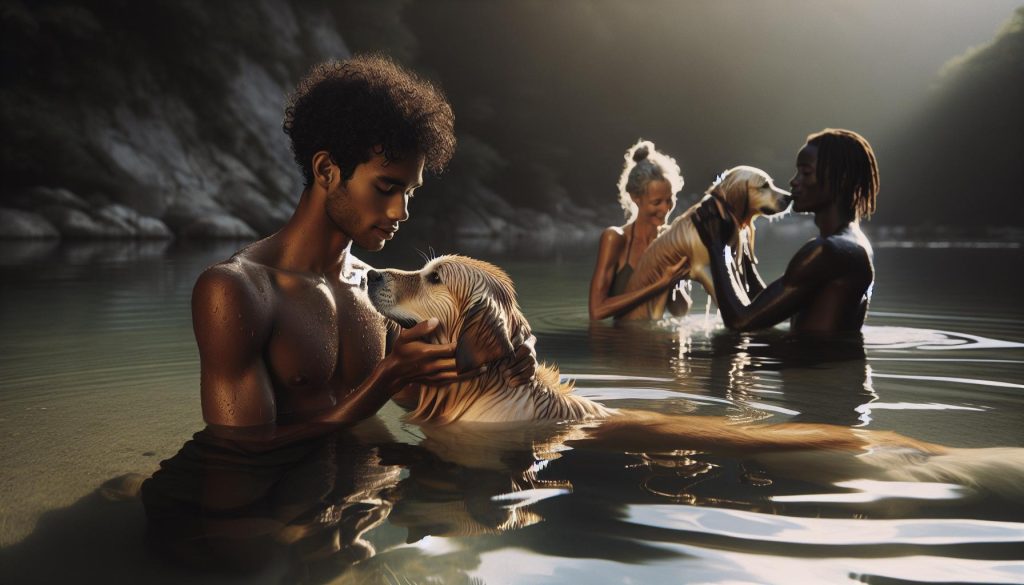
Did you know that some dog breeds are instinctively drawn to water, thriving in aquatic adventures? These “water dogs” have been bred for centuries to assist fishermen, retrieve game, and even help with water rescue missions. Understanding what makes these breeds special is essential for current and potential owners who love to include their furry companions in water activities. Whether you’re considering bringing a water-loving friend into your home or you’re simply curious about which breeds are best suited for a splash-filled lifestyle, exploring the fascinating world of water dogs will equip you with valuable insights. From their unique characteristics to the care they require, this guide is designed to help you make informed decisions while deepening your appreciation for these incredible swimmers. Join us as we dive into the breeds built for swimming excellence and discover how to foster a happy, healthy, and adventurous life with your water-loving canine!
What Makes Water Dogs Unique?

Water dogs are a truly remarkable subset of canine athletes, distinguished not only by their love of water but also by physical traits that enhance their swimming abilities. The unique blend of characteristics found in these breeds-such as webbed toes, a water-resistant double coat, and a strong, muscular build-make them naturally adept swimmers. Their instincts drive them to embrace water, whether it’s a lake, ocean, or backyard pool, providing them with endless joy and exercise.
One of the most fascinating aspects of water dog breeds is their historical purpose, which was often centered around retrieving game from water or assisting fishermen. Breeds like the Portuguese Water Dog and the Labrador Retriever were specifically bred for these tasks, showcasing not just agility and strength but also intelligence and trainability. These traits make them not only excellent companions for outdoor enthusiasts but also adaptable family dogs who thrive on activity and engagement.
Along with their physical abilities, water dogs also display a distinctive personality profile. They tend to be high-energy, playful, and affectionate, often forming strong bonds with their human companions. For those considering water dogs, it’s essential to recognize that their exuberant nature means they require regular mental and physical stimulation. This unique combination of traits and background ensures that water dogs stand out not just in the water but as beloved members of the family.
History and Purpose of Water Dog Breeds

Water dogs have a rich history intertwined with their unique roles alongside humans, mainly revolving around utility and companionship in aquatic environments. These breeds were developed for specific functions, often focusing on retrieving waterfowl for hunters or assisting fishermen in catching and bringing in fish. This natural talent for swimming and retrieving is where their greatness truly shines, as they were specifically bred to excel in these tasks, requiring both physical prowess and mental acuity.
One of the most iconic water dog breeds, the Labrador Retriever, originally served as a fisherman’s companion in Newfoundland, where they were adept at retrieving fish that escaped nets. Similarly, the Portuguese Water Dog was bred to work on fishing boats and assist with the retrieval of nets and fish, showcasing their intelligence and trainability. Each of these breeds exemplifies how the adaptations for swimming-such as webbed feet and water-resistant coats-were honed through generations to fulfill these vital roles.
Not only do these water-loving breeds exhibit stellar swimming abilities, but their historical functions have also shaped their temperaments. Traditionally, water dogs have been cooperative, eager to please, and highly trainable, making them incredible companions for outdoor enthusiasts. Their past roles as working dogs in various maritime activities fostered a natural affinity for water, ensuring that they thrive in settings where they can swim and engage actively.
As we explore the lineage of water dog breeds, it becomes evident that their purpose extends beyond mere physical attributes; their heritage influences their exuberant personalities and energy levels, requiring dedicated care and interaction. This intricate blend of history and purpose makes water dogs not just remarkable athletes in aquatic endeavors but also treasured family members, ready to share in adventures both in and out of the water.
Top Water Dog Breeds for Swimming Excellence

When it comes to their swimming prowess, few breeds can compete with water dogs, specifically bred for aquatic activities. These dogs not only love the water but are also equipped with unique physical traits that enhance their swimming capabilities. Among the top contenders for the title of best swimmer are the Labrador Retriever, Portuguese Water Dog, and the Chesapeake Bay Retriever. Each of these breeds boasts distinct characteristics that make them exceptional companions for any water-loving family.
One of the most well-known water dogs, the Labrador Retriever, is often praised for its friendly demeanor and high intelligence, making it an ideal choice for families and first-time dog owners. Labradors have a waterproof coat and webbed feet, which facilitate fast and efficient swimming. They are natural retrievers, eager to fetch items tossed into the water, and their love for this activity often leads to hours of playful interaction.
In comparison, the Portuguese Water Dog offers a more energetic and spirited personality. Known for their curly, water-resistant coat, these dogs were historically used by fishermen to herd fish and retrieve gear. Their agile swimming style and ability to work well in teams make them an exciting choice for those active in water sports, such as paddleboarding or kayaking. Moreover, their strong bond with families and high trainability ensure that they fit seamlessly into various lifestyles.
The robust Chesapeake Bay Retriever is another exceptional swimmer, specifically bred for retrieving waterfowl in harsh conditions. With a distinctive coat that repels water and insulation for those colder swims, they are built for endurance. This breed’s loyalty and protective nature make them excellent companions both on land and in the water, appealing to those who enjoy outdoor adventures.
These standout breeds not only excel in their aquatic capabilities but also bring joy and companionship to their families. Choosing the right water dog can enhance your recreational activities and ensure that you have a dedicated swim buddy by your side. When considering a water dog, think about your lifestyle, activity level, and living situation, as each breed will bring its unique strengths and challenges.
Ultimately, bringing a water dog into your life means embarking on a journey filled with fun, exercise, and the joys of aquatic adventures. Whether you’re splashing at the beach or enjoying a peaceful day at the lake, these breeds are sure to make every moment memorable.
Key Traits of Swimming Dogs
Their love for water is just the beginning of what makes water dogs truly exceptional. Breeds specifically designed for aquatic activities showcase a unique combination of physical traits and temperamental qualities that set them apart in the dog world. Among these characteristics, several key traits contribute to their swimming excellence and overall suitability for life around water.
Physical Attributes: Water dogs are equipped with features specifically adapted to swimming. Many have webbed feet, which act like natural paddles, allowing them to move efficiently through water. Additionally, their waterproof coats help keep them buoyant and warm, even in chilly waters. Breeds like the Labrador Retriever and the Chesapeake Bay Retriever boast thick, insulating fur that prevents water from reaching their skin, enabling them to swim comfortably for extended periods.
Temperament: Beyond their physical traits, the temperament of these breeds is often perfectly suited for water activities. Water dogs are typically high-energy and love outdoor adventures, making them enthusiastic swimming companions. Their innate curiosity drives them to explore their aquatic surroundings, while their calm demeanor in water fosters confidence, allowing them to navigate conditions that may intimidate other dogs. For instance, the Portuguese Water Dog is not only spirited but also highly trainable, making them ideal partners for water sports and activities.
Integration into Family Life: The adaptability of water dogs extends beyond the water’s edge. Many of these breeds thrive on companionship and enjoy participating in family activities, whether that be swimming, hiking, or simply playing fetch. They often become beloved family members and are known for their loyalty and affection. Keeping a water dog engaged through regular swim time, combined with training, can deepen the bond between the dog and its owner, ensuring a mutually rewarding relationship.
In summary, the combination of specialized physical traits and compatible temperamental qualities makes water dogs exceptional companions for aquatic enthusiasts. Whether you’re a first-time dog owner or an experienced handler, understanding these key traits can enhance your experience with a water dog and help you foster a thriving and joyful environment for your new furry friend. Consider how these characteristics align with your lifestyle and the activities you enjoy to choose the perfect water buddy for your adventures.
Essential Care Tips for Water Dogs
Ensuring your water dog thrives requires understanding their unique needs and characteristics. These energetic swimmers not only excel in aquatic environments but also benefit from tailored care practices that enhance their health and happiness. Here are some essential tips to keep your water-loving companion in top condition and ready for any splashy adventure.
Regular Grooming
Water dogs often have thick, waterproof coats that require consistent grooming to prevent matting and to maintain their insulating properties. Depending on the breed, brushing should occur at least once a week, with more frequent grooming during shedding seasons. For example, the Portuguese Water Dog and the Labrador Retriever may need different handling due to their coat types-curly versus short hair-so adjust your grooming tools accordingly. A good bath with a dog-specific shampoo will also help remove dirt and maintain the coat’s water-resistant quality.
Hydration and Nutrition
Hydration is particularly crucial for active water dogs. After swimming sessions, ensure your dog has access to fresh, clean water to drink and replenish lost fluids. A balanced diet rich in nutrients will support their energy needs, especially since swimming can be a demanding activity. It’s wise to consult with your veterinarian to determine the best food based on your dog’s age, size, and activity level, especially for breeds known for higher energy outputs such as the Chesapeake Bay Retriever.
Exercise and Mental Stimulation
While swimming is a primary activity for water dogs, incorporating varied exercises will keep their minds sharp and bodies healthy. Engage in activities like fetch, hiking, or water sport training. Rotating activities can prevent boredom, which can lead to destructive behaviors. Consider using interactive toys that challenge your dog mentally while they decompress after a swim.
Health Check-ups
Regular veterinary check-ups are vital for all dogs, but water dogs particularly benefit from monitoring their ears and skin, which are susceptible to moisture-related issues. Schedule routine wellness visits where the vet can assess their overall health and discuss preventative measures for issues such as ear infections common in breeds prone to swimming. Staying proactive will provide peace of mind and a happy, healthy water dog for years to come.
By integrating these essential care tips into your routine, you can foster a loving and supportive environment that accommodates your water dog’s unique needs. Whether you’re a seasoned owner or just starting, these practices will enhance your connection with your furry friend and ensure they lead a fulfilling and active life.
Training Techniques for Swimming Success
Training a water dog can be a delightful journey filled with splashes of joy and fun! These breeds, renowned for their affinity for water, often possess strong natural instincts that can be harnessed through proper training techniques. By using positive reinforcement and incorporating play into your training regimen, you can create a productive and enjoyable experience for both you and your furry companion.
Start by familiarizing your dog with water in a safe and controlled environment. Many breeds, such as the Labrador Retriever or the Portuguese Water Dog, thrive when introduced to shallow water gradually. You can use toys or treats to encourage them to explore and associate water with positive experiences. Always keep sessions short and engaging; if your dog seems anxious, take a step back, and allow them to acclimate at their own pace.
Once your dog is comfortable in the water, you can progress to essential swimming techniques. Teaching your dog to paddle and float can be greatly enhanced by using a swim vest for added safety and confidence. For example, encourage them to retrieve a toy you toss into the water. This not only builds their swimming abilities but also reinforces their natural retrieving instincts. Remember to give lots of praise and treats when they succeed, creating positive associations with both swimming and training.
In addition to swimming skills, it’s important to focus on obedience commands, particularly around water to ensure safety. Basic commands like “sit,” “stay,” and “come” are crucial. Practicing these commands in different environments, including near water, can help reinforce their importance. When dogs know they can rely on you for guidance, both on land and in the water, their confidence grows, and their training becomes more effective.
Lastly, maintain a routine that is both varied and stimulating. Water dogs are known for their high energy and intelligence, so mix up their training with other activities such as agility exercises on dry land or retrieving games on the shore. This rounded approach not only enhances their skills but also fosters a strong bond between you. With patience and consistency, your water dog will become a swimming expert, ready for countless aquatic adventures!
Health Considerations for Water Dog Breeds
Water dogs, known for their robust swimming abilities and love for aquatic activities, do require specific health considerations to thrive. Understanding these is crucial for any owner who wishes to ensure their furry friend remains healthy and happy while indulging their passion for water.
First and foremost, regular veterinary check-ups are essential. Water dogs are prone to particular health issues, including skin infections and ear problems, due to their frequent exposure to water. Moist environments can lead to conditions like swimmer’s ear, which is caused by water trapped in the ear canal. To keep ear infections at bay, it’s a good practice to regularly clean your dog’s ears, especially after a day at the beach or pool. Use a vet-recommended ear cleaner and dry the ears thoroughly to prevent moisture buildup.
Nutrition plays a significant role in the health of swimming breeds. A balanced diet rich in omega fatty acids is beneficial for maintaining healthy skin and coat, which is especially vital for dogs like the Labrador Retriever or the Portuguese Water Dog that spend considerable time in water. Owners should consider high-quality dog foods with natural ingredients and consult with a veterinarian to determine the best diet tailored to their dog’s specific needs. Regular exercise is also critical; while swimming is a great low-impact workout, engaging in other activities will help prevent obesity and related health issues.
In terms of specialized care, keep an eye on your pup’s paws. The aquatic environment can be tough on their paws, leading to cuts or irritation from sharp objects or chemical treatments in pools. After swimming, rinse their paws thoroughly to remove any chlorine or saltwater, and inspect them for any signs of injury. Furthermore, some breeds may benefit from seasonal grooming to manage their dense coats, ensuring they can efficiently navigate both water and land while staying comfortable.
Lastly, be mindful of temperature parameters when your dog is in water. Cold water can lead to hypothermia, particularly in breeds with shorter coats or less body fat. Always monitor their time in the water, especially on chilly days, and consider providing dog-specific swimwear or vests for added warmth and buoyancy. By being attentive to these health considerations, you can help your water dog thrive and enjoy every aquatic adventure to the fullest!
Best Activities for Your Water Dog
Every water dog thrives on activities that harness their natural swimming instincts and love for water. These breeds are not just built for agility in the water; they also possess a playful and adventurous spirit that makes them eager participants in various aquatic pursuits. Engaging your water dog in appropriate activities will not only satisfy their physical needs but also strengthen the bond between you and your furry friend.
Great Activities for Water Dogs
Engaging in water-centric activities is an absolute must for water dog breeds. Here are some exciting options:
- Swimming Sessions: Regular swimming in lakes, rivers, or pools allows your dog to use their natural talents. For breeds like the Labrador Retriever or the Portuguese Water Dog, this isn’t just exercise; it’s a joyful experience. Ensure safety by supervising your dog at all times and providing safe entry and exit points.
- Fetch in the Water: This classic game can take a refreshing twist when played in a pool or at the beach. Use floating toys to encourage your dog to retrieve in a challenging environment. Make sure the toys are dog-safe and visible in water.
- Agility and Obstacle Courses: Create a splash zone with aquatic-themed agility challenges. These can include hurdles to jump over, tunnels to navigate, and floating platforms to leap onto. This stimulates both their mind and body while keeping it fun!
- Dock Diving: A thrilling sport where dogs leap off a dock into the water after a toy. It’s an excellent way to gauge your dog’s love for jumping and swimming, while providing ample exercise.
- Underwater Fetch: If your dog is comfortable with diving, tossing toys just under the surface can encourage them to explore deeper water, honing their swimming skills while having a blast.
Remember, post-swimming care is essential. After these fun activities, rinse your dog off to prevent skin irritations from salt, chlorine, or other chemicals.
Land-Loving Fun for Water Dogs
While water activities are vital, incorporating land-based fun can also keep them engaged and exercised. Consider these options:
- Hiking: Many water dogs have a great sense of adventure. Take them on hiking trails that lead to water bodies, allowing them to cool off after a strenuous trek.
- Playing with Other Dogs: Arrange playdates with other water-loving breeds to enhance their social skills and physical fitness. Make it an outdoor adventure where they can splash in nearby water.
- Training Sessions: Use fun training exercises that focus on building skills beneficial for water activities, such as recalls and fetching skills.
Every moment spent bonding over activities-whether in water or on land-enriches your water dog’s life and keeps them fit and happy. Consider your dog’s unique preferences and abilities when choosing activities, ensuring fun and safety come first. With the right balance of aquatic adventures and on-land fun, your water dog will thrive, embracing their innate love for the water while enjoying their time with you.
How to Choose the Right Water Dog for You
Choosing the right water dog goes beyond simply picking a breed known for its swimming ability; it’s about understanding your lifestyle, preferences, and the unique characteristics each breed offers. Water dogs, like the Labrador Retriever and Portuguese Water Dog, are not only built for swimming but are also active and social companions that thrive in various environments. Consider your space-do you have access to lakes, beaches, or pools? This will help you determine which breed can best fit your lifestyle and active routine.
When choosing a water dog, it is essential to consider each breed’s specific traits and needs. For example, the Labrador Retriever is known for its playful nature and versatility, making it an excellent family dog. In contrast, the Irish Water Spaniel is not only an adept swimmer but also has a quirky personality that could bring joy to the right owner. Evaluating these factors can help ensure your new furry friend will be a good match for your home.
Another important aspect is the level of commitment to training and exercise you can provide. Water dogs generally require regular physical and mental stimulation. The Newfoundland, for example, is not only a strong swimmer but also needs daily activities to stay happy. If you lead a busy lifestyle, consider whether you can provide enough engagement and exercise for some of the more active breeds.
Creating a checklist can be helpful in your decision-making process. Consider aspects such as energy levels, temperament, grooming needs, and health considerations:
| Breed | Energy Level | Grooming Needs | Temperament |
|---|---|---|---|
| Labrador Retriever | High | Low | Friendly |
| Portuguese Water Dog | High | Moderate | Intelligent |
| American Water Spaniel | Moderate | Moderate | Affectionate |
| Irish Water Spaniel | Moderate | High | Playful |
| Newfoundland | Moderate | Low | Gentle |
Remember, adopting a dog is a long-term commitment that requires consideration of their needs alongside your own. Spend time researching breeds and even meeting them to ensure they’re the right fit for your lifestyle. When you find a breed that resonates with you, you’ll not only gain a loyal companion but also a swimming partner ready for adventures in the water!
Comparing Water Dogs: Strengths and Weaknesses
When it comes to choosing a water dog, understanding their strengths and weaknesses can guide you towards selecting the perfect companion tailored to your lifestyle. Each water dog breed is unique, possessing distinct traits that can cater to a variety of activities, temperament preferences, and environmental needs. For instance, some breeds excel in swimming capabilities while others may excel in companionship or versatility in various tasks.
Strengths of Water Dog Breeds
- Labrador Retriever: Renowned for their friendly disposition and high energy levels, Labs are not only exceptional swimmers but also sociable and eager to please. Their adaptability makes them perfect for families and active individuals.
- Portuguese Water Dog: This breed shines with its intelligence and hypoallergenic coat, making them suitable for those with allergies. They are also highly trainable and thrive on activities that challenge their minds and bodies.
- Newfoundland: Famous for their strength and gentle nature, Newfoundlands are excellent water rescue dogs. Their ability to help in swimming scenarios and their calm demeanor make them ideal companions for those who enjoy outdoor water activities.
Weaknesses of Water Dog Breeds
- Irish Water Spaniel: While they are quirky and playful, they often require more grooming due to their dense, curly coats. Their independent nature can also make training a bit challenging for novice owners.
- American Water Spaniel: Although they are affectionate and moderately active, this breed may need more socialization and structured training compared to other water dogs. Without proper engagement, they can become bored and exhibit destructive behaviors.
Understanding these strengths and weaknesses helps potential owners align a breed’s characteristics with their personal needs. When making your choice, consider the level of exercise you can provide, your living situation, and the type of companionship you desire. Ultimately, every water dog has the potential to be a devoted partner in both work and play, ensuring that your adventures are always filled with joy and camaraderie.
Understanding the Optimal Environment for Water Dogs
Creating the right environment for your water dog is essential for their happiness and well-being. These breeds are not only natural swimmers but also thrive in spaces that allow them to engage with water and enjoy physical activities. Ideally, a home with easy access to a safe body of water-be it a lake, river, or beach-can provide endless opportunities for swimming and playing. Consider also your living arrangement: a house with a large yard or proximity to parks would cater to their energetic nature, allowing them to run and play freely when they’re not in the water.
Additionally, it’s crucial to consider the environmental conditions. Water dogs often appreciate a cooler climate, which can help prevent overheating during vigorous activities. Ensure that your dog has access to shade and fresh water, especially during outdoor play sessions under the sun. Regular swimming and playtime should be balanced with rest periods in a comfortable space, as they can become fatigued easily.
In terms of safety, always supervise your water dog during swimming activities, especially in open bodies of water. Ensure they are wearing a life vest if they are inexperienced swimmers or if the conditions are challenging. Create a designated play area that’s safe for both water exploration and land activities. This approach not only keeps your dog safe but also sets the stage for building their skills and confidence in the water. Ultimately, a thoughtfully designed environment that prioritizes their natural instincts and safety will allow your water dog to thrive and enjoy a fulfilling life.
Common Myths About Water Dog Breeds
Many dog lovers believe that all water dogs are born to swim like champions, but this misconception hides the complexities behind these unique breeds. While it’s true that breeds like the Labrador Retriever, Portuguese Water Dog, and Golden Retriever have impressive swimming abilities, not all water dogs share the same level of enthusiasm for aquatic activities. Dispelling myths about water dog breeds can help potential owners make informed decisions and better understand these loyal companions.
One common myth is that all water dogs are genetically predisposed to love water unconditionally. In reality, individual personality and training play significant roles in a dog’s affinity for swimming. For instance, while breeds like the Newfoundland possess a natural instinct to swim and retrieve, other breeds may need gradual exposure and positive reinforcement to enjoy the water. Just like humans, each dog has its own preferences, and what works for one might not work for another.
Another misconception is that water dogs require constant access to large bodies of water to be happy. While they often thrive near water, these breeds can adapt to various environments, including homes without a nearby lake or ocean. Regular visits to parks with ponds, local pools, or even backyard splash pads can fulfill their need for water play. It’s essential for owners to create opportunities for their water dogs to enjoy swimming experiences safely and comfortably, ensuring that their emotional and physical needs are met.
Additionally, people often assume that all water dogs are easily trained due to their water-loving nature. In reality, while many of these breeds are intelligent and eager to please, they can also exhibit unique behavioral challenges. Consistent training that includes water exposure, positive reinforcement techniques, and socialization is crucial in moderating their behavior both in and out of the water. As responsible owners, embracing patience and understanding nuances in behavior can lead to a fulfilling relationship built on trust and fun-filled adventures together.
By being aware of these myths, prospective water dog owners can approach their journey with an informed mindset, celebrating each dog’s individuality while providing the best possible environment for their aquatic adventures.
FAQ
Q: What characteristics define a water dog?
A: Water dogs are typically defined by their webbed feet, strong swimming abilities, and dense, water-resistant coats. These traits enable them to excel in aquatic environments. Additional characteristics include a friendly disposition, intelligence, and a love for play, making them great companions for active families.
Q: How do water dogs differ from regular dog breeds?
A: Water dogs differ primarily in their physical adaptations for swimming, such as buoyant bodies, webbed toes, and specific coat types that repel water. They also possess strong swimming instincts and higher energy levels, requiring more exercise and stimulation compared to many standard breeds.
Q: What types of activities are best for water dogs?
A: Water dogs thrive in activities such as swimming, fetching, and agility training. Engaging them in water sports like dock diving or paddleboarding can be particularly enjoyable. Incorporating regular swim sessions fosters their natural instincts and keeps them physically fit.
Q: How should water dogs be trained for swimming?
A: Training for swimming should begin with positive experiences in water, gradually introducing them to deeper areas. Use toys to encourage play and swimming. Consistent reinforcement of commands, combined with patience, helps build their confidence and skills in the water.
Q: What are common health issues in water dog breeds?
A: Common health issues in water dog breeds include hip dysplasia, ear infections, and skin conditions due to their water exposure. Regular veterinary check-ups, proper grooming, and preventive care are vital to maintain their health and well-being.
Q: Can water dogs adapt to living in apartments?
A: Yes, water dogs can adapt to apartment living, provided they receive adequate exercise and mental stimulation. Daily walks and frequent trips to dog parks or swimming areas can help meet their high-energy needs, keeping them happy and healthy in smaller spaces.
Q: Why are water dogs good family pets?
A: Water dogs make good family pets due to their social, playful nature and adaptability. They generally get along well with children and other pets, and their love for water activities provides excellent bonding opportunities for families enjoying outdoor adventures together.
Q: What should I consider when choosing a water dog breed?
A: When choosing a water dog breed, consider size, energy level, grooming needs, and temperament. Research specific breeds to ensure compatibility with your lifestyle. Additionally, assess your availability for regular exercise and activities to meet their needs effectively.
Concluding Remarks
As we’ve explored, water dogs are not just excellent swimmers; they’re also devoted companions that bring joy and excitement to any aquatic adventure. Whether you’re considering adding a water-loving breed to your family or looking to enhance your existing pup’s swimming skills, now is the perfect time to dive deeper into their care and training. Don’t miss our comprehensive guides on training tips for water dogs and how to ensure their safety around water, which you can find linked below.
Ready to take the plunge? Sign up for our newsletter to receive expert advice and exclusive tips directly to your inbox. Have questions or experiences to share? We’d love to hear from you in the comments! Your journey with a water dog is just beginning, and we’re here to support you every step of the way. Remember, the joy of owning a water dog awaits, and every splash is an opportunity for unforgettable memories!